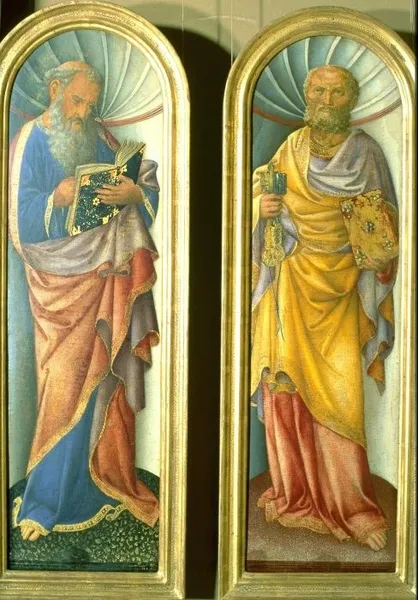
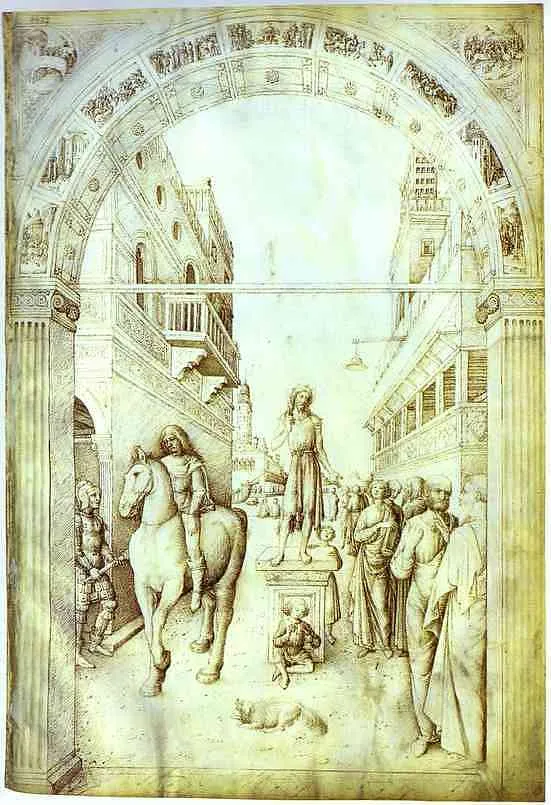
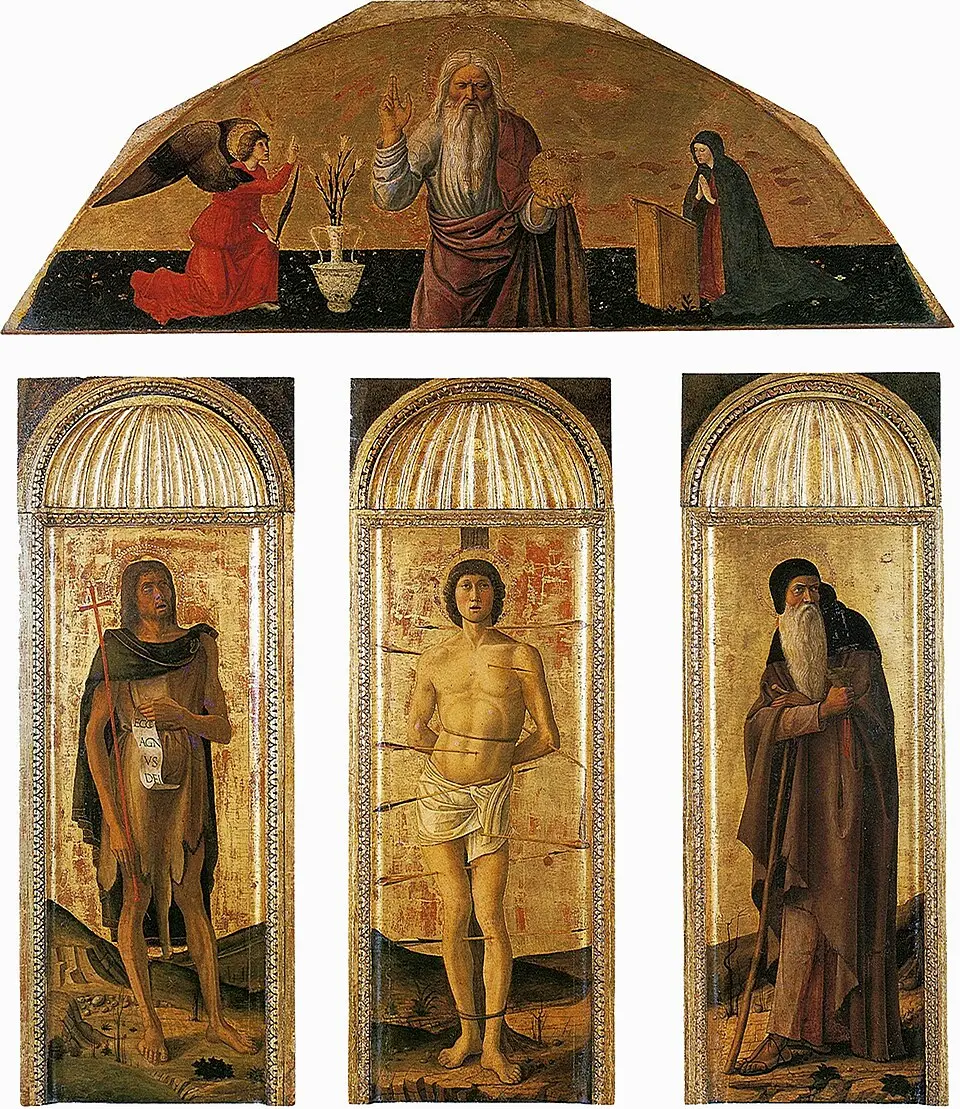
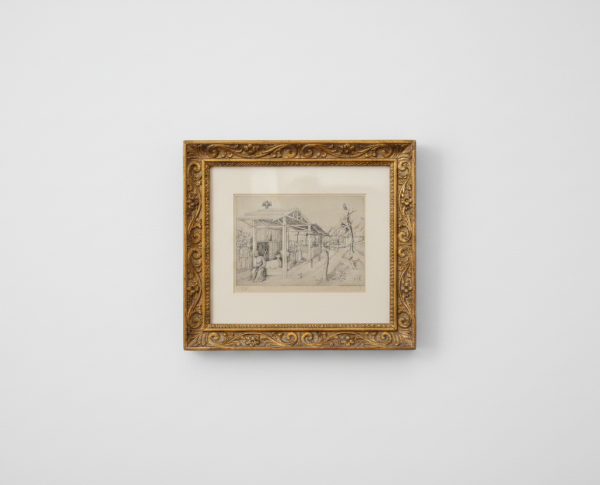
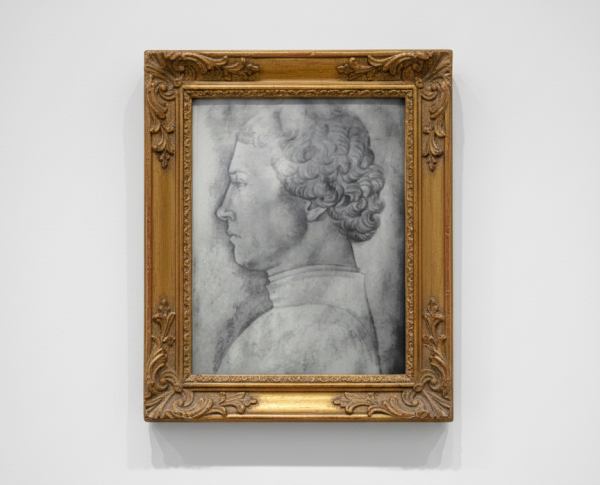
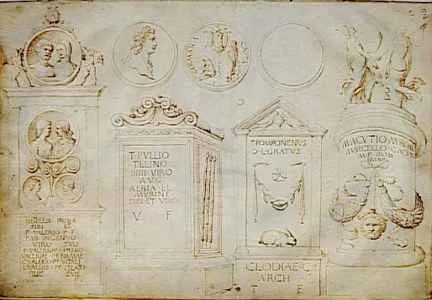
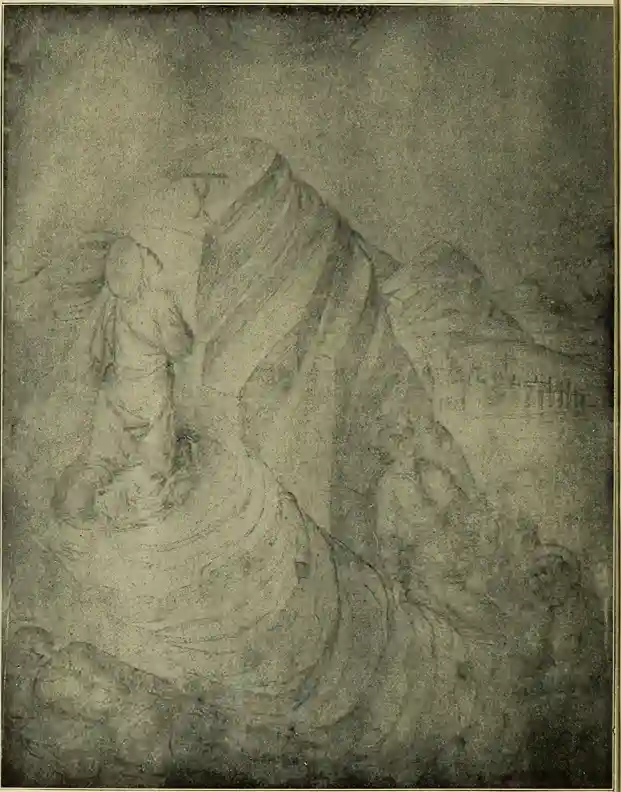
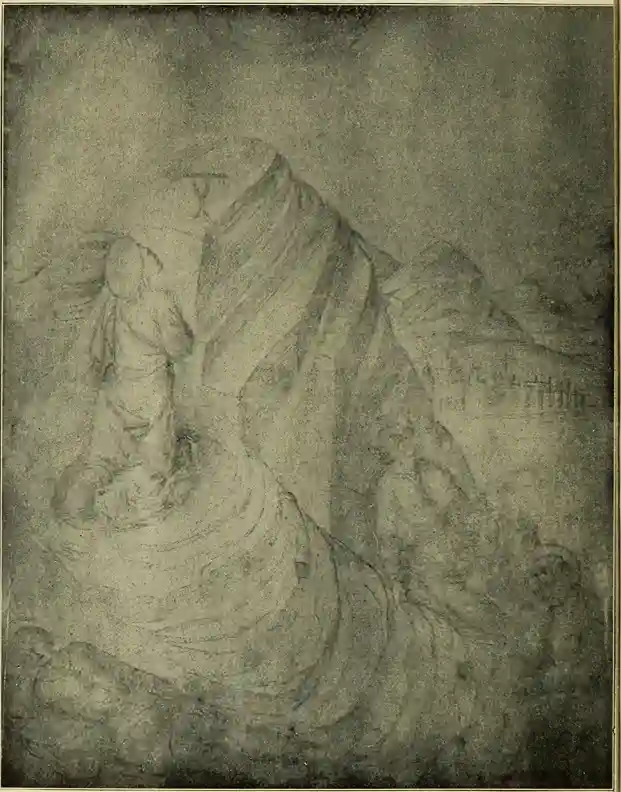
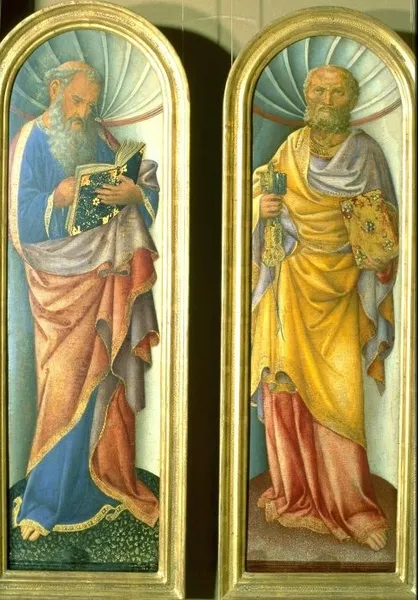
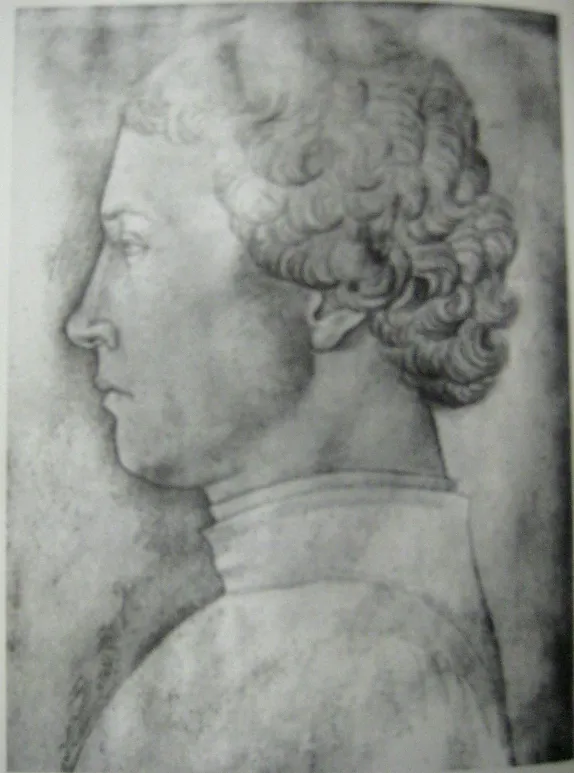
Jacopo Bellini’s technique in "The Agony in the Garden" demonstrates his mastery of oil on canvas. The painting showcases delicate brushwork and a profound understanding of light, hallmarks of the Early Renaissance movement. Bellini's ability to convey emotion and narrative through oil on canvas remains highly admired. Those interested in Early Renaissance art often appreciate similar pieces, including "Profile of a Man" and "John the Evangelist," for their technical brilliance.
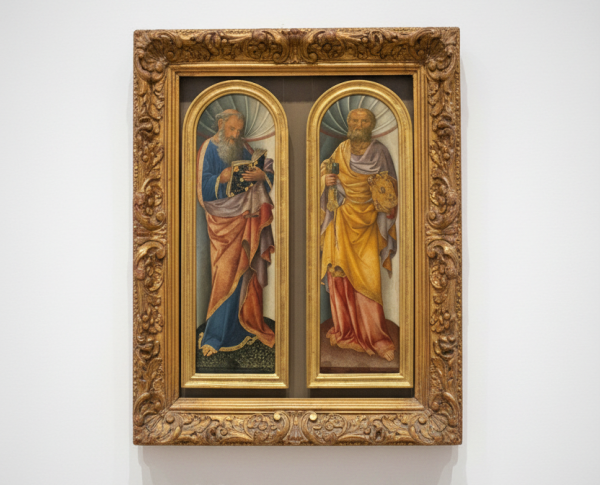
Within "The Agony in the Garden," Bellini weaves religious symbolism and storytelling, hallmarks of a fine art painting for sale from the Early Renaissance. The expressive figures and serene landscape invite viewers to contemplate the painting’s spiritual themes. Bellini’s works, including "The Apostle Peter," are celebrated for their narrative depth and symbolic richness, making them highly sought after in the world of fine art painting for sale.
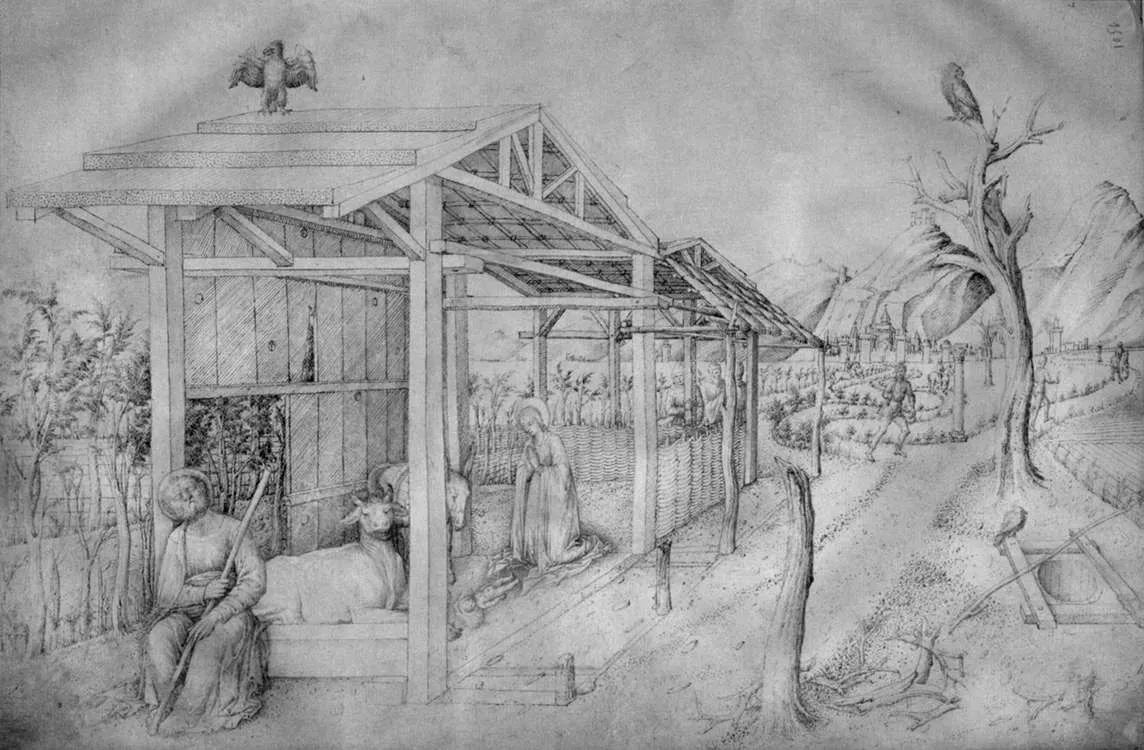
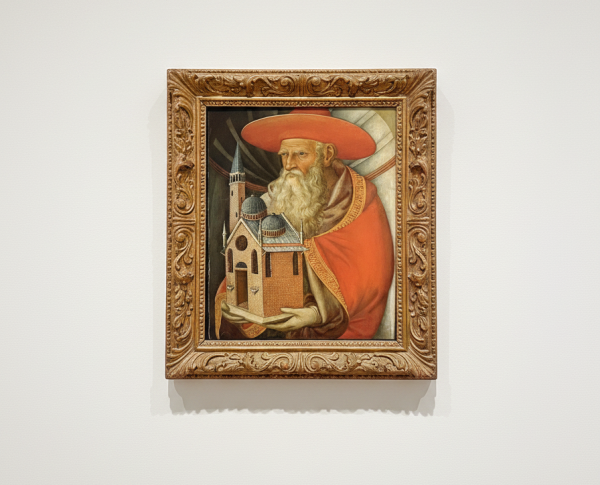
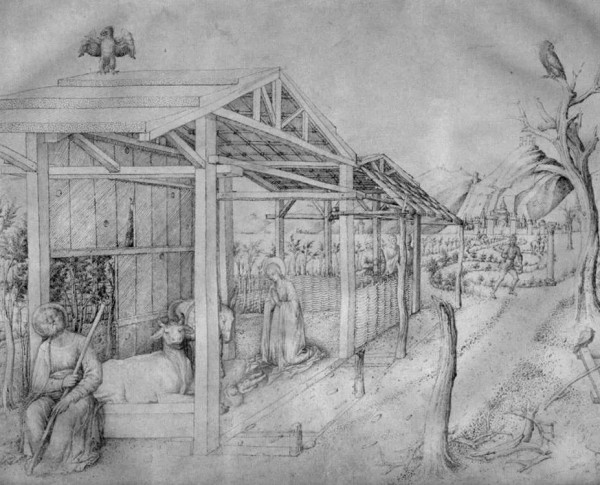
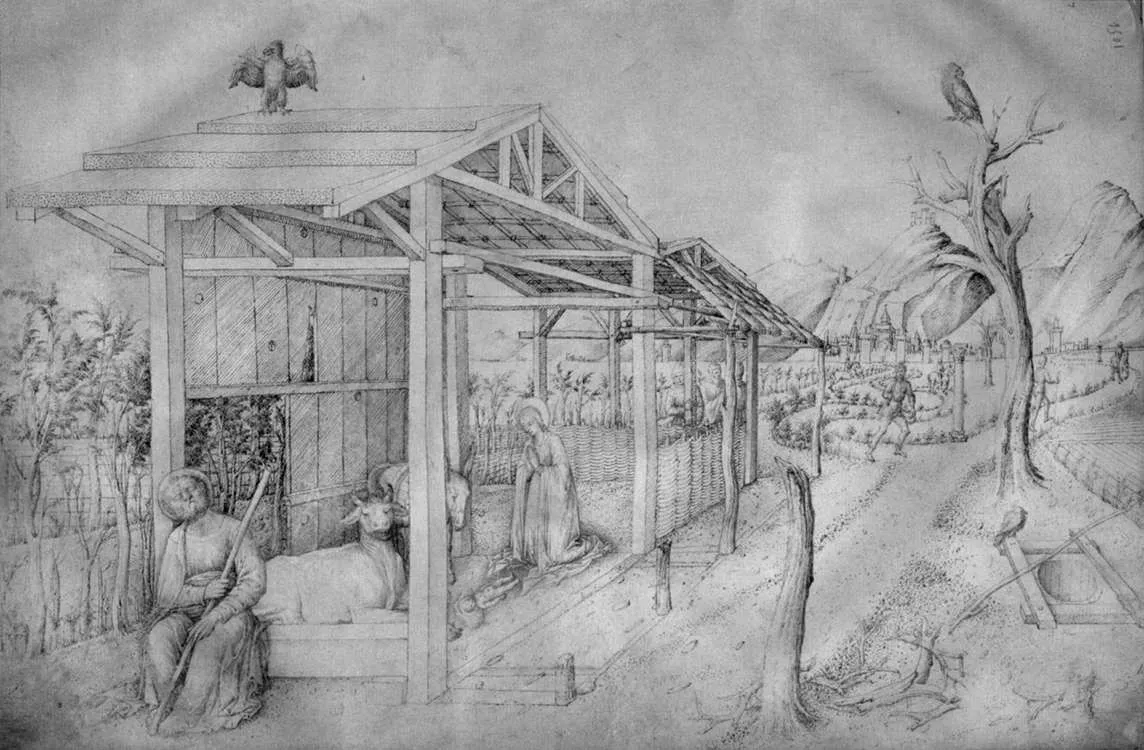
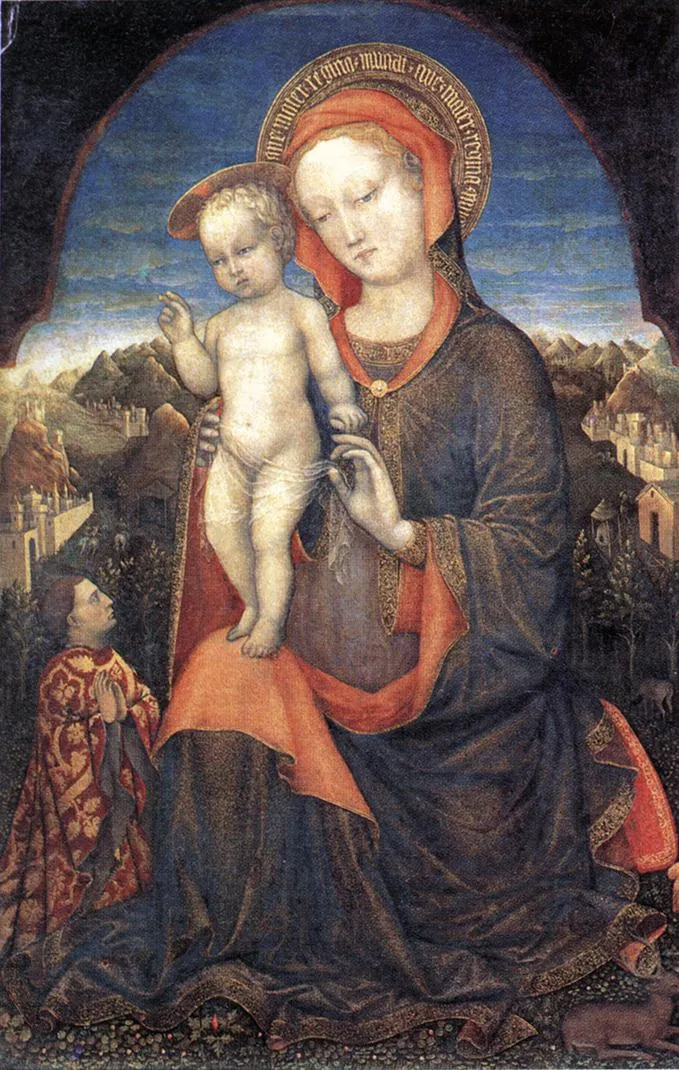
Owning "The Agony in the Garden" by Jacopo Bellini is a rare opportunity for collectors of Early Renaissance masterpieces. This hand-painted oil painting stands alongside related treasures like "Saint Jerome" and "Nativity" as a testament to Bellini’s enduring legacy. For those seeking a unique fine art painting for sale, Bellini’s works offer timeless beauty and historical significance, making them a prized addition to any discerning collection.
When Art Meets History
"The Agony in the Garden" by Jacopo Bellini stands as a remarkable example of Early Renaissance artistry. This hand-painted oil painting captures a pivotal biblical scene, showcasing Bellini's skill in storytelling through art. As a leading figure in the Early Renaissance, Bellini influenced many with his innovative techniques. Related paintings such as "The Flagellation of Christ" and "Adoration of the Magi" further highlight his mastery, solidifying his place in art history.
Techniques That Speak
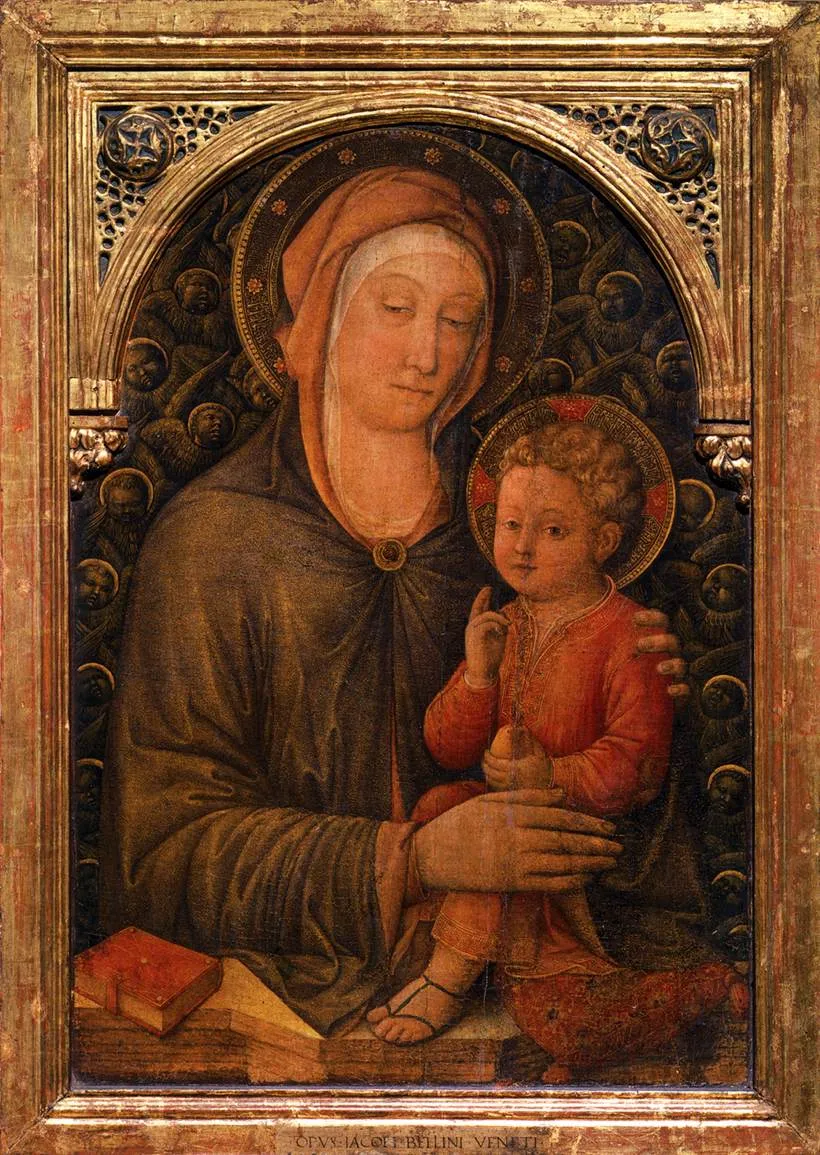
Jacopo Bellini's "The Agony in the Garden" demonstrates the artist’s mastery of oil on canvas, a medium that allowed for intricate detail and depth. The Early Renaissance movement emphasized naturalism and perspective, both of which are evident in this piece. Bellini’s brushwork and use of light create a sense of drama, much like in his works "Portrait of a Young Man" and "The Madonna of Mercy," enriching the visual narrative of this era.
Emotions on Display
In "The Agony in the Garden," Bellini conveys profound emotion, inviting viewers to witness the turmoil and solitude of Christ. This fine art painting for sale is a testament to the Early Renaissance movement’s focus on human expression. The emotional depth seen here also appears in Bellini’s "Lamentation over the Dead Christ," where raw feelings are vividly portrayed, making his paintings resonate with collectors and art lovers alike.
Coveted by Collectors
Collectors highly value Jacopo Bellini’s "The Agony in the Garden" for its historical significance and exquisite technique. As a hand-painted oil painting, it exemplifies the sophistication of the Early Renaissance. Collectors often seek related paintings like "The Flagellation of Christ" and "The Madonna of Mercy," appreciating Bellini’s unique style and contribution to art. These masterpieces continue to be treasured as timeless works within the art market.
Related Early Renaissance Hand-Painted Oil Paintings by Other Artists
Other Famous Early Renaissance Artists:
Frequently Asked Questions About The Agony in the Garden
What is the historical context of "The Agony in the Garden"?
"The Agony in the Garden" was created during the early Renaissance period, a time marked by a renewed interest in classical antiquity and humanism. Jacopo Bellini, an influential Venetian painter, contributed to this movement by integrating naturalism and emotional depth into his works.
What are the main themes depicted in the painting?
The painting primarily explores themes of suffering, sacrifice, and divine intervention. It captures the moment of Jesus Christ's prayer in the Garden of Gethsemane, highlighting his emotional turmoil before the crucifixion.
Who are the key figures represented in the artwork?
The central figure is Jesus Christ, depicted in a state of anguish. Accompanying him are the sleeping disciples, symbolizing human weakness and the struggle to remain vigilant in times of crisis.
What artistic techniques did Jacopo Bellini employ in this painting?
Bellini utilized chiaroscuro to create depth and volume, enhancing the emotional intensity of the scene. His use of color and light also serves to draw attention to the figure of Christ, emphasizing his significance in the composition.
How does "The Agony in the Garden" reflect Renaissance ideals?
The painting embodies Renaissance ideals through its focus on human emotion and the natural world. Bellini's attention to detail and realistic portrayal of figures demonstrate the era's shift towards individualism and the exploration of human experience.
What symbolism is present in the painting?
Symbolism is rich in this work; the olive tree represents peace and the impending sacrifice, while the darkened sky foreshadows the turmoil of the crucifixion. The contrast between light and dark further emphasizes the spiritual struggle of Christ.
How did Jacopo Bellini influence future artists?
Jacopo Bellini's innovative techniques and emotional depth influenced many subsequent artists, including his sons, Gentile and Giovanni Bellini. His approach to composition and narrative set a precedent for the Venetian school and the broader Renaissance movement.
What is the significance of the setting in the painting?
The Garden of Gethsemane serves as a critical backdrop, symbolizing both a place of refuge and impending betrayal. Its lush yet somber atmosphere reflects the duality of peace and turmoil present in the narrative.
What materials and techniques were used in the creation of this artwork?
Jacopo Bellini typically used tempera on wood panels, a common medium during the Renaissance. This technique allowed for fine detail and vibrant colors, contributing to the overall emotional impact of the painting.
How does this painting compare to other depictions of the same subject?
Compared to other depictions, Bellini's "The Agony in the Garden" stands out for its emotional depth and realism. While many artists focused on the dramatic elements of the scene, Bellini's interpretation emphasizes the psychological struggle of Christ, making it a poignant representation of this biblical moment.






















_GFM_Painting_(1).webp)


 100% Hand-Painted: Finished in 3-6 Weeks

.png)
















_(1).webp)