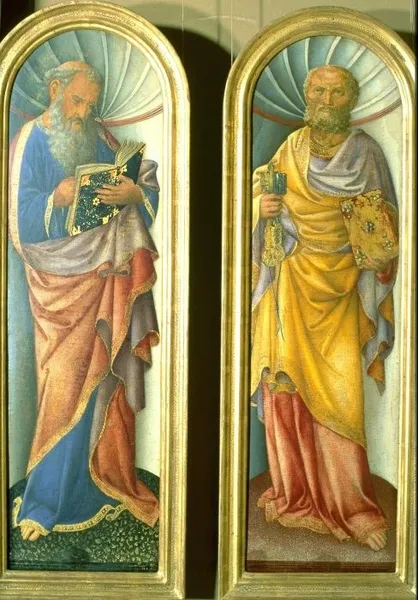
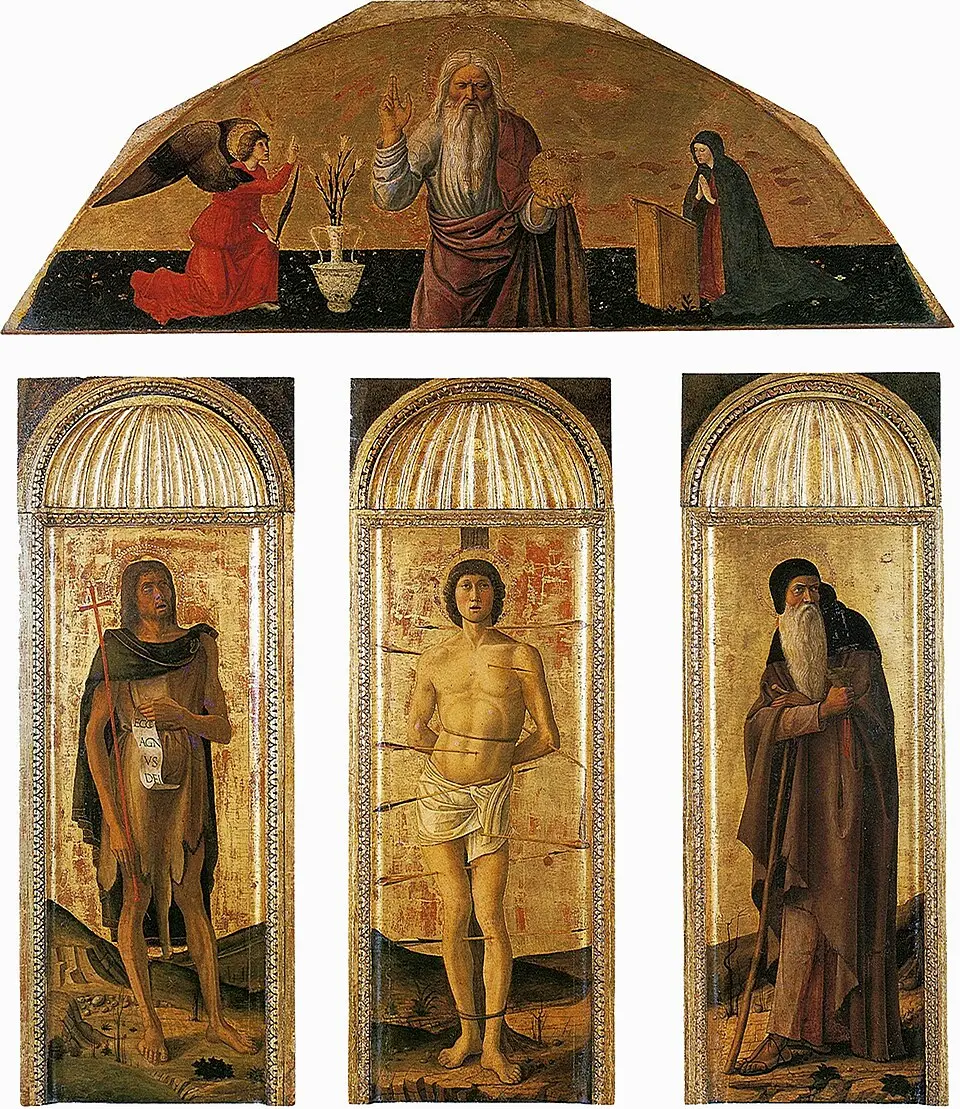
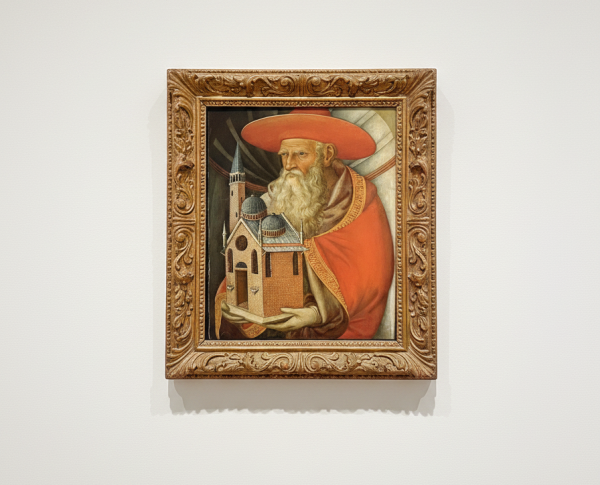
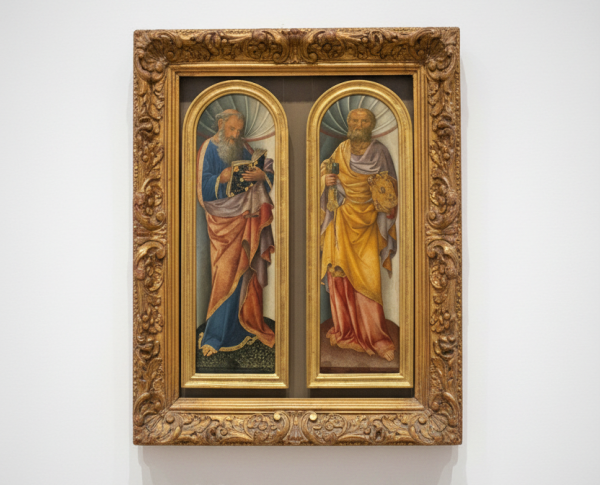
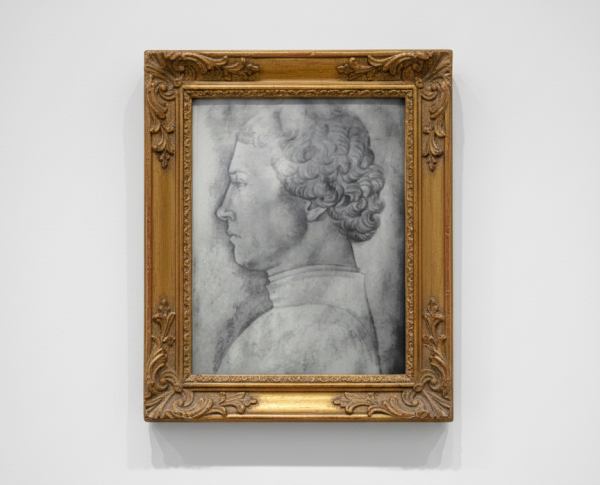
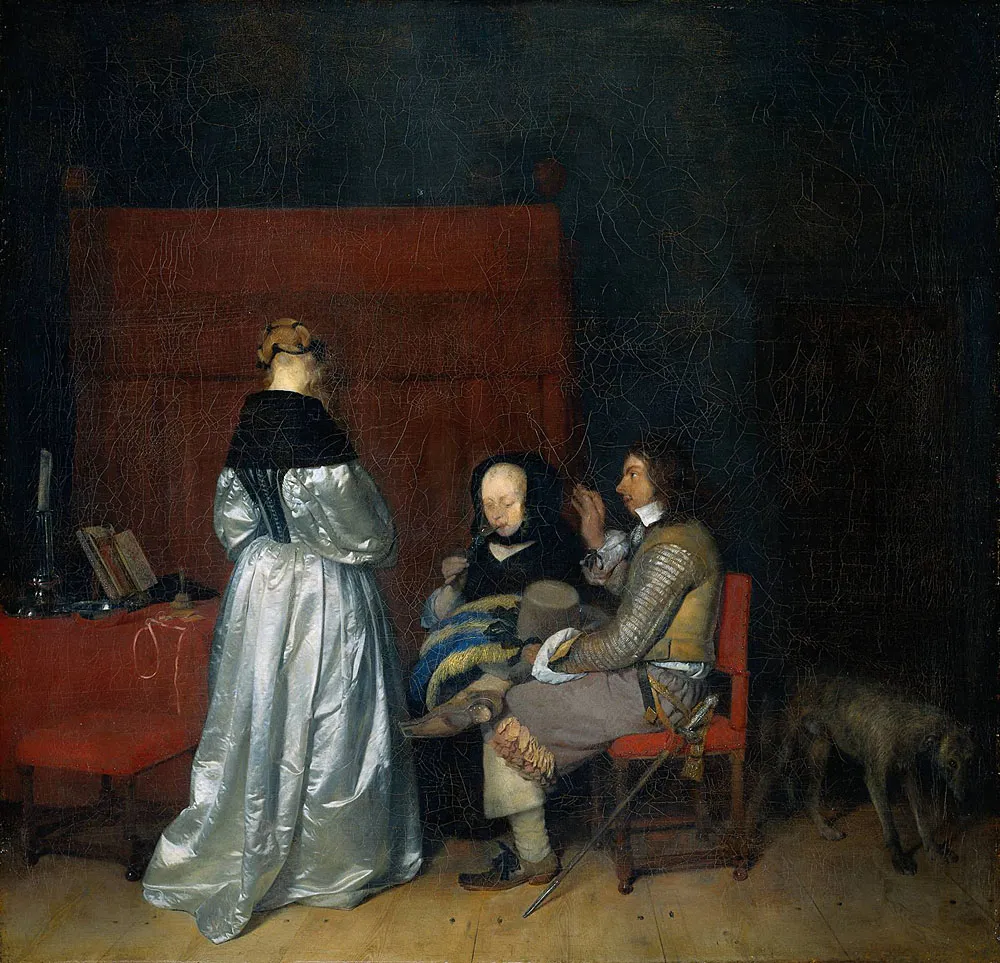
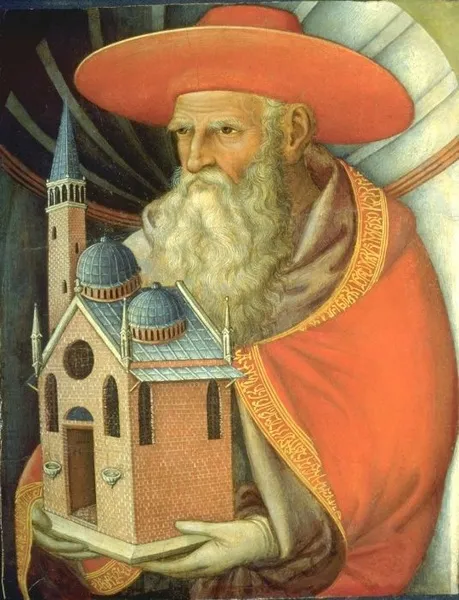
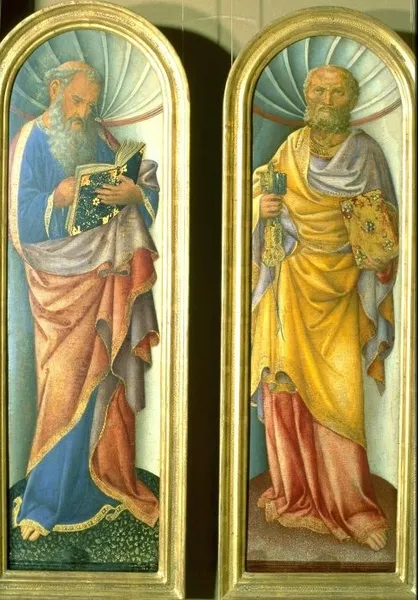
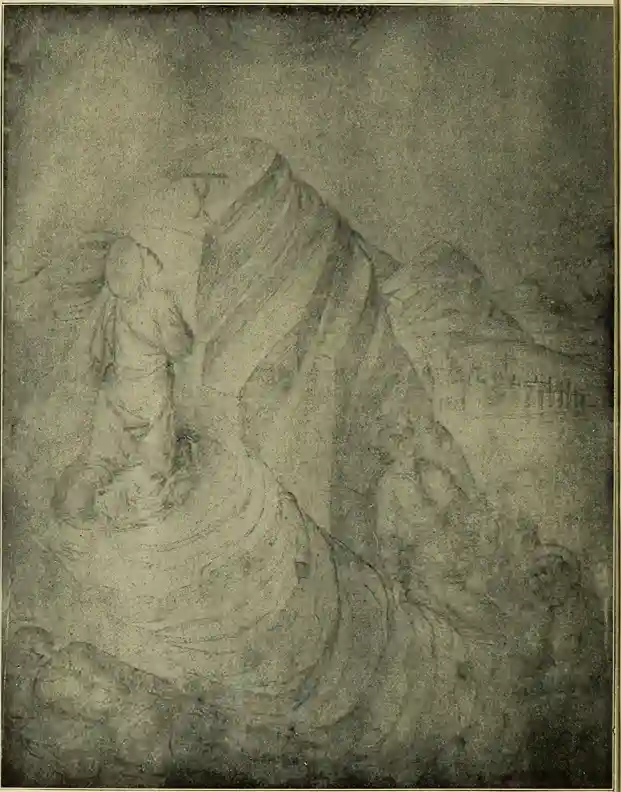
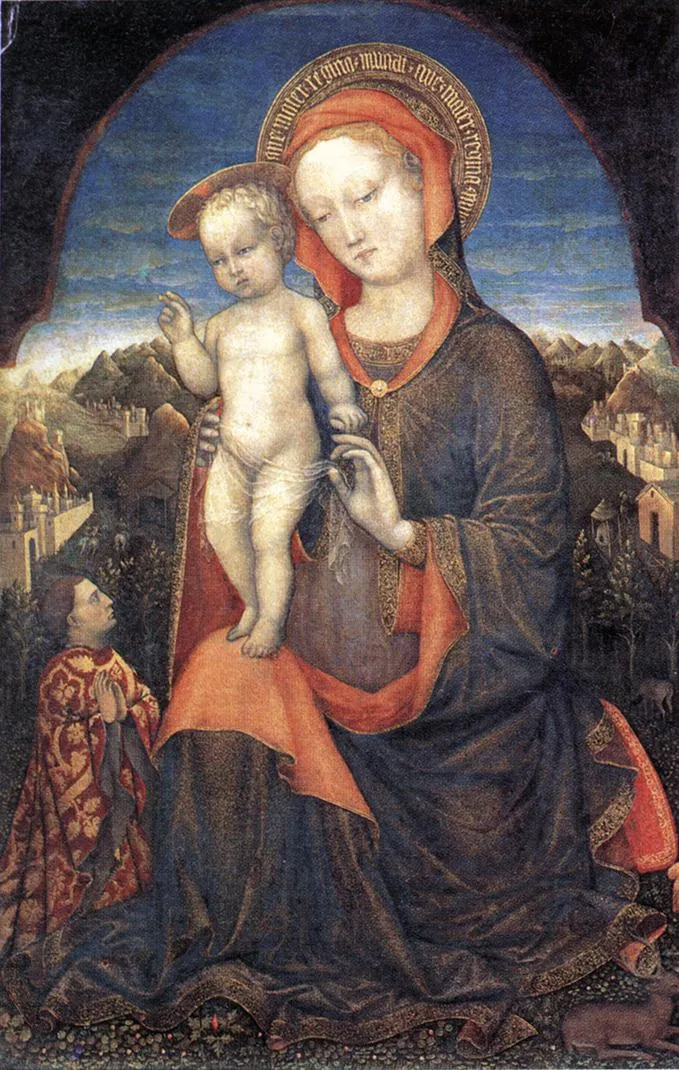
Jacopo Bellini’s "Nativity" showcases his exceptional technique with oil on canvas, a medium that allowed for rich detail and luminous color. Each brushstroke demonstrates his skill in rendering light, texture, and emotion, hallmarks of the Early Renaissance. The painting’s composition and use of perspective set new standards in art. For those looking to own a piece of history, related works like "Saint Jerome, John the Evangelist, the Apostle Peter" are also available.
Within the "Nativity," Bellini weaves intricate stories and symbols that reveal deeper meanings behind the scene. This fine art painting for sale embodies the spiritual beliefs and cultural values of the Early Renaissance. The figures, gestures, and background elements all contribute to the narrative, inviting viewers to explore the painting’s hidden messages. Collectors may also appreciate related products such as "Saint Jerome, John the Evangelist, the Apostle Peter" for their symbolic connections.
Owning Jacopo Bellini’s "Nativity" is a dream for many art lovers, as this hand-painted oil painting exemplifies the finest qualities of the Early Renaissance. Its historical significance and masterful execution make it a prized addition to any collection. Collectors often seek out related works, including "Saint Jerome, John the Evangelist, the Apostle Peter," to showcase alongside the "Nativity," enhancing the narrative and value of their art collections.
When Art Meets History
"Nativity" by Jacopo Bellini stands as a testament to the transformative period known as the Early Renaissance. This hand-painted oil painting not only captures the religious significance of Christ's birth but also reflects the evolving artistic techniques of the time. Bellini, a pioneer alongside contemporaries who created works like "Primavera" and "Birth of Venus (La Nascita di Venere)", masterfully bridges medieval tradition and Renaissance innovation, making this artwork a cornerstone for art historians and enthusiasts alike.
Techniques That Speak
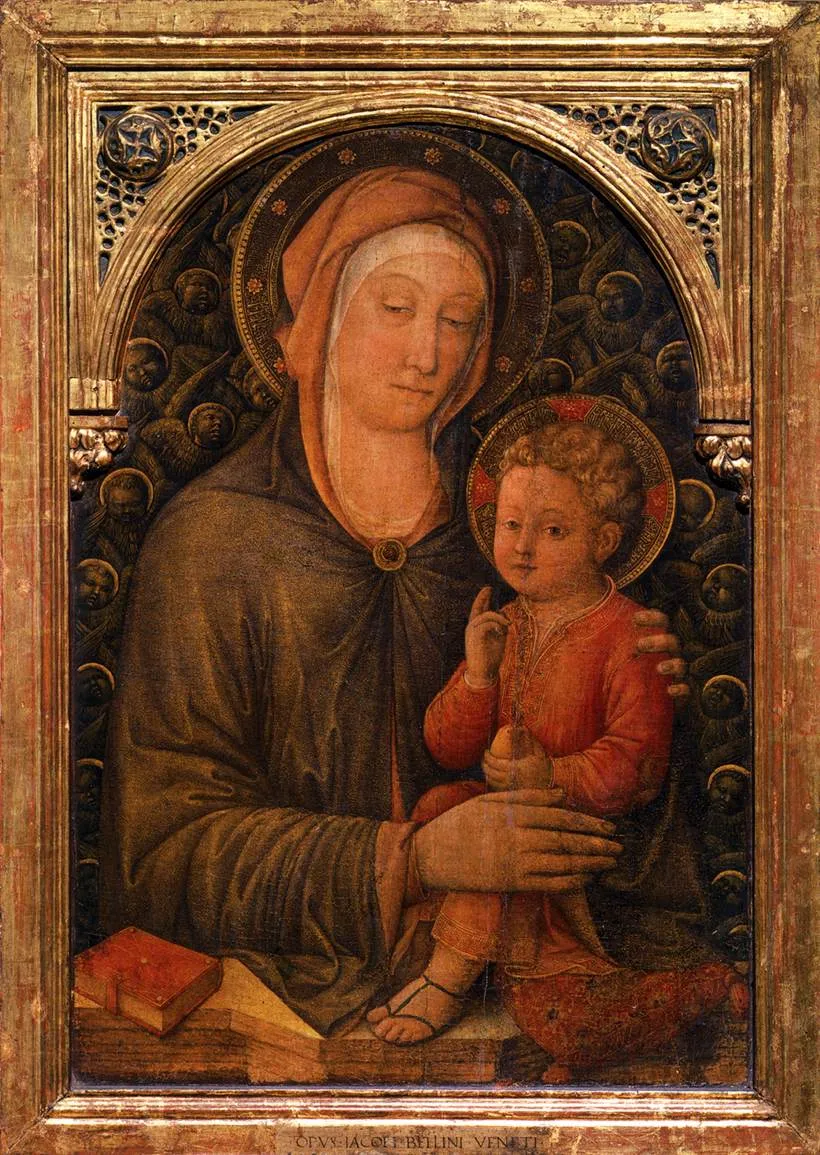
Jacopo Bellini’s "Nativity" showcases his remarkable skill with oil on canvas, a medium that allowed for greater depth, luminosity, and detail. The artist’s adept use of perspective and delicate brushwork highlights the humanity and divinity of the scene, setting a standard for Early Renaissance painters. Bellini’s techniques influenced later masterpieces such as "Madonna and Child with an Angel" and "Madonna with two angels", demonstrating his pivotal role in the evolution of fine art.
Emotions on Display
In "Nativity," Bellini captures a profound sense of awe and serenity, inviting viewers to experience the emotional core of the scene. The subtle expressions and gentle gestures bring a tender humanity to this fine art painting for sale, echoing the emotional depth found in works like "Fortitude" and "Primavera." Bellini’s attention to detail ensures every figure resonates with genuine feeling, making the painting a cherished example of Early Renaissance emotional storytelling.
Coveted by Collectors
Collectors prize Jacopo Bellini’s "Nativity" not only for its historical significance but also for its exquisite artistry. As an iconic oil on canvas from the Early Renaissance movement, it stands alongside revered works such as "Birth of Venus (La Nascita di Venere)" and "Madonna with two angels." The enduring demand for this painting testifies to Bellini’s legacy, ensuring that each hand-painted oil painting from this era remains a coveted treasure in the world of art collecting.
Related Early Renaissance Hand-Painted Oil Paintings by Other Artists
Other Famous Early Renaissance Artists:
Frequently Asked Questions About Nativity
What is the historical context of Jacopo Bellini's "Nativity"?
"Nativity" was created during the early Renaissance period, a time marked by a renewed interest in classical antiquity and humanism. Jacopo Bellini, a prominent Venetian painter, was influenced by these cultural shifts, which is reflected in his depiction of biblical themes with a focus on naturalism and emotional expression.
What artistic techniques did Jacopo Bellini employ in "Nativity"?
Jacopo Bellini utilized techniques such as chiaroscuro to create depth and volume, as well as linear perspective to enhance the spatial organization of the scene. His careful attention to light and shadow contributes to the lifelike quality of the figures.
What are the key symbols present in "Nativity"?
The painting features several key symbols, including the infant Jesus, who represents divine light and salvation, and the presence of Mary and Joseph, symbolizing humility and devotion. The surrounding angels signify the heavenly acknowledgment of Christ's birth.
How does "Nativity" reflect the artistic style of the early Renaissance?
"Nativity" embodies early Renaissance characteristics through its emphasis on realism, the use of perspective, and a focus on human emotion. Bellini's work marks a transition from the flat, stylized forms of medieval art to a more three-dimensional representation of figures and space.
What influence did Jacopo Bellini have on later artists?
Jacopo Bellini's innovative techniques and approach to composition significantly influenced subsequent generations of artists, including his sons, Gentile and Giovanni Bellini. His work laid the groundwork for the Venetian school of painting, emphasizing color and light.
What materials were used in the creation of "Nativity"?
Jacopo Bellini typically worked with tempera on wood panels, a common medium during the Renaissance. This technique allowed for fine detail and vibrant color, which are evident in the intricate details of the "Nativity" scene.
What is the significance of the composition in "Nativity"?
The composition of "Nativity" is carefully arranged to draw the viewer's eye towards the central figures of Mary and Jesus. The surrounding elements, including angels and animals, create a harmonious balance that enhances the narrative of the scene.
How does "Nativity" compare to other works by Jacopo Bellini?
<p"nativity" shares="" thematic="" elements="" with="" other="" works="" by="" bellini,="" such="" as="" his="" focus="" on="" religious="" subjects="" and="" emotional="" depth.="" however,="" it="" stands="" out="" due="" to="" its="" intricate="" details="" the="" innovative="" use="" of="" space,="" showcasing="" bellini's="" evolving="" style="" during="" career.
What role does color play in "Nativity"?
Color in "Nativity" is used not only for aesthetic appeal but also to convey meaning. The warm tones of the figures contrast with the cooler background, highlighting the divine nature of the scene and the warmth of the holy family.
What is the legacy of "Nativity" in the context of religious art?
"Nativity" holds a significant place in the history of religious art, as it exemplifies the shift towards a more human-centered depiction of sacred themes. Its emotional resonance and technical mastery continue to inspire artists and viewers alike, reinforcing the importance of the Nativity story in Christian tradition.






















_GFM_Painting_(1).webp)



 100% Hand-Painted: Finished in 3-6 Weeks


.png)
















_(1).webp)