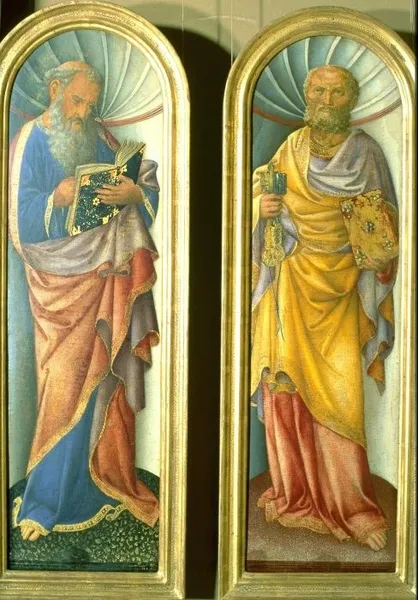
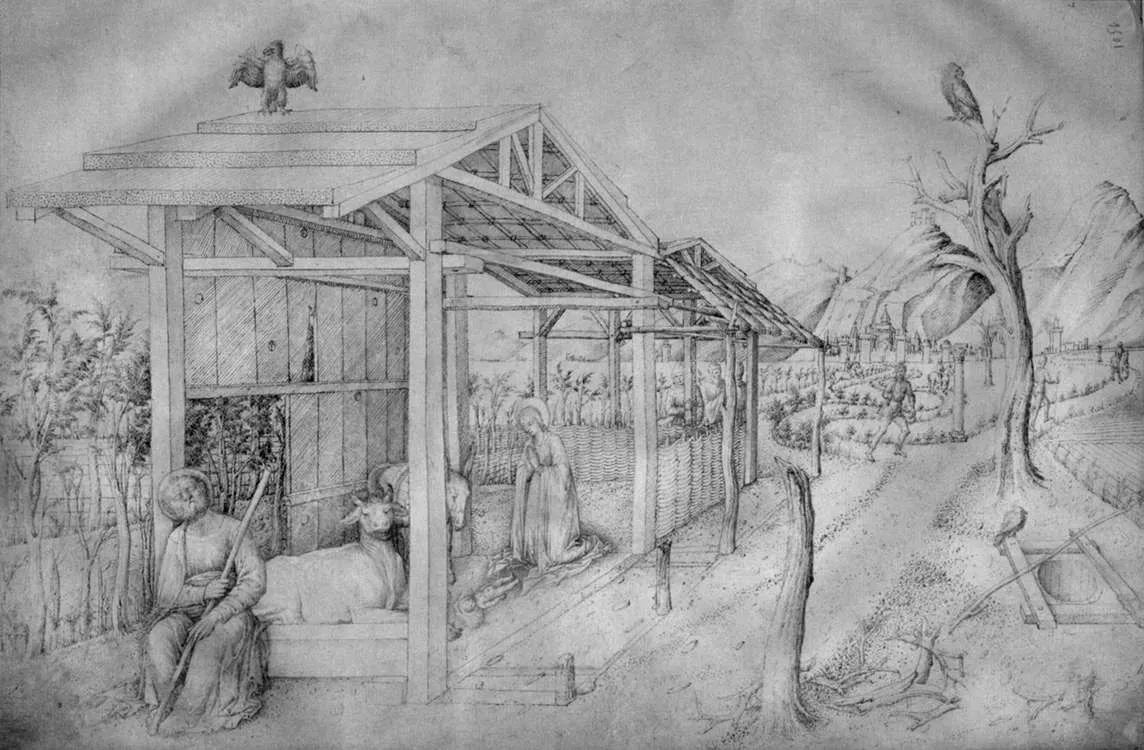
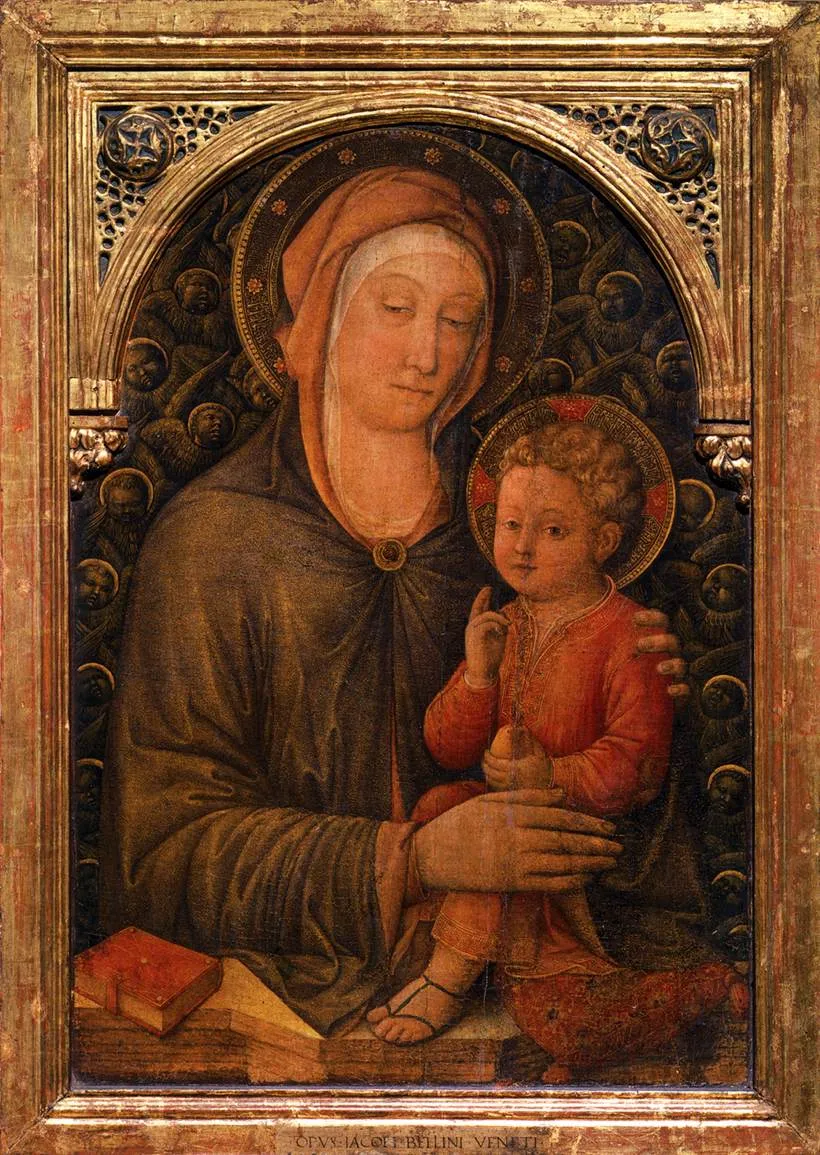
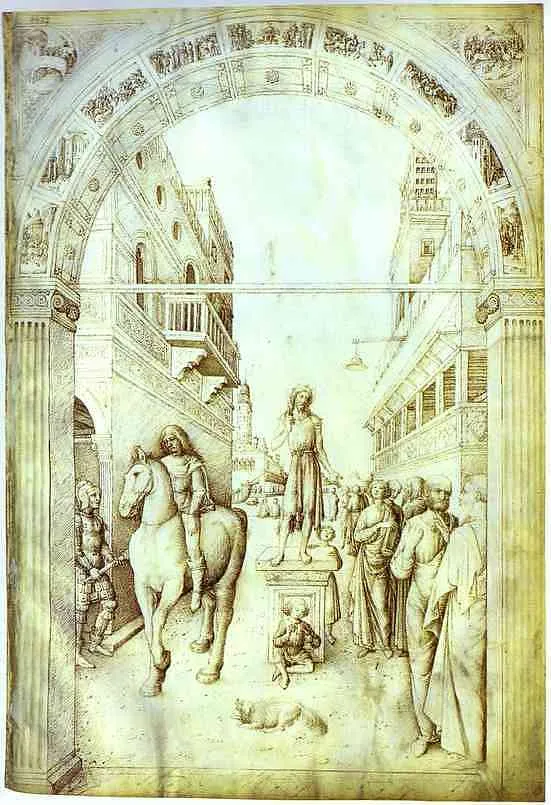
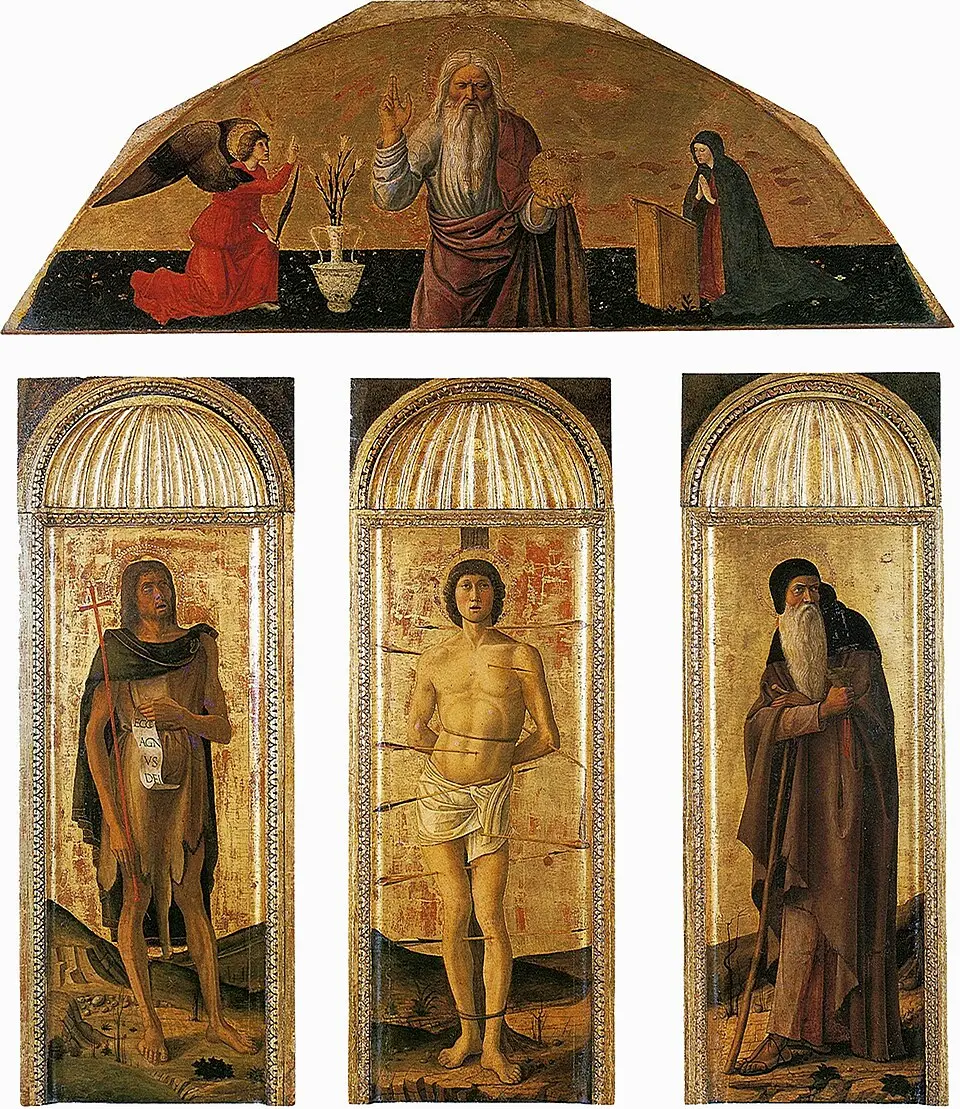
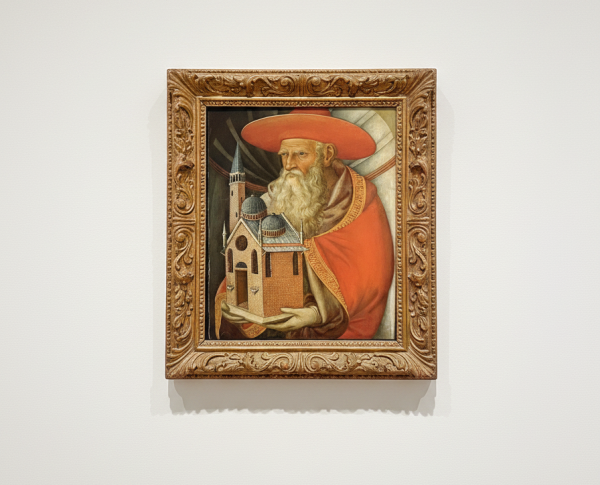
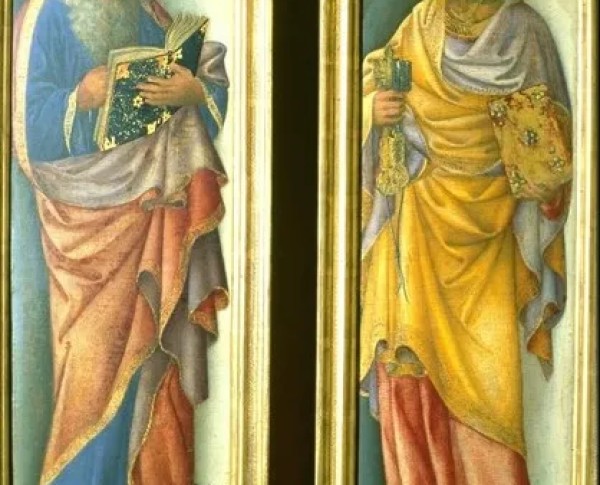
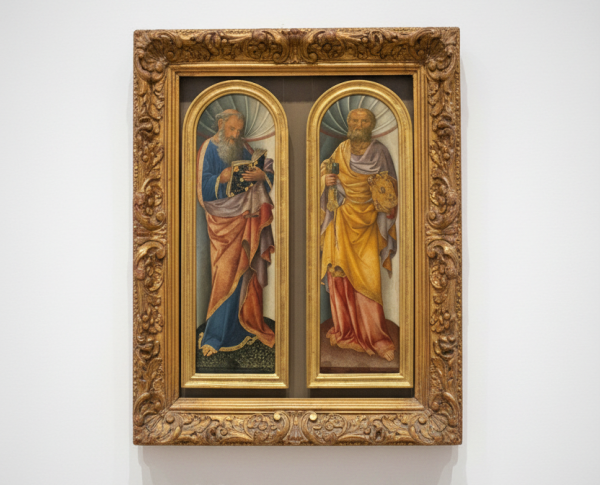
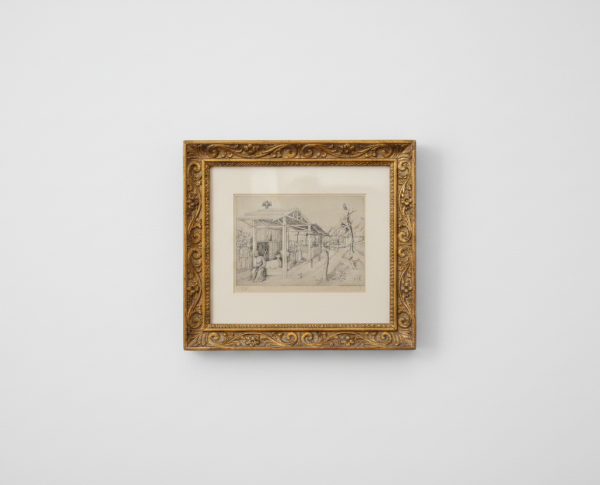
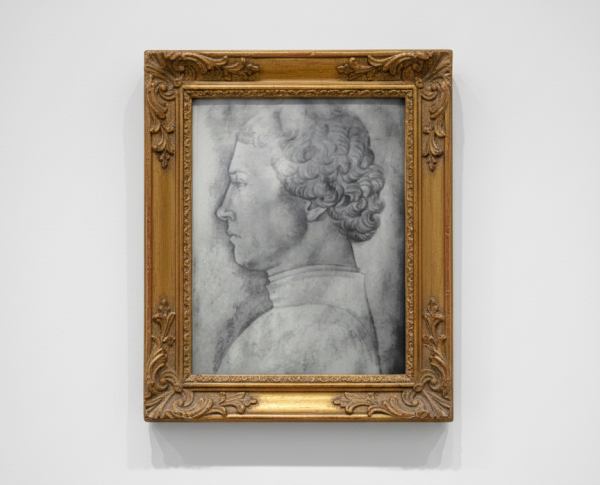
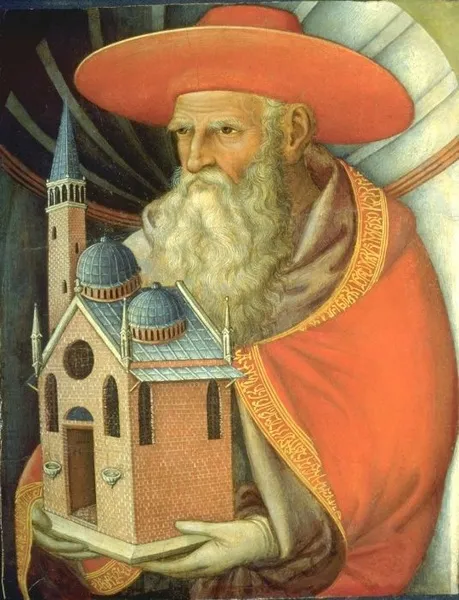
"Saint Jerome" by Jacopo Bellini exemplifies the exquisite technique of oil on canvas that defined the Early Renaissance movement. Bellini’s meticulous brushwork brings depth and emotion to the saint’s contemplative expression, revealing the artist’s profound understanding of light and anatomy. The painting’s luminous colors and intricate details invite viewers to appreciate the technical brilliance that makes this work a timeless classic among oil on canvas masterpieces.
Within Jacopo Bellini’s "Saint Jerome," symbolic elements abound, each carefully rendered in this hand-painted oil painting. The saint is often shown with a lion, a skull, or scriptures, signifying wisdom, mortality, and devotion. These motifs, popular in Early Renaissance art, encourage viewers to explore deeper meanings behind each brushstroke. Bellini’s narrative prowess transforms "Saint Jerome" into more than a portrait—it becomes a rich tapestry of faith and human experience.
For discerning collectors, "Saint Jerome" by Jacopo Bellini represents a rare opportunity to own a piece of Early Renaissance history. This fine art painting for sale is not just a visual masterpiece but also a bridge to a period of artistic rebirth. As a signature work by a master of the movement, it offers both aesthetic pleasure and investment value, making it an essential addition to any serious art collection focused on oil on canvas treasures.
When Art Meets History
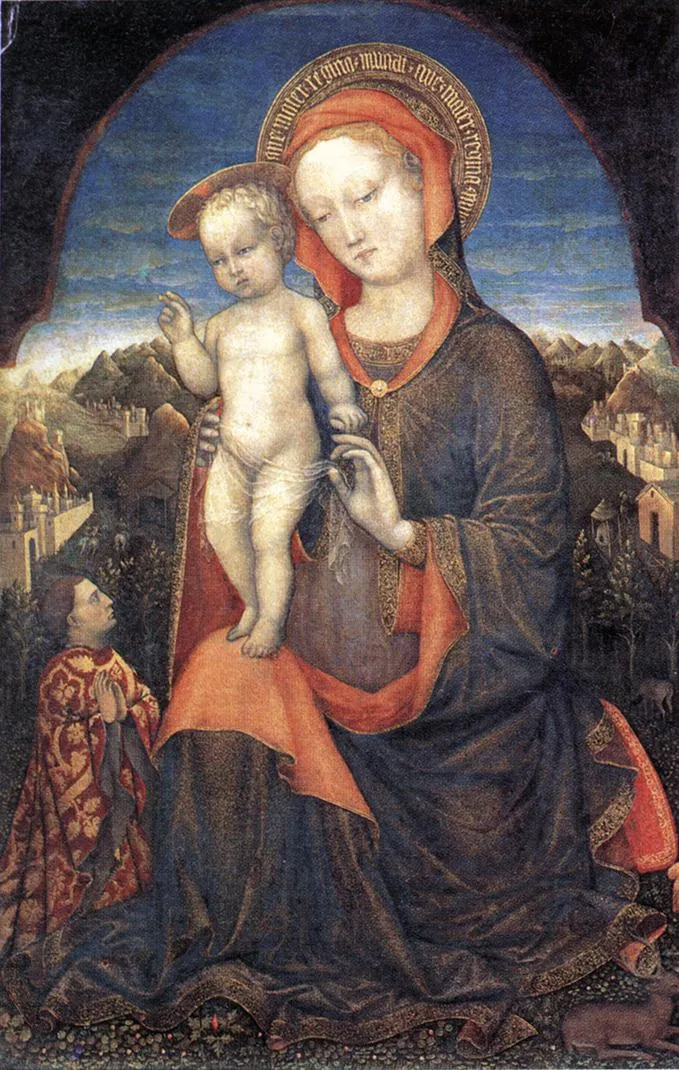
"Saint Jerome" by Jacopo Bellini is a masterpiece from the Early Renaissance movement, reflecting a pivotal era in art history. This hand-painted oil painting captures the intellectual spirit and religious devotion of its time, much like Bellini's related works such as "Virgin and child with two angels" and "The Penance of St Jerome." Through its historical context, "Saint Jerome" stands as a testament to the evolution of artistic techniques and the enduring influence of Renaissance masters.
Techniques That Speak
Jacopo Bellini’s "Saint Jerome" exemplifies the innovative use of oil on canvas that defined the Early Renaissance. The artist's attention to detail and mastery of light and shadow bring depth and realism to the composition. This technique can also be observed in related paintings like "Madonna with two angels" and "The Madonna of Mercy," where Bellini’s skillful brushwork highlights the beauty and emotion of sacred subjects, making each piece a true marvel of Renaissance artistry.
Emotions on Display
In "Saint Jerome," Bellini’s brush conveys a remarkable range of emotion, capturing the saint’s contemplative nature and spiritual intensity. The fine art painting for sale immerses viewers in Jerome’s world, echoing the emotional resonance found in "Birth of Venus (La Nascita di Venere)" and other Early Renaissance works. Bellini’s nuanced portrayal invites us to reflect on the profound inner lives of his subjects, making the painting a moving representation of devotion and humanity.
Coveted by Collectors
As an outstanding example of Early Renaissance artistry, "Saint Jerome" by Jacopo Bellini is highly sought after by collectors worldwide. This hand-painted oil painting, along with related masterpieces like "The Penance of St Jerome" and "The Madonna of Mercy," represents a significant investment in art history. Its timeless appeal and connection to the Renaissance movement ensure that it remains a prized addition to any fine art collection, admired for both its beauty and historical significance.
Related Early Renaissance Hand-Painted Oil Paintings by Other Artists
Other Famous Early Renaissance Artists:
Frequently Asked Questions About Saint Jerome
Who is depicted in the painting "Saint Jerome"?
The painting "Saint Jerome" by Jacopo Bellini features Saint Jerome, a prominent Christian scholar and translator known for his work on the Latin Vulgate Bible.
What is the historical significance of Saint Jerome?
Saint Jerome is recognized as one of the four Latin Church Fathers and is revered for his contributions to biblical scholarship and the development of Christian theology during the late 4th and early 5th centuries.
What artistic techniques did Jacopo Bellini employ in "Saint Jerome"?
Jacopo Bellini utilized techniques such as chiaroscuro to create depth and volume, as well as meticulous attention to detail in the rendering of textures and fabrics, characteristic of the early Renaissance style.
What symbols are present in "Saint Jerome" and what do they represent?
The painting includes symbols such as the lion, which represents Saint Jerome's legendary companionship with a lion, and the book, symbolizing his scholarly pursuits and dedication to scripture.
In what context was "Saint Jerome" created?
"Saint Jerome" was created during the early Renaissance, a period marked by a revival of classical learning and an emphasis on humanism, reflecting the cultural and intellectual currents of the time.
How does "Saint Jerome" reflect the values of the Renaissance?
The painting embodies Renaissance values through its focus on individualism, the importance of scholarly pursuits, and the integration of classical themes with Christian iconography.
What influences can be seen in Jacopo Bellini's style in "Saint Jerome"?
Jacopo Bellini's style in "Saint Jerome" shows influences from both Byzantine traditions and the emerging naturalism of the Italian Renaissance, blending spiritual representation with realistic human emotion.
What role did Jacopo Bellini play in the development of Venetian painting?
Jacopo Bellini is considered a pivotal figure in the development of Venetian painting, influencing subsequent generations of artists with his innovative techniques and compositions that combined color and light.
What is the significance of the setting in "Saint Jerome"?
The setting in "Saint Jerome" often includes elements such as a study or a cave, which symbolizes the isolation and contemplation associated with Saint Jerome’s scholarly life and his translation work.
How does "Saint Jerome" compare to other depictions of the saint in art history?
Compared to other depictions, Jacopo Bellini's "Saint Jerome" emphasizes a more humanized and contemplative portrayal, focusing on the inner life of the saint rather than just his role as a translator and scholar.






















_GFM_Painting_(1).webp)


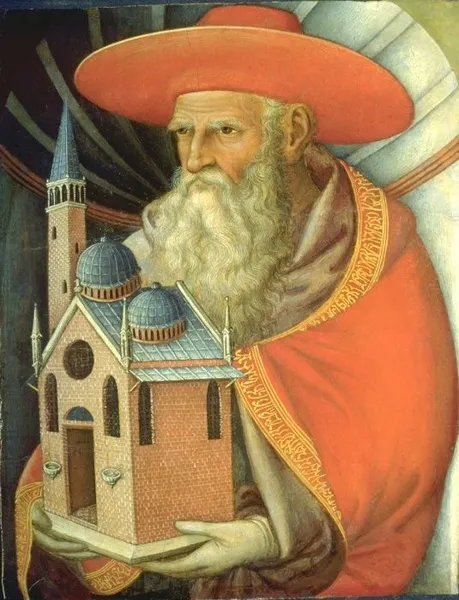
 100% Hand-Painted: Finished in 3-6 Weeks

.png)















_(1).webp)