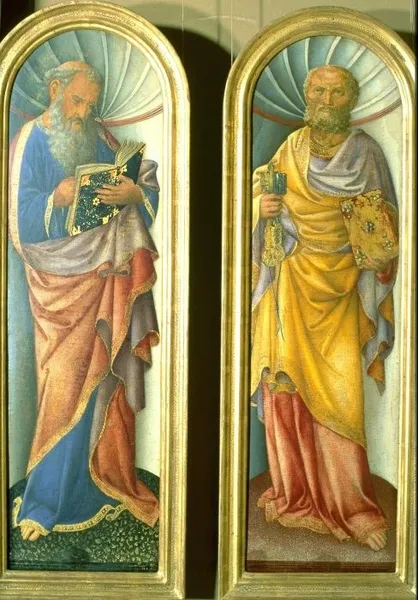
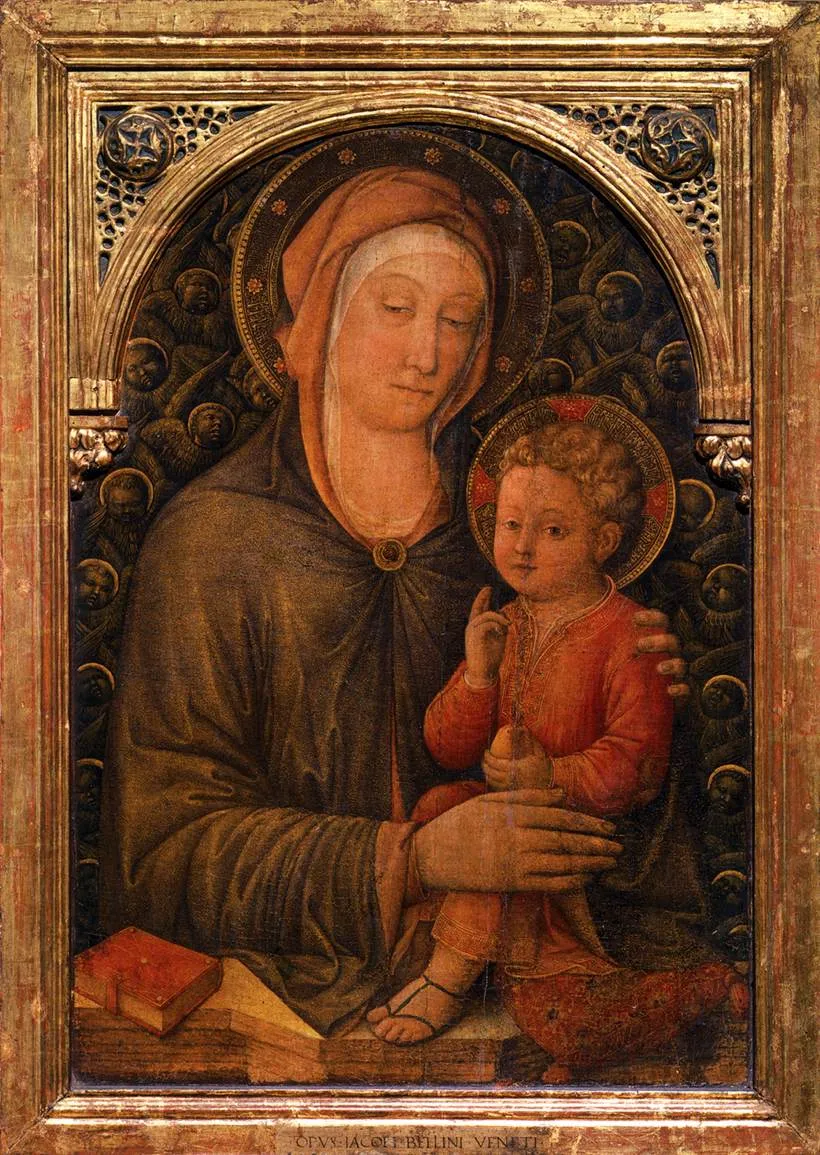
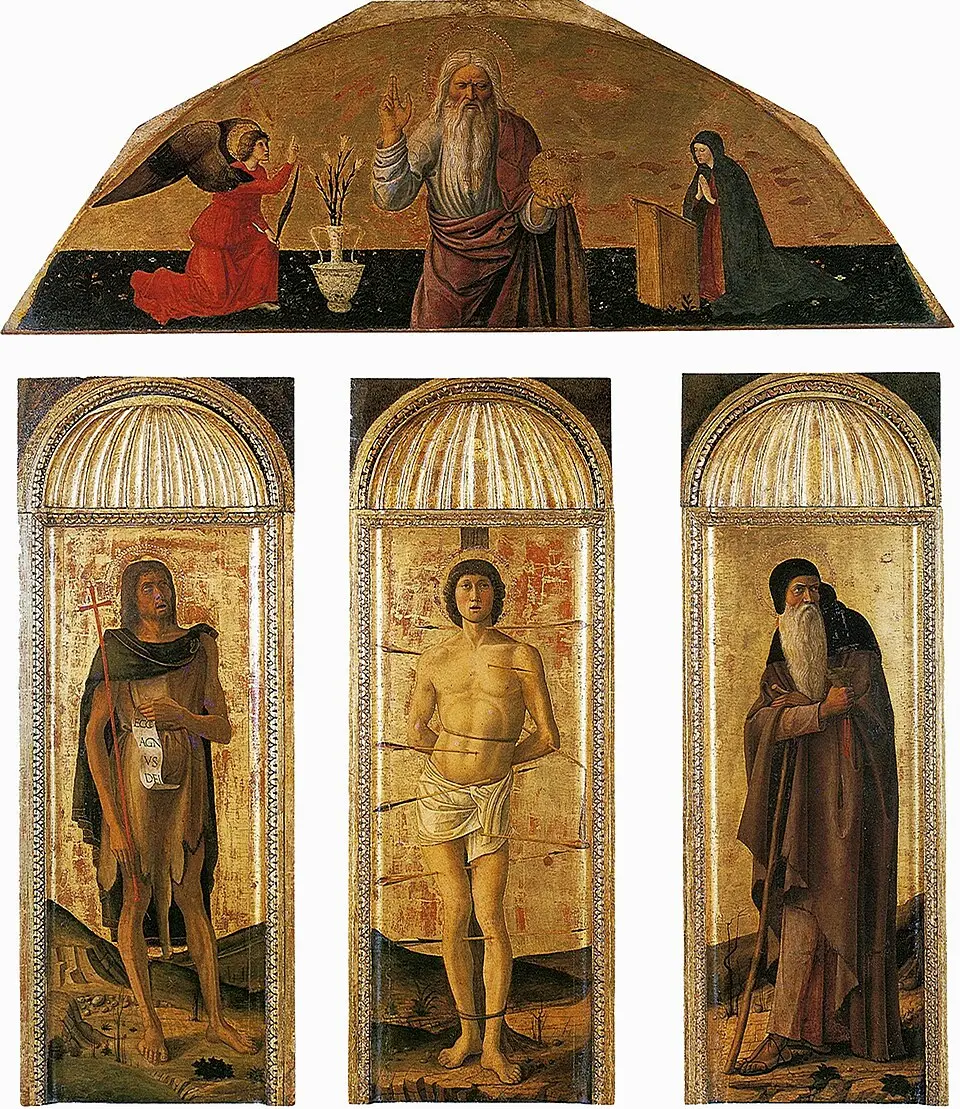
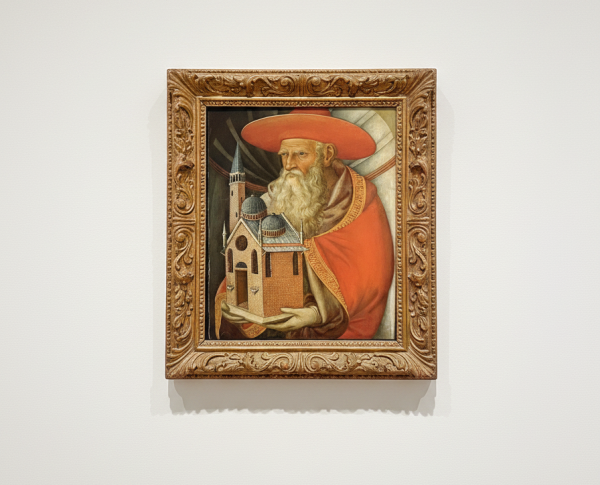
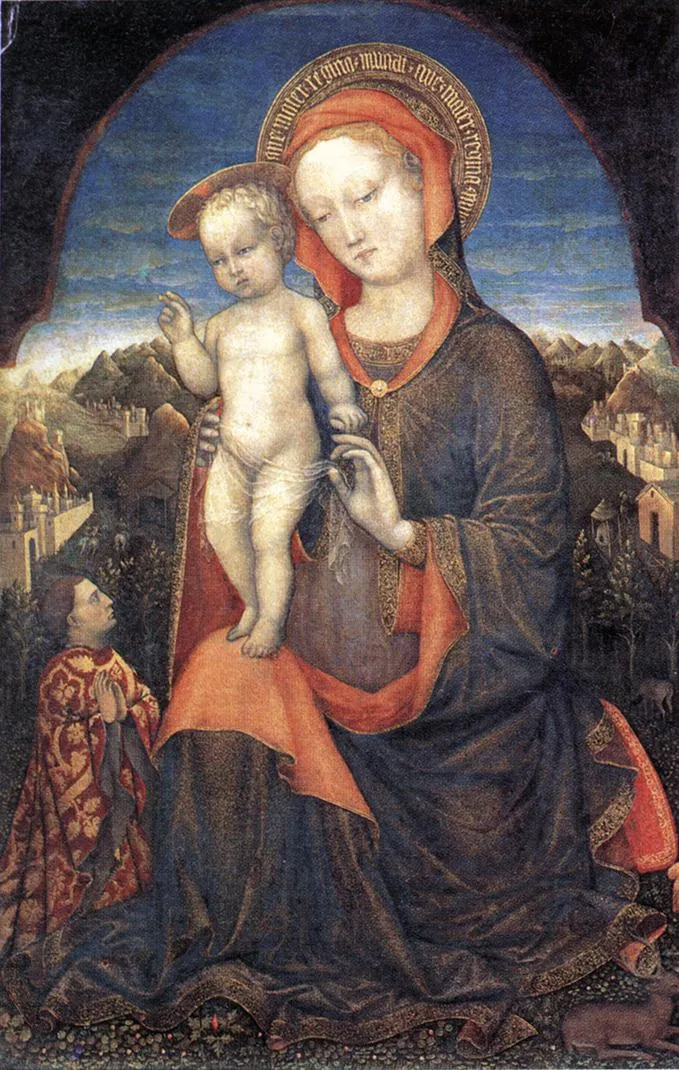
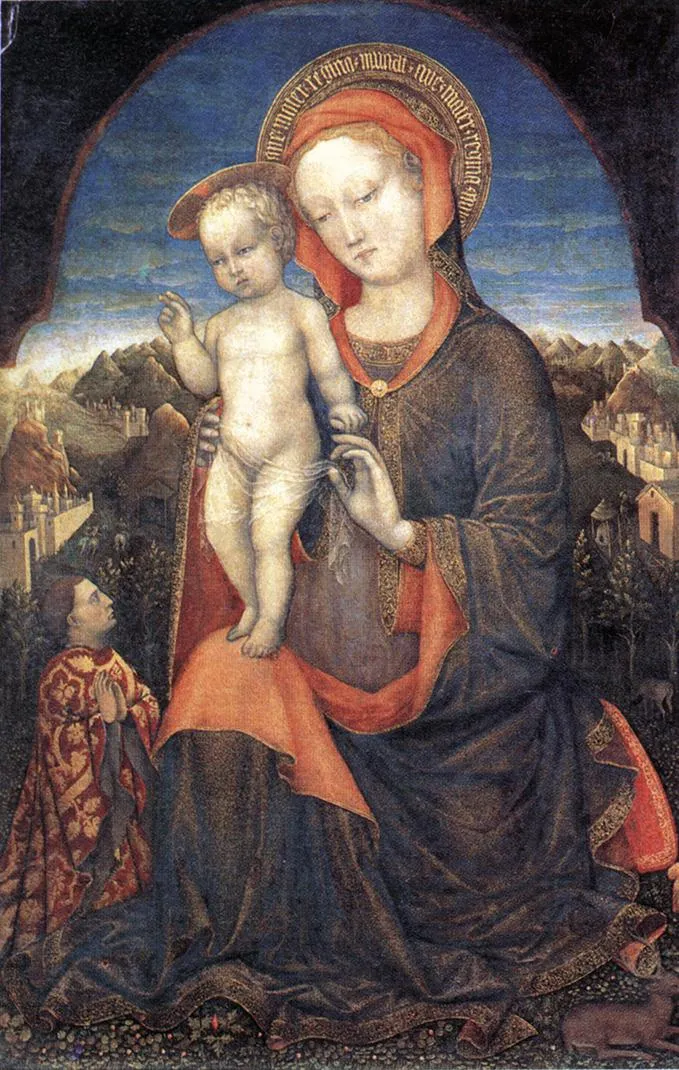
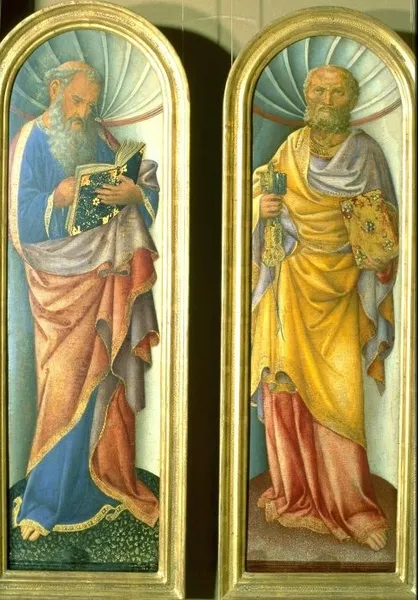
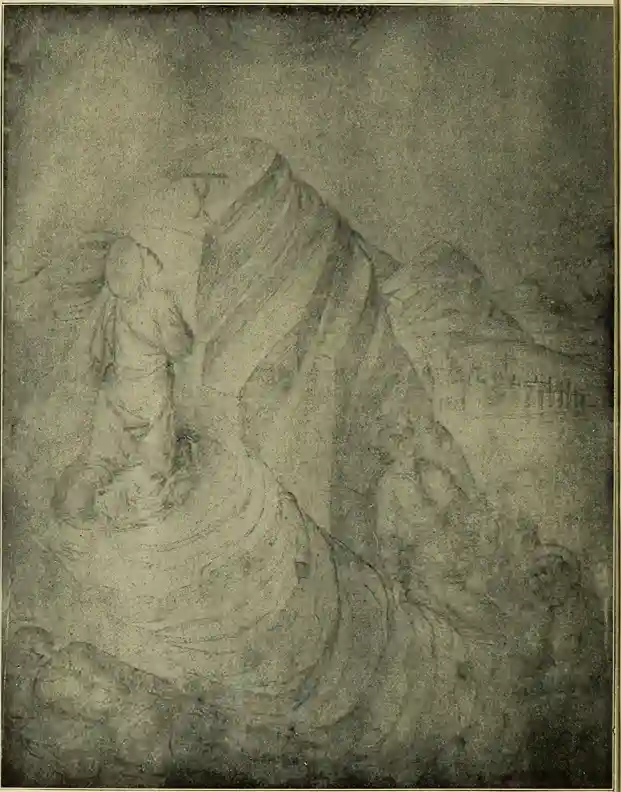
In "The Madonna of Humility adored by Leonello d'Este," Jacopo Bellini demonstrates his mastery with oil on canvas, blending delicate details and vibrant color to evoke deep emotion. The Early Renaissance painter’s technique is evident in the lifelike figures and harmonious composition, hallmarks that distinguish Bellini from his contemporaries. Art enthusiasts seeking similar works may also appreciate "Saint Jerome" and "John the Evangelist," both reflecting the same exquisite craftsmanship in oil on canvas.
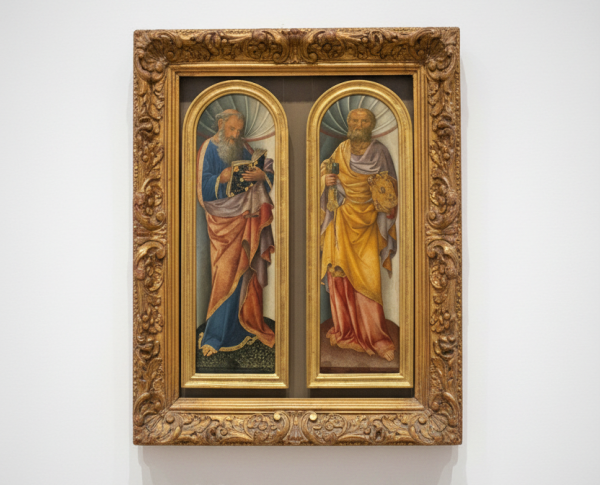
This fine art painting for sale is rich with symbolic meaning, as Bellini weaves together religious iconography and the personal devotion of Leonello d’Este. The Madonna’s humility, depicted through her posture and setting, invites contemplation on faith and humanity. Collectors drawn to narrative depth will find resonance in Bellini’s other works, such as "The Agony in the Garden" and "the Apostle Peter," each offering layers of storytelling through masterful brushwork.
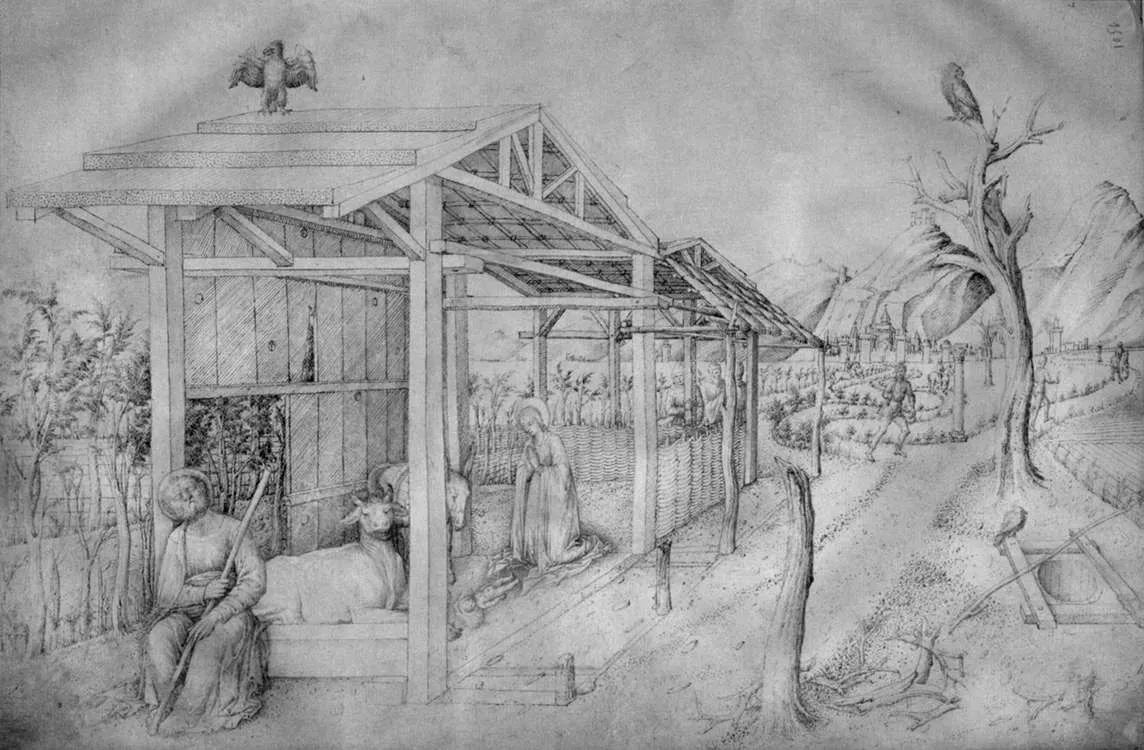
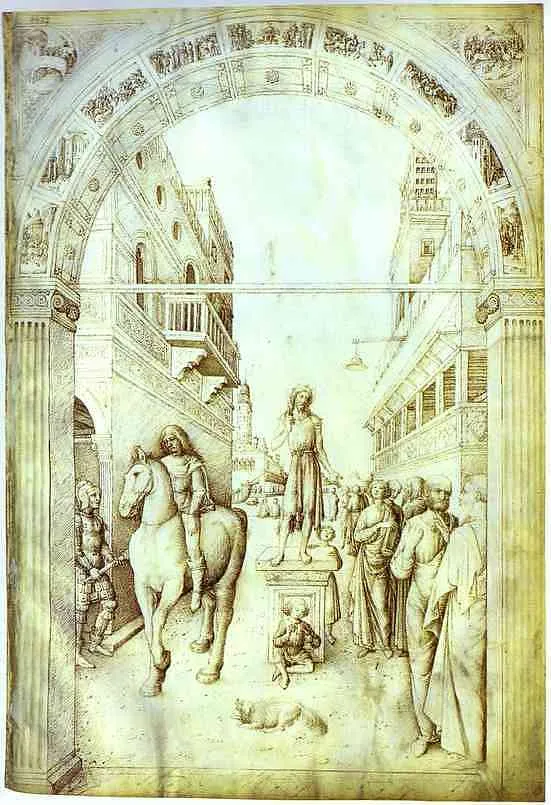
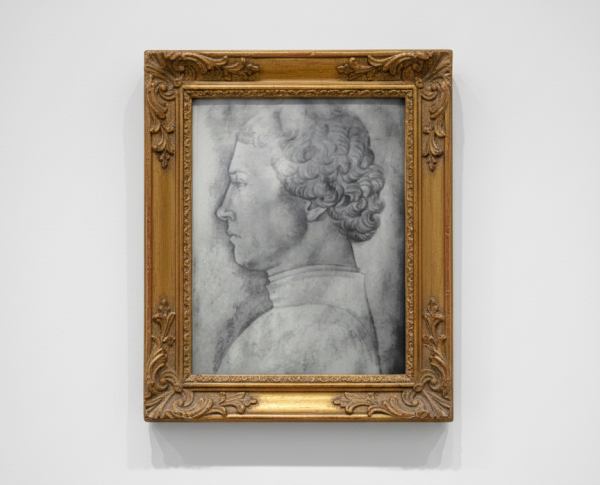
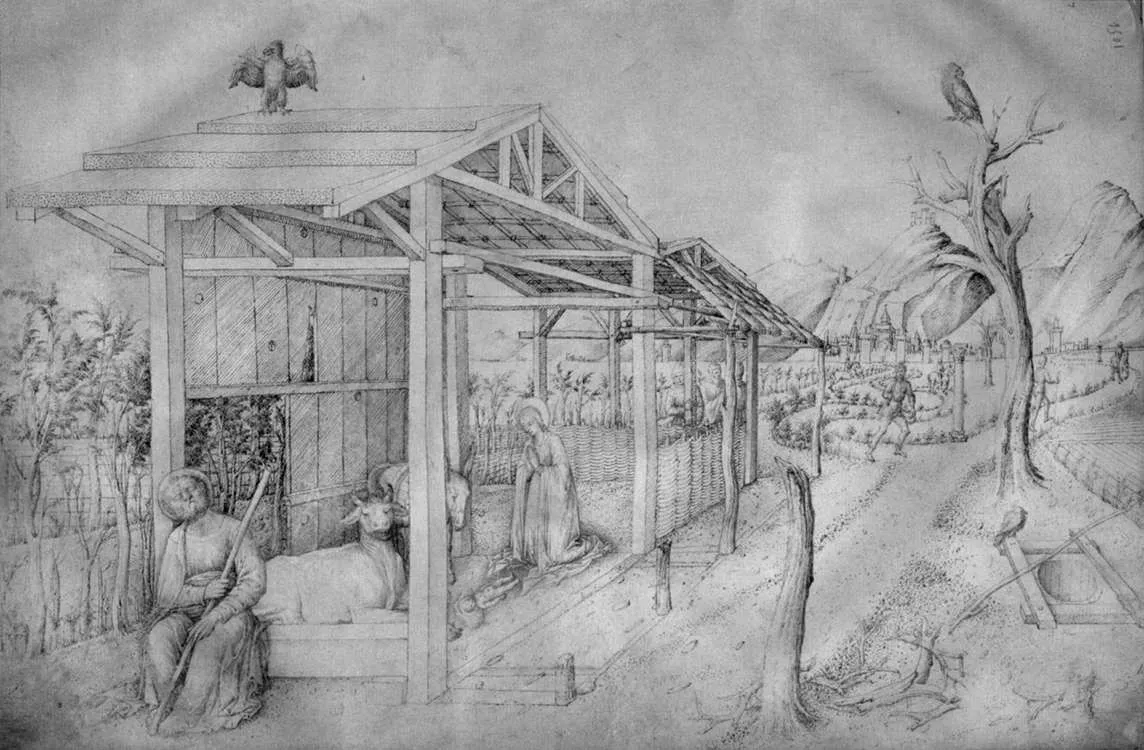
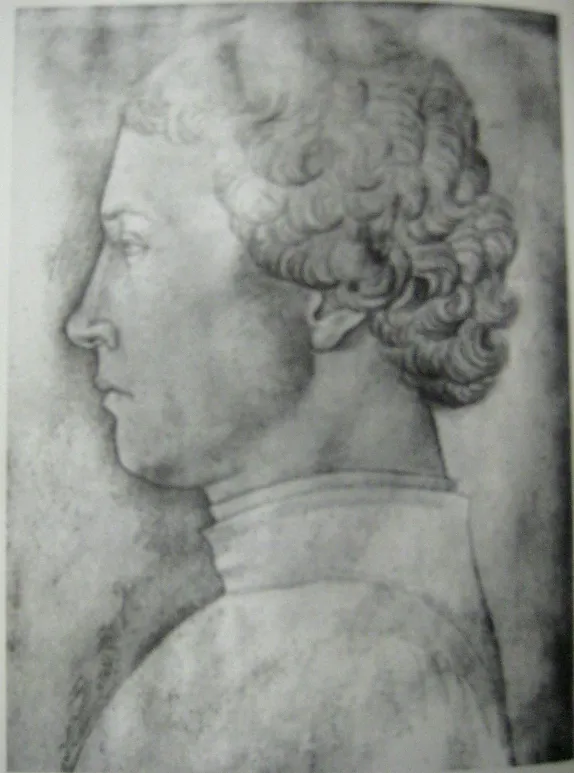
Owning "The Madonna of Humility adored by Leonello d'Este" by Jacopo Bellini means possessing a piece of Early Renaissance heritage. This hand-painted oil painting not only exemplifies the artist’s legacy but also enhances any fine art collection. For those seeking to expand their assemblage, related products like "Profile of a man" and "Nativity" offer additional opportunities to experience the brilliance and historical significance of Bellini’s work in the Early Renaissance movement.
When Art Meets History
"The Madonna of Humility adored by Leonello d'Este" by Jacopo Bellini is a remarkable example of the Early Renaissance movement. This hand-painted oil painting captures a pivotal moment when religious devotion and noble patronage intersected. Bellini’s work stands alongside related masterpieces such as "Madonna of the Rosegarden" and "Adoration of the Magi," highlighting the era’s fascination with sacred themes and human emotion. The painting’s historical context adds to its enduring appeal among art enthusiasts and scholars alike.
Techniques That Speak
Jacopo Bellini’s "The Madonna of Humility adored by Leonello d'Este" showcases exceptional oil on canvas technique, typical of the Early Renaissance. His delicate brushwork and mastery of light and shadow are evident, creating a profound sense of depth and realism. This technique can also be observed in related works like "The Penance of St Jerome" and "Lamentation over the Dead Christ." Bellini’s innovative use of oil on canvas helped set new standards for religious art during his time.
Emotions on Display
In this fine art painting for sale, Jacopo Bellini beautifully expresses reverence and humility through the figures of Madonna and Leonello d’Este. The Early Renaissance movement was known for capturing deep emotion, and Bellini’s talent shines in the tender gestures and serene faces. Similar emotional intensity is found in his "Virgin and child with two angels." Collectors and admirers are drawn to the profound spiritual connection depicted in "The Madonna of Humility adored by Leonello d'Este."
Coveted by Collectors
"The Madonna of Humility adored by Leonello d'Este" remains highly sought-after in the world of fine art painting for sale. Jacopo Bellini’s reputation as a master of the Early Renaissance, combined with the painting’s exquisite craftsmanship, makes it a prized acquisition. Collectors also seek related works such as "Adoration of the Magi" and "Lamentation over the Dead Christ," recognizing their significance in art history and their enduring value as hand-painted oil paintings from a transformative era.
Related Early Renaissance Hand-Painted Oil Paintings by Other Artists
Other Famous Early Renaissance Artists:
Frequently Asked Questions About The Madonna of Humility adored by Leonello d'Este
What is the historical context of "The Madonna of Humility adored by Leonello d'Este"?
This painting was created by Jacopo Bellini during the early Renaissance, a period marked by a revival of classical learning and a focus on humanism. It reflects the cultural and artistic developments of 15th-century Italy, particularly in Venice and its surrounding regions.
Who was Leonello d'Este and what is his significance in this artwork?
Leonello d'Este was a prominent nobleman and the Duke of Ferrara. His adoration of the Madonna in this painting signifies the intertwining of religious devotion and political power during the Renaissance, showcasing how art was used to reinforce social status and piety.
What artistic techniques did Jacopo Bellini employ in this painting?
Jacopo Bellini utilized linear perspective and a careful arrangement of figures to create depth and focus. His use of color and light enhances the three-dimensionality of the figures, while the delicate rendering of fabrics showcases his mastery of texture.
What is the significance of the Madonna's posture in the painting?
The Madonna is depicted in a humble posture, which symbolizes her role as a mediator between humanity and the divine. This representation of humility is central to the painting's theme, emphasizing the importance of modesty in spiritual devotion.
How does this painting reflect the ideals of the Renaissance?
The painting embodies Renaissance ideals through its focus on human emotion, naturalism, and the beauty of the human form. The detailed expressions and interactions between the figures illustrate the period's emphasis on individual experience and the human connection to the divine.
What symbolic elements are present in "The Madonna of Humility"?
Symbolism in the painting includes the Madonna's blue robe, representing purity and divinity, and the presence of angels, which signifies the heavenly realm. The overall composition conveys a sense of peace and spiritual grace, inviting viewers to contemplate their own faith.
What influence did Jacopo Bellini have on later artists?
Jacopo Bellini is considered a pivotal figure in the development of Venetian painting. His techniques and stylistic choices influenced his sons, Gentile and Giovanni Bellini, as well as other artists of the Renaissance, shaping the course of Western art.
What role does color play in this artwork?
Color in "The Madonna of Humility" is used to convey emotion and highlight the spiritual significance of the figures. The rich, vibrant hues create a visual harmony that draws the viewer's eye and enhances the overall narrative of devotion and reverence.
How does the composition of the painting contribute to its meaning?
The composition is carefully balanced, with the Madonna at the center, flanked by Leonello and angels. This arrangement emphasizes the centrality of the divine in human affairs and reflects the hierarchical nature of the spiritual world, reinforcing the painting's message of humility and devotion.
In what ways does this painting reflect the patronage system of the Renaissance?
The painting exemplifies the patronage system of the Renaissance, where wealthy individuals, like Leonello d'Este, commissioned works to display their piety and status. This relationship between artist and patron was crucial in the production of art during this period, influencing both themes and styles.






















_GFM_Painting_(1).webp)


 100% Hand-Painted: Finished in 3-6 Weeks

.png)
















_(1).webp)