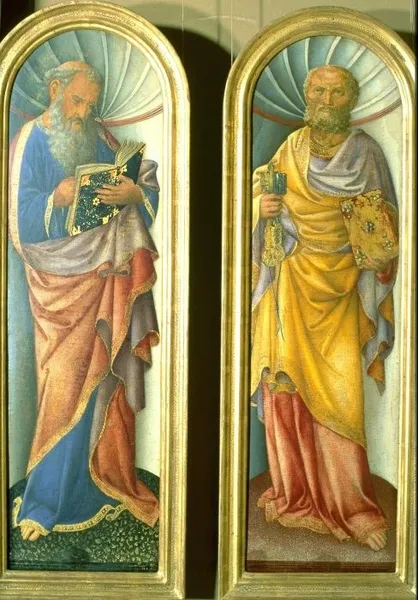
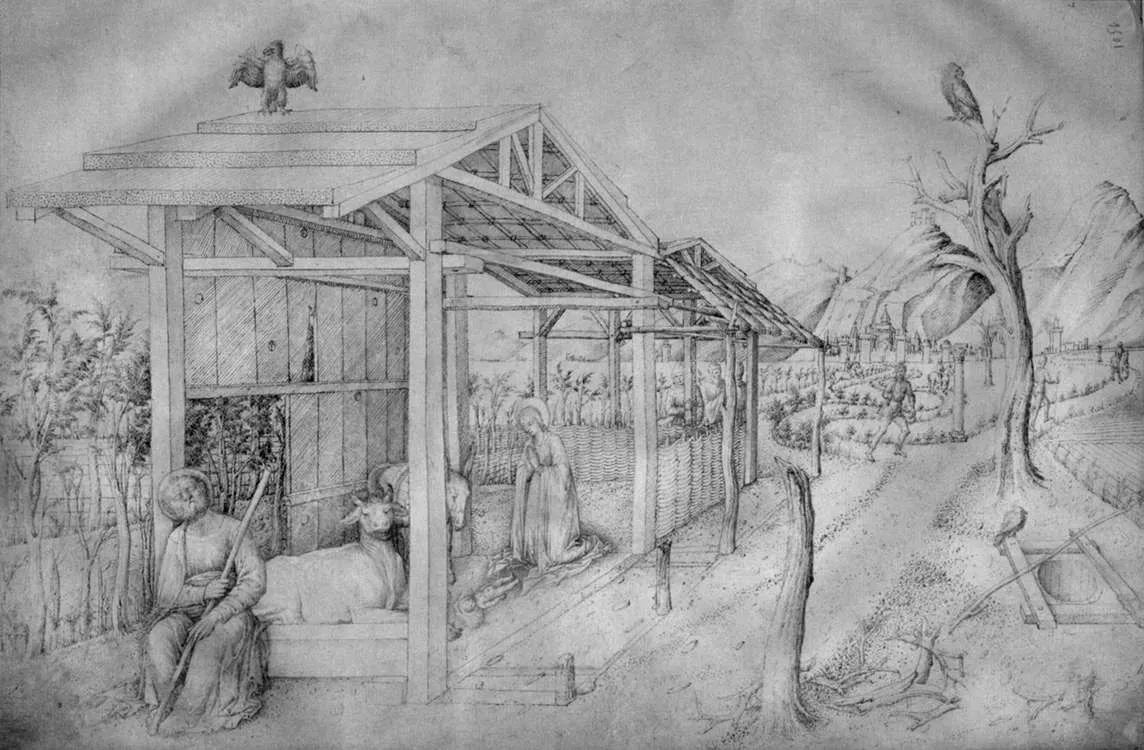
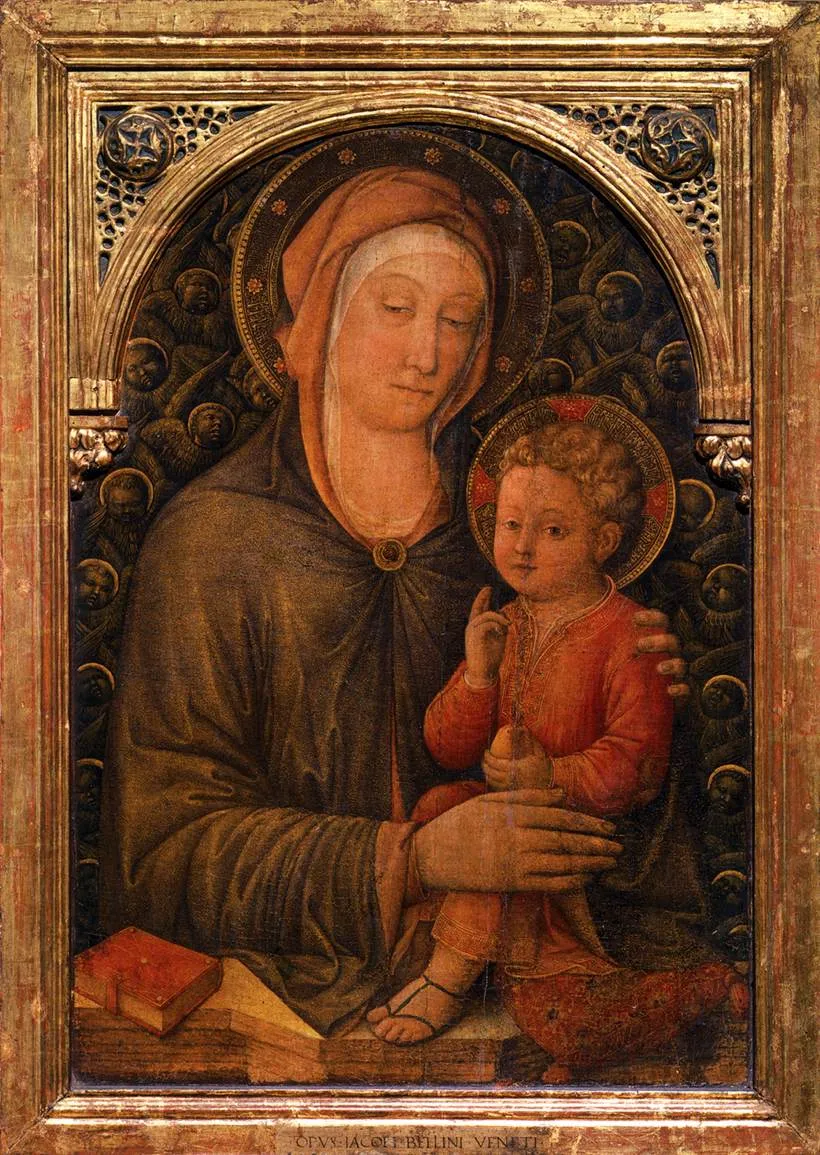
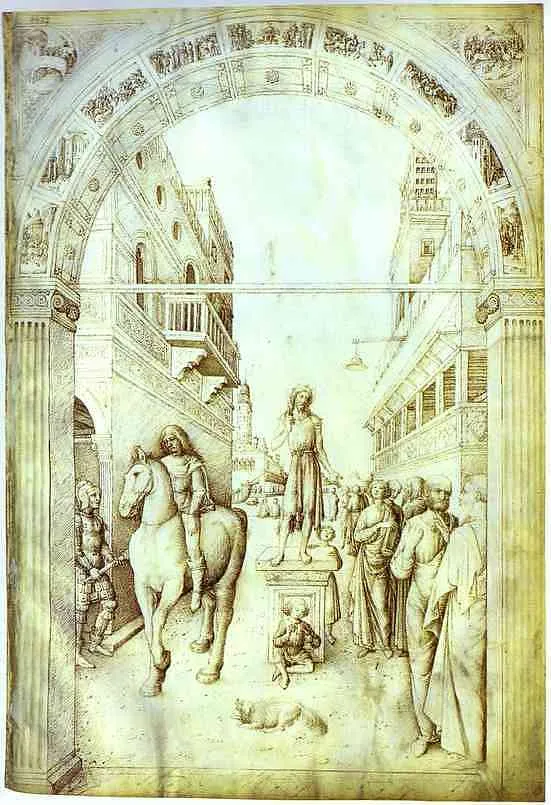
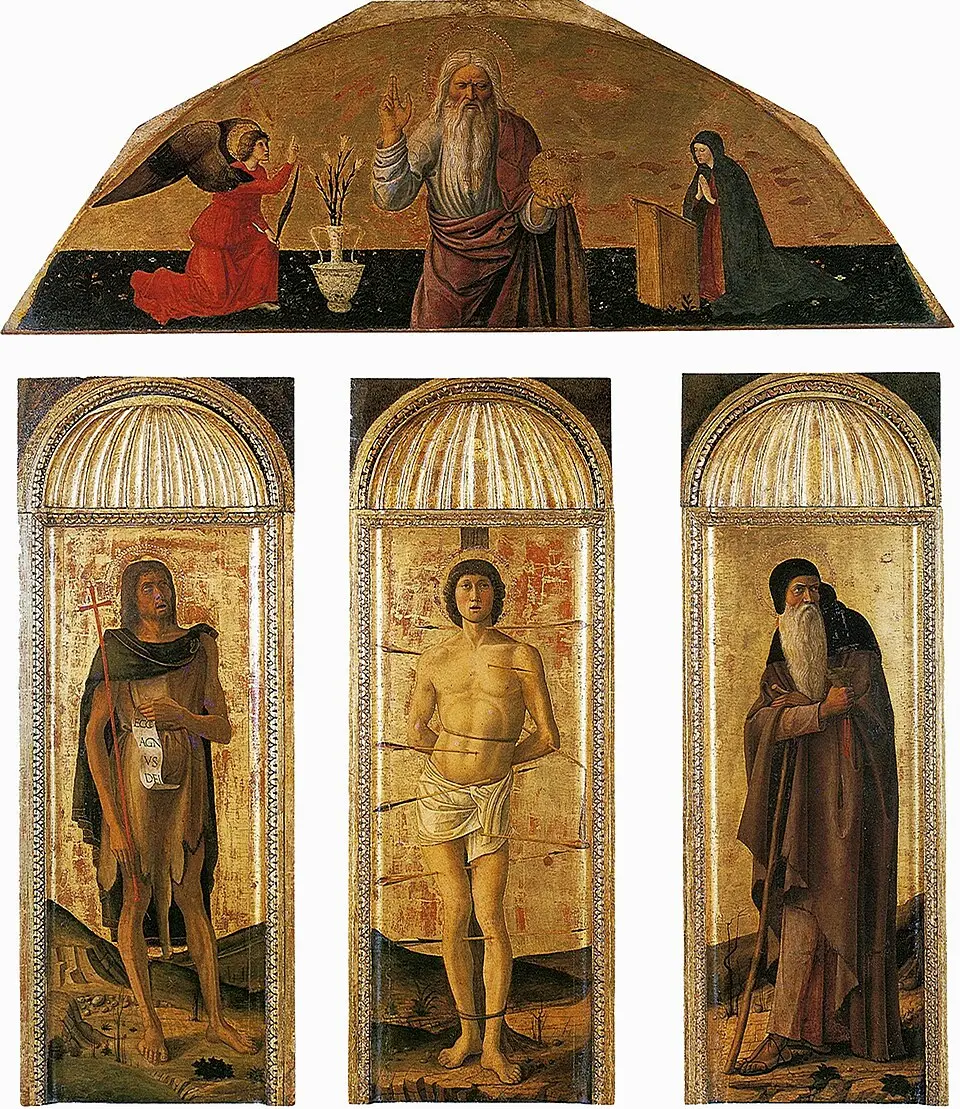
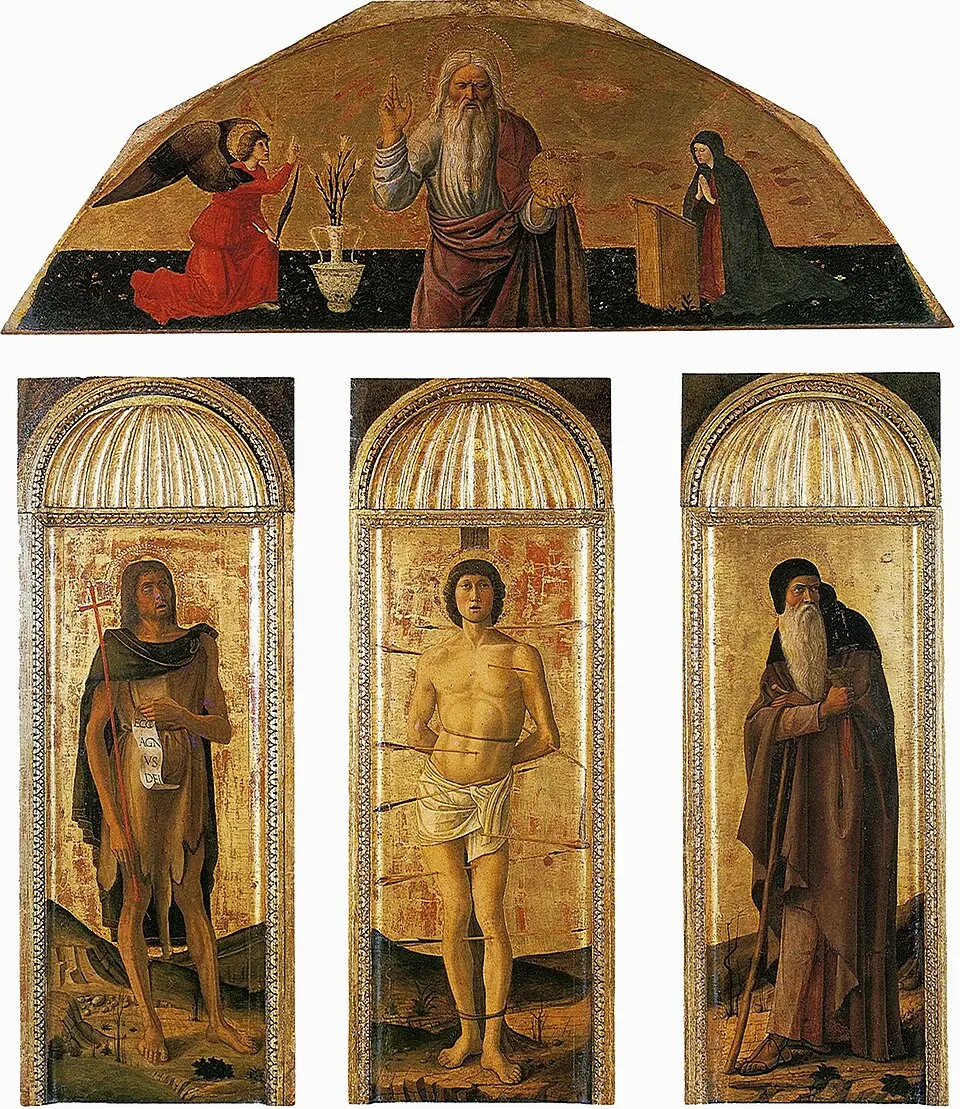
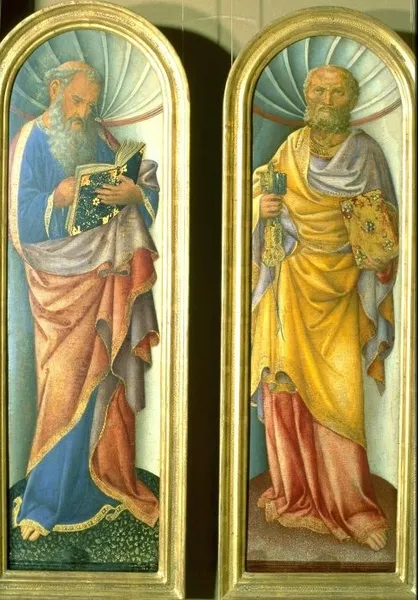
Jacopo Bellini’s "Triptych of St Sebastian" is a remarkable example of oil on canvas technique, a hallmark of Early Renaissance artistry. Each brushstroke reveals Bellini’s meticulous attention to detail and his mastery of light and composition. Collectors and enthusiasts often compare this piece to other Bellini works like "Flagellation" and "Epigrafi e Statue," recognizing the artist’s unique ability to blend realism with spiritual symbolism in every fine art painting for sale.
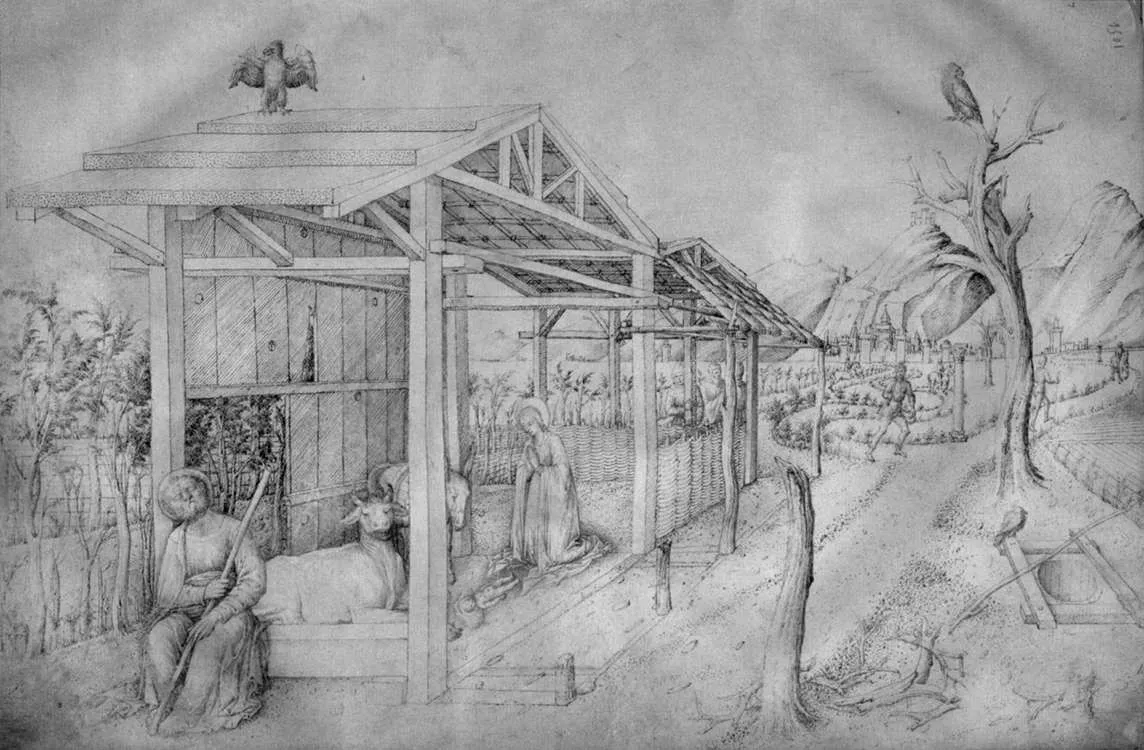
The "Triptych of St Sebastian" is rich with narrative and symbolism, characteristic of Jacopo Bellini’s Early Renaissance oeuvre. The saint’s depiction speaks to themes of faith, resilience, and divine protection, rendered in exquisite hand-painted oil painting style. This narrative depth is also present in related works such as "Album del Louvre" and "epigrafi e monete," where Bellini’s storytelling elevates each canvas into a visual journey through history and belief.
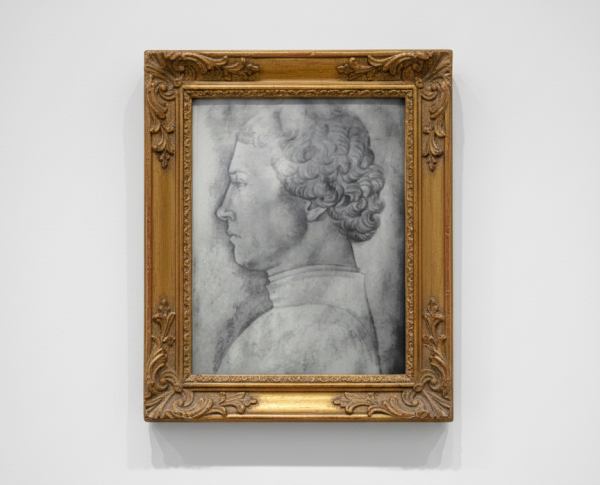
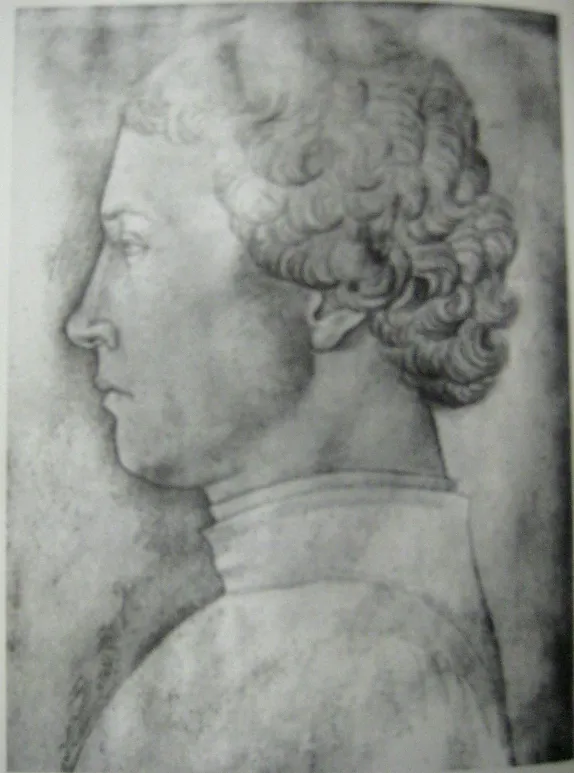
Owning a piece like Jacopo Bellini’s "Triptych of St Sebastian" means acquiring a true fine art painting for sale from the pinnacle of the Early Renaissance. Collectors prize these works for their historical significance and artistic value, often pairing them with related pieces such as "Profile of a man." Bellini’s blend of technical excellence and emotional depth ensures his paintings remain coveted treasures in any distinguished art collection today.
When Art Meets History
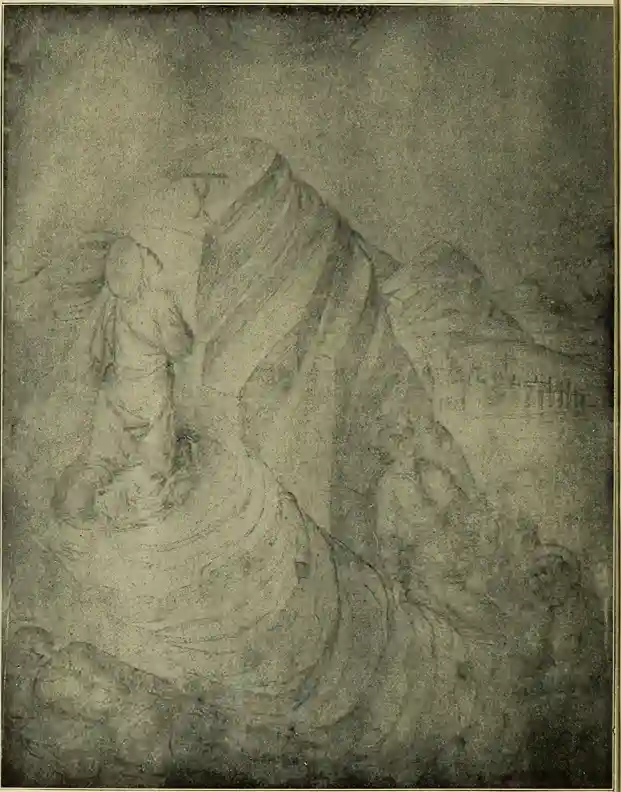
The "Triptych of St Sebastian" by Jacopo Bellini stands as a testament to the Early Renaissance, a pivotal era in art history. This hand-painted oil painting captures the essence of religious devotion and human vulnerability, themes central to the period. Bellini, a master of his time, also created masterpieces like "Madonna and Child with an Angel" and "Lamentation over the Dead Christ," further shaping the artistic landscape and inspiring generations of artists to come.
Techniques That Speak
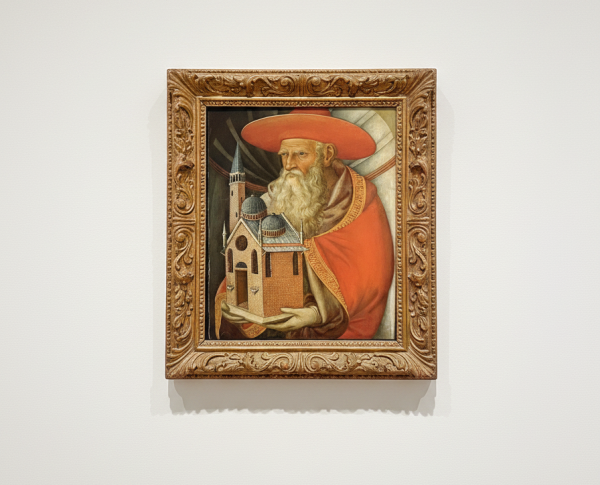
Jacopo Bellini’s "Triptych of St Sebastian" exemplifies the refined techniques of the Early Renaissance, notably his expert use of oil on canvas. With delicate brushwork and a keen sense of perspective, Bellini brings depth and realism to the sacred scenes. His innovative approaches are echoed in related works such as "Fortitude" and "The Penance of St Jerome," showcasing the artist’s commitment to technical mastery and the evolution of Renaissance painting styles.
Emotions on Display
In the "Triptych of St Sebastian," Bellini masterfully conveys a range of emotions, from suffering to divine grace, making it a compelling fine art painting for sale. The expressive faces and gestures evoke empathy and reflection, hallmarks of the Early Renaissance movement. Similar emotional depth can be seen in Bellini’s "The Madonna of Mercy" and "Lamentation over the Dead Christ," where the artist’s sensitivity to human experience shines through.
Coveted by Collectors
Collectors and museums worldwide prize Jacopo Bellini's "Triptych of St Sebastian" for its historical importance and artistic brilliance. As a hand-painted oil painting, it represents a significant achievement in the Early Renaissance movement. Alongside related works like "Madonna and Child with an Angel" and "The Penance of St Jerome," this triptych continues to attract admiration, making it a sought-after masterpiece for those passionate about collecting fine art from this transformative era.
Related Early Renaissance Hand-Painted Oil Paintings by Other Artists
Other Famous Early Renaissance Artists:
Frequently Asked Questions About Triptych of St Sebastian
What is the historical significance of the Triptych of St Sebastian?
The Triptych of St Sebastian, created by Jacopo Bellini in the early Renaissance period, is significant for its depiction of martyrdom and the veneration of saints, reflecting the religious fervor of the time and the evolving artistic techniques of the era.
Who was Jacopo Bellini and what is his contribution to art?
Jacopo Bellini was a prominent Venetian painter of the 15th century, known for his innovative use of perspective and color. His works laid the foundation for the Venetian school of painting, influencing many artists, including his sons, Gentile and Giovanni Bellini.
What artistic techniques are employed in the Triptych of St Sebastian?
The Triptych showcases Jacopo Bellini's mastery of linear perspective, chiaroscuro, and detailed anatomical representation, which were revolutionary for the time and contributed to the lifelike quality of his figures.
What does the triptych format signify in Christian art?
The triptych format, consisting of three panels, is traditionally used in Christian art to convey a narrative or theme. In this case, it emphasizes the story of St Sebastian, highlighting his martyrdom and the spiritual journey associated with his faith.
What symbolism is present in the depiction of St Sebastian?
St Sebastian is often depicted tied to a tree and pierced by arrows, symbolizing his steadfast faith and martyrdom. His portrayal serves as a powerful reminder of the trials faced by early Christians and the ultimate triumph of faith over persecution.
How does the Triptych of St Sebastian reflect Renaissance ideals?
The painting reflects Renaissance ideals through its emphasis on humanism, naturalism, and the exploration of individual emotion. Bellini's attention to detail and realistic representation of the human form exemplify the period's shift towards a more human-centered approach in art.
What influences can be seen in the Triptych of St Sebastian?
The Triptych of St Sebastian exhibits influences from Byzantine art, particularly in its religious iconography, as well as emerging Renaissance techniques that prioritize realism and perspective, showcasing Bellini's ability to blend different artistic traditions.
In what ways did the Triptych of St Sebastian impact later artists?
The Triptych had a lasting impact on later artists by setting a standard for religious painting. Its innovative use of composition and emotional depth inspired subsequent generations, including the works of Titian and other Venetian painters.
What role does color play in the Triptych of St Sebastian?
Color in the Triptych is used not only for aesthetic purposes but also to convey emotion and highlight the spiritual significance of the scene. Bellini's use of vibrant hues contrasts with darker tones to emphasize the drama of St Sebastian's martyrdom.
Where can I view the Triptych of St Sebastian today?
The Triptych of St Sebastian is housed in a prominent art collection, where it continues to be studied and appreciated for its historical and artistic value. Visitors can view it as part of the museum's collection of Renaissance art.






















_GFM_Painting_(1).webp)


 100% Hand-Painted: Finished in 3-6 Weeks

.png)
















_(1).webp)