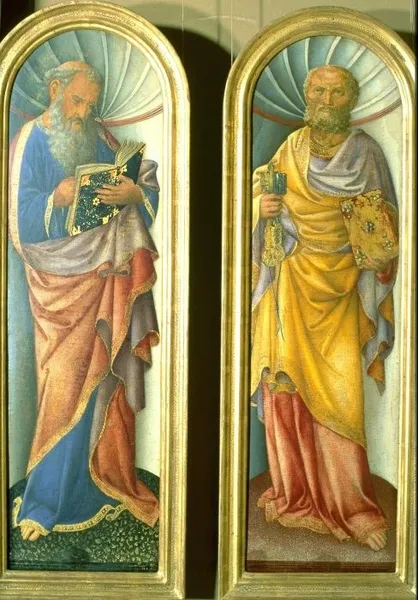
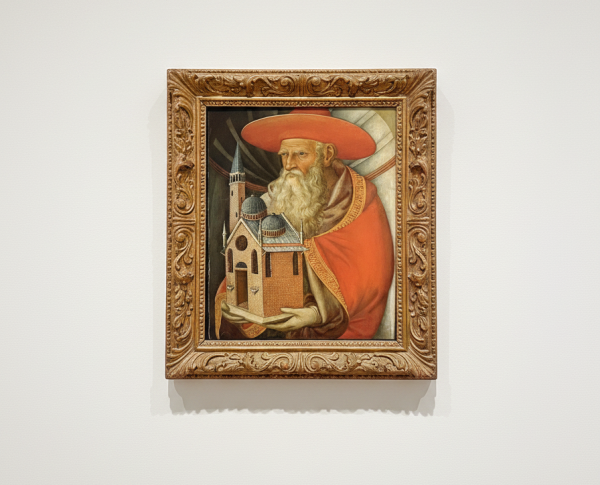
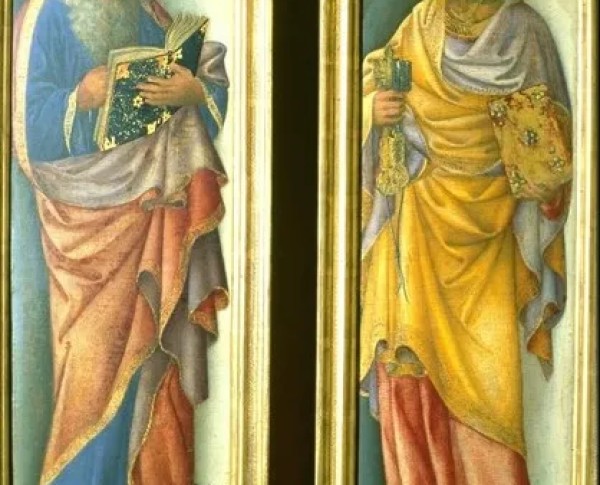
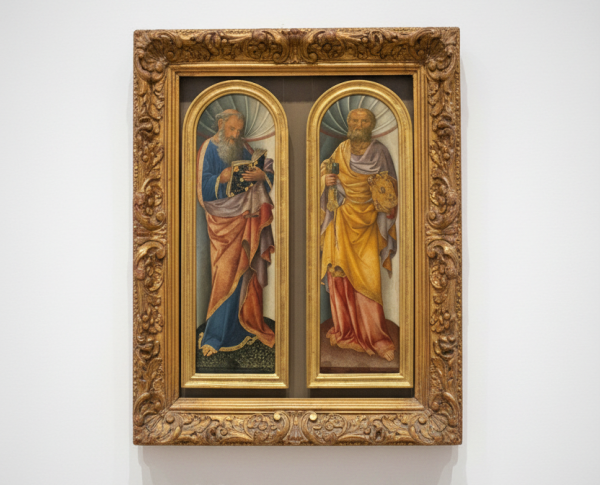
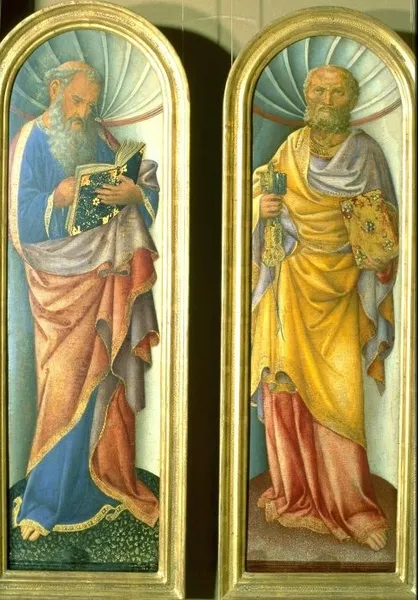
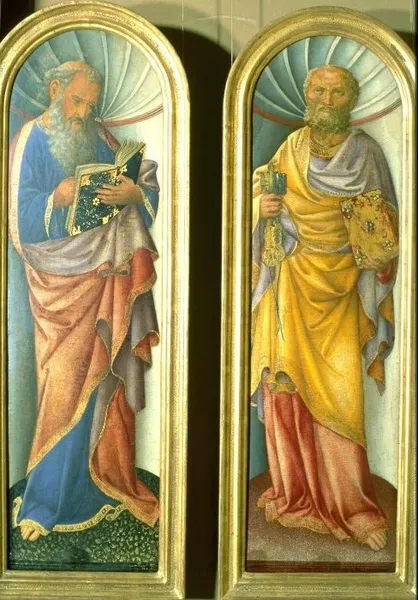
The "John the Evangelist, the Apostle Peter" showcases Jacopo Bellini's extraordinary technique with oil on canvas, a medium that allowed for rich textures and vibrant colors. Bellini's mastery is evident in the lifelike drapery and expressive faces, hallmarks of Early Renaissance artistry. For those seeking to own a piece of this artistic legacy, this painting and related products like "Saint Jerome" exemplify the era's dedication to realism and spiritual narrative through oil on canvas.
In this fine art painting for sale, Jacopo Bellini weaves together religious symbolism and human emotion, inviting viewers to contemplate the roles of John the Evangelist and the Apostle Peter. The Early Renaissance period was known for embedding deep meaning within artwork, and this piece is no exception. Collectors often display it alongside other significant works, such as "Saint Jerome," to create a thoughtful narrative through their curated fine art painting for sale selections.
Owning "John the Evangelist, the Apostle Peter" by Jacopo Bellini is more than acquiring a hand-painted oil painting; it is embracing a piece of Early Renaissance history. This masterpiece, along with complementary works like "Saint Jerome," offers collectors a glimpse into the spiritual and artistic fervor of the era. The enduring appeal of Bellini’s art makes this fine art painting for sale a prized addition to any discerning collection.
When Art Meets History
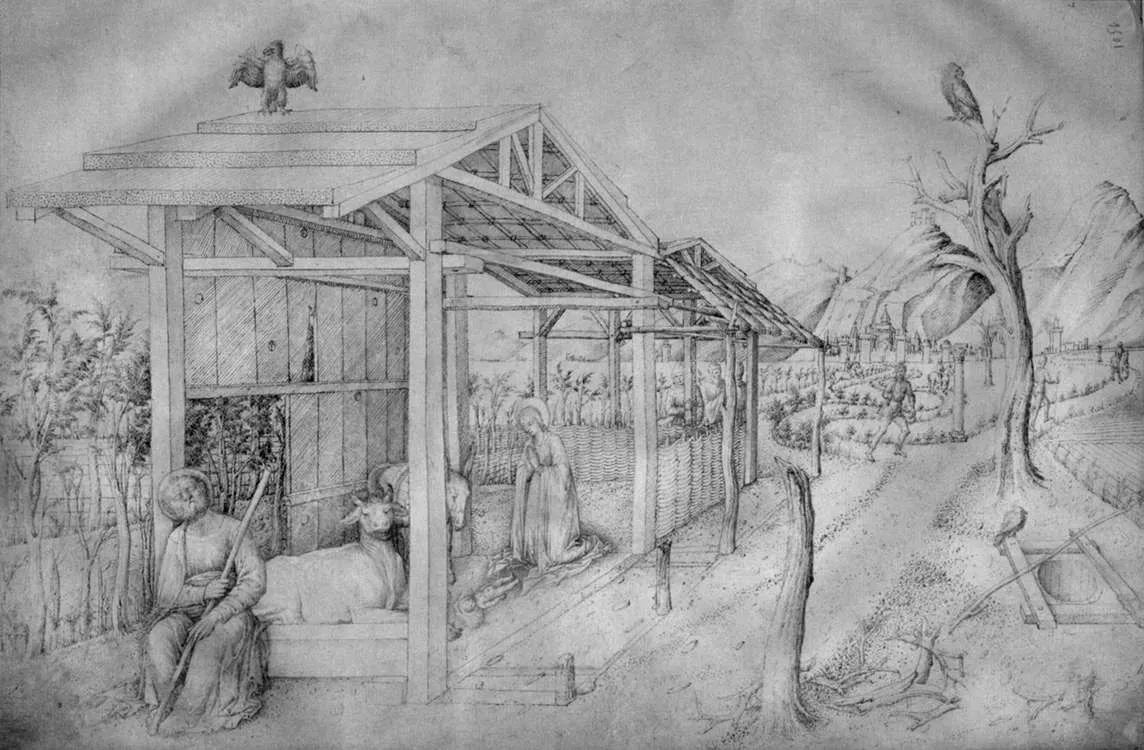
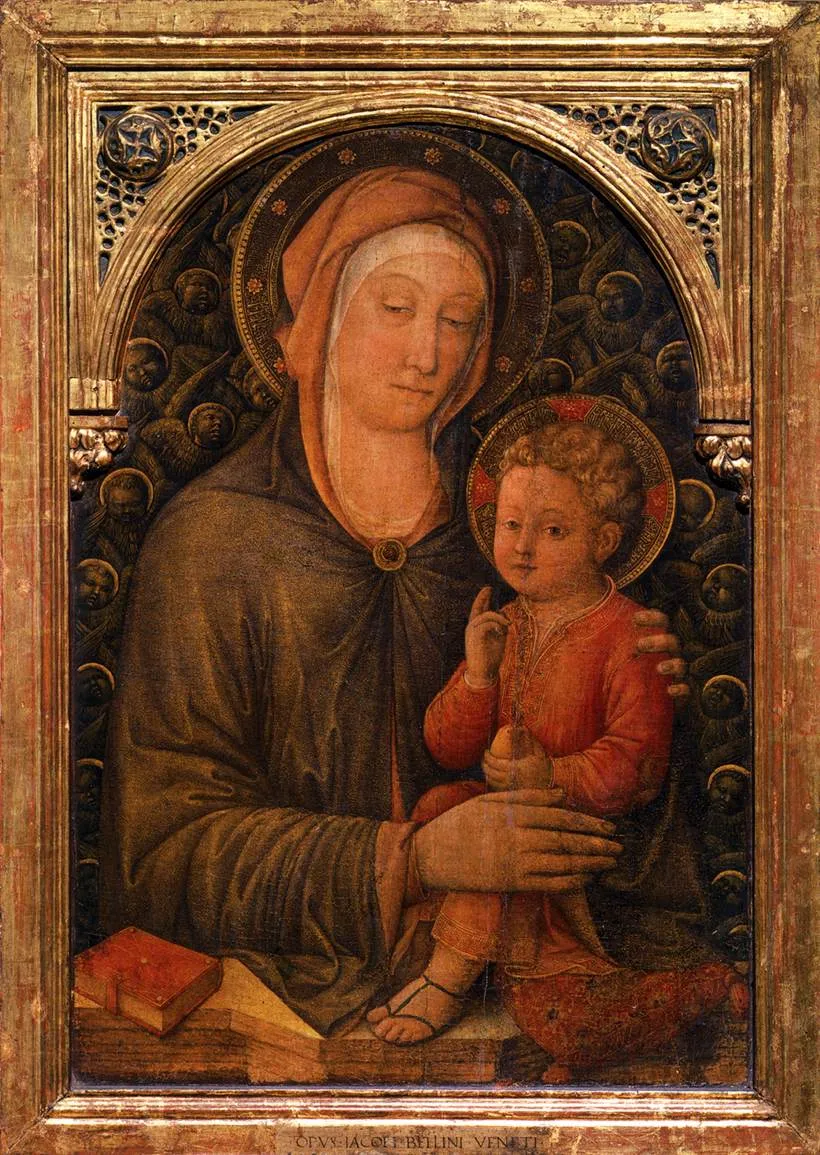
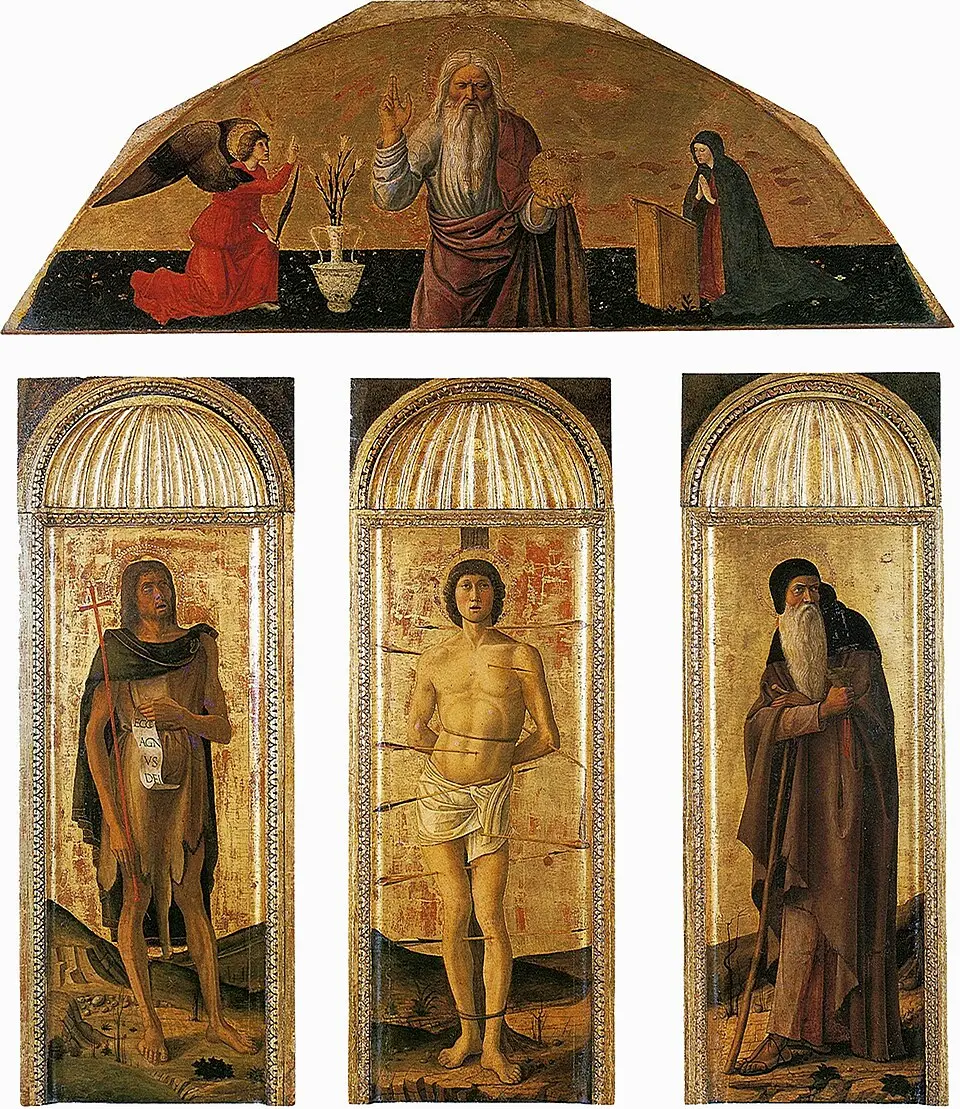
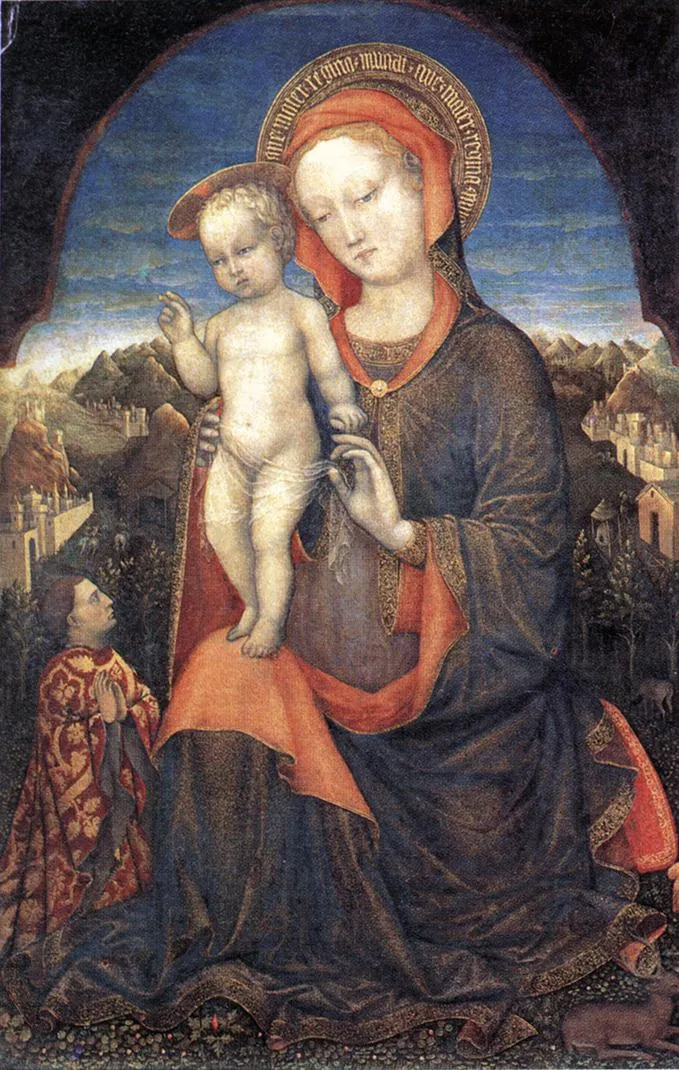
"John the Evangelist, the Apostle Peter" by Jacopo Bellini stands as a testament to the flourishing Early Renaissance movement. This hand-painted oil painting captures the spiritual fervor and humanistic ideals of its era, reflecting themes similar to Bellini’s other works such as "The Penance of St Jerome" and "Madonna and Child." As with many masterpieces from this period, the painting bridges religious tradition with innovative artistic techniques, making it a pivotal example for collectors and enthusiasts of Renaissance art.
Techniques That Speak
Jacopo Bellini’s use of oil on canvas in "John the Evangelist, the Apostle Peter" demonstrates his mastery of composition and color, qualities that define the Early Renaissance. The layering and delicate brushwork bring depth and realism to the figures, echoing techniques found in related paintings like "The Madonna of Mercy" and "Madonna in Glory with Seraphim." Bellini’s innovative approach to oil on canvas set new standards for artists of his time, influencing generations that followed.
Emotions on Display
The expressive faces in "John the Evangelist, the Apostle Peter" reveal Jacopo Bellini’s ability to convey profound emotion through his fine art painting for sale. The viewer is drawn into the spiritual connection between the saints, an emotive quality also present in works like "Birth of Venus (La Nascita di Venere)." Bellini’s skillful rendering of emotion is a hallmark of the Early Renaissance, inviting viewers to reflect on the deeper meanings behind each brushstroke.
Coveted by Collectors
As a rare example of the Early Renaissance, "John the Evangelist, the Apostle Peter" by Jacopo Bellini is highly sought after by collectors of hand-painted oil painting masterpieces. Its historical significance and artistic beauty, alongside related works such as "Madonna and Child" and "The Madonna of Mercy," make it a prized addition to any collection. Collectors value Bellini’s unique vision and the painting's enduring influence in the world of fine art.
Related Early Renaissance Hand-Painted Oil Paintings by Other Artists
Other Famous Early Renaissance Artists:
Frequently Asked Questions About John the Evangelist, the Apostle Peter
Who is the artist of "John the Evangelist, the Apostle Peter"?
The painting is created by the renowned Venetian artist Jacopo Bellini, a pivotal figure in the development of Renaissance art.
What is the historical context of this painting?
What are the main themes depicted in the painting?
The painting explores themes of faith, devotion, and the apostolic mission, highlighting the significance of John and Peter in early Christianity.
What artistic techniques did Jacopo Bellini employ in this work?
Bellini utilized oil paints to achieve rich colors and intricate details, along with a keen understanding of perspective to create depth and realism in the composition.
What symbolism can be found in the portrayal of John and Peter?
John is often associated with love and spirituality, while Peter symbolizes strength and leadership, reflecting their respective roles in the Christian tradition.
How does this painting reflect the characteristics of the Venetian Renaissance?
This work exemplifies the Venetian Renaissance through its vibrant color palette, attention to detail, and the integration of emotional expression in the figures.
What influence did Jacopo Bellini have on later artists?
Bellini's innovative techniques and emphasis on naturalism significantly influenced subsequent generations of artists, including his sons, Gentile and Giovanni Bellini, as well as Titian.
What is the significance of the figures of John and Peter in Christian art?
John and Peter are central figures in Christian theology, representing the foundation of the Church and the spread of the Gospel, making them popular subjects in religious art.
Where can this painting be viewed today?
The painting is part of a private collection and may not be on public display; however, it is often featured in exhibitions focused on Renaissance art.
What are some notable features of the composition in this painting?
Notable features include the dynamic poses of the figures, the use of light and shadow to create volume, and the intricate detailing of their garments, which exemplify Bellini's mastery.






















_GFM_Painting_(1).webp)


 100% Hand-Painted: Finished in 3-6 Weeks

.png)
















_(1).webp)