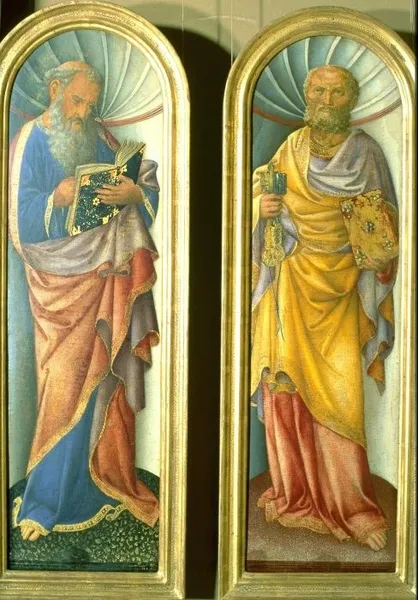
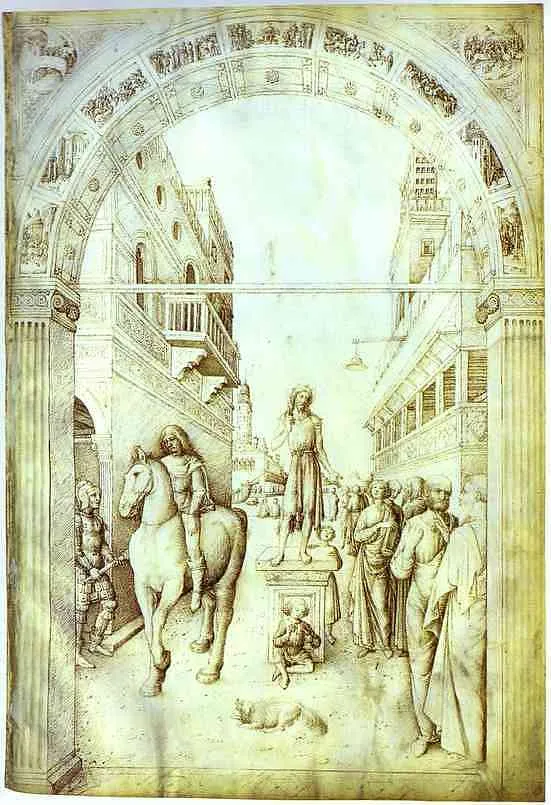
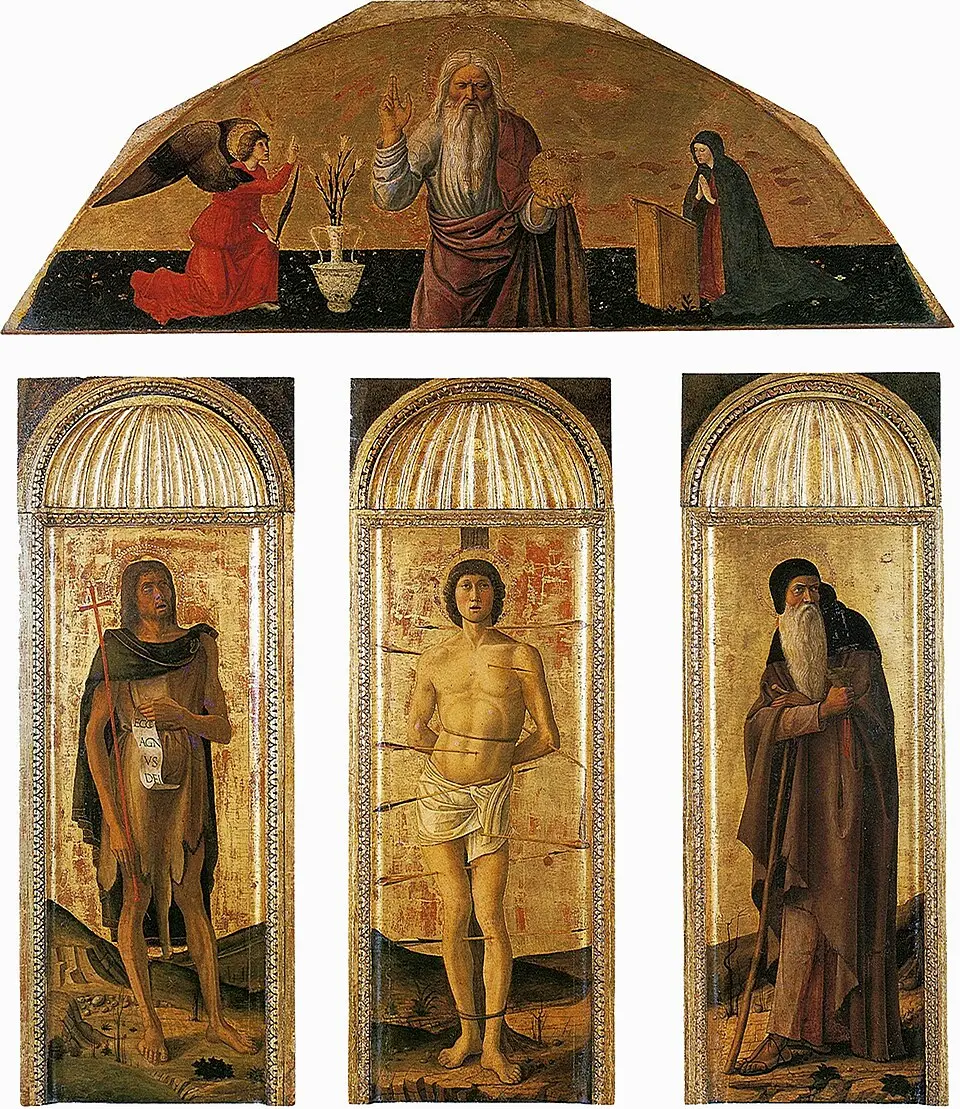
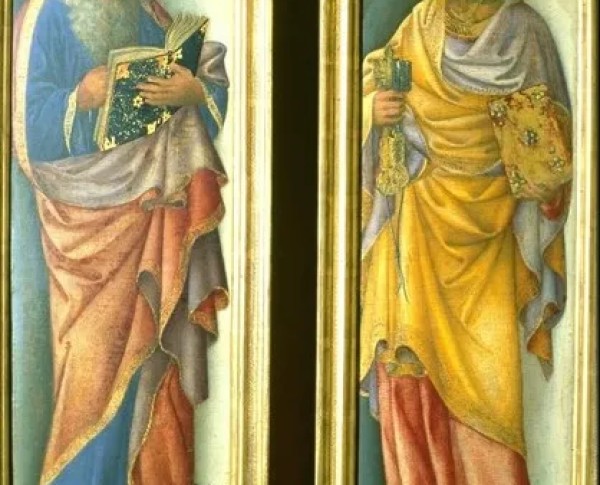
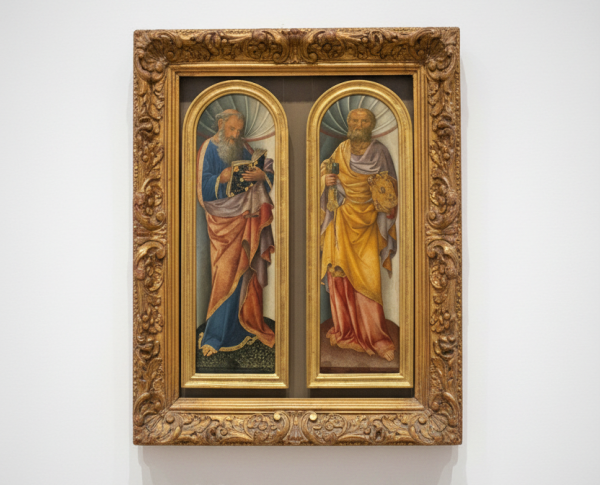
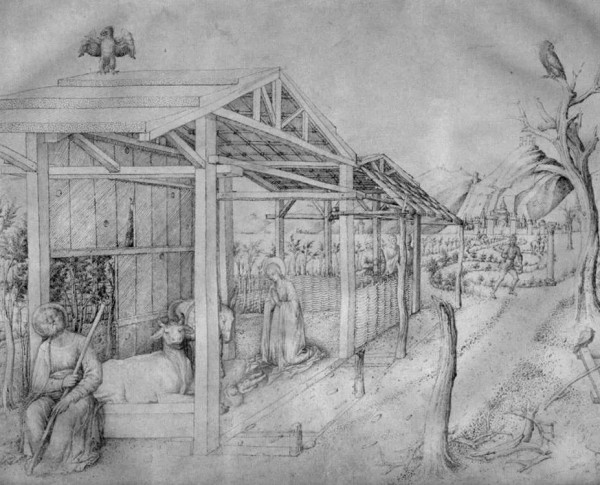
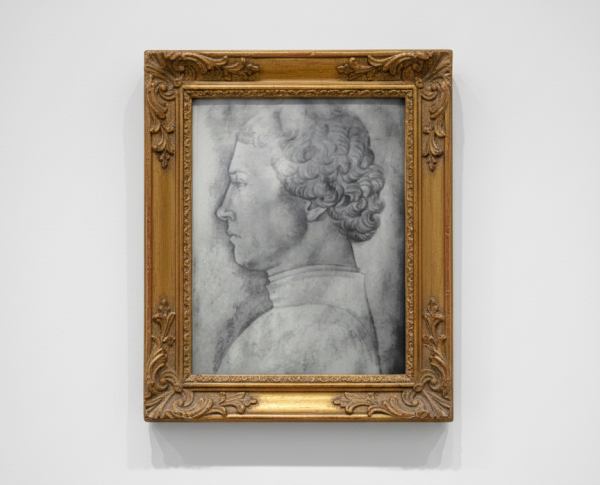
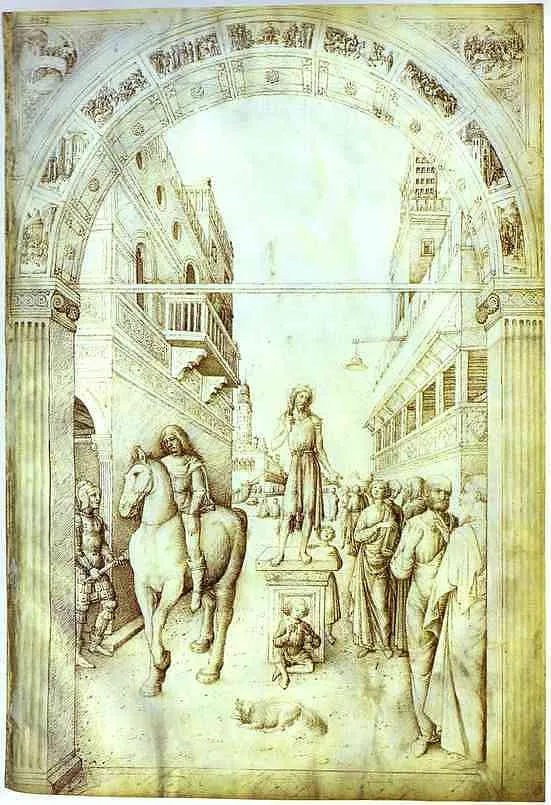
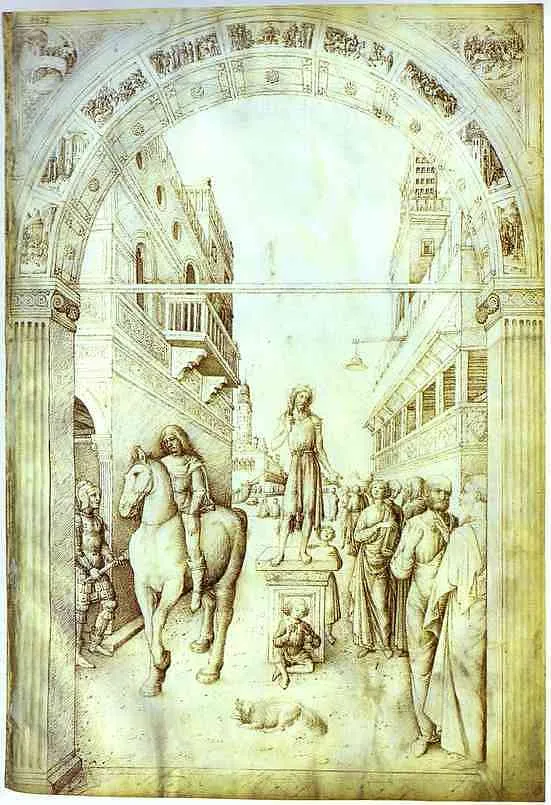
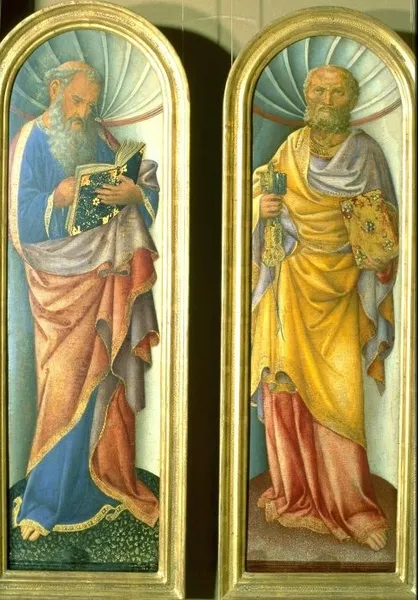
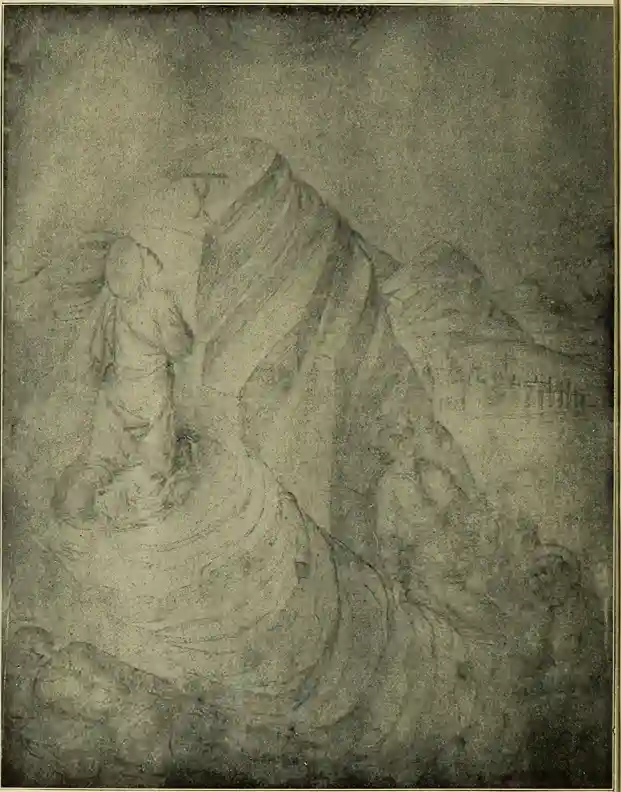
The meticulous technique Jacopo Bellini employed in "St John the Baptist Preaching" demonstrates his exceptional skill with oil on canvas. Each brushstroke reflects the Early Renaissance’s embrace of realism and depth, capturing both the physical presence and spiritual aura of the subject. Collectors and art lovers appreciate Bellini’s attention to detail, which is also evident in related masterpieces like "John the Evangelist" and "the Apostle Peter". This oil on canvas exemplifies the movement’s transformative impact on Western art.
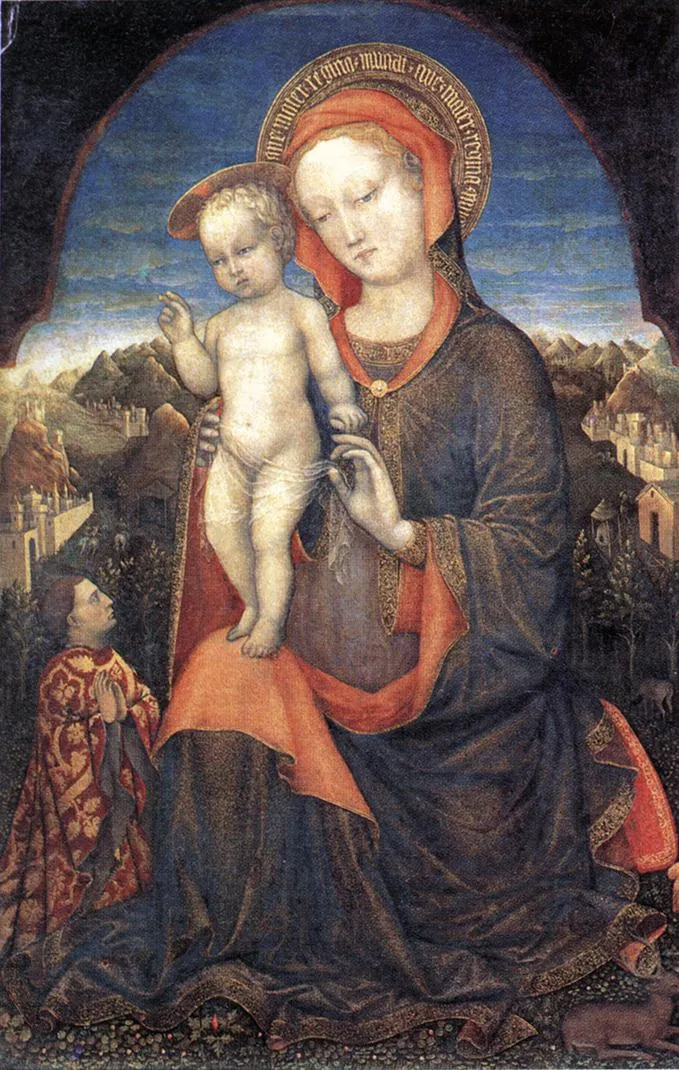
"St John the Baptist Preaching" by Jacopo Bellini is rich with symbolism, reflecting the profound narratives of the Early Renaissance. The hand-painted oil painting invites viewers to contemplate themes of faith, redemption, and prophecy. Bellini’s use of gesture and composition draws the eye to key details, inviting deeper interpretation. Art enthusiasts might also explore related works such as "The Madonna of Humility adored by Leonello d'Este" and "The Agony in the Garden" for further insight into the period’s symbolic language.
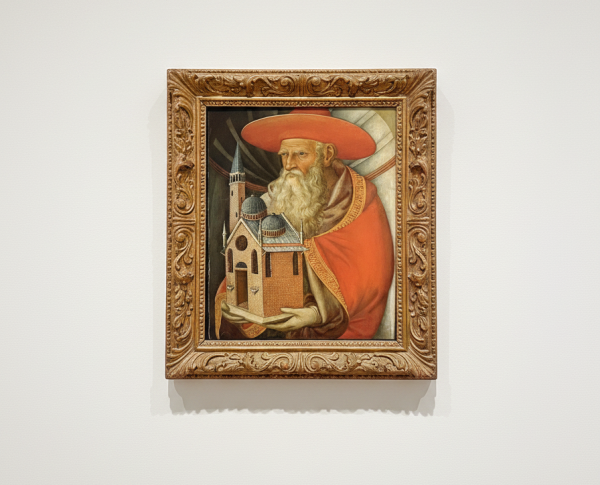
For collectors, owning a fine art painting for sale like "St John the Baptist Preaching" by Jacopo Bellini is a rare privilege. This Early Renaissance masterpiece not only enhances a collection’s prestige but also serves as a testament to the enduring power of oil on canvas. Bellini’s artistry, seen here and in related works like "Saint Jerome," continues to captivate audiences. Investing in such a painting ensures a lasting connection to the rich legacy of Renaissance art.
When Art Meets History
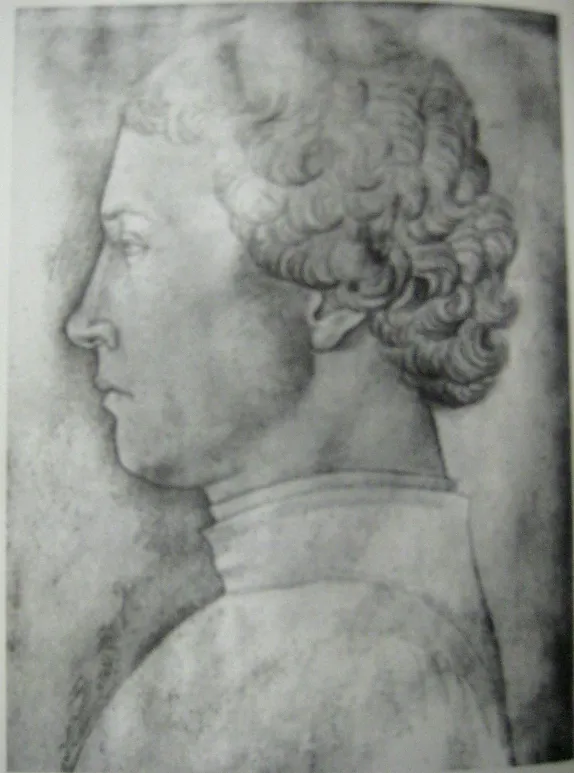
"St John the Baptist Preaching" by Jacopo Bellini is a remarkable example of Early Renaissance artistry, capturing a pivotal moment in biblical history. Created during a period of immense cultural transformation, this hand-painted oil painting showcases Bellini's mastery and his contribution to religious storytelling. Alongside related works like "Portrait of a Young Man" and "The Penance of St Jerome," Bellini's painting reflects the era's fascination with humanism and the divine, making it a timeless treasure for art enthusiasts.
Techniques That Speak
Jacopo Bellini utilized the oil on canvas technique to bring "St John the Baptist Preaching" to life, blending intricate brushwork with luminous color palettes. The careful layering and attention to light effects are hallmarks of the Early Renaissance movement. This approach can also be seen in Bellini’s "Virgin and Child with Two Angels" and "Allegory Of Spring La Primavera," where the artist's innovative use of perspective and detail set a new standard for fine art painting for sale.
Emotions on Display
In "St John the Baptist Preaching," Bellini's portrayal of expressive faces and dynamic gestures invites viewers into the emotional core of the scene. This hand-painted oil painting evokes a sense of spiritual urgency and compassion, drawing parallels with emotional intensity found in "Madonna and Child." Through nuanced expressions and careful composition, Jacopo Bellini captures the essence of Early Renaissance devotion, making each viewing a powerful encounter with the sacred and the human.
Coveted by Collectors
"St John the Baptist Preaching" remains a highly sought-after oil on canvas masterpiece among collectors of Early Renaissance art. Jacopo Bellini’s works, including "The Penance of St Jerome" and "Allegory Of Spring La Primavera," are prized for their historical significance and artistic innovation. This fine art painting for sale not only represents Bellini’s legacy but also offers collectors a chance to own a piece of cultural and artistic heritage that continues to inspire admiration worldwide.
Related Early Renaissance Hand-Painted Oil Paintings by Other Artists
Other Famous Early Renaissance Artists:
Frequently Asked Questions About St John the Baptist Preaching
What is the historical context of "St John the Baptist Preaching"?
"St John the Baptist Preaching" was created during the early Renaissance period, a time marked by a renewed interest in classical antiquity and humanism. Jacopo Bellini, the artist, was a pivotal figure in the development of Venetian painting and contributed significantly to the transition from Gothic to Renaissance styles.
Who was St. John the Baptist and why is he significant in Christian art?
St. John the Baptist is a key figure in Christianity, known for baptizing Jesus and preaching repentance. His significance in Christian art stems from his role as a forerunner to Christ, symbolizing the call to spiritual awakening and moral rectitude.
What artistic techniques did Jacopo Bellini employ in this painting?
Jacopo Bellini utilized techniques such as chiaroscuro to create depth and volume, as well as linear perspective to guide the viewer’s eye through the composition. His use of color and light enhances the spiritual atmosphere of the scene.
What symbols are present in "St John the Baptist Preaching"?
The painting features several symbols, including the lamb, which represents Christ, and the water, symbolizing baptism and purification. These elements underscore the themes of redemption and the preparation for the coming of Christ.
How does the composition of the painting reflect Renaissance ideals?
The composition showcases balance and harmony, key ideals of Renaissance art. The arrangement of figures and the use of space create a sense of order, reflecting the humanist belief in the importance of proportion and perspective in art.
What influence did Jacopo Bellini have on later artists?
Jacopo Bellini's innovative techniques and emphasis on narrative and emotion influenced many subsequent artists, including his sons, Gentile and Giovanni Bellini, as well as other Venetian painters like Titian and Tintoretto, who built upon his foundational work.
In what ways does this painting exemplify the transition from Gothic to Renaissance art?
This painting exemplifies the transition through its naturalistic portrayal of figures and the use of perspective, moving away from the flat, decorative style of Gothic art. The emotional expressiveness and attention to human anatomy reflect the Renaissance's focus on realism.
What role does light play in "St John the Baptist Preaching"?
Light in this painting is used not only to create a sense of three-dimensionality but also to symbolize divine presence. The illumination of St. John emphasizes his importance and the spiritual message he conveys, enhancing the overall narrative of the work.
How does "St John the Baptist Preaching" compare to other works depicting the same subject?
Compared to other depictions of St. John the Baptist, Bellini's work is notable for its psychological depth and the serene expression of the figure. Unlike more dramatic interpretations, Bellini focuses on the contemplative aspect of preaching, inviting viewers to reflect on the message.
What is the significance of the setting in the painting?
The setting, often depicted as a natural landscape, symbolizes the connection between the spiritual and the earthly realms. It reflects the Renaissance belief in nature as a manifestation of divine creation, enhancing the spiritual message of St. John's preaching.






















_GFM_Painting_(1).webp)


 100% Hand-Painted: Finished in 3-6 Weeks

.png)
















_(1).webp)