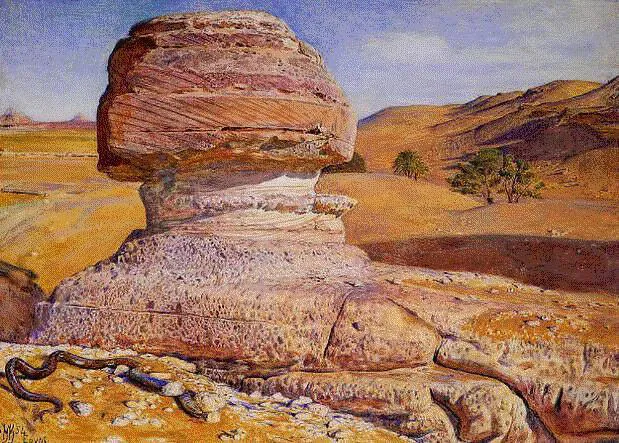
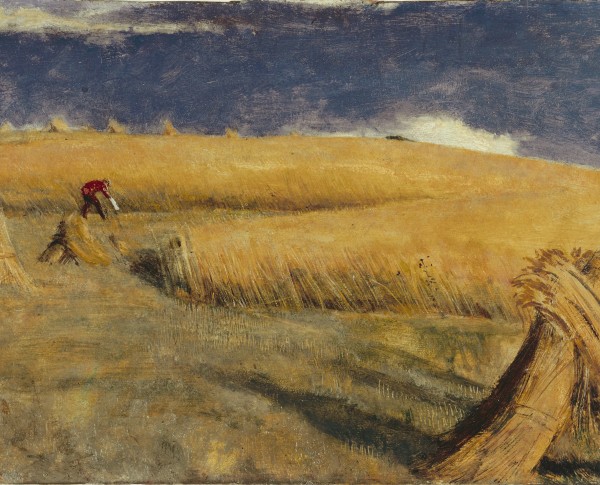
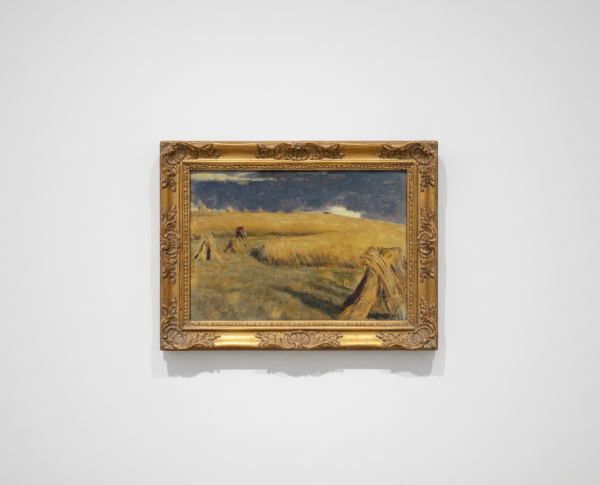
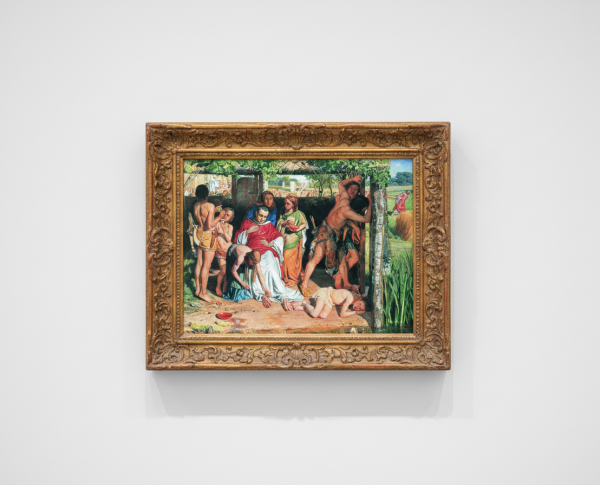
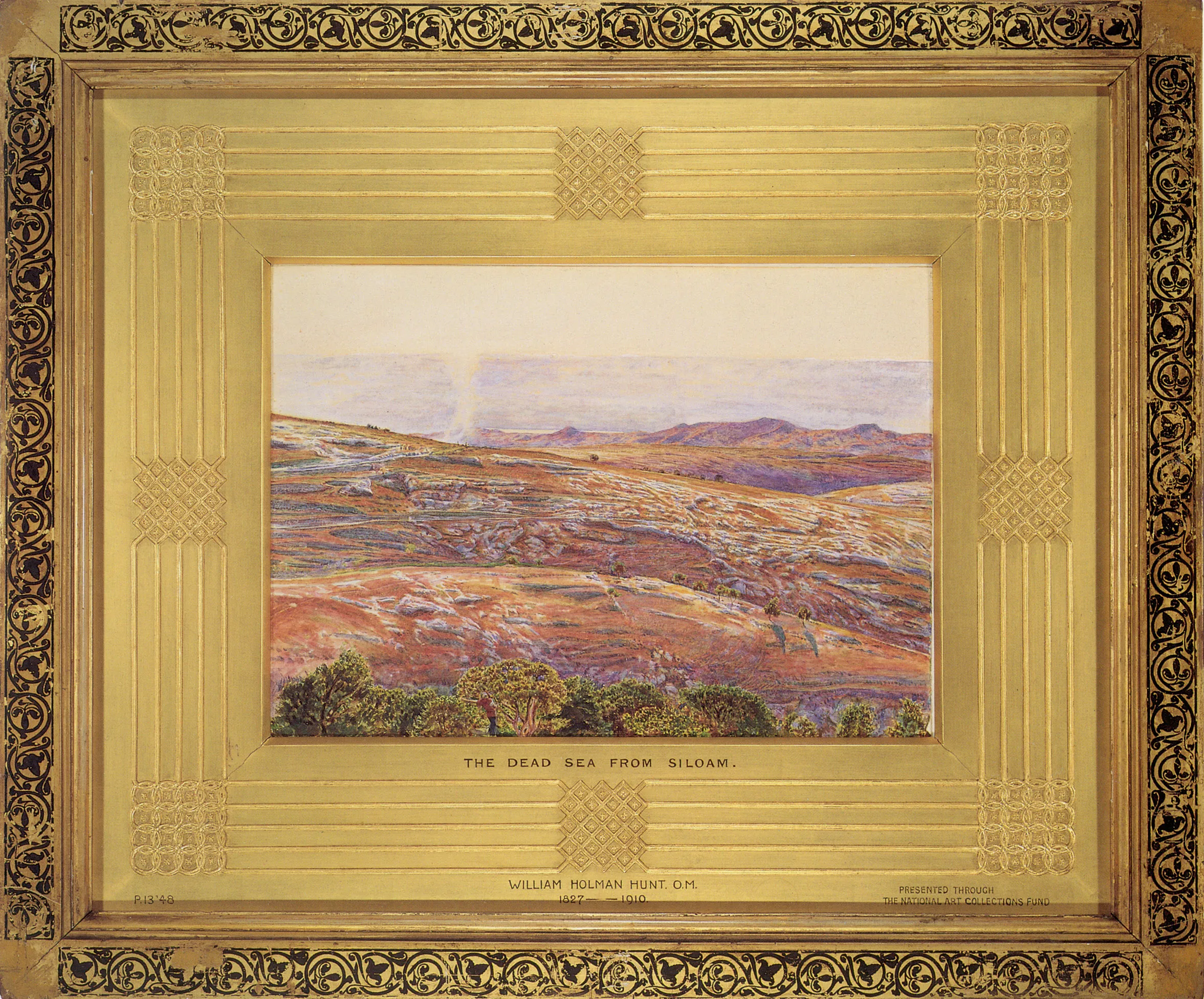
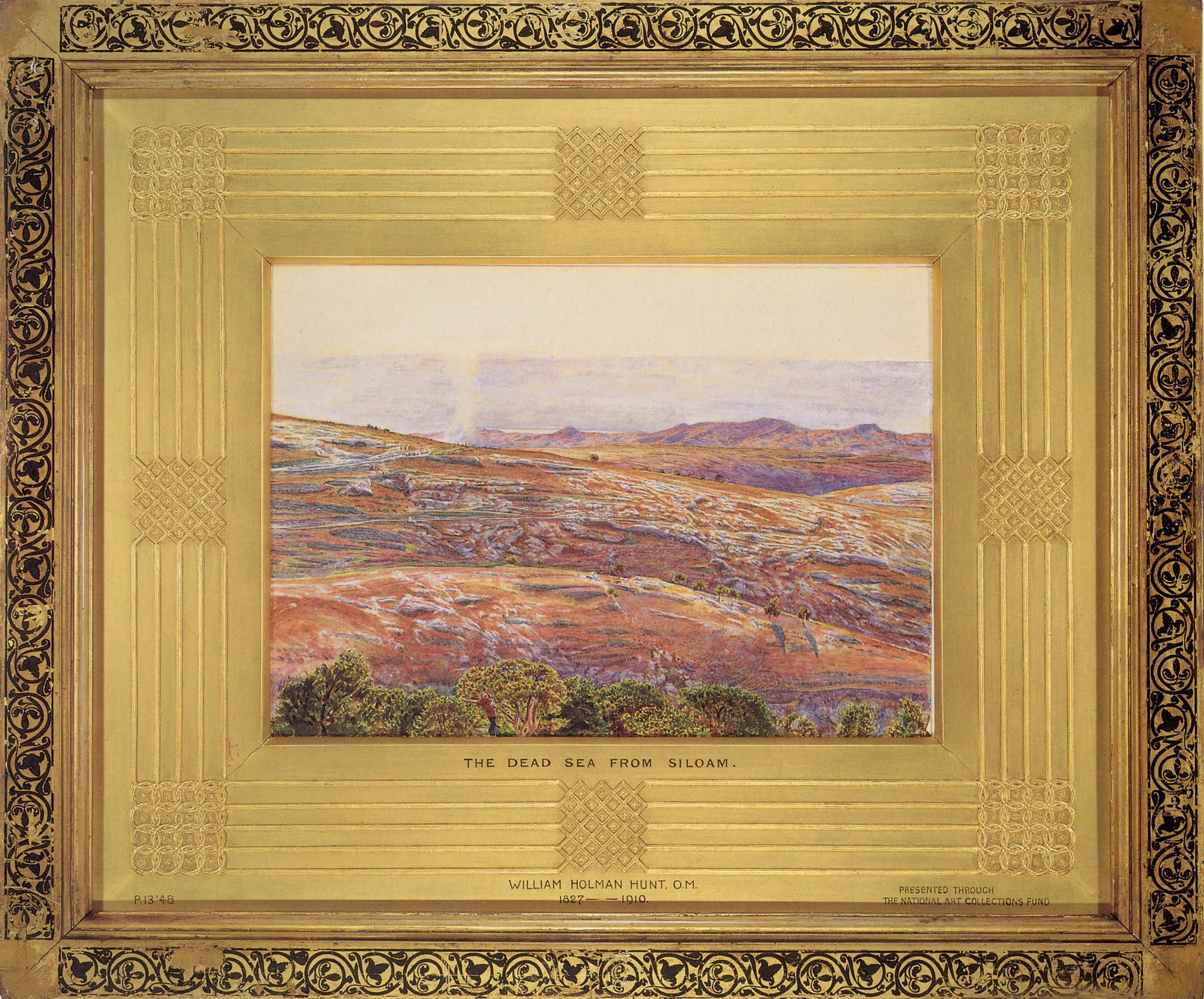
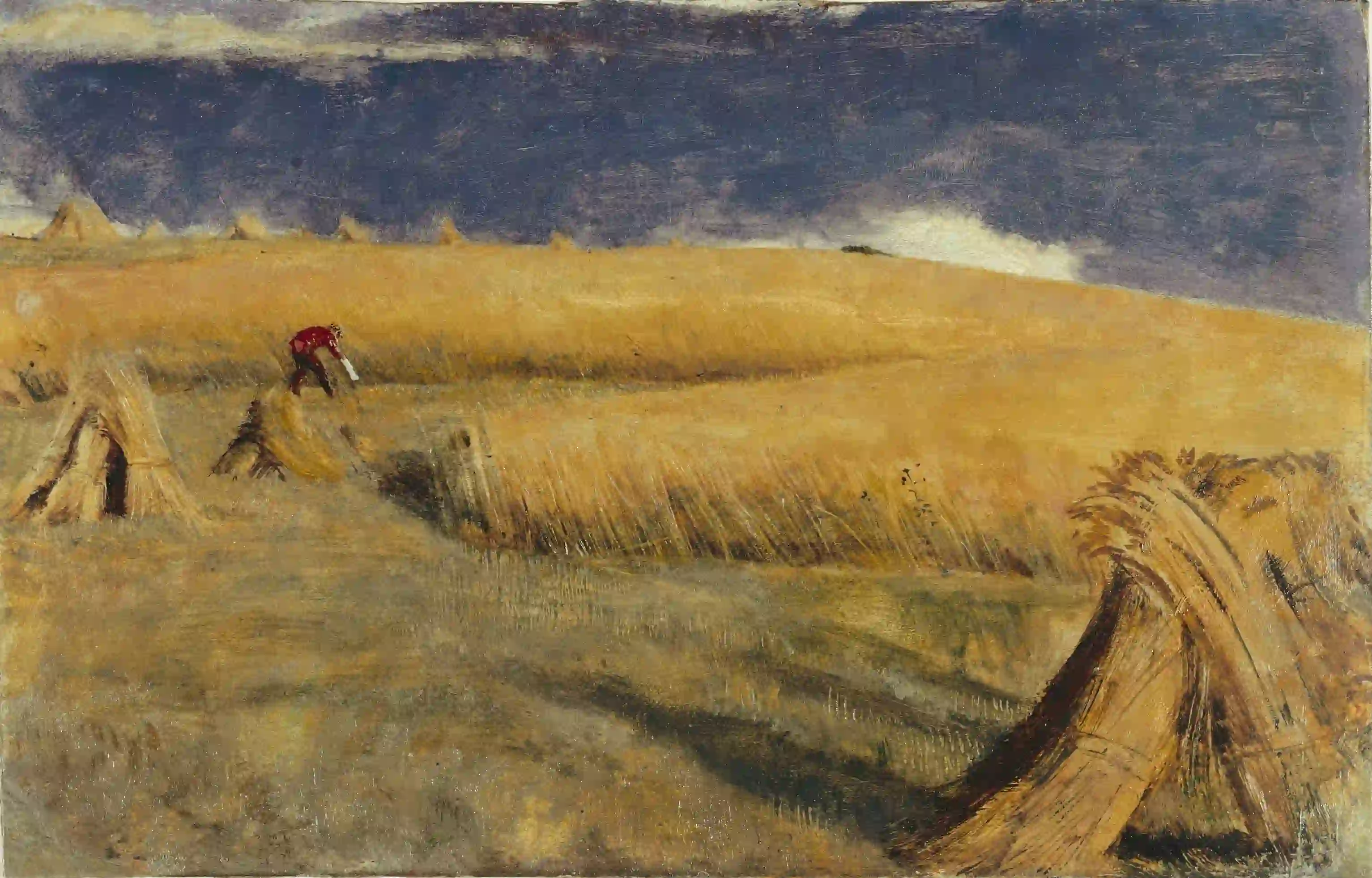
William Holman Hunt’s technical prowess is evident in "The Dead Sea from Siloam," where every brushstroke on oil on canvas reveals meticulous attention to detail. The interplay of light and shadow across the arid landscape demonstrates Hunt’s mastery, a hallmark of the Romanticism movement. This painting stands proudly among his celebrated pieces such as "Cornfield at Ewell" and "Valentine Rescuing Silvia from Proteus," showcasing the artist’s unparalleled skill in creating immersive, atmospheric scenes.
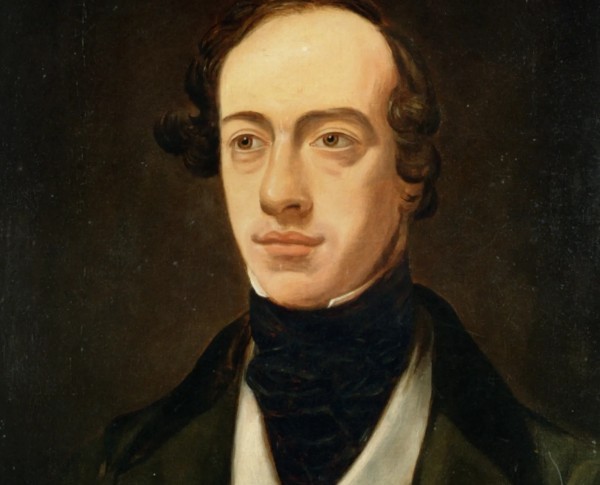
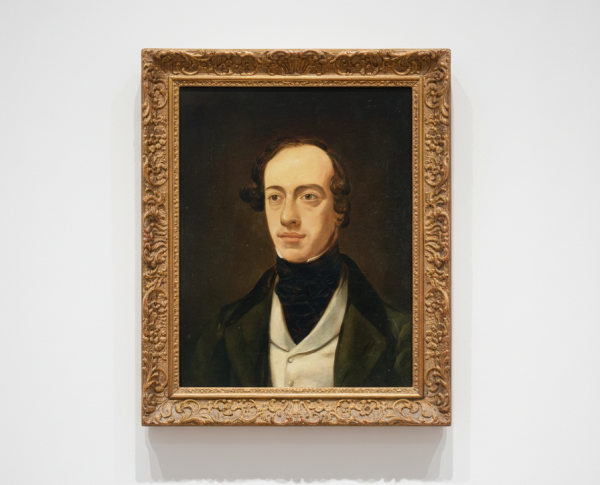
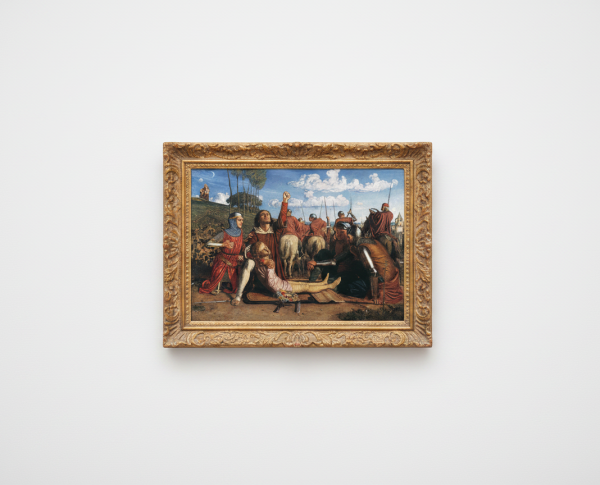
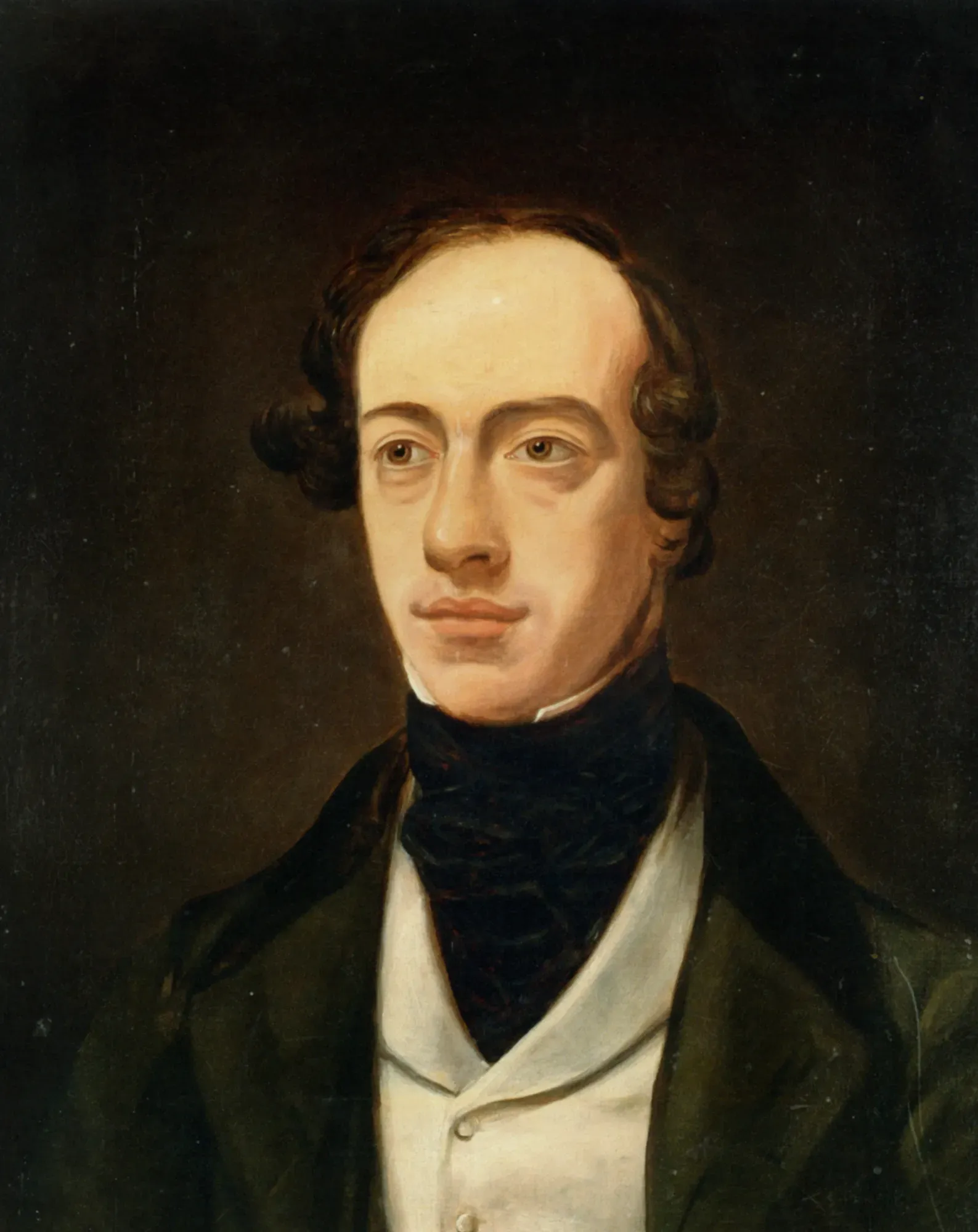
Within "The Dead Sea from Siloam," Hunt weaves profound symbolism characteristic of Romantic oil on canvas works. The expansive view and subtle figures evoke themes of solitude, spirituality, and the sublime, inviting viewers to contemplate humanity’s place within nature. This fine art painting for sale resonates with the narrative power found in Hunt’s other pieces, including "Portrait of John Everett Millais" and "Rienzi Vowing to Obtain Justice for the Death of his Young Brother," making it a thought-provoking addition to any collection.
For art collectors, "The Dead Sea from Siloam" by William Holman Hunt represents an exceptional investment in the Romanticism movement. This hand-painted oil painting offers a unique blend of historical importance and visual splendor, enhancing any fine art collection. Those interested in acquiring a fine art painting for sale may also consider Hunt’s related masterpieces like "The Scapegoat" and "Valentine Rescuing Silvia from Proteus," each reflecting the artist’s enduring influence and creative spirit.
When Art Meets History
"The Dead Sea from Siloam" by William Holman Hunt is a remarkable example of the Romanticism movement, capturing a pivotal moment where art intertwines with history. This hand-painted oil painting immerses viewers in the biblical landscape, reflecting Hunt's fascination with spiritual and historical themes. Like related works such as "A Full Length Portrait of Sam Houston" and "General Lasalle at the Siege of Stettin," Hunt's masterpiece provides a vivid window into the past, blending narrative with visual splendor.
Techniques That Speak
William Holman Hunt’s meticulous brushwork and use of vibrant colors in "The Dead Sea from Siloam" showcase the technical mastery that defines Romanticism. Rendered in oil on canvas, the painting demonstrates Hunt’s attention to atmospheric detail and natural light, infusing the landscape with dramatic intensity. Comparable to the techniques seen in "Sunrise with Sea Monsters" or "Landscape in the Riesengebirge," Hunt's approach elevates the scene, making every stroke resonate with emotion and realism.
Emotions on Display
"The Dead Sea from Siloam" overflows with the deep, contemplative emotion characteristic of Romanticism. William Holman Hunt channels awe and reverence through the painting’s sweeping vistas and evocative color palette. This fine art painting for sale invites viewers to experience the solemn beauty and spiritual yearning that define his best work, much like the emotional resonance found in "Deer on the Prairie" and other Romantic masterpieces, making it a transformative visual journey.
Coveted by Collectors
As a hand-painted oil painting by William Holman Hunt, "The Dead Sea from Siloam" is highly prized among collectors of Romanticism art. Its historical significance and exquisite execution make it a sought-after treasure, often compared to related paintings like "Landscape in the Riesengebirge" and "Sunrise with Sea Monsters." For those seeking a distinguished oil on canvas to enrich their collection, Hunt’s masterpiece stands as a testament to the enduring allure of fine art.
Related Romanticism Hand-Painted Oil Paintings by Other Artists
Other Famous Romanticism Artists:
Frequently Asked Questions About The Dead Sea from Siloam
What is the historical context of "The Dead Sea from Siloam"?
"The Dead Sea from Siloam" was painted by William Holman Hunt in 1854, during a period when European artists were increasingly fascinated by biblical themes and the Holy Land. This work reflects the Romantic movement's emphasis on nature and emotion, as well as the Pre-Raphaelite Brotherhood's commitment to detail and vivid color.
What artistic techniques did Hunt employ in this painting?
Hunt utilized a meticulous technique characterized by vibrant colors and intricate details. His use of light and shadow creates a sense of depth and realism, while the careful rendering of natural elements showcases his dedication to capturing the beauty of the landscape.
What symbolism is present in "The Dead Sea from Siloam"?
The painting symbolizes the spiritual journey and the contrast between life and death, as represented by the lush landscape surrounding the Dead Sea, which is known for its desolation. The inclusion of biblical references invites viewers to contemplate themes of redemption and the divine.
How does this painting reflect Hunt's artistic philosophy?
Hunt believed in the importance of truth to nature and the moral significance of art. "The Dead Sea from Siloam" embodies his philosophy by presenting a truthful depiction of the landscape while also conveying deeper spiritual meanings, aligning with his goal to inspire viewers through beauty and truth.
What influences can be seen in Hunt's portrayal of the landscape?
Hunt was influenced by his travels in the Holy Land, which informed his understanding of the region's geography and culture. His attention to detail and the vivid portrayal of the landscape reflect both his personal experiences and the broader fascination with Orientalism prevalent in 19th-century art.
What role does color play in "The Dead Sea from Siloam"?
Color plays a crucial role in conveying the mood and atmosphere of the painting. Hunt's use of bright, saturated hues contrasts with the darker tones of the Dead Sea, enhancing the emotional impact and inviting viewers to engage with the scene on a deeper level.
How does this painting compare to other works by Hunt?
Compared to other works by Hunt, "The Dead Sea from Siloam" showcases his signature attention to detail and vibrant color palette. However, it also stands out for its unique focus on a specific biblical landscape, reflecting his interest in the spiritual significance of place.
What was the reception of "The Dead Sea from Siloam" upon its completion?
Upon its completion, the painting received acclaim for its vivid representation and intricate details. Critics praised Hunt's ability to evoke emotion through landscape, solidifying his reputation as a leading figure in the Pre-Raphaelite movement.
What elements of the painting suggest a narrative or story?
The composition of "The Dead Sea from Siloam" suggests a narrative through its depiction of the landscape and the inclusion of biblical references. The viewer is invited to ponder the historical and spiritual significance of the scene, encouraging a deeper exploration of its narrative layers.
How does "The Dead Sea from Siloam" reflect the Pre-Raphaelite ideals?
The painting reflects Pre-Raphaelite ideals through its emphasis on naturalism, intricate detail, and vibrant color. Hunt's commitment to depicting nature truthfully and his incorporation of symbolic elements align with the movement's goal of challenging the conventions of academic art.























_GFM_Painting_(1).webp)


 100% Hand-Painted: Finished in 3-6 Weeks

.png)


















_(1).webp)