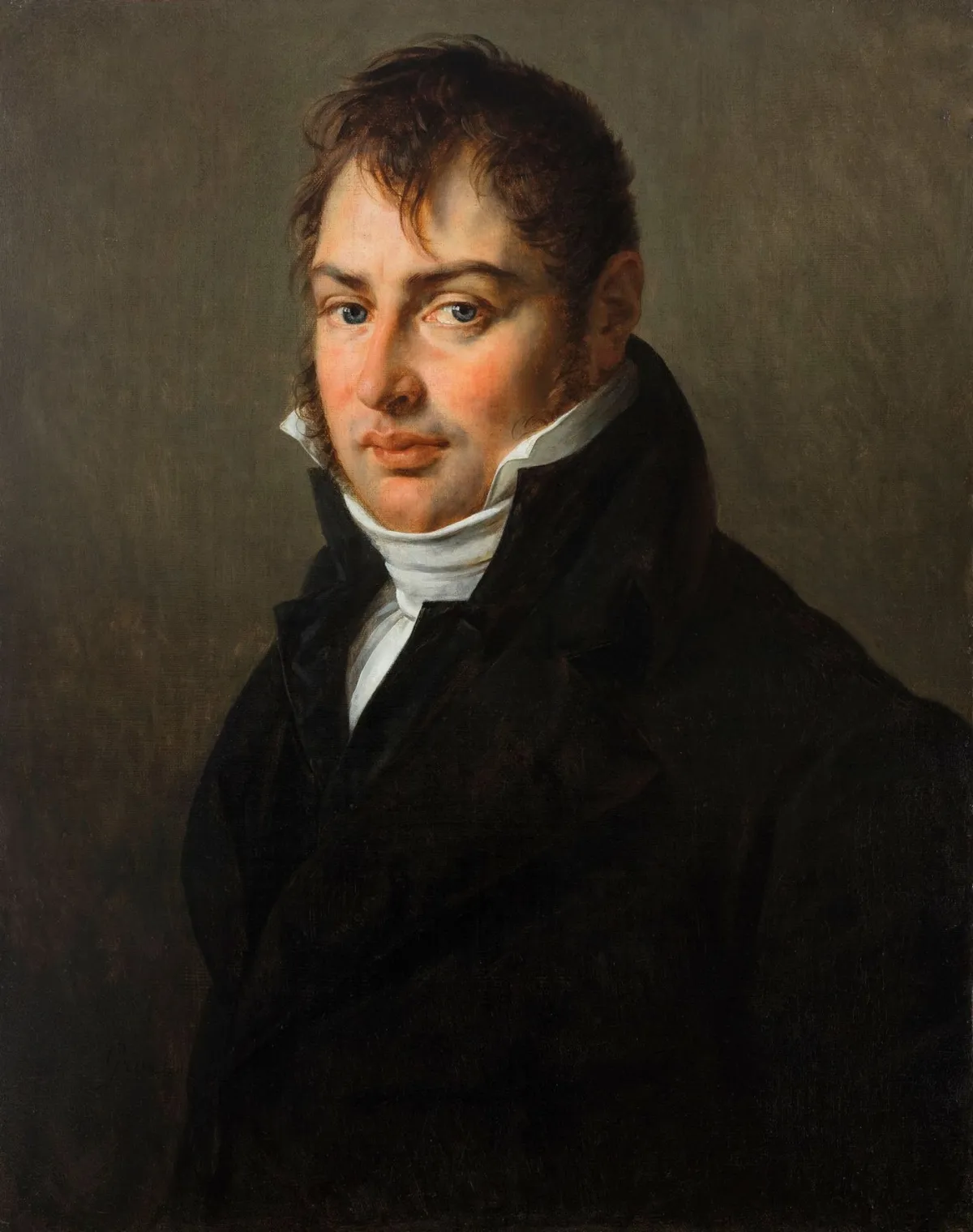
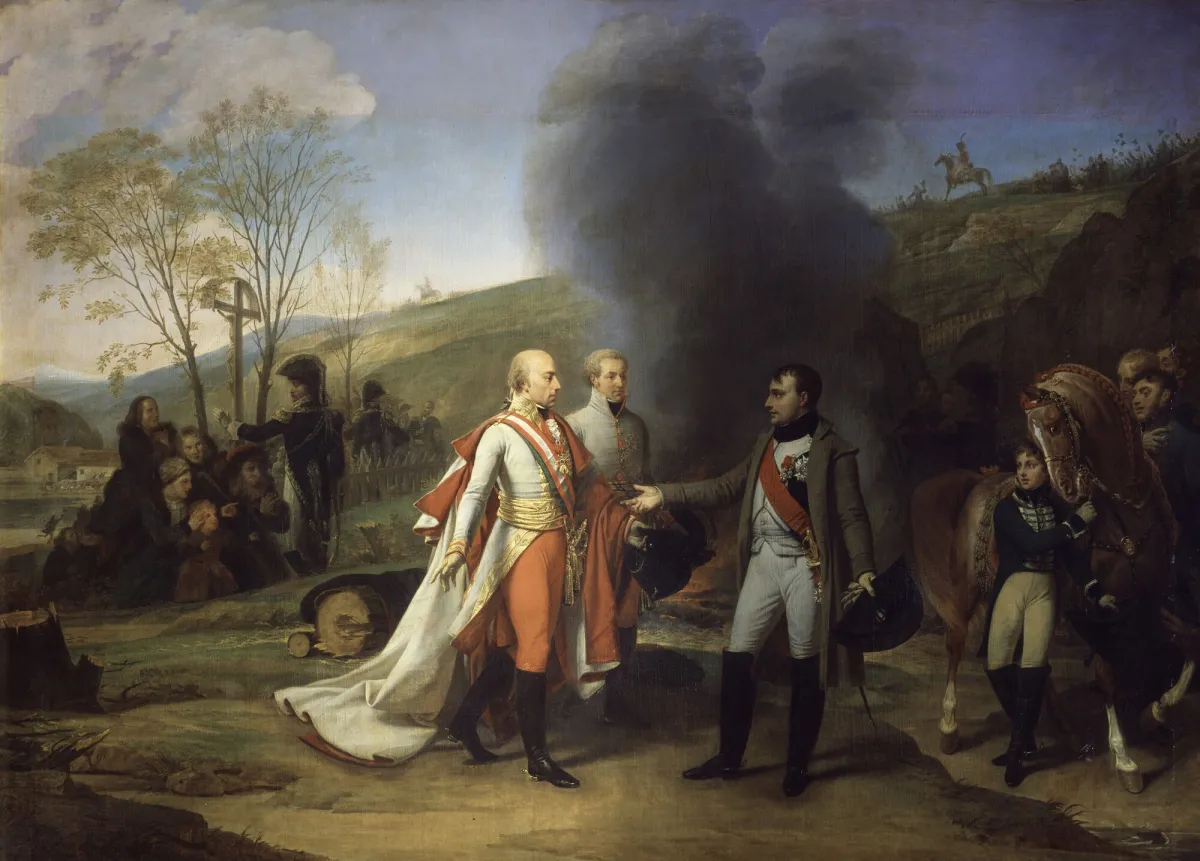
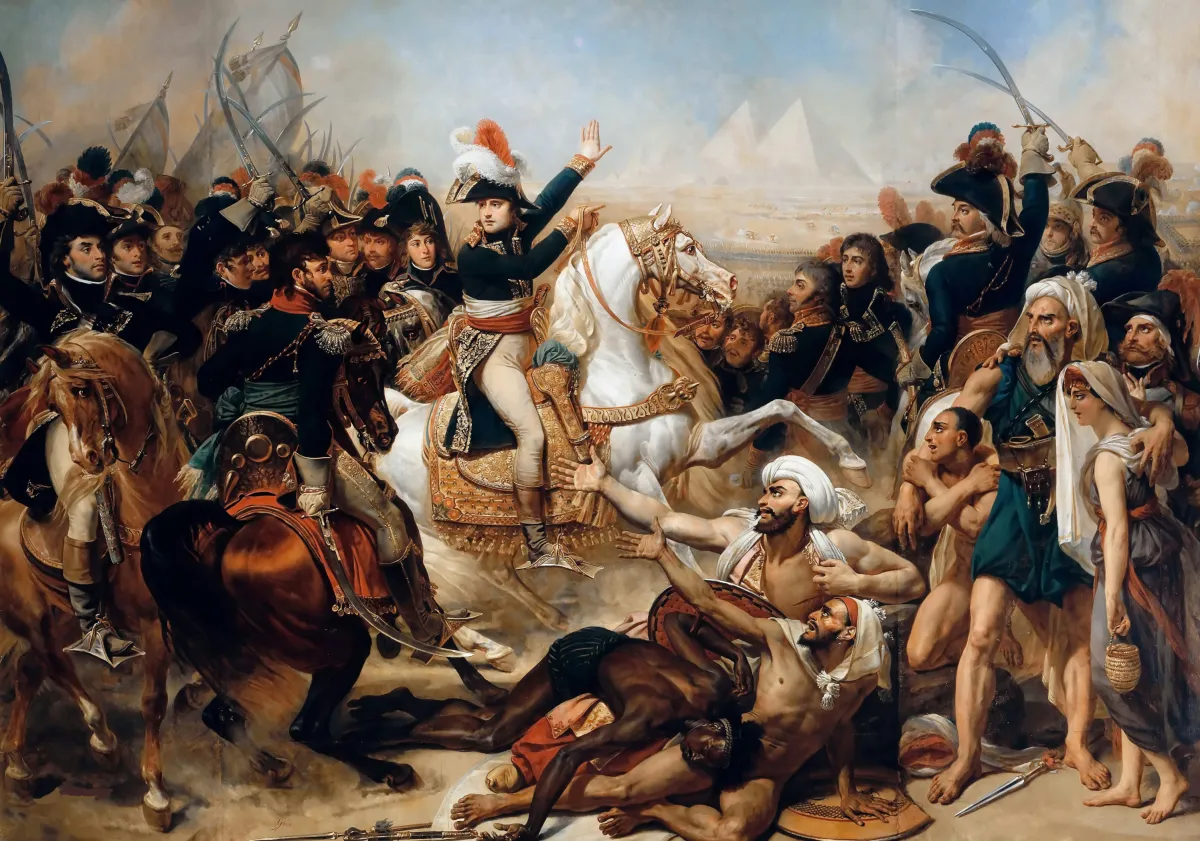
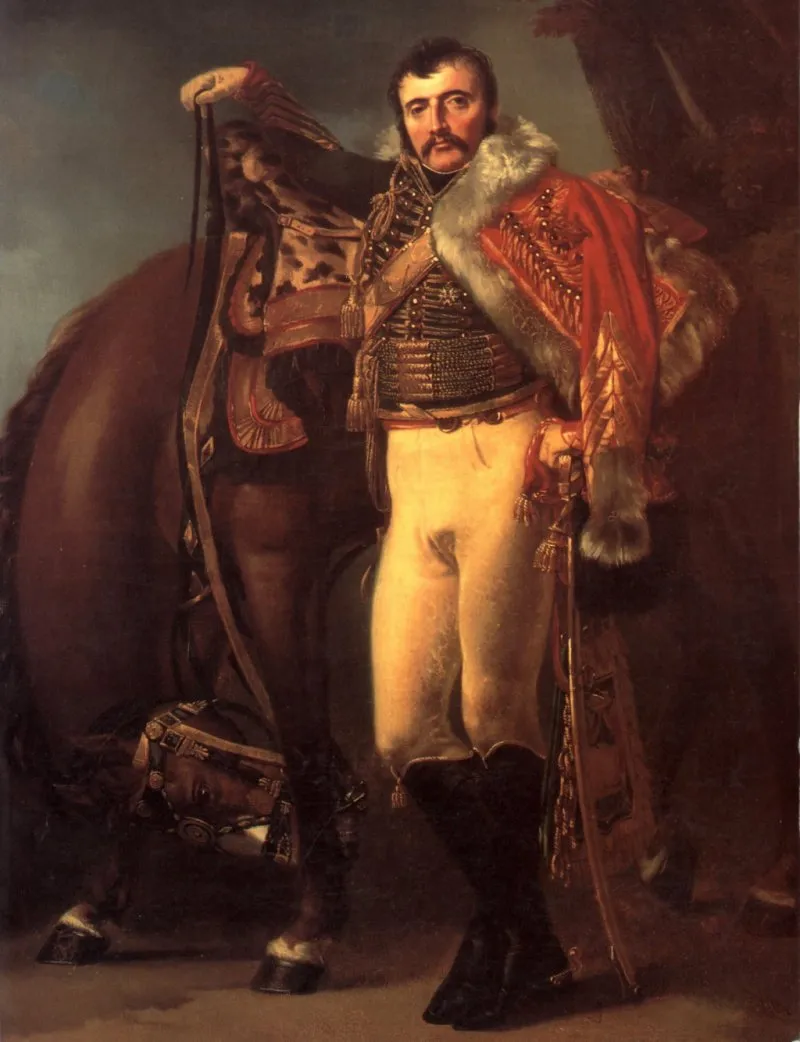
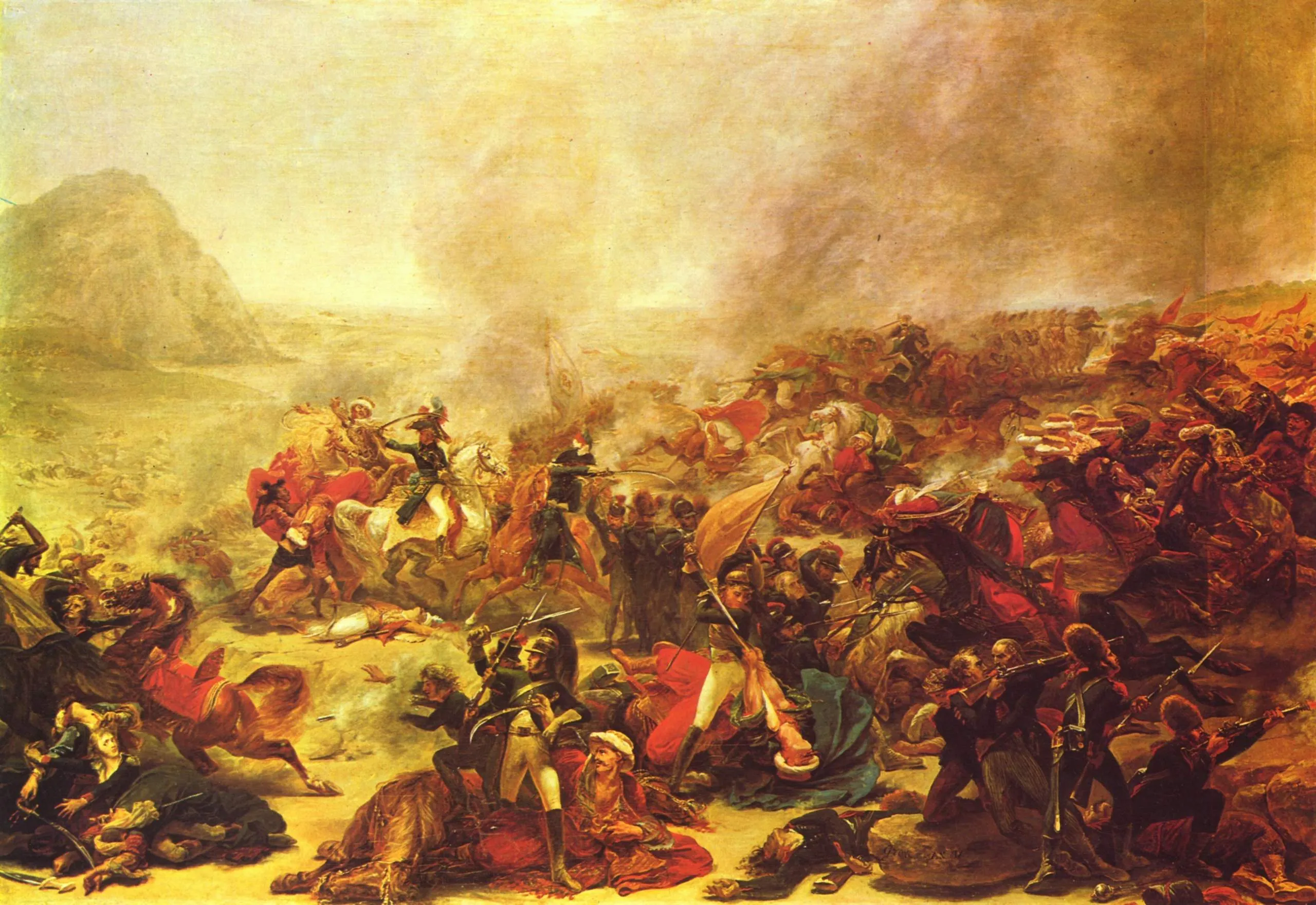
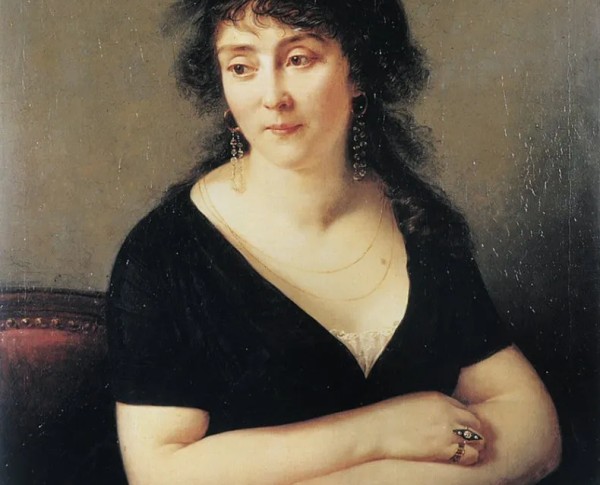
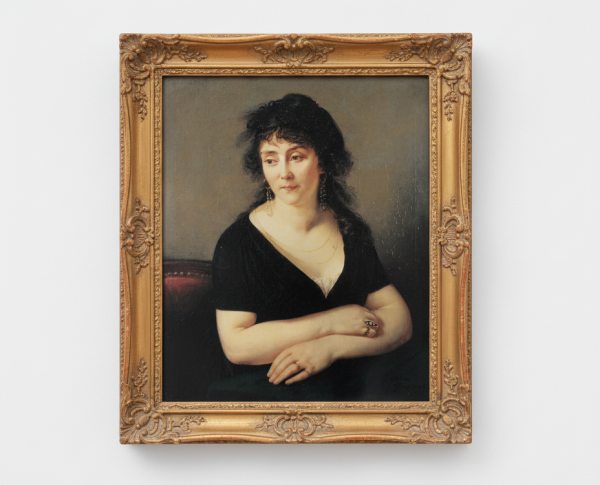
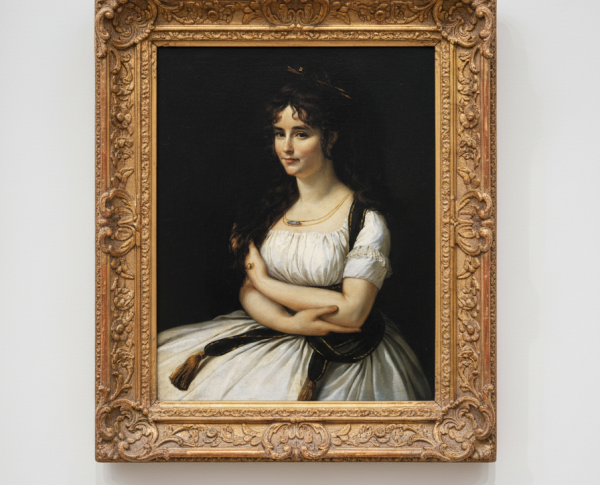
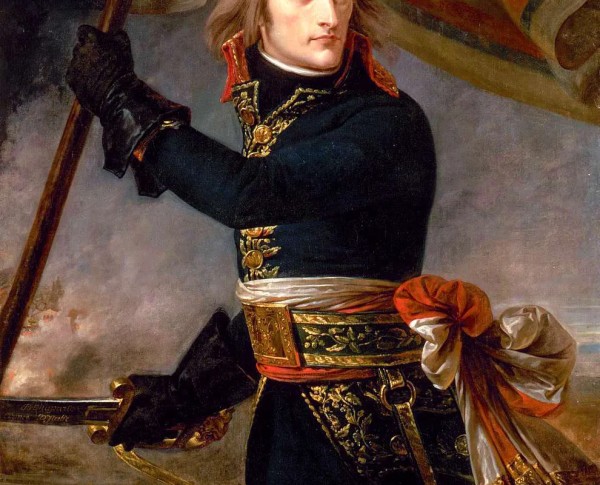
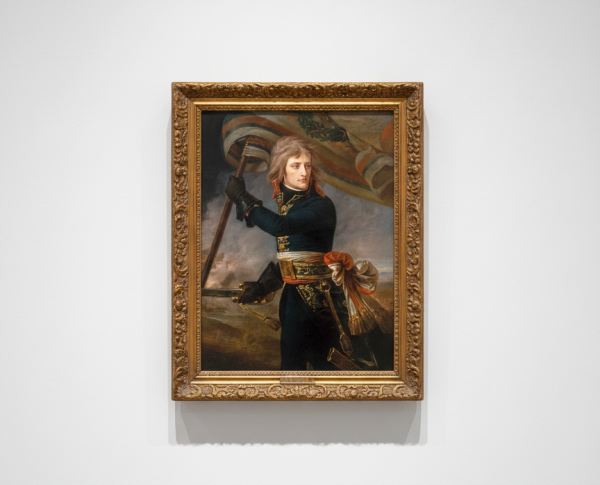
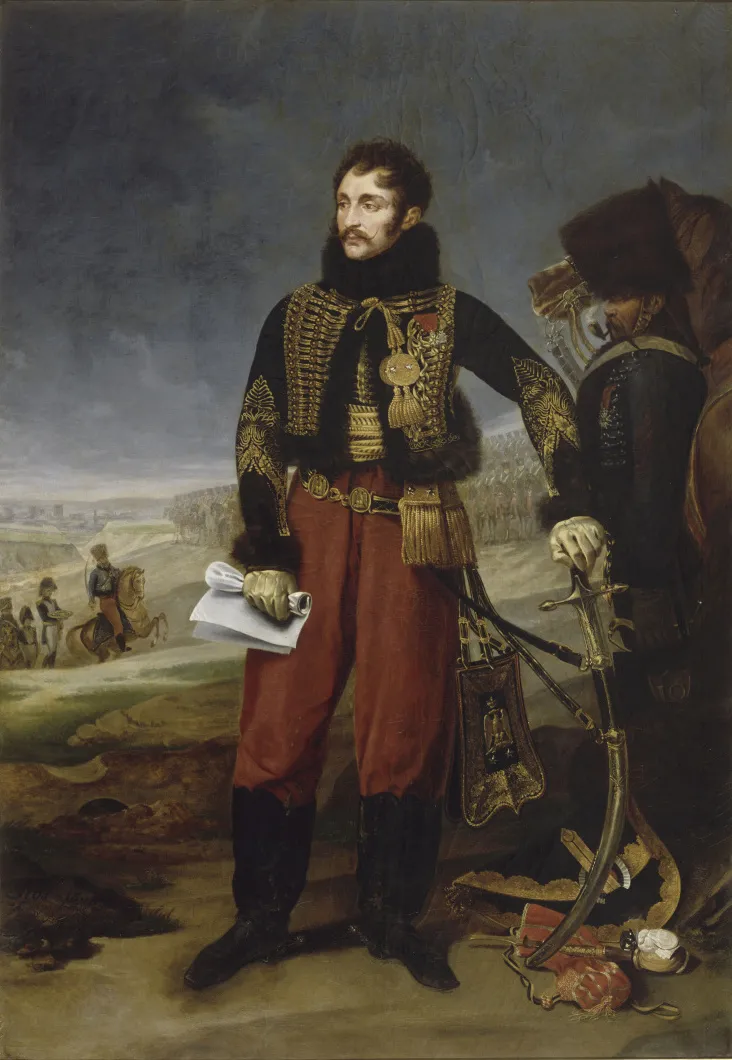
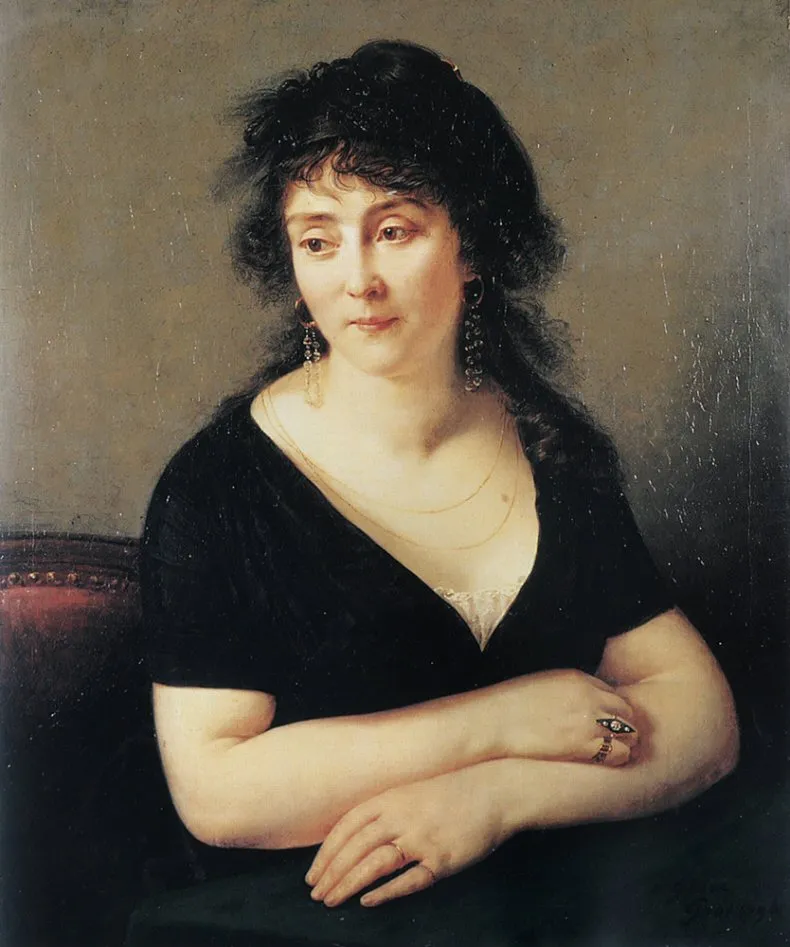
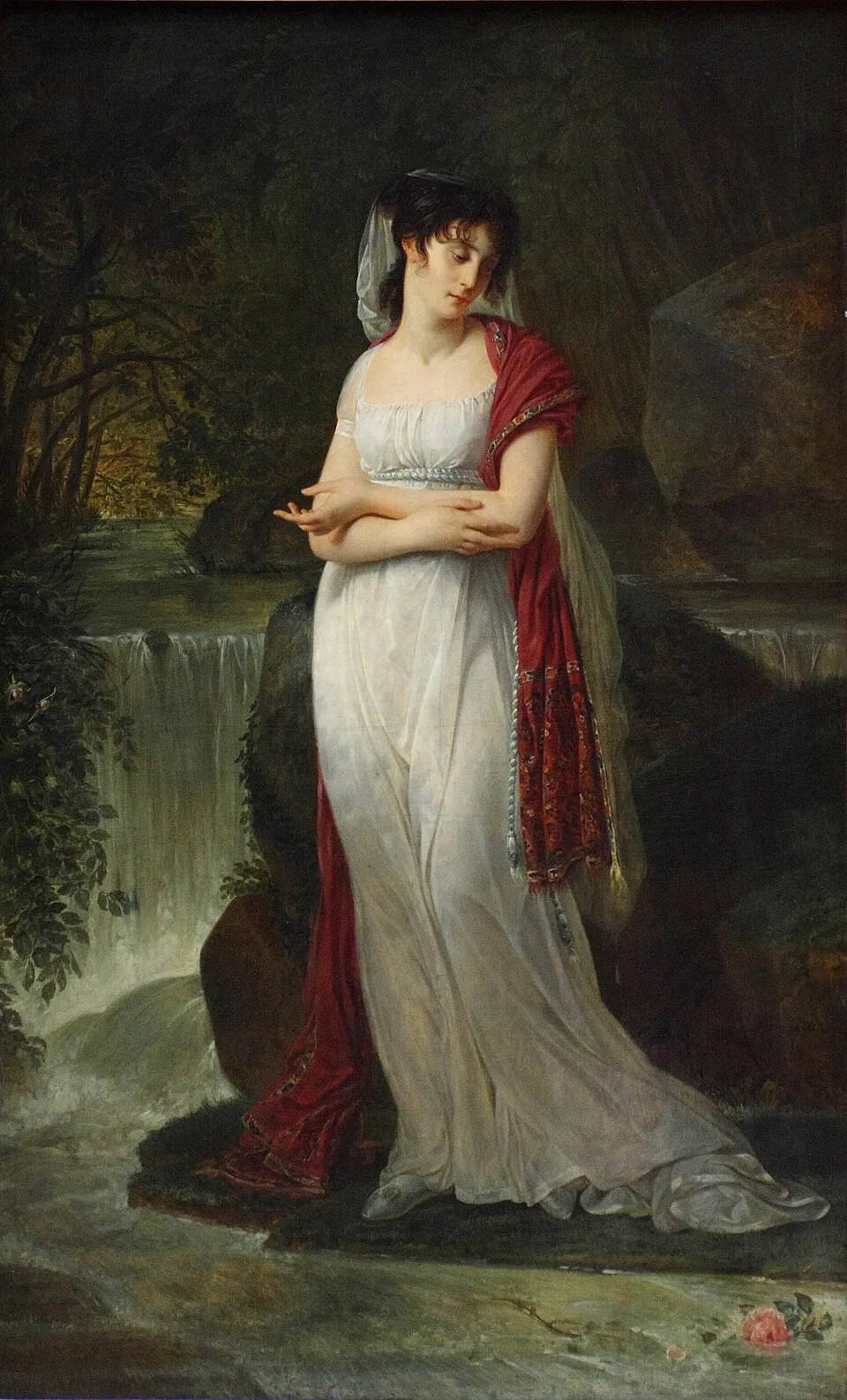
This exquisite oil on canvas demonstrates Antoine-Jean Gros’s technical prowess, blending dynamic brushwork with dramatic lighting typical of Romanticism. Every detail of the composition, from Lasalle’s commanding presence to the tumultuous battlefield, underscores Gros’s devotion to realism and emotion. Collectors seeking a fine art painting for sale will appreciate how this piece complements other masterpieces like "Portrait of Christine Boyer" uniting artistry with historical significance.
"General Lasalle at the Siege of Stettin" is more than an oil on canvas; it is a narrative woven with symbols of heroism and sacrifice. Gros’s Romanticism style brings the story to life, highlighting Lasalle’s courage and the broader themes of valor in warfare. This hand-painted oil painting resonates with collectors who admire not only the artistry but also the deep historical context, much like each a testament to Gros’s narrative genius.
For those seeking a fine art painting for sale, "General Lasalle at the Siege of Stettin" by Antoine-Jean Gros represents an exceptional addition. Its blend of Romanticism, historical depth, and masterful execution makes it highly desirable. Collectors often pair such works with related products, including "Battle of Aboukir, July 25, 1799" and "Portrait of Christine Boyer," appreciating the continuity of Gros’s artistry and the enduring appeal of hand-painted oil paintings from this era.
When Art Meets History
Antoine-Jean Gros’s masterpiece, "General Lasalle at the Siege of Stettin," captures a pivotal moment in European history through the lens of Romanticism. This hand-painted oil painting dramatically illustrates General Lasalle’s courage during the siege, blending historical accuracy with emotional depth. Gros, known for his dynamic compositions, brings the same energy seen in related paintings like "Sam Houston at the Battle of San Jacinto" and "The Fighting 'Téméraire' tugged to her last Berth to be broken up."
Techniques That Speak
Utilizing the rich textures of oil on canvas, Antoine-Jean Gros employs bold brushstrokes and vibrant contrasts in "General Lasalle at the Siege of Stettin." The Romanticism movement’s influence is evident in the painting’s dramatic lighting and expressive composition. Similar to works like "Power of Death" and "the Witches' Ride," Gros’s technical mastery brings the battlefield to life, highlighting why oil on canvas remains a favored medium among collectors and art connoisseurs alike.
Emotions on Display
The emotional intensity in "General Lasalle at the Siege of Stettin" sets it apart as a fine art painting for sale. Gros’s portrayal of heroism and tension resonates with viewers, embodying the Romanticism movement’s focus on individual experience and dramatic storytelling. This emotional depth is also found in related paintings like "George Washington Baines By" and "Sam Houston at the Battle of San Jacinto," making Gros’s work a standout in the era’s artistic landscape.
Coveted by Collectors
As a remarkable example of Romanticism, "General Lasalle at the Siege of Stettin" by Antoine-Jean Gros is highly sought after by those seeking a hand-painted oil painting with historical significance. Its connection to other notable works, such as "The Fighting 'Téméraire' tugged to her last Berth to be broken up," adds to its allure. Collectors prize Gros's ability to blend narrative and artistry, making this painting a treasured addition to any collection.
Related Romanticism Hand-Painted Oil Paintings by Other Artists
Other Famous Romanticism Artists:
Frequently Asked Questions About General Lasalle at the Siege of Stettin
What historical event does "General Lasalle at the Siege of Stettin" depict?
This painting illustrates the Siege of Stettin, which occurred during the Napoleonic Wars in 1806, showcasing the military engagement led by General Lasalle.
Who was General Lasalle, and what was his significance in history?
General Lasalle was a prominent French cavalry general known for his bravery and tactical prowess during the Napoleonic Wars. His leadership at the Siege of Stettin exemplified his commitment to the French military efforts.
What artistic techniques did Antoine-Jean Gros employ in this painting?
Gros utilized dramatic lighting, vivid colors, and dynamic compositions to convey the intensity of battle, emphasizing the emotional and physical turmoil of the scene.
How does the painting reflect the Romantic style of the time?
The painting embodies the Romantic style through its focus on individual heroism, emotional expression, and the glorification of military valor, characteristic of the era's artistic trends.
What symbolic elements are present in the painting?
Symbolic elements include the depiction of Lasalle in a commanding posture, which signifies leadership and courage, as well as the chaotic background that represents the tumult of war.
What role did Antoine-Jean Gros play in the representation of Napoleon's military campaigns?
Gros was a key artist in the Napoleonic era, often commissioned to create works that celebrated military victories and heroic figures, thereby shaping the public perception of Napoleon's campaigns.
How does "General Lasalle at the Siege of Stettin" compare to other works by Gros?
This painting shares thematic similarities with other works by Gros, such as the emphasis on heroism and the dramatic portrayal of battle scenes, while also showcasing his evolving techniques and styles.
What impact did this painting have on the perception of military leaders during the Napoleonic era?
The painting contributed to the mythos surrounding military leaders like Lasalle, portraying them as larger-than-life figures and reinforcing the idea of heroism in the context of national pride and warfare.
What materials and methods were used by Gros in creating this artwork?
Antoine-Jean Gros primarily used oil on canvas, a common medium of the time, allowing for rich color depth and detailed textures that enhance the dramatic effect of the scene.
How has "General Lasalle at the Siege of Stettin" influenced modern interpretations of historical events in art?
The painting has influenced modern interpretations by demonstrating how art can be used to narrate and romanticize historical events, inspiring contemporary artists to explore similar themes of heroism and conflict.






















_GFM_Painting_(1).webp)


 100% Hand-Painted: Finished in 3-6 Weeks

.png)















_(1).webp)