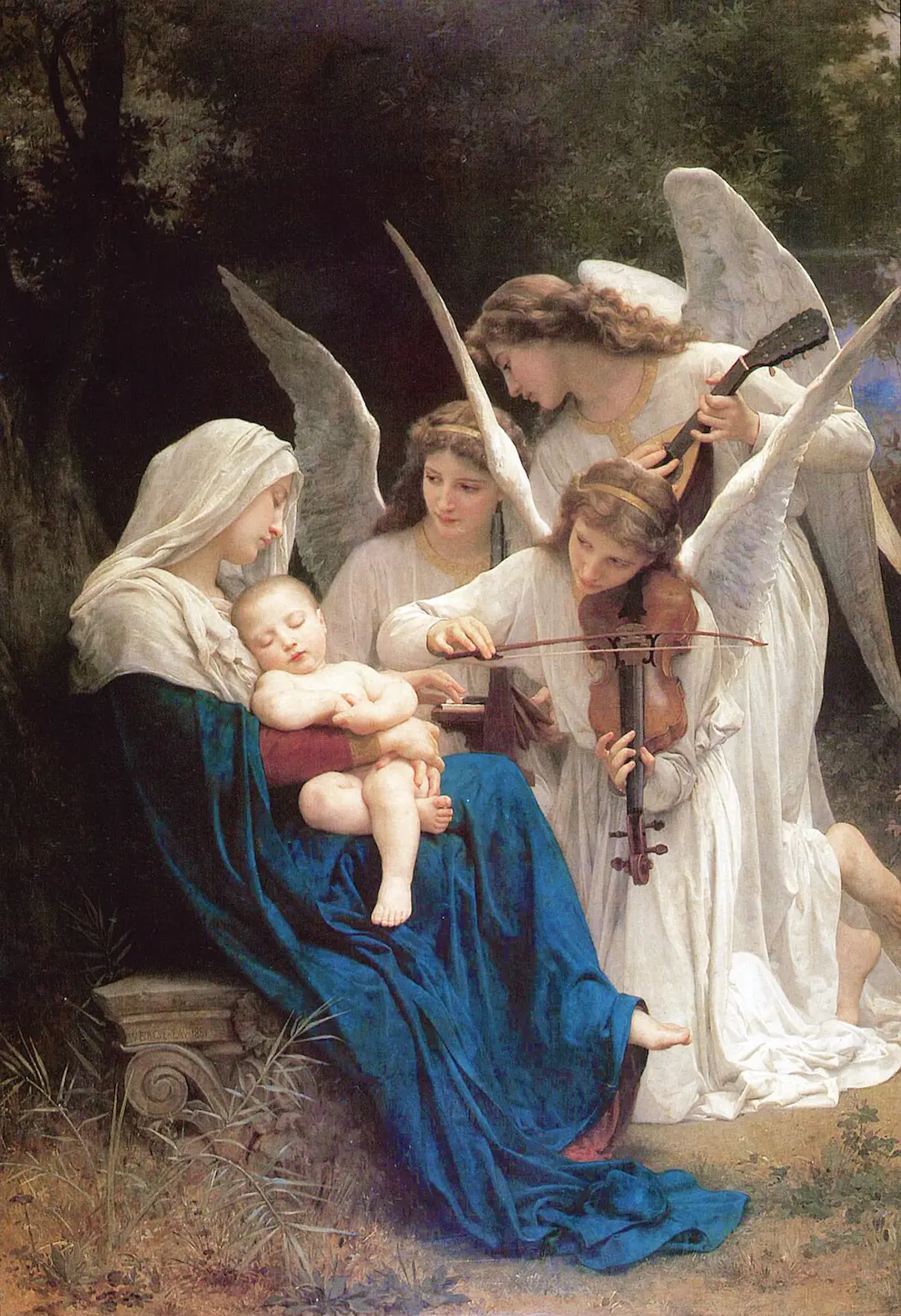
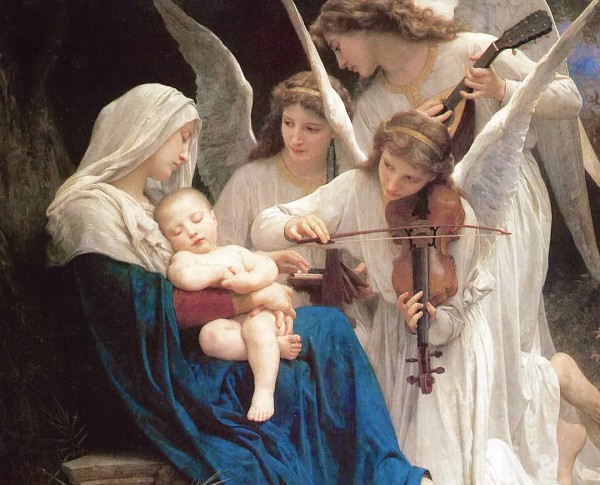
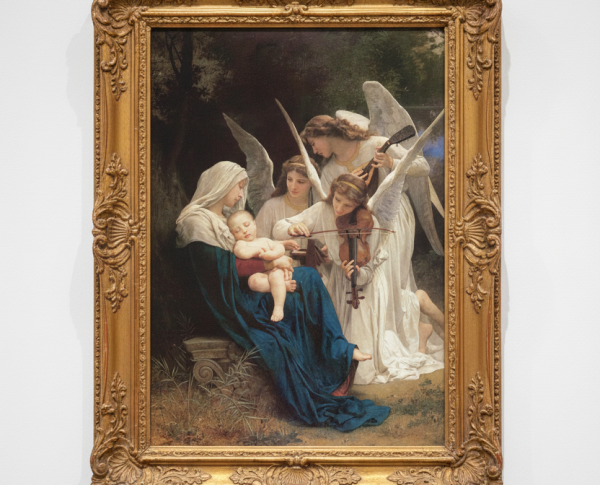
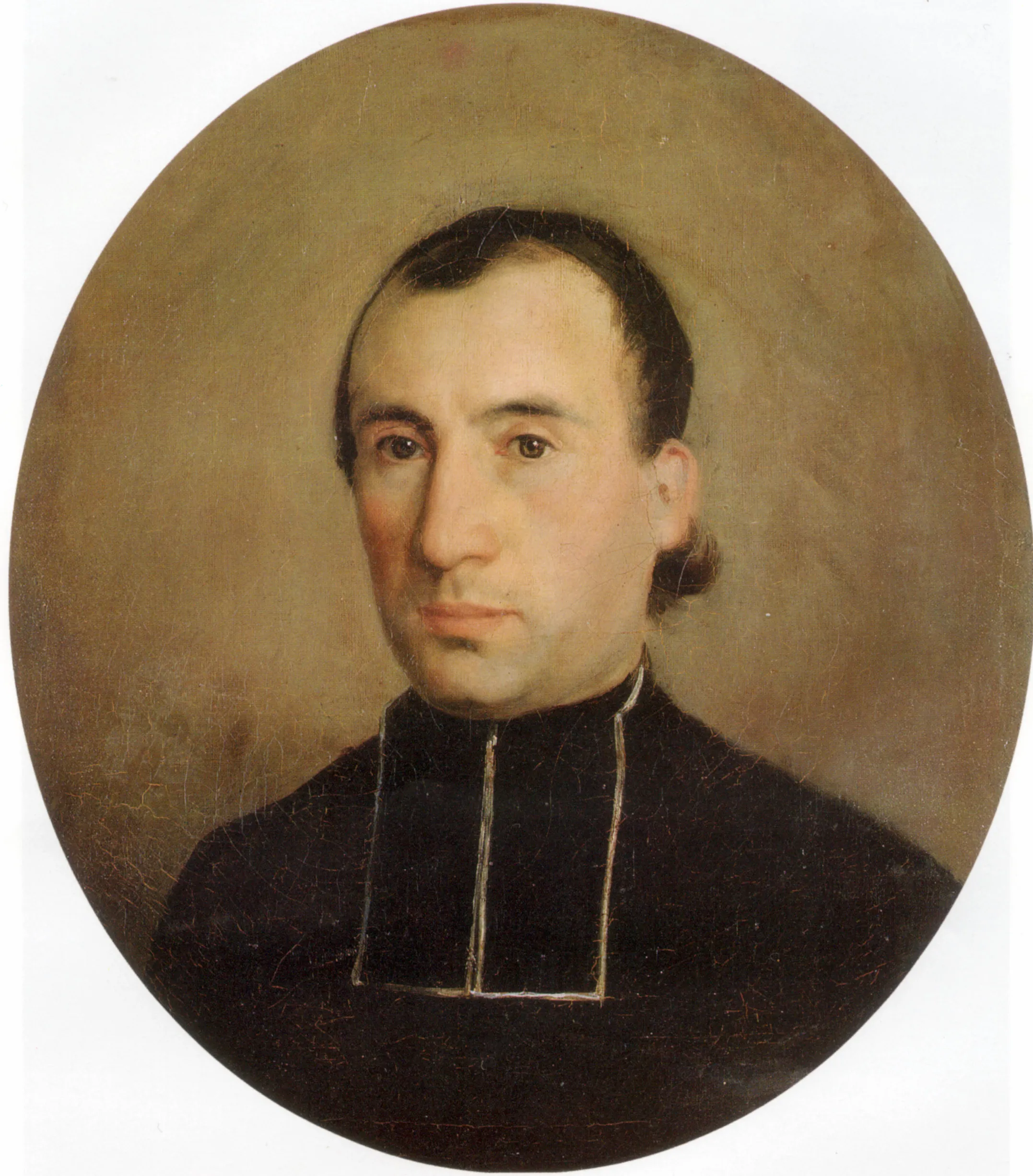
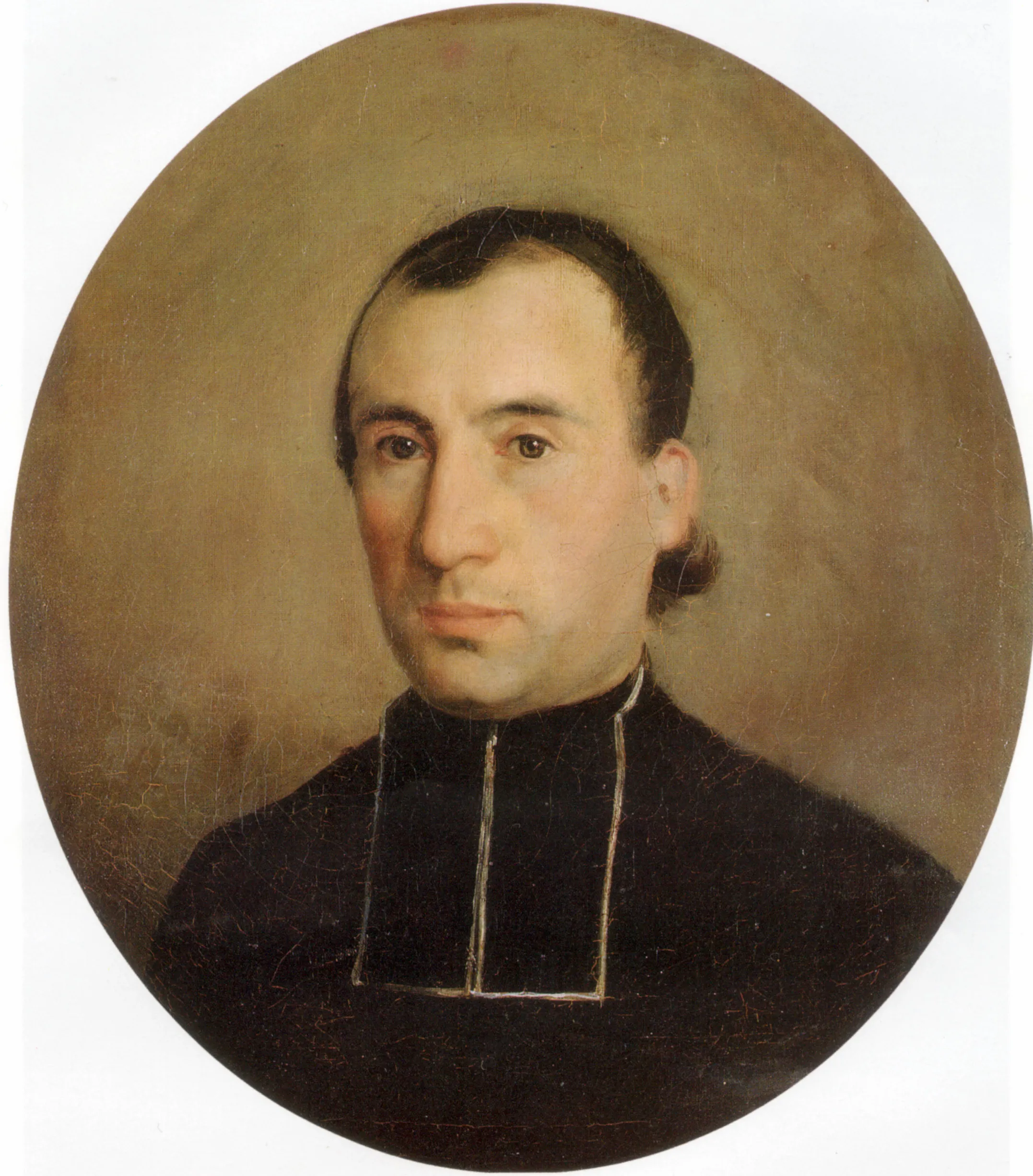
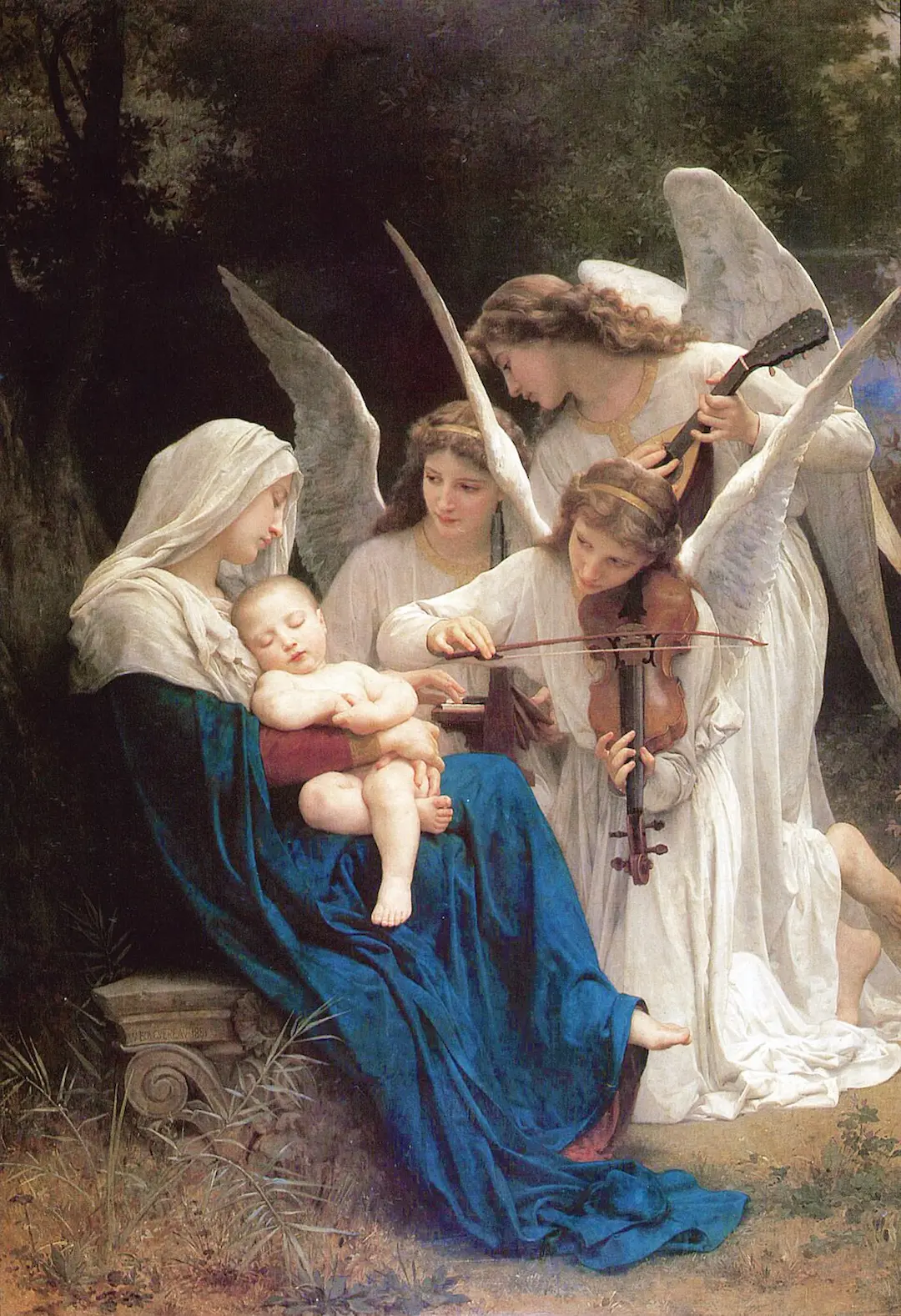
Bouguereau’s technique in "A Portrait of Eugene Bouguereau" exemplifies the refined skill of oil on canvas artistry. His meticulous brushwork and keen attention to anatomical detail highlight why Academic Classicism remains celebrated today. Art admirers can appreciate similar mastery in related works like "Half Length Figure" and "Song of the Angels," each demonstrating the enduring appeal of this traditional painting method.
Every fine art painting for sale by Bouguereau tells a unique story, and "A Portrait of Eugene Bouguereau" is no exception. The subject’s composed expression and elegant attire reflect the values of the era and the close relationship between artist and sitter. Works such as "Jacob receiving Joseph's bloody coat" and "St. Peter, after his delivery from prison by the angel" also capture symbolic narratives that resonate with collectors.
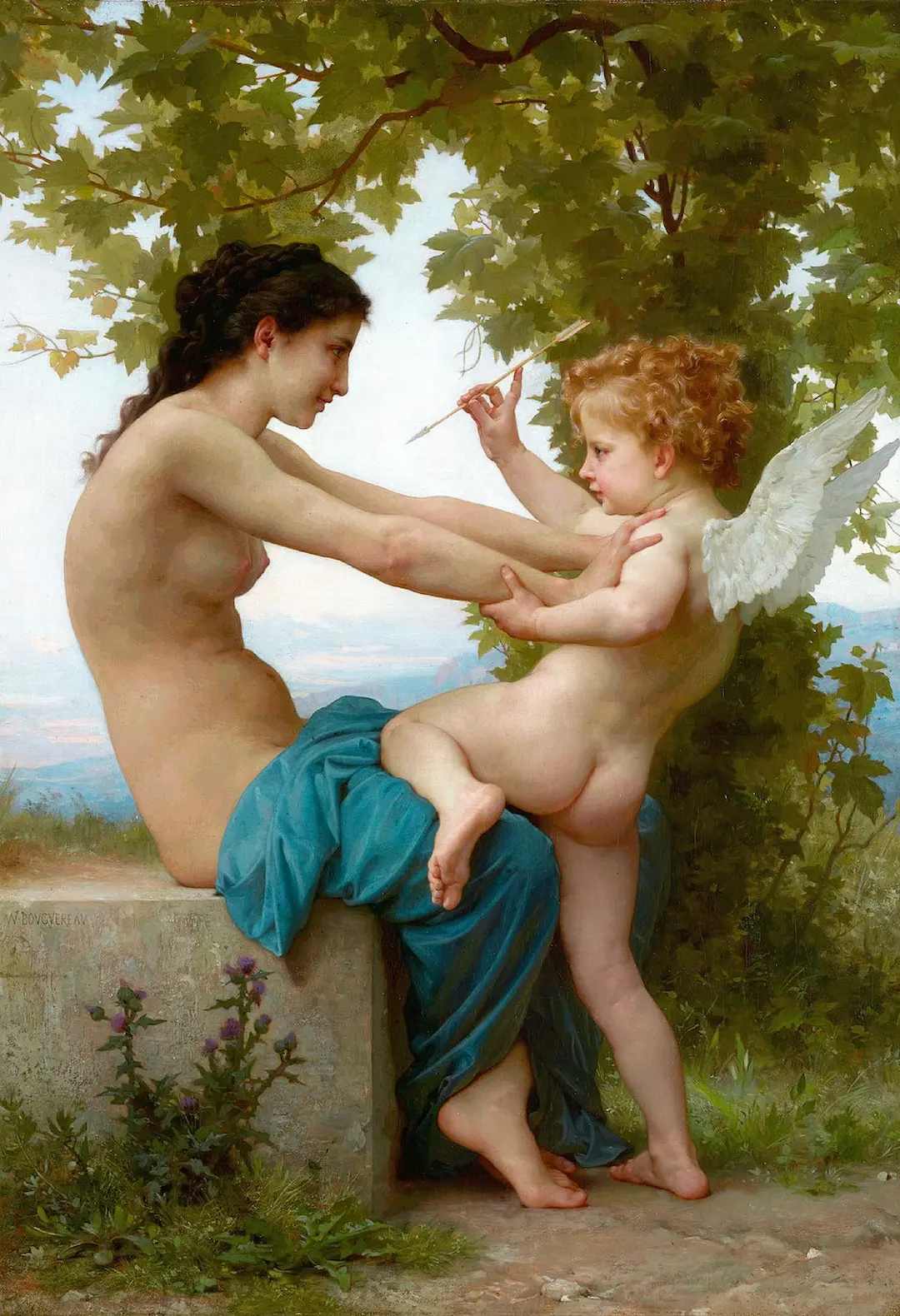
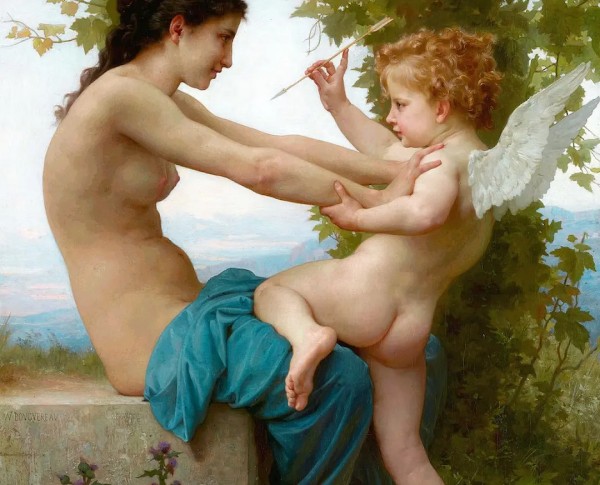
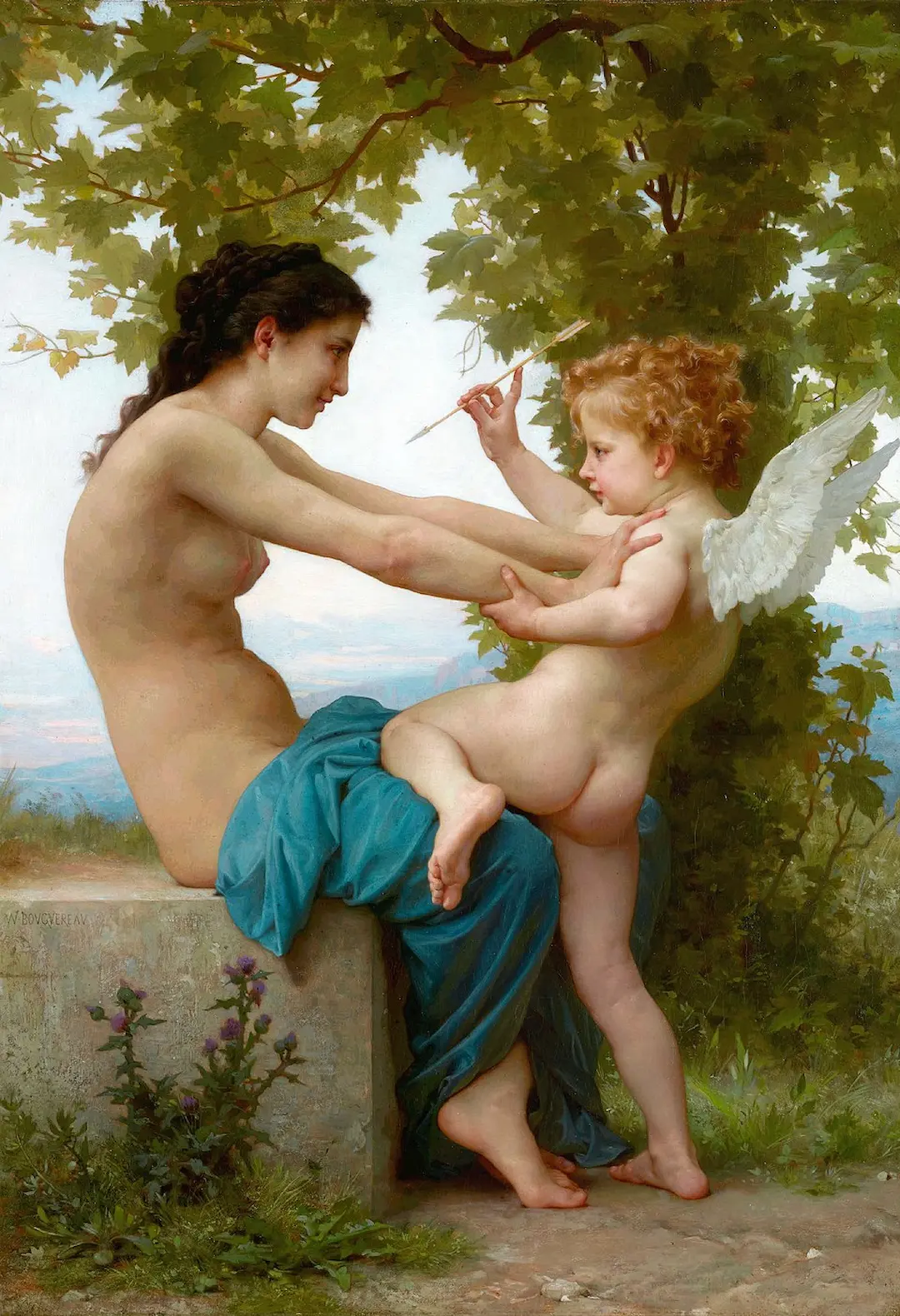
Owning "A Portrait of Eugene Bouguereau" connects collectors with a prestigious lineage of Academic Classicism. This hand-painted oil painting is a testament to William-Adolphe Bouguereau’s enduring influence in the world of fine art. As a centerpiece or part of a curated selection including "Calinerie (A Little Coaxing)" and "Song of the Angels," it elevates any collection with timeless elegance and artistic excellence.
When Art Meets History
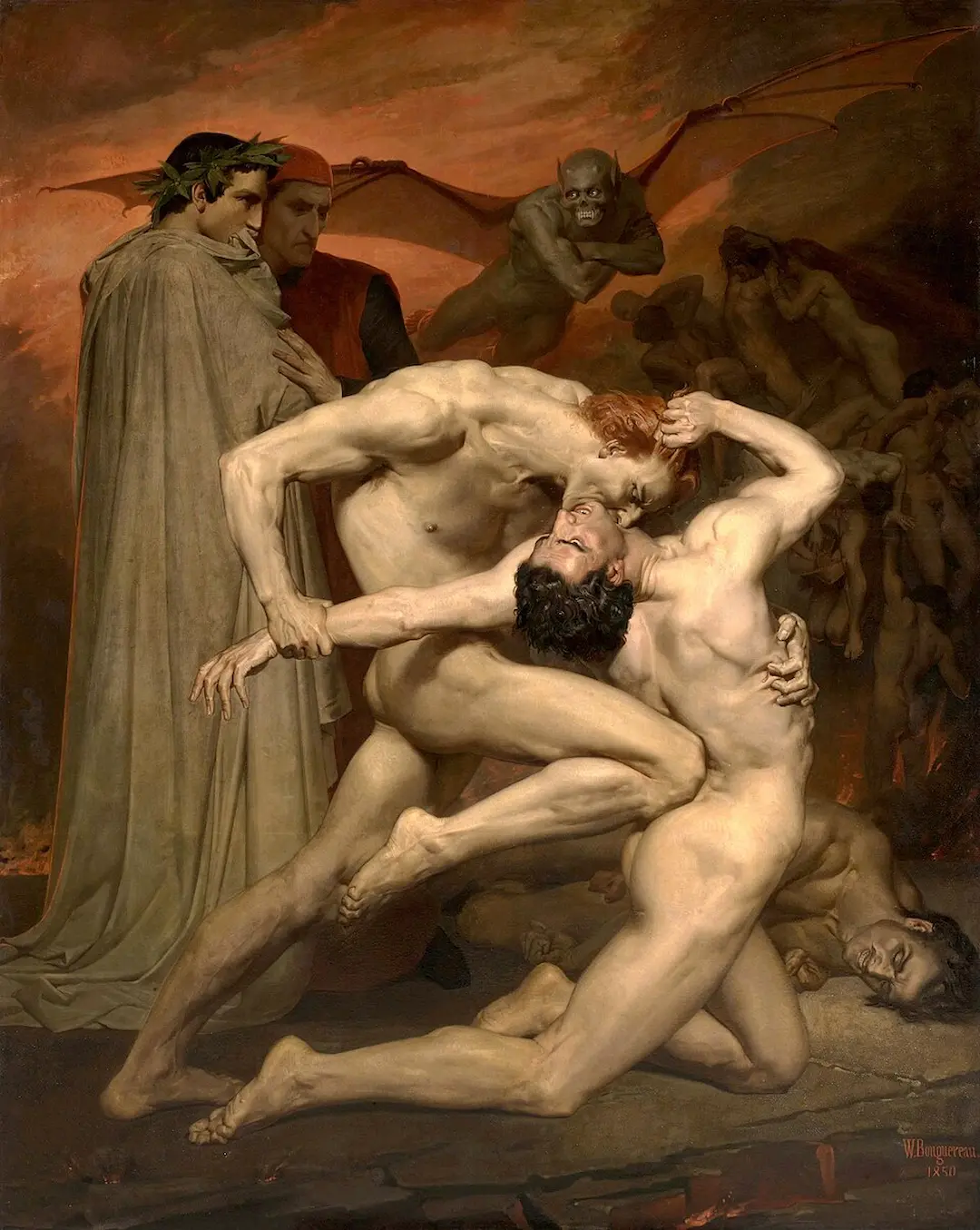
William-Adolphe Bouguereau’s "A Portrait of Eugene Bouguereau" stands as a testament to the Academic Classicism movement, capturing a moment where art and history intertwine. This hand-painted oil painting not only immortalizes the artist’s son but also reflects the disciplined elegance typical of Bouguereau’s era. Related works such as "The Duel After the Masquerade" and "Bonaparte Before the Sphinx" similarly echo the historical gravitas and narrative depth found in this remarkable portrait.
Techniques That Speak
Bouguereau’s mastery is evident in "A Portrait of Eugene Bouguereau," where his meticulous oil on canvas technique brings lifelike detail and subtle gradations of tone. The Academic Classicism movement emphasized precision, and Bouguereau’s brushwork is a perfect example. Similar finesse can be seen in his other works like "Springtime" and "The Storm," where every stroke and color choice demonstrates his commitment to classical ideals and technical brilliance.
Emotions on Display
In "A Portrait of Eugene Bouguereau," the artist skillfully conveys emotion through delicate expression and posture, hallmark traits of Academic Classicism. The fine art painting for sale captures a poignant moment, inviting viewers to connect with the subject’s inner world. Bouguereau’s ability to portray nuanced feelings is also evident in pieces like "Slave Market in Rome," where the emotional intensity resonates powerfully with audiences.
Coveted by Collectors
Collectors worldwide seek "A Portrait of Eugene Bouguereau" for its exceptional representation of Academic Classicism and the artist’s renowned skill. This hand-painted oil painting is highly prized, much like Bouguereau’s other celebrated works such as "Springtime" and "The Storm." The portrait’s provenance and artistic value make it a standout piece among fine art connoisseurs, ensuring its place in prestigious collections and exhibitions.
Related Academic Classicism Hand-Painted Oil Paintings by Other Artists
Other Famous Academic Classicism Artists:
Frequently Asked Questions About A Portrait of Eugene Bouguereau
Who is Eugene Bouguereau?
Eugene Bouguereau was the son of the renowned French painter William-Adolphe Bouguereau. He was often regarded as a representation of the artist's legacy and familial ties within the art world.
What artistic style is exemplified in this portrait?
This portrait exemplifies the Academic style, characterized by its realistic representation, meticulous attention to detail, and emphasis on classical themes and techniques.
What is the significance of the color palette used in the painting?
The color palette is soft and harmonious, utilizing warm tones that evoke a sense of intimacy and warmth, reflecting the emotional connection between the artist and his subject.
What techniques did Bouguereau employ in this portrait?
Bouguereau employed techniques such as chiaroscuro to create depth and dimension, alongside fine brushwork that captures the texture of skin and fabric, enhancing the lifelike quality of the portrait.
What is the historical context of this painting?
This portrait was created during the late 19th century, a period marked by the rise of realism and the Academy's influence in France, reflecting the societal values and artistic priorities of the time.
What themes are explored in "A Portrait of Eugene Bouguereau"?
The portrait explores themes of identity, familial bonds, and the legacy of artistry, capturing both the personal and professional dimensions of Bouguereau's life.
How does this painting reflect Bouguereau's artistic philosophy?
This painting reflects Bouguereau's philosophy of portraying beauty and emotion through realism, emphasizing the importance of technical skill and the emotional resonance of the subject.
What role does light play in this portrait?
Light plays a crucial role in creating a three-dimensional effect, highlighting the subject's features and creating a sense of warmth and presence that draws the viewer into the painting.
How does this portrait compare to other works by Bouguereau?
This portrait shares similarities with Bouguereau's other works in its realistic style and emotional depth, yet it is unique in its personal connection to the artist's own family, offering a glimpse into his private life.
What impact did this painting have on Bouguereau's career?
This painting reinforced Bouguereau's reputation as a master portraitist and solidified his legacy within the Academic tradition, showcasing his ability to blend personal narrative with artistic excellence.






















_GFM_Painting_(1).webp)


 100% Hand-Painted: Finished in 3-6 Weeks

.png)












.webp)
.webp)
.webp)



_(1).webp)