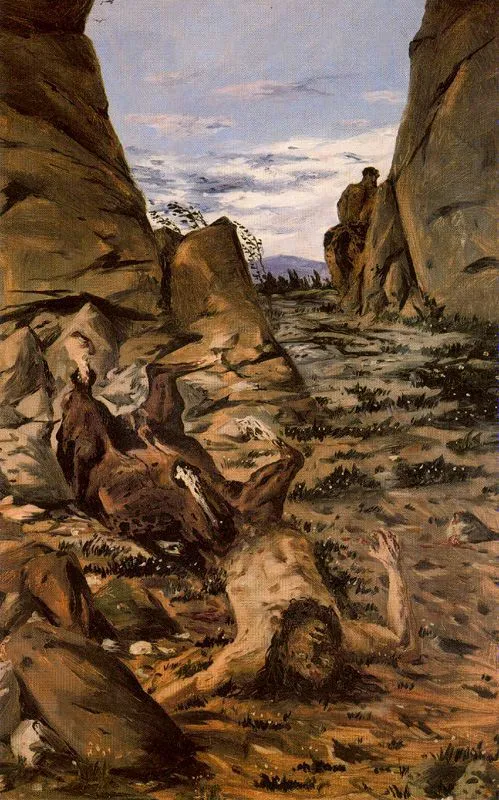
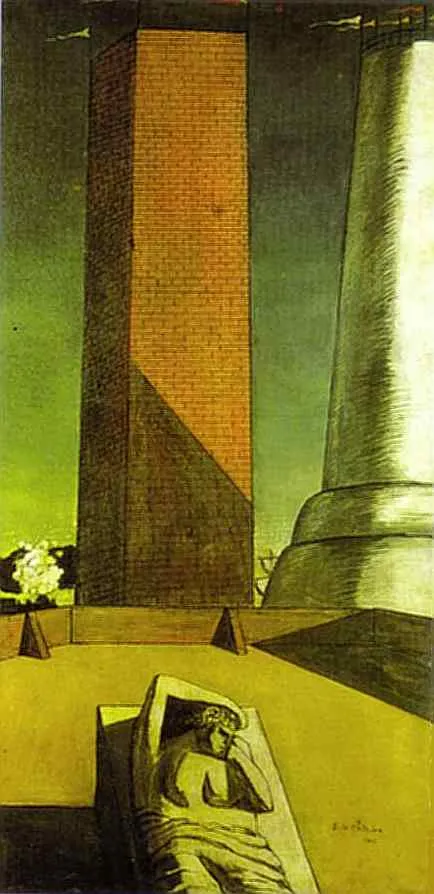
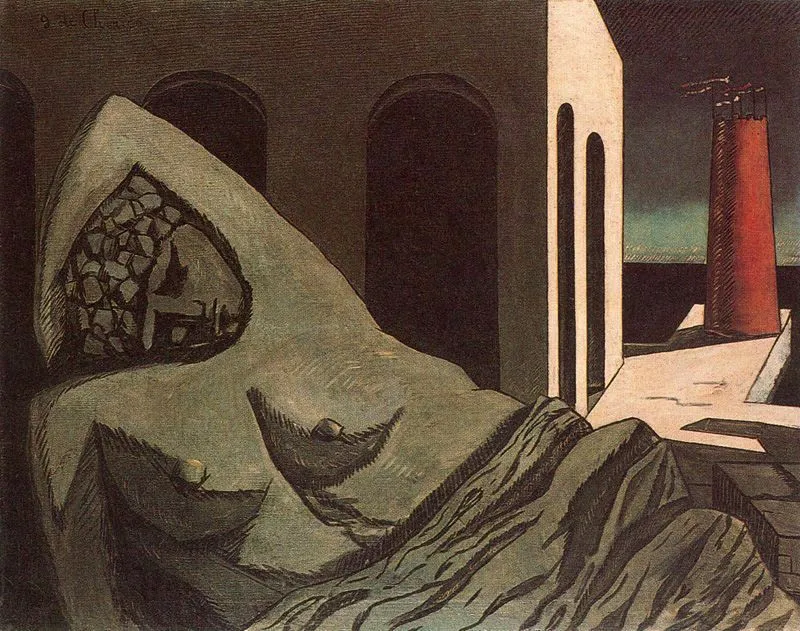
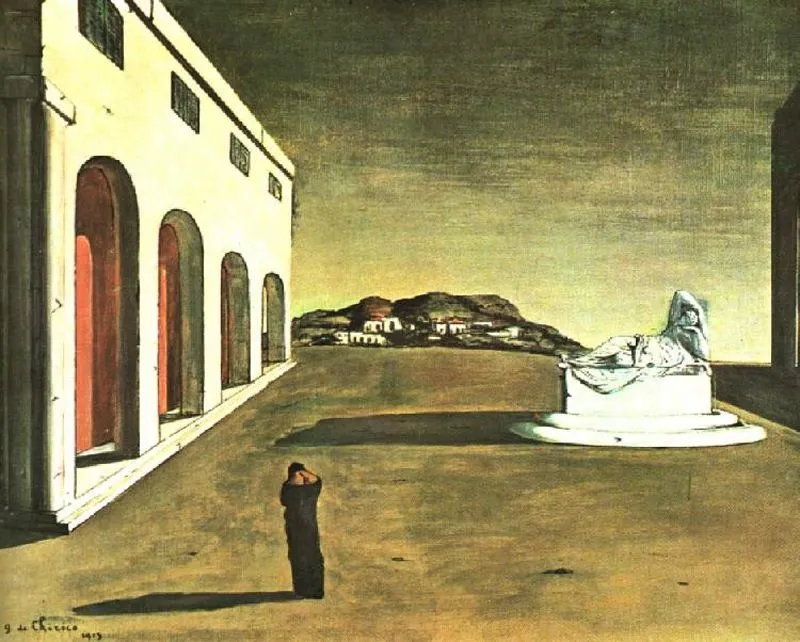
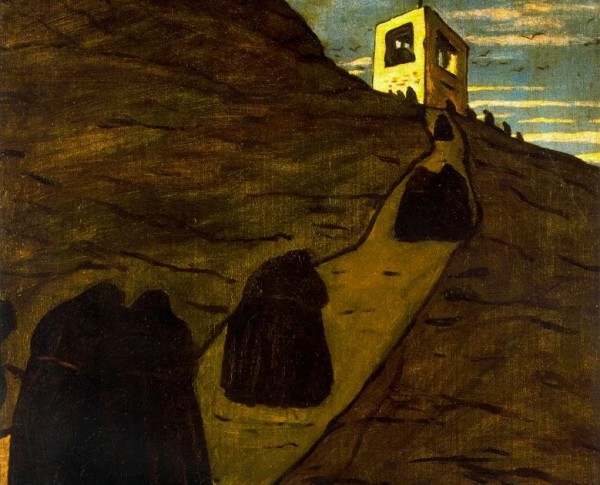
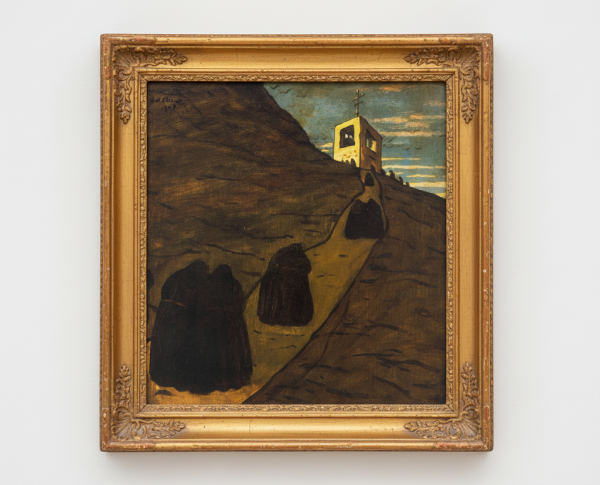
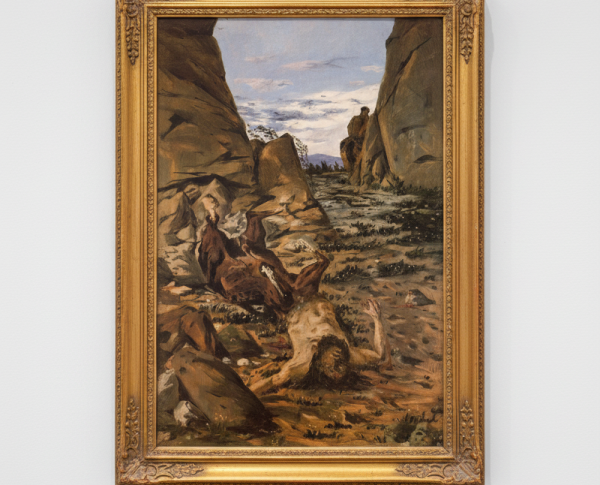
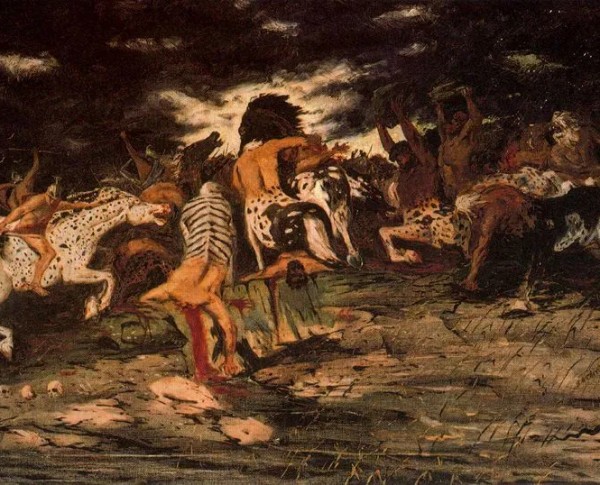
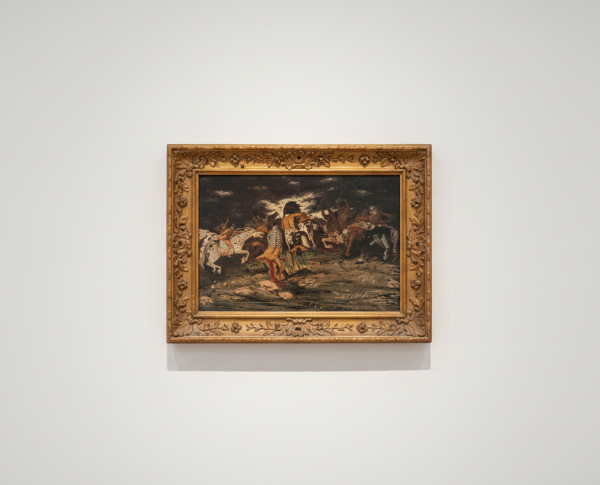
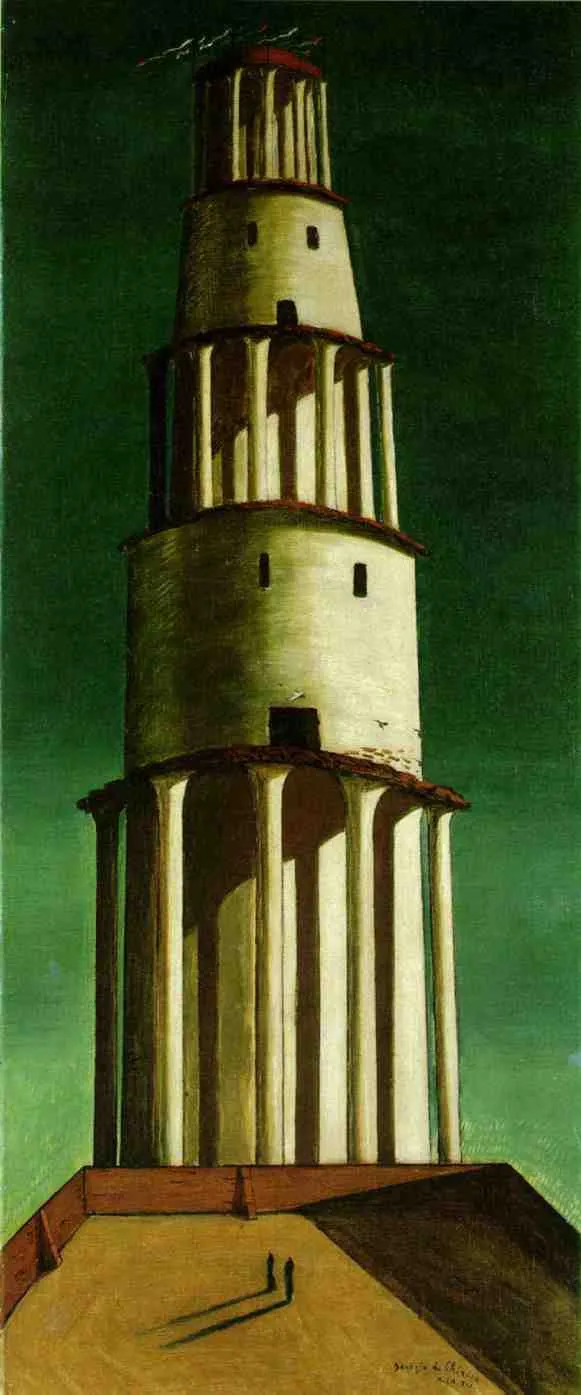
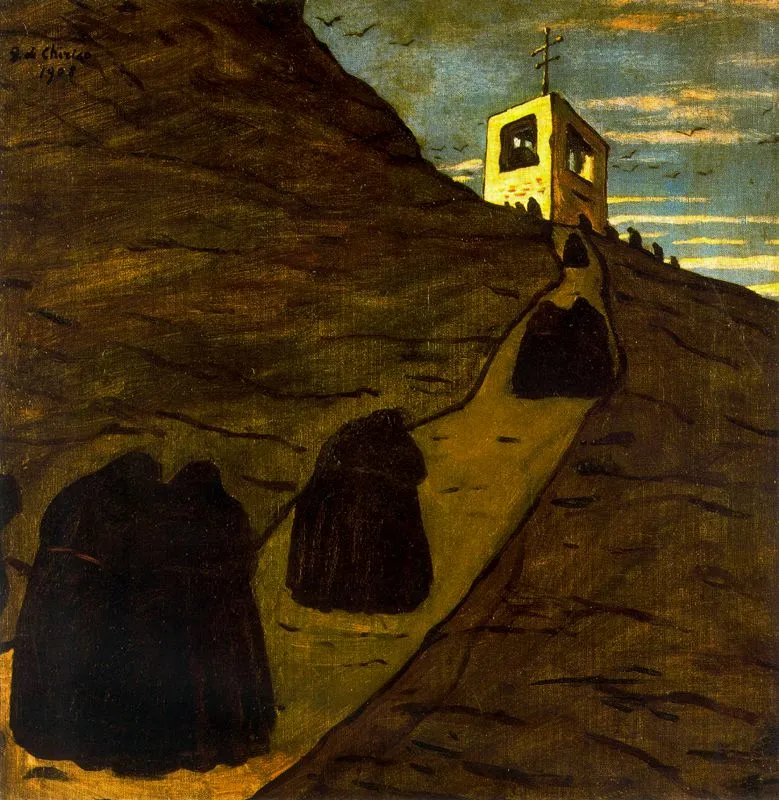
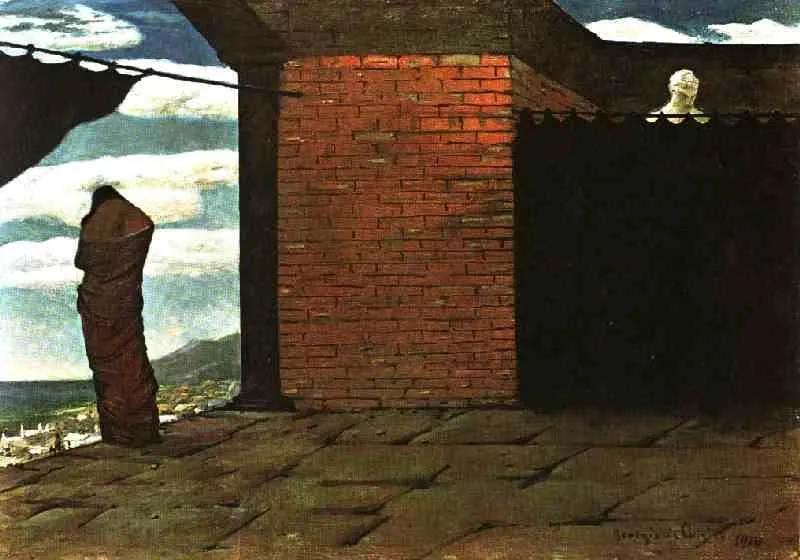
"The Great Tower" exemplifies the meticulous technique of Giorgio de Chirico, rendered as an exquisite oil on canvas. The artist’s brushwork and use of perspective draw viewers into a world both familiar and fantastical. Each detail highlights the Surrealist fascination with enigmatic landscapes and silent forms. When exploring related works like "The Awakening of Ariadne" and "Italian Piazza," one can appreciate the consistent mastery and visionary quality in de Chirico’s paintings.
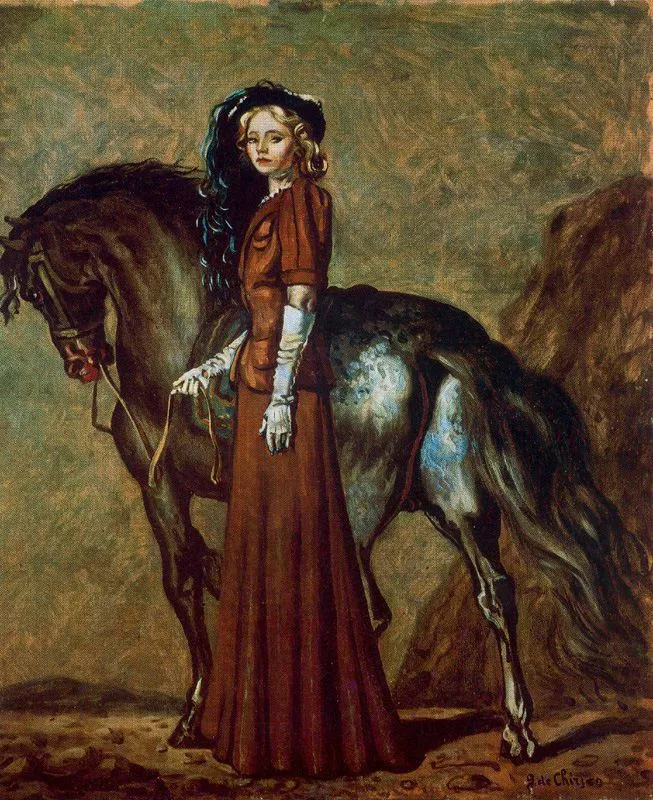
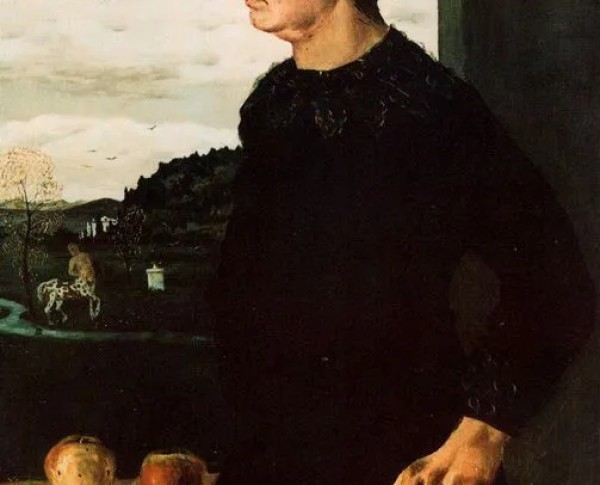
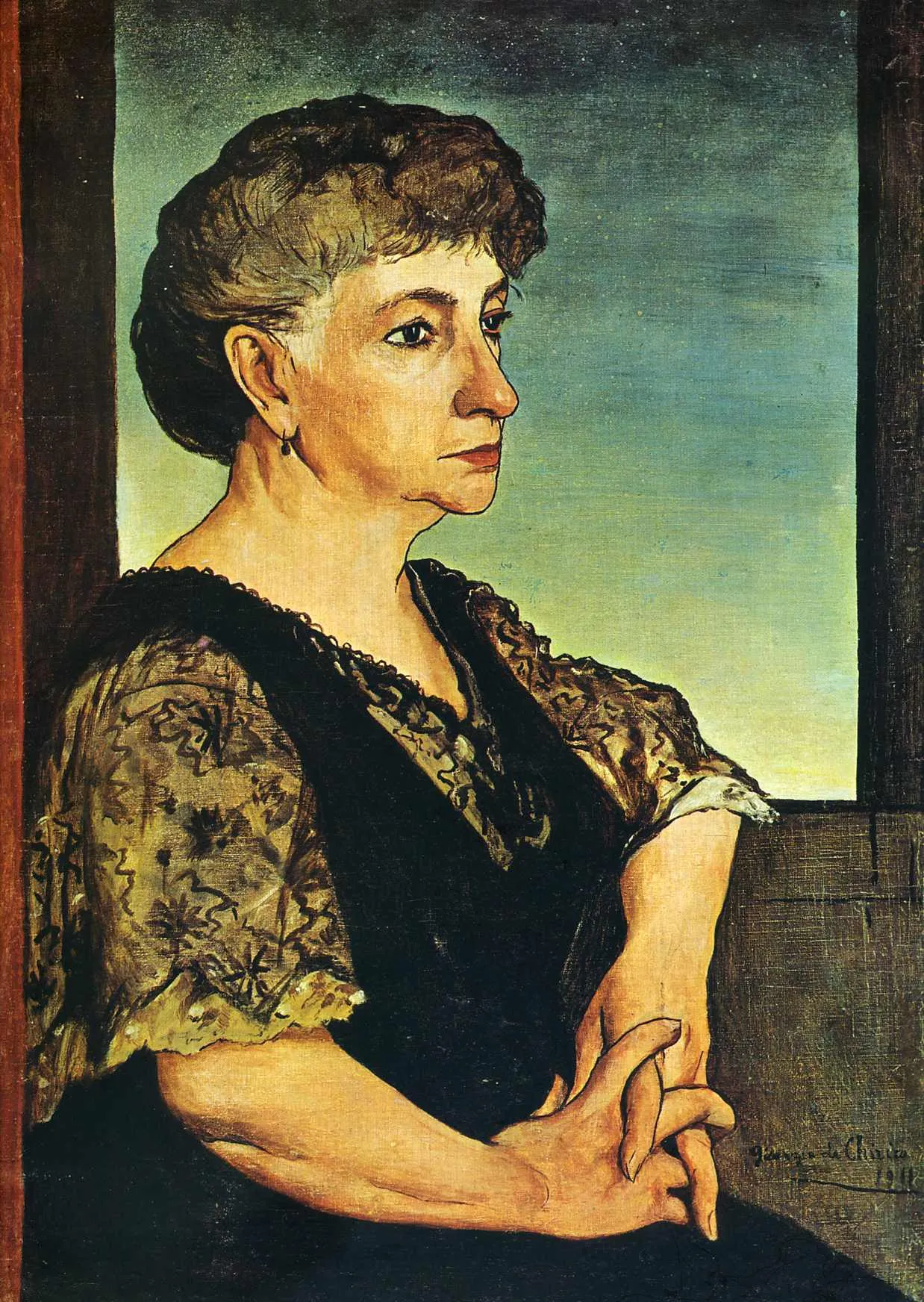
Within "The Great Tower," Giorgio de Chirico embeds a tapestry of stories and symbols that define the Surrealism movement. The painting’s enigmatic structures and elongated shadows evoke a sense of timelessness and introspection. As a fine art painting for sale, it invites collectors to discover hidden meanings and personal interpretations. Other works, including "Portrait of Senora Gartzen" and "Portrait of Artist's Mother," further explore de Chirico’s symbolic universe and psychological depth.
Owning "The Great Tower" by Giorgio de Chirico means possessing a hand-painted oil painting that embodies the spirit of Surrealism. This piece is a prized addition for any fine art enthusiast, promising both aesthetic pleasure and historical value. Its connection to related products such as "The Anxious Journey" and "Italian Piazza" enhances any collection, offering a glimpse into de Chirico’s influential role in modern art and his perpetual appeal among collectors worldwide.
When Art Meets History
Giorgio de Chirico's "The Great Tower" stands as a testament to the Surrealism movement, blending enigmatic architecture with dreamlike landscapes. This hand-painted oil painting captures a sense of timelessness, reminiscent of de Chirico's other iconic works. The painting’s mysterious tower evokes the grandeur of ancient monuments, seamlessly connecting past and present. In the context of Surrealism, "The Great Tower" invites viewers to ponder the intersection of history and imagination, making it a remarkable addition to any collection.
Techniques That Speak
The mastery of oil on canvas is evident in Giorgio de Chirico’s "The Great Tower", where precise lines and subtle shading create a haunting atmosphere. De Chirico’s use of perspective and shadow is characteristic of the Surrealism movement, lending a sense of depth and ambiguity. Each brushstroke in this oil on canvas piece contributes to the enigmatic mood, echoing techniques seen in his other fine art paintings. The result is a visually compelling work that continues to inspire art enthusiasts.
Emotions on Display
"The Great Tower" by Giorgio de Chirico elicits a profound sense of mystery and solitude, hallmarks of the Surrealism movement. Through his hand-painted oil painting technique, de Chirico evokes feelings of introspection and wonder. The stark contrasts and empty spaces create a dreamlike quality, encouraging viewers to explore their subconscious. As with many of his fine art paintings for sale, "The Great Tower" resonates emotionally, connecting deeply with those who appreciate evocative and thought-provoking art.
Coveted by Collectors
Giorgio de Chirico’s "The Great Tower" remains a highly sought-after piece among collectors of Surrealism. As a fine art painting for sale, it represents the artist’s unique vision and technical skill. Collectors value the painting not only for its striking composition but also for its ability to evoke emotion and intrigue. Like many of de Chirico’s celebrated works, "The Great Tower" enhances any collection, offering a glimpse into the mysterious world crafted by this pioneering artist.
Frequently Asked Questions About The Great Tower
What is the historical context of "The Great Tower"?
"The Great Tower" was painted by Giorgio de Chirico in the early 20th century, a period marked by the rise of Surrealism and metaphysical art. This painting reflects the artist's fascination with classical architecture and the dreamlike quality of urban landscapes, influenced by his experiences in Italy and Greece.
What artistic movement does "The Great Tower" belong to?
The painting is associated with the Metaphysical painting movement, which de Chirico pioneered. This movement emphasizes the exploration of reality through dreamlike imagery and a sense of mystery, often featuring enigmatic subjects and stark contrasts.
What are the prominent themes represented in "The Great Tower"?
The prominent themes in "The Great Tower" include isolation, nostalgia, and the juxtaposition of reality and illusion. The towering structure evokes a sense of grandeur while simultaneously suggesting an emptiness that invites introspection.
How does de Chirico use color in "The Great Tower"?
De Chirico employs a muted color palette dominated by earthy tones, which enhances the painting's melancholic atmosphere. The use of light and shadow creates depth and emphasizes the surreal quality of the scene.
What symbolic elements can be found in "The Great Tower"?
The tower itself serves as a symbol of human ambition and the passage of time. It represents both a physical and metaphorical journey, suggesting the complexity of existence and the search for meaning in a seemingly indifferent world.
What is the significance of the architectural elements in "The Great Tower"?
The architectural elements in the painting, particularly the tower, reflect de Chirico's interest in classical forms and their emotional resonance. They evoke a sense of timelessness and serve as a backdrop for the exploration of metaphysical themes.
How does "The Great Tower" reflect de Chirico's personal experiences?
De Chirico's personal experiences, particularly his childhood in Greece and his exposure to classical art, heavily influenced "The Great Tower." The painting encapsulates his longing for the past and his fascination with the interplay between reality and dreams.
What impact did "The Great Tower" have on later artists?
"The Great Tower" had a significant impact on the Surrealist movement and later artists who explored themes of dream and reality. De Chirico's unique approach to composition and symbolism inspired many, including Salvador Dalí and René Magritte.
How does the composition of "The Great Tower" contribute to its meaning?
The composition of "The Great Tower" is characterized by a strong verticality and a sense of depth, drawing the viewer's eye toward the tower. This arrangement creates a feeling of unease and contemplation, inviting viewers to reflect on the themes of isolation and existential inquiry.
What role does light play in "The Great Tower"?
Light plays a crucial role in "The Great Tower," as it highlights the contrasts between the illuminated and shadowed areas of the painting. This manipulation of light enhances the surreal quality of the work and contributes to the overall atmosphere of mystery and introspection.






















_GFM_Painting_(1).webp)


 100% Hand-Painted: Finished in 3-6 Weeks

.png)















_(1).webp)