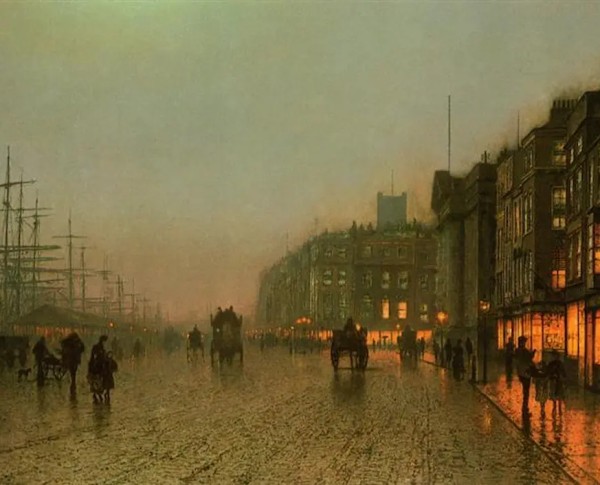
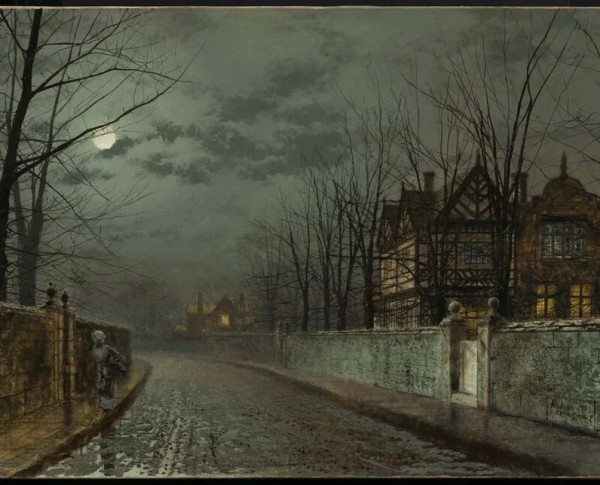
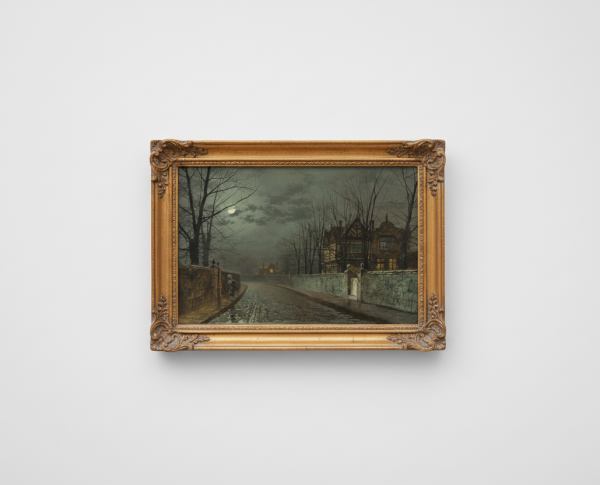
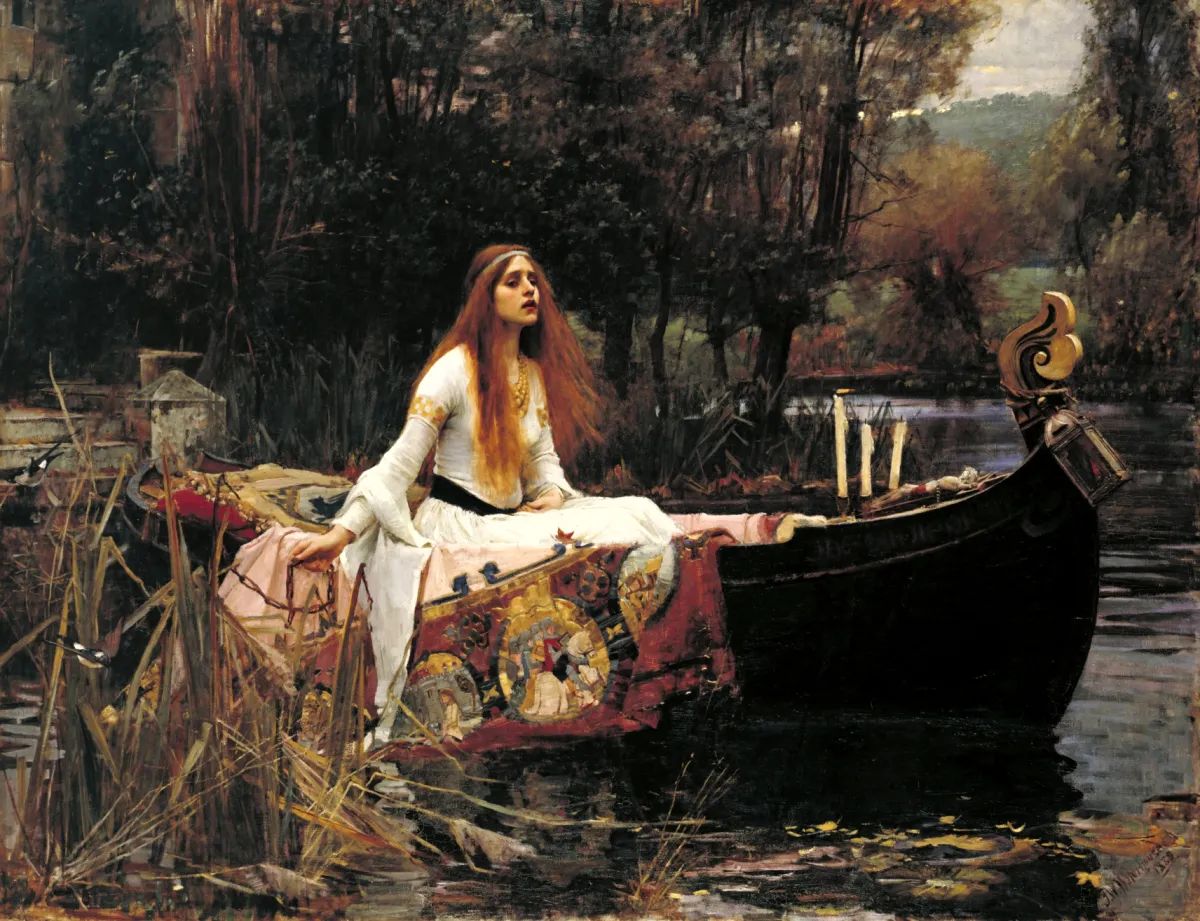
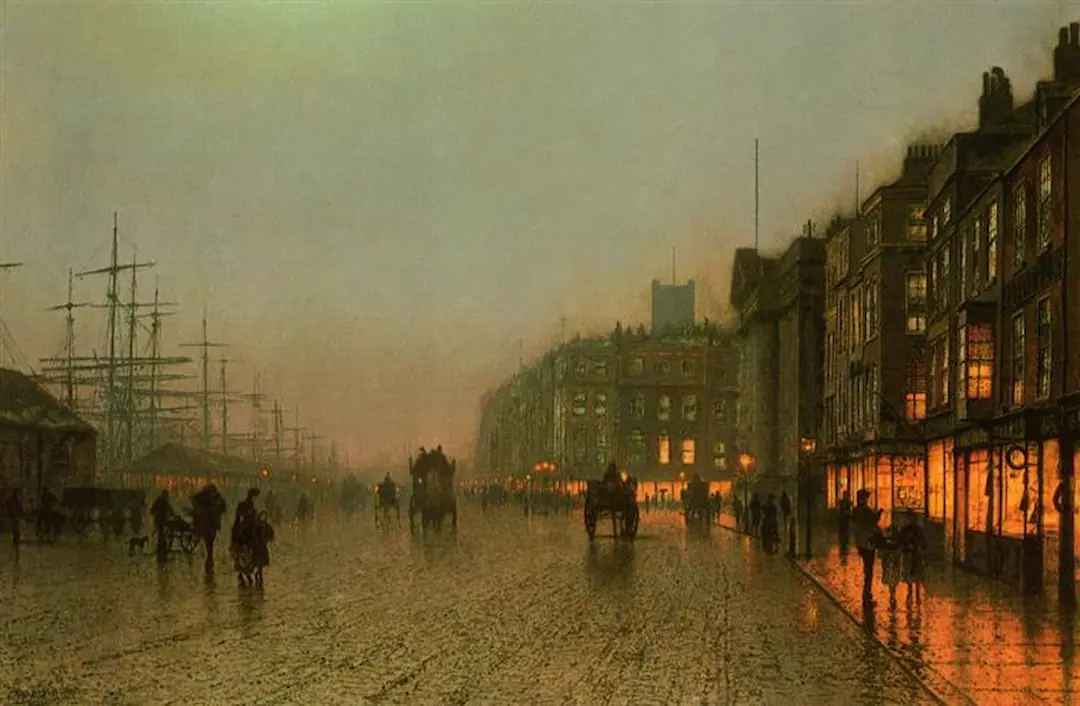
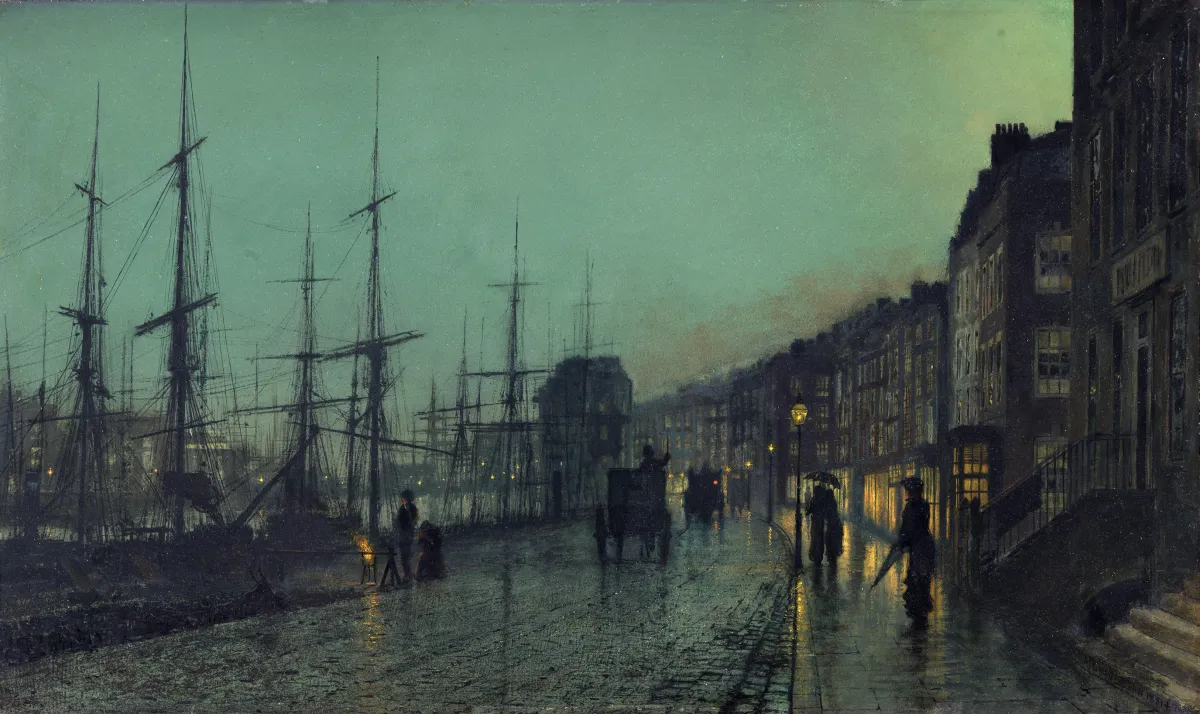
John Atkinson Grimshaw’s "The Lady of Shalott" masterfully employs oil on canvas to evoke a sense of mystery and romance. The artist’s attention to detail and luminous technique make this work a hallmark of the Aestheticism movement. Similar to his other paintings, such as "Shipping on the Clyde" and "Canny Glasgow," Grimshaw’s unique approach transforms ordinary scenes into extraordinary visions, making each oil on canvas a marvel of 19th-century artistry and craftsmanship.
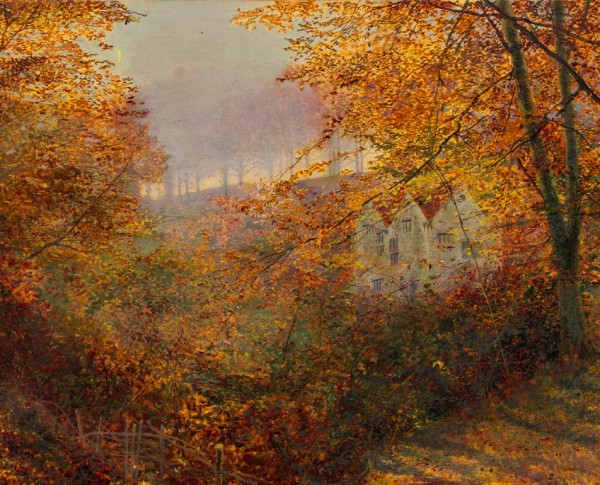
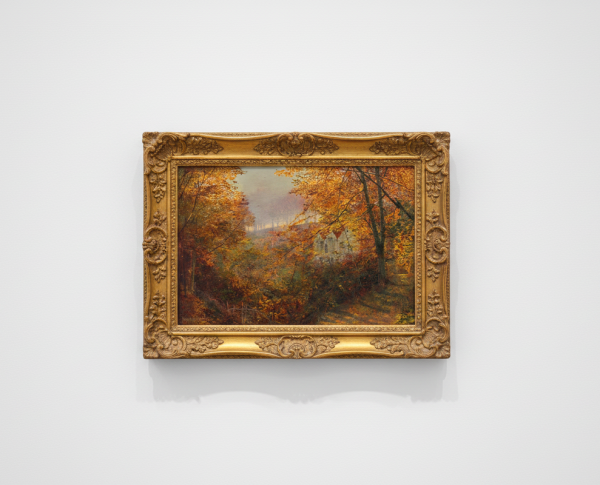
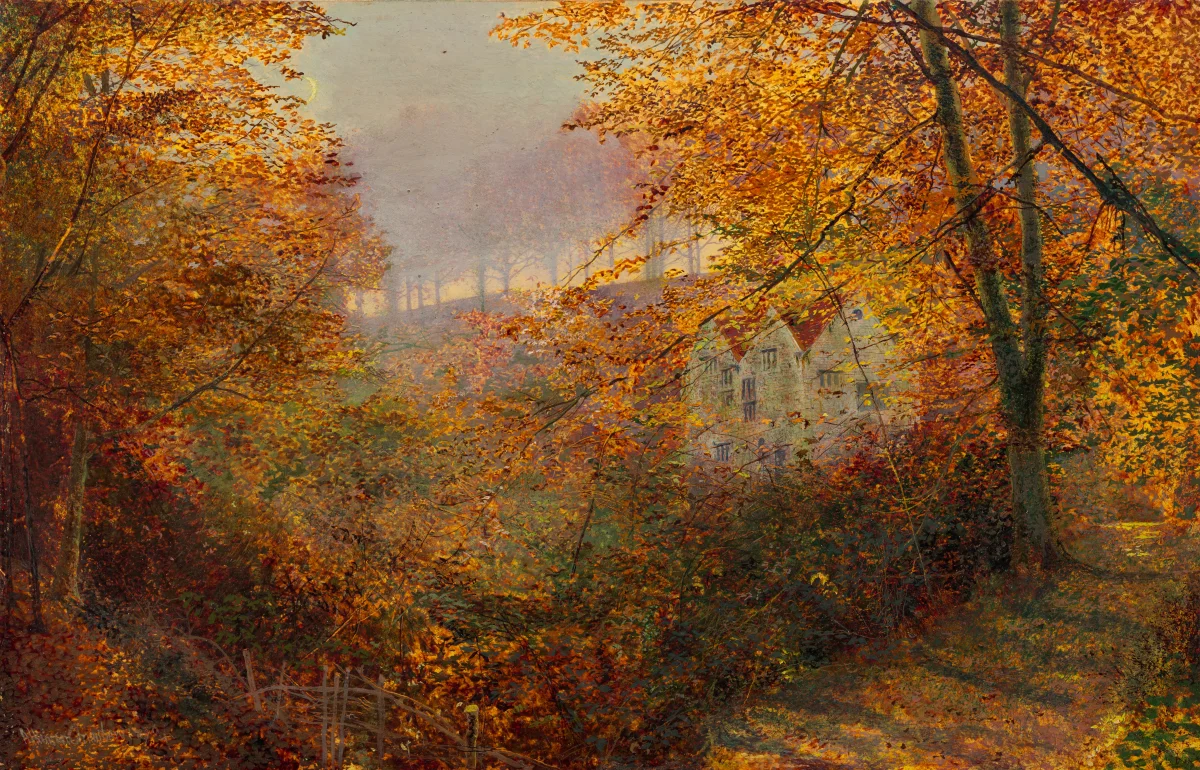
The narrative woven into "The Lady of Shalott" draws from Tennyson’s legendary poem, capturing themes of longing and fate. Grimshaw’s interpretation infuses the Aestheticism movement’s love of beauty with symbolic elements, much like his "A House in a Clearing" and "Whitby Harbor." This fine art painting for sale invites viewers to uncover hidden meanings, making it an ideal choice for those who appreciate art with depth, emotion, and literary resonance.
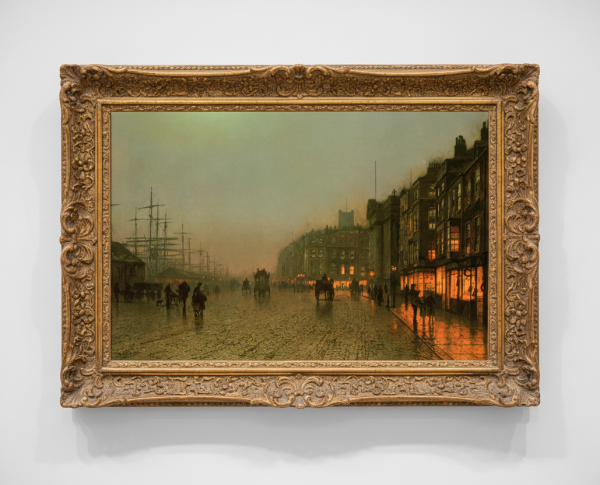
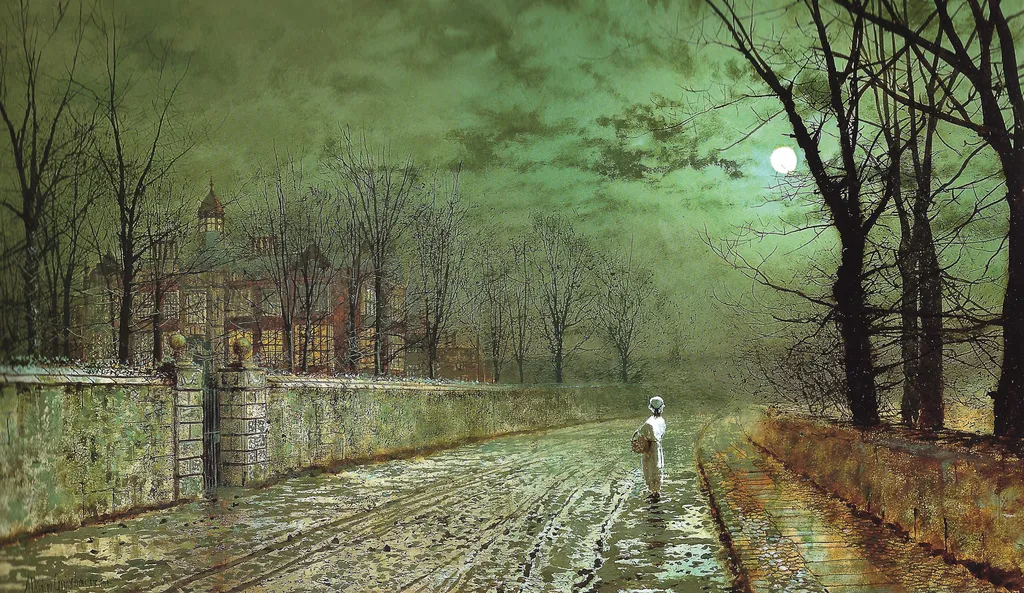
For collectors seeking a hand-painted oil painting that exemplifies the Aestheticism movement, "The Lady of Shalott" by John Atkinson Grimshaw is a remarkable acquisition. Its allure is matched by related products such as "A Moonlit Evening" and "Liverpool from Wapping," all of which offer a glimpse into Grimshaw’s extraordinary vision. This fine art painting for sale is a prized addition to any collection, promising enduring beauty and historical significance.
When Art Meets History
John Atkinson Grimshaw’s "The Lady of Shalott" is a remarkable hand-painted oil painting inspired by the Aestheticism movement. Created during a time when artists sought beauty and emotional depth, this masterpiece draws from Alfred Tennyson’s famous poem. Grimshaw, renowned for his atmospheric works like "Study of a head" and "La reine dans Hamlet," captures the mythic tale with historical sensitivity, making the painting a stunning intersection of literary and visual storytelling.
Techniques That Speak
Grimshaw’s meticulous oil on canvas technique is evident in "The Lady of Shalott." His expert use of light and shadow creates a dreamlike quality, a hallmark of the Aestheticism movement. The detailed brushwork and rich color palette echo his approach in related paintings such as "Cordelia's Farewell" and "The Arthurian Round Table and the fable of the Seat Perilous." Each stroke demonstrates Grimshaw’s commitment to elevating ordinary scenes into extraordinary visual poetry.
Emotions on Display
"The Lady of Shalott" by John Atkinson Grimshaw radiates poignant emotion, inviting viewers to experience the character’s isolation and longing. As with his other works, this fine art painting for sale immerses audiences in a world of melancholy beauty. The painting’s expressive atmosphere aligns with the ideals of the Aestheticism movement, where emotion and mood take precedence. Grimshaw’s ability to capture such depth is also seen in "Study for Shakespeare" and "La reine dans Hamlet."
Coveted by Collectors
Collectors of fine art highly prize "The Lady of Shalott," recognizing it as a significant oil on canvas piece from John Atkinson Grimshaw. Its ties to the Aestheticism movement and its literary inspiration make it especially sought after. Alongside related paintings like "Cordelia's Farewell" and "Study of a head," this masterpiece stands as a testament to Grimshaw’s enduring legacy. Owning this work means possessing a piece of art history and poetic imagination.
Related Aestheticism Hand-Painted Oil Paintings by Other Artists
Other Famous Aestheticism Artists:
Frequently Asked Questions About The Lady of Shalott
What is the historical context of "The Lady of Shalott"?
"The Lady of Shalott," painted by John Atkinson Grimshaw in the late 19th century, reflects the Pre-Raphaelite movement's fascination with medieval themes and romanticism. This period was characterized by a reaction against industrialization and a yearning for a more idealized past.
Who is the subject of "The Lady of Shalott"?
The painting depicts the character of the Lady of Shalott, a figure from Alfred Lord Tennyson's poem, who is cursed to weave a tapestry without looking directly at the outside world. Her tragic fate is a central theme of the artwork.
What artistic techniques did Grimshaw employ in this painting?
Grimshaw utilized a combination of atmospheric perspective and intricate detailing to create a dreamlike quality. His use of light and shadow enhances the emotional depth of the scene, drawing viewers into the Lady's melancholic world.
What does the setting of the painting symbolize?
The setting, with its lush landscape and the river, symbolizes the boundary between the Lady's isolated existence and the vibrant life of Camelot. It represents both beauty and entrapment, reflecting her longing for freedom.
How does Grimshaw's use of color contribute to the painting's mood?
Grimshaw employs a muted color palette dominated by greens and blues, which evokes a sense of tranquility and sadness. The subtle interplay of light enhances the ethereal quality of the Lady's surroundings, reinforcing her isolation.
What role does symbolism play in "The Lady of Shalott"?
Symbolism is central to the painting, with elements such as the loom representing creativity and confinement, while the mirror symbolizes the distorted perception of reality. These symbols deepen the narrative of the Lady's tragic fate.
In what ways does "The Lady of Shalott" reflect Pre-Raphaelite ideals?
The painting embodies Pre-Raphaelite ideals through its emphasis on detailed naturalism, emotional expression, and the exploration of themes such as love, loss, and the consequences of artistic creation.
What is the significance of the Lady's expression in the painting?
The Lady's expression conveys a profound sense of longing and sorrow, capturing her internal struggle between desire and duty. This emotional depth invites viewers to empathize with her plight.
How does "The Lady of Shalott" compare to other works by John Atkinson Grimshaw?
While Grimshaw is known for his nocturnal landscapes and atmospheric scenes, "The Lady of Shalott" stands out due to its narrative quality and emotional resonance, showcasing his versatility as an artist.
What impact has "The Lady of Shalott" had on modern interpretations of art?
The painting continues to inspire contemporary artists and scholars, serving as a reference point for discussions on gender, creativity, and the role of the artist in society, thus maintaining its relevance in modern art discourse.























_GFM_Painting_(1).webp)


 100% Hand-Painted: Finished in 3-6 Weeks

.png)















_(1).webp)