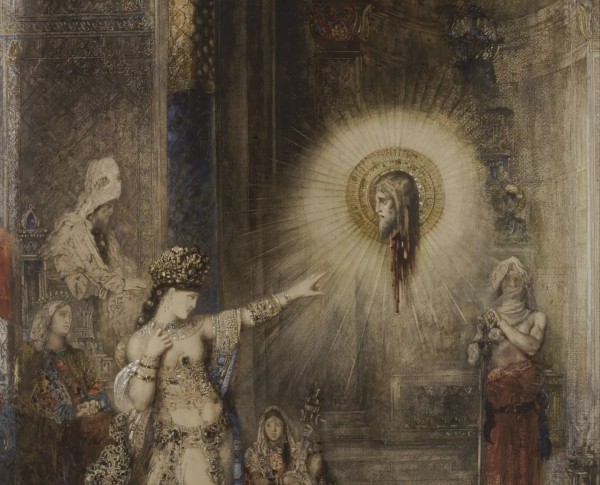
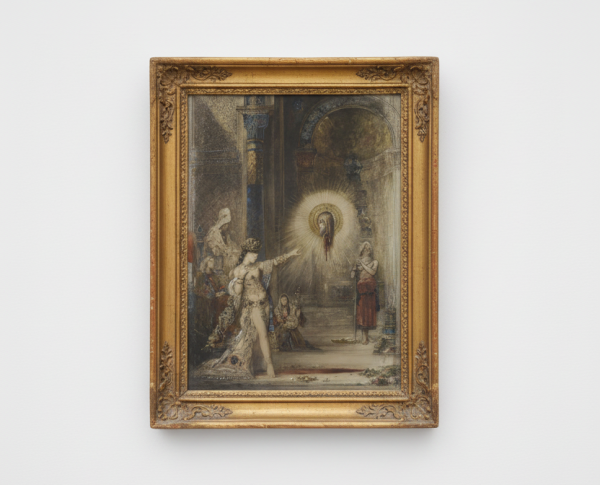
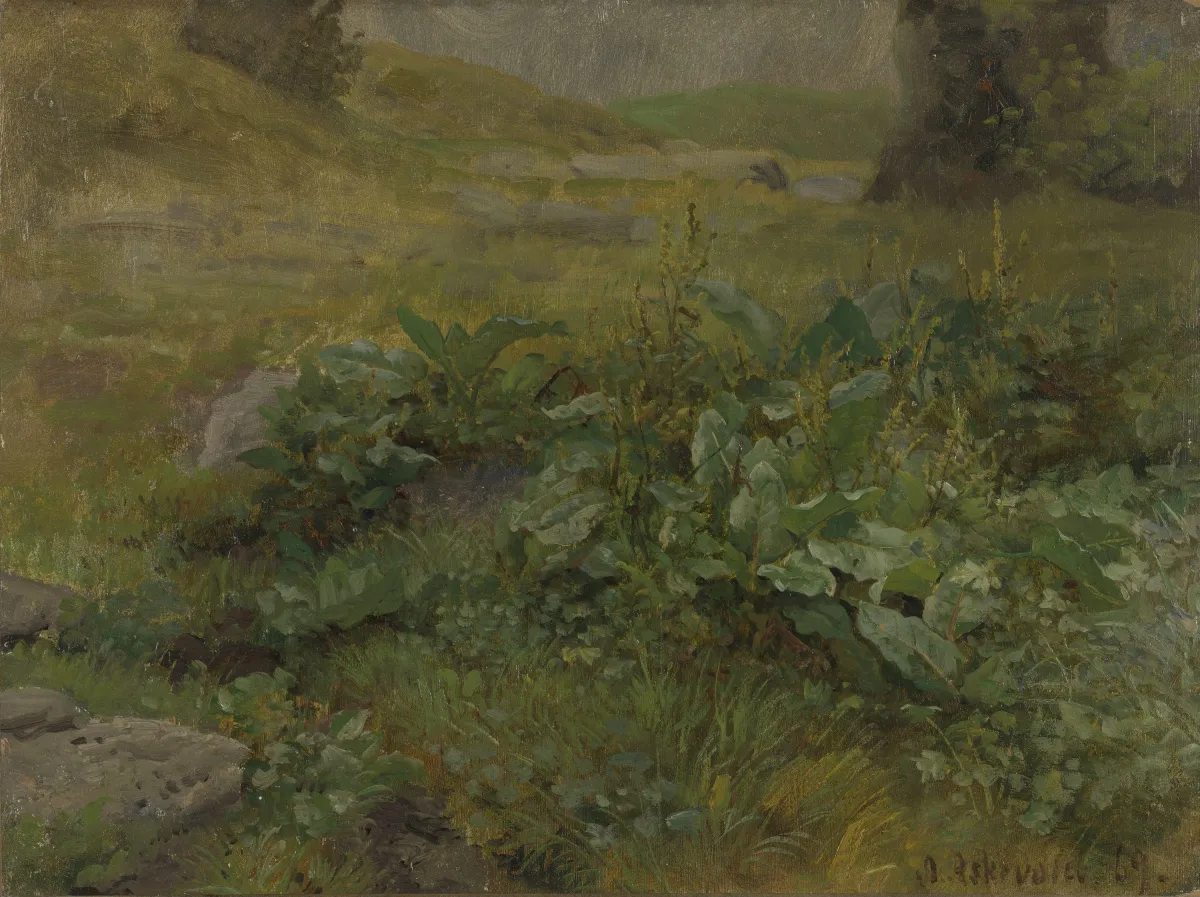
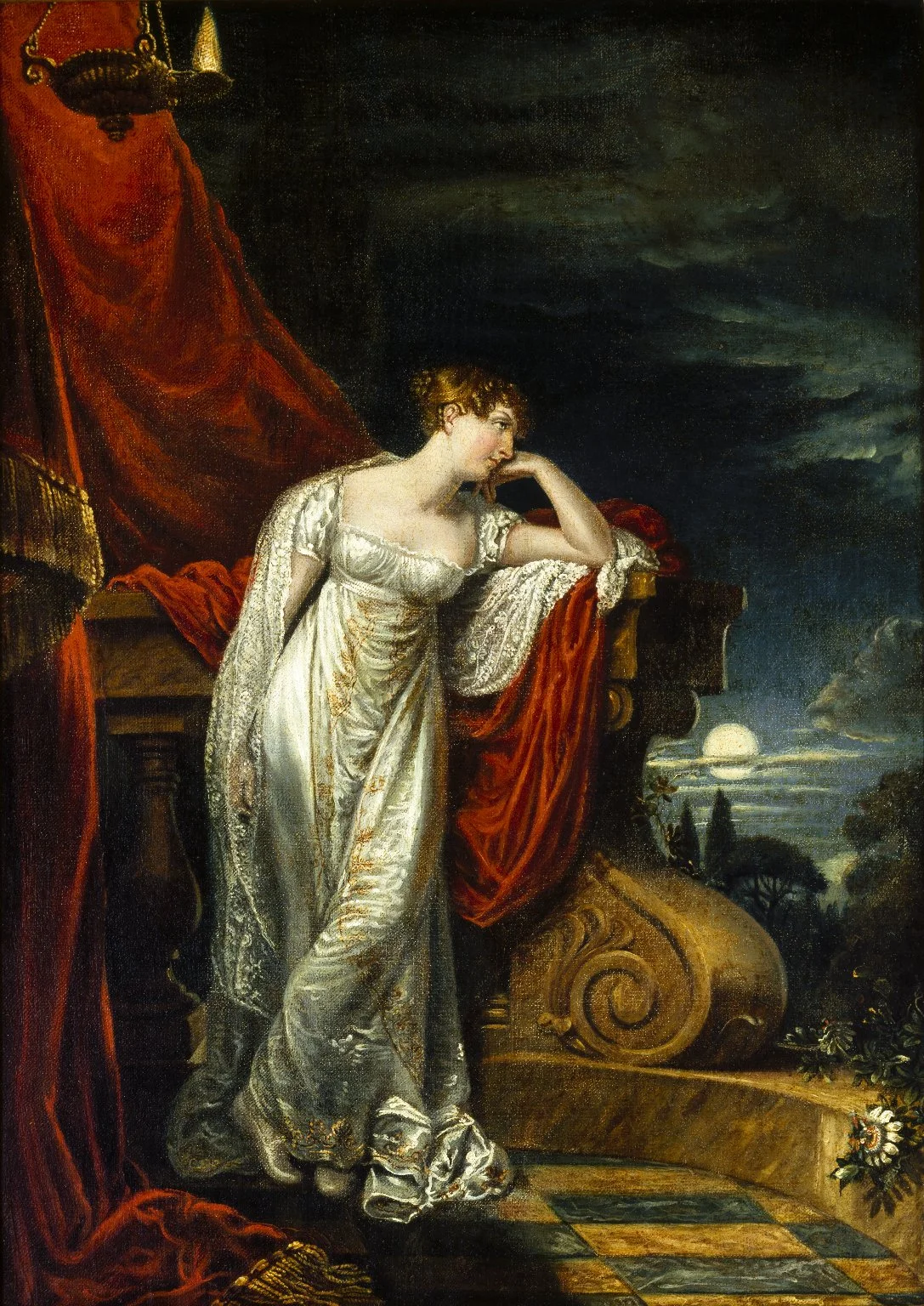
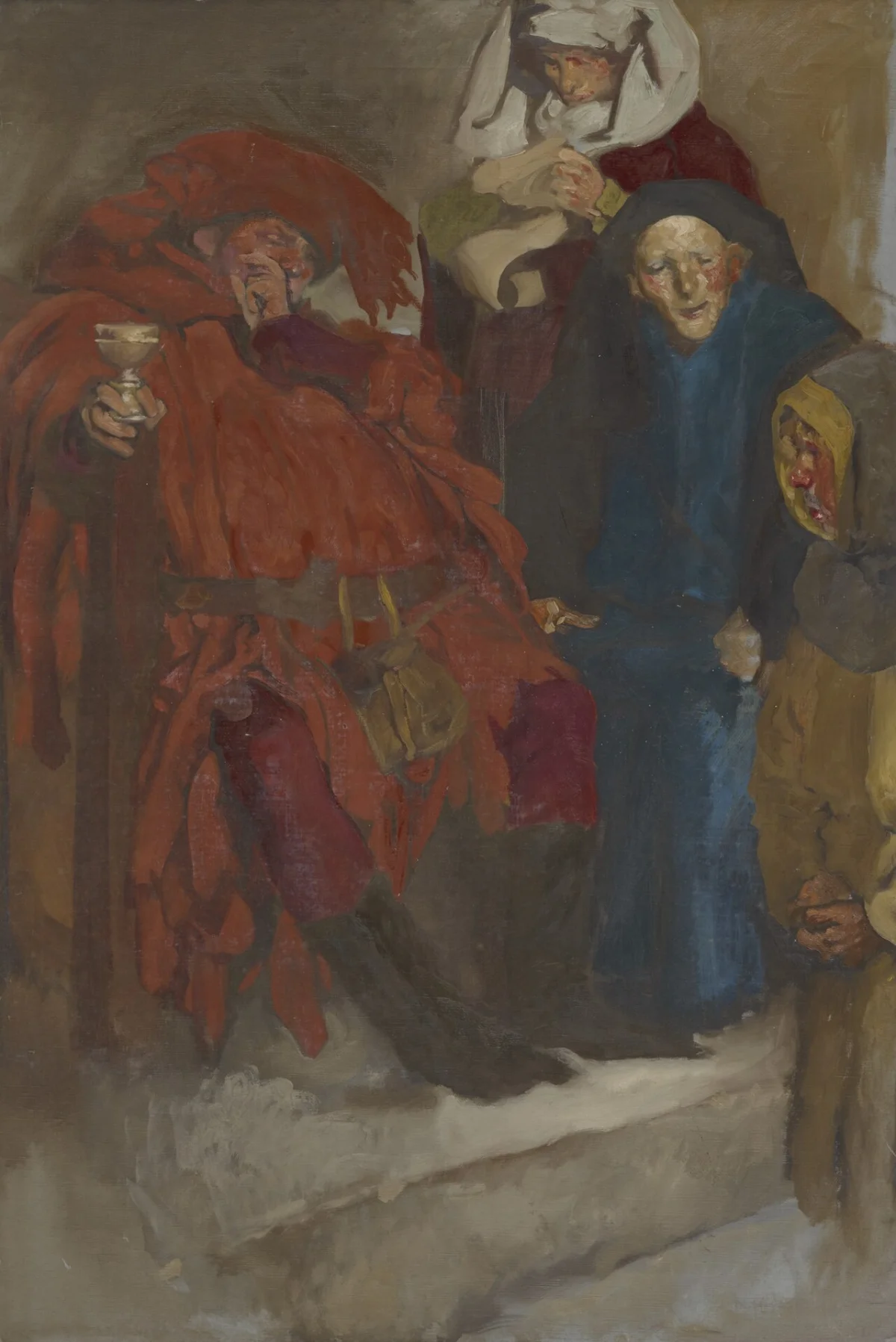
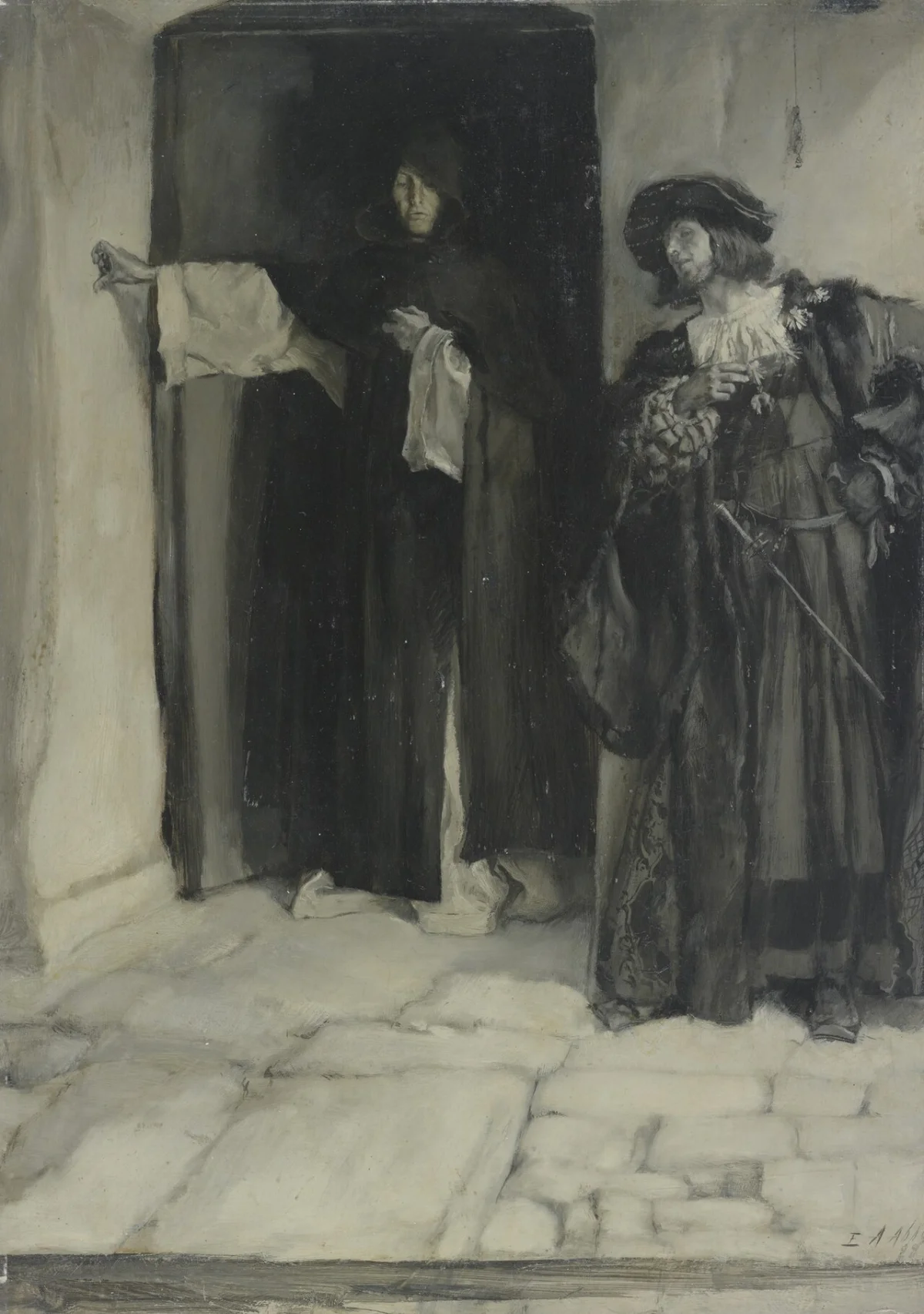
Edwin Austin Abbey’s "Study for Shakespeare" showcases the meticulous technique characteristic of oil on canvas masterpieces within the Aestheticism movement. Each brushstroke is thoughtfully applied to evoke emotion and narrative, making this work a testament to Abbey’s artistic skill. For those drawn to exceptional craftsmanship, related pieces like "Sketch," "Study: Head of a woman for Sir Galahad," and "Three women by the sea" further highlight the artist’s mastery in oil on canvas.
In "Study for Shakespeare," Abbey infuses his hand-painted oil painting with rich symbolism, drawing inspiration from the Bard’s timeless narratives. The composition invites viewers to explore the interplay between literature and visual art, a hallmark of the Aestheticism movement. Collectors seeking a deeper connection to Abbey’s storytelling may find "Sketch for mural decoration" and "Study: Head of a woman for Sir Galahad" equally compelling additions to their collections.
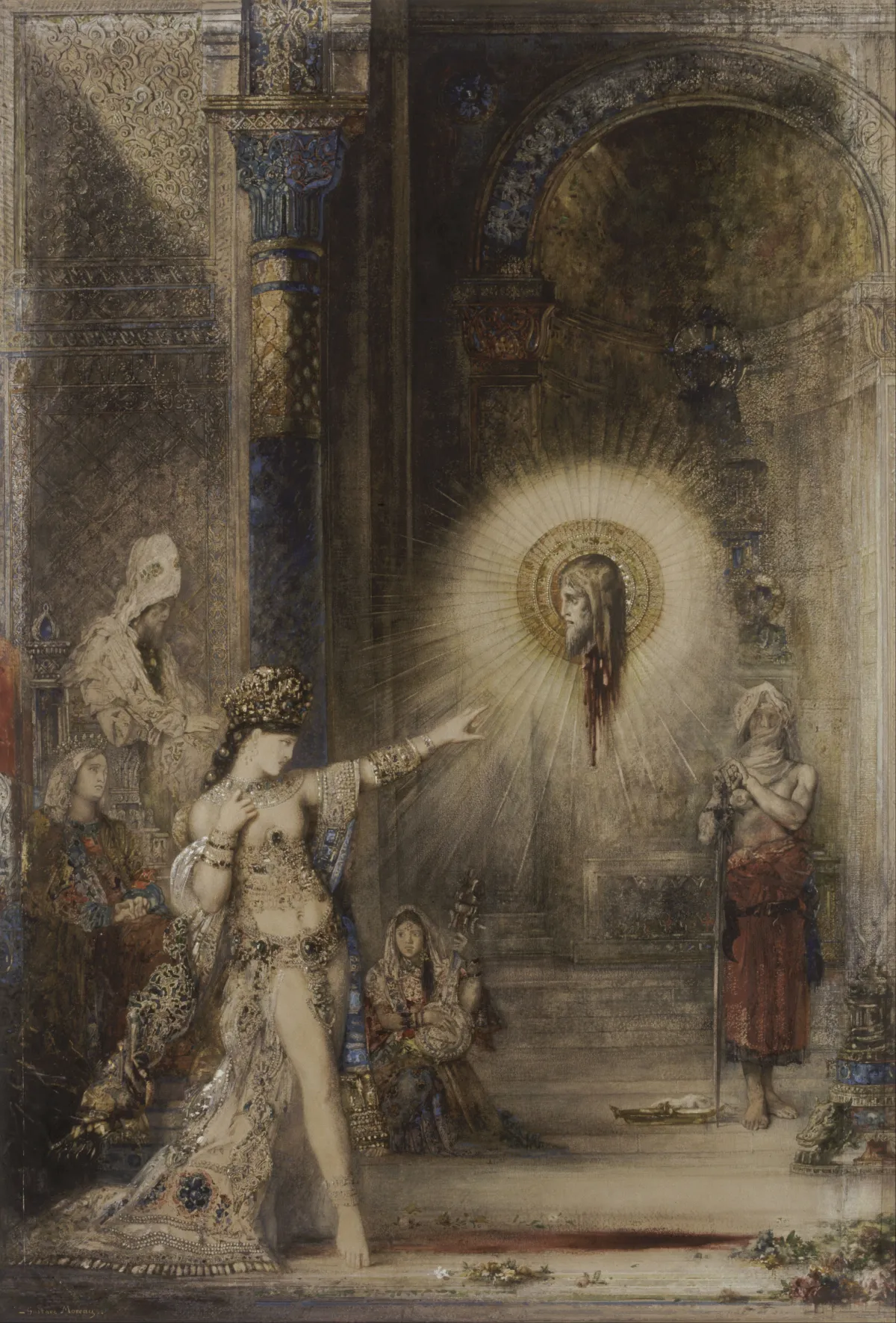
"Study for Shakespeare" by Edwin Austin Abbey is more than just a fine art painting for sale; it is a testament to the enduring power of the Aestheticism movement. Discerning collectors value both its aesthetic beauty and historical significance. To complement this masterpiece, consider related works such as "The Apparition," "Sketch," and "Three women by the sea," each offering unique insights into Abbey’s creative journey and the allure of fine art painting for sale.
When Art Meets History
"Study for Shakespeare" by Edwin Austin Abbey stands as a remarkable example of the Aestheticism movement, where the past is brought vividly to life. This hand-painted oil painting captures the essence of Elizabethan drama, much like Abbey’s contemporaries who also explored historical themes. With its intricate details, the work invites viewers to immerse themselves in the world of Shakespeare, drawing connections to related paintings such as "A Moonlit Evening" and "Old English House by Moonlight."
Techniques That Speak
Edwin Austin Abbey’s mastery of oil on canvas is evident in "Study for Shakespeare," where subtle brushwork and a refined color palette create an evocative atmosphere. The artist’s approach, rooted in Aestheticism, emphasizes beauty and harmony over narrative. Abbey’s techniques can be compared to those seen in works like "Shipping on the Clyde" and "Liverpool from Wapping," where texture and light play crucial roles in elevating the composition’s mood and depth.
Emotions on Display
"Study for Shakespeare" showcases Abbey’s ability to convey emotion through composition and gesture, hallmarks of a fine art painting for sale from the Aestheticism era. The thoughtful expressions and poised figures invite contemplation, echoing the emotional resonance found in "Quai de Paris, Rouen." Abbey’s skillful rendering of Shakespearean themes connects viewers to the timeless human experiences depicted, making this painting a moving tribute to both literature and art.
Coveted by Collectors
As a distinguished work by Edwin Austin Abbey, "Study for Shakespeare" is highly sought after among collectors of the Aestheticism movement. The hand-painted oil painting embodies the refined aesthetic that defines Abbey’s oeuvre, much like related paintings such as "Old English House by Moonlight." Its historical significance and artistic mastery ensure that this piece remains a prized addition to any collection, representing the enduring appeal of fine art painting for sale.
Related Aestheticism Hand-Painted Oil Paintings by Other Artists
Other Famous Aestheticism Artists:
Frequently Asked Questions About Study for Shakespeare
What is the historical significance of "Study for Shakespeare"?
"Study for Shakespeare" is significant as it reflects the late 19th-century fascination with Shakespearean themes and characters, showcasing the revival of interest in classic literature during the Victorian era.
Who was Edwin Austin Abbey and what was his contribution to art?
Edwin Austin Abbey was an American painter and illustrator known for his depictions of Shakespearean scenes. His work contributed to the popularization of literary themes in visual art during his time.
What artistic techniques are evident in "Study for Shakespeare"?
The painting showcases Abbey's mastery of composition, use of light and shadow, and attention to detail, which were characteristic of the Pre-Raphaelite movement that influenced his style.
What themes are explored in "Study for Shakespeare"?
The painting explores themes of creativity, the power of literature, and the relationship between the artist and their subject, encapsulating the essence of Shakespeare's enduring influence on art and culture.
How does "Study for Shakespeare" reflect the Victorian era's values?
The painting reflects Victorian values by emphasizing the importance of literary heritage, the romanticization of history, and the celebration of artistic genius, which were prevalent during this period.
What symbols are present in "Study for Shakespeare"?
Symbols in the painting include quills and manuscripts, representing the written word, and theatrical masks, signifying the dramatic arts, both of which are central to Shakespeare's legacy.
In what ways does "Study for Shakespeare" serve as a tribute to Shakespeare?
The painting serves as a tribute by visually interpreting the essence of Shakespeare's work, celebrating his characters and themes, and highlighting the timeless nature of his contributions to literature.
What influence did "Study for Shakespeare" have on subsequent artists?
The painting influenced subsequent artists by demonstrating the potential of integrating literary themes into visual art, inspiring a generation to explore narrative and character-driven compositions.
How does the composition of "Study for Shakespeare" enhance its meaning?
The composition enhances its meaning through the arrangement of figures and objects, creating a dialogue between the artist and Shakespeare, thus inviting viewers to engage with the narrative being portrayed.
What role does color play in "Study for Shakespeare"?
Color plays a crucial role in establishing mood and atmosphere, with rich, warm tones evoking a sense of nostalgia and reverence for the literary past, aligning with the themes of creativity and inspiration.






















_GFM_Painting_(1).webp)


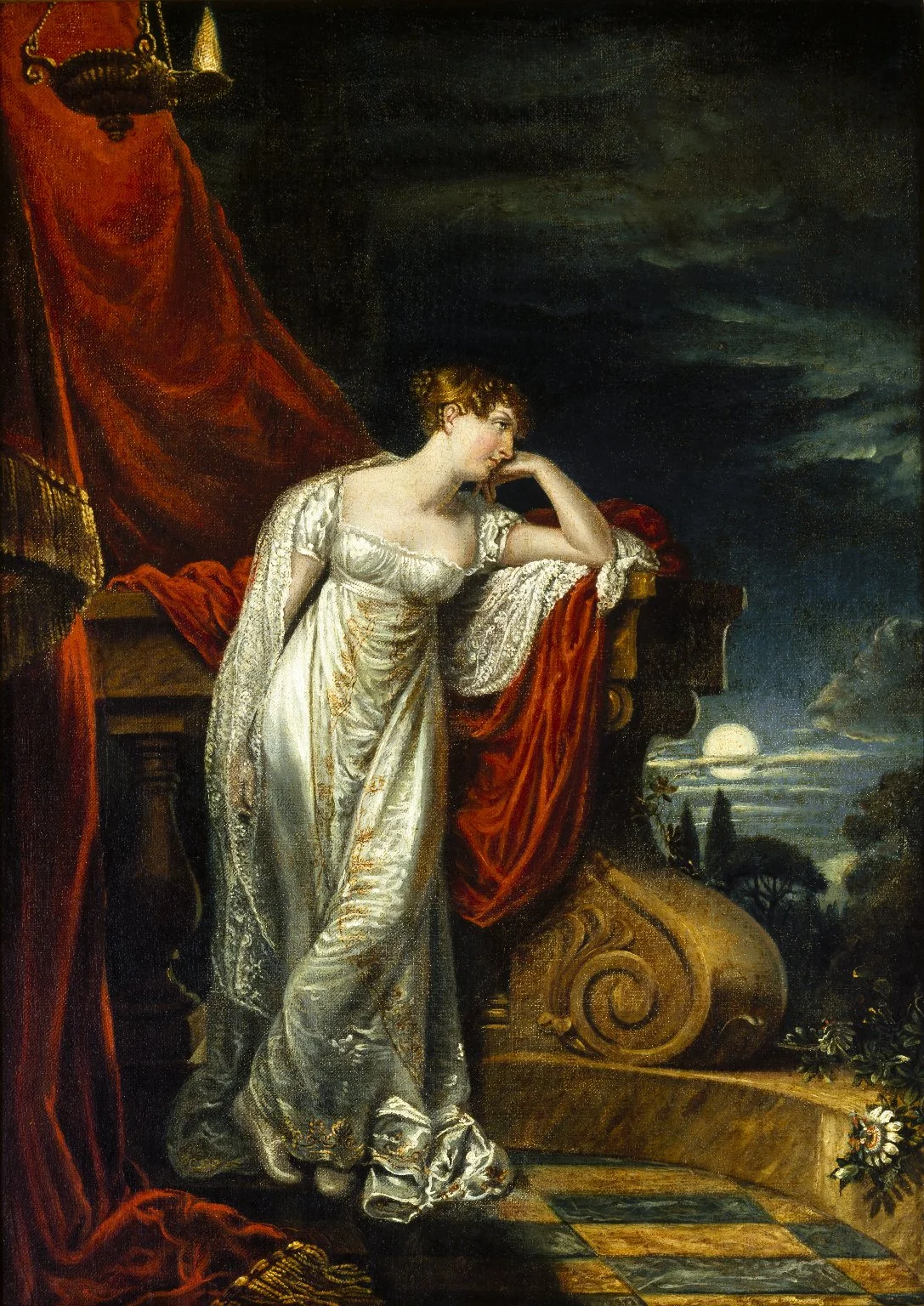
 100% Hand-Painted: Finished in 3-6 Weeks

.png)















_(1).webp)