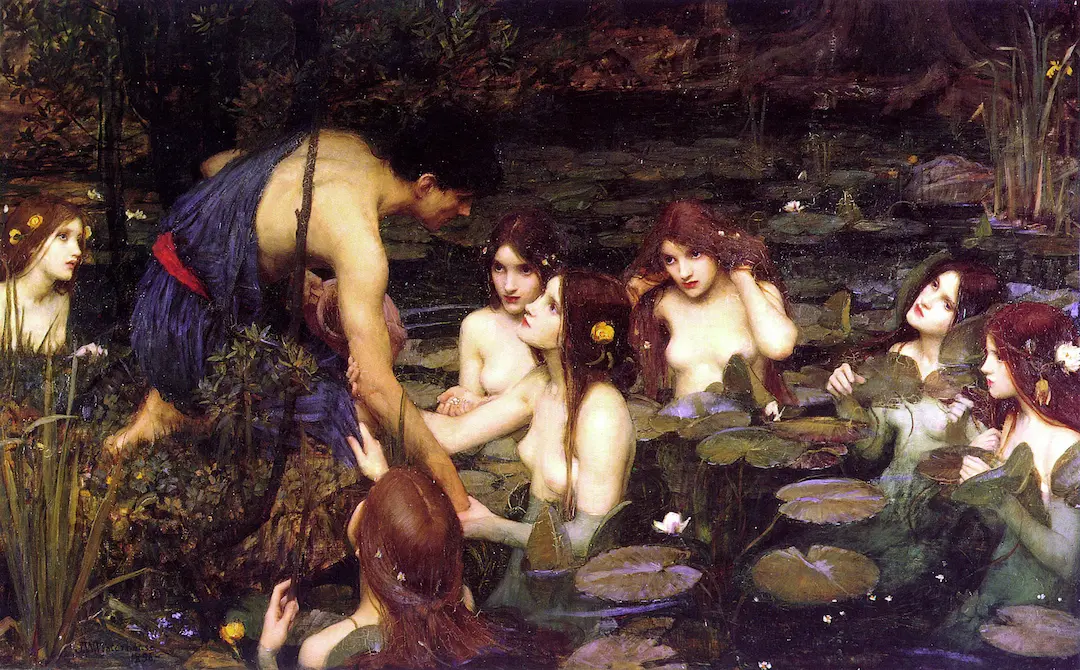
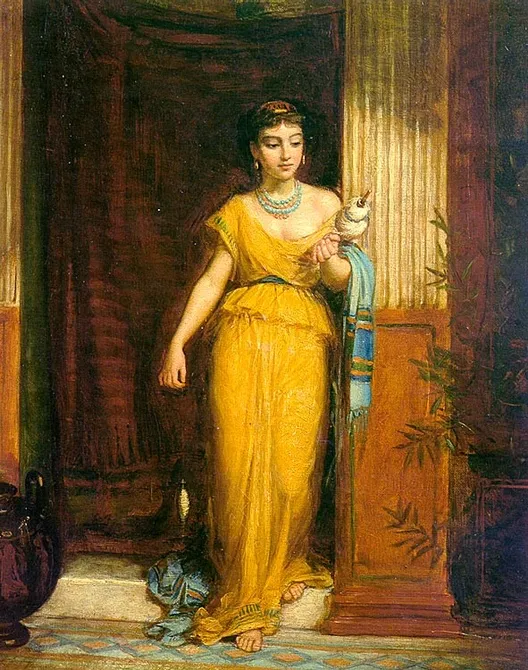
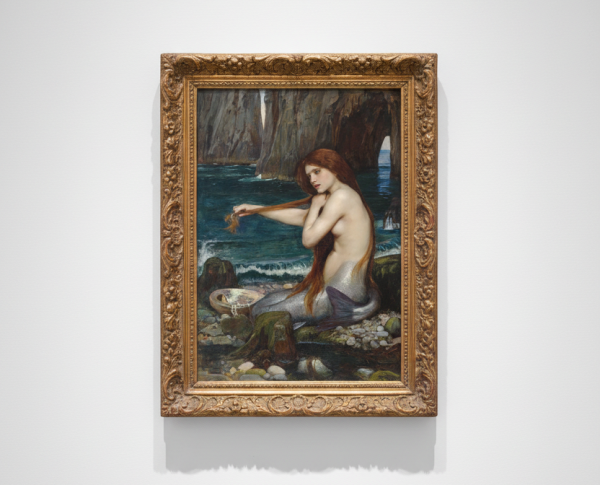
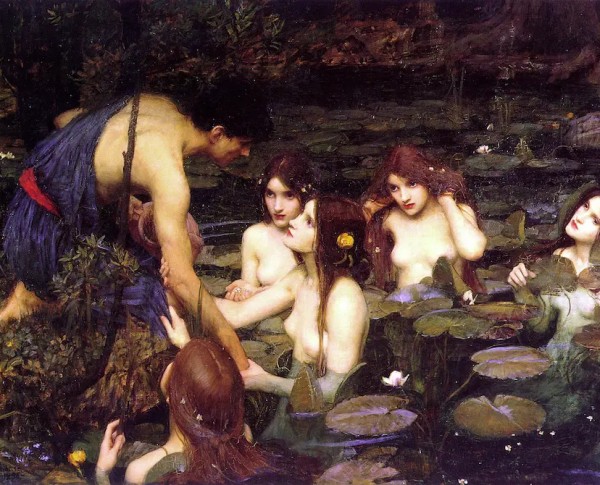
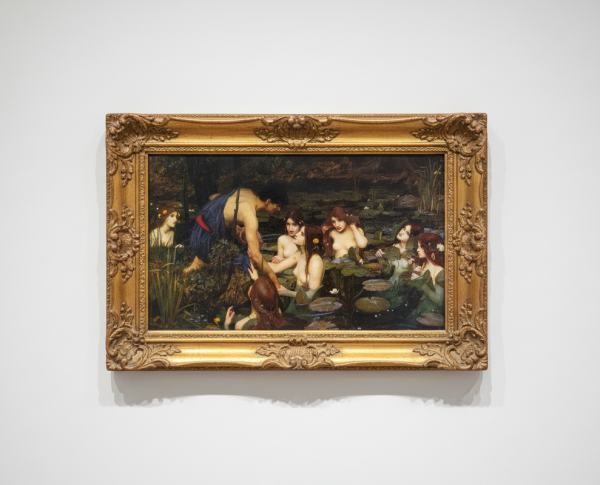
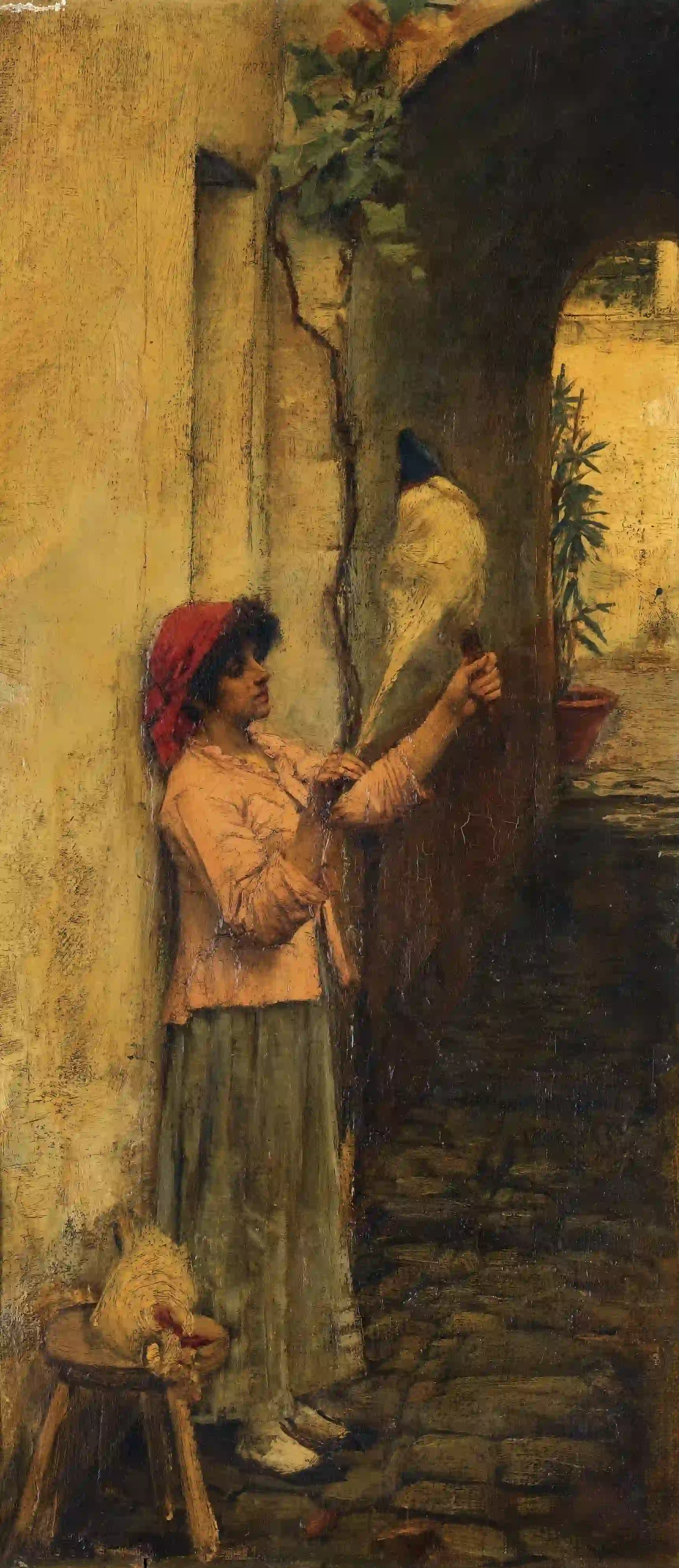
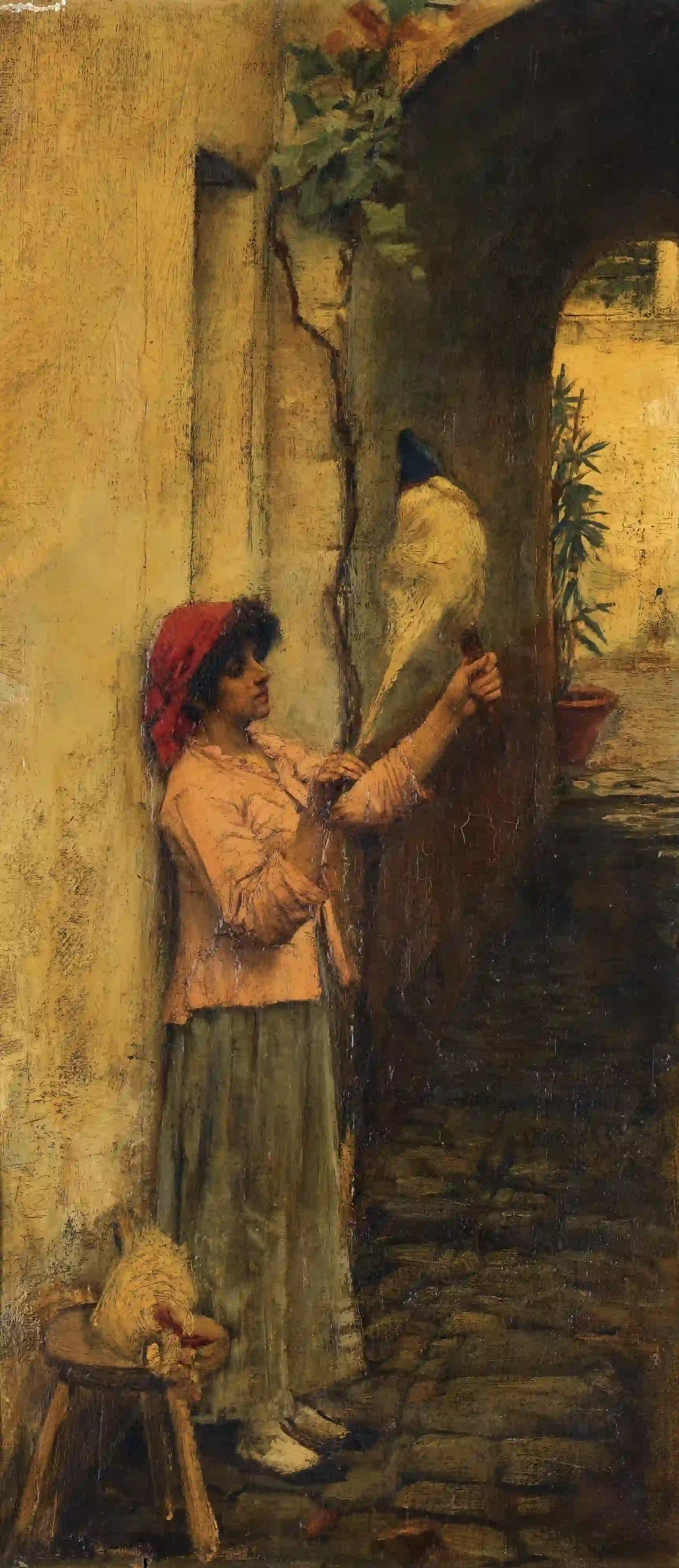
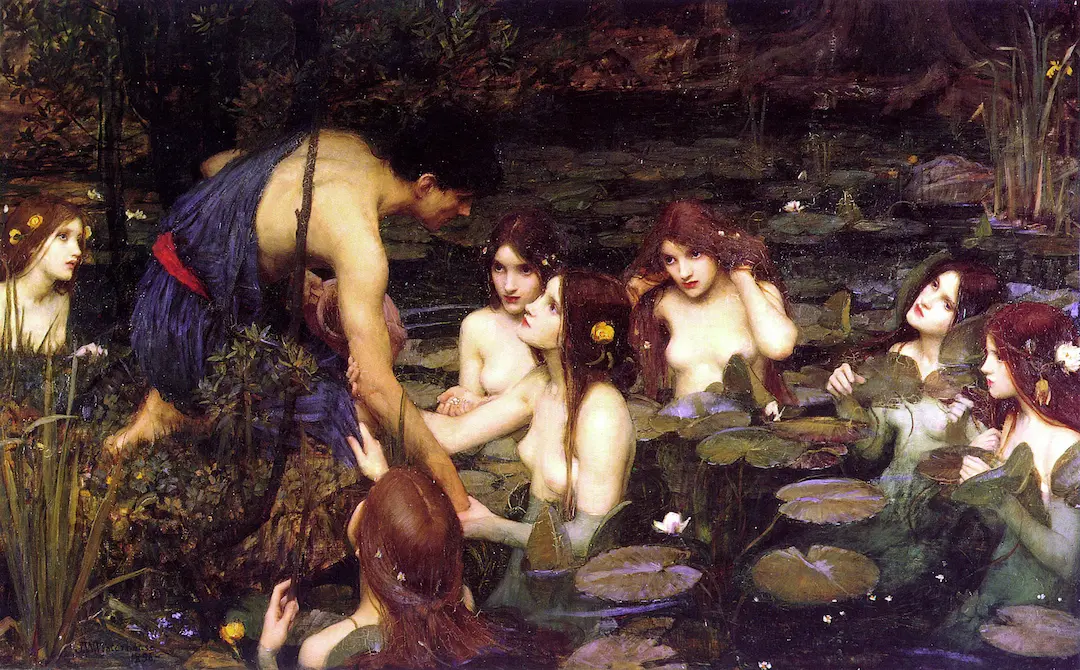
Rendered in oil on canvas, "A Neapolitan flax spinner" exemplifies Waterhouse’s technical brilliance and mastery of color. The artist’s careful attention to light, texture, and composition sets his work apart in the Pre-Raphaelites movement. Similar meticulous craftsmanship can be found in his other works, such as "Hylas and the Nymphs 1896" and "After the Dance." Each oil on canvas painting reflects Waterhouse’s ability to merge narrative depth with exquisite technique.
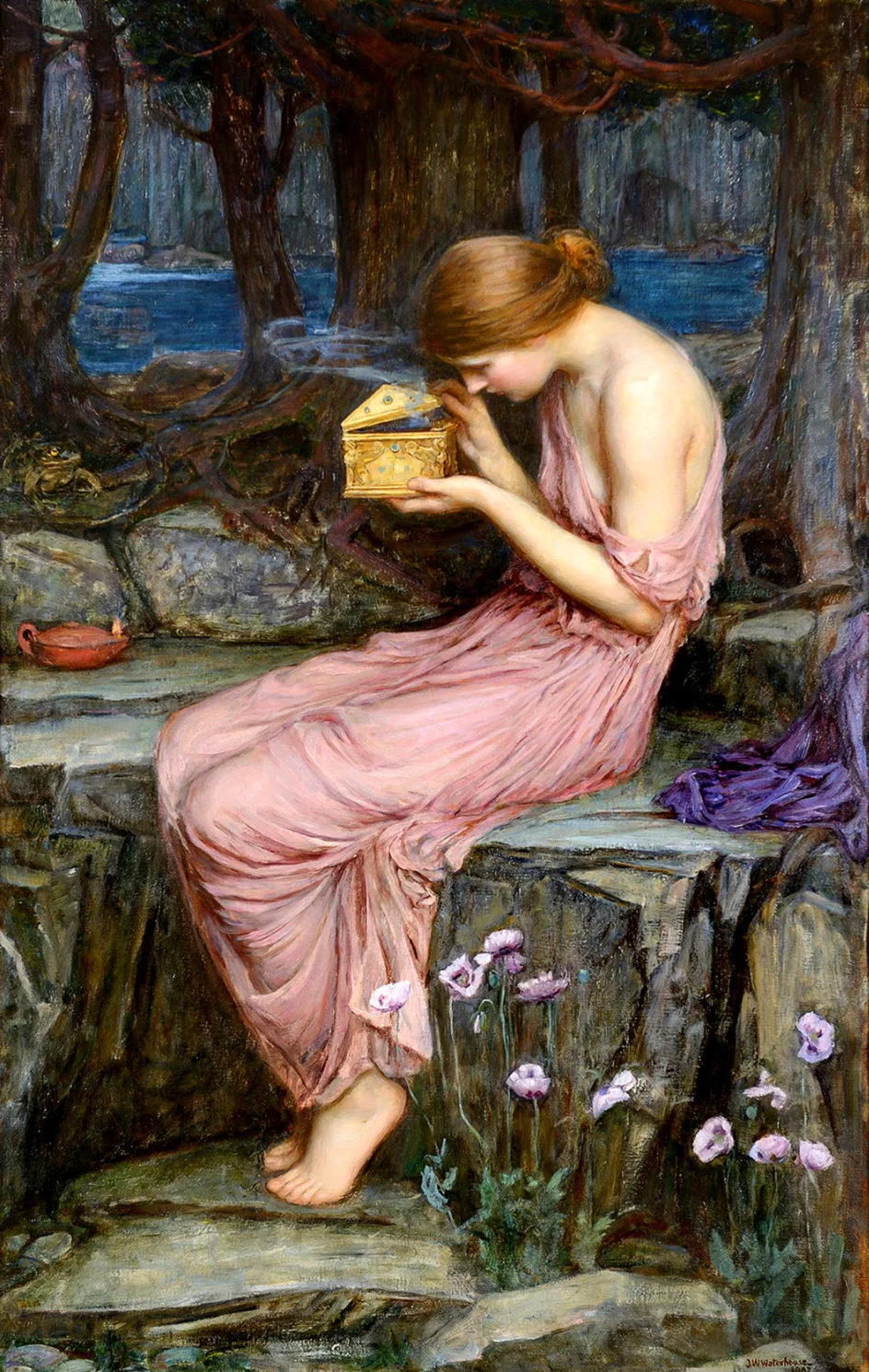
Waterhouse’s "A Neapolitan flax spinner" weaves a narrative rich in symbolism, characteristic of the Pre-Raphaelites. The hand-painted oil painting portrays everyday labor imbued with grace and dignity, inviting viewers to interpret its deeper meanings. This storytelling approach connects it to related works like "Psyche Opening the Golden Box 1903" and "The Slave," where myth and reality intertwine. Such powerful storytelling makes each fine art painting for sale a window into a world of allegory and beauty.
For collectors, "A Neapolitan flax spinner" by John William Waterhouse represents more than just an oil on canvas artwork; it is a prized piece of Pre-Raphaelite history. Its timeless quality and exquisite detail make it highly sought after in the market of fine art painting for sale. Collectors often seek Waterhouse’s related masterpieces, such as "Miranda" and "Gone, But Not Forgotten," to enrich their collections with the enduring spirit of the Pre-Raphaelites.
When Art Meets History
John William Waterhouse, an acclaimed figure in the Pre-Raphaelites movement, created "A Neapolitan flax spinner" as a tribute to the rich cultural tapestry of Italy. This hand-painted oil painting gracefully captures a moment from everyday life, echoing the artist’s fascination with history and folklore. Like his contemporaries in works such as "Love Locked Out" and "Luna," Waterhouse’s approach brings a historical narrative to life, making this artwork a timeless piece for any admirer of classic art.
Techniques That Speak
Waterhouse’s mastery shines through in "A Neapolitan flax spinner," where meticulous brushwork and vibrant color palettes define the oil on canvas technique. The Pre-Raphaelites were known for their attention to detail, and this painting exemplifies that tradition. The textured fabrics and lifelike rendering of the spinner’s hands invite viewers to appreciate the subtle artistry, reminiscent of related works like "William Boxall, Portrait of Gray Hill" and "Eve," all of which celebrate the medium’s expressive potential.
Emotions on Display
In this evocative fine art painting for sale, Waterhouse captures the quiet dignity and focus of his subject, a Neapolitan woman spinning flax. The Pre-Raphaelite movement’s emphasis on emotional authenticity is evident, drawing the viewer into the subject’s world. Similar to the emotional depth found in "Love Locked Out" and "Eve," this piece conveys a serene yet powerful narrative, making it a standout example of Waterhouse’s ability to evoke feeling through visual storytelling.
Coveted by Collectors
"A Neapolitan flax spinner" has become a highly sought-after hand-painted oil painting among collectors who value the Pre-Raphaelites’ legacy. Waterhouse’s works, including this and related paintings such as "Luna" and "Portrait of Gray Hill," are prized for their historical significance and artistic quality. For those seeking a fine art painting for sale that embodies both craftsmanship and cultural heritage, this masterpiece stands as an exceptional addition to any collection.
Related Pre-Raphaelites Hand-Painted Oil Paintings by Other Artists
Other Famous Pre-Raphaelites Artists:
Frequently Asked Questions About A Neapolitan flax spinner
What is the historical context of "A Neapolitan flax spinner"?
"A Neapolitan flax spinner" was painted by John William Waterhouse in 1895, during the height of the Pre-Raphaelite movement. This period was characterized by a return to detail, intense colors, and complex compositions, often focusing on themes from mythology and literature.
What artistic techniques did Waterhouse employ in this painting?
Waterhouse utilized a combination of naturalistic detail and vibrant color palettes to create a sense of realism. His technique involved layering translucent glazes to achieve depth and luminosity, particularly in the depiction of the flax spinner's skin and textiles.
What is the significance of the flax spinner in the painting?
The flax spinner symbolizes traditional craftsmanship and the connection between women and domestic labor. This figure represents the strength and resilience of women in the face of societal changes during the late 19th century.
How does the composition of the painting enhance its themes?
The composition is carefully arranged to draw the viewer's eye to the central figure of the flax spinner, surrounded by a lush, natural environment. This juxtaposition emphasizes the harmony between human labor and nature, highlighting the importance of artisanal work.
What role does color play in "A Neapolitan flax spinner"?
Color plays a crucial role in conveying mood and emotion in the painting. The warm earth tones of the flax spinner's attire contrast with the cooler greens and blues of the background, creating a sense of balance and tranquility while also highlighting the figure's importance.
What influences can be seen in Waterhouse's portrayal of the female figure?
Waterhouse's portrayal of the female figure reflects influences from classical mythology and literature, as well as the Pre-Raphaelite idealization of women. The flax spinner embodies both beauty and strength, challenging the traditional passive roles assigned to women in art.
What is the significance of the setting in the painting?
The setting, characterized by a serene and idyllic natural environment, enhances the theme of harmony between labor and nature. It reflects the cultural context of 19th-century Italy, where such artisanal practices were prevalent and celebrated.
How does "A Neapolitan flax spinner" reflect the values of the Pre-Raphaelite movement?
The painting reflects Pre-Raphaelite values through its emphasis on detailed realism, vibrant colors, and the celebration of everyday life. It seeks to elevate the status of ordinary labor and highlight the beauty found in traditional crafts.
What can we learn about gender roles from this painting?
This painting invites viewers to reconsider traditional gender roles by portraying a woman engaged in skilled labor. It challenges the notion of women as mere subjects of beauty, instead presenting them as capable and industrious individuals.
How has "A Neapolitan flax spinner" influenced modern perceptions of art and labor?
The painting has contributed to modern perceptions of art and labor by emphasizing the dignity of craftsmanship and the importance of women's contributions to society. It encourages a reevaluation of the artistic value of labor and the narratives surrounding female figures in art.























_GFM_Painting_(1).webp)


 100% Hand-Painted: Finished in 3-6 Weeks

.png)

















_(1).webp)