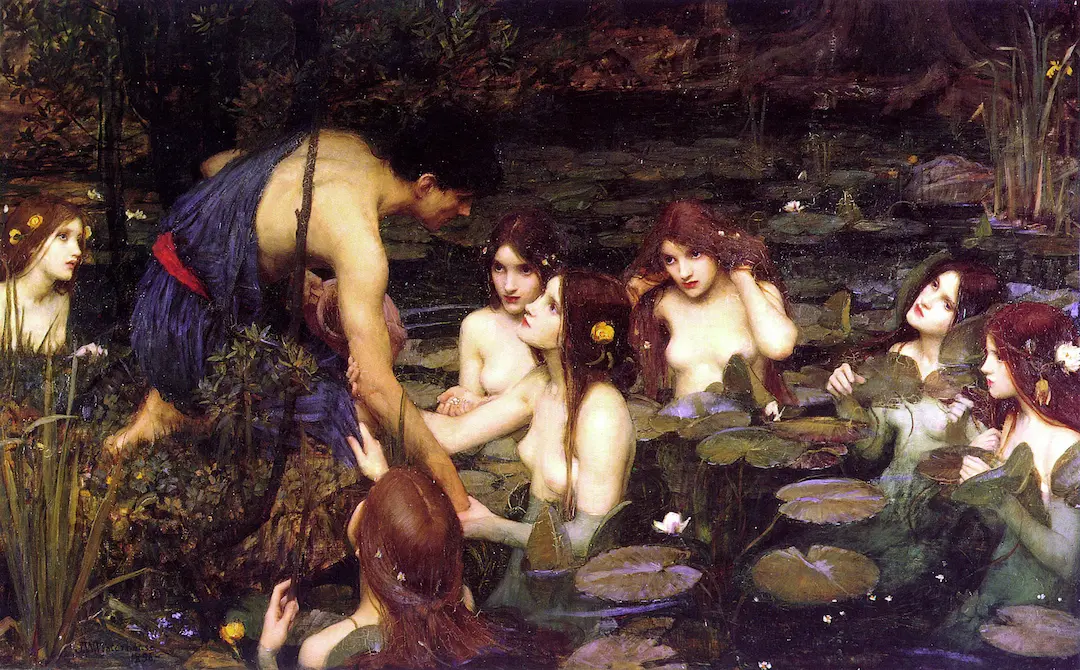
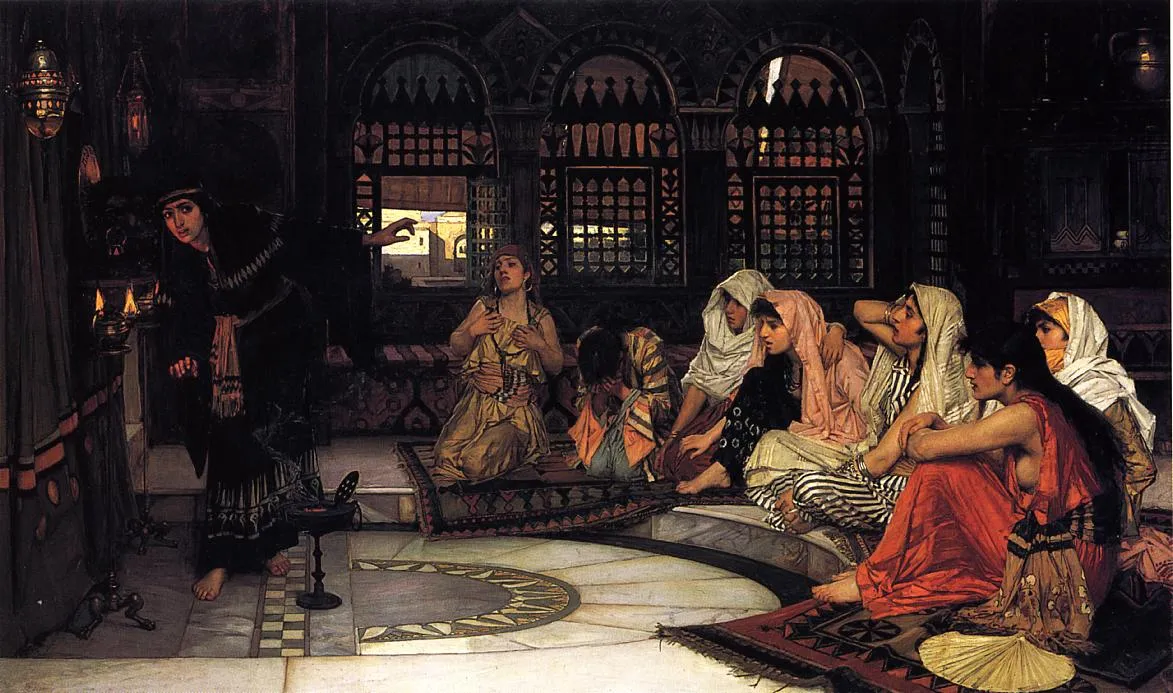
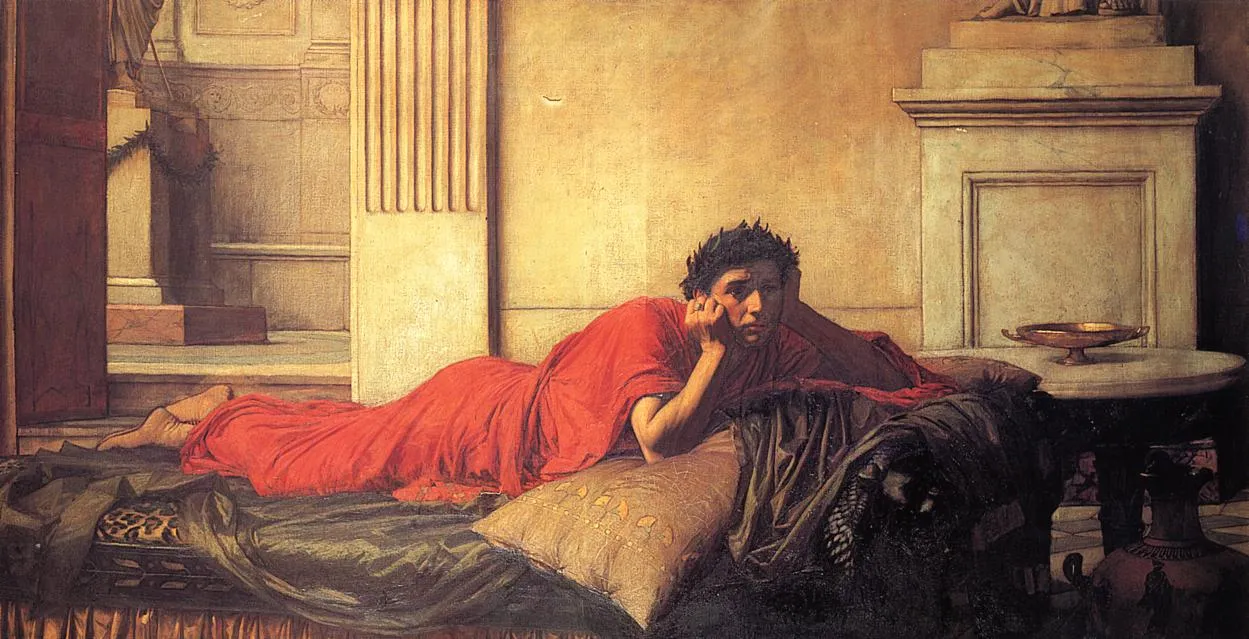
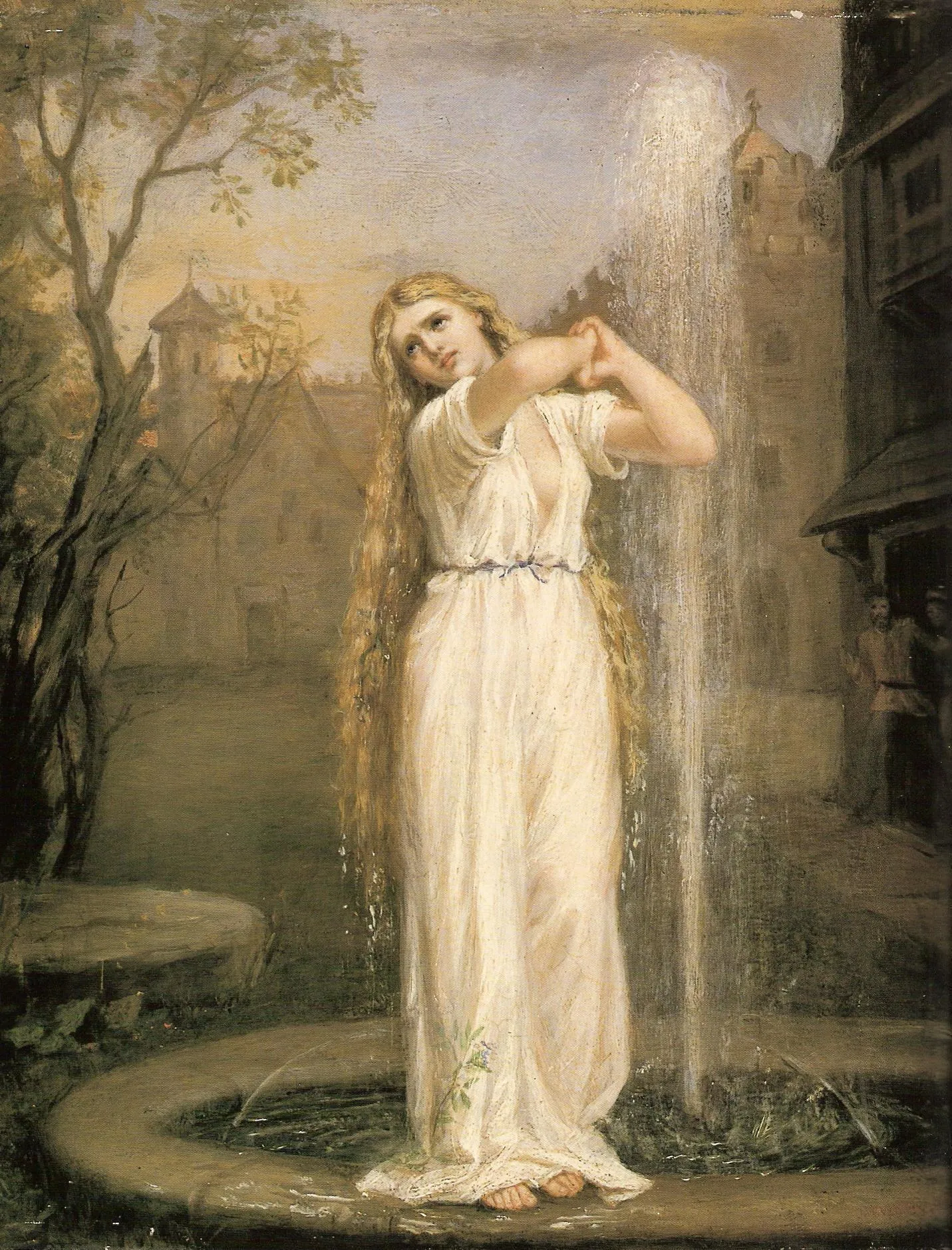
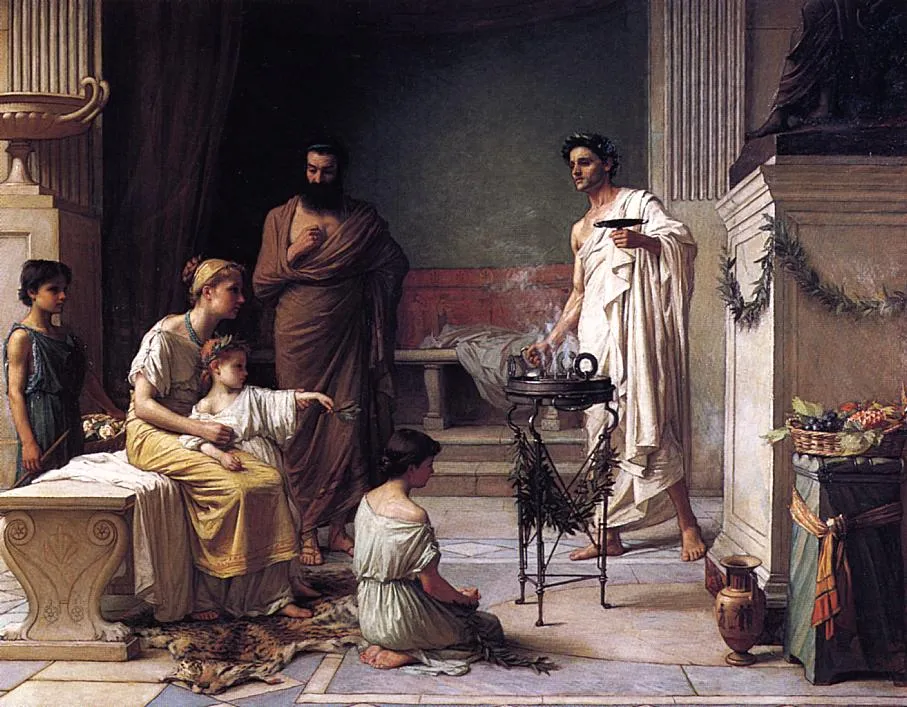
With each brushstroke, Waterhouse demonstrates his exceptional skill in oil on canvas. "The Visit of a Sick Child to the Temple of Aesculapius" exemplifies the Pre-Raphaelites’ devotion to vibrant color and intricate detail. The artist’s technique brings the ancient scene to life, allowing viewers to experience the emotion and atmosphere firsthand. Other masterpieces, such as "Sleep and His Half Brother Death" and "The Slave," showcase his consistent excellence in this medium.
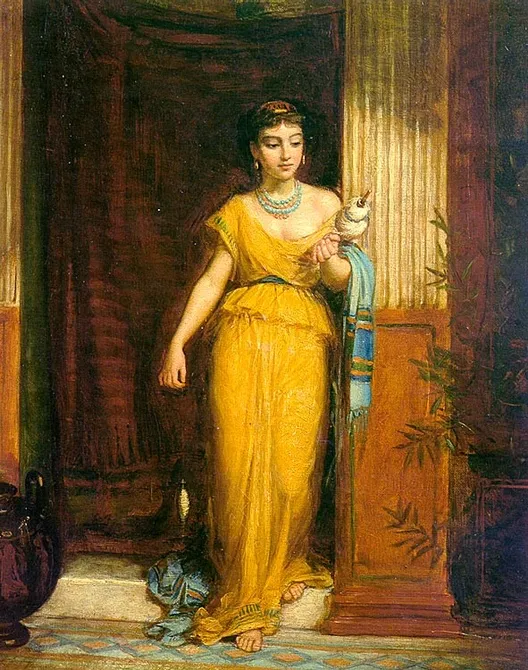
In this fine art painting for sale, Waterhouse weaves a narrative rich with symbolism and emotion. The temple setting, devoted to the Greek god of healing, and the presence of the sick child evoke themes of faith and recovery. These elements are characteristic of the Pre-Raphaelites’ fascination with myth and legend, as seen in related paintings like "The Unwelcome Companion" and "The spinner." Waterhouse’s storytelling invites viewers into a world of compassion and hope.
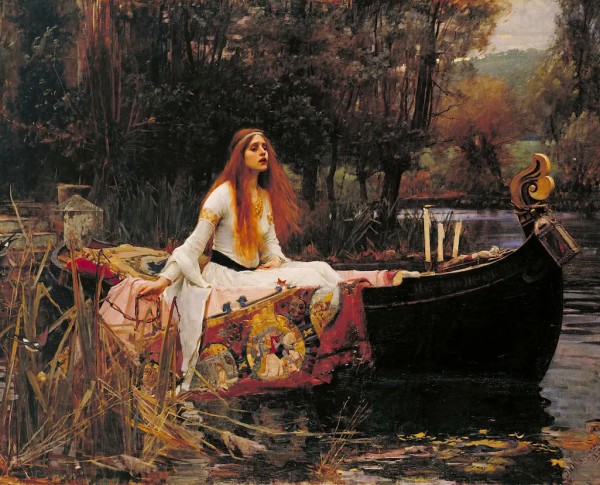
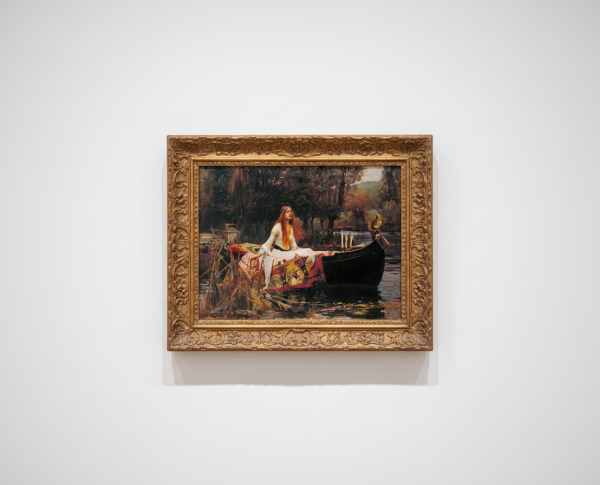
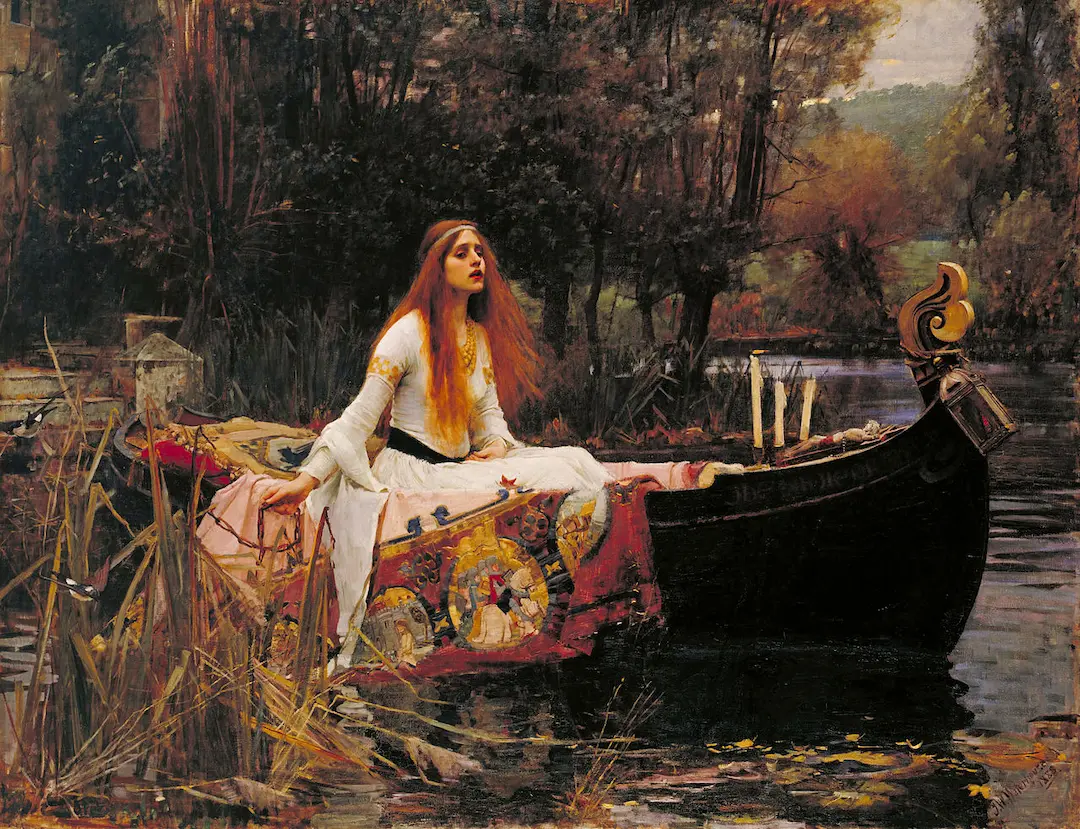
"The Visit of a Sick Child to the Temple of Aesculapius" stands as an exceptional hand-painted oil painting, making it a prized addition for any fine art enthusiast. Collectors value Waterhouse’s works for their emotional depth and technical mastery, as found in pieces like "The Lady of Shalott 1888" and "The Soul of the Rose 1908." As part of the Pre-Raphaelites movement, this painting continues to inspire and captivate those who appreciate exquisite oil on canvas artistry.
When Art Meets History
John William Waterhouse’s "The Visit of a Sick Child to the Temple of Aesculapius" is a masterful hand-painted oil painting that intertwines mythological storytelling with historical reverence. Created during the influential Pre-Raphaelites movement, this artwork explores the ancient Greek tradition of seeking healing at the temple of the god Aesculapius. Waterhouse, also known for works like "Eve" and "Love Locked Out," captures a poignant moment that connects viewers to both classical mythology and Victorian artistic ideals.
Techniques That Speak
Waterhouse’s use of oil on canvas in "The Visit of a Sick Child to the Temple of Aesculapius" demonstrates his exceptional skill in rendering light, texture, and emotion. His technique, characteristic of the Pre-Raphaelites, features meticulous detail and luminous color. Similar to his other paintings such as "Landscape with Trees" and "Portrait of Gray Hill," Waterhouse’s delicate brushwork and composition draw viewers into the narrative, highlighting the artistry and depth possible with this traditional medium.
Emotions on Display
The emotional resonance of this fine art painting for sale is unmistakable. Waterhouse expertly conveys the vulnerability and hope of the sick child and their family, set against the backdrop of the revered temple. The Pre-Raphaelites’ emphasis on intense emotion and narrative is evident here, as in "Right Reverend Talbot" and "Eve." The viewer is invited to empathize with the characters, experiencing the universal longing for healing and compassion through Waterhouse’s evocative brushwork.
Coveted by Collectors
"The Visit of a Sick Child to the Temple of Aesculapius" remains a prized piece among collectors of Pre-Raphaelites art, celebrated for its historical depth and aesthetic beauty. John William Waterhouse’s paintings, including "Love Locked Out" and "Portrait of Gray Hill," are highly sought after as hand-painted oil paintings. This masterpiece continues to attract attention in the art market, reflecting the enduring appeal and investment value of fine art from this influential period.
Related Pre-Raphaelites Hand-Painted Oil Paintings by Other Artists
Other Famous Pre-Raphaelites Artists:
Frequently Asked Questions About The Visit of a Sick Child to the Temple of Aesculapius
What is the historical context of "The Visit of a Sick Child to the Temple of Aesculapius"?
This painting, created by John William Waterhouse in 1875, reflects the Victorian era's fascination with classical mythology and the healing practices of ancient Greece, particularly the worship of Aesculapius, the god of medicine.
Who was Aesculapius and why is he significant in this painting?
Aesculapius is the Greek god of medicine and healing. In this painting, he symbolizes hope and the search for healing, which is central to the narrative of the sick child visiting his temple.
What artistic techniques did Waterhouse use in this painting?
Waterhouse employed a rich color palette and intricate details to create a sense of realism and emotional depth. His use of light enhances the spiritual atmosphere of the temple setting.
What themes are explored in "The Visit of a Sick Child to the Temple of Aesculapius"?
The painting explores themes of hope, healing, and the relationship between humanity and the divine. It captures the vulnerability of the sick child and the reverence of those seeking help.
How does Waterhouse's style reflect the Pre-Raphaelite movement?
Waterhouse's work is often associated with the Pre-Raphaelite Brotherhood, characterized by vivid colors, attention to detail, and a focus on narrative. This painting exemplifies those qualities through its emotional storytelling and lush imagery.
What is the significance of the child in the painting?
The child represents innocence and the fragility of life, serving as a poignant reminder of the human condition and the universal quest for healing and comfort.
What role does the setting play in the painting?
The temple of Aesculapius serves as a sacred space that symbolizes hope and healing. The architectural elements and natural surroundings enhance the spiritual ambiance of the scene.
Are there any notable symbols present in the painting?
Yes, the presence of the serpent, often associated with healing and medicine, can be interpreted as a symbol of transformation and the duality of life and death.
How does this painting compare to Waterhouse's other works?
This painting shares thematic similarities with Waterhouse's other works, which often depict mythological or literary subjects, focusing on the emotional experiences of the figures portrayed.
What impact did "The Visit of a Sick Child to the Temple of Aesculapius" have on viewers during its time?
Upon its unveiling, the painting resonated with audiences due to its emotional depth and connection to contemporary concerns about health and spirituality, reflecting the Victorian era's complex relationship with these themes.























_GFM_Painting_(1).webp)


 100% Hand-Painted: Finished in 3-6 Weeks

.png)















_(1).webp)