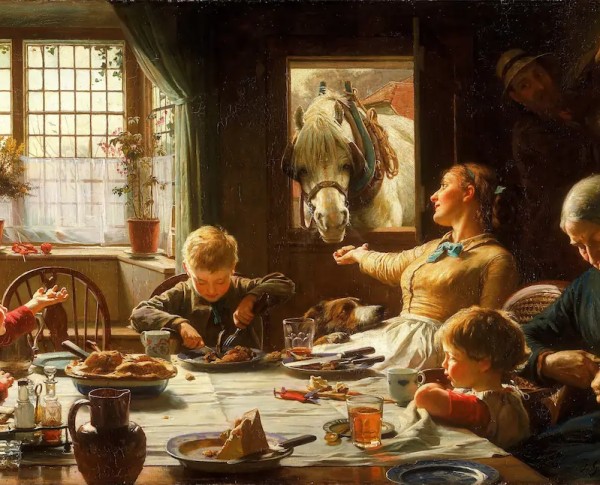
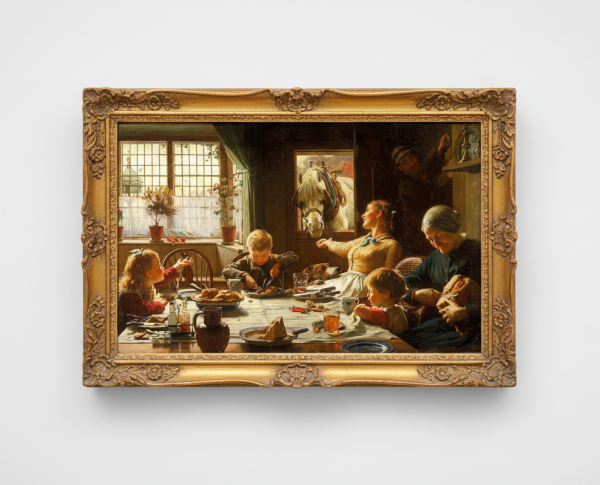
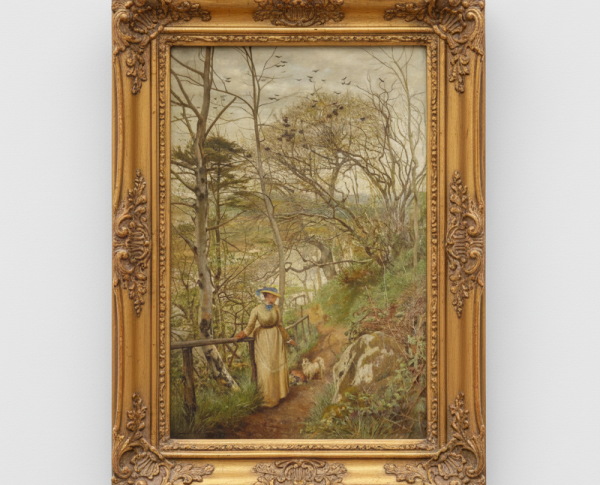
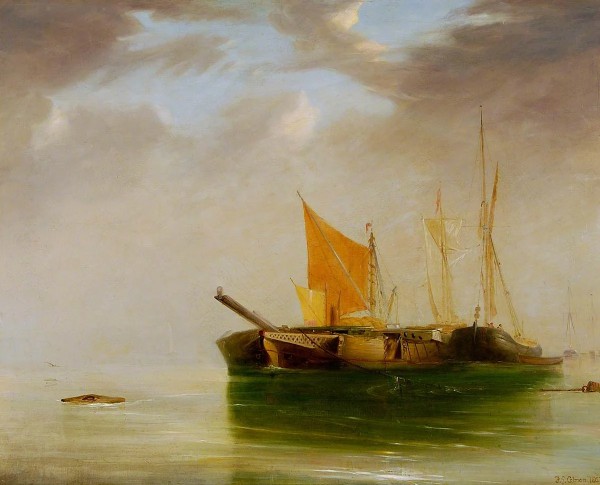
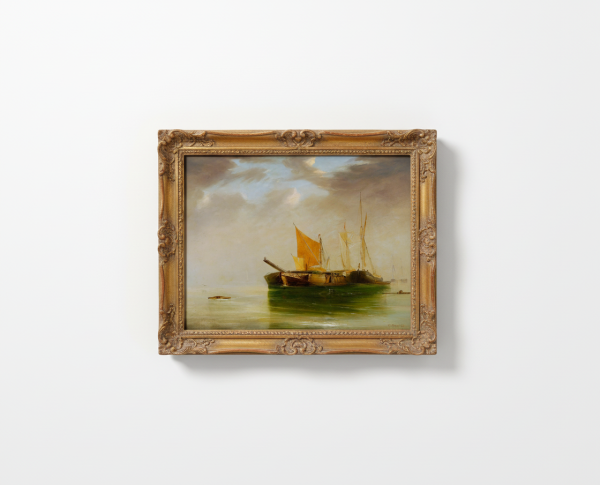
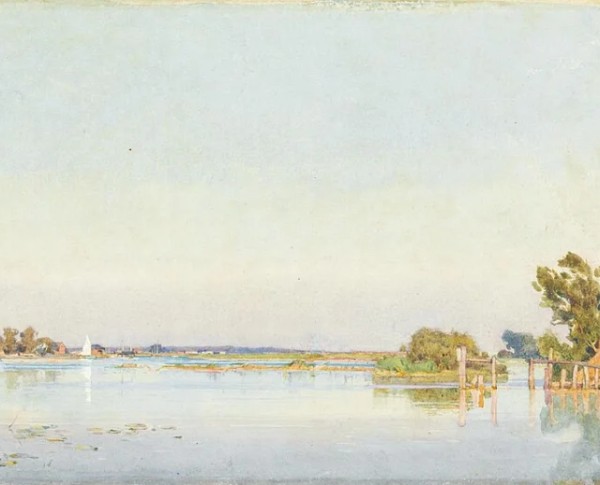
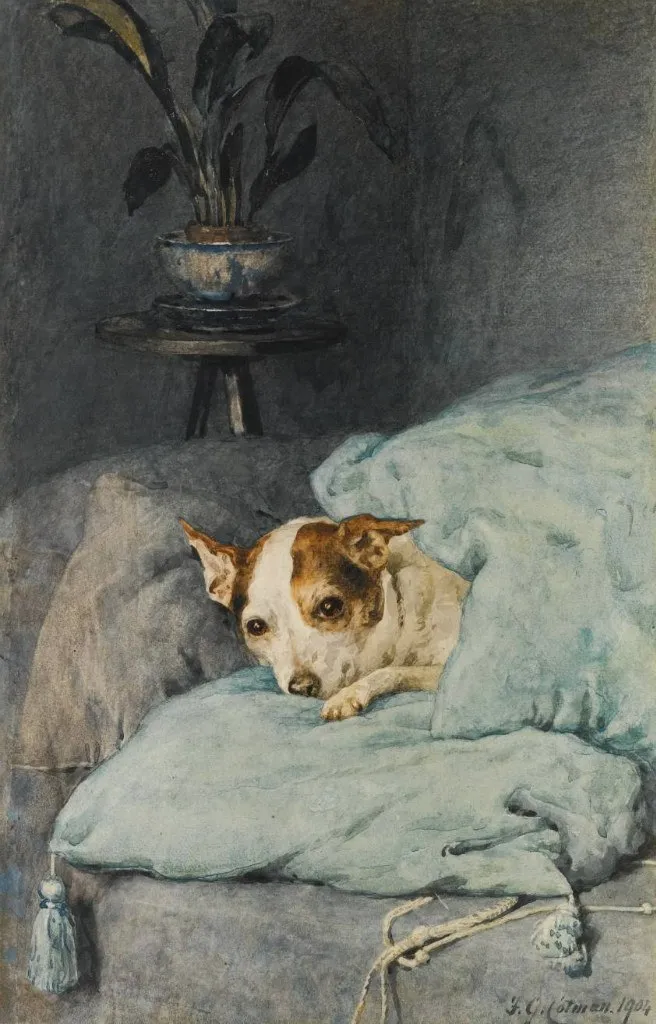
The exquisite detail and vibrant color palette in "Tucked Up" showcase Cotman’s expertise in oil on canvas techniques. His brushwork, characteristic of Post-Impressionism, brings the scene to life with a sense of immediacy and emotion. Art lovers appreciate the meticulous attention to detail, reminiscent of works such as "Robert Thorpe" and "Morning Mist on the Orwell," both of which highlight the movement’s focus on expressive, textured surfaces.
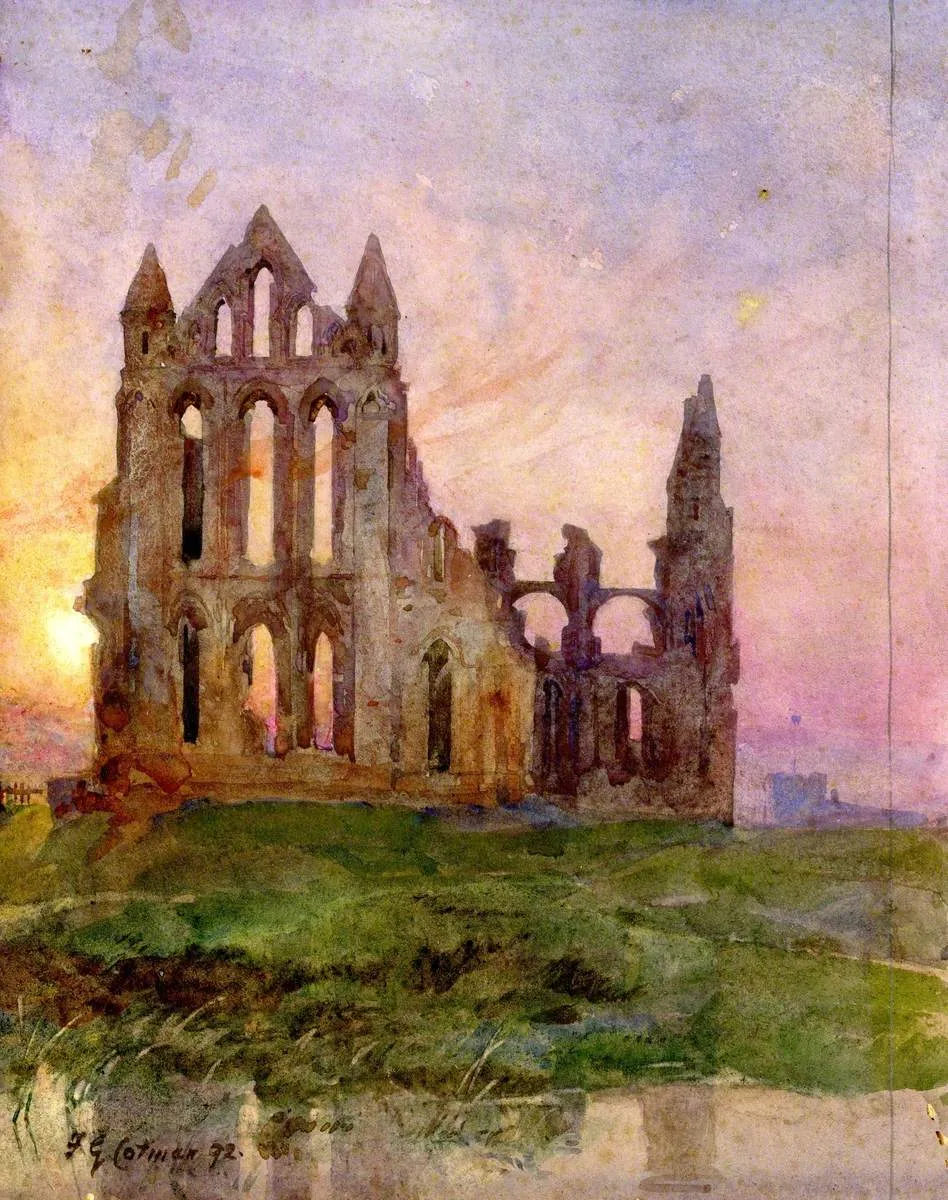
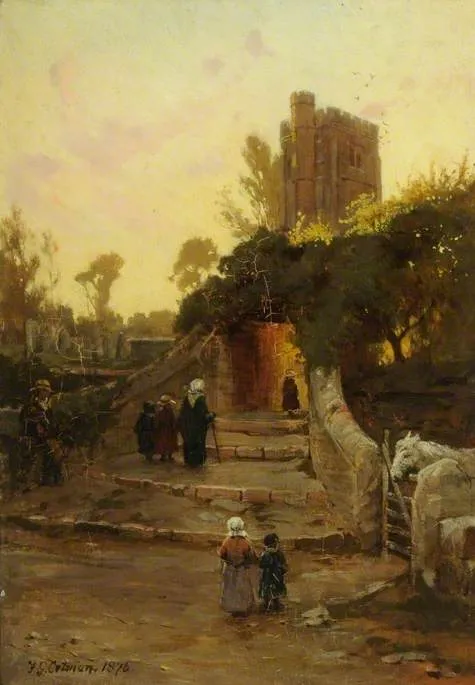
Within "Tucked Up," Frederick George Cotman weaves a narrative rich in symbolism and sentiment, hallmarks of a fine art painting for sale from the Post-Impressionism era. The painting’s depiction of a tranquil domestic scene invites viewers to interpret stories of comfort and care. Similar thematic elements can be found in "Whitby Abbey" and "The Dame School," offering collectors a meaningful connection to the past through each thoughtfully rendered composition.
Owning "Tucked Up" by Frederick George Cotman means possessing a piece of Post-Impressionist history and a remarkable hand-painted oil painting. This work is highly sought after by collectors searching for unique oil on canvas masterpieces. Its esteemed company includes related products like "George Chatten" and "Morning Mist on the Orwell," making it a valuable addition to any serious art collection and a conversation starter for generations to come.
When Art Meets History
Frederick George Cotman's "Tucked Up" is a masterful hand-painted oil painting that bridges the gap between traditional realism and the expressive flair of Post-Impressionism. Created during a transformative era in art, this piece reflects the changing social dynamics and domestic scenes of its time. Like related works such as "Woman on Her Deathbed" and "The Potato Eaters," Cotman's painting offers a window into everyday life, making it a significant chapter in art history.
Techniques That Speak
In "Tucked Up," Cotman employs oil on canvas to create rich textures and luminous effects, hallmarks of the Post-Impressionism movement. His brushwork and color palette evoke emotion and depth, aligning his work with contemporaries who painted "The Red Vineyard" and "The White Orchard." The artist's technique brings intimacy to the domestic scene, making each detail resonate with viewers and demonstrating his mastery of this classic medium.
Emotions on Display
Frederick George Cotman infuses "Tucked Up" with warmth and tenderness, capturing a poignant family moment. The fine art painting for sale draws viewers into a world of quiet affection, much like "The Models" and "The Potato Eaters." Through nuanced expressions and subtle lighting, Cotman conveys a universal sense of care and protection, embodying the emotional depth that defines Post-Impressionist masterpieces.
Coveted by Collectors
As a rare hand-painted oil painting by Frederick George Cotman, "Tucked Up" is highly sought after by collectors of Post-Impressionism. Its evocative subject matter and masterful execution place it alongside celebrated works such as "The White Orchard" and "The Red Vineyard." For those seeking a fine art painting for sale that encapsulates a pivotal era and artistic vision, "Tucked Up" is an exceptional choice.
Related Post-Impressionism Hand-Painted Oil Paintings by Other Artists
Other Famous Post-Impressionism Artists:
Frequently Asked Questions About Tucked Up
What is the historical context of "Tucked Up"?
"Tucked Up" was created during the late 19th century, a period marked by significant changes in artistic styles and techniques. This era saw a transition from traditional academic painting to more modern approaches, reflecting the evolving societal values and the impact of the Industrial Revolution.
What artistic techniques did Frederick George Cotman employ in "Tucked Up"?
Cotman utilized a combination of impressionistic brushwork and a subtle color palette to evoke emotion and atmosphere. His technique often involved layering colors to create depth and texture, which is evident in the intricate details of "Tucked Up."
What themes are explored in "Tucked Up"?
The painting explores themes of domesticity and tranquility, capturing a moment of quiet reflection. It invites viewers to contemplate the simplicity and comfort of home life, a prevalent theme in Cotman's work.
How does "Tucked Up" reflect the influence of the Romantic movement?
"Tucked Up" reflects the Romantic movement through its emphasis on emotion and individual experience. The intimate portrayal of the subject evokes a sense of nostalgia and personal connection, characteristic of Romantic ideals.
What symbolism can be found in "Tucked Up"?
The act of being "tucked up" symbolizes safety and comfort, suggesting a retreat from the outside world. This imagery can be interpreted as a metaphor for the desire for security and peace in an increasingly chaotic society.
In what ways does "Tucked Up" showcase Cotman's artistic identity?
"Tucked Up" showcases Cotman's artistic identity through its unique blend of realism and impressionism. His ability to capture light and shadow, along with his focus on everyday life, highlights his commitment to portraying the beauty in the mundane.
What role does color play in "Tucked Up"?
Color plays a crucial role in "Tucked Up," as Cotman uses a harmonious palette to evoke warmth and serenity. The soft hues contribute to the overall mood of the painting, enhancing the sense of comfort and intimacy.
How does "Tucked Up" compare to other works by Frederick George Cotman?
What impact did "Tucked Up" have on contemporary artists?
"Tucked Up" has influenced contemporary artists by emphasizing the importance of personal narrative and emotional resonance in art. Its focus on everyday moments continues to inspire artists to explore themes of domesticity and human connection in their work.
What is the significance of the title "Tucked Up"?
The title "Tucked Up" signifies a sense of coziness and protection. It encapsulates the essence of the painting, inviting viewers to reflect on the comfort of home and the emotional safety that comes with it.























_GFM_Painting_(1).webp)


 100% Hand-Painted: Finished in 3-6 Weeks

.png)















_(1).webp)