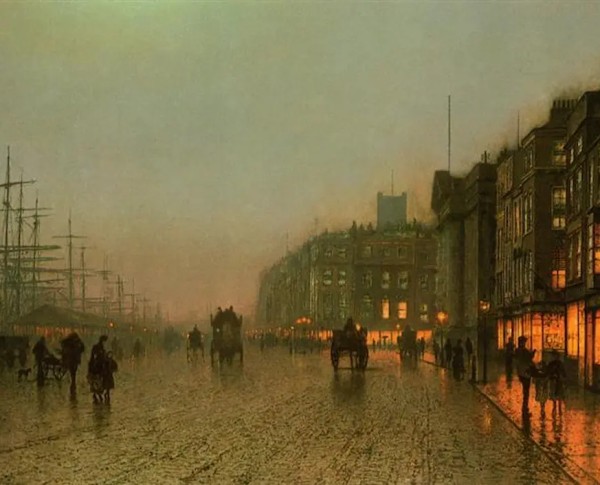
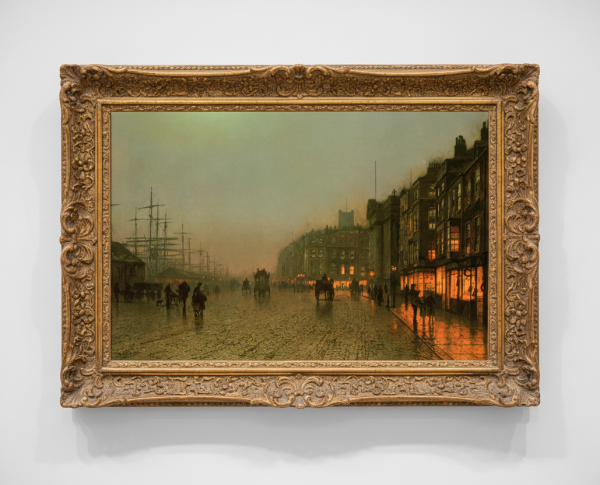
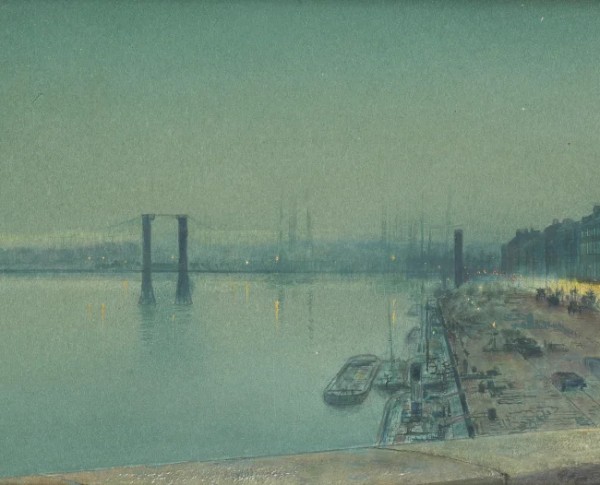
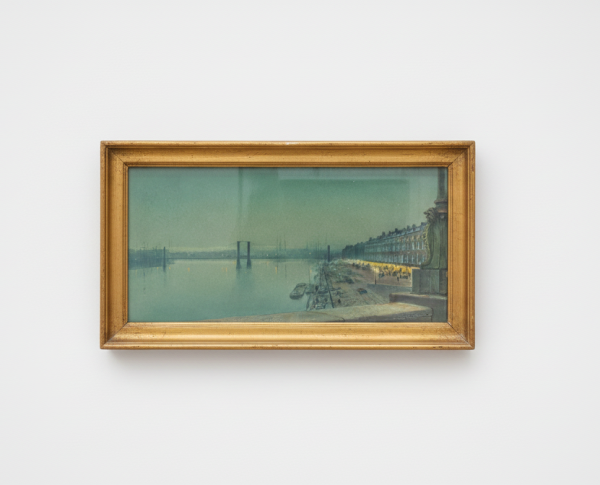
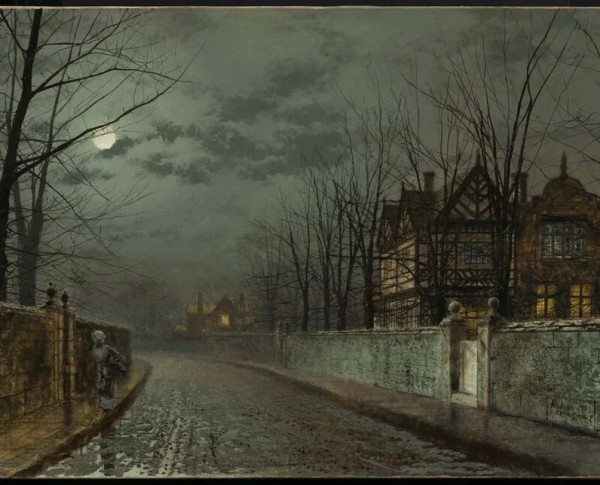
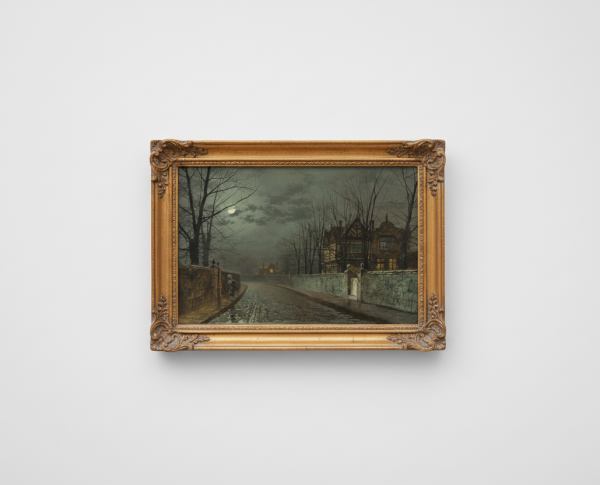
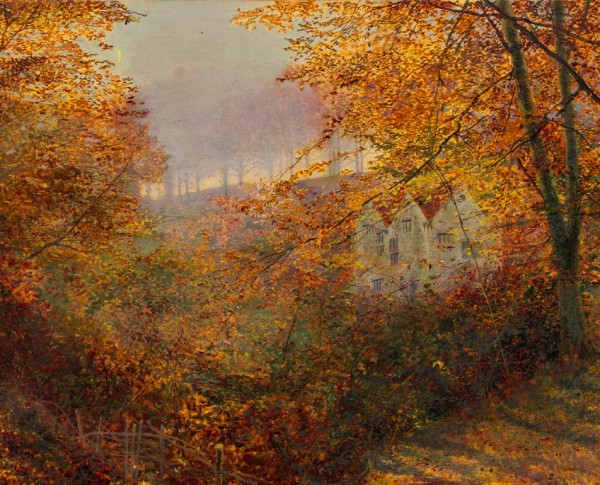
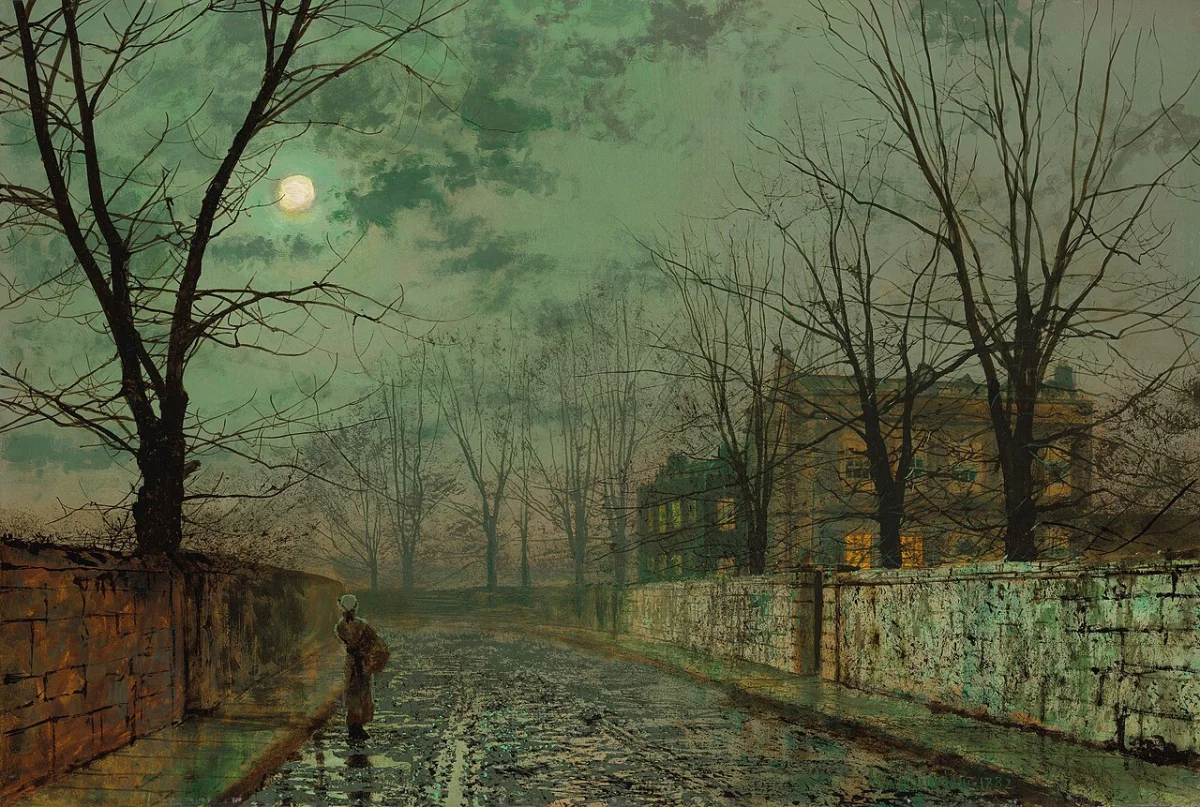
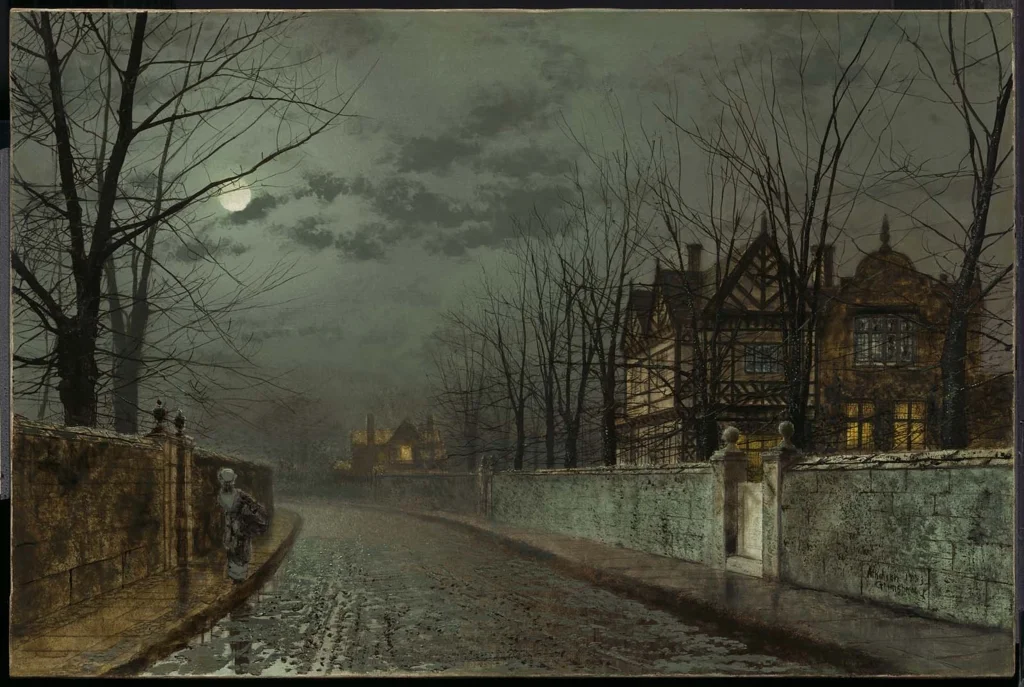
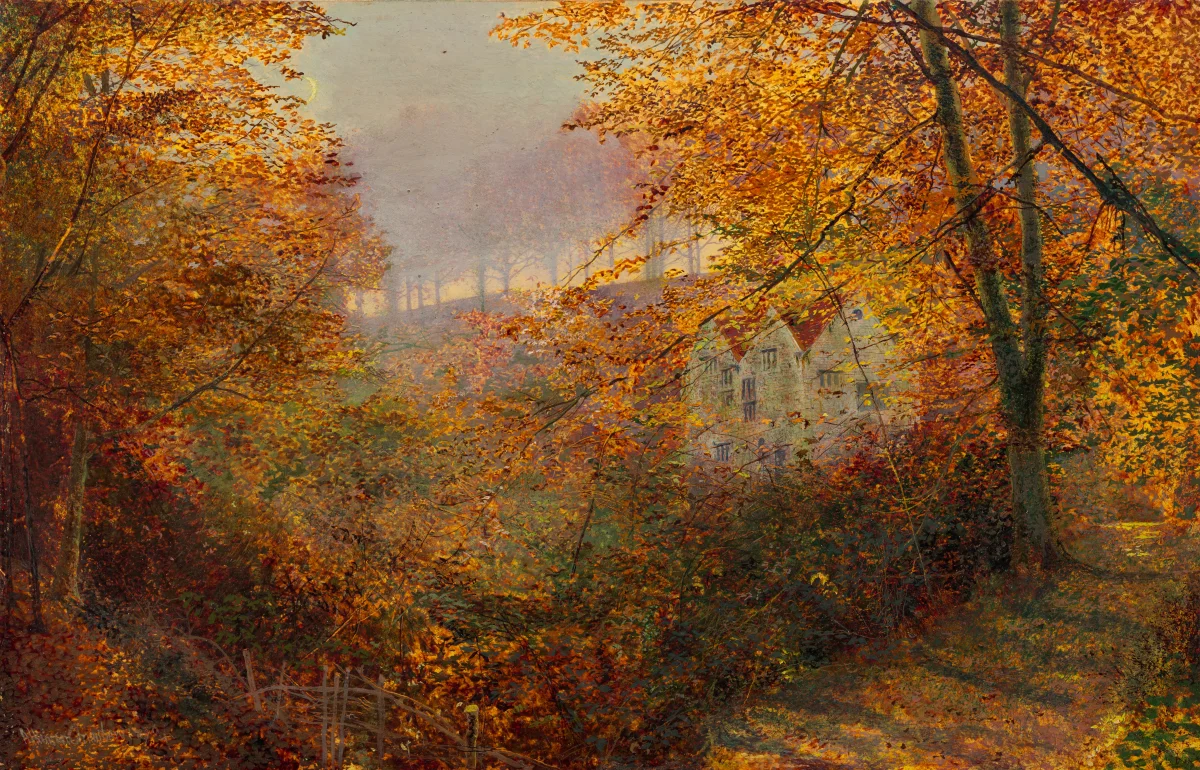
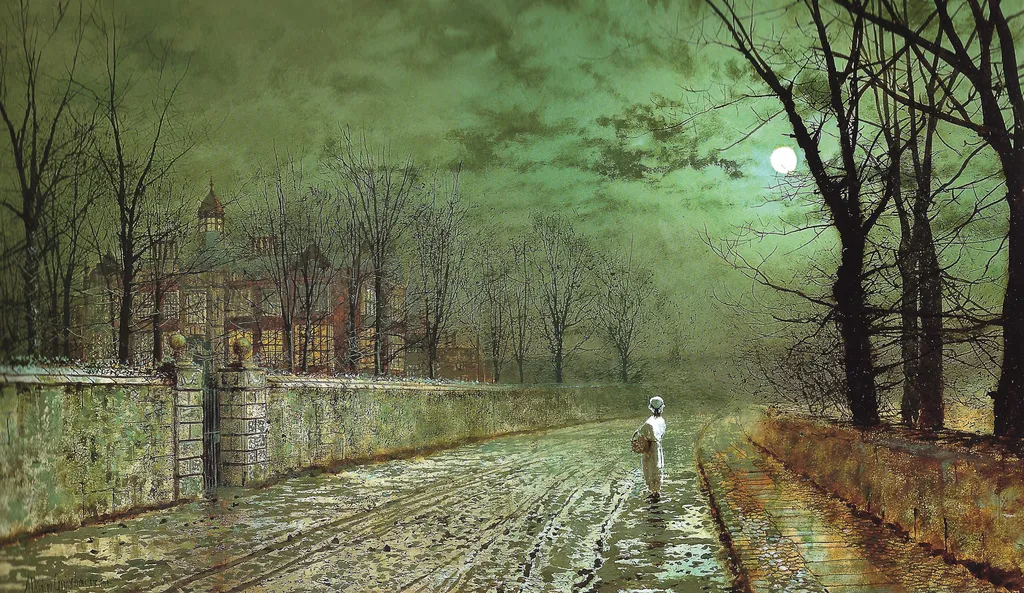
John Atkinson Grimshaw’s "Under the Silvery Moonbeams" showcases his extraordinary skill with oil on canvas. Each brushstroke reveals his dedication to capturing the subtle interplay of moonlight and shadow, a signature trait of the Aestheticism movement. The painting’s luminous quality is comparable to his other works, such as "Bowder Stone, Borrowdale" and "A House in a Clearing." These exquisite details make Grimshaw’s creations highly sought after among collectors of nineteenth-century British art.
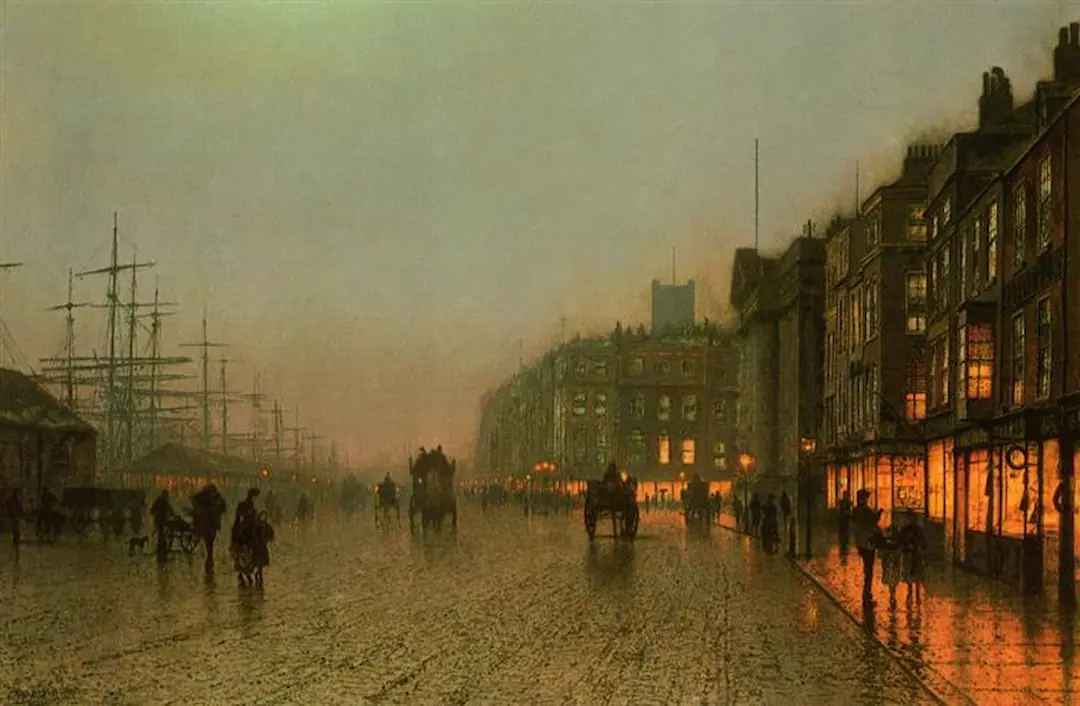
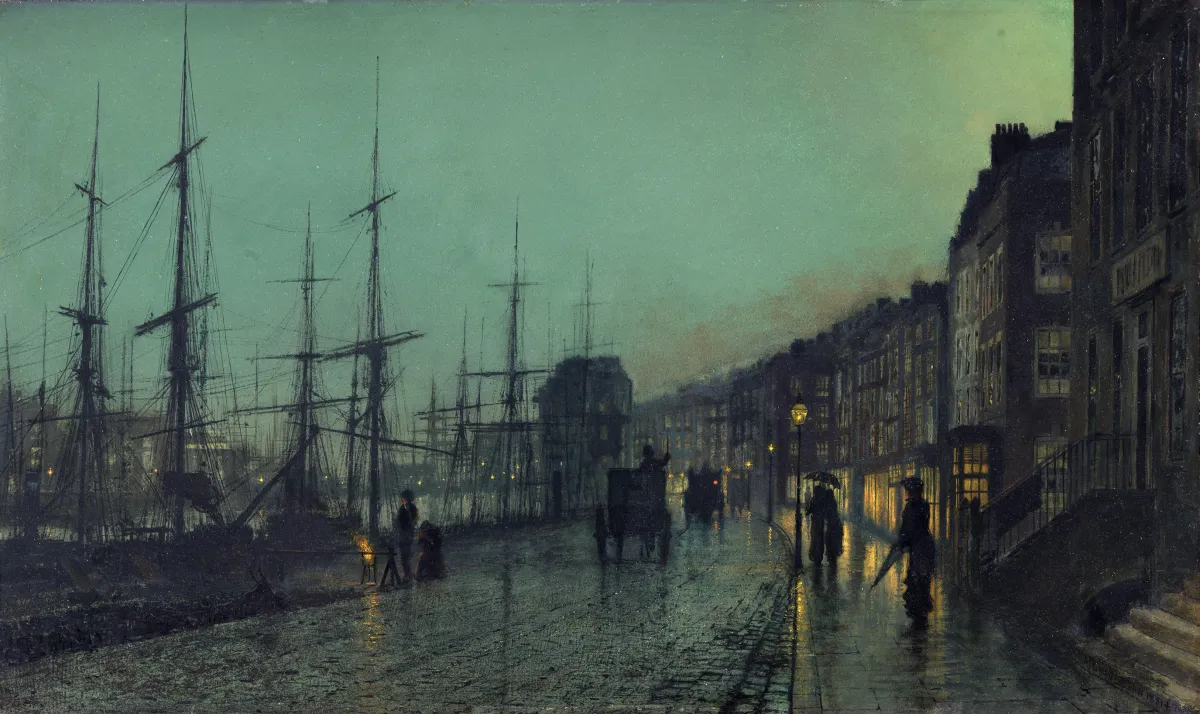
In "Under the Silvery Moonbeams," Grimshaw weaves stories through moonlit landscapes, inviting viewers to interpret the silent poetry of the night. The hand-painted oil painting is rich with symbolism, reflecting themes of solitude and serenity. As seen in related works like "Glasgow Docks" and "Whitby," Grimshaw’s art often explores the interplay between nature and urban life. Such narrative depth ensures these pieces hold a special place in collections of fine art painting for sale.
For collectors, owning "Under the Silvery Moonbeams" is an opportunity to possess a piece of art history. This oil on canvas stands alongside other coveted Grimshaw works, including "A Moonlit Evening" and "Evening Glow." As a fine art painting for sale, it embodies the ideals of the Aestheticism movement—beauty, harmony, and emotional resonance. Grimshaw’s meticulous technique and evocative subject matter make his paintings enduring treasures for art lovers worldwide.
When Art Meets History
John Atkinson Grimshaw’s “Under the Silvery Moonbeams” is a remarkable example of the Aestheticism movement, an era that celebrated beauty and artistic expression above all. This hand-painted oil painting transports viewers to the tranquil streets and moonlit landscapes Grimshaw so masterfully depicted. Comparable works like “Richard, Duke of Gloucester, and the Lady Anne” and “Seascape with Sailing Boat” highlight the historical and artistic significance of Grimshaw’s contributions to the fine art world.
Techniques That Speak
Grimshaw’s mastery in oil on canvas is evident in “Under the Silvery Moonbeams.” His delicate layering of glazes and attention to atmospheric detail create an ethereal glow reminiscent of “Figure study: an Angel” and “The Apparition.” Through the Aestheticism movement, Grimshaw pushed the boundaries of light and shadow, resulting in a luminous scene that feels both real and dreamlike. Each brushstroke in this oil on canvas piece demonstrates his technical prowess and innovative approach.
Emotions on Display
“Under the Silvery Moonbeams” evokes a serene, contemplative mood, inviting viewers to experience the quiet beauty of a moonlit night. Grimshaw’s ability to convey emotion through subtle shifts in light and color links this painting to other fine art works like “The Duke and Friar Thomas, from Measure for Measure, Act I, Scene iii.” Collectors and admirers of the Aestheticism movement are drawn to the emotive power present in every fine art painting for sale by Grimshaw.
Coveted by Collectors
Collectors worldwide seek out “Under the Silvery Moonbeams” for its exquisite craftsmanship and historical relevance. As a prime example of Aestheticism, this hand-painted oil painting stands alongside Grimshaw’s other celebrated works, including “Seascape with Sailing Boat” and “The Apparition.” Its unique blend of technical skill and emotional resonance makes it a highly desirable fine art painting for sale, appealing to those who appreciate both the artist’s legacy and the movement’s ideals.
Related Aestheticism Hand-Painted Oil Paintings by Other Artists
Other Famous Aestheticism Artists:
Frequently Asked Questions About Under the Silvery Moonbeams
What is the historical context of "Under the Silvery Moonbeams"?
"Under the Silvery Moonbeams" was created during the late 19th century, a period marked by the Victorian fascination with nature and the supernatural. John Atkinson Grimshaw was influenced by the Pre-Raphaelite movement and the burgeoning Symbolist movement, which sought to evoke emotional responses through imagery.
What artistic techniques did Grimshaw employ in this painting?
Grimshaw is renowned for his mastery of light and shadow, particularly in nocturnal scenes. In "Under the Silvery Moonbeams," he utilizes a unique glazing technique to create luminous effects, capturing the ethereal quality of moonlight and its reflection on water.
What themes are explored in "Under the Silvery Moonbeams"?
The painting explores themes of solitude, tranquility, and the passage of time. The serene landscape invites viewers to reflect on the beauty of nature and the quiet moments of introspection that night brings.
How does Grimshaw's use of color contribute to the painting's mood?
Grimshaw employs a palette dominated by cool blues and silvers, which enhances the dreamlike quality of the scene. The subtle contrasts and soft transitions between colors evoke a sense of calm and mystery, drawing the viewer into the nocturnal landscape.
What symbols are present in "Under the Silvery Moonbeams"?
The moon serves as a central symbol, representing illumination, guidance, and the passage between the conscious and subconscious. The tranquil water reflects the moonlight, symbolizing the interconnectedness of nature and the human experience.
In what way does this painting reflect Grimshaw's artistic philosophy?
Grimshaw believed in capturing the essence of a moment rather than merely depicting reality. "Under the Silvery Moonbeams" exemplifies this philosophy through its atmospheric quality and emotional resonance, inviting viewers to experience the beauty of a fleeting moment in time.
How does "Under the Silvery Moonbeams" compare to other works by Grimshaw?
This painting is characteristic of Grimshaw's nocturnal themes, similar to his other works that feature moonlit landscapes. However, "Under the Silvery Moonbeams" stands out for its intricate detailing and the serene interplay of light and shadow, showcasing his evolution as an artist.
What influence did "Under the Silvery Moonbeams" have on later artists?
The painting has influenced subsequent generations of artists who seek to capture the beauty of night scenes and the interplay of light. Grimshaw's techniques and themes can be seen echoed in the works of later Impressionists and Symbolists who explored similar motifs.
What is the significance of the landscape depicted in the painting?
The landscape in "Under the Silvery Moonbeams" reflects Grimshaw's love for the natural world and his ability to infuse it with emotional depth. The serene setting serves as a backdrop for contemplation, highlighting the beauty and tranquility found in nature.
How does the title "Under the Silvery Moonbeams" enhance the understanding of the artwork?
The title evokes a sense of wonder and enchantment, inviting viewers to immerse themselves in the scene. It emphasizes the central role of moonlight in the composition, suggesting themes of illumination and the ethereal quality of the night.























_GFM_Painting_(1).webp)


 100% Hand-Painted: Finished in 3-6 Weeks

.png)















_(1).webp)