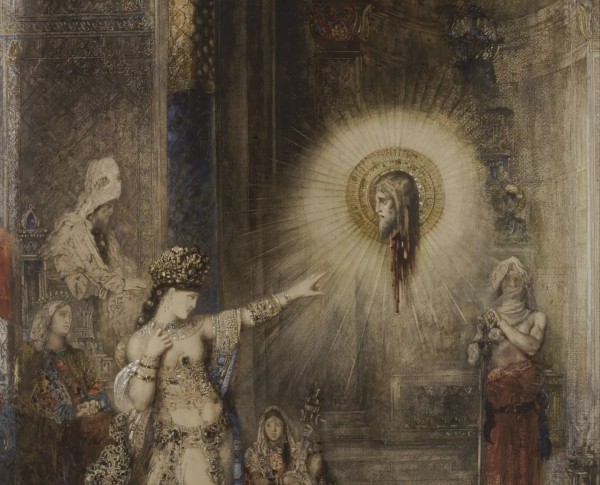
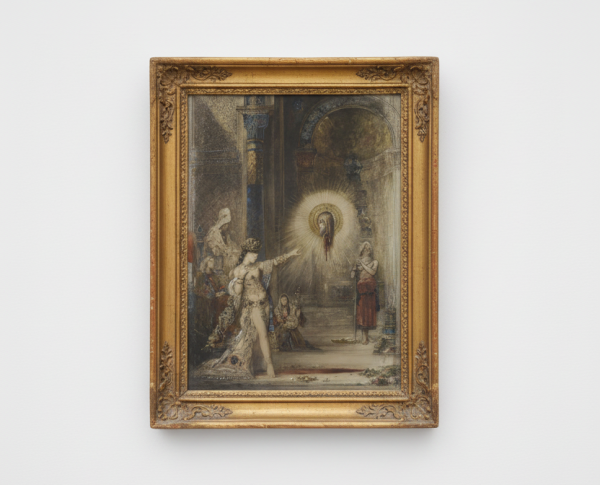
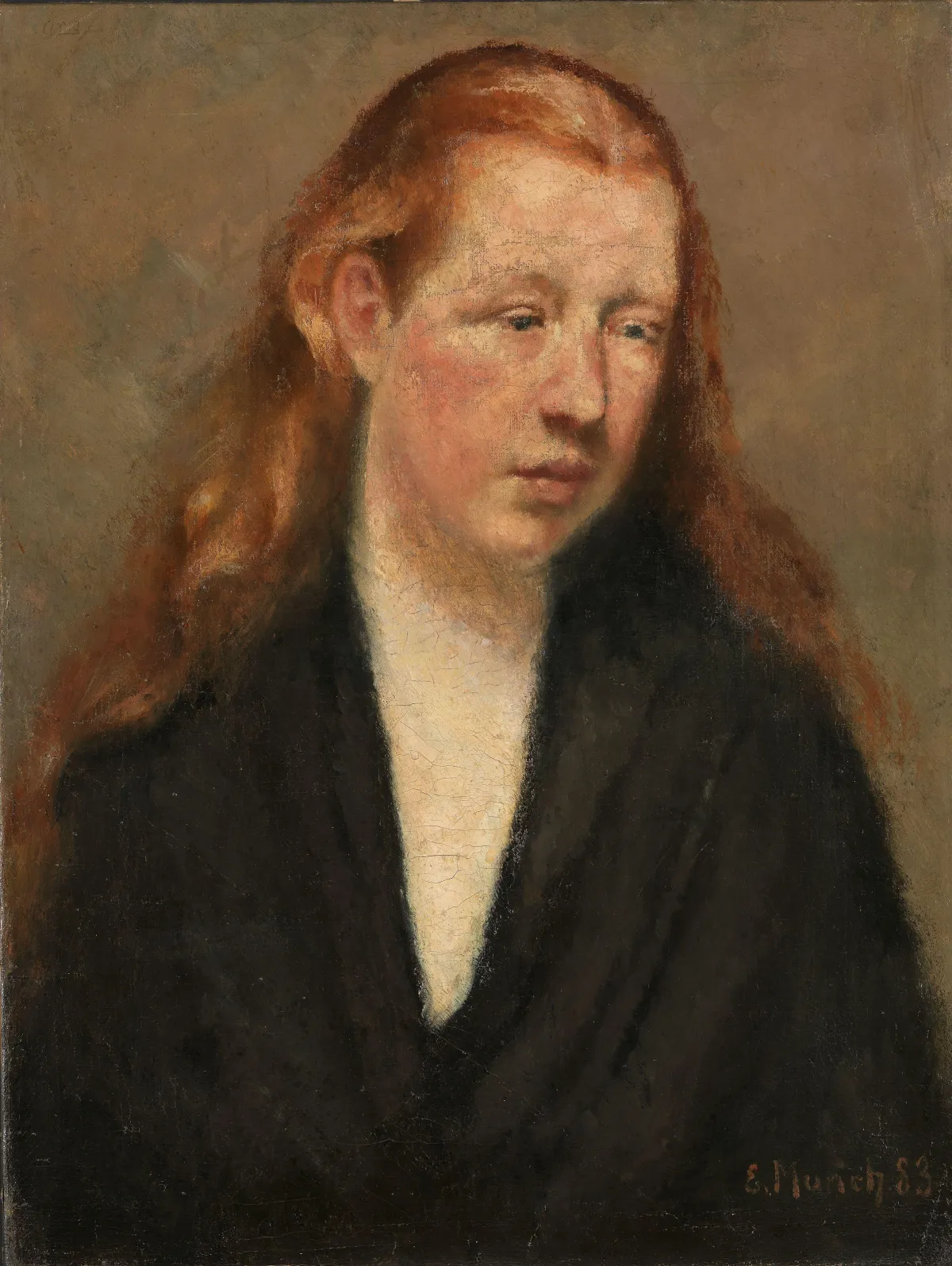
Edwin Austin Abbey’s "Figure study: an Angel" demonstrates his exceptional technique and command of oil on canvas. Each brushstroke reveals the artist’s meticulous attention to detail and his ability to convey ethereal beauty, hallmarks of the Aestheticism movement. Collectors and enthusiasts can appreciate similar masterpieces in Abbey’s oeuvre, including "Study of a head" and "Three women by the sea," which further showcase his mastery and dedication to elevating the visual arts through refined technique.
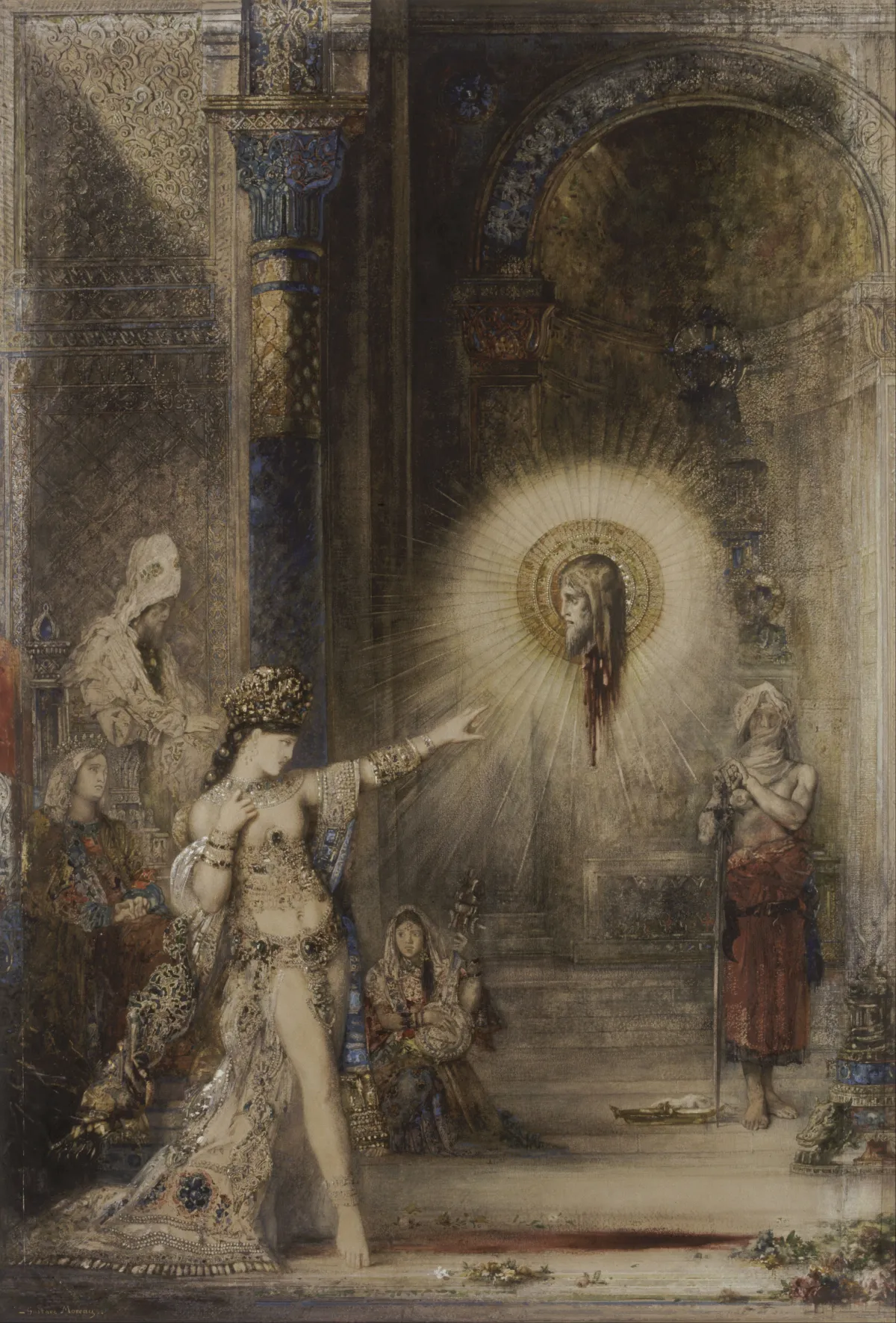
Within "Figure study: an Angel," Abbey weaves subtle narratives and symbols characteristic of the Aestheticism movement. The painting’s serene figure and delicate composition invite viewers to interpret its meaning, much like in "The Apparition" and "Study for Shakespeare," related fine art pieces. This fine art painting for sale not only decorates a space but also encourages contemplation of the spiritual and allegorical themes Abbey so skillfully embedded in his works.
For those seeking a distinguished addition to their collection, "Figure study: an Angel" by Edwin Austin Abbey is an exceptional choice. As a hand-painted oil painting, it embodies the grace and sophistication of the Aestheticism movement. Collectors may also be interested in related products such as "Sketch for mural decoration" and "Three women by the sea," which, together with Abbey’s angelic study, represent the pinnacle of fine art painting for sale from this celebrated artist.
When Art Meets History
"Figure study: an Angel" by Edwin Austin Abbey is a remarkable creation within the Aestheticism movement, a period known for its devotion to beauty and artistic expression. This hand-painted oil painting captures the timeless elegance and spiritual themes that defined Abbey’s work. Like his contemporaries, Abbey drew inspiration from both history and myth, much as seen in related paintings like "Quai de Paris, Rouen" and "Shipping on the Clyde," making this piece a true historical treasure.
Techniques That Speak
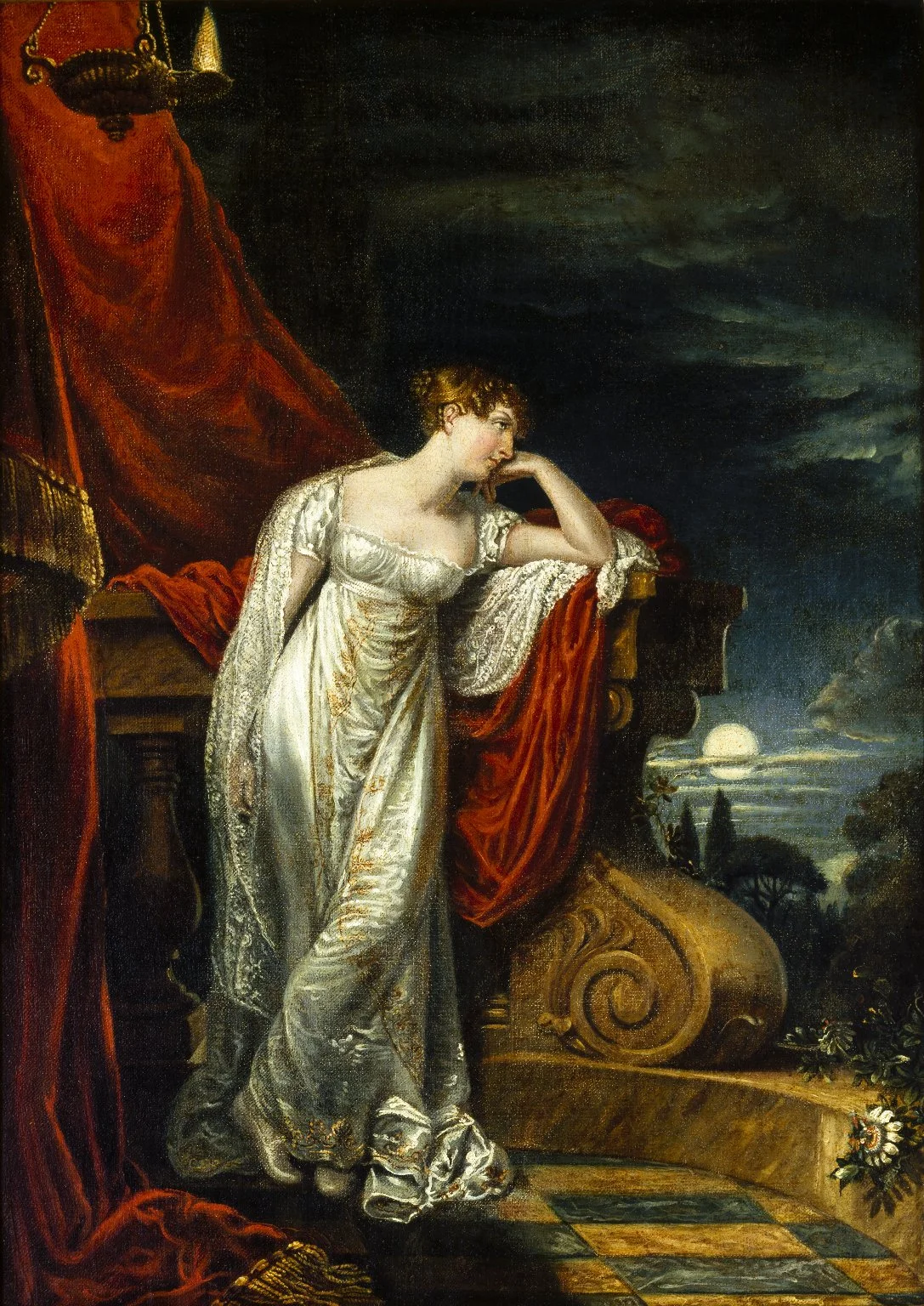
Edwin Austin Abbey’s mastery shines through in "Figure study: an Angel," utilizing the classic medium of oil on canvas. His refined brushwork and delicate layering techniques create ethereal textures that breathe life into the angelic figure. The artist’s approach aligns with other fine works such as "A House in a Clearing" and "A Moonlit Evening," all demonstrating the unique technical skill characteristic of the Aestheticism movement’s finest practitioners.
Emotions on Display
The emotive power of "Figure study: an Angel" is undeniable, as Abbey masterfully conveys a sense of serenity and reverence. This fine art painting for sale is more than just a visual delight; it invites viewers to contemplate themes of spirituality and innocence. Similar emotional undertones can be found in related paintings like "Liverpool from Wapping," offering a glimpse into Abbey’s ability to capture deep, universal feelings through his art.
Coveted by Collectors
Collectors and art enthusiasts greatly admire "Figure study: an Angel" for its historical significance and artistic beauty. As a hand-painted oil painting from the Aestheticism movement, it stands alongside notable works like "Quai de Paris, Rouen" and "A Moonlit Evening." The painting’s provenance and timeless appeal make it a sought-after fine art painting for sale, cherished by those who appreciate Edwin Austin Abbey’s enduring legacy.
Related Aestheticism Hand-Painted Oil Paintings by Other Artists
Other Famous Aestheticism Artists:
Frequently Asked Questions About Figure study: an Angel
What is the historical context of "Figure study: an Angel"?
"Figure study: an Angel" was created during the late 19th century, a period marked by a revival of interest in classical themes and techniques in art. Edwin Austin Abbey was influenced by the Pre-Raphaelite movement, which sought to return to the detail, intense colors, and complex compositions of art before the High Renaissance.
What artistic techniques did Edwin Austin Abbey employ in this painting?
Abbey utilized a combination of watercolor and ink to create "Figure study: an Angel." His technique is characterized by delicate brushwork, intricate line detailing, and a harmonious color palette that enhances the ethereal quality of the angelic figure.
What is the significance of the angelic figure in this artwork?
The angelic figure in "Figure study: an Angel" symbolizes purity, guidance, and the divine. Angels have historically represented a connection between the earthly and the celestial, embodying hope and protection, which resonates with viewers on both emotional and spiritual levels.
How does "Figure study: an Angel" reflect Abbey's artistic philosophy?
Abbey believed in the power of art to convey deeper meanings and emotions. This painting exemplifies his philosophy by merging technical skill with a profound exploration of spiritual themes, inviting viewers to reflect on the nature of beauty and divinity.
In what ways does this painting connect to the broader themes of the Pre-Raphaelite movement?
"Figure study: an Angel" connects to the Pre-Raphaelite movement through its emphasis on detailed realism, vibrant color, and a focus on subjects drawn from literature and mythology. Abbey's work embodies the movement's ideals of merging beauty with moral and spiritual narratives.
What materials were used in the creation of "Figure study: an Angel"?
The painting was created using watercolor and ink on paper, a medium that allows for both precision and fluidity, enabling Abbey to achieve the delicate textures and luminous effects characteristic of his style.
What influence did Edwin Austin Abbey have on later artists?
Abbey's innovative use of watercolor and his thematic focus on literary and mythological subjects influenced a generation of artists who sought to explore similar narratives. His work paved the way for the acceptance of watercolor as a serious medium in fine art.
What are the notable features of the angel depicted in this painting?
The angel in "Figure study: an Angel" is characterized by flowing robes, intricate wings, and a serene expression, all of which contribute to the overall sense of grace and tranquility. The attention to detail in the angel's attire and features reflects Abbey's commitment to realism.
How does the composition of the painting enhance its thematic elements?
The composition of "Figure study: an Angel" is thoughtfully arranged to draw the viewer's eye towards the angel, creating a focal point that emphasizes its significance. The use of light and shadow further enhances the ethereal quality, reinforcing the themes of divinity and transcendence.
What role does color play in "Figure study: an Angel"?
Color plays a crucial role in "Figure study: an Angel," as Abbey employs a soft, harmonious palette that evokes a sense of calm and spirituality. The use of light pastels contrasts with deeper shades, creating depth and dimension while enhancing the angel's otherworldly presence.






















_GFM_Painting_(1).webp)



 100% Hand-Painted: Finished in 3-6 Weeks


.png)















_(1).webp)