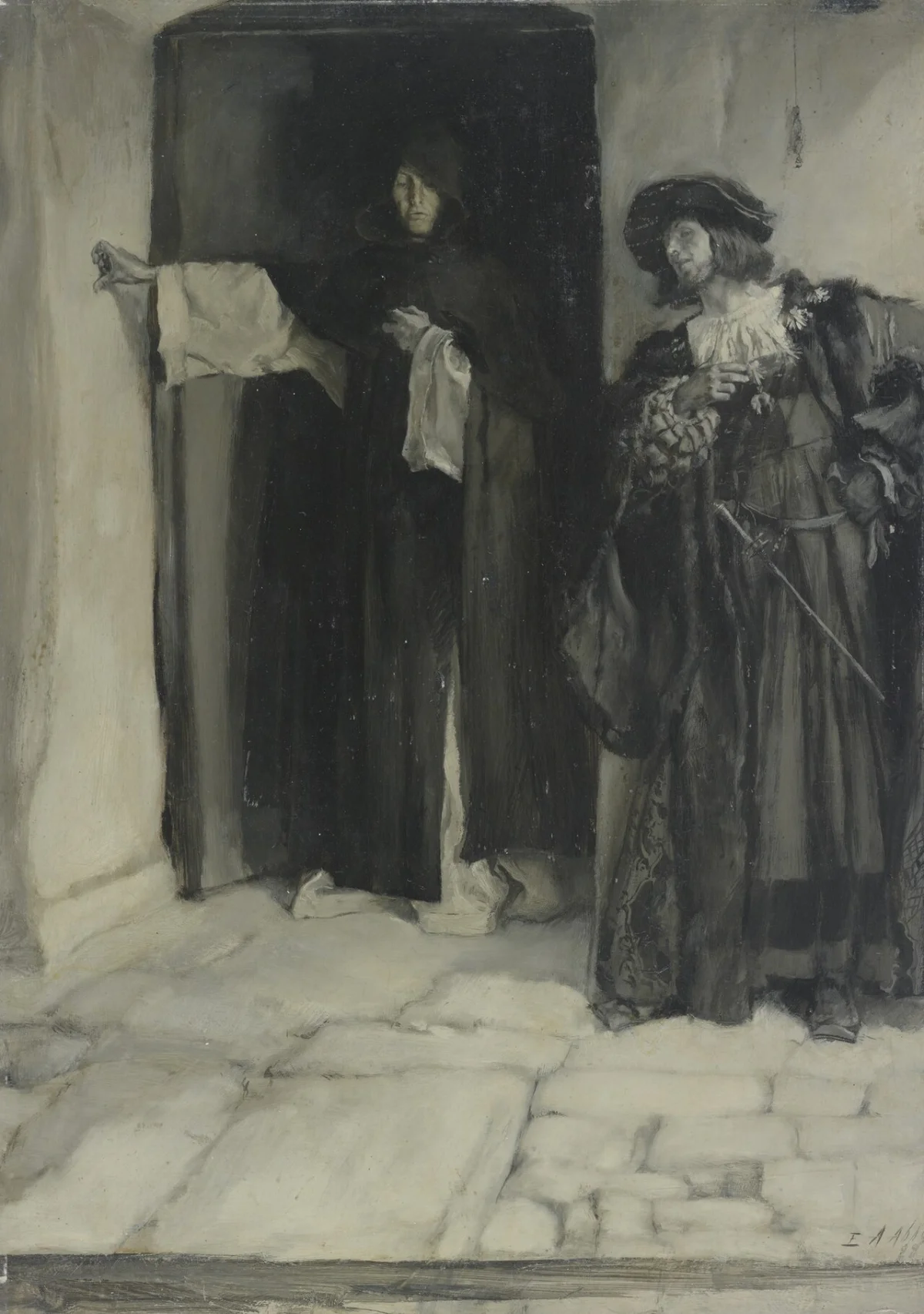
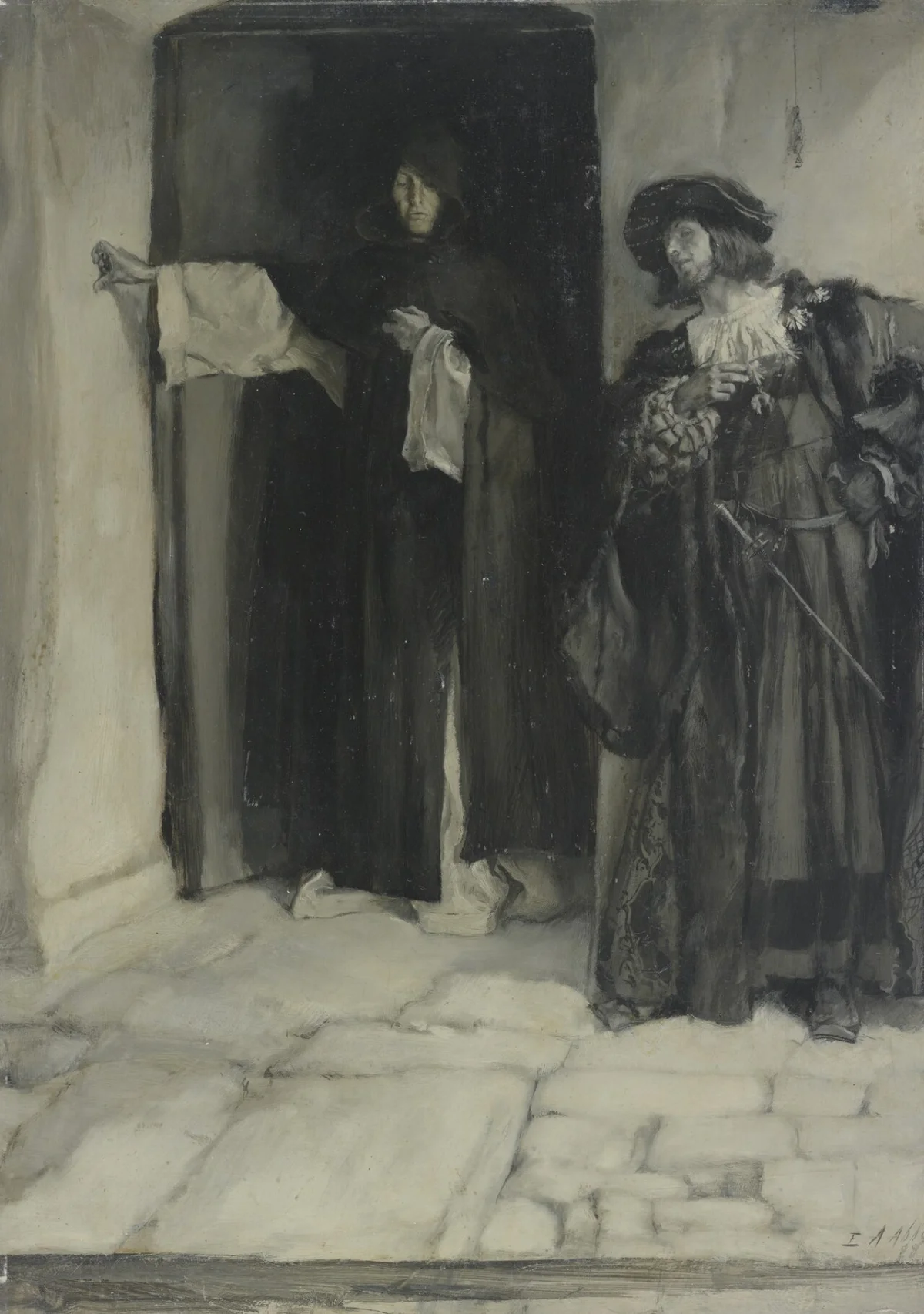
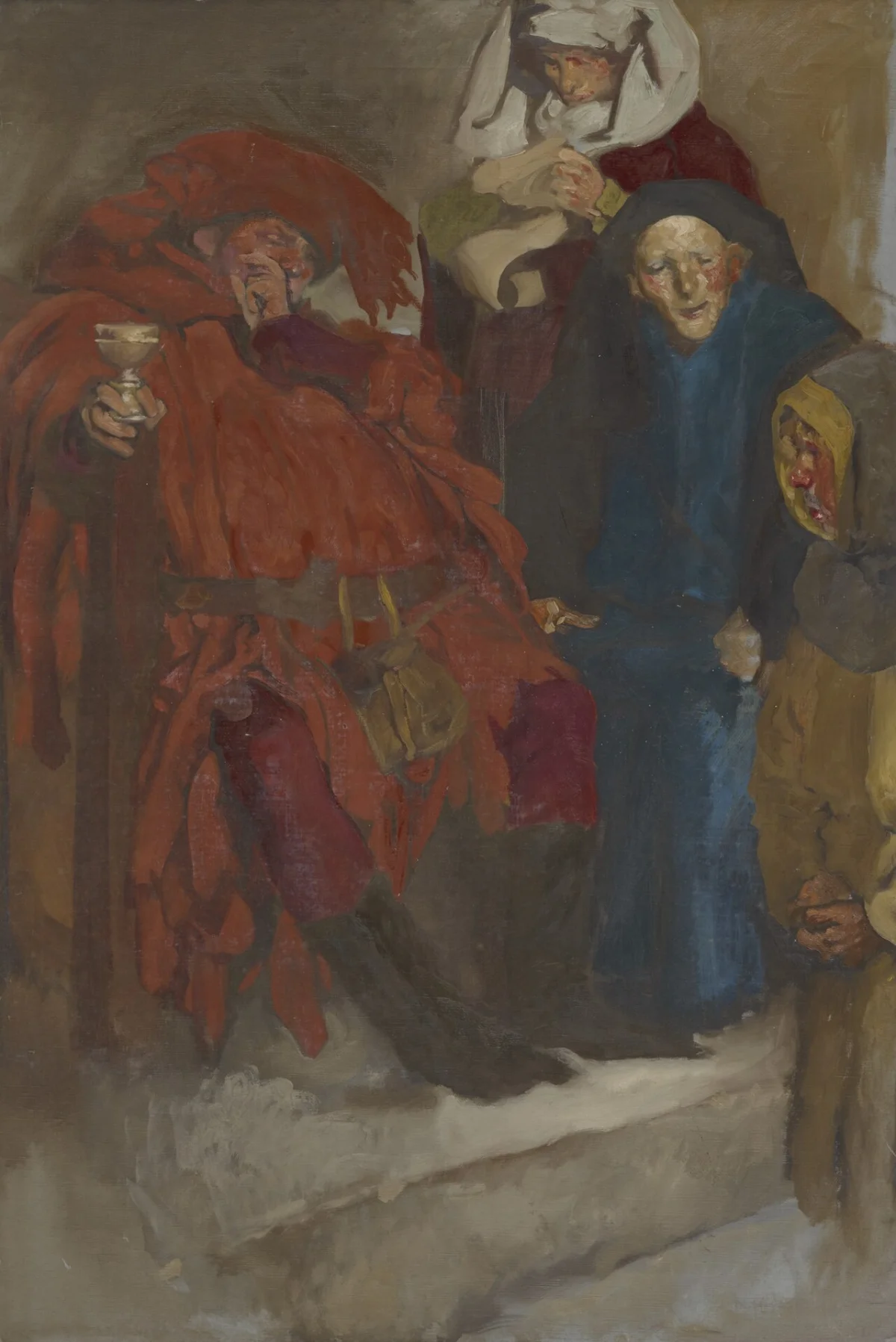
"The Duke and Friar Thomas, from Measure for Measure, Act I, Scene iii" epitomizes Edwin Austin Abbey's skill within the Aestheticism movement. This hand-painted oil painting masterfully captures the nuanced relationship between Shakespearean characters, reflecting Abbey's dedication to literary themes. As a celebrated artist, Abbey's works, including related products like "Sketch, Three women by the sea" and "Study for Falstaff," continue to inspire collectors and lovers of classic fine art, making his legacy enduring and far-reaching.
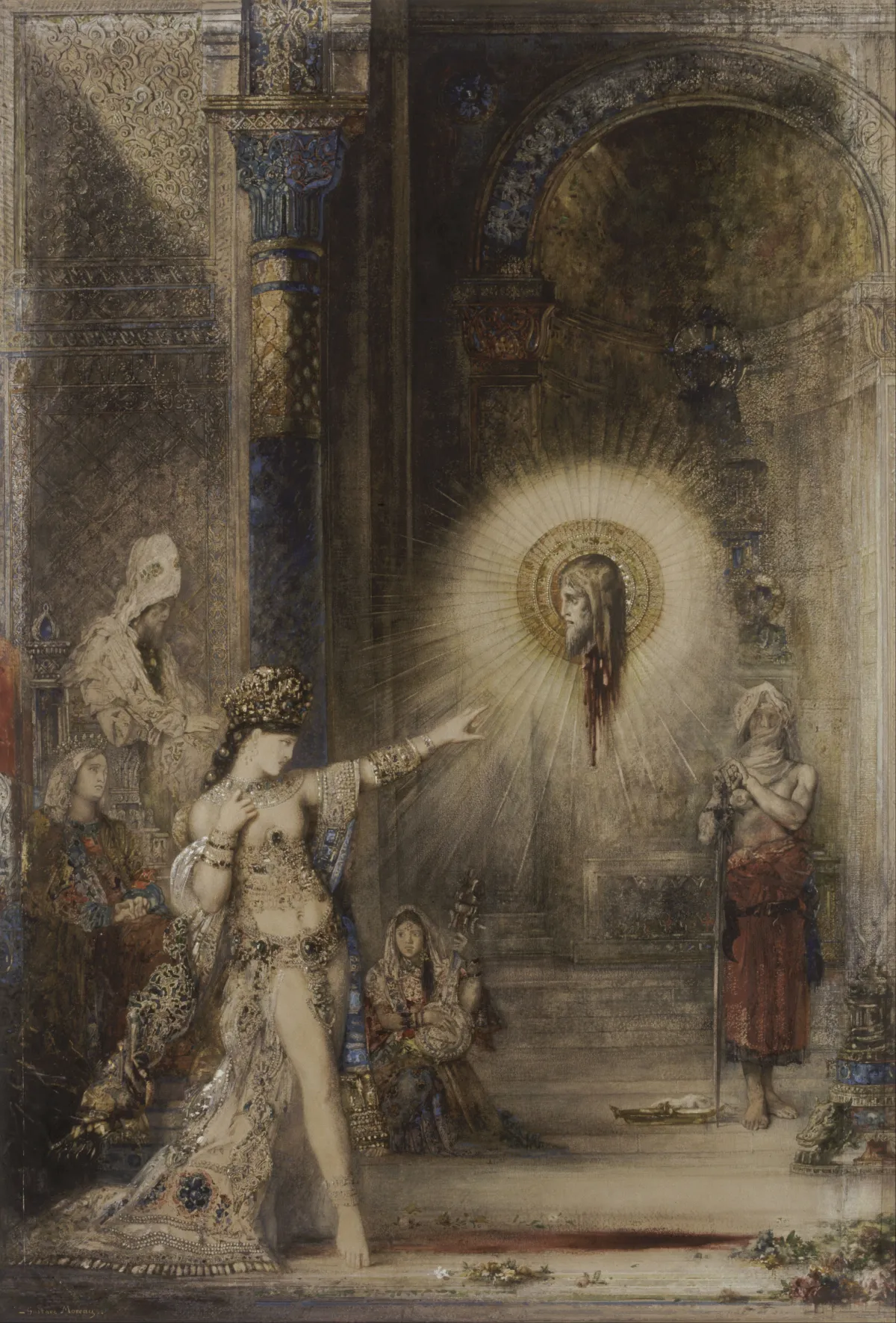
Edwin Austin Abbey’s "The Duke and Friar Thomas, from Measure for Measure, Act I, Scene iii" stands as a testament to his extraordinary technique in oil on canvas. Each brushstroke reveals the artist’s meticulous attention to period detail and emotional depth, hallmarks of the Aestheticism movement. Abbey’s approach can be further explored in related works such as "The Apparition" and "Study: Head of a woman for Sir Galahad," showcasing his versatility and refined sense of composition.
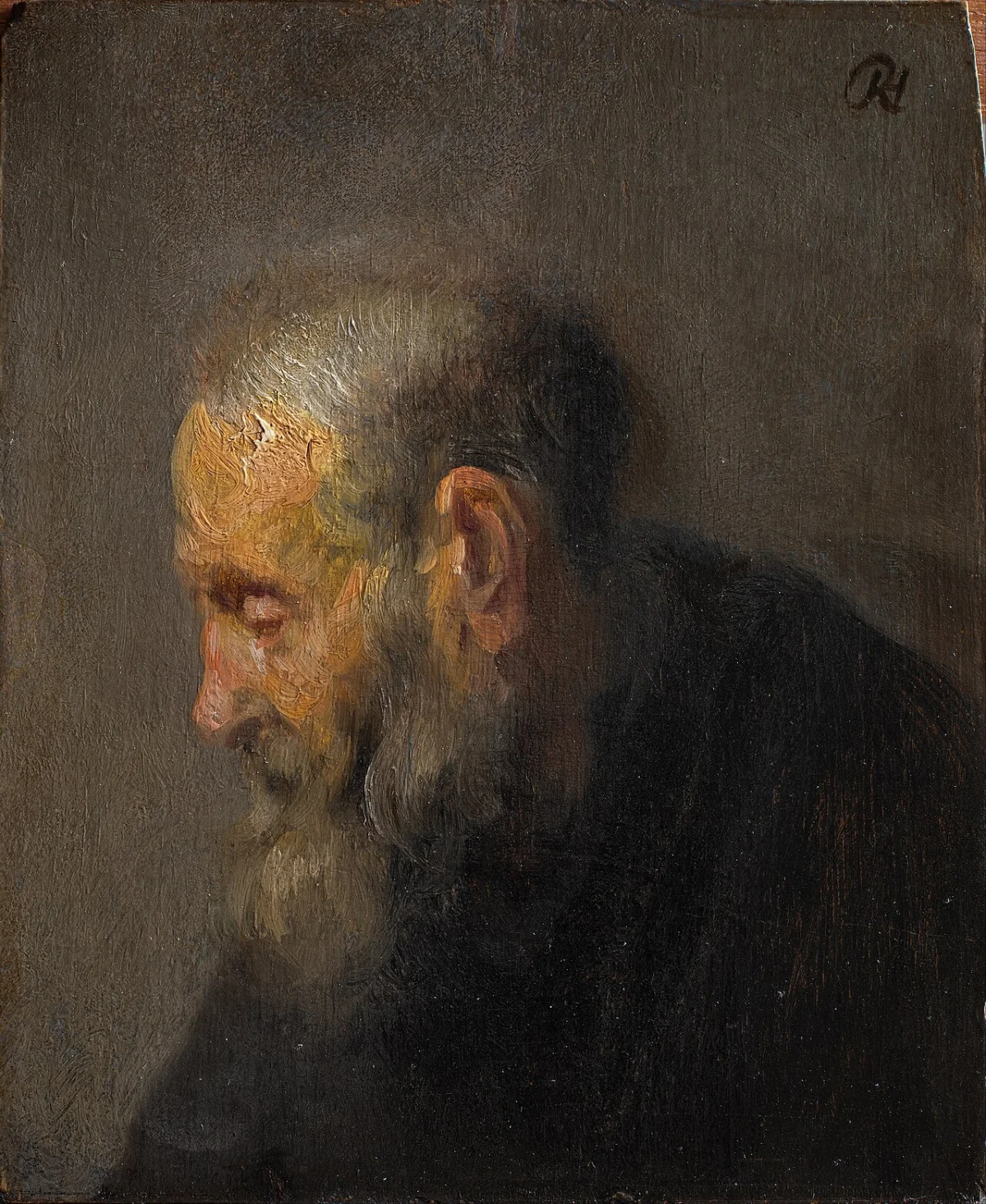
This fine art painting for sale is rich in narrative and symbolism, as Abbey draws from Shakespeare’s play to weave a visual story with layered meanings. "The Duke and Friar Thomas" explores themes of authority and morality, inviting viewers to interpret the silent dialogue between the figures. Collectors may also appreciate Abbey’s symbolic storytelling in pieces like "Man’s Head in Profile" and "Sketch for mural decoration," which echo his profound engagement with character and allegory.
For enthusiasts seeking a hand-painted oil painting that embodies both literary heritage and artistic mastery, Abbey’s "The Duke and Friar Thomas, from Measure for Measure, Act I, Scene iii" is a true collector’s treasure. As part of the Aestheticism movement, this work—and related products such as "Study for Falstaff" and "Sketch, Three women by the sea"—offers timeless appeal. Investing in Abbey’s art ensures a lasting connection to both historical narrative and exquisite craftsmanship.
When Art Meets History
"The Duke and Friar Thomas, from Measure for Measure, Act I, Scene iii" by Edwin Austin Abbey is a remarkable hand-painted oil painting that bridges literature and visual art. Rooted in the Aestheticism movement, this work draws its narrative from Shakespeare’s celebrated play. Abbey’s interpretation brings the historical and dramatic moments to life, much like his related paintings such as "A House in a Clearing" and "Quai de Paris," which also capture poignant scenes with intricate detail.
Techniques That Speak
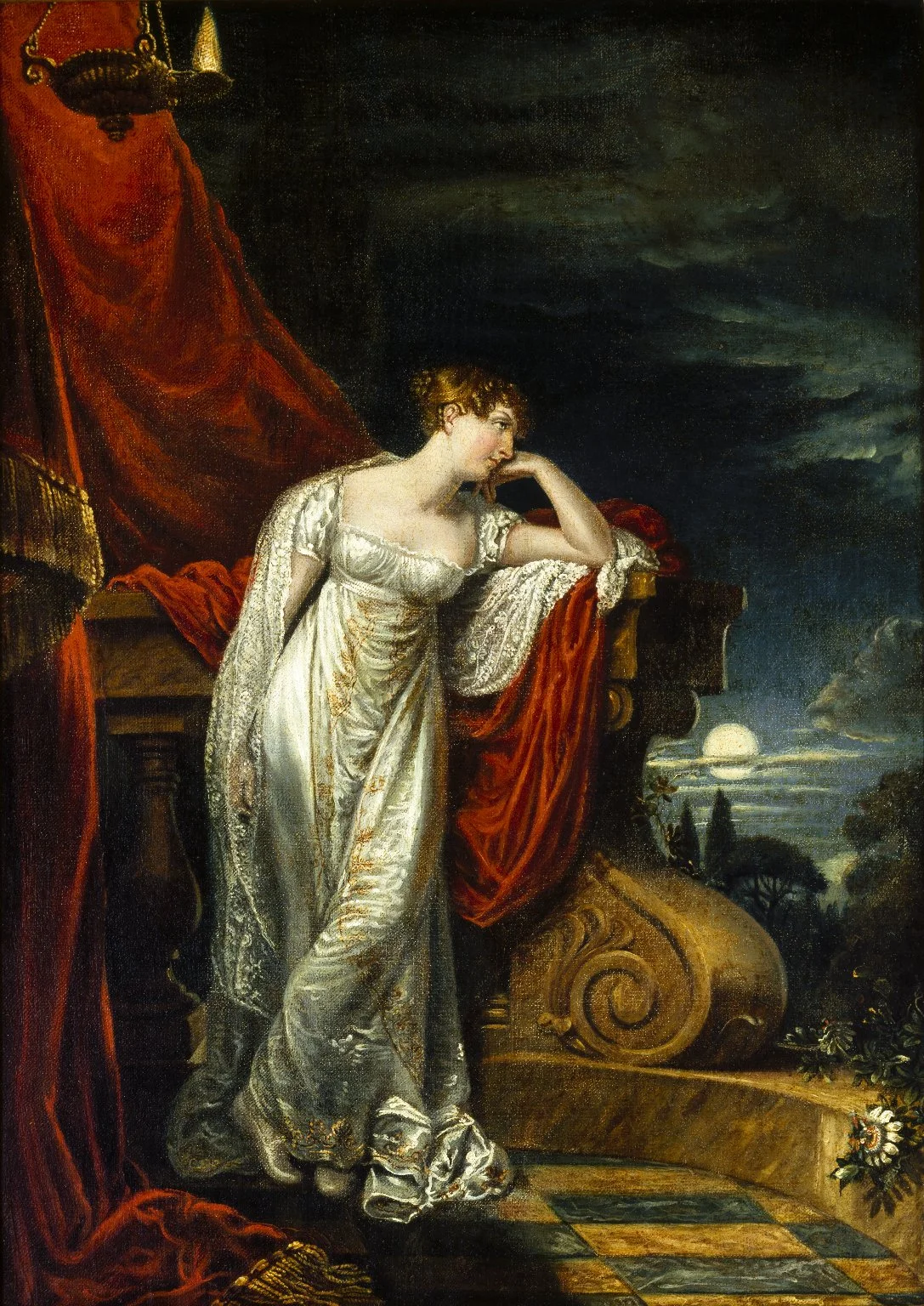
Edwin Austin Abbey’s mastery in oil on canvas is evident in every brushstroke of this painting. His impeccable technique, a hallmark of the Aestheticism movement, is characterized by delicate layers and nuanced color palettes. The composition’s depth and texture are reminiscent of Abbey’s other works, including "Liverpool from Wapping" and "A Moonlit Evening." His attention to atmospheric effects and subtle details makes each oil on canvas piece a testament to his technical prowess and artistic vision.
Emotions on Display
Abbey’s "The Duke and Friar Thomas" conveys a depth of emotion rarely seen in fine art painting for sale today. The artist masterfully captures the tension and introspection between the two characters, reflecting the psychological complexity found in Shakespeare’s narrative. This emotional resonance connects the viewer to related works like "Shipping on the Clyde," where mood and storytelling are equally paramount. Abbey’s emotional insight is a defining element of his contributions to the Aestheticism movement.
Coveted by Collectors
As a fine example of a hand-painted oil painting from the Aestheticism era, this work by Edwin Austin Abbey remains highly sought after by collectors. Its historical context and artistic finesse place it alongside other desirable pieces such as "A House in a Clearing" and "Quai de Paris." The painting’s provenance and association with a master artist make it a fine art painting for sale that stands out in any collection, appealing to connoisseurs of both art and literature.
Related Aestheticism Hand-Painted Oil Paintings by Other Artists
Other Famous Aestheticism Artists:
Frequently Asked Questions About The Duke and Friar Thomas, from Measure for Measure, Act I, Scene iii
What is the historical context of "The Duke and Friar Thomas" painting?
This painting is inspired by William Shakespeare's play "Measure for Measure," which was written in the early 17th century. The play addresses themes of justice, morality, and the complexities of human nature, reflecting the societal issues of Shakespeare's time.
Who was Edwin Austin Abbey and what is his significance in art history?
Edwin Austin Abbey was an American painter and illustrator known for his works that often depicted scenes from literature, particularly Shakespearean plays. His contributions to the arts during the late 19th and early 20th centuries helped bridge the gap between illustration and fine art.
What artistic techniques did Abbey employ in this painting?
Abbey utilized a combination of realism and romanticism in this painting, employing detailed character expressions and rich color palettes to evoke emotional depth. His use of light and shadow enhances the dramatic tension between the characters.
What are the main themes depicted in the painting?
The painting explores themes of authority, morality, and redemption, as represented by the Duke and Friar Thomas. Their dialogue reflects the moral dilemmas faced by individuals in positions of power and the quest for justice.
How does Abbey's interpretation of the characters differ from other artists?
Abbey's interpretation of the Duke and Friar Thomas is marked by a focus on psychological complexity, portraying them as deeply contemplative figures. This contrasts with other artists who may emphasize more overt action or dramatic flair in their depictions.
What symbolism is present in the painting?
The Duke symbolizes authority and moral ambiguity, while Friar Thomas represents wisdom and counsel. Their interaction symbolizes the struggle between power and virtue, highlighting the play's exploration of ethical dilemmas.
In what ways does this painting reflect the values of the Victorian era?
The painting reflects Victorian values through its emphasis on morality, social responsibility, and the importance of personal integrity. Abbey's choice to depict a Shakespearean theme resonates with the era's fascination with literature and moral storytelling.
What is the significance of the setting in the painting?
The setting, likely inspired by the play's Vienna backdrop, serves to contextualize the characters' dialogue and moral quandaries. It creates an atmosphere that enhances the themes of governance and societal order present in the narrative.
How does this painting contribute to our understanding of Shakespeare's work?
This painting offers a visual interpretation of Shakespeare's exploration of complex themes, allowing viewers to engage with the text in a new way. Abbey's artistic choices illuminate the emotional and ethical dimensions of the characters' interactions.
Where can I view "The Duke and Friar Thomas" painting?
The painting is part of the permanent collection at the [Gallery Name]. Visitors are encouraged to view it in person to fully appreciate Abbey's intricate details and the emotional resonance of the scene.






















_GFM_Painting_(1).webp)


 100% Hand-Painted: Finished in 3-6 Weeks

.png)















_(1).webp)