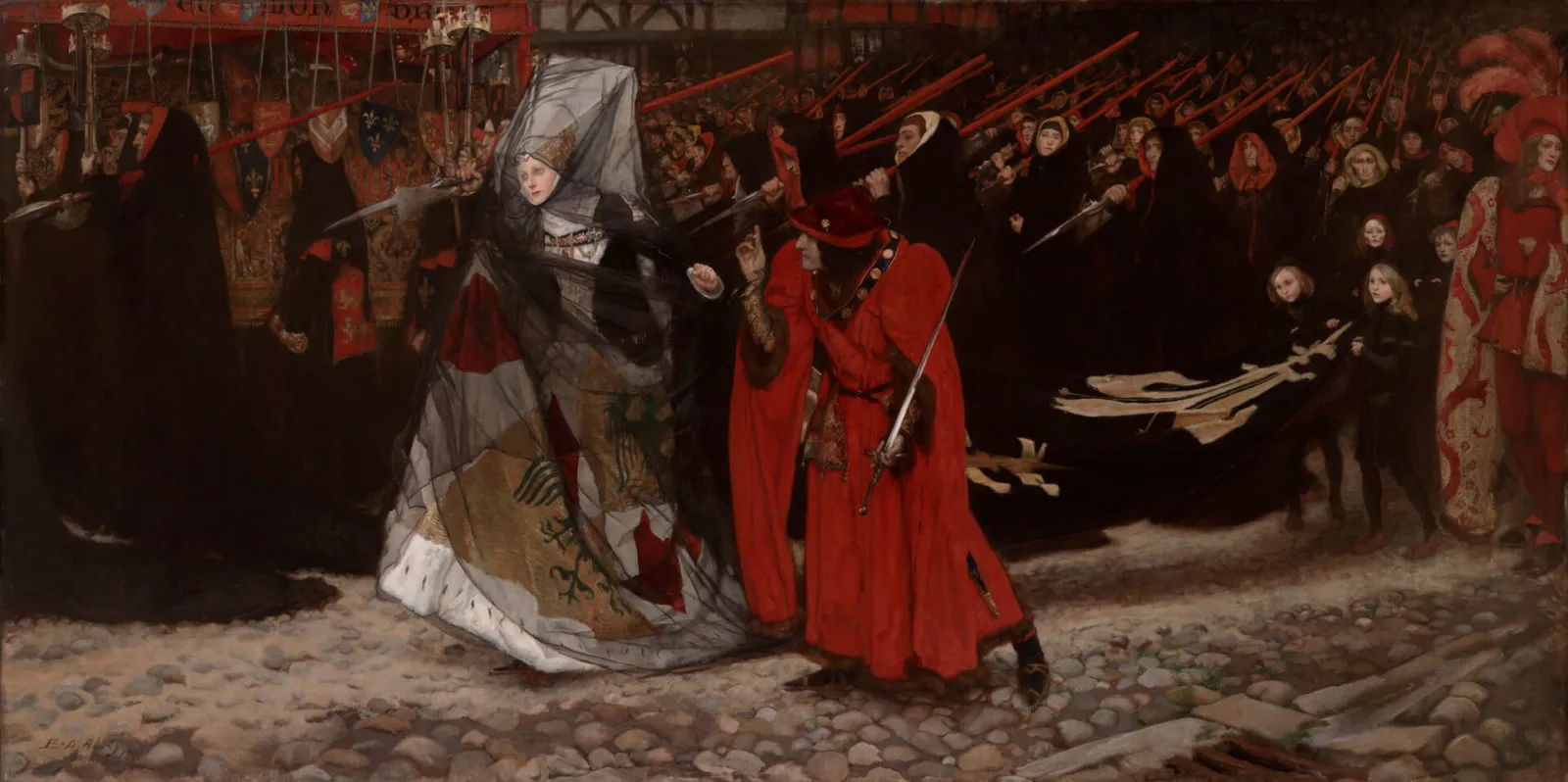
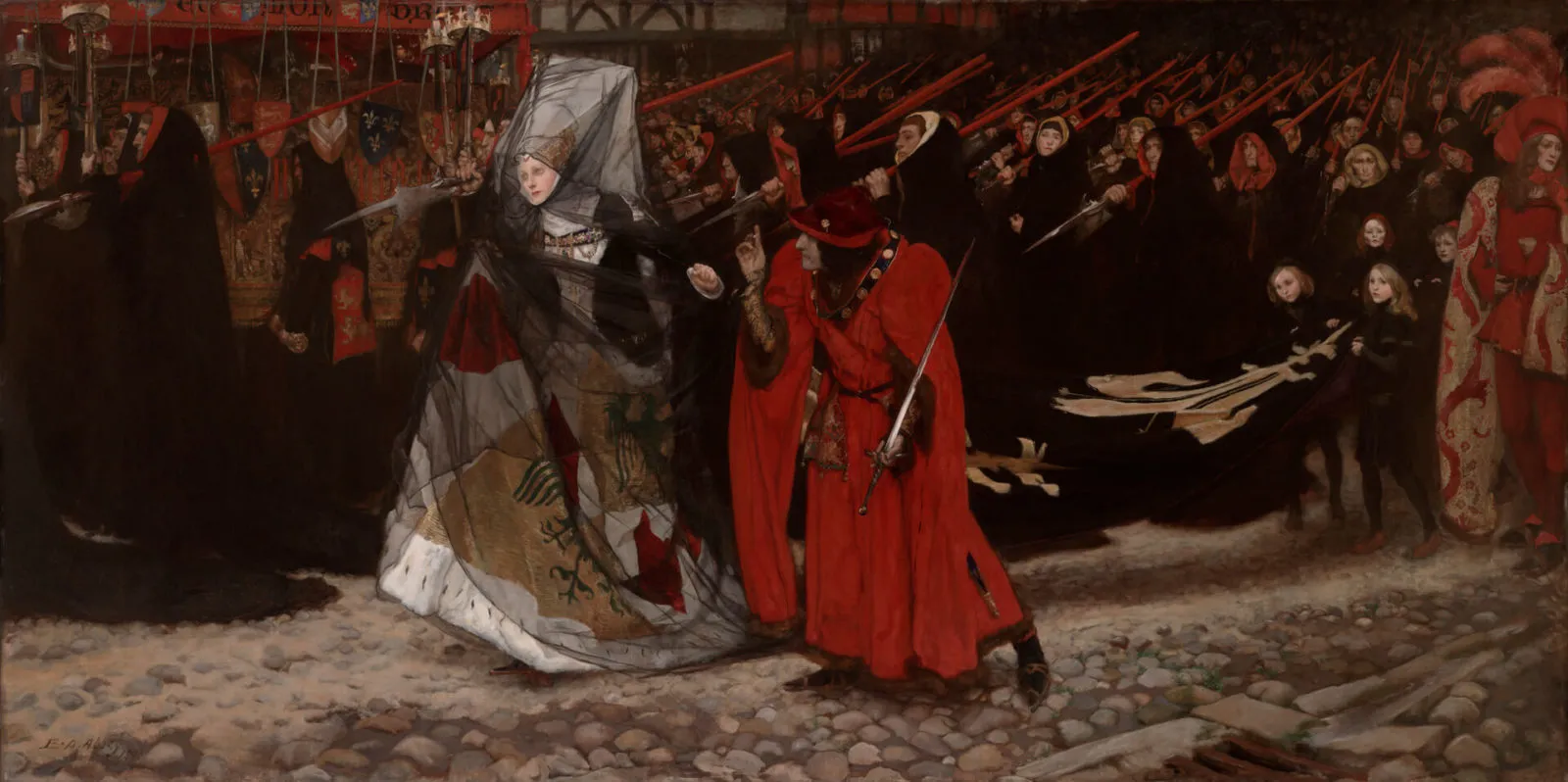
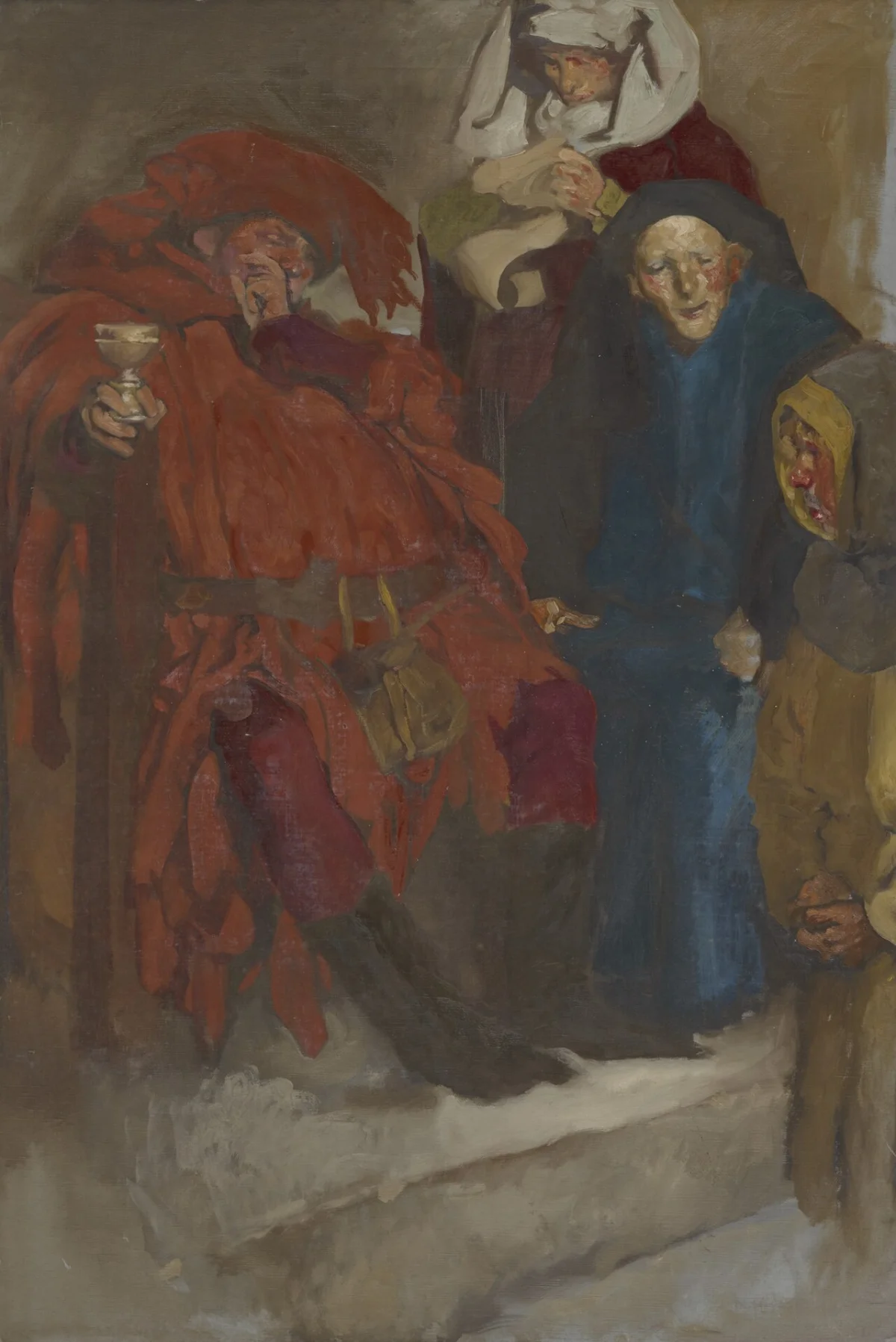
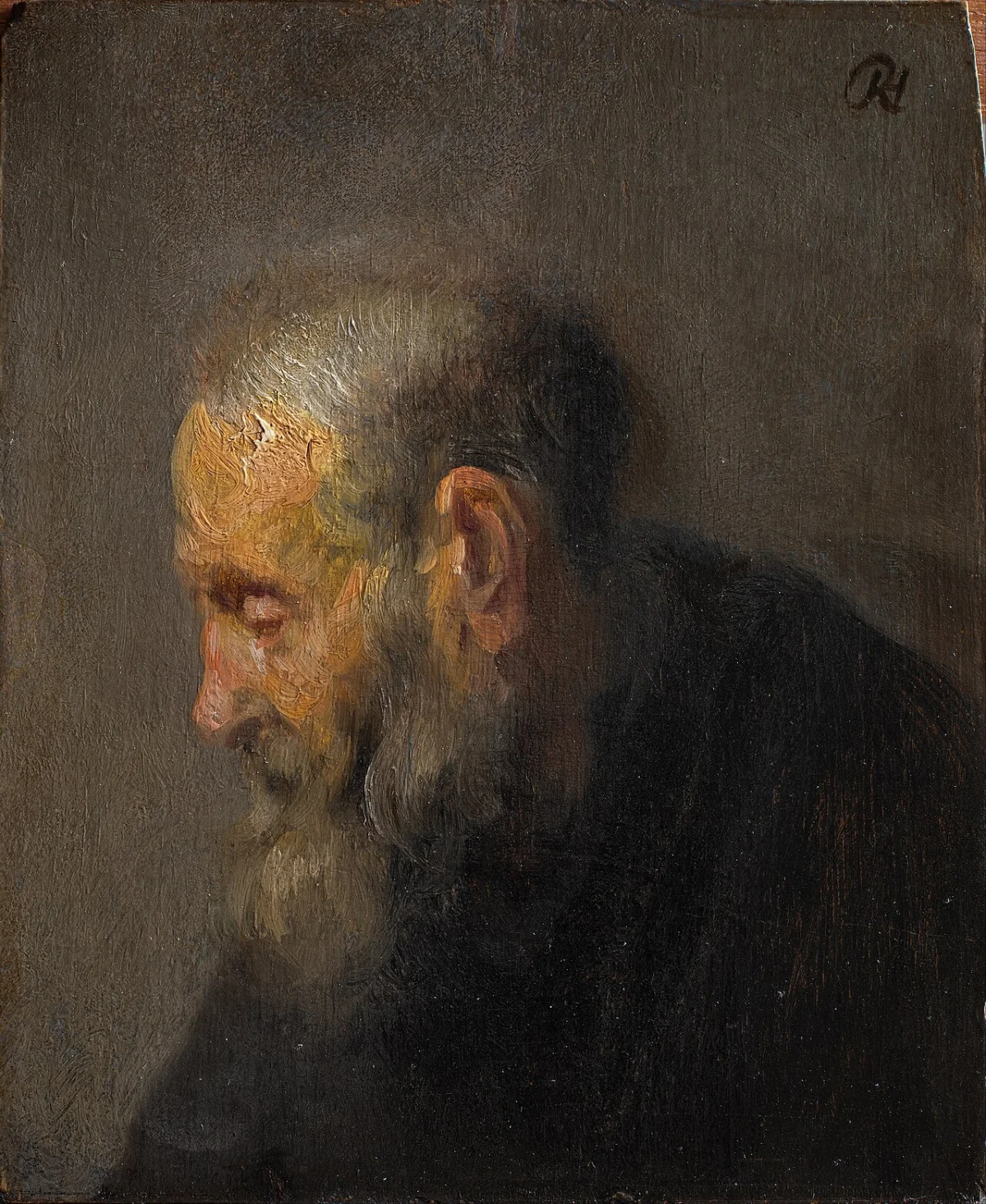
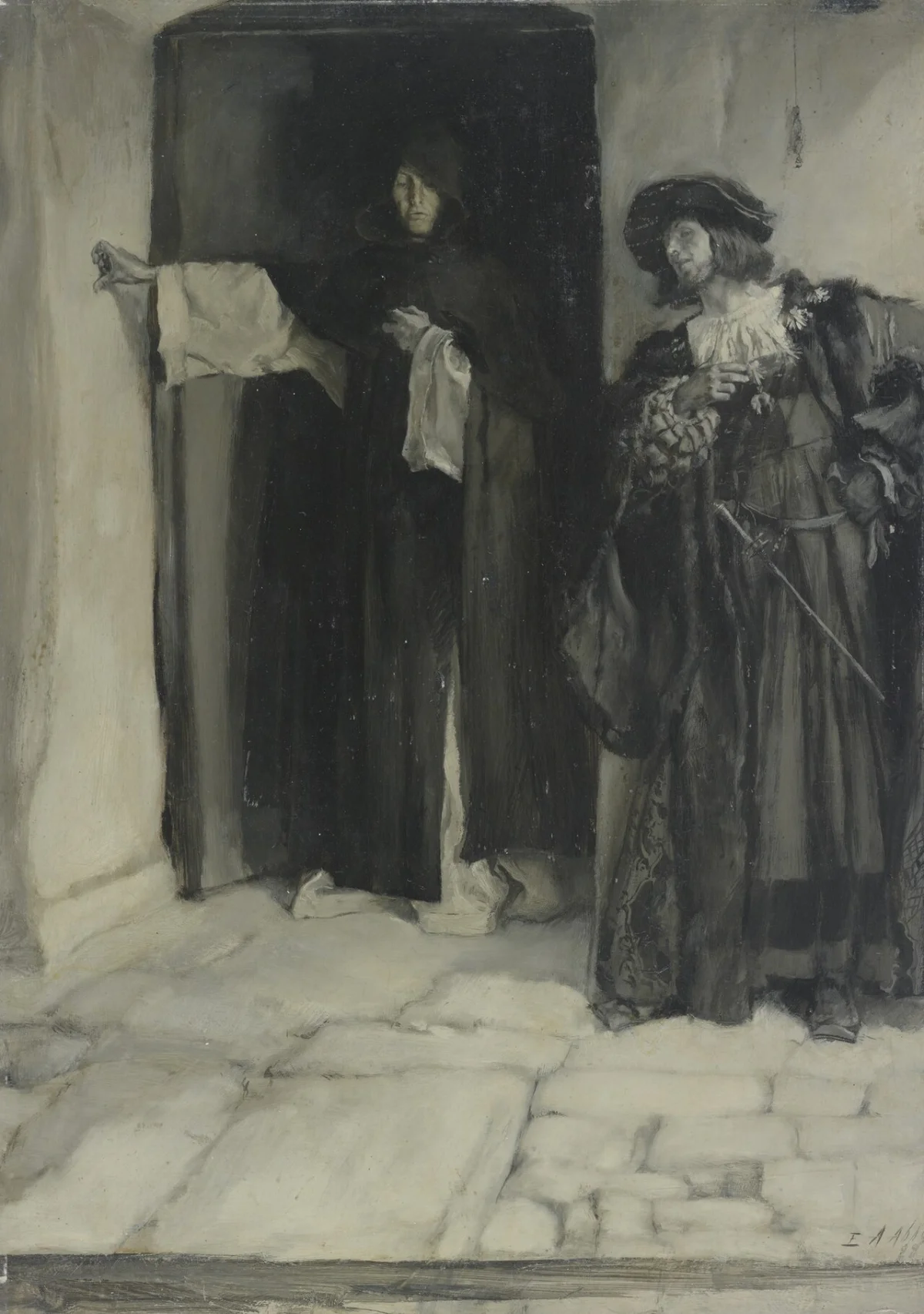
Edwin Austin Abbey’s technique in this oil on canvas masterpiece showcases his command of detail and atmosphere. Each brushstroke reveals the artist’s dedication to the Aestheticism movement, where visual harmony is paramount. The painting’s rich textures and subtle color palette evoke the emotional tension between the characters, making it a stunning example of oil on canvas artistry. Collectors often pair this work with related pieces like "Study of a head" or "La reine dans Hamlet."
The narrative depth of "Richard, Duke of Gloucester, and the Lady Anne" draws from Shakespearean drama, with Abbey infusing symbolic elements throughout the hand-painted oil painting. Every gesture and background detail tells a story, inviting viewers to explore the psychological interplay between the figures. This approach reflects the Aestheticism movement’s love for layered meaning and visual poetry, paralleling Abbey’s other works such as "Figure study: an Angel" and "Landscape study."
Owning "Richard, Duke of Gloucester, and the Lady Anne" means acquiring a fine art painting for sale that epitomizes the elegance of the Aestheticism movement. Edwin Austin Abbey’s mastery ensures this piece remains a coveted highlight in any collection, offering timeless appeal and cultural significance. Art enthusiasts often seek out Abbey’s related works—including "Fair Is My Love" and "Landscape study"—to complement their appreciation of this exceptional oil on canvas creation.
When Art Meets History
"Richard, Duke of Gloucester, and the Lady Anne" by Edwin Austin Abbey brings to life a dramatic encounter from Shakespeare’s Richard III. This hand-painted oil painting, created during the Aestheticism movement, showcases Abbey’s fascination with historical moments and literary themes. Like his contemporaries, Abbey drew inspiration from the past, much as seen in related works such as "Old English House by Moonlight" and "Liverpool from Wapping." The result is a timeless narrative woven through masterful art.
Techniques That Speak
Abbey’s "Richard, Duke of Gloucester, and the Lady Anne" demonstrates his refined technique, with oil on canvas lending depth and luminosity to every detail. The artist’s brushwork captures the elegance and emotional complexity characteristic of the Aestheticism movement. Similar attention to technique is evident in related paintings like "Shipping on the Clyde" and "A Moonlit Evening." Abbey’s use of oil on canvas allows for rich textures and subtle color gradations, making his work truly immersive.
Emotions on Display
In this fine art painting for sale, Abbey masterfully conveys the tension and vulnerability between the figures of Richard and Lady Anne. The expressive faces and carefully rendered gestures evoke empathy and intrigue, hallmarks of both the Aestheticism movement and Abbey’s personal style. This emotional intensity also appears in related works, such as "Quai de Paris, Rouen." Collectors and admirers alike are drawn to the way Abbey’s paintings resonate on a deep emotional level.
Coveted by Collectors
Edwin Austin Abbey’s "Richard, Duke of Gloucester, and the Lady Anne" remains a highly sought-after hand-painted oil painting among collectors of Aestheticism art. Its historical subject and technical brilliance set it apart, while related paintings like "Old English House by Moonlight" and "A Moonlit Evening" further enhance Abbey’s reputation. The continued demand for such masterpieces highlights the enduring appeal of fine art painting for sale from this celebrated artist and movement.
Related Aestheticism Hand-Painted Oil Paintings by Other Artists
Other Famous Aestheticism Artists:
Frequently Asked Questions About Richard, Duke of Gloucester, and the Lady Anne
What historical context surrounds the painting "Richard, Duke of Gloucester, and the Lady Anne"?
This painting is set in the context of the late 15th century during the tumultuous period of the Wars of the Roses, a series of civil wars for control of the English throne. It depicts Richard III's courtship of Lady Anne Neville, highlighting the political alliances and personal relationships that influenced the era.
Who are the central figures depicted in the painting?
The central figures are Richard, Duke of Gloucester, who later becomes King Richard III, and Lady Anne Neville, his future wife. Their relationship is emblematic of the complex dynamics of power and loyalty during the period.
What artistic style is employed in "Richard, Duke of Gloucester, and the Lady Anne"?
Edwin Austin Abbey employs a romanticized historical style, characterized by rich colors, detailed costumes, and dramatic expressions. This style aims to evoke the grandeur and emotional intensity of the historical moment.
What symbolism is present in the painting?
The painting is rich in symbolism, including the use of light and shadow to highlight the emotional tension between the characters. The positioning of Richard and Anne suggests themes of power, ambition, and the interplay of love and betrayal.
How does the composition of the painting contribute to its narrative?
The composition is carefully arranged to draw the viewer's eye to the interaction between Richard and Anne, emphasizing their emotional connection. The use of diagonal lines and contrasting colors enhances the drama of the scene.
What role does costume play in the painting?
The elaborate costumes worn by Richard and Anne reflect their noble status and the historical accuracy of the period. The details in their attire also serve to convey their personalities and the societal expectations of their roles.
What emotions are conveyed through the expressions of the characters?
The expressions of Richard and Anne convey a complex mix of emotions, including desire, hesitation, and foreboding. This emotional depth invites viewers to engage with the characters' internal struggles and the broader historical implications.
How does Edwin Austin Abbey's background influence this painting?
Abbey was known for his interest in historical subjects and theatricality, which is evident in this work. His background in illustration and stage design informs the dramatic presentation and narrative quality of the painting.
What is the significance of the setting in the painting?
The setting, likely inspired by medieval English architecture, serves to ground the characters in their historical context. It reflects the grandeur and turmoil of the royal court, enhancing the narrative of power struggles and personal relationships.
How does this painting reflect the themes of love and power?
The painting encapsulates the intertwining themes of love and power, illustrating how personal relationships were often influenced by political motives. Richard's courtship of Anne is not merely romantic but also a strategic alliance in the context of royal politics.























_GFM_Painting_(1).webp)


 100% Hand-Painted: Finished in 3-6 Weeks

.png)















_(1).webp)