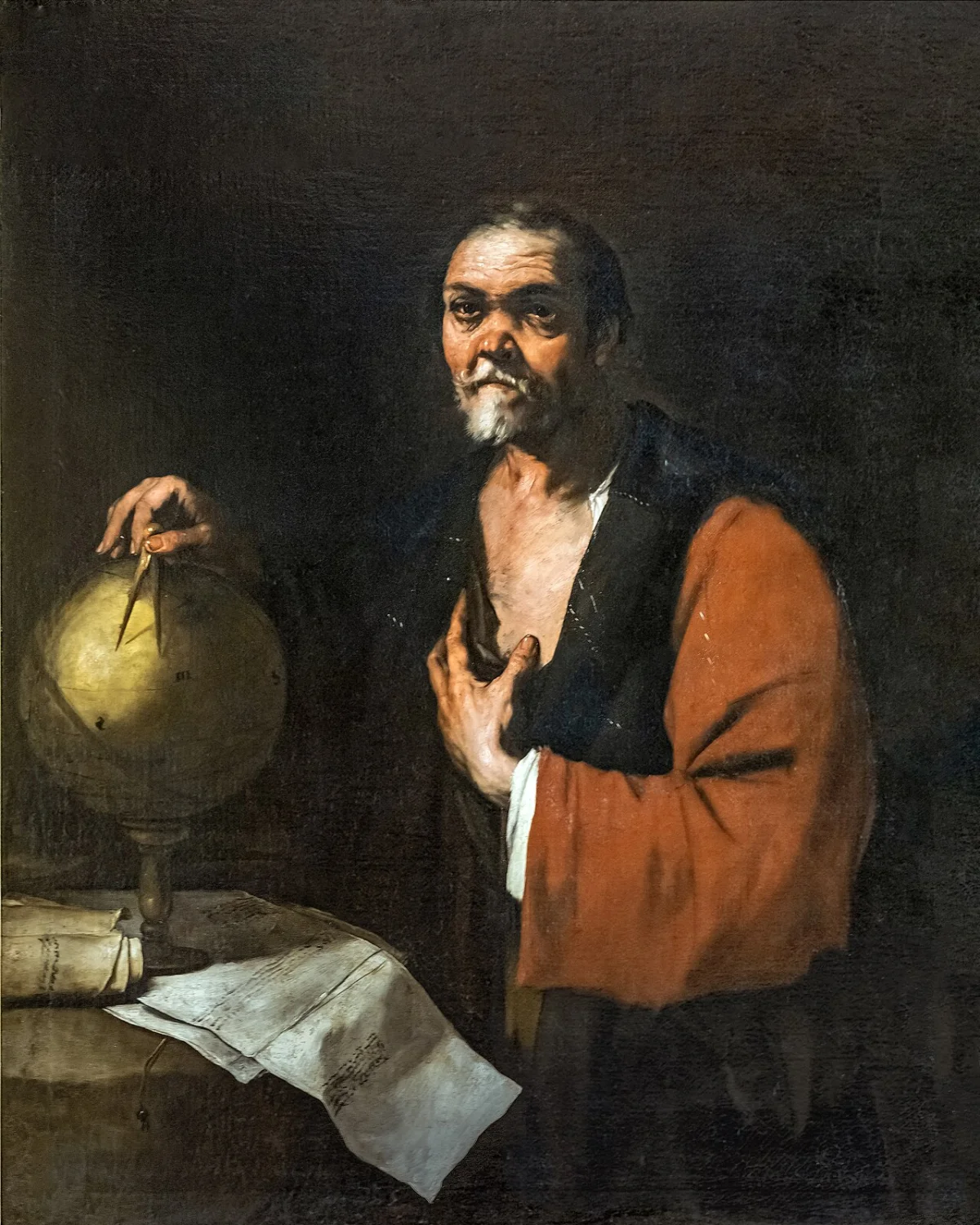
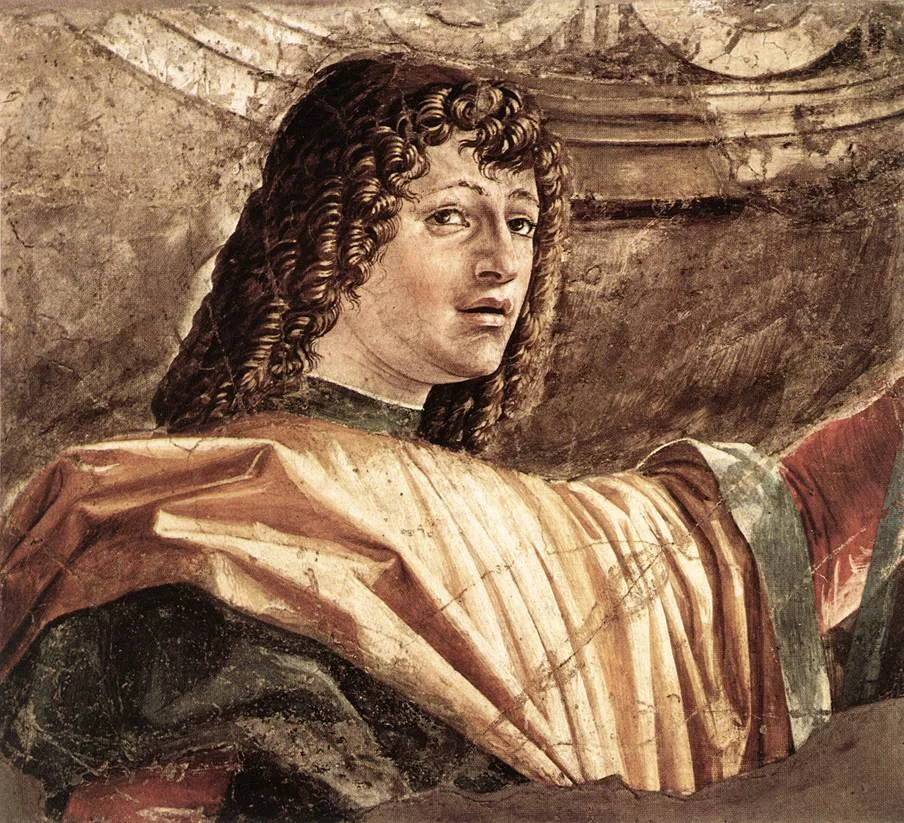
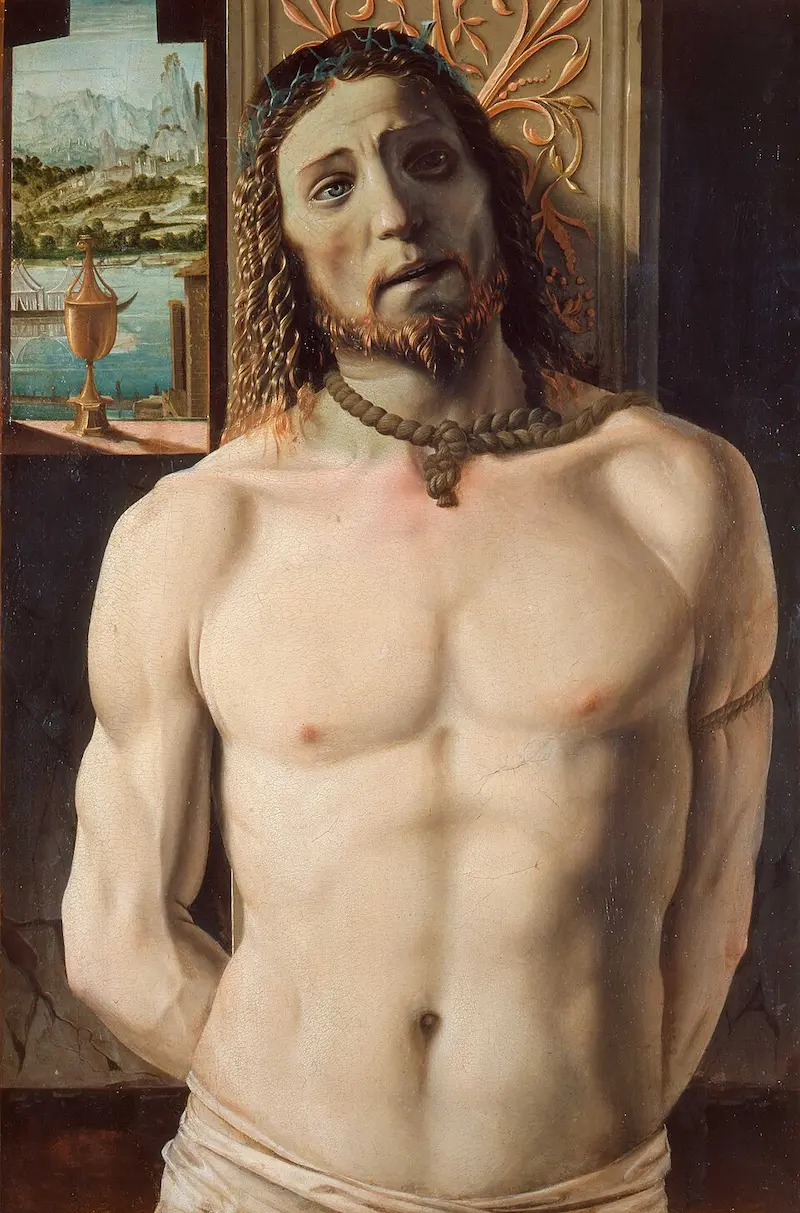
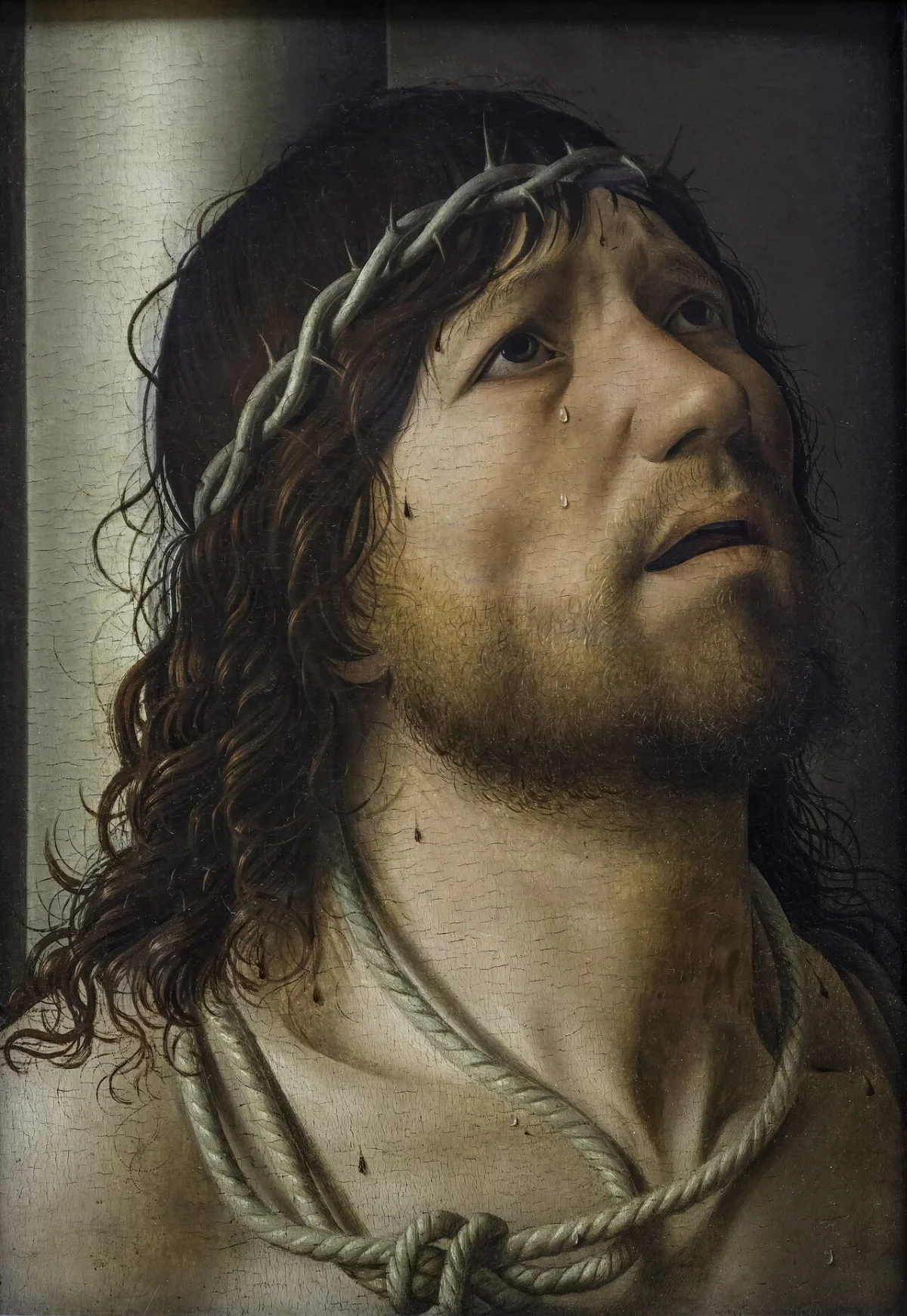
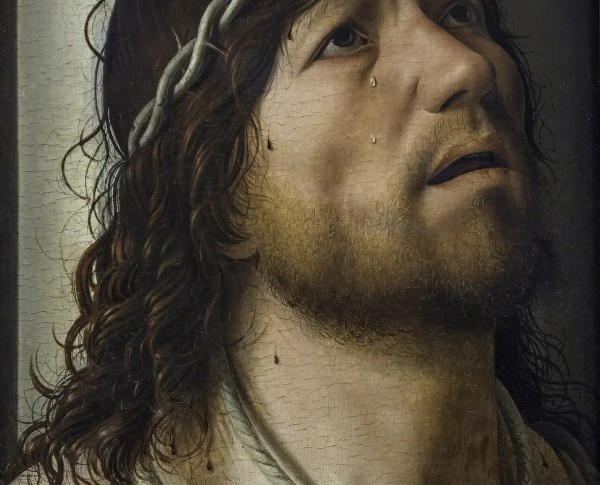
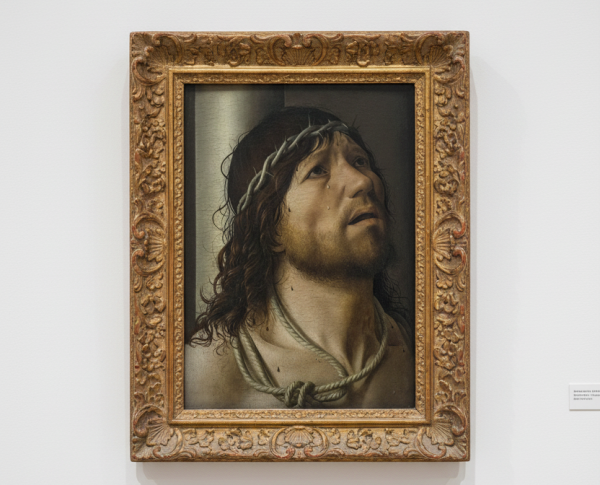
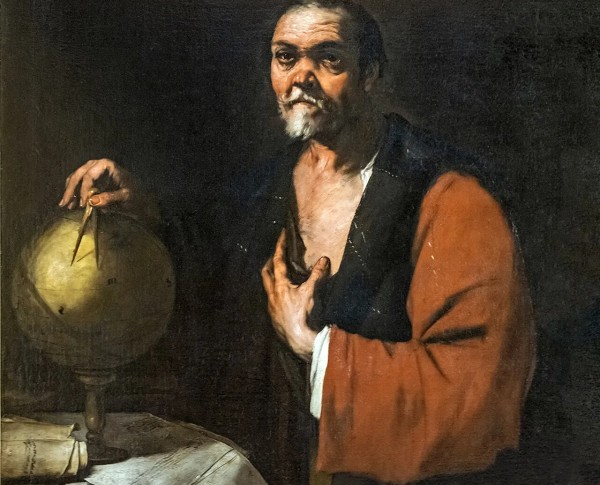
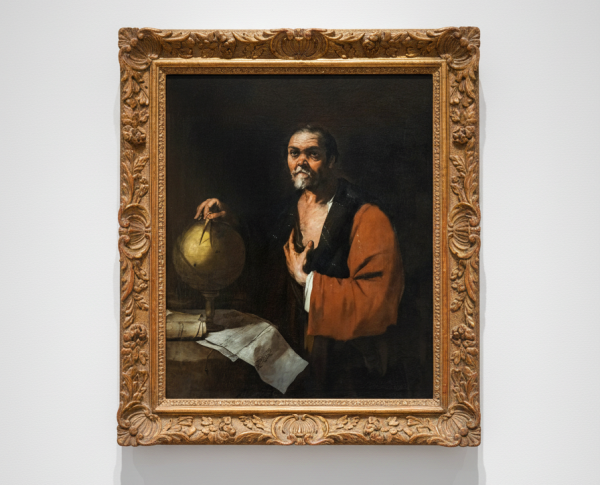
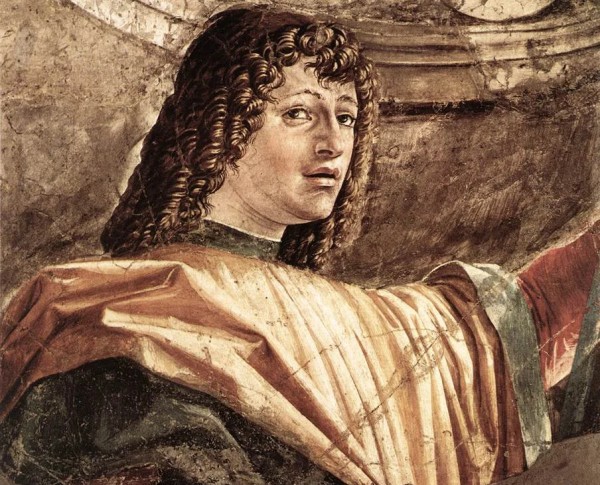
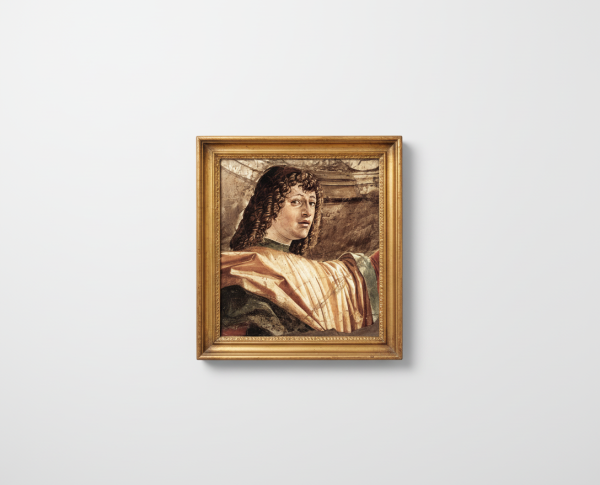
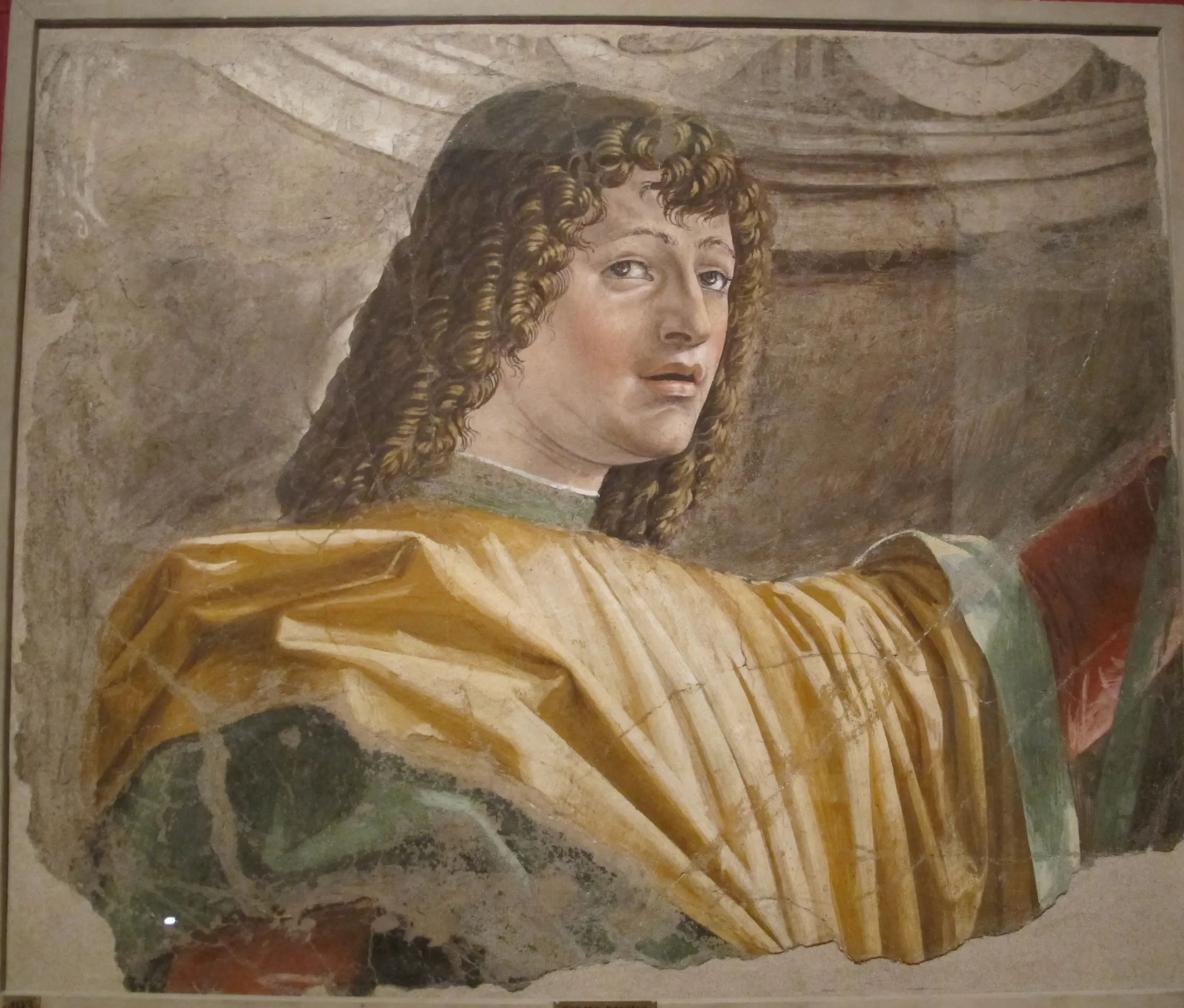
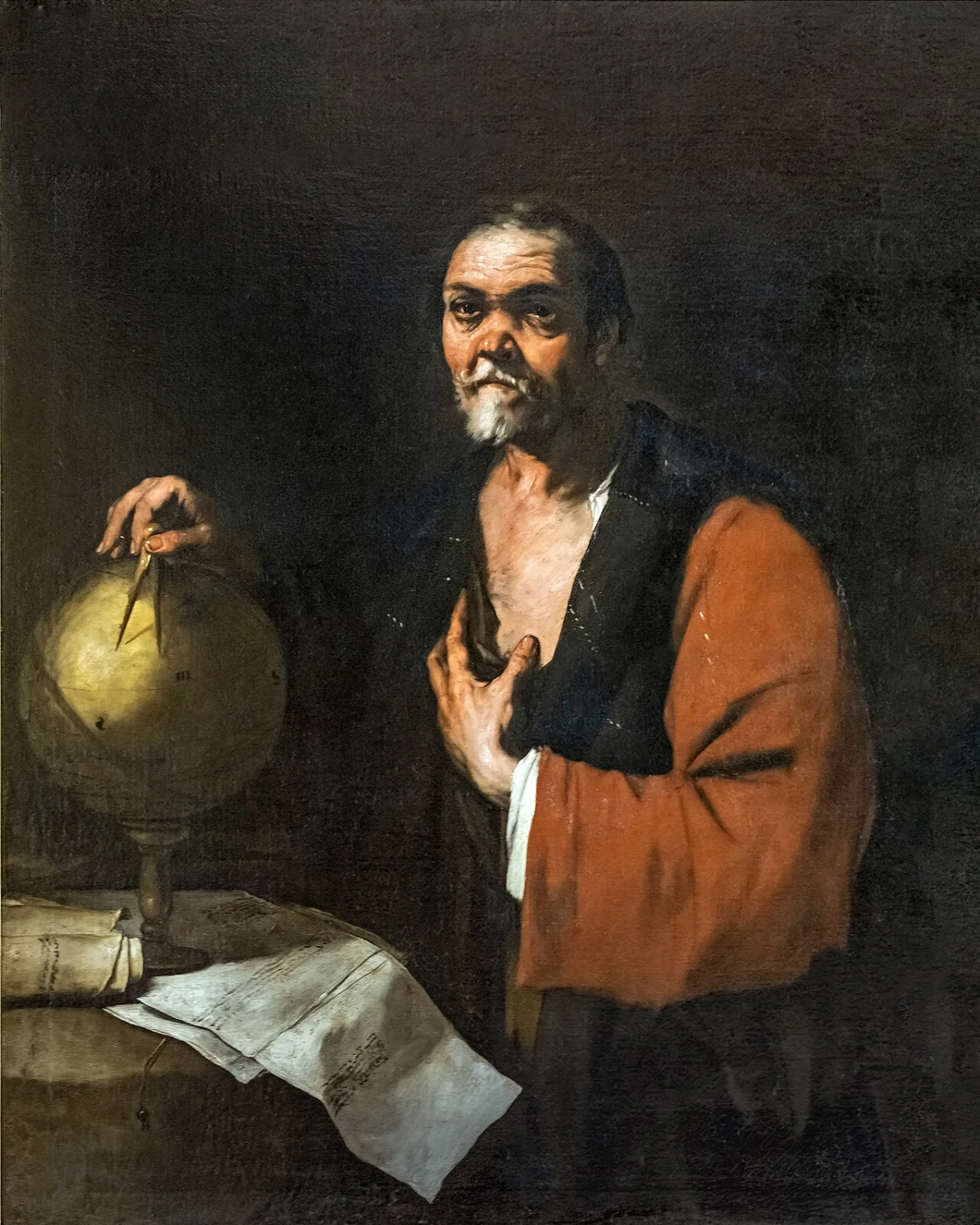
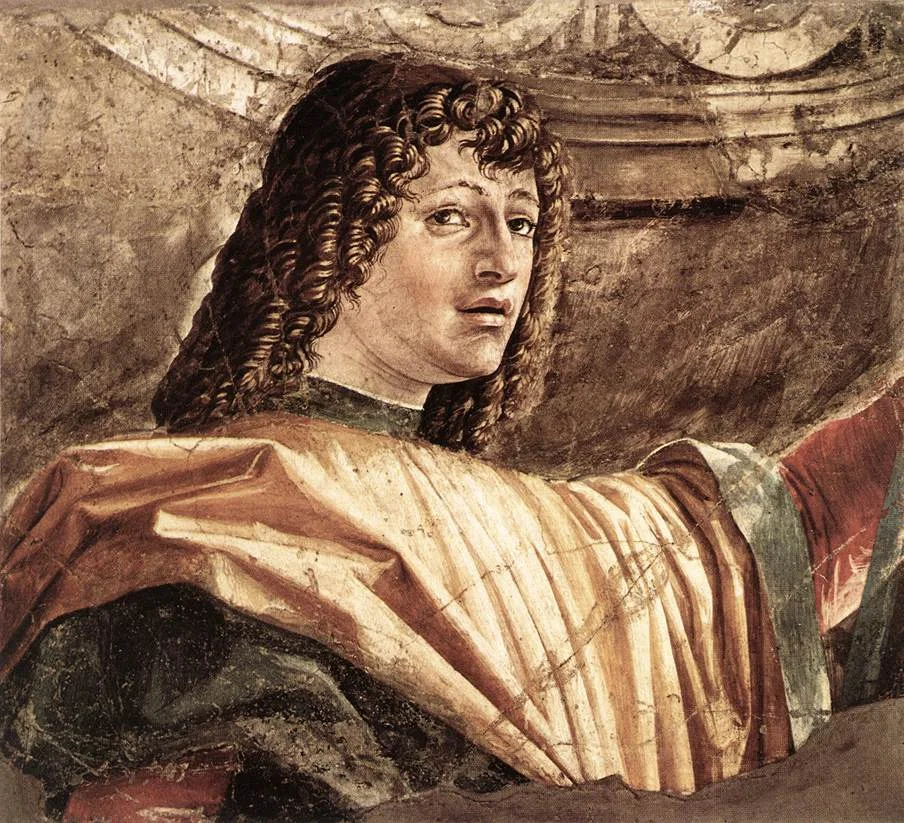
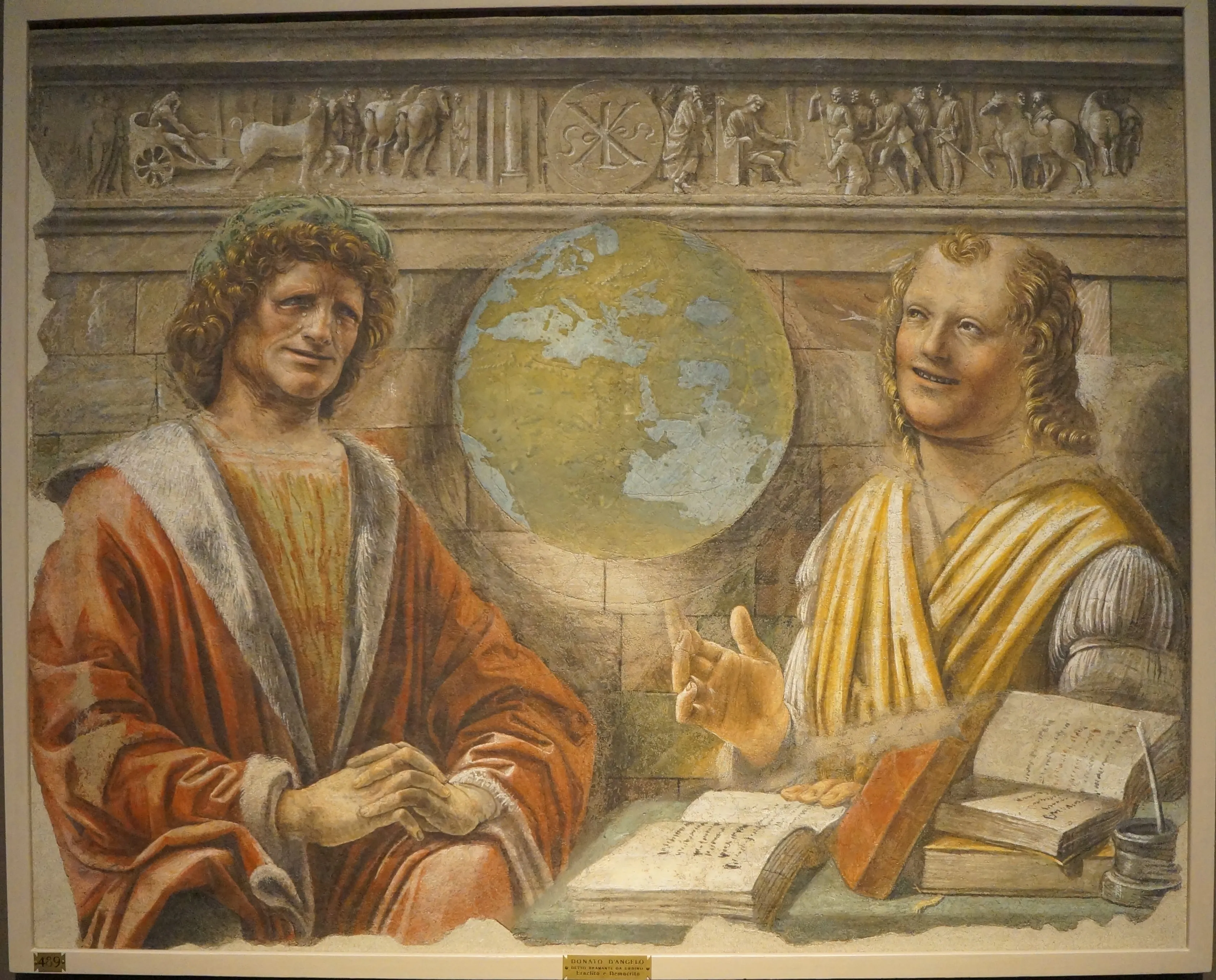
Donato Bramante’s "Uomo dall'alabarda" showcases exceptional technique and attention to detail, hallmarks of High Renaissance art. The oil on canvas medium allows for rich textures and depth, highlighting Bramante’s mastery in rendering lifelike figures and dramatic lighting. This painting stands alongside other masterpieces like "Man with a Mace" and "Heraclitus and Democritus," making it a significant piece for anyone interested in acquiring a classic oil on canvas from this influential era.
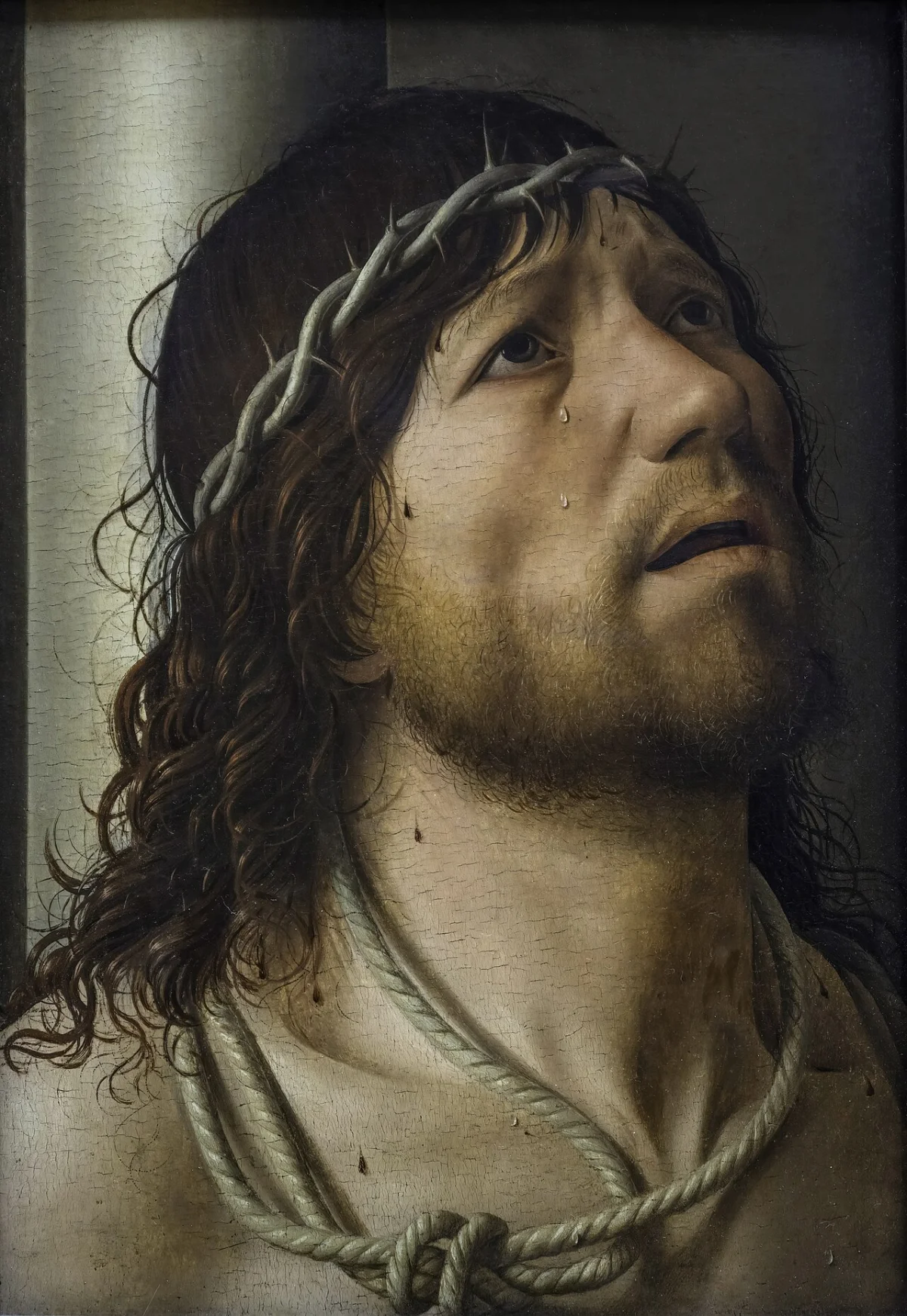
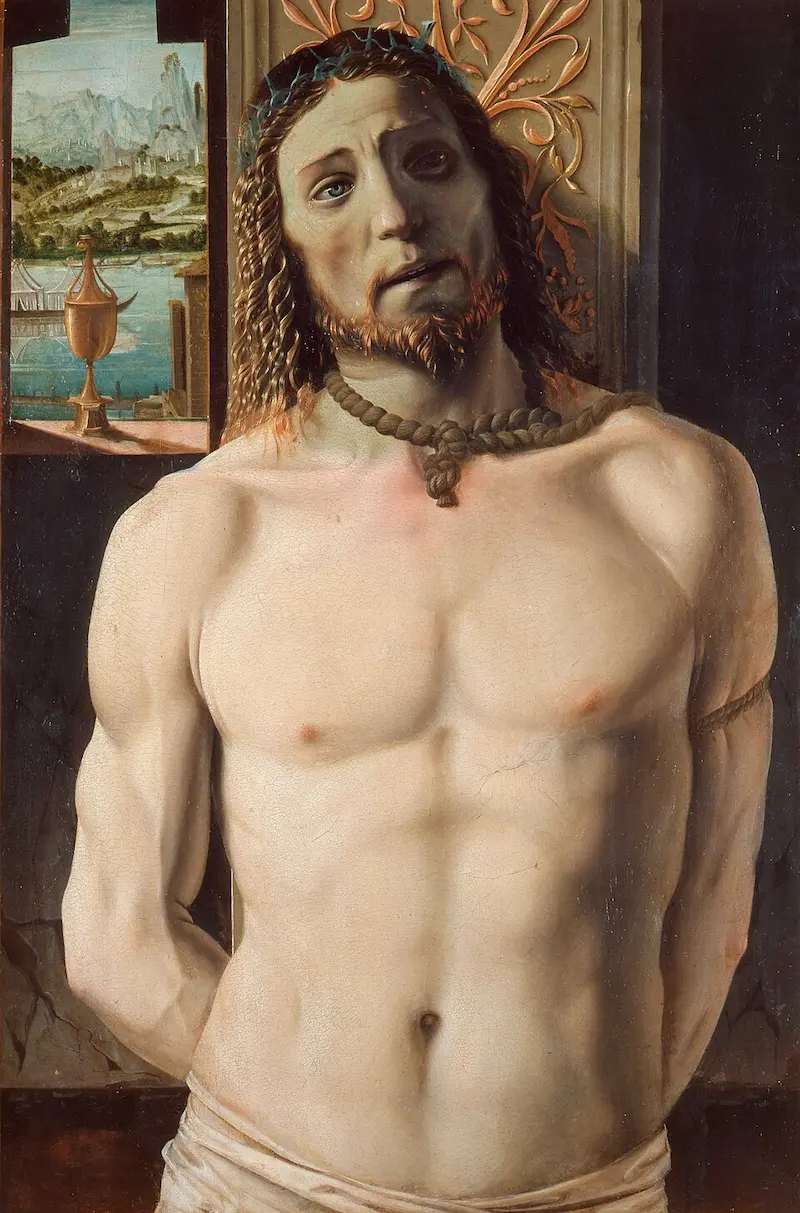
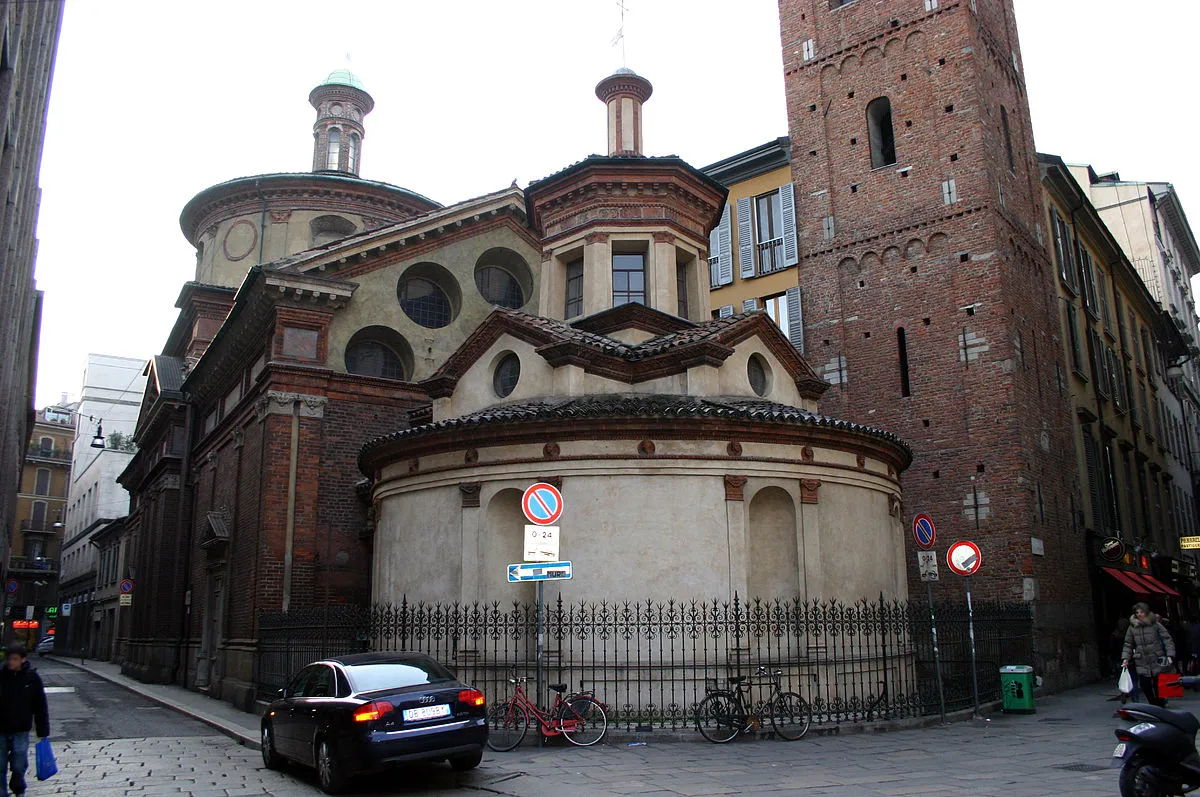
Every element in Bramante’s "Uomo dall'alabarda" is infused with meaning, reflecting the symbolism prevalent in High Renaissance works. The alabarda, or halberd, held by the figure, suggests themes of strength and vigilance. This fine art painting for sale is not just a visual treat but a narrative tapestry, inviting viewers to explore its mysteries. Related works, including "Christ at the Column (Bramante)" and "Santa Maria presso San Satiro - Bramante false apse," deepen the story behind the art.
For art collectors, "Uomo dall'alabarda" by Donato Bramante represents a prized addition, embodying the elegance and complexity of the High Renaissance. This hand-painted oil painting is a testament to Bramante’s genius and the enduring appeal of his era. Collectors often seek related products like "Man with a Halbard" and "Christ at the Column" to complement their collections, ensuring they own a piece of art history that continues to inspire across generations.
When Art Meets History
"Uomo dall'alabarda" by Donato Bramante stands as a remarkable example of the High Renaissance movement, a period celebrated for its fusion of art and history. This hand-painted oil painting reflects the era's fascination with humanism and classical ideals. Bramante, also known for works like "The Last Supper 1498" and "The School of Athens," masterfully captured the spirit of his time. Each brushstroke in this piece resonates with the historical significance that defines the High Renaissance.
Techniques That Speak
Donato Bramante’s "Uomo dall'alabarda" showcases exceptional technique, utilizing oil on canvas to achieve lifelike textures and depth. The artist’s skilled handling of light and shadow brings the figure to life, a hallmark of the High Renaissance. Similar to his other works, such as "Self Portrait" and "St. Petronius," this painting demonstrates Bramante’s command of perspective and anatomy. The oil on canvas medium allows for rich, vibrant colors that endure through centuries.
Emotions on Display
In "Uomo dall'alabarda," Donato Bramante conveys a profound sense of dignity and contemplation, hallmarks of the High Renaissance. The subject’s poised expression and commanding stance evoke a range of emotions, inviting viewers to connect with the era’s ideals. Like "The Baptism of Christ," this fine art painting for sale captures the inner world of its subject, making it a timeless piece that resonates with art lovers and collectors around the globe.
Coveted by Collectors
As a significant work by Donato Bramante, "Uomo dall'alabarda" is highly sought after by collectors who appreciate the High Renaissance movement. The painting’s masterful execution and historical importance make it a prized addition to any collection of hand-painted oil paintings. Alongside related masterpieces like "The Last Supper 1498" and "The School of Athens," this artwork remains a testament to Bramante’s enduring legacy and the timeless appeal of Renaissance art.
Related High Renaissance Hand-Painted Oil Paintings by Other Artists
Other Famous High Renaissance Artists:
Frequently Asked Questions About Uomo dall'alabarda
What is the historical context of "Uomo dall'alabarda"?
"Uomo dall'alabarda," painted by Donato Bramante, reflects the Renaissance period in Italy, a time characterized by a revival of classical learning and values. Created in the early 16th century, the artwork embodies the transition from medieval to modern artistic techniques.
What artistic techniques did Bramante employ in this painting?
Bramante utilized chiaroscuro, a technique that contrasts light and shadow, to create depth and volume in the figure. The meticulous attention to detail in the armor and the dynamic pose of the figure exemplify the artist's mastery of form and composition.
What is the significance of the halberd in the painting?
The halberd, a pole weapon, symbolizes the military prowess and authority of the figure depicted. It represents the strength and valor associated with the Renaissance ideals of heroism and the importance of the warrior class during this period.
Who is the figure depicted in "Uomo dall'alabarda"?
The figure is often interpreted as a representation of a soldier or a nobleman, embodying the virtues of bravery and honor. The identity of the figure remains ambiguous, allowing viewers to project their interpretations based on the cultural context of the time.
How does "Uomo dall'alabarda" reflect Renaissance humanism?
The painting exemplifies Renaissance humanism through its focus on the individual and the celebration of human potential. The detailed portrayal of the figure's expression and posture highlights the importance of personal agency and the human experience during the Renaissance.
What materials were used in the creation of this painting?
Bramante likely used oil on canvas, a common medium during the Renaissance, which allowed for rich color and intricate detail. The choice of materials contributed to the overall impact and longevity of the artwork.
What themes are explored in "Uomo dall'alabarda"?
The painting explores themes of power, valor, and the human condition. It encapsulates the Renaissance fascination with the individual’s role in society and the moral responsibilities that accompany power and authority.
How does this painting compare to other works by Bramante?
While Bramante is primarily known for his architectural contributions, "Uomo dall'alabarda" showcases his versatility as an artist. Compared to his architectural works, this painting emphasizes the human figure and emotional expression, highlighting his comprehensive understanding of art.
What influence did "Uomo dall'alabarda" have on later artists?
The painting influenced later artists by setting a standard for the portrayal of figures in a realistic and dynamic manner. Its emphasis on the human form and emotional depth can be seen in the works of subsequent Renaissance artists who sought to capture the essence of humanity.
What is the current status of "Uomo dall'alabarda" in art history?
"Uomo dall'alabarda" is regarded as a significant work within the canon of Renaissance art. It is studied for its technical execution and thematic depth, contributing to the understanding of the period's artistic evolution and cultural values.






















_GFM_Painting_(1).webp)

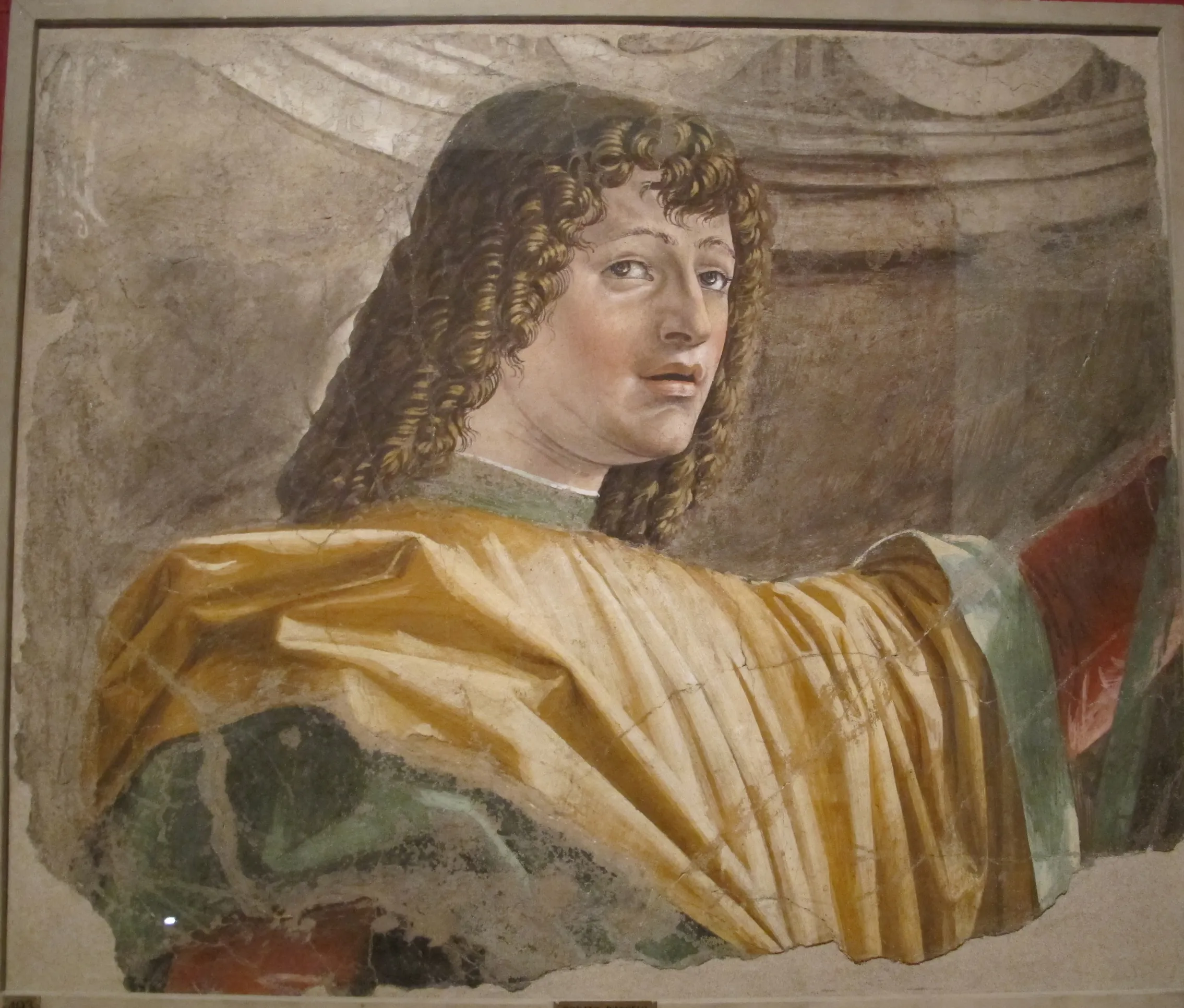

 100% Hand-Painted: Finished in 3-6 Weeks

.png)















_(1).webp)