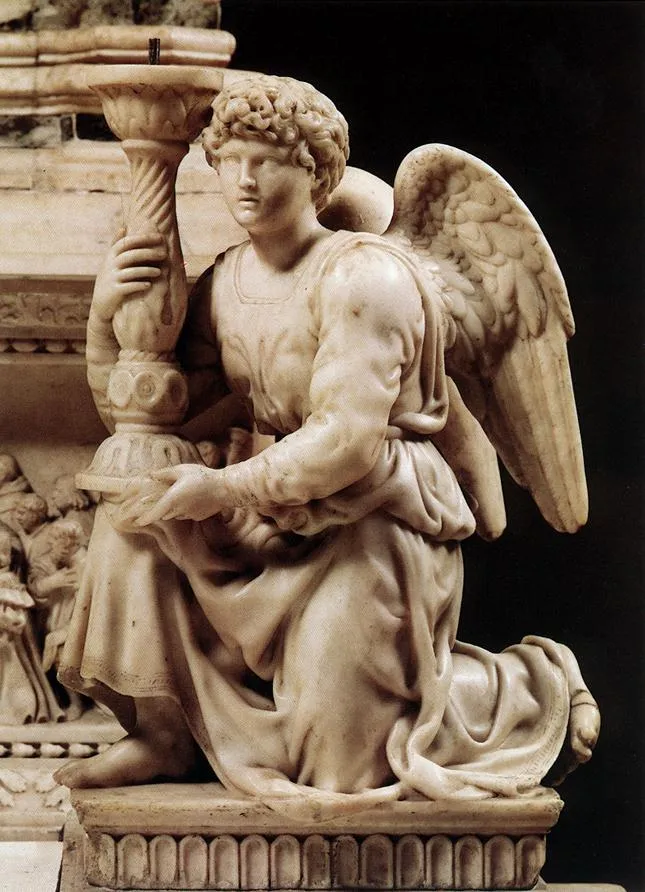
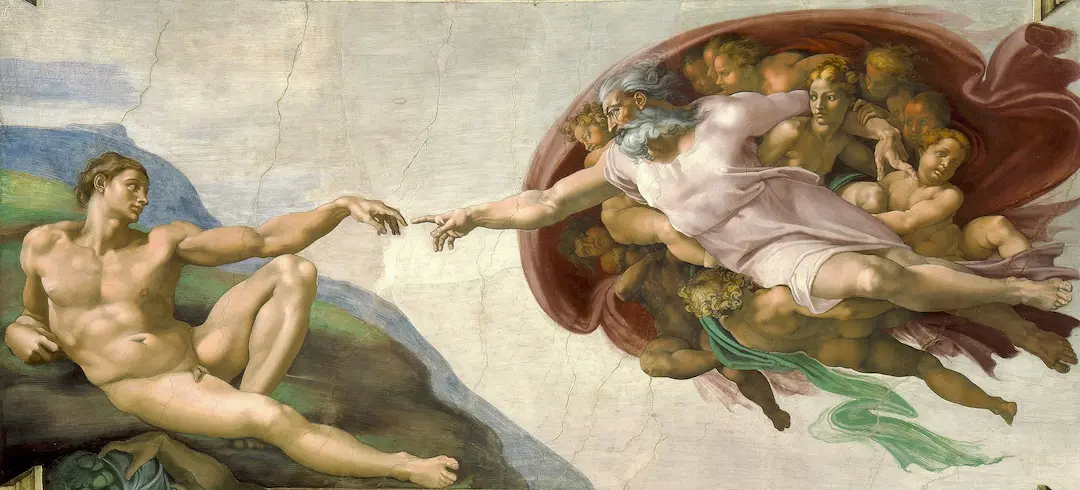
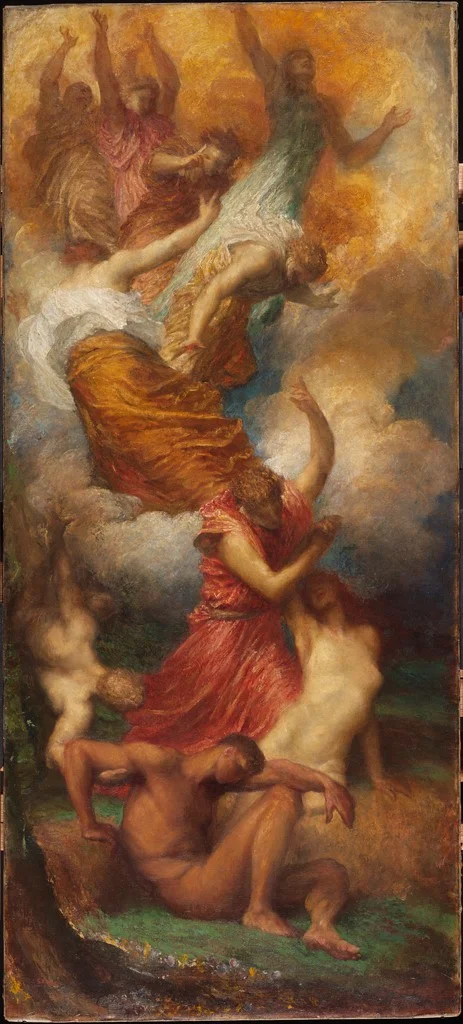
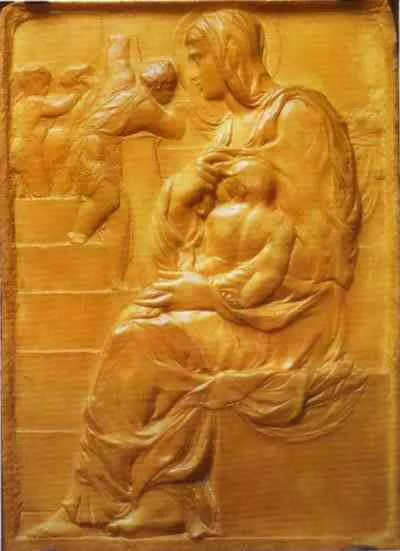
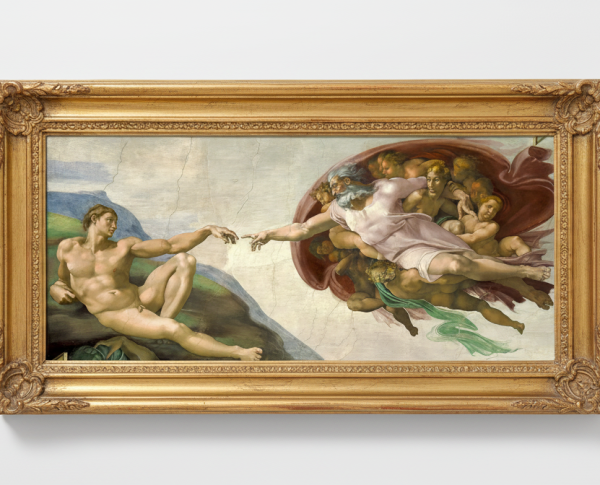
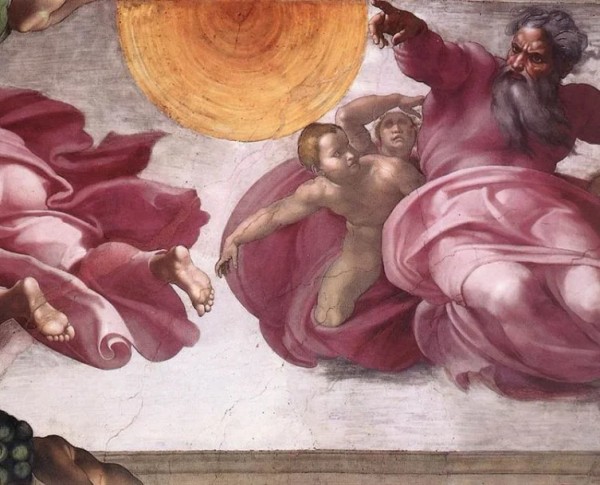
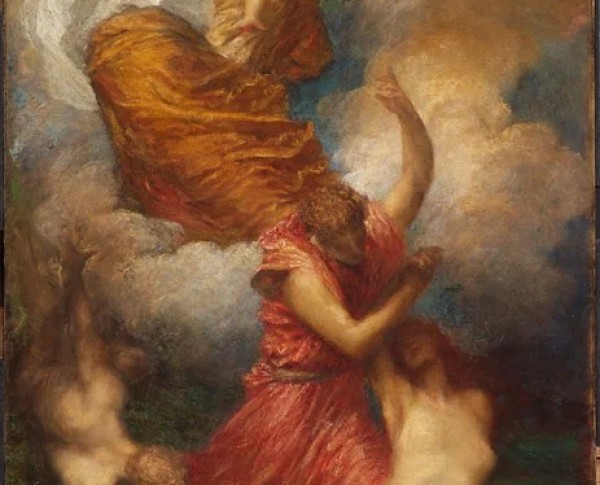
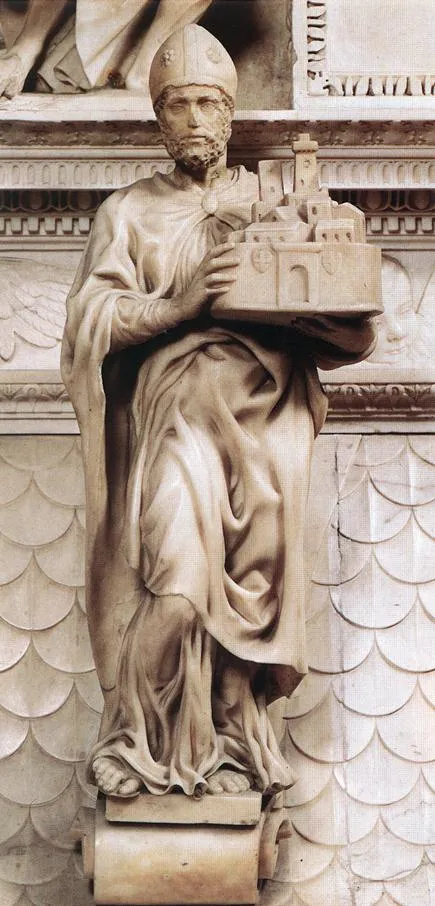
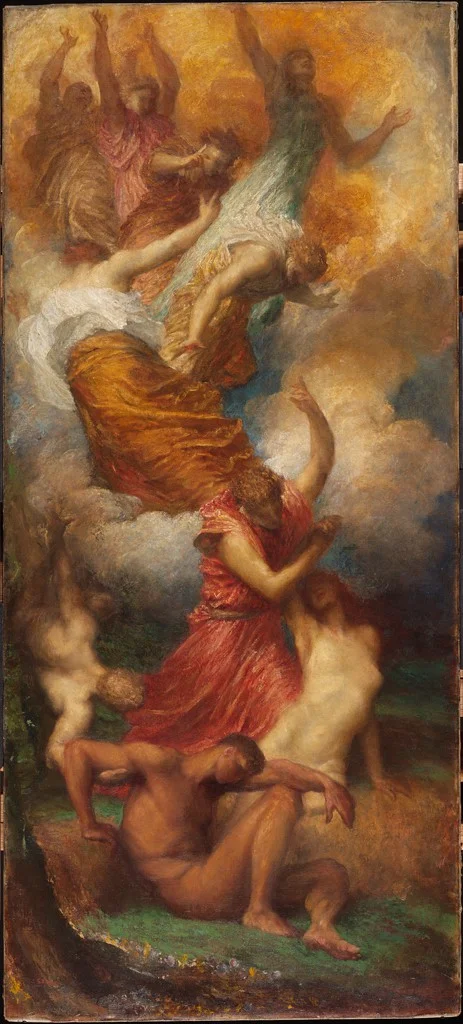
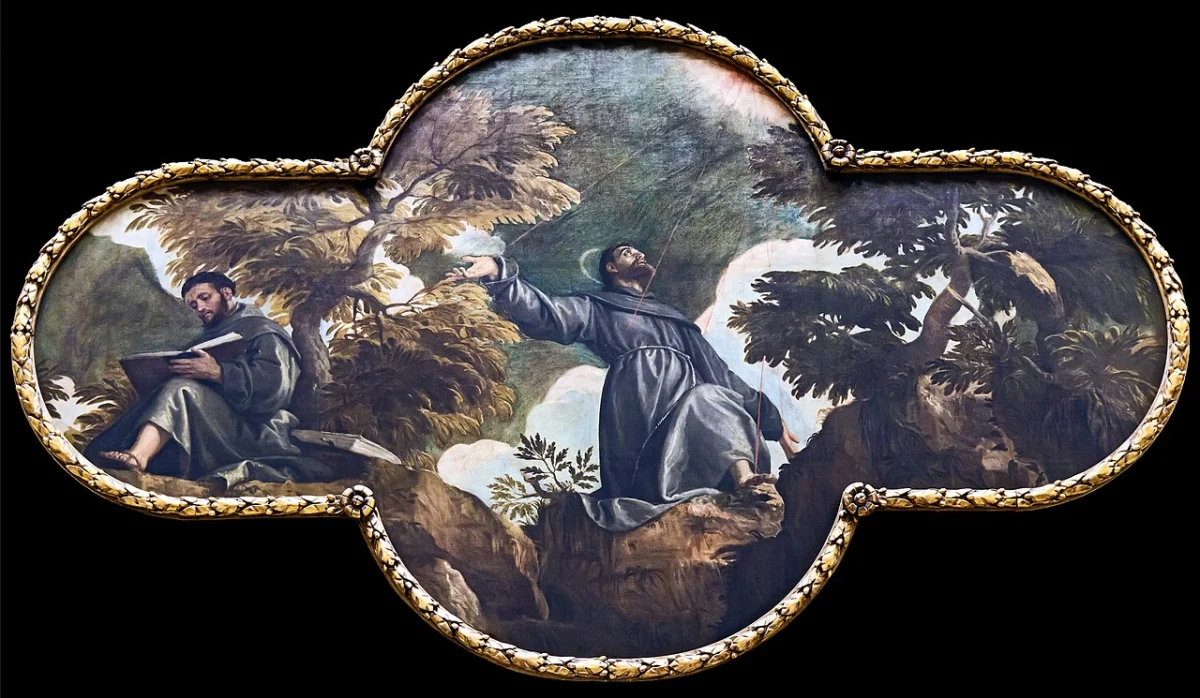
Michelangelo’s "St. Petronius" exemplifies the exquisite technique found in oil on canvas works from the High Renaissance. Each brushstroke reveals the artist’s unparalleled skill in rendering lifelike textures and profound emotion. As with "Madonna of the Stairs" and "The Creation of Eve," this painting demonstrates Michelangelo Buonarroti’s ability to breathe life into sacred subjects, making it a cherished example of oil on canvas artistry from one of history’s greatest masters.
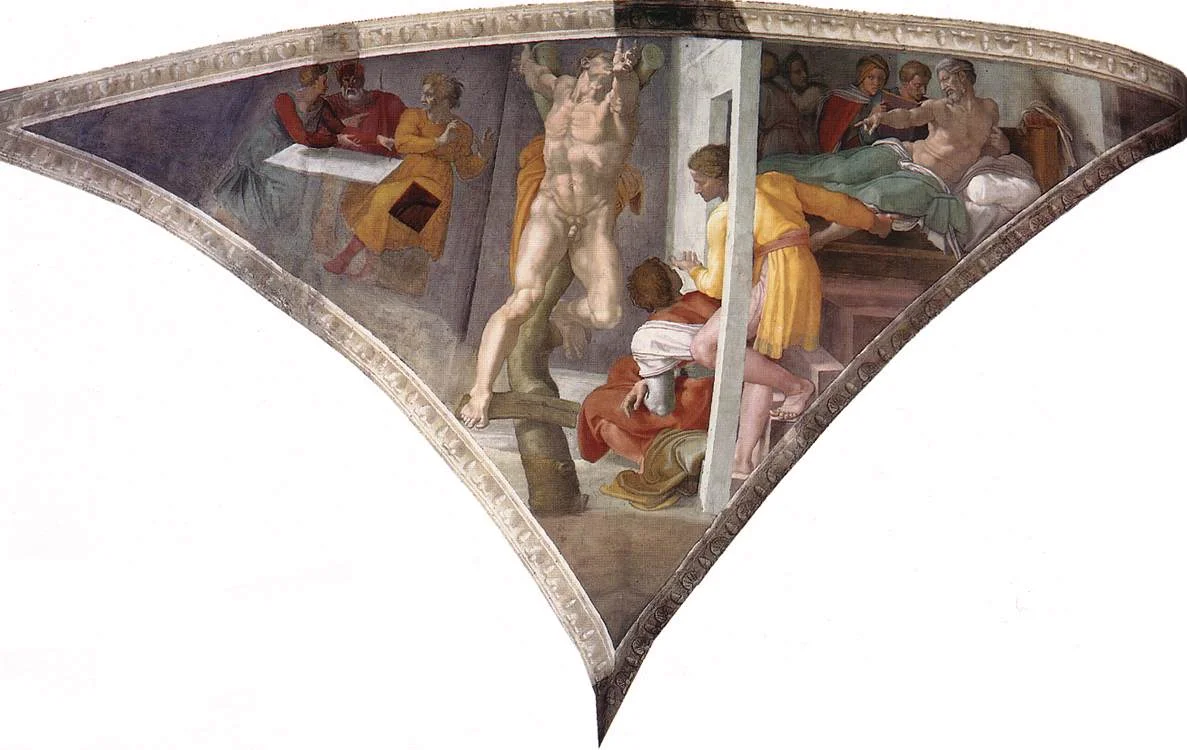
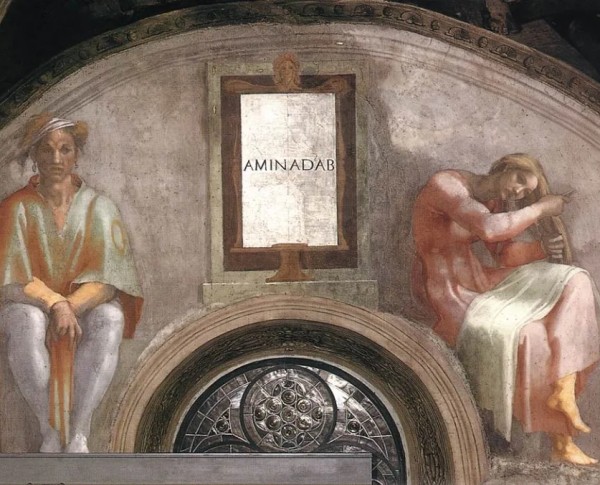
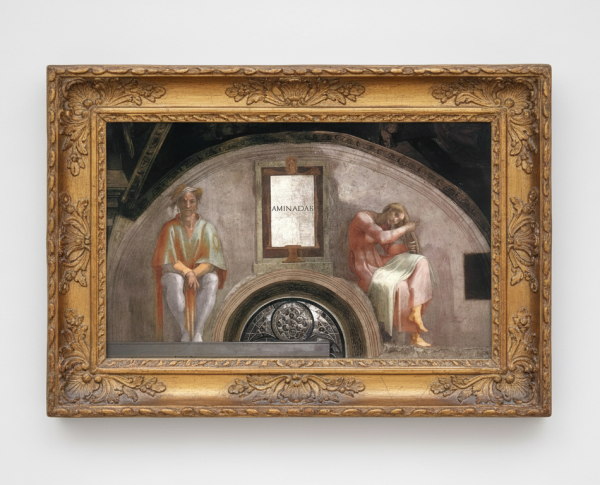
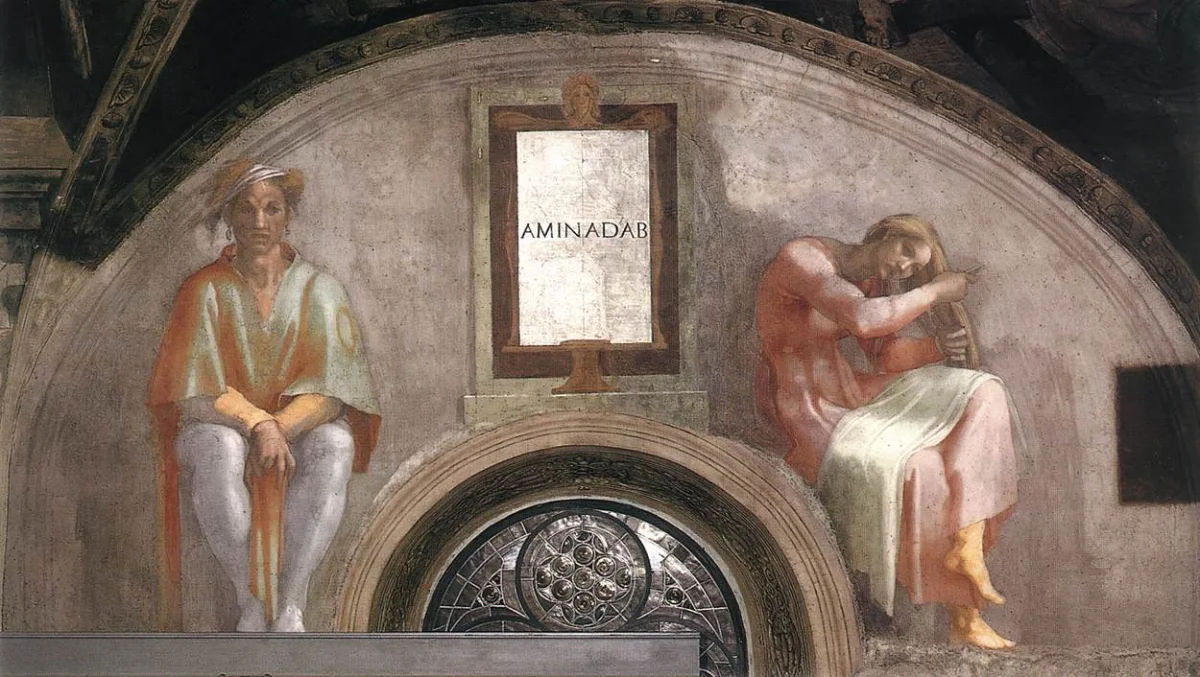
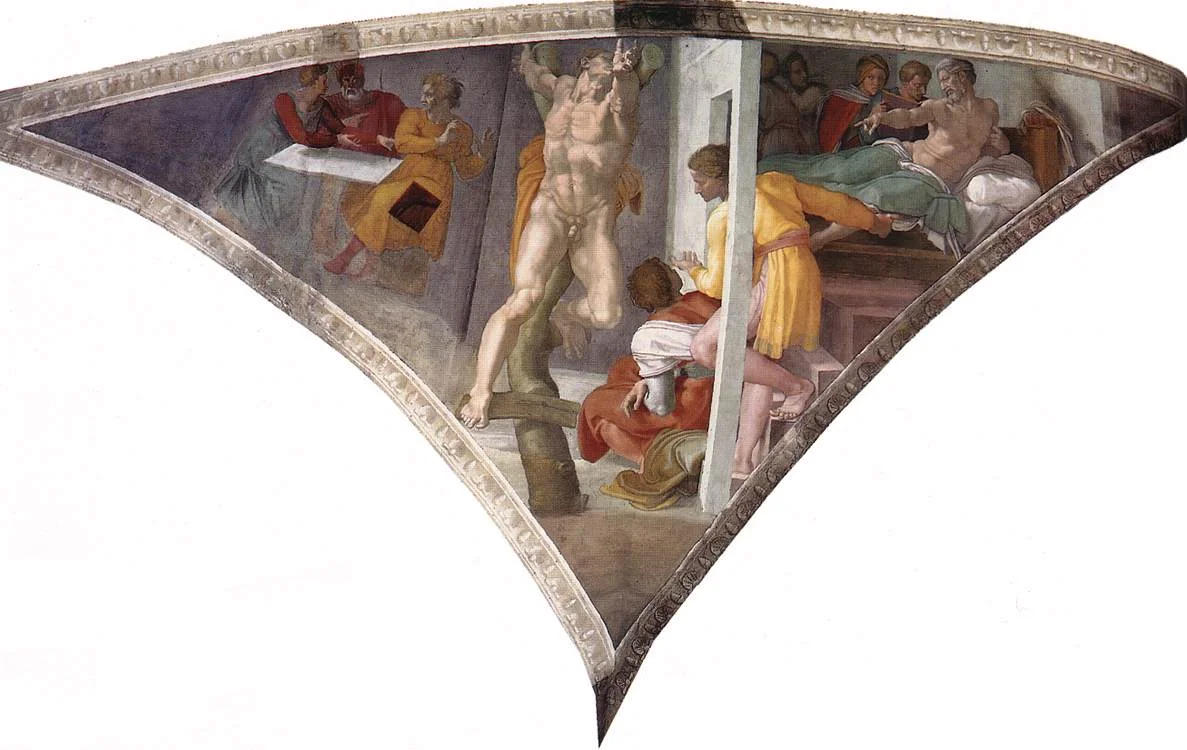
Within "St. Petronius," Michelangelo weaves a visual narrative rich in symbolism and meaning, characteristic of High Renaissance masterpieces. The saint’s dignified pose and intricate attire reflect both divine authority and human compassion. Like "Crucifixion" and "Aminadab," this hand-painted oil painting invites viewers to explore layers of spiritual significance, showcasing Michelangelo Buonarroti’s gift for storytelling through art and solidifying its place among revered religious works.
For collectors and enthusiasts, "St. Petronius" represents a rare fine art painting for sale that embodies the essence of the High Renaissance. Owning a Michelangelo Buonarroti piece, especially one with such historical depth, is a privilege akin to acquiring "The Creation of Eve" or "Madonna of the Stairs." This masterpiece offers not only aesthetic beauty but also a connection to a pivotal era in the evolution of Western art.
When Art Meets History
"St. Petronius" by Michelangelo Buonarroti stands as a remarkable example of the High Renaissance, a period celebrated for its mastery and innovation in the arts. This hand-painted oil painting not only reflects the era's reverence for classical antiquity but also showcases Michelangelo's deep understanding of religious subjects. Alongside related works like "Drapery for a seated figure" and "Woman's Head," this masterpiece bridges the gap between historical tradition and artistic evolution, making it a treasure for art historians and enthusiasts alike.
Techniques That Speak
Michelangelo’s "St. Petronius" exemplifies the refined techniques of oil on canvas that defined the High Renaissance movement. His expert use of light, shadow, and anatomical precision breathes life into the saint’s figure, echoing the skill seen in "Sleeve Study for the Annunciation" and "Madonna della Sedia." The layering and glazing techniques enhance the depth and realism, making this fine art painting for sale a testament to Michelangelo’s enduring influence on generations of artists.
Emotions on Display
The emotional resonance in "St. Petronius" by Michelangelo Buonarroti is palpable, characteristic of the High Renaissance’s focus on human experience. Through subtle expressions and dynamic posture, the painting captures a moment of spiritual contemplation. This hand-painted oil painting’s emotive power is akin to that found in "Christ at the Column (Bramante)" and "Madonna della Sedia," inviting viewers to connect with the subject’s inner world and the sacred narrative it embodies.
Coveted by Collectors
As a distinguished example of oil on canvas from the High Renaissance, "St. Petronius" remains highly sought after among collectors of classical masterpieces. The painting’s provenance, artist, and historical significance elevate its desirability, much like related works such as "Woman's Head" and "Sleeve Study for the Annunciation." For those seeking a fine art painting for sale, acquiring a piece by Michelangelo Buonarroti represents a pinnacle achievement and a lasting legacy in any collection.
Related High Renaissance Hand-Painted Oil Paintings by Other Artists
Other Famous High Renaissance Artists:
Frequently Asked Questions About St. Petronius
What is the historical significance of "St. Petronius"?
"St. Petronius" is significant as it reflects the Renaissance ideals of humanism and the revival of classical themes, showcasing Michelangelo's mastery in portraying religious figures with a profound sense of realism and emotional depth.
What materials were used in the creation of "St. Petronius"?
Michelangelo typically employed marble for his sculptures, and "St. Petronius" is no exception, demonstrating his exceptional skill in carving this medium to create lifelike textures and forms.
What artistic techniques did Michelangelo use in "St. Petronius"?
Michelangelo utilized techniques such as chiaroscuro to create depth and volume, as well as anatomical precision to convey the physicality and emotional expression of St. Petronius.
Who is St. Petronius and why is he depicted in this artwork?
St. Petronius is the patron saint of Bologna, Italy, and is depicted in this artwork to honor his significance in the city’s religious and cultural history, reflecting the deep connection between art and local identity during the Renaissance.
What symbolism is present in "St. Petronius"?
The artwork symbolizes faith and devotion, with St. Petronius often depicted holding symbols of his martyrdom, which serve to communicate his piety and the virtues of sacrifice and service to the Christian community.
How does "St. Petronius" reflect the values of the Renaissance period?
The painting embodies Renaissance values through its emphasis on human emotion, the beauty of the human form, and the integration of classical elements, illustrating the period's focus on individualism and the divine.
What influence did "St. Petronius" have on later artists?
"St. Petronius" influenced later artists by establishing a benchmark for the portrayal of saints, emphasizing emotional realism and the use of dynamic poses, which became a hallmark of Baroque art.
Where can "St. Petronius" be viewed today?
"St. Petronius" can be viewed in various museums and galleries that feature Renaissance art, with specific locations depending on the current exhibitions and collections on display.
What are the dimensions of "St. Petronius"?
The dimensions of "St. Petronius" vary depending on the specific version of the artwork, but Michelangelo's works are typically grand in scale, emphasizing the importance of the subject matter.
What is the legacy of Michelangelo's work on "St. Petronius"?
The legacy of Michelangelo's work on "St. Petronius" lies in its enduring impact on the representation of religious figures in art, inspiring countless artists to explore the intersection of spirituality and human experience.






















_GFM_Painting_(1).webp)


 100% Hand-Painted: Finished in 3-6 Weeks

.png)















_(1).webp)