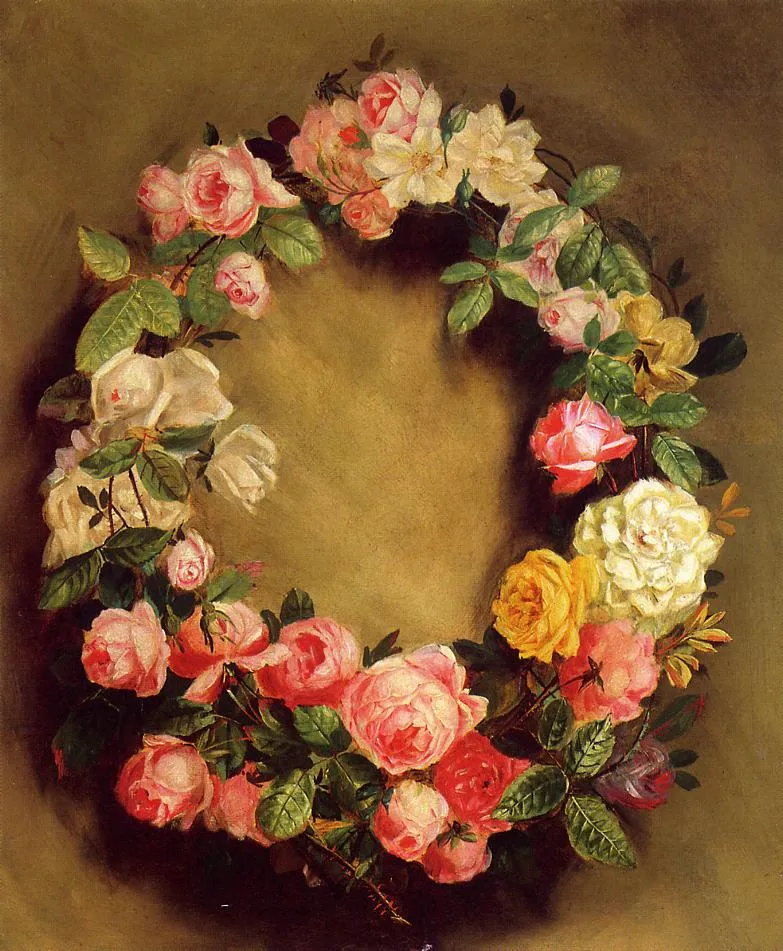
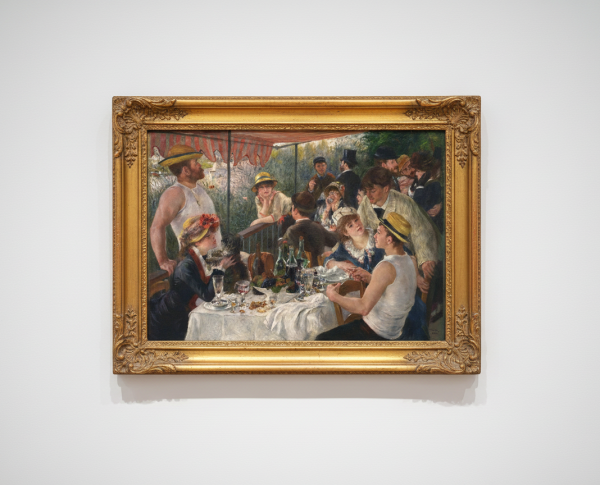
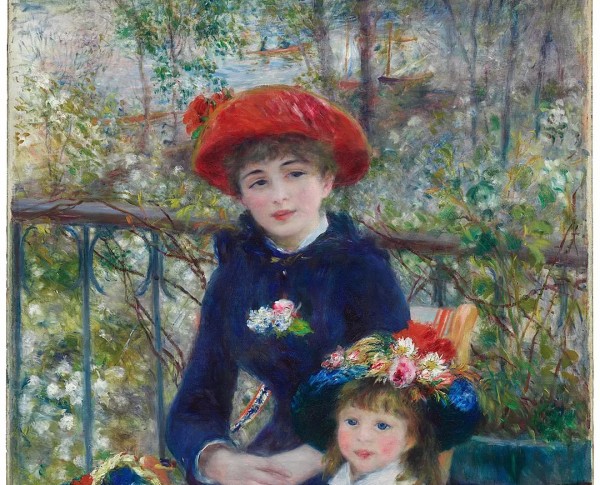
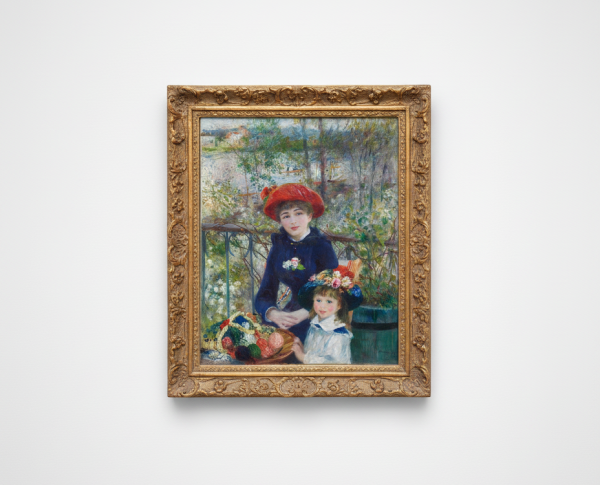
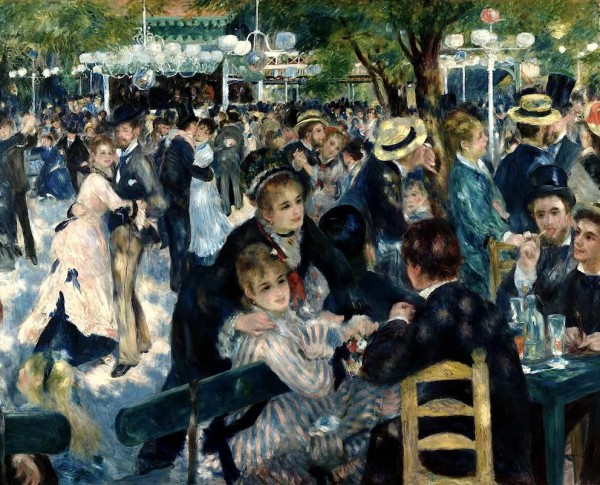
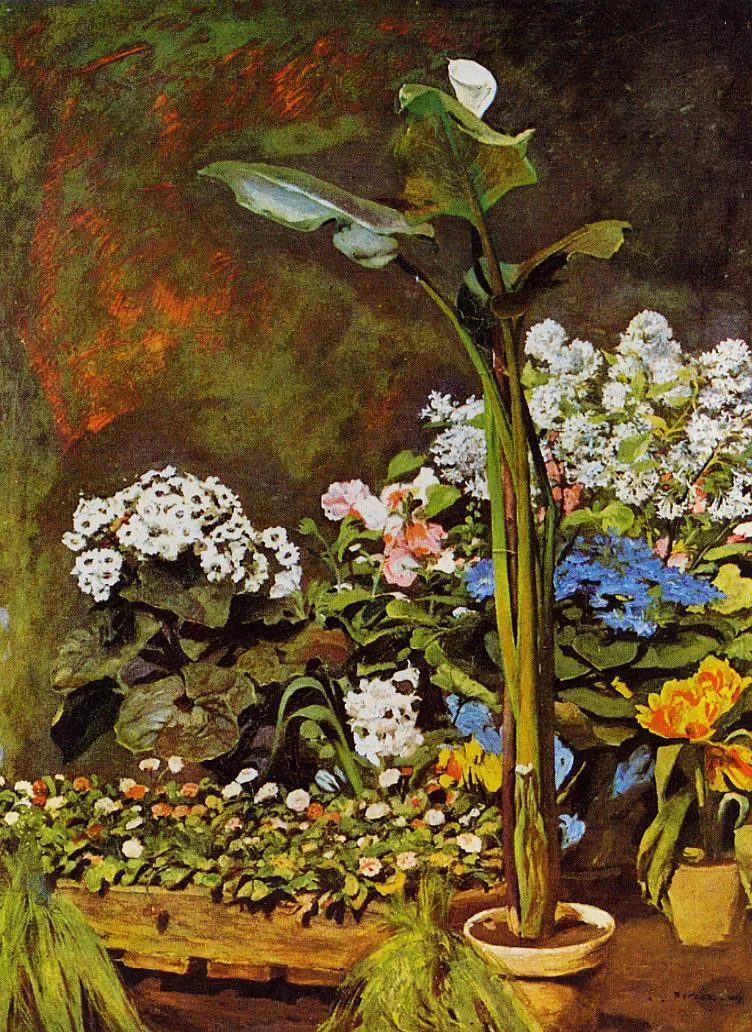
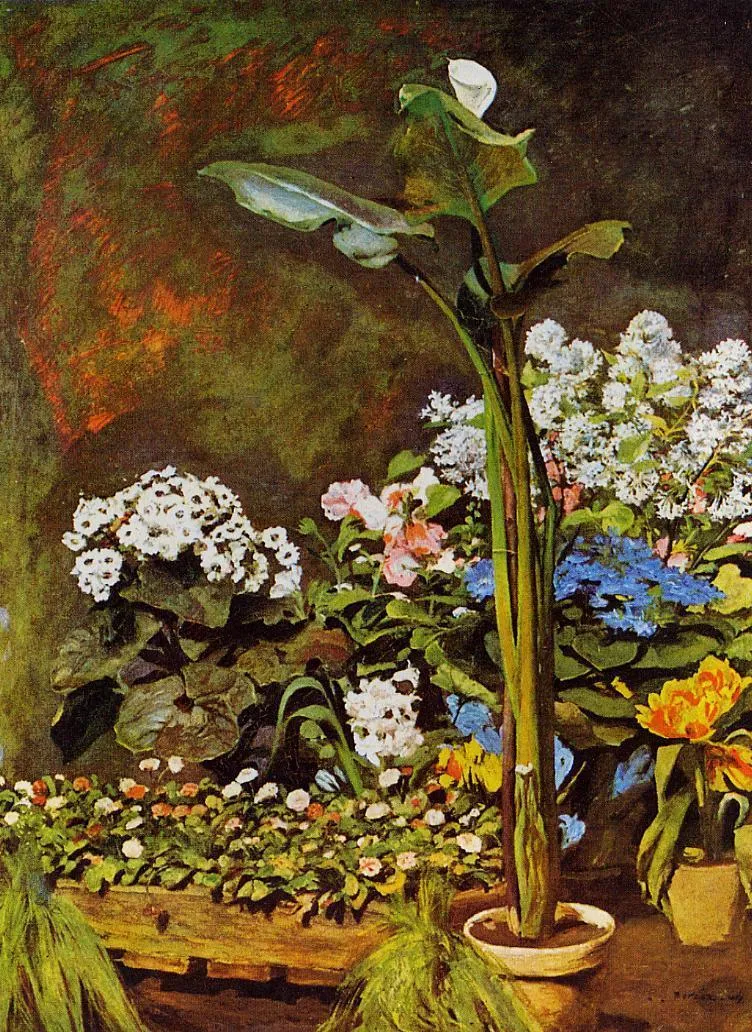
Renoir’s mastery is evident in every brushstroke of "Arum and Conservatory Plants," executed in oil on canvas. His fluid, light-infused technique showcases the hallmarks of Impressionism, emphasizing fleeting light and natural beauty. This painting, alongside related gems such as "Young Girls in Black" and "Crown of Roses," demonstrates Renoir’s ability to capture the essence of his subjects, making each oil on canvas piece a true collector’s delight.
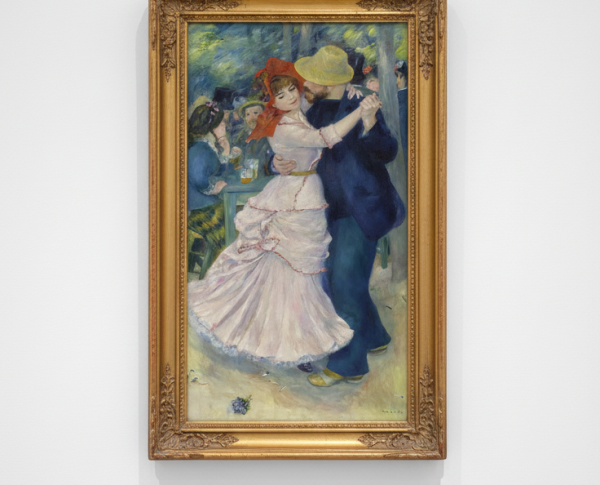
Within "Arum and Conservatory Plants," Renoir weaves a narrative of growth, vitality, and the ephemeral beauty of nature. The impressionist approach invites viewers to interpret the symbolic meanings behind the lush foliage and elegant flowers. Art enthusiasts may find connections to other Renoir masterpieces like "Spring Bouquet" and "Dance At Bougival," each fine art painting for sale offering a glimpse into the symbolic storytelling that defines Renoir’s Impressionist legacy.
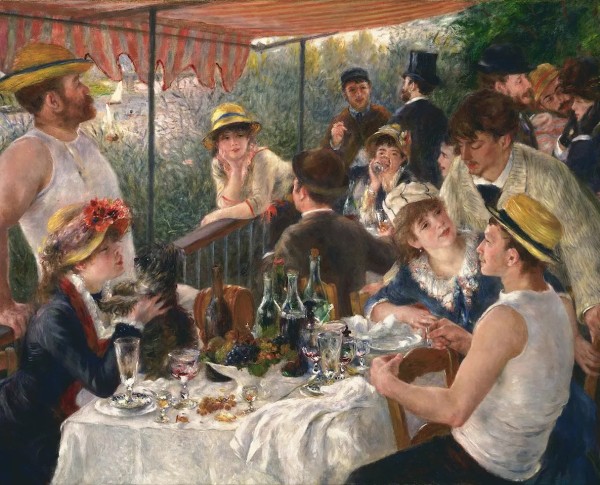
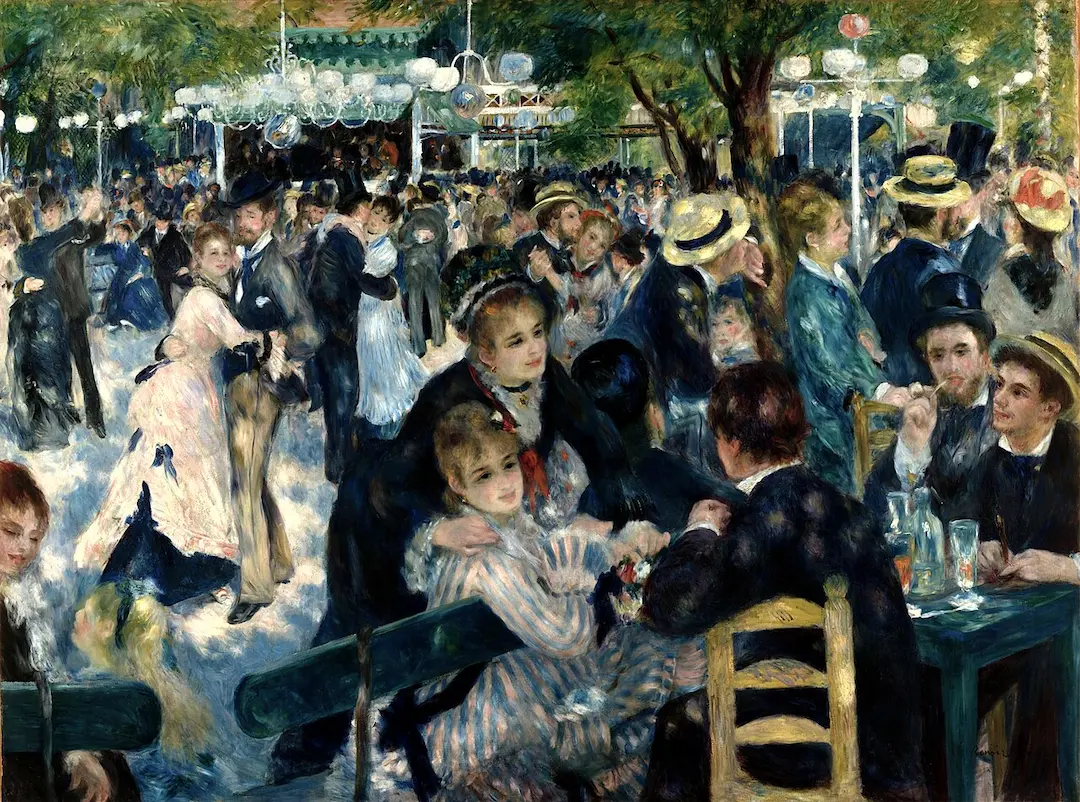
Owning "Arum and Conservatory Plants" is more than acquiring a painting; it is embracing a piece of art history. Pierre Auguste Renoir’s works are celebrated worldwide, making this hand-painted oil painting a sought-after treasure for collectors. When displayed alongside related products such as "Dance At The Moulin De La Galette" or "Spring Bouquet," this Impressionist masterpiece elevates any collection, offering timeless beauty and cultural significance.
When Art Meets History
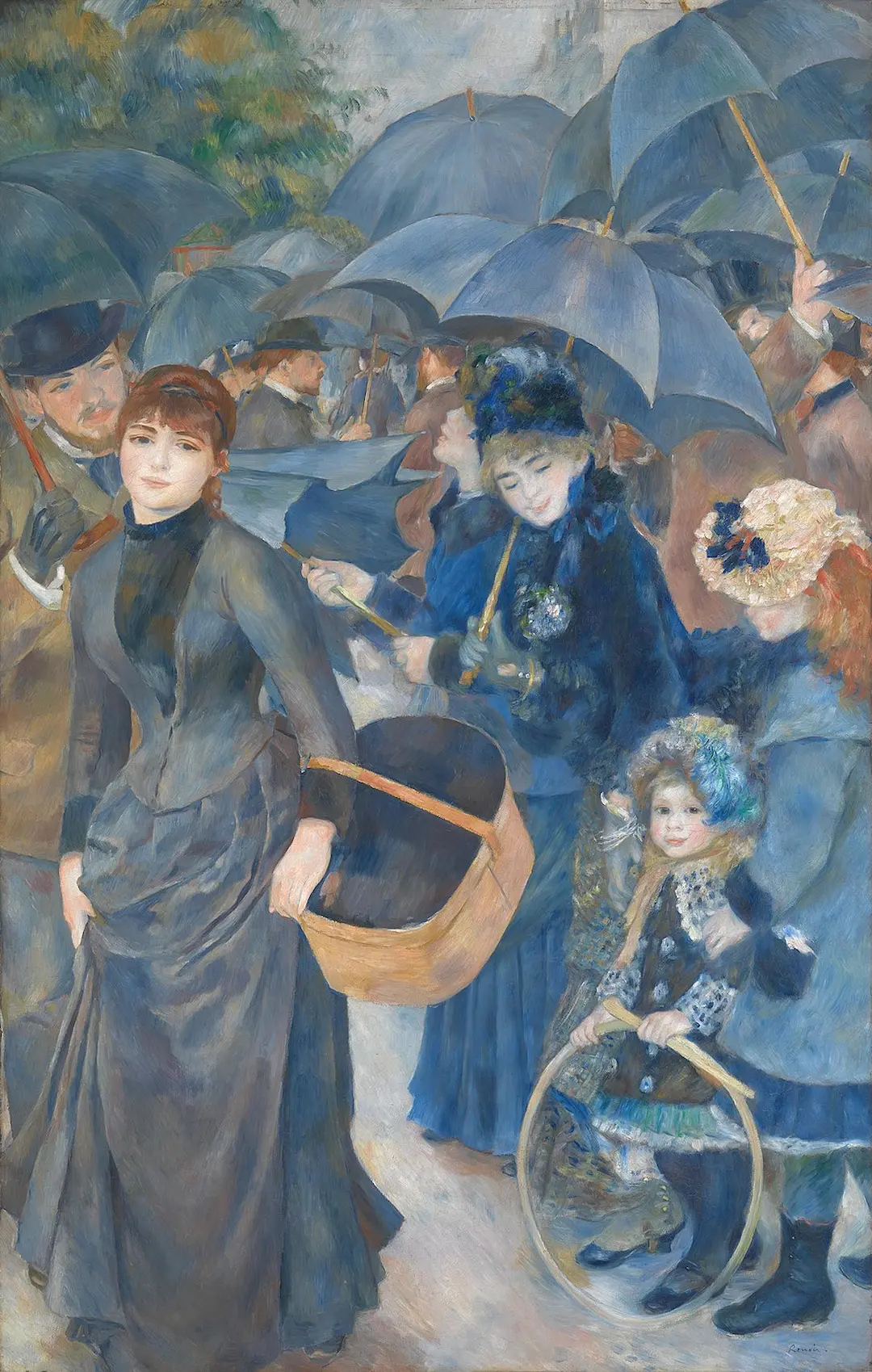
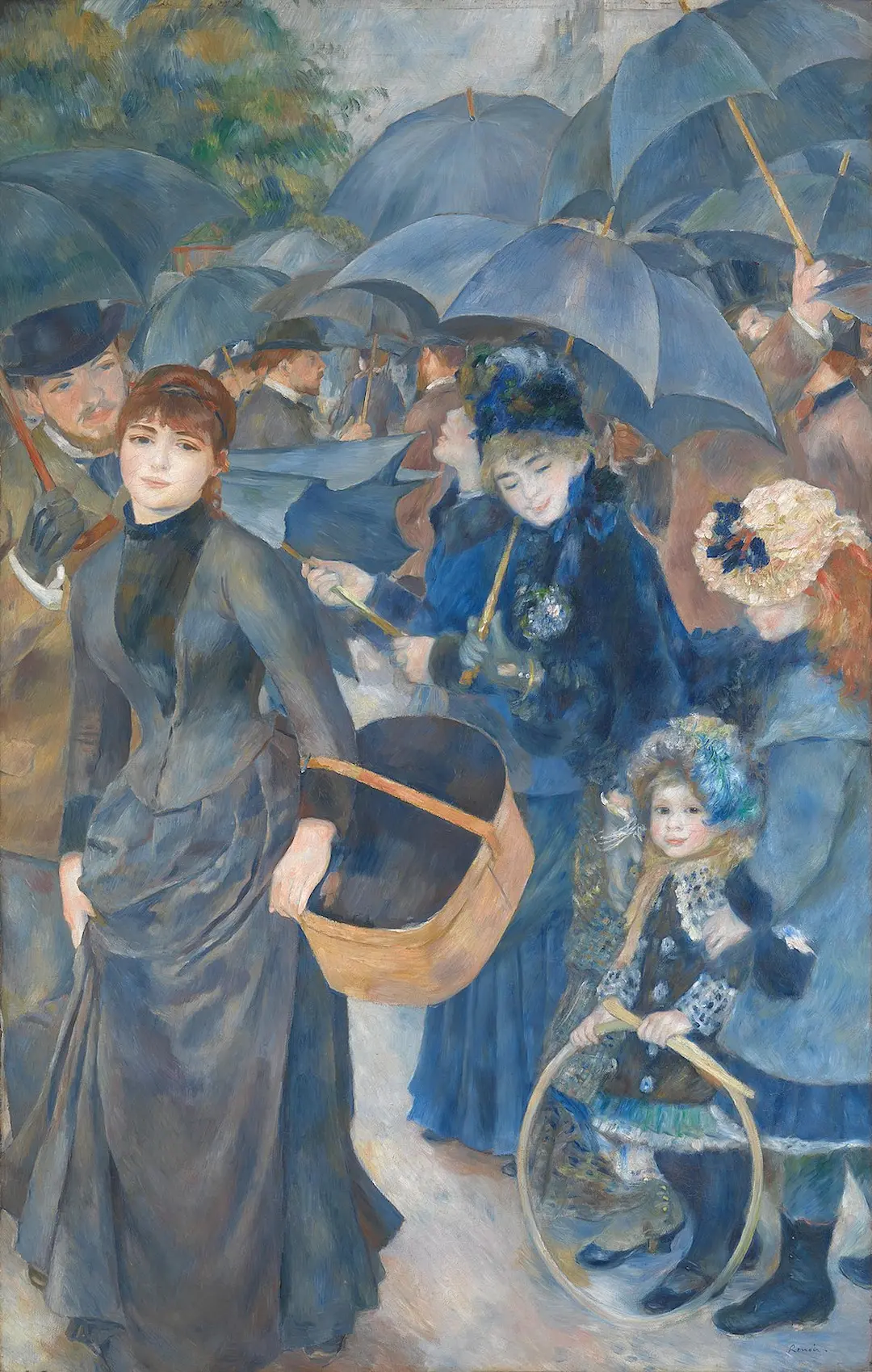
"Arum and Conservatory Plants" by Pierre Auguste Renoir stands as a remarkable example of Impressionism, a movement that redefined artistic expression in the late 19th century. This hand-painted oil painting captures a moment in time, much like Renoir’s contemporaries did with works such as "Paris Street - Rainy Weather 1877" and "La Gare Saint Lazare." Renoir’s ability to blend history and emotion within his floral compositions continues to inspire art lovers and collectors alike.
Techniques That Speak
Renoir’s mastery is evident in his use of oil on canvas, where vibrant brushstrokes and subtle color transitions bring "Arum and Conservatory Plants" to life. The Impressionist movement, also seen in "Ballet Rehearsal, 1873" and "Dancers In Pink," favored capturing light and atmosphere over precise detail. Renoir’s innovative techniques in this painting highlight his unique approach to texture and depth, making his works enduring favorites among admirers of fine art.
Emotions on Display
The lush beauty of "Arum and Conservatory Plants" evokes a sense of tranquility and joy, hallmarks of Pierre Auguste Renoir’s Impressionist style. This fine art painting for sale resonates emotionally, much like the serene landscapes of "Haystacks" or the graceful scenes in "Dancers In Pink." Renoir’s compositions invite viewers to experience the fleeting emotions of a moment, making his art timeless and deeply moving for those who appreciate Impressionism.
Coveted by Collectors
As with many works by Pierre Auguste Renoir, "Arum and Conservatory Plants" is highly sought after by art collectors. The allure of owning an original hand-painted oil painting by a master of Impressionism is undeniable. Alongside related masterpieces like "Ballet Rehearsal, 1873" and "La Gare Saint Lazare," this painting represents a valuable addition to any collection, embodying the enduring appeal of Impressionist fine art painting for sale.
Related Impressionism Hand-Painted Oil Paintings by Other Artists
Other Famous Impressionism Artists:
Frequently Asked Questions About Arum and Conservatory Plants
What is the historical context of "Arum and Conservatory Plants"?
"Arum and Conservatory Plants" was created during the late 19th century, a period marked by the Impressionist movement in France, which sought to capture the effects of light and color in natural settings. Renoir, a key figure in this movement, often explored themes of nature and domestic life in his works.
What artistic techniques did Renoir use in this painting?
Renoir employed loose brushwork and vibrant colors to convey the lushness of the plants. His technique emphasizes the interplay of light and shadow, creating a sense of depth and movement within the composition. The use of color harmonies also enhances the overall aesthetic appeal of the piece.
What is the significance of the arum plant in the painting?
The arum plant, known for its striking appearance, symbolizes purity and elegance. In the context of the painting, it may also represent the beauty of nature and the transient qualities of life, themes that resonate throughout Renoir's body of work.
How does "Arum and Conservatory Plants" reflect Renoir's artistic philosophy?
Renoir believed in the importance of capturing the beauty of everyday life. This painting exemplifies his philosophy by focusing on the simple yet profound beauty found in nature, inviting viewers to appreciate the delicate details of the plants and their environment.
What influences can be seen in Renoir's approach to still life in this painting?
Renoir's approach to still life in "Arum and Conservatory Plants" reflects influences from both Impressionism and traditional still life painting. He combines the spontaneity of Impressionism with the careful arrangement typical of classical still life, resulting in a harmonious and dynamic composition.
What role does color play in "Arum and Conservatory Plants"?
Color plays a pivotal role in this painting, as Renoir uses a vibrant palette to evoke emotion and create atmosphere. The interplay of greens, whites, and subtle earth tones enhances the visual richness and draws attention to the natural beauty of the plants.
How does the composition of the painting contribute to its overall impact?
The composition of "Arum and Conservatory Plants" is carefully balanced, with the arrangement of plants leading the viewer's eye throughout the canvas. This thoughtful organization creates a sense of harmony and invites contemplation of the beauty depicted.
In what ways does this painting reflect the characteristics of Impressionism?
This painting embodies key characteristics of Impressionism, including an emphasis on light, color, and the depiction of everyday subjects. Renoir's loose brushwork and focus on natural forms exemplify the movement's goal of capturing fleeting moments in time.
What can be inferred about Renoir's view of nature from this work?
Renoir's portrayal of nature in "Arum and Conservatory Plants" suggests a deep appreciation for its beauty and complexity. His attention to detail and vibrant representation indicate a belief in the intrinsic value of the natural world, celebrating its forms and colors.
How does "Arum and Conservatory Plants" fit into Renoir's broader oeuvre?
This painting fits into Renoir's broader oeuvre as it showcases his fascination with light, color, and the beauty of nature. It reflects his evolution as an artist and his ongoing exploration of themes related to the human experience and the natural environment.






















_GFM_Painting_(1).webp)


 100% Hand-Painted: Finished in 3-6 Weeks

.png)

















_(1).webp)