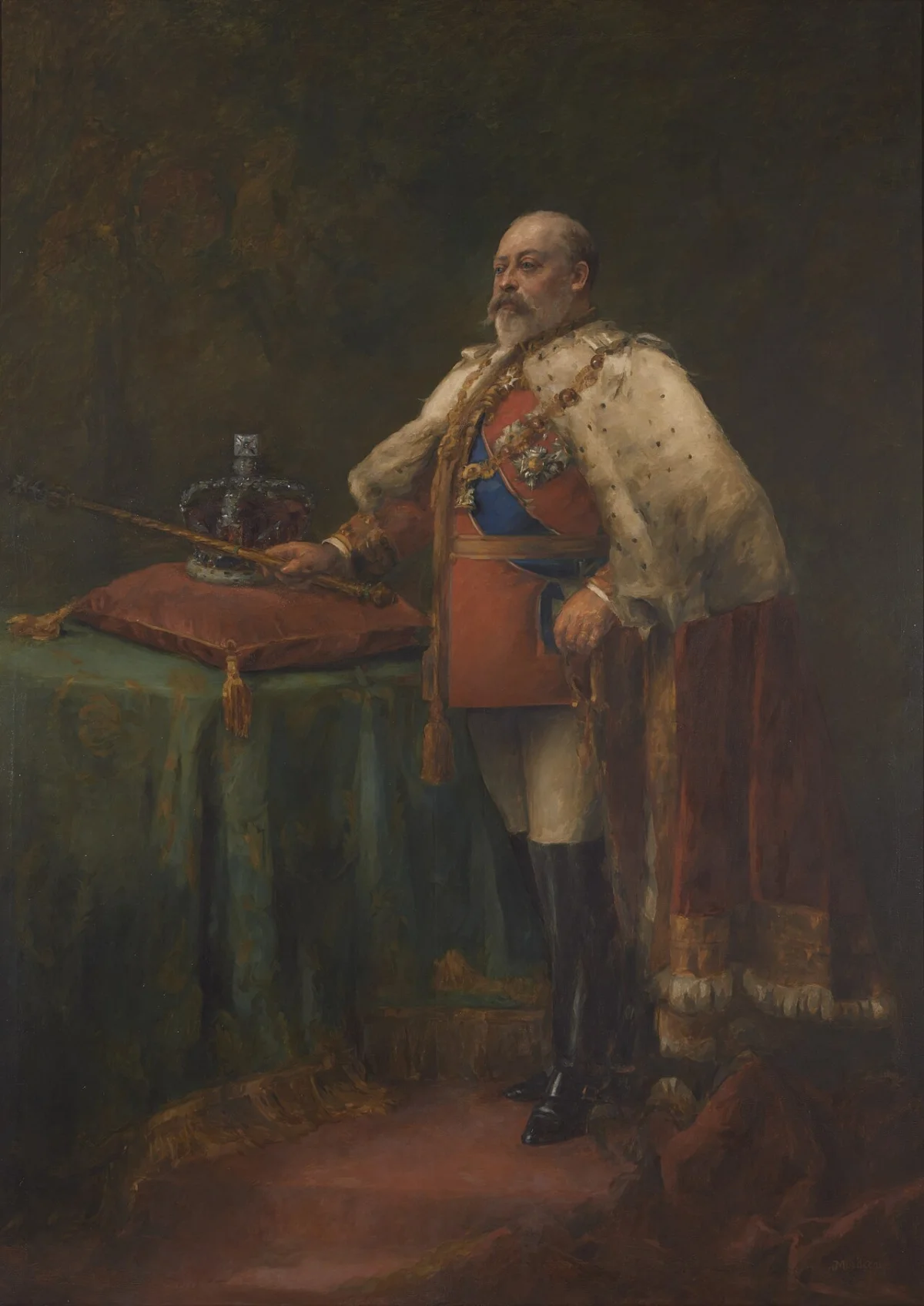
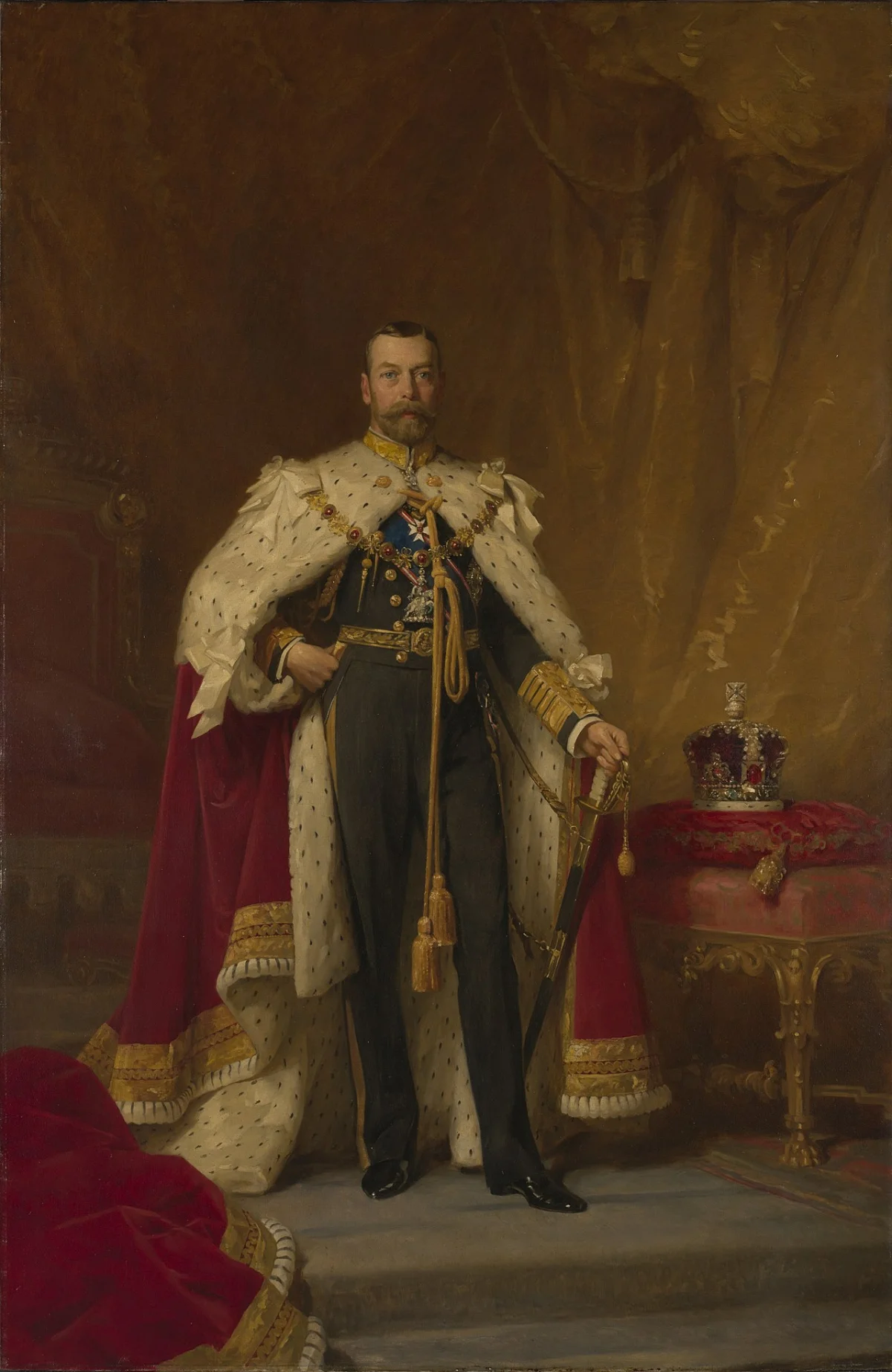
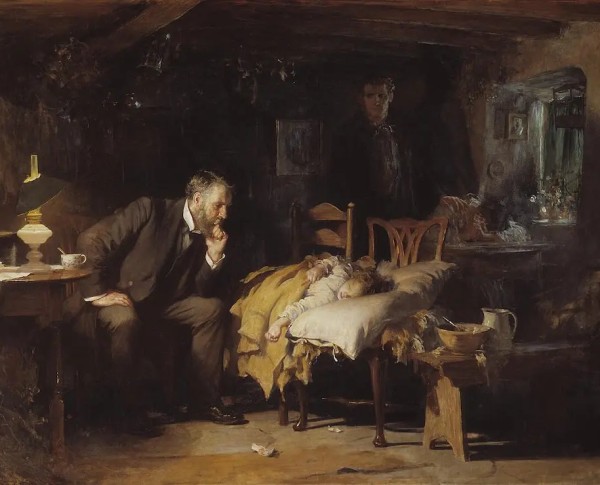
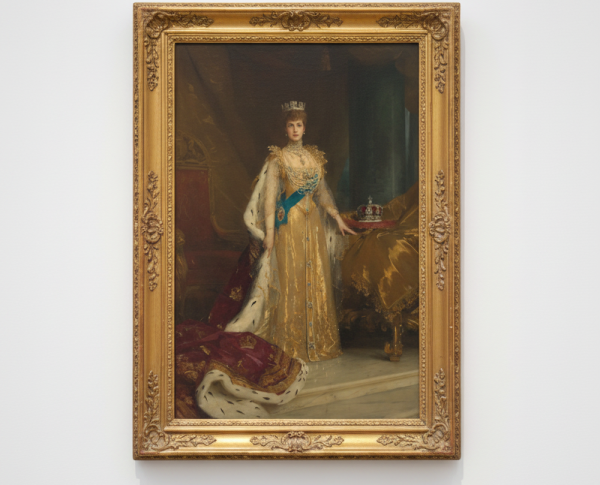
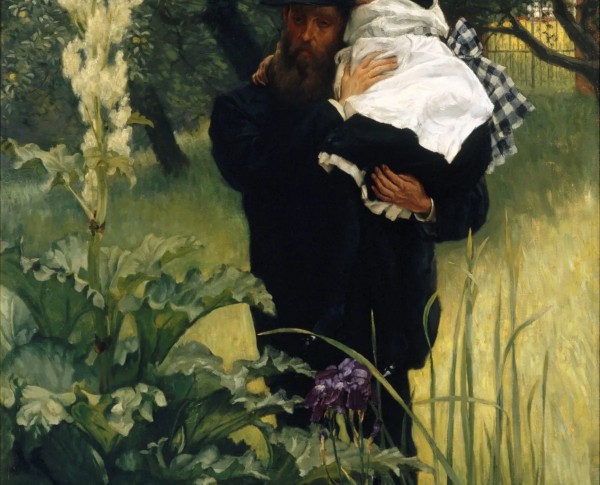
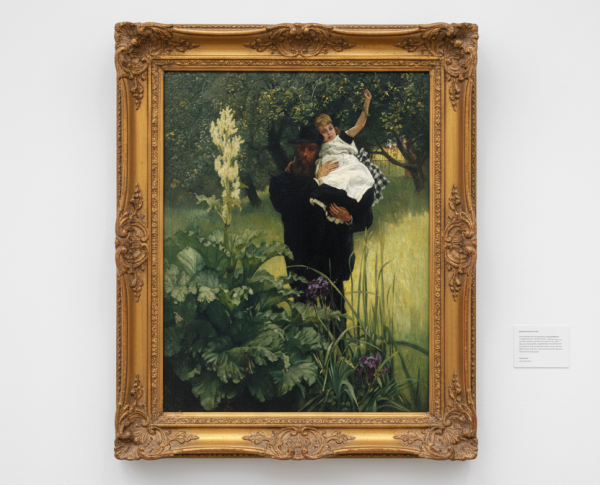
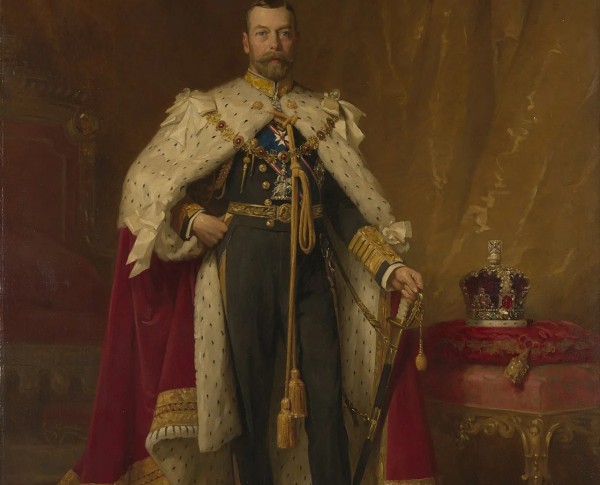
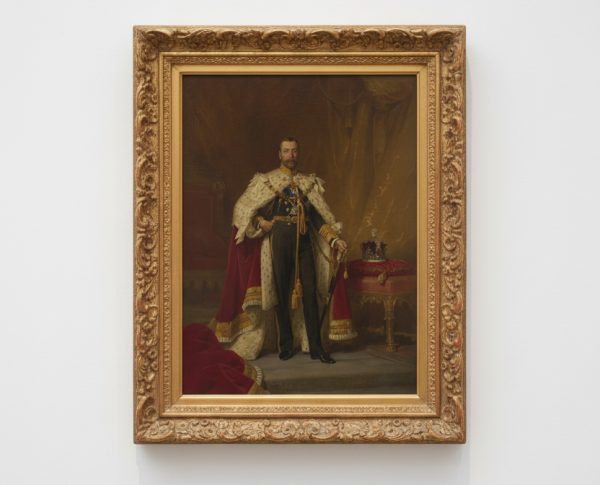
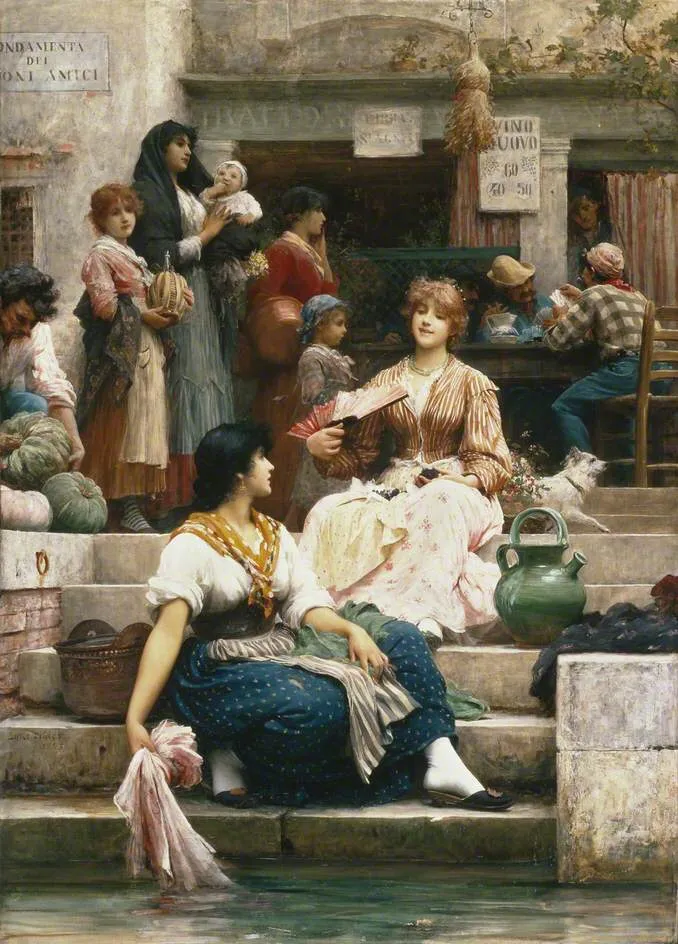
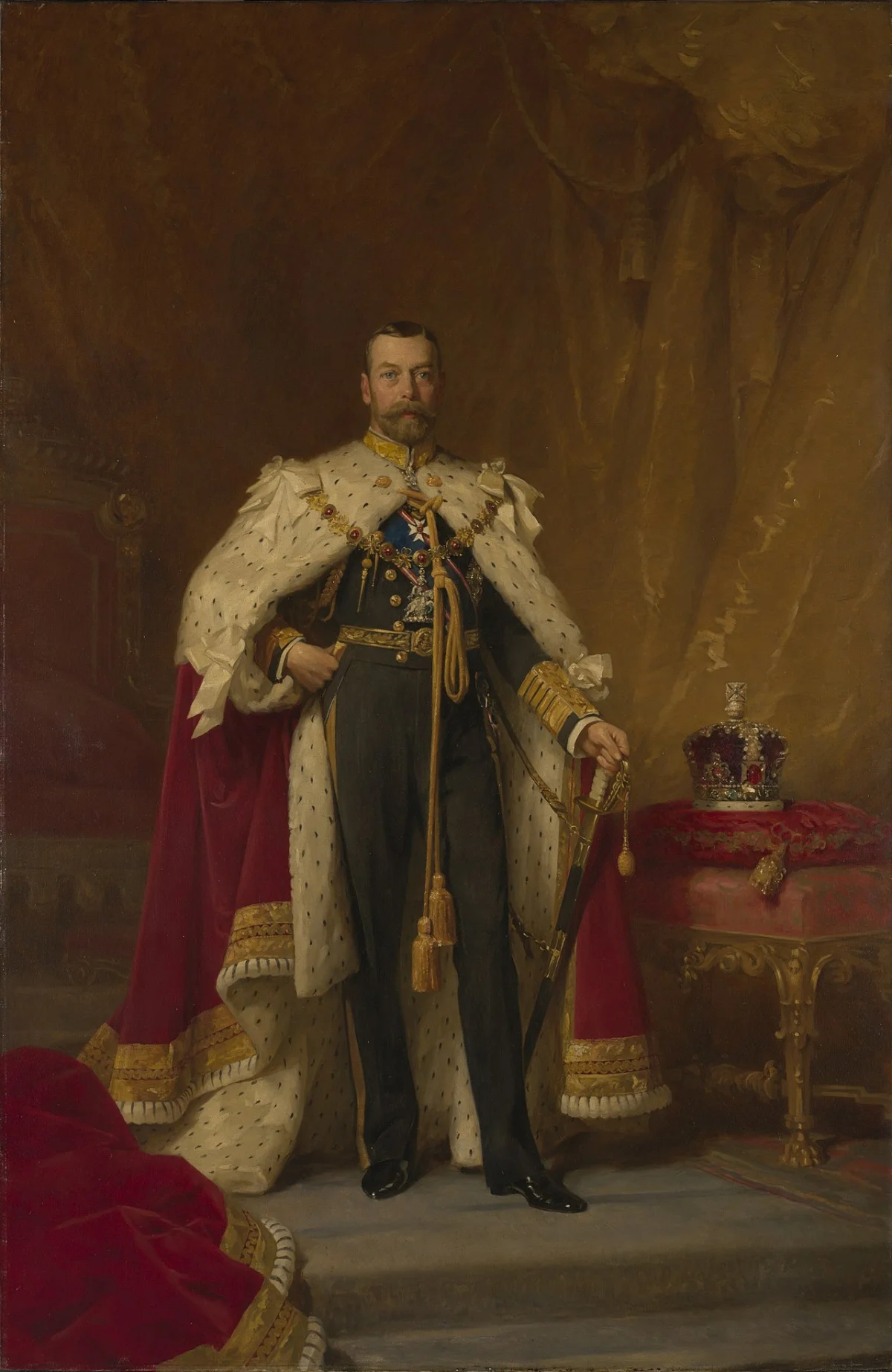
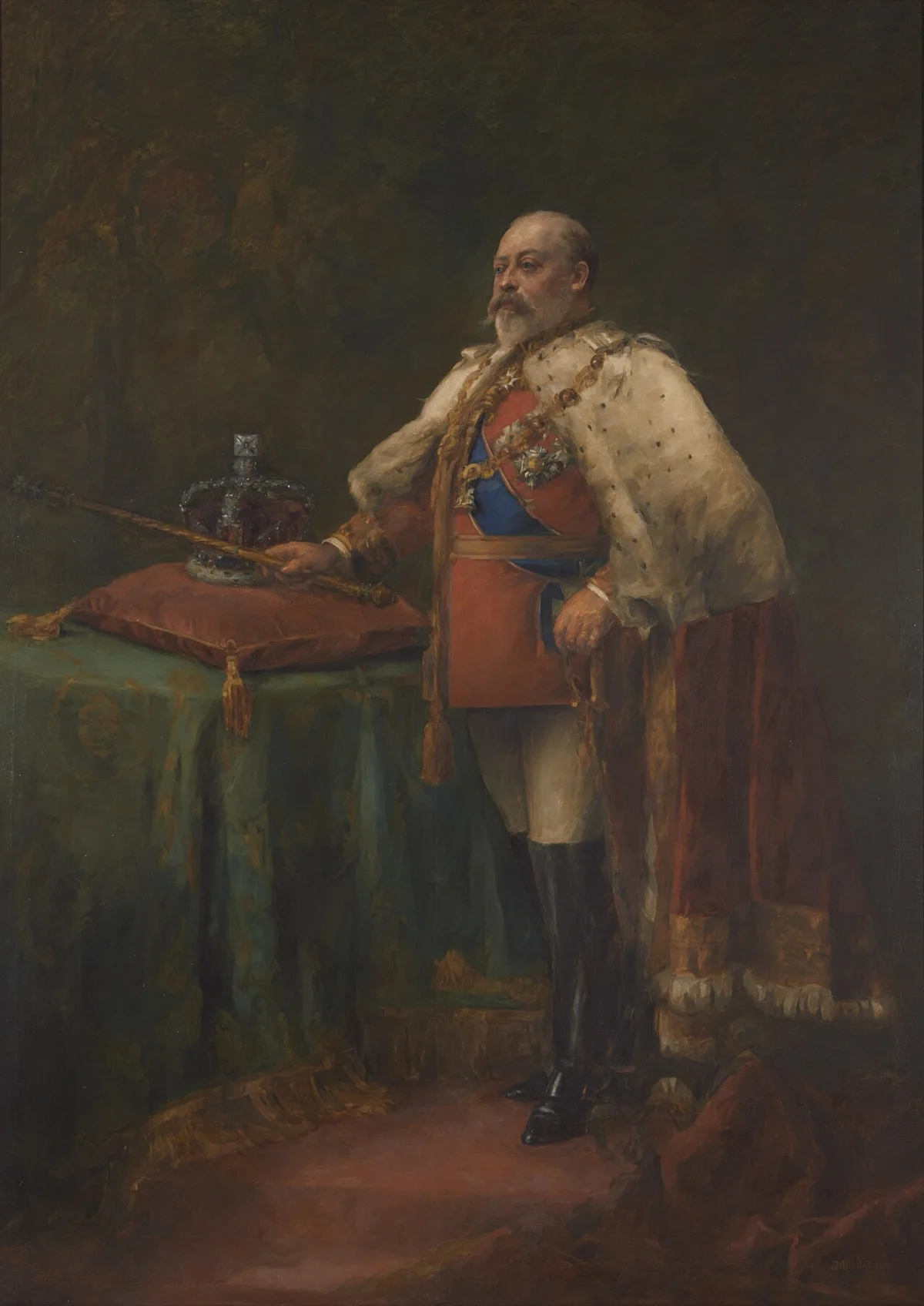
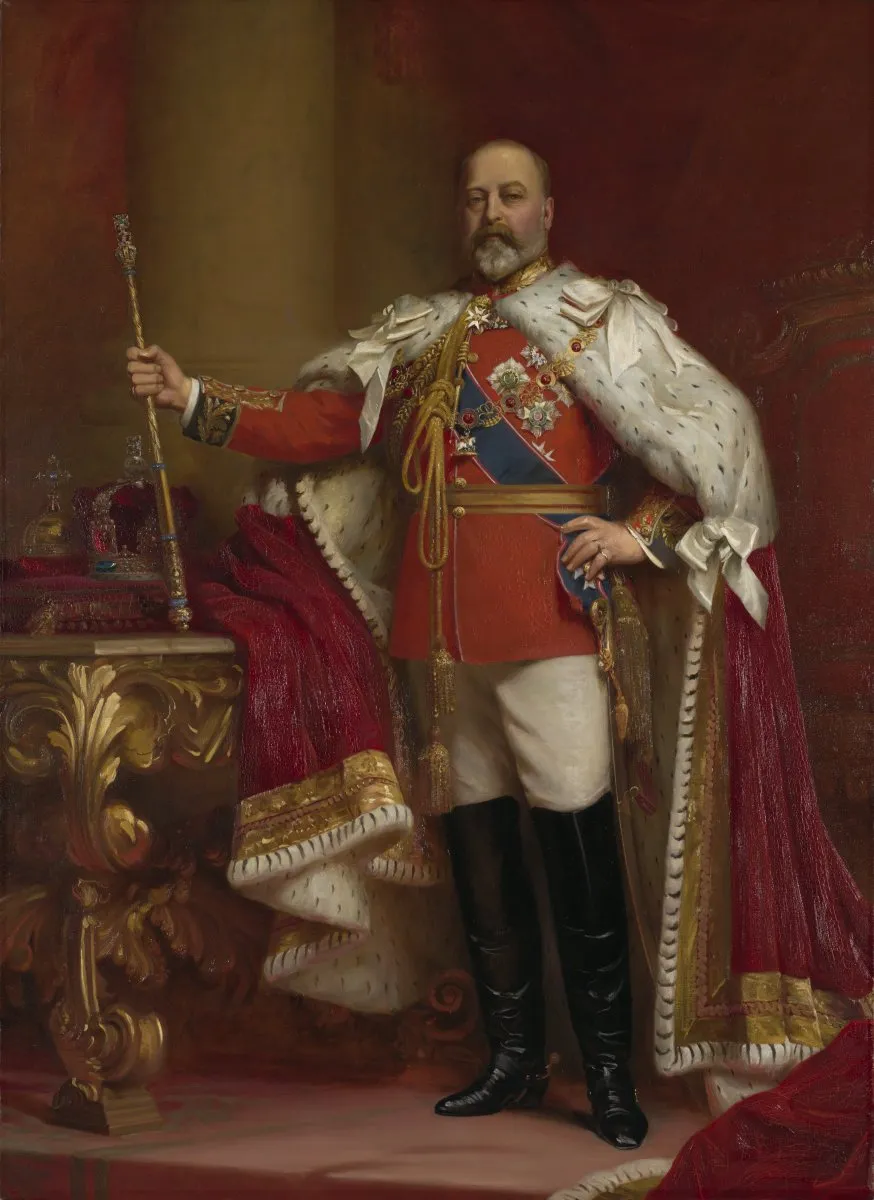
Samuel Luke Fildes’ technique in "Italian Scene" showcases his extraordinary skill in manipulating oil on canvas. The painting’s vivid colors and meticulous attention to detail draw viewers into the heart of Italian culture, characteristic of the Social Realism movement. Fildes’ artistry is further evident in related masterpieces such as "Hm King Edward Vii" and "Protector Of The Craft," where his brushwork and composition demonstrate why his works remain sought after by art enthusiasts.
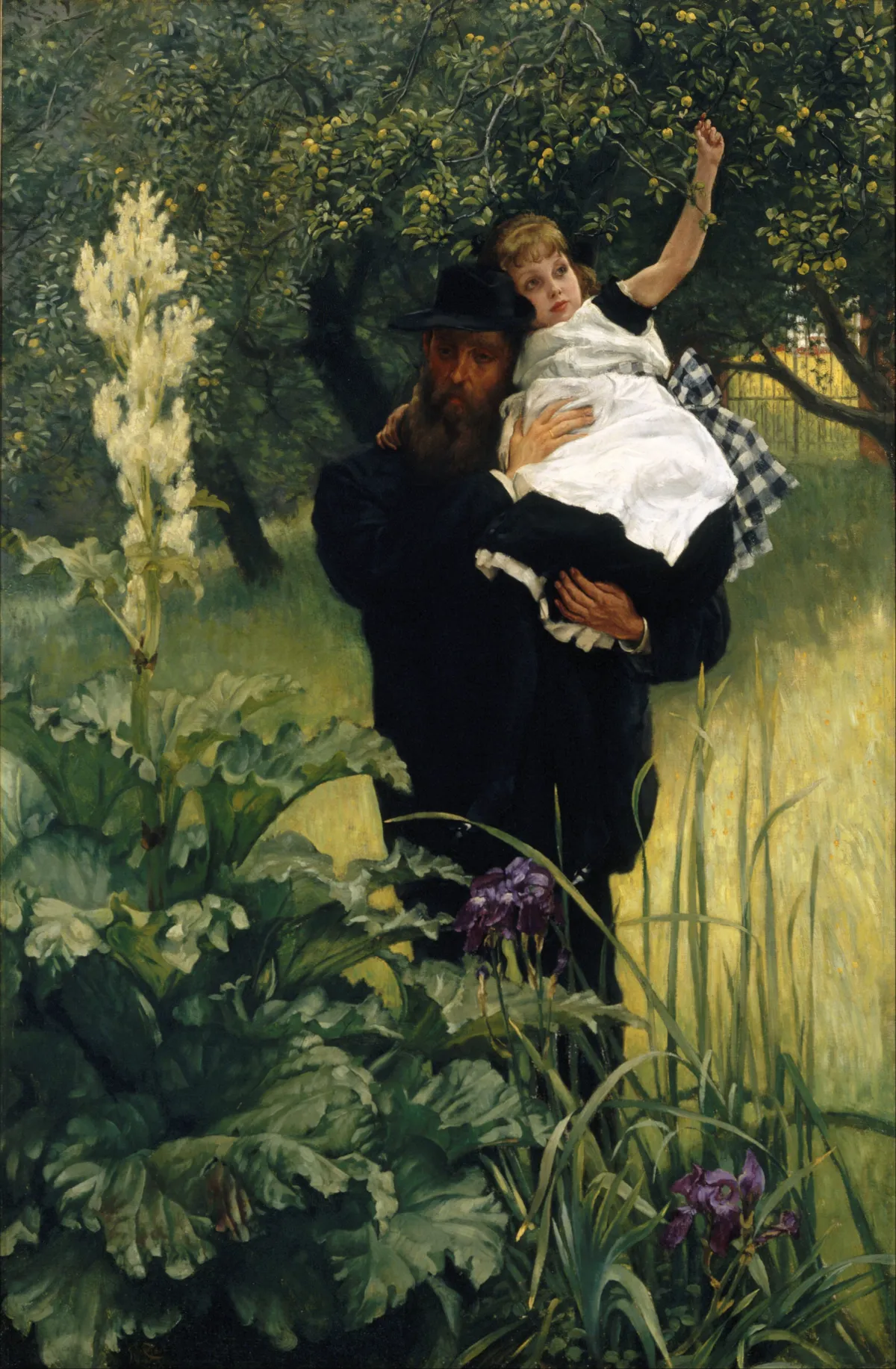
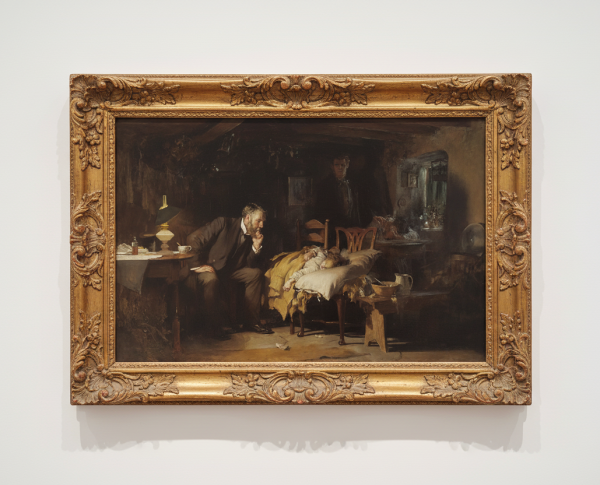
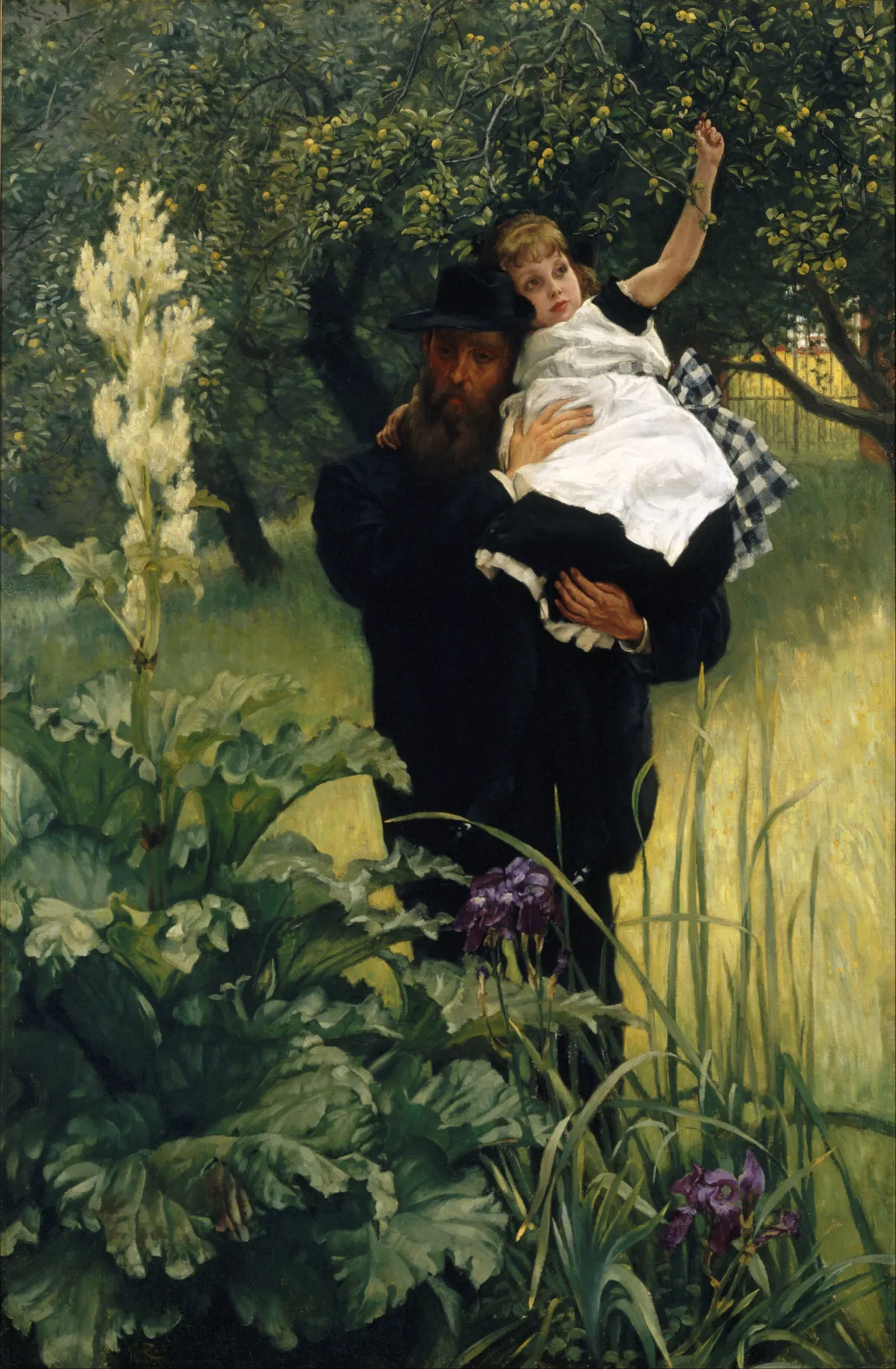
"Italian Scene" is more than a mere depiction; it’s a narrative woven through symbols of daily Italian life, echoing the core values of Social Realism. The subjects and setting invite viewers to reflect on the social conditions of the time, much like Fildes’ "the Empty Chair" and "Rosa Siega." Each figure and object in this fine art painting for sale tells a unique story, making it a meaningful addition to any thoughtful collection.
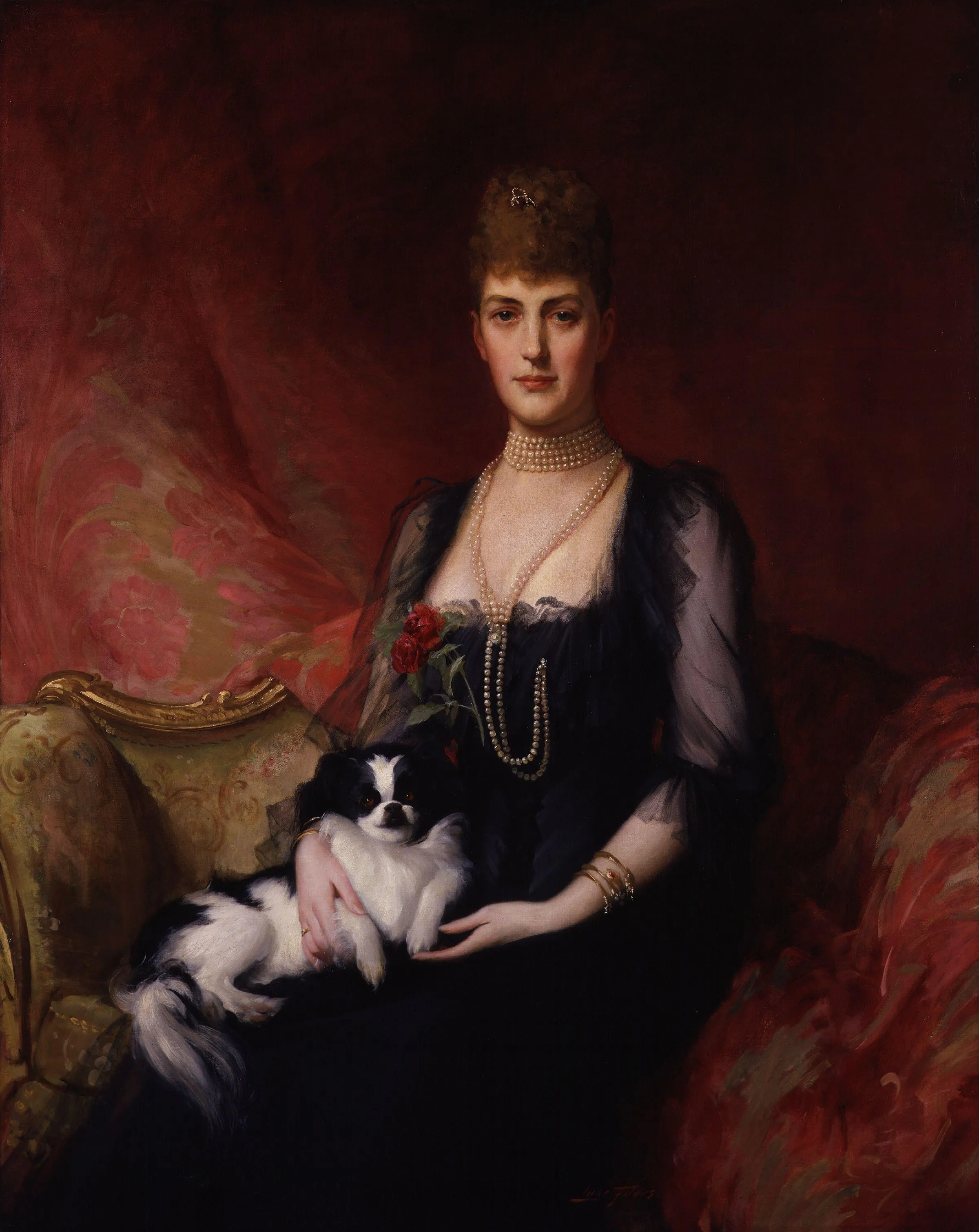
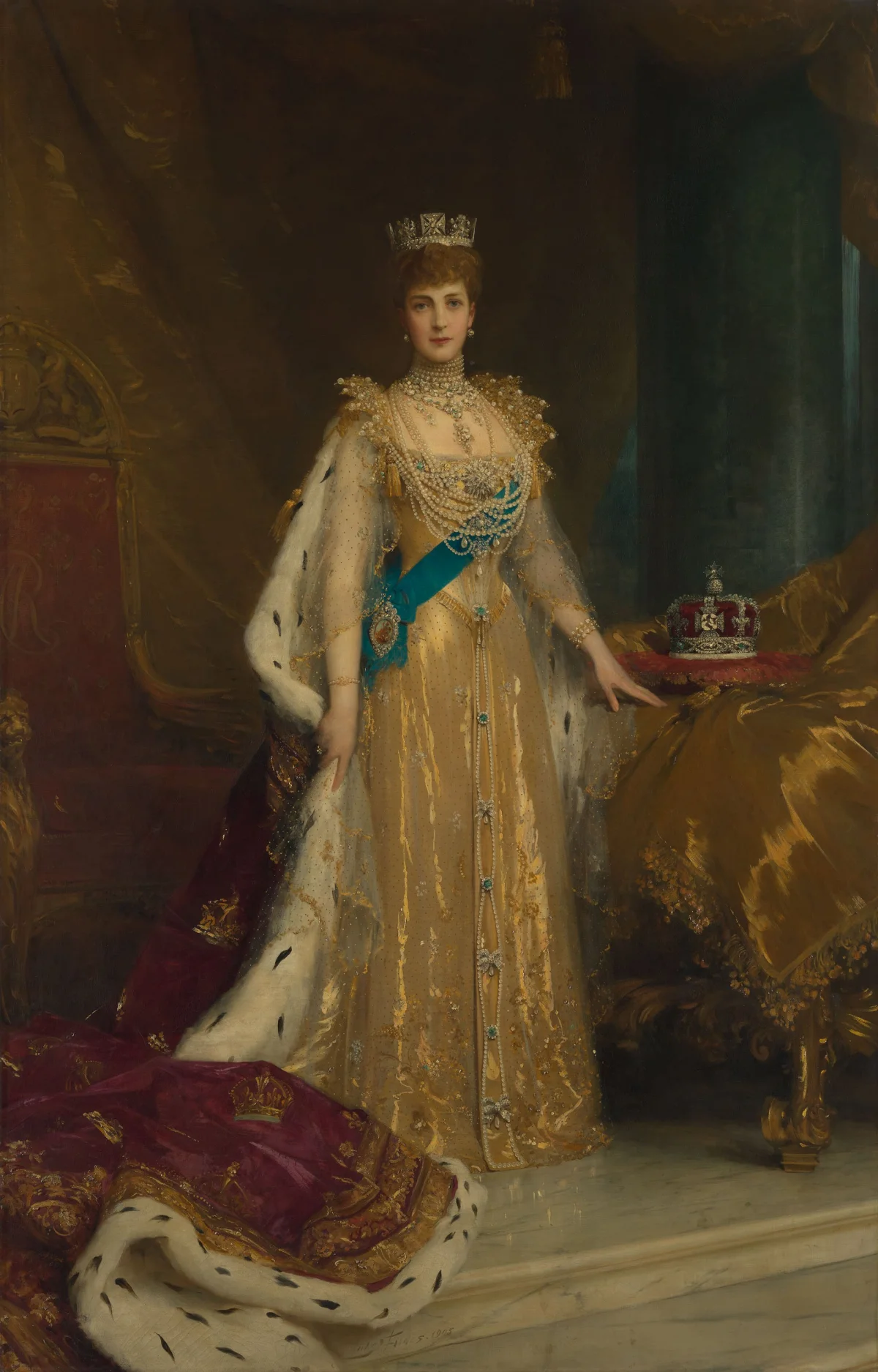
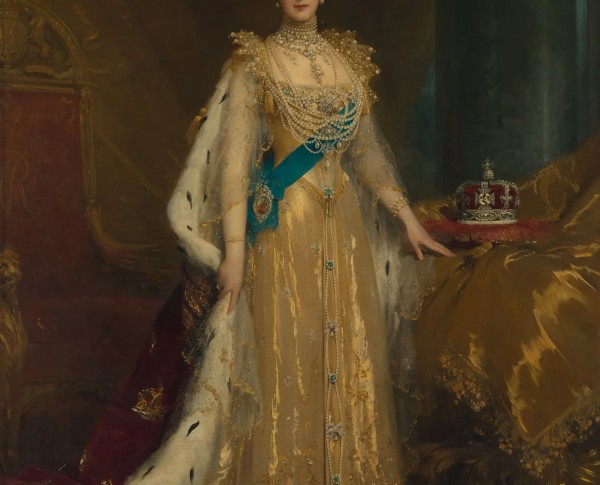
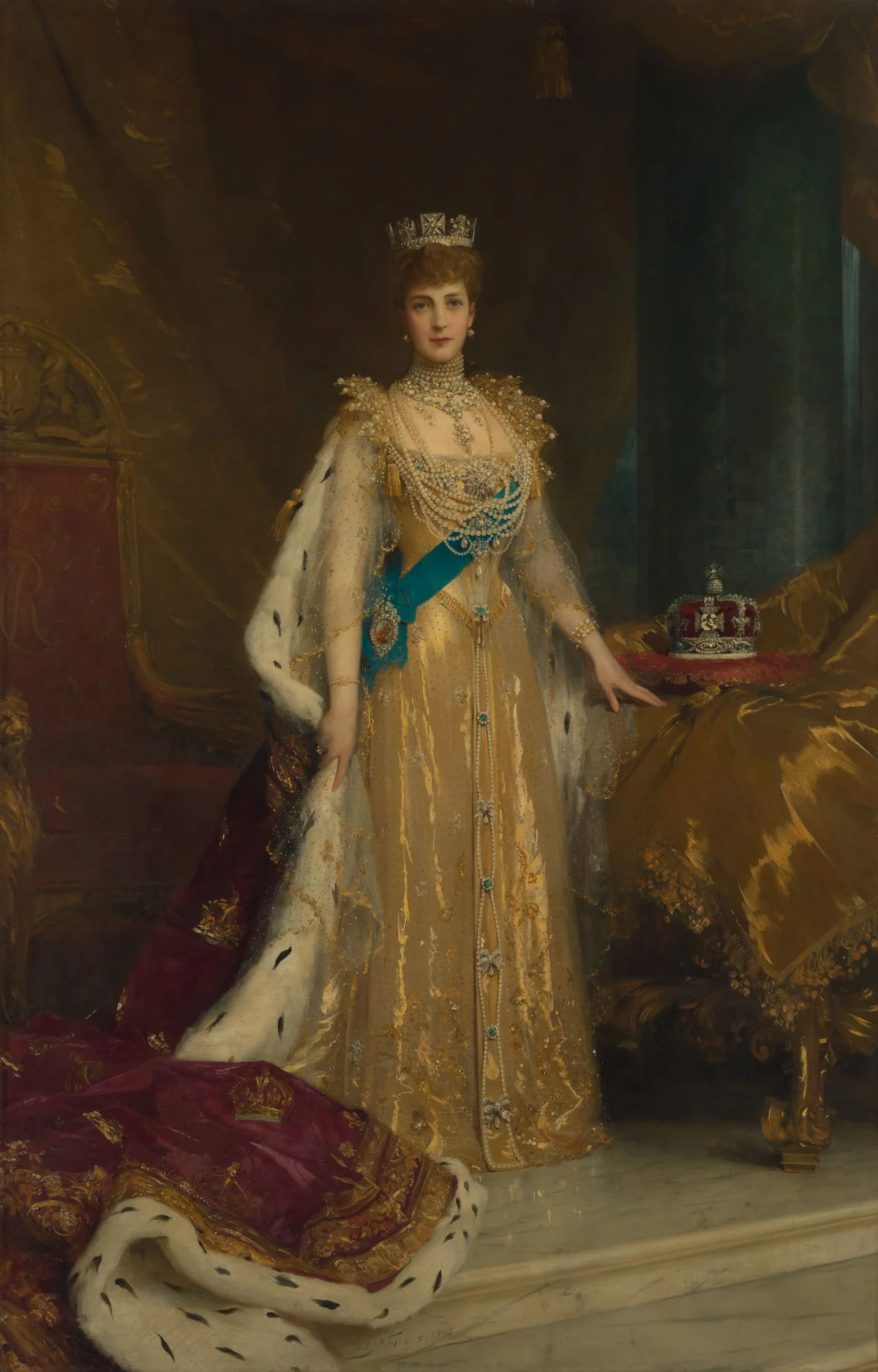
For collectors seeking a piece that embodies history and artistic excellence, "Italian Scene" by Samuel Luke Fildes represents a prized acquisition. This hand-painted oil painting stands alongside other notable works like "Queen Alexandra," capturing the spirit of an era through Social Realism. As a fine art painting for sale, it offers not only visual beauty but also historical significance, making it a valuable centerpiece for connoisseurs and admirers of classic oil on canvas masterpieces.
When Art Meets History
Samuel Luke Fildes, renowned for his contributions to the Social Realism movement, created "Italian Scene" as a testament to the power of observation and empathy in art. This hand-painted oil painting captures a slice of everyday life in Italy, reflecting the social conditions of the era. Fildes’s mastery is evident in his ability to combine historical context with artistic narrative, much like his other celebrated works. "Italian Scene" remains a compelling example of art’s ability to document history.
Techniques That Speak
In "Italian Scene," Samuel Luke Fildes employs oil on canvas to bring his vision to life, demonstrating his exceptional technical skill. His brushwork and attention to detail highlight the textures and atmosphere of the setting, hallmarks of the Social Realism movement. The interplay of light and shadow, along with rich color palettes, creates a vivid and immersive experience. This approach is consistent with Fildes’s other works, further establishing his reputation in the world of fine art.
Emotions on Display
Samuel Luke Fildes’s "Italian Scene" is more than just a visual representation; it is a fine art painting for sale that conveys deep emotion and human connection. The expressions and postures of the figures evoke empathy and invite viewers to contemplate their stories. This emotional resonance is characteristic of the Social Realism movement, where artists like Fildes excelled at portraying the dignity and struggles of ordinary people, making his paintings timeless and universally relatable.
Coveted by Collectors
"IItalian Scene" by Samuel Luke Fildes is highly sought after by art collectors who appreciate authentic hand-painted oil paintings. As a significant work within the Social Realism movement, it stands alongside Fildes’s other masterpieces. The painting’s historical significance, technical excellence, and emotional depth make it a valuable addition to any collection. Collectors recognize the enduring appeal of Fildes’s artistry and the investment potential of owning such a distinguished piece of art history.
Frequently Asked Questions About Italian Scene
What is the historical context of "Italian Scene"?
"Italian Scene" was created during the late 19th century, a period marked by significant social and artistic changes in Europe. This era saw the rise of realism in art, which aimed to depict everyday life and ordinary people with authenticity.
What artistic movement does Samuel Luke Fildes belong to?
Samuel Luke Fildes is primarily associated with the Realism movement. His works often reflect a commitment to portraying real-life situations and human emotions, moving away from the idealized subjects of previous artistic styles.
What techniques did Fildes use in "Italian Scene"?
Fildes employed techniques such as chiaroscuro to create depth and dimension, as well as a careful attention to detail that captures the textures of the environment and the expressions of the figures depicted.
What themes are explored in "Italian Scene"?
The painting explores themes of daily life and cultural identity, reflecting the simplicity and beauty of Italian rural life. It also highlights the connection between people and their environment.
How does "Italian Scene" reflect the culture of Italy?
The painting captures the essence of Italian culture through its depiction of local customs, attire, and the landscape, showcasing the harmony between the people and their surroundings.
What is the significance of the figures in "Italian Scene"?
The figures in the painting represent the everyday individuals of Italian society, emphasizing the importance of ordinary people in the narrative of art and history. Their expressions and interactions convey a sense of community and shared experience.
How does Fildes' background influence "Italian Scene"?
Fildes' background as a British painter who traveled extensively influenced his perspective on different cultures. His ability to blend his experiences with a deep appreciation for Italian life adds depth to the narrative of "Italian Scene."
What role does color play in "Italian Scene"?
Color in "Italian Scene" is used to evoke mood and atmosphere. Fildes employs a warm palette that reflects the sunlight of Italy, enhancing the inviting and vibrant quality of the scene.
How has "Italian Scene" been received by art critics?
Art critics have praised "Italian Scene" for its technical skill and emotional resonance. The painting is often noted for its ability to transport viewers to a specific time and place, making it a beloved work in Fildes' oeuvre.
What impact did "Italian Scene" have on subsequent artists?
"Italian Scene" has influenced subsequent generations of artists by demonstrating the power of realism in capturing the human experience. Its focus on everyday life has inspired many to explore similar themes in their own work.























_GFM_Painting_(1).webp)


 100% Hand-Painted: Finished in 3-6 Weeks

.png)















_(1).webp)