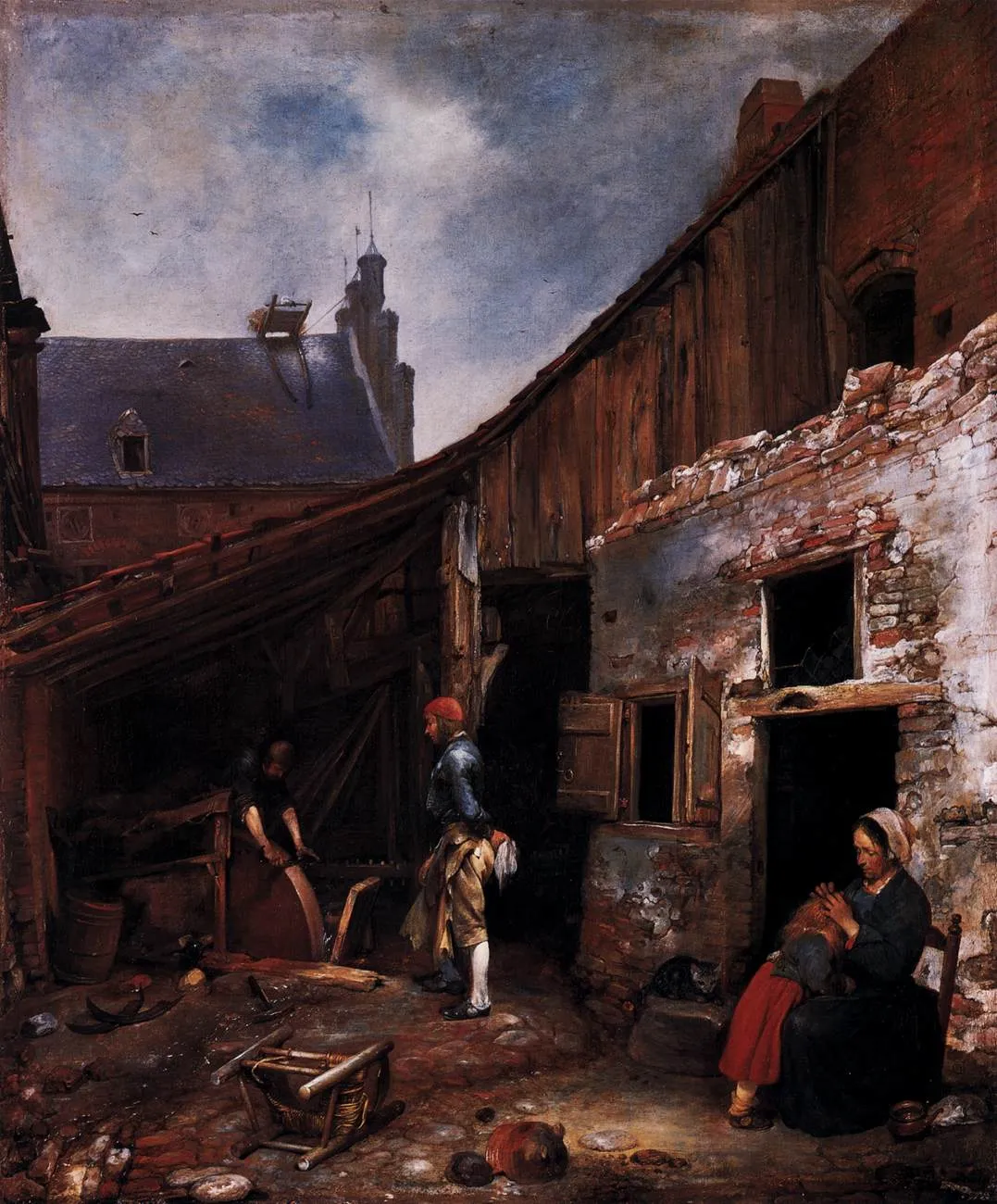
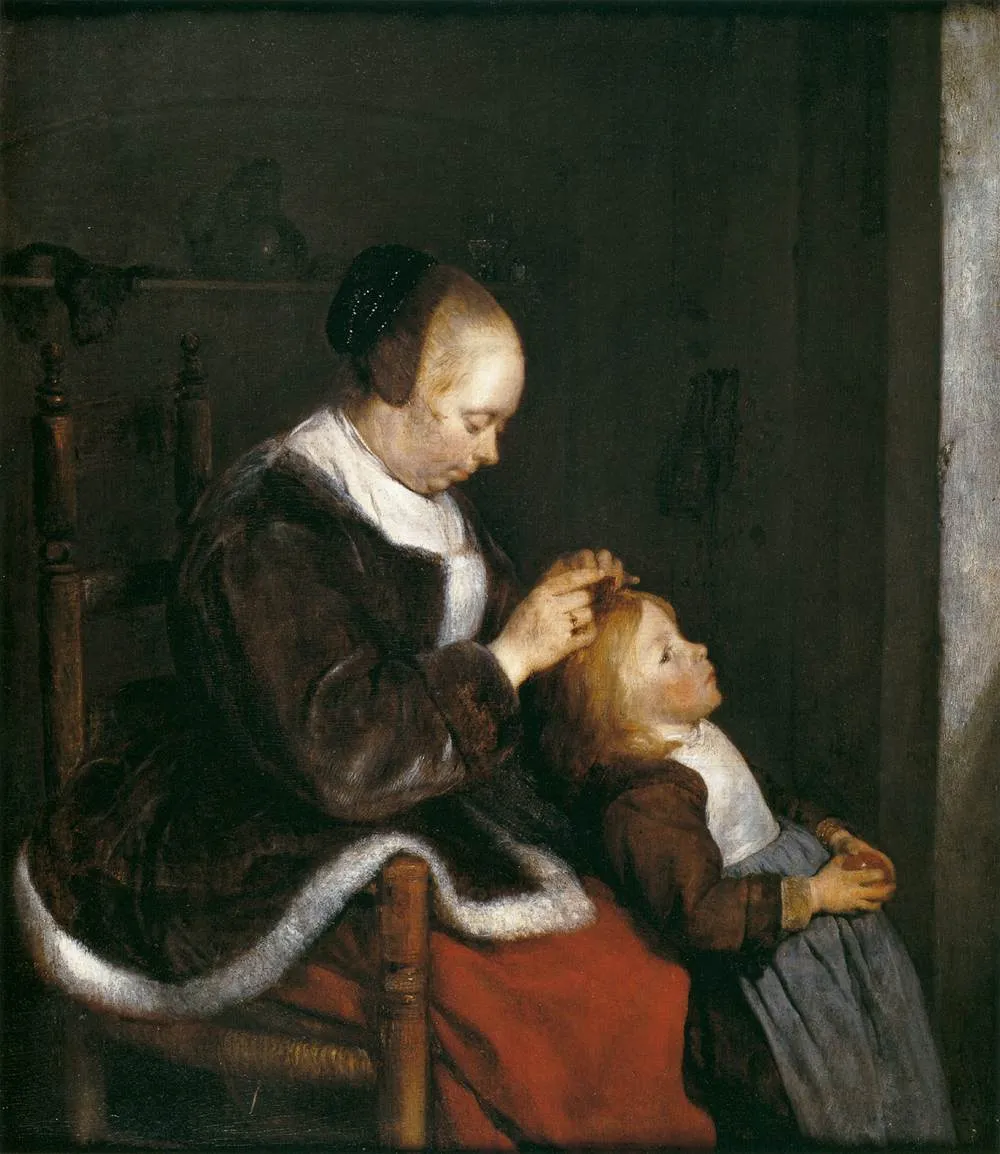
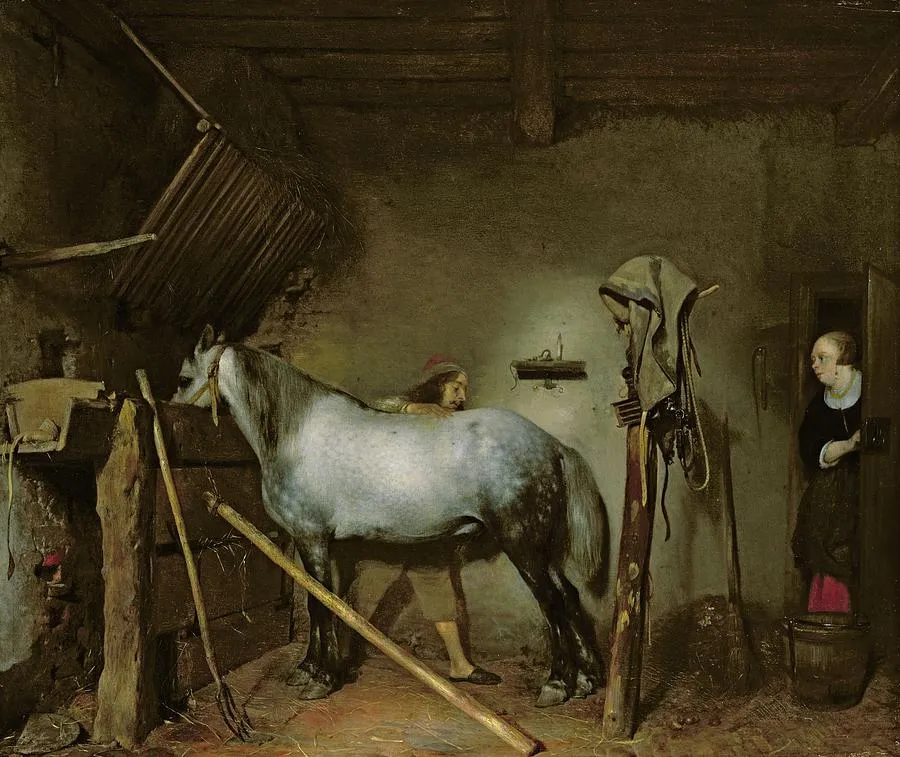
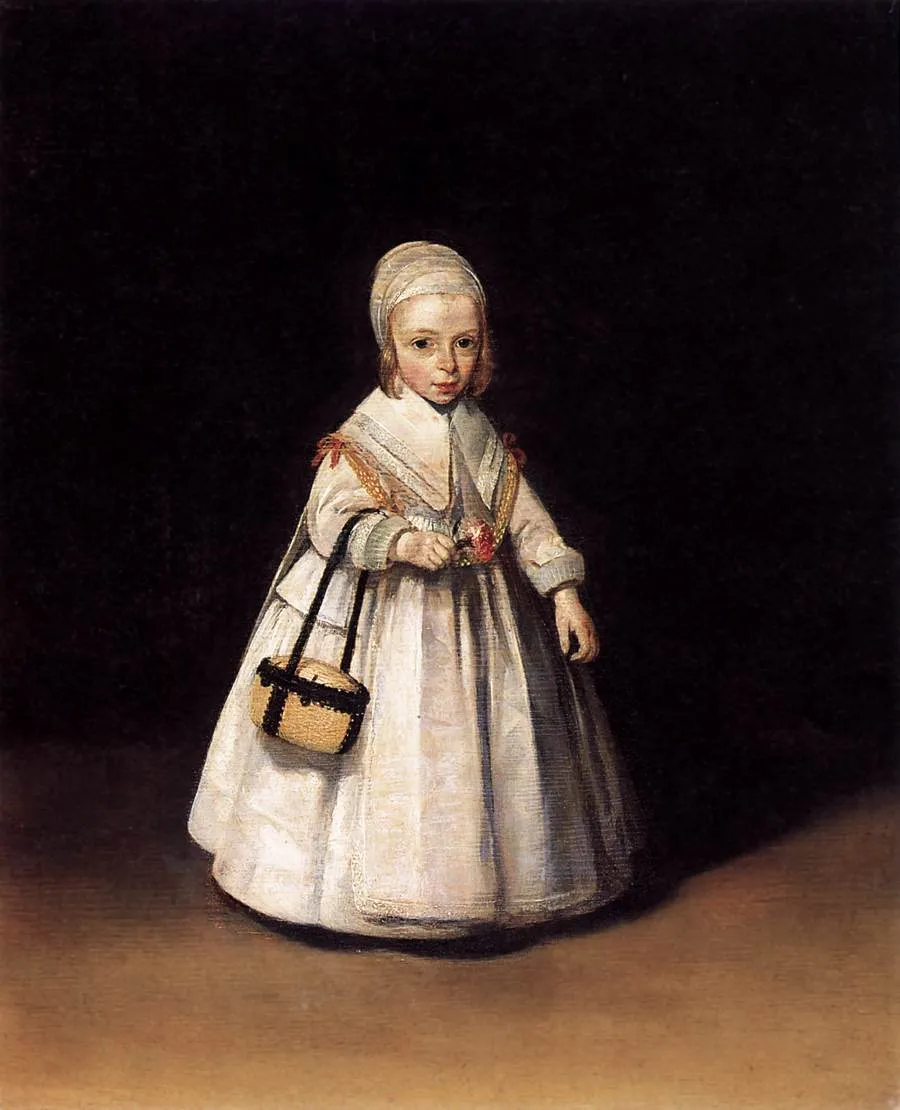
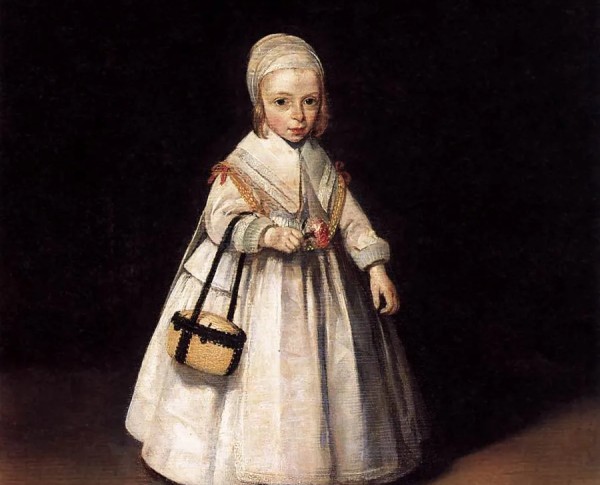
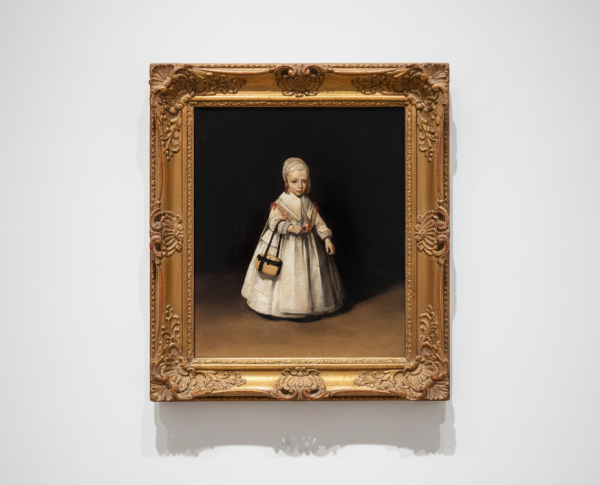
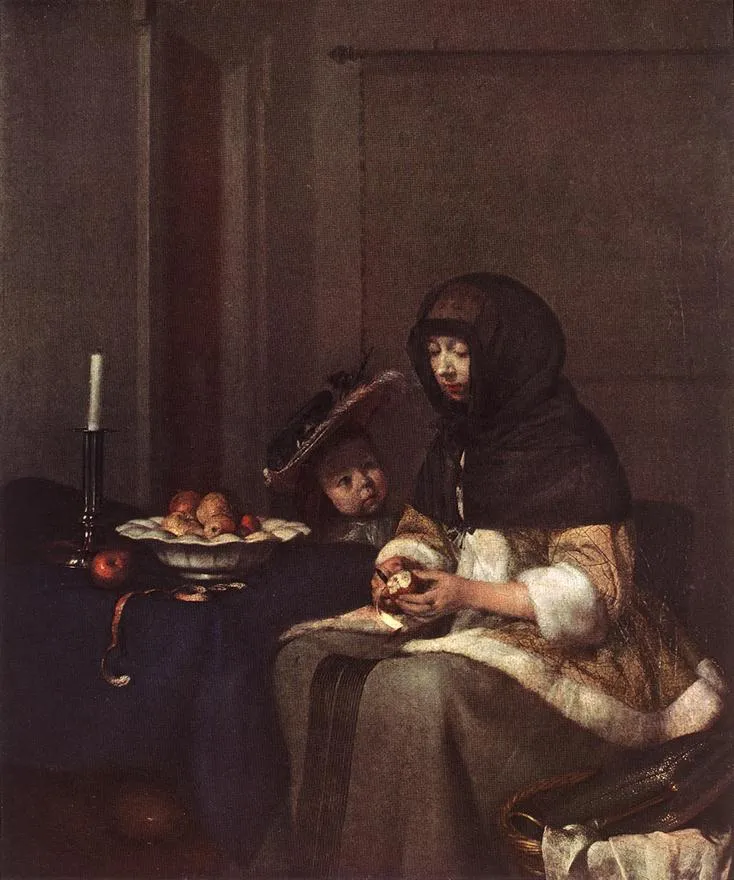
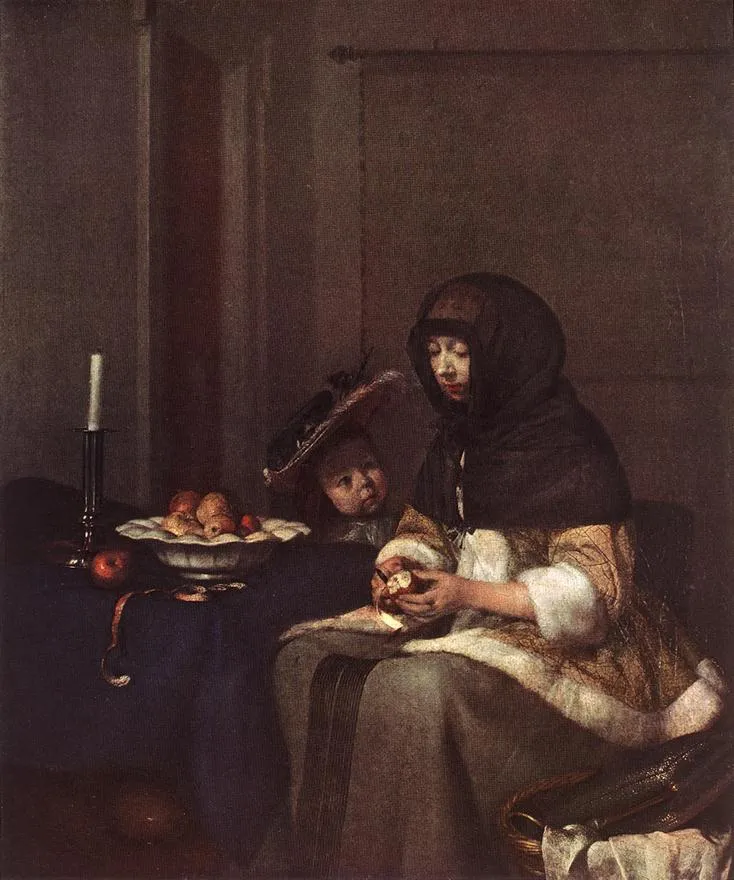
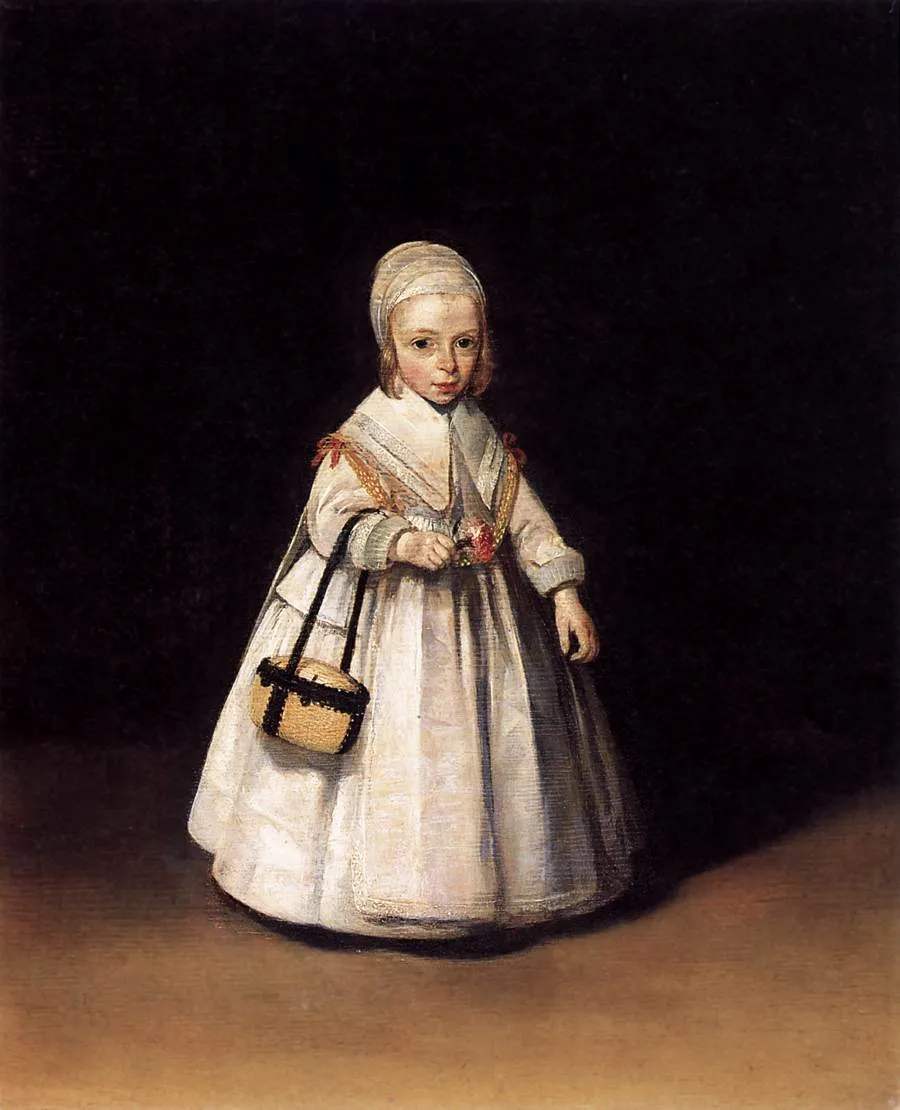
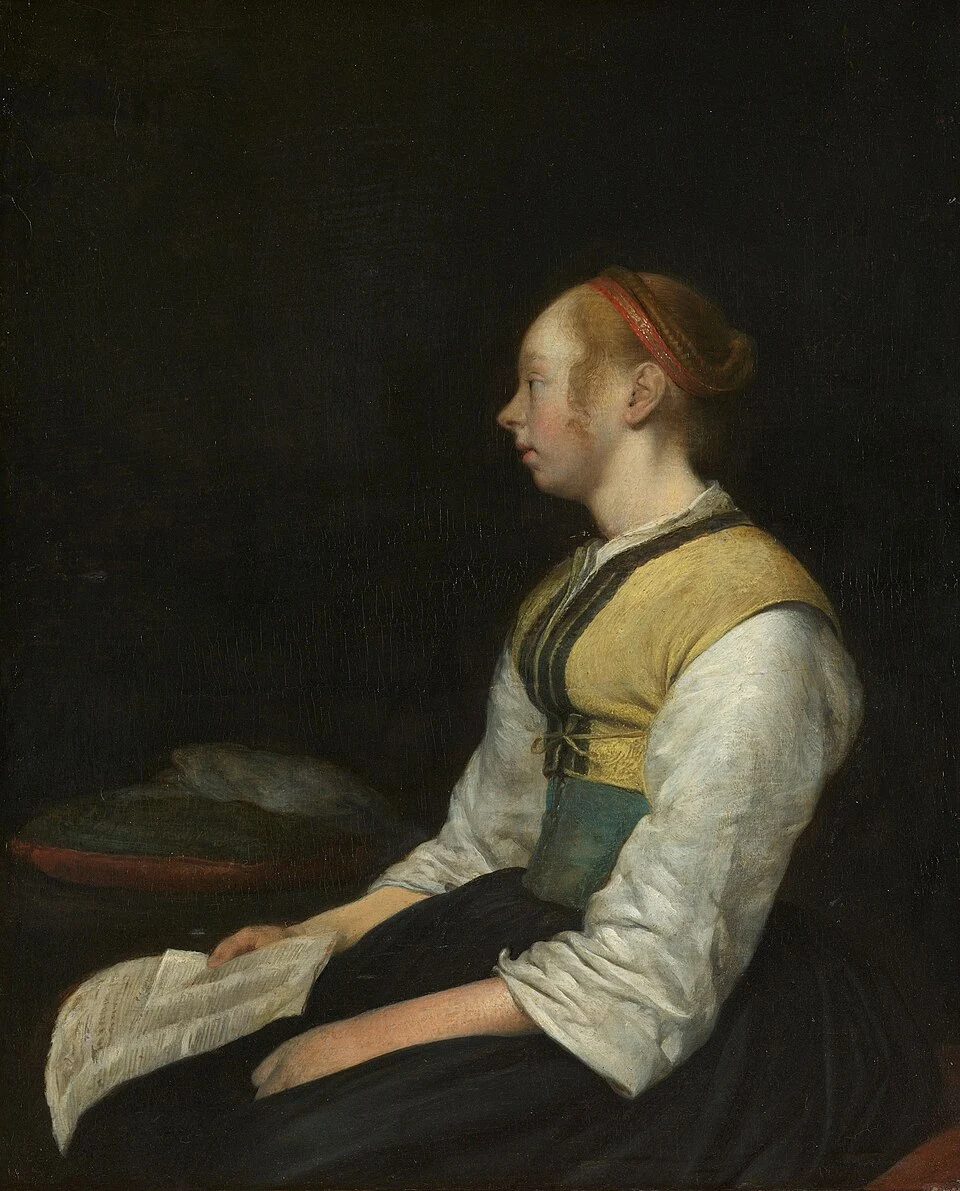
Gerard Terborch’s "Woman Peeling Apple" exemplifies his exquisite technique with oil on canvas, a hallmark of Baroque artistry. The delicate rendering of textures and subtle play of light highlight Terborch’s attention to detail. Collectors often compare this painting’s technical brilliance to other masterpieces such as "Helena van der Schalcke as a Child" and "Girl in Peasant Costume Probably Gesina the Painter's Half Sister," making it a prime example of 17th-century Dutch painting.
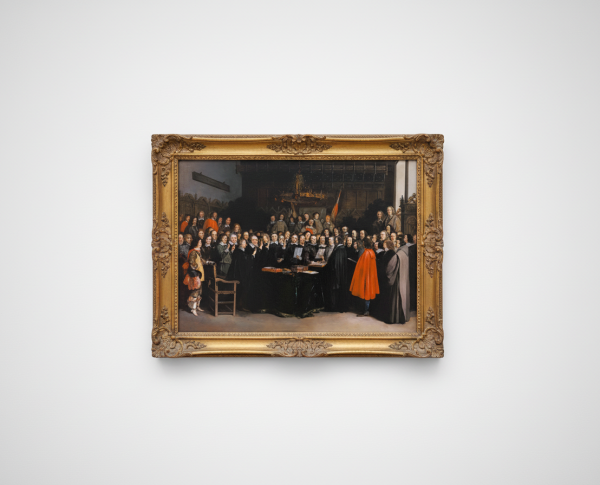
Within "Woman Peeling Apple," Terborch weaves a narrative that goes beyond the surface, characteristic of Baroque storytelling. The simple act of peeling an apple can symbolize domestic virtue or fleeting moments, themes prevalent in Terborch’s oeuvre. This fine art painting for sale echoes similar motifs found in "The Swearing of the Oath of Ratification of the Treaty of Munster," inviting viewers to explore the deeper meanings behind everyday gestures in Baroque art.
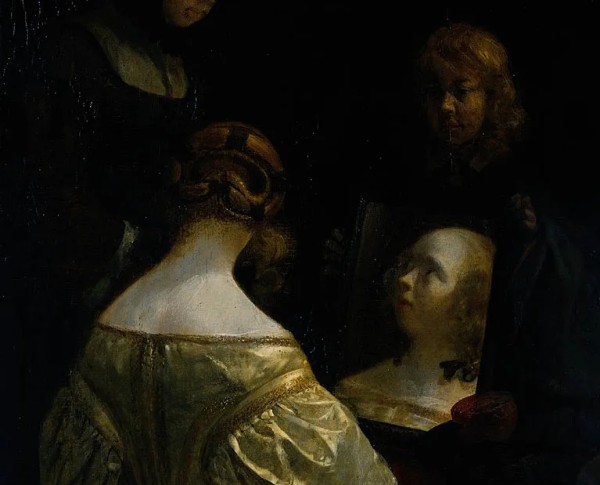
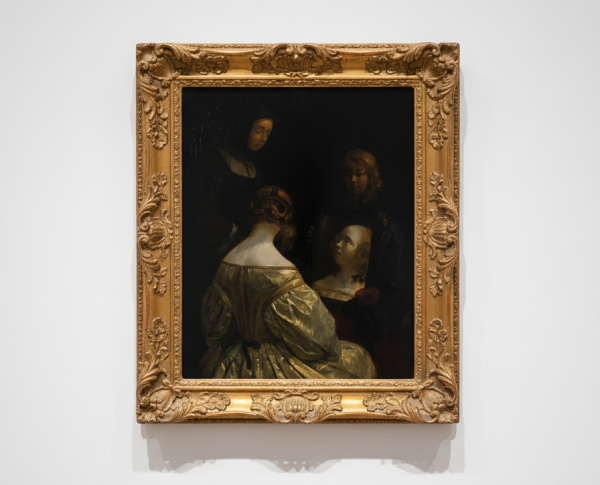
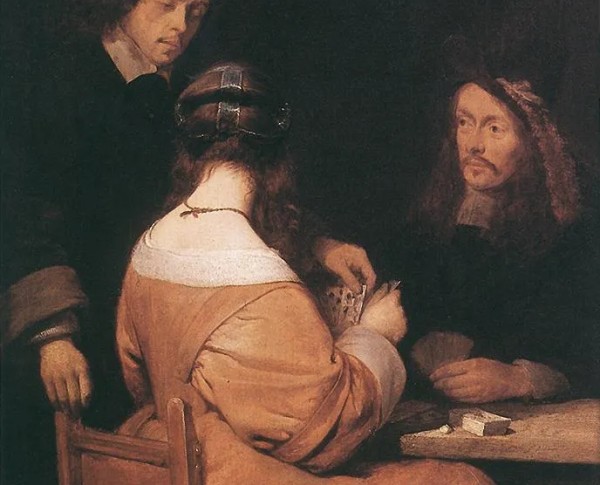
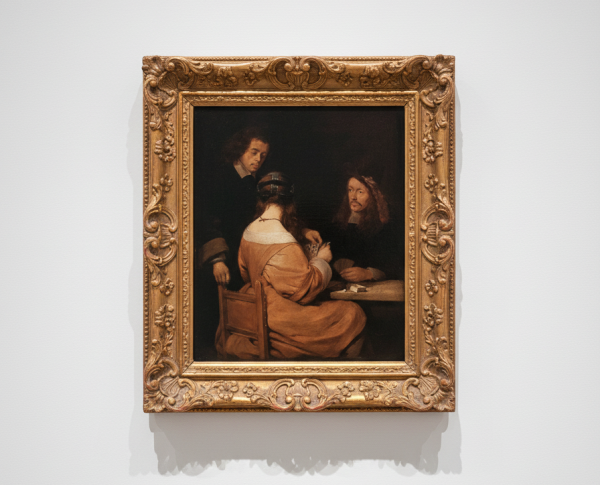
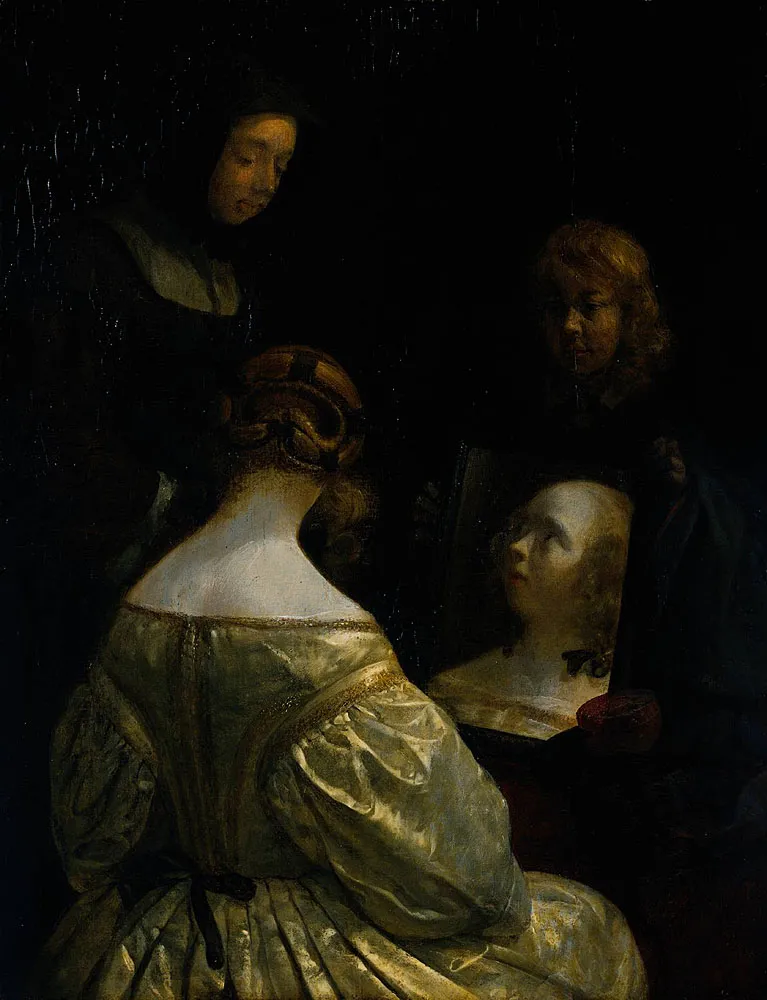
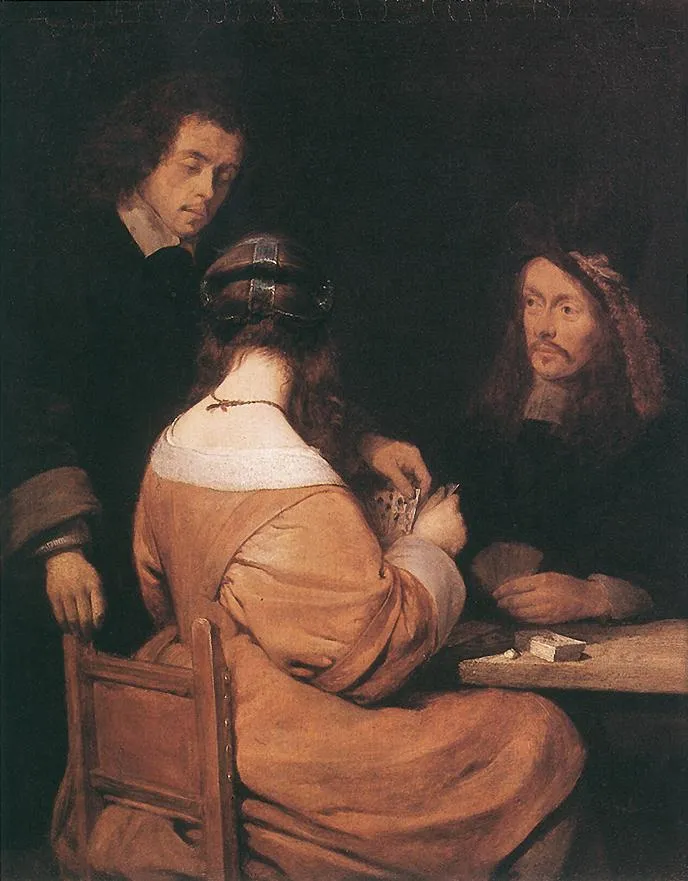
Owning "Woman Peeling Apple" by Gerard Terborch means acquiring a piece of Baroque history, crafted by a master whose works are highly prized. As with his other renowned paintings, such as "Card Players" and "Woman at a Mirror," this hand-painted oil painting is a true collector’s treasure. For those seeking a fine art painting for sale, Terborch’s creations offer both aesthetic delight and historical significance, enriching any art collection.
When Art Meets History
"Woman Peeling Apple" by Gerard Terborch stands as a testament to the Baroque movement's fascination with daily life and intimate moments. This hand-painted oil painting captures a quiet domestic scene, much like the everyday realism found in related works such as "Supper at Emmaus" and "Cardsharps." Through Terborch’s skilled composition, viewers are transported to the 17th century, where art and history intertwine, revealing the social customs and refined atmosphere of the era.
Techniques That Speak
Gerard Terborch’s mastery of oil on canvas is evident in "Woman Peeling Apple." The fine brushwork and subtle play of light and shadow draw comparisons to Baroque contemporaries like Caravaggio, known for "Judith Beheading Holofernes." Terborch’s delicate rendering of fabrics and textures highlights his technical prowess, making this piece a standout among fine art painting for sale. The attention to detail in the woman’s hands and the apple demonstrates the period’s commitment to realism.
Emotions on Display
"Woman Peeling Apple" evokes a sense of tranquility and introspection, hallmarks of the Baroque movement’s emotional depth. The subject’s gentle focus and serene surroundings create a poignant narrative, inviting viewers to reflect on the beauty of simple moments. Similar to the emotive qualities in "Birth of the Virgin" and "Mountain landscape with lightning," Terborch’s hand-painted oil painting resonates with those who appreciate subtlety and nuance in fine art.
Coveted by Collectors
As a remarkable example of Baroque artistry, "Woman Peeling Apple" by Gerard Terborch is highly sought after by collectors. Its status as a fine art painting for sale is elevated by its historical significance and masterful execution. Alongside renowned works like "Supper at Emmaus" and "Cardsharps," Terborch’s painting continues to captivate audiences, ensuring its place among the most admired oil on canvas pieces from the era.
Related Baroque Hand-Painted Oil Paintings by Other Artists
Other Famous Baroque Artists:
Frequently Asked Questions About Woman Peeling Apple
Who is the artist of "Woman Peeling Apple"?
The painting "Woman Peeling Apple" was created by the Dutch artist Gerard Terborch, known for his exquisite depictions of domestic life in the 17th century.
What is the historical context of "Woman Peeling Apple"?
What artistic techniques did Gerard Terborch employ in this painting?
Terborch utilized a refined technique characterized by delicate brushwork, a subtle palette, and a focus on light and shadow, which enhances the realism and intimacy of the scene.
What themes are explored in "Woman Peeling Apple"?
The painting explores themes of domesticity, femininity, and the quiet moments of everyday life, reflecting the artist's interest in the inner lives of women during his time.
What is the significance of the apple in the painting?
The apple may symbolize temptation and knowledge, echoing biblical references, but it also represents the simplicity and beauty of daily life, emphasizing the mundane yet meaningful tasks of women.
How does "Woman Peeling Apple" reflect the values of 17th-century Dutch society?
The painting reflects the values of 17th-century Dutch society by showcasing the importance of domestic roles for women, as well as the appreciation for everyday activities that contribute to the household.
What is the composition of "Woman Peeling Apple" like?
The composition is carefully arranged, with the figure of the woman centrally placed, drawing the viewer's eye to her action, while the soft background enhances the focus on her task.
What emotions does "Woman Peeling Apple" evoke?
The painting evokes a sense of tranquility and contemplation, inviting viewers to reflect on the simple pleasures of life and the often-overlooked moments of personal reflection.
How does this painting compare to other works by Gerard Terborch?
"Woman Peeling Apple" shares similarities with Terborch's other works in its focus on domestic scenes and the portrayal of women, yet it stands out for its intimate portrayal of a solitary moment.
Where can I view "Woman Peeling Apple"?
"Woman Peeling Apple" is part of the collection at [Gallery Name], where it is displayed alongside other significant works from the Dutch Golden Age.






















_GFM_Painting_(1).webp)


 100% Hand-Painted: Finished in 3-6 Weeks

.png)
















_(1).webp)