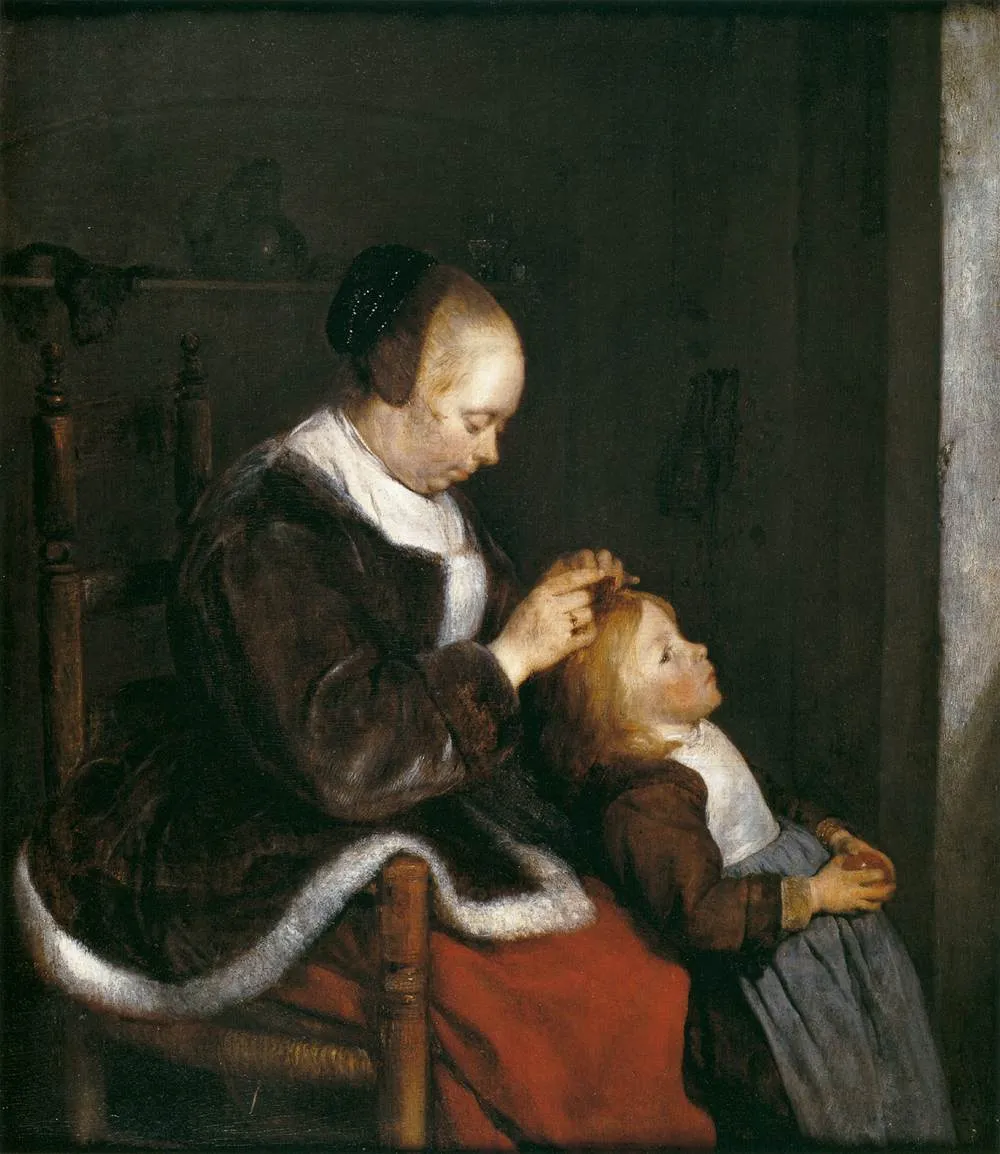
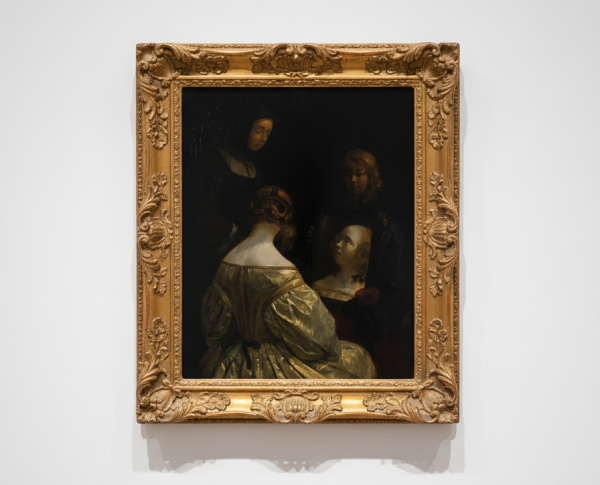
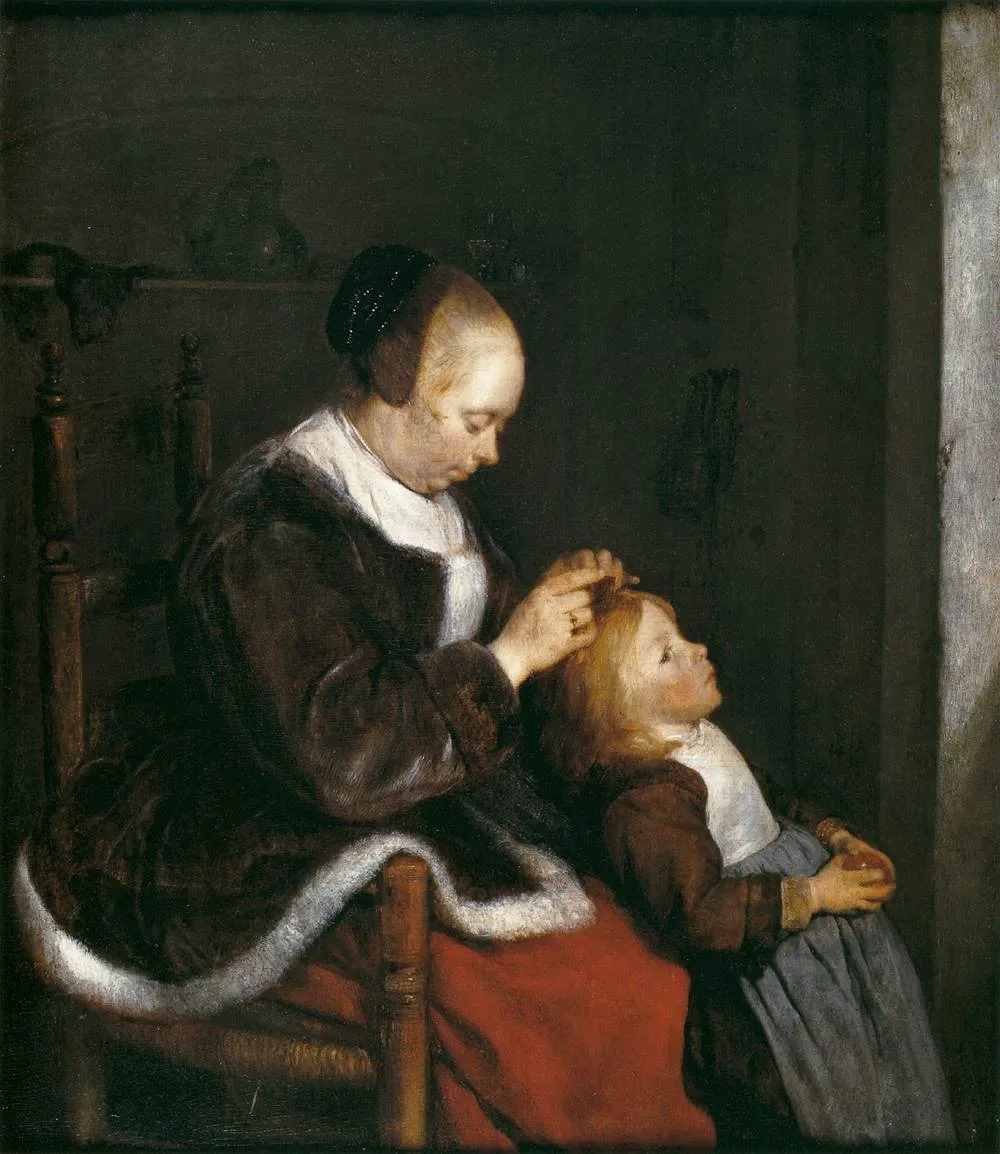
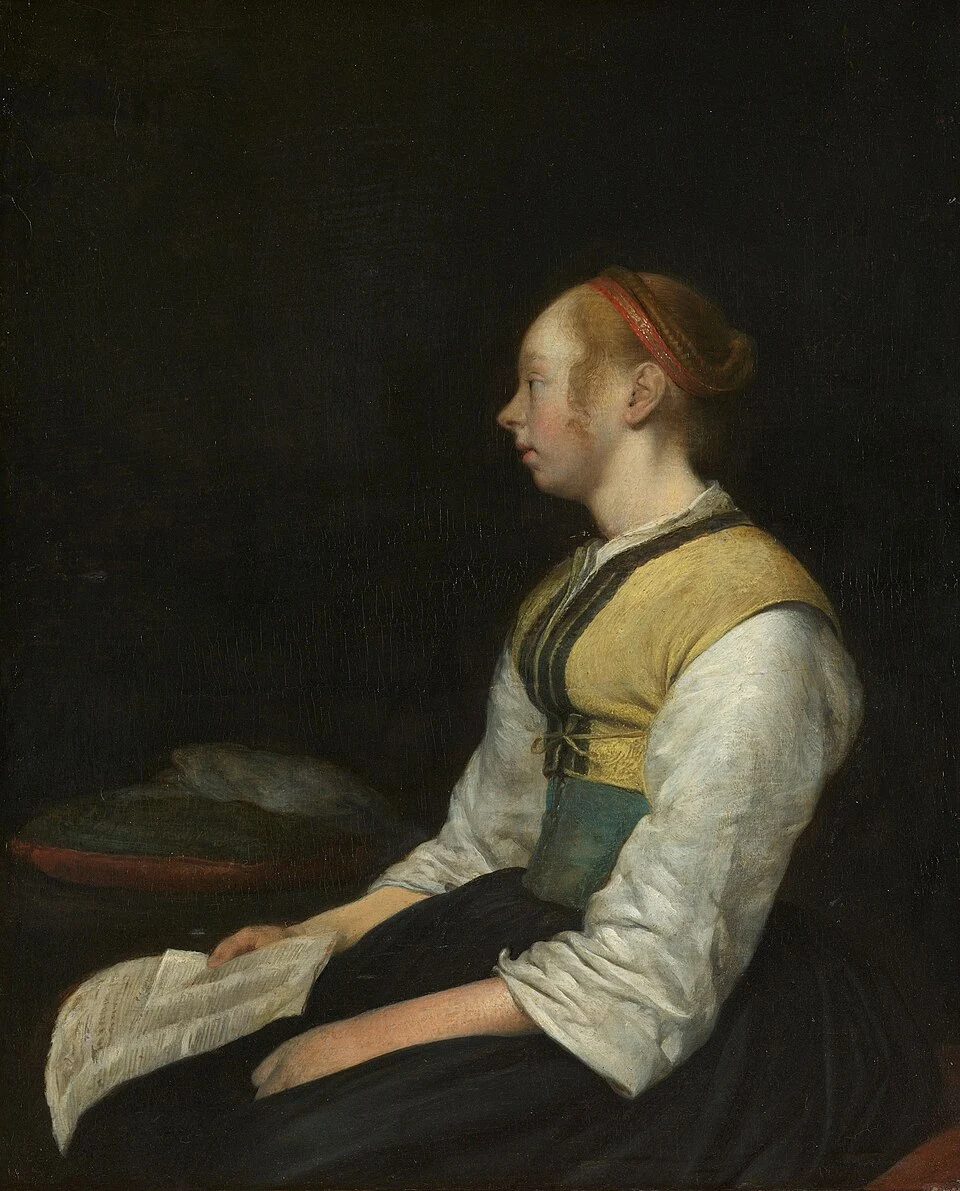
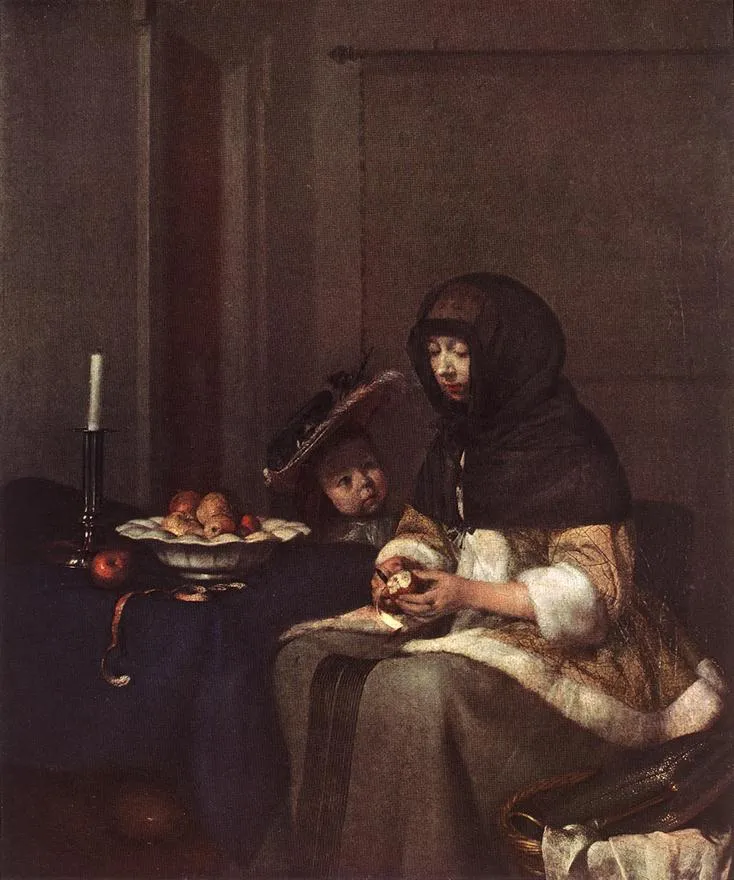
Gerard Terborch’s "Mother Combing the Hair of Her Child" showcases his remarkable skill with oil on canvas, bringing to life the subtle interactions between mother and child. The delicate brushwork and attention to detail are hallmarks of the Baroque period, a time renowned for its rich textures and dramatic lighting. Similar artistry can be seen in Terborch’s other paintings, such as "Woman Peeling Apple" and "Girl in Peasant Costume Probably Gesina the Painter's Half Sister," highlighting his mastery over the medium.
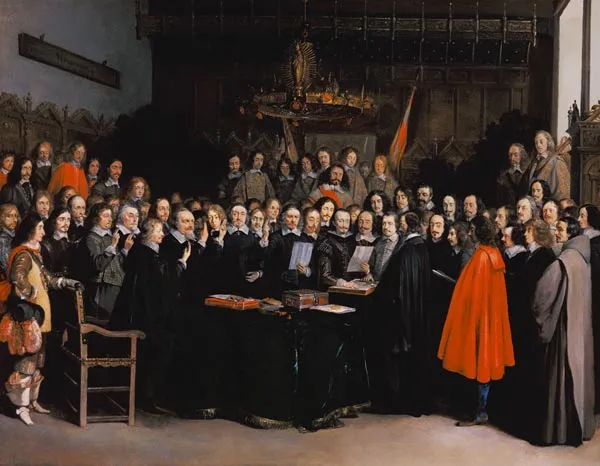
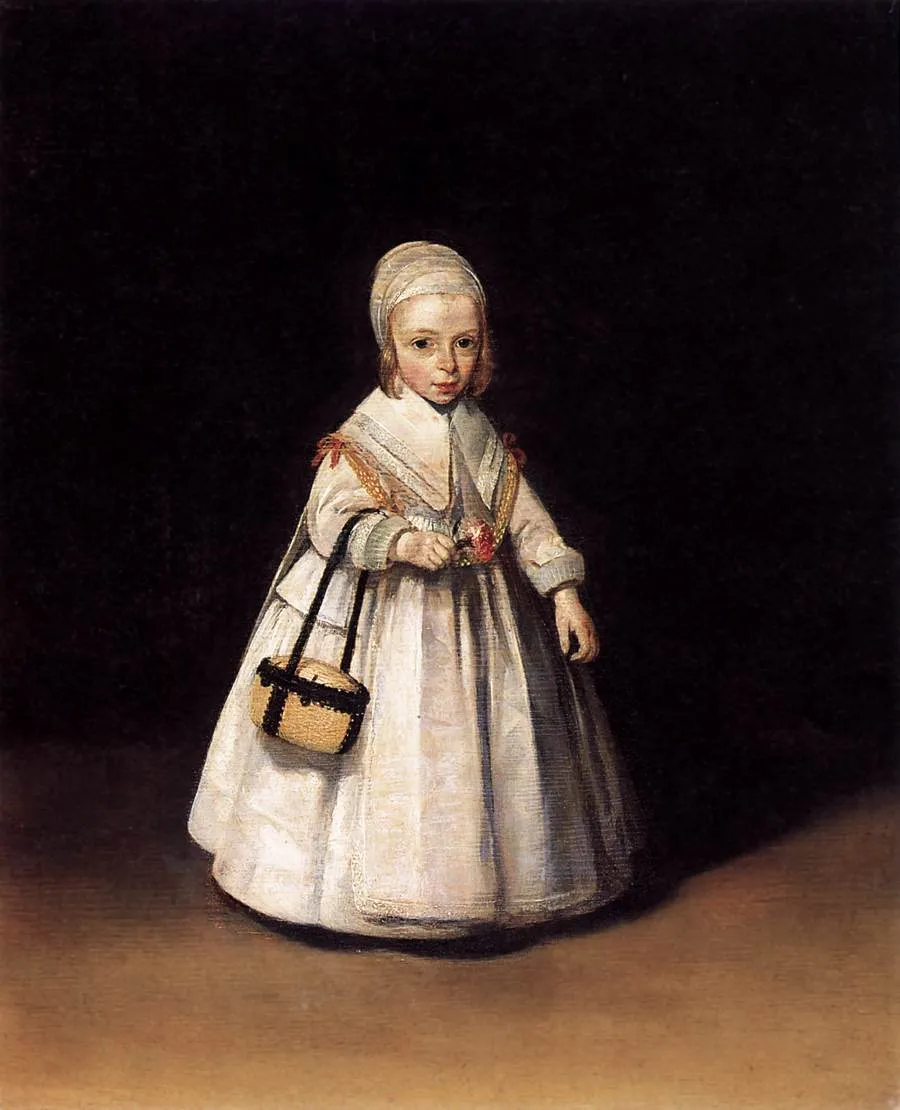
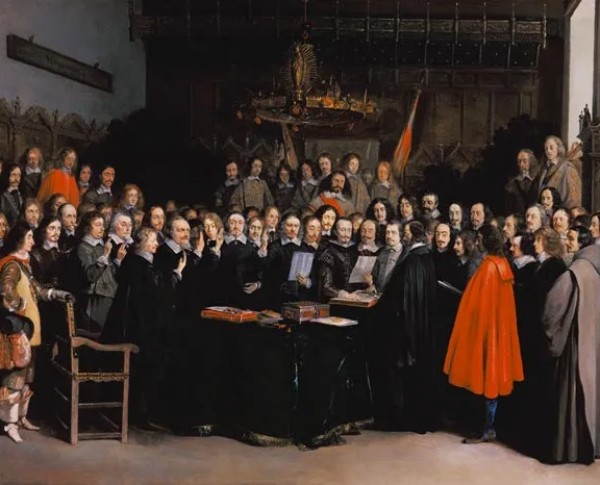
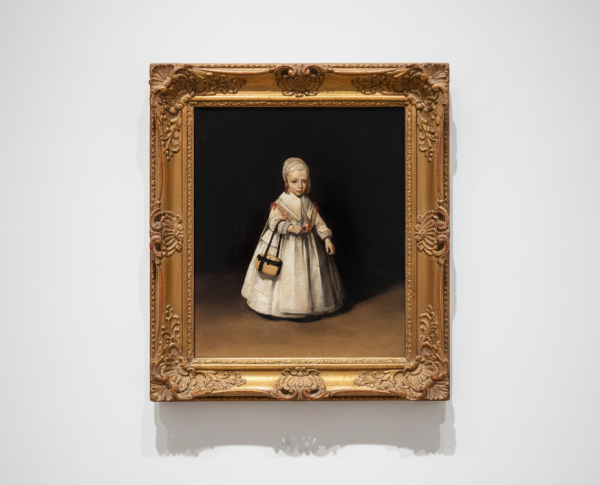
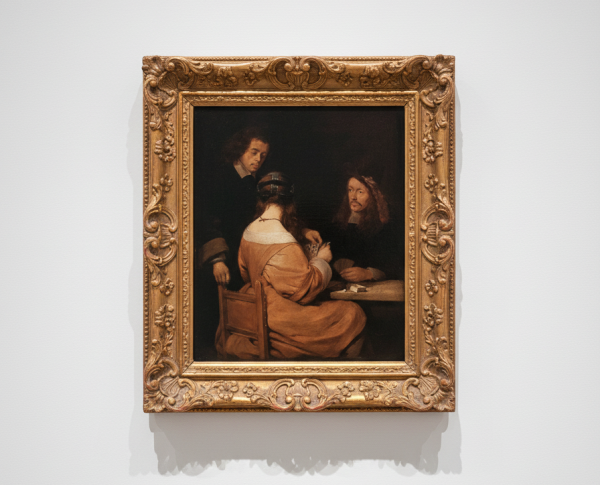
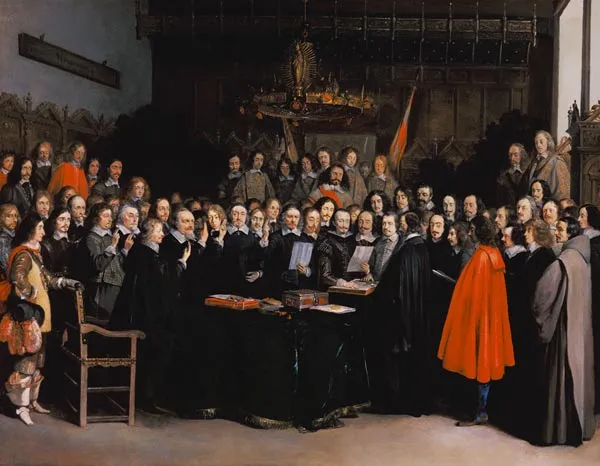
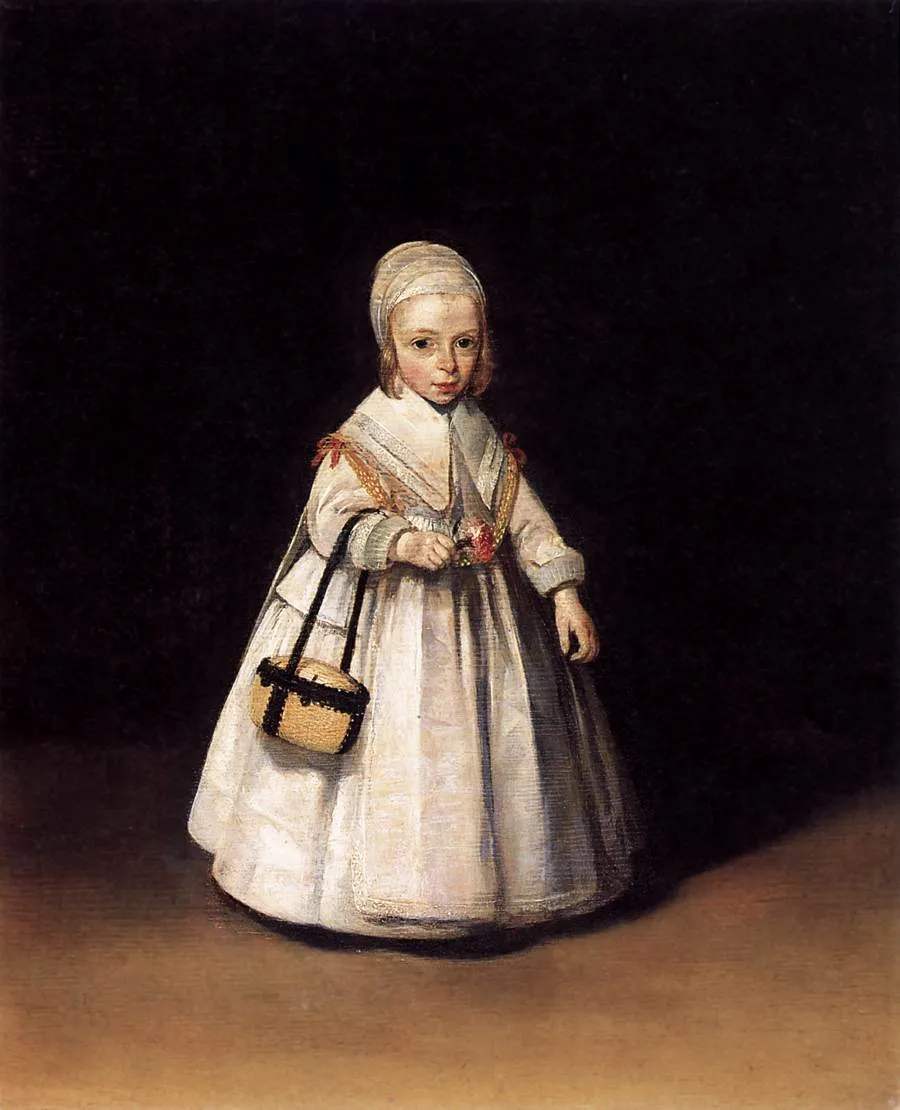
The narrative woven into "Mother Combing the Hair of Her Child" resonates with viewers, as Gerard Terborch uses his Baroque sensibilities to imbue the scene with meaning. This fine art painting for sale not only depicts a moment of maternal care but also symbolizes harmony and the nurturing spirit of family life. Collectors often pair this piece with works like "Helena van der Schalcke as a Child" and "The Swearing of the Oath of Ratification of the Treaty of Munster" to enrich their collections with stories and symbols of the era.
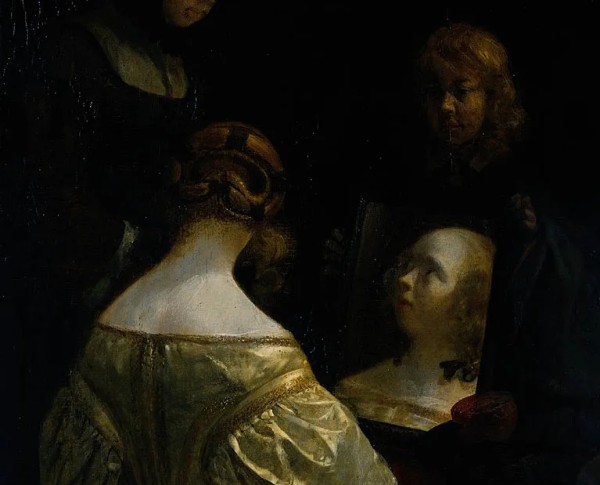
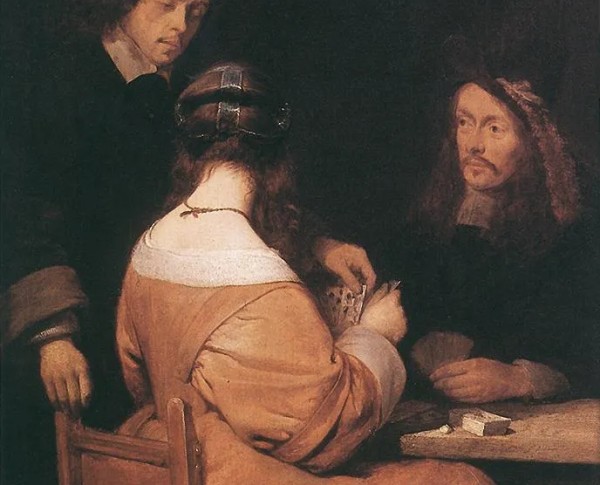
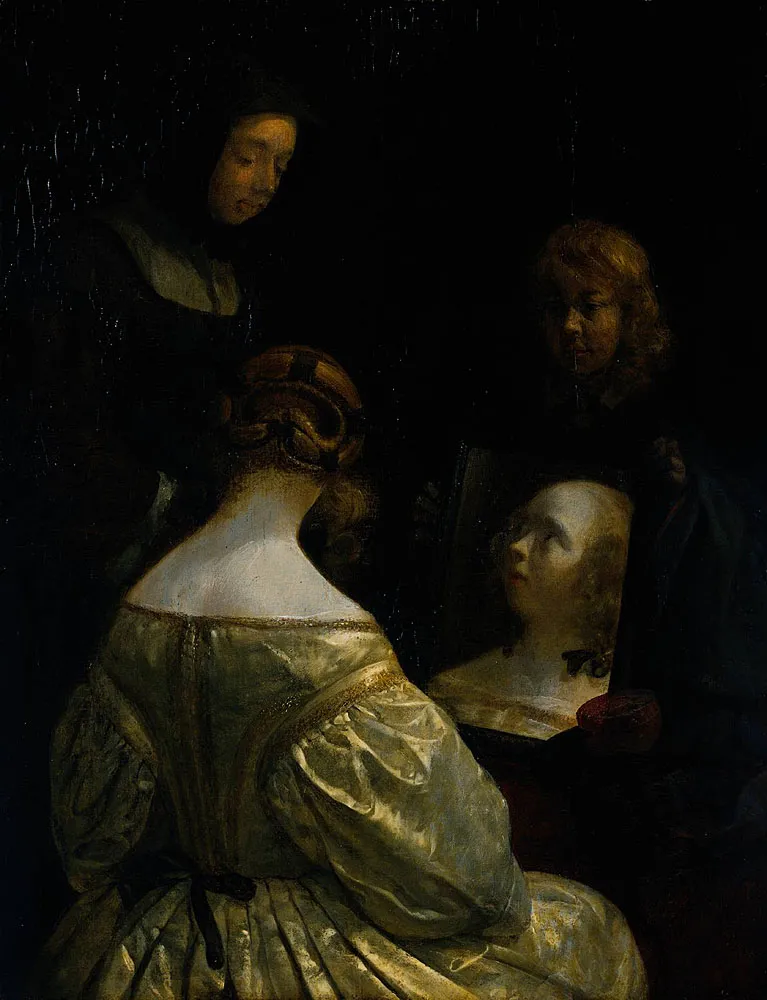
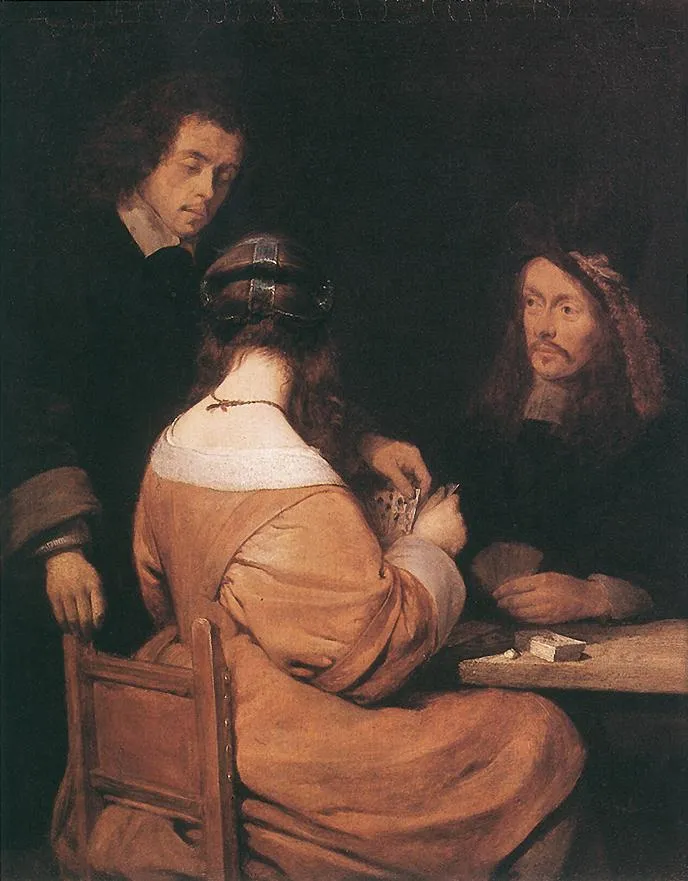
Acquiring "Mother Combing the Hair of Her Child" by Gerard Terborch means owning a vital piece of Baroque history. The painting’s exquisite oil on canvas technique and heartfelt subject matter make it a prized addition for those seeking a fine art painting for sale. Collectors and enthusiasts often display it alongside related works such as "Woman at a Mirror" and "Card Players," ensuring their collection reflects the sophistication and emotional resonance of Terborch’s celebrated Baroque masterpieces.
When Art Meets History
"Mother Combing the Hair of Her Child" by Gerard Terborch is a remarkable example of Baroque art, capturing the everyday intimacy of 17th-century Dutch life. This hand-painted oil painting reflects the era's fascination with domestic scenes and the subtle drama of ordinary moments. Alongside related works like "Self-Portrait" and "The Young Virgin," Terborch’s paintings provide a window into the past, making each piece a timeless treasure for enthusiasts of historical fine art.
Techniques That Speak
Gerard Terborch’s mastery is evident in his use of oil on canvas, a medium that allowed for extraordinary detail and luminous textures. In "Mother Combing the Hair of Her Child," the artist’s delicate brushwork and skillful rendering of fabrics are hallmarks of the Baroque movement. Similar techniques can be seen in his other paintings, such as "Mercury and Battus" and "Supper at Emmaus," reinforcing Terborch’s reputation for technical brilliance in oil on canvas.
Emotions on Display
The emotional depth in "Mother Combing the Hair of Her Child" sets it apart as a fine art painting for sale. Terborch’s ability to capture the tenderness between mother and child resonates with viewers, embodying the Baroque movement’s emphasis on realism and humanity. This sentiment is echoed in his related works, such as "Jupiter, Neptune and Pluto," where intimate moments are brought to life with sensitivity and grace, making each painting a cherished masterpiece.
Coveted by Collectors
Collectors highly value "Mother Combing the Hair of Her Child" by Gerard Terborch for its exquisite depiction of daily life and technical prowess. As a hand-painted oil painting from the Baroque era, it stands alongside notable pieces like "The Young Virgin" and "Supper at Emmaus." Its rarity and historical significance make it a sought-after fine art painting for sale, attracting connoisseurs who appreciate the enduring appeal of Terborch’s work within the art market.
Related Baroque Hand-Painted Oil Paintings by Other Artists
Other Famous Baroque Artists:
Frequently Asked Questions About Mother Combing the Hair of Her Child
What is the historical context of "Mother Combing the Hair of Her Child"?
This painting was created during the Dutch Golden Age, a period in the 17th century characterized by great wealth and cultural achievement in the Netherlands. It reflects the domestic life and family values of the time.
Who was Gerard Terborch and what is his significance in art history?
Gerard Terborch was a Dutch genre painter known for his intimate depictions of domestic scenes. His work is significant for its attention to detail and the emotional depth conveyed through the portrayal of everyday life.
What artistic techniques did Terborch employ in this painting?
Terborch utilized a technique known as chiaroscuro, which emphasizes the contrast between light and shadow. This technique enhances the three-dimensionality of the figures and creates a warm, inviting atmosphere.
What themes are explored in "Mother Combing the Hair of Her Child"?
The painting explores themes of maternal care, intimacy, and the nurturing bond between mother and child. It highlights the importance of family and domestic life in 17th-century Dutch society.
How does the composition of the painting contribute to its meaning?
The composition is centered around the mother and child, drawing the viewer's eye to their interaction. The use of soft colors and gentle lines creates a sense of harmony and tranquility, reinforcing the theme of maternal affection.
What symbolism can be found in the act of combing hair in this artwork?
The act of combing hair symbolizes care, grooming, and the passage of time. It reflects the nurturing aspect of motherhood and the daily rituals that strengthen familial bonds.
What materials and techniques were used to create this painting?
Terborch typically used oil on canvas, a medium that allowed for rich color and fine detail. His meticulous brushwork is evident in the textures of the clothing and the softness of the hair.
How does this painting reflect the societal values of the Dutch Golden Age?
The painting reflects the societal values of the Dutch Golden Age by emphasizing the importance of family, domesticity, and the role of women in nurturing the next generation, which were key aspects of Dutch life during this period.
What influence did Terborch have on later artists?
Terborch's focus on intimate domestic scenes and his mastery of light and texture influenced later genre painters and contributed to the development of realism in art, inspiring artists in both the Netherlands and beyond.
Where can I view "Mother Combing the Hair of Her Child" today?
This painting is part of the collection at the National Gallery of Art in Washington, D.C. It is displayed alongside other works from the Dutch Golden Age, allowing visitors to appreciate the context of Terborch's art.






















_GFM_Painting_(1).webp)


 100% Hand-Painted: Finished in 3-6 Weeks

.png)















_(1).webp)