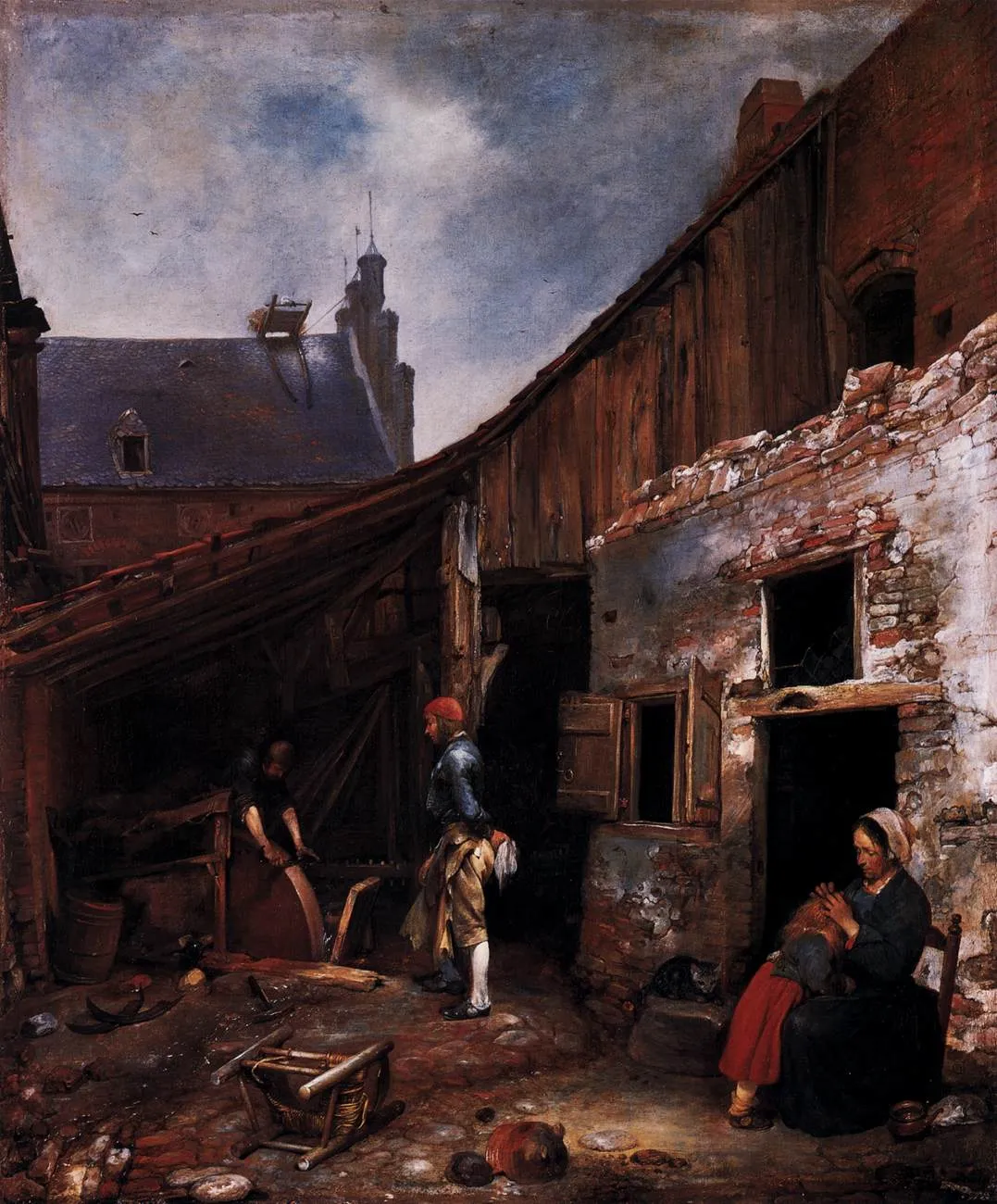
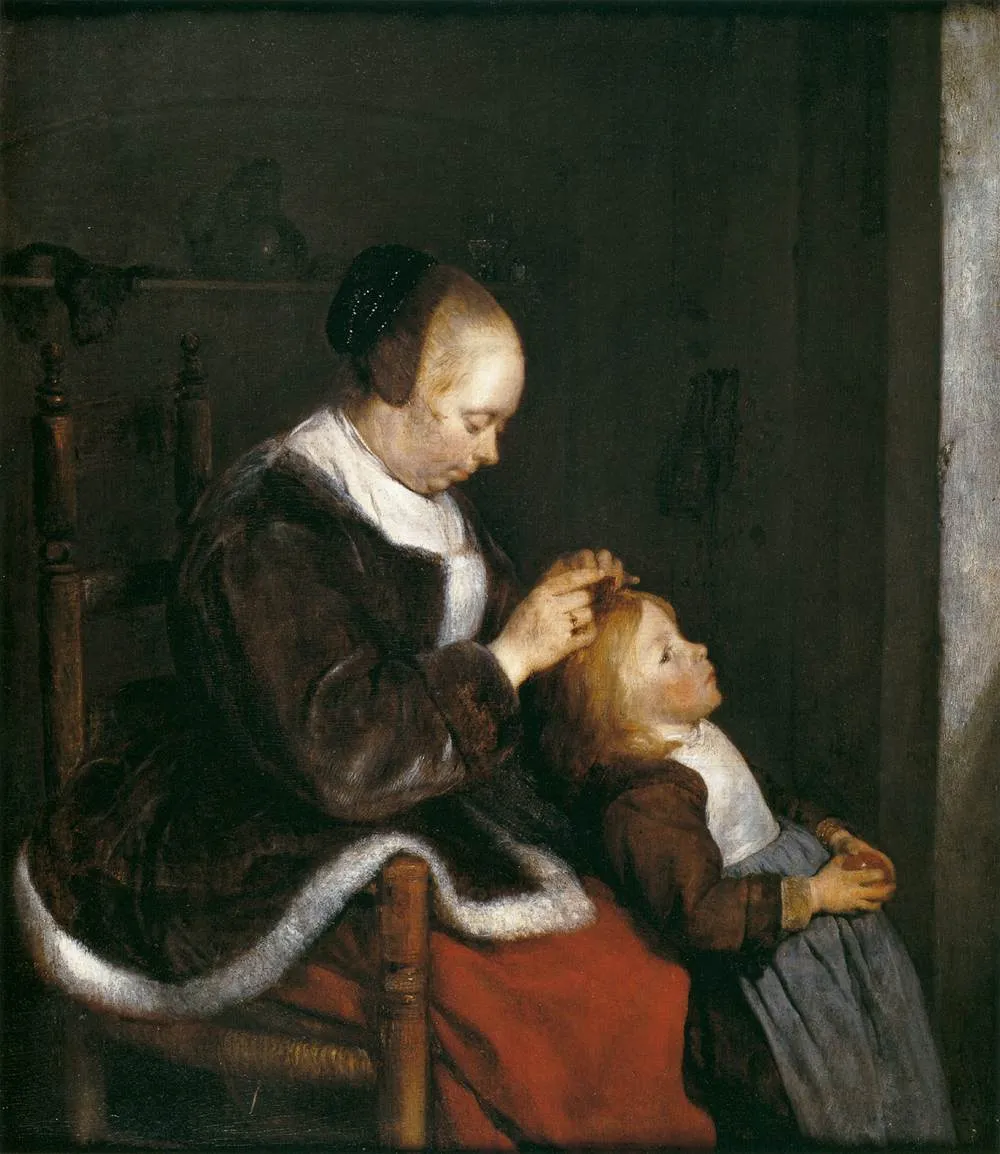
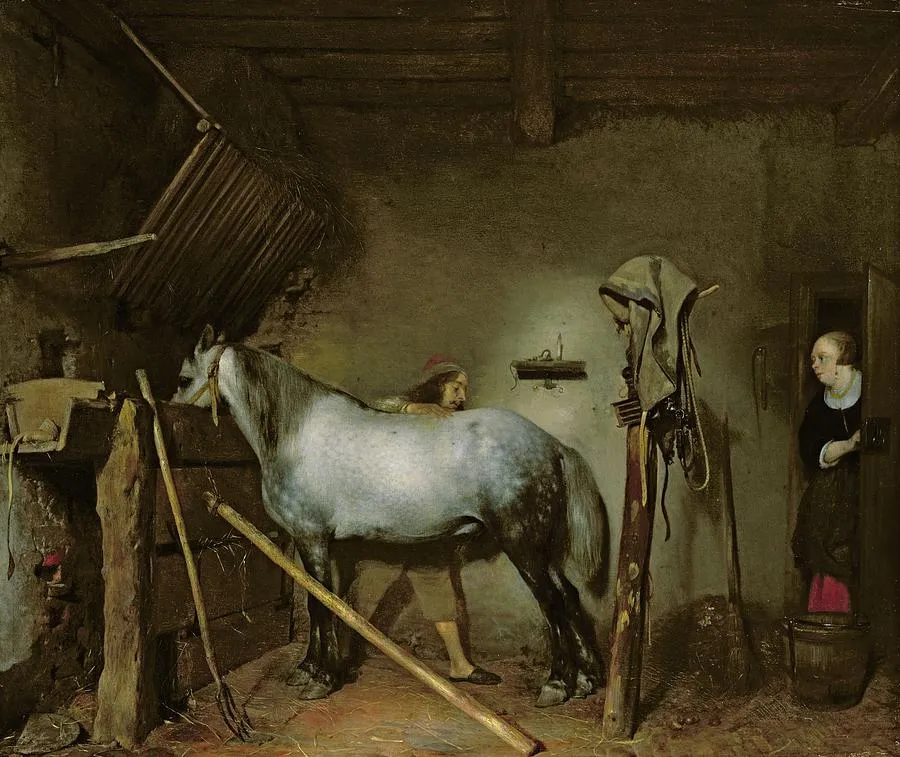
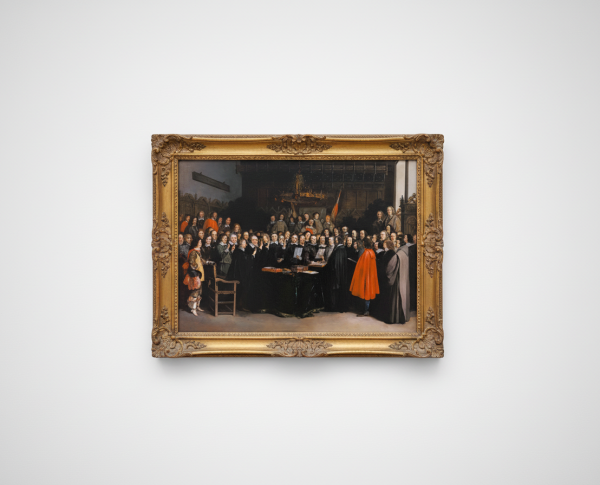
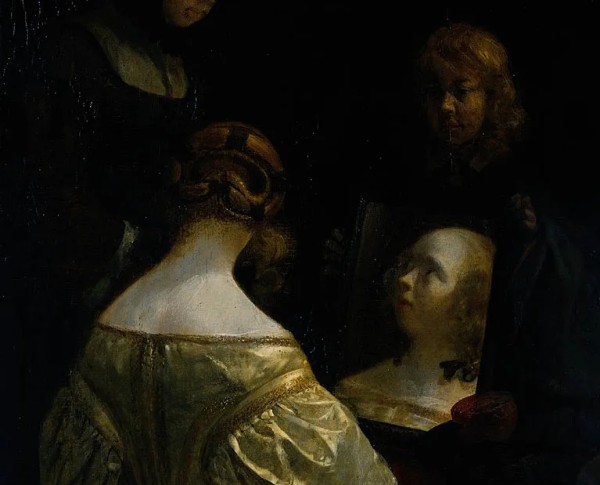
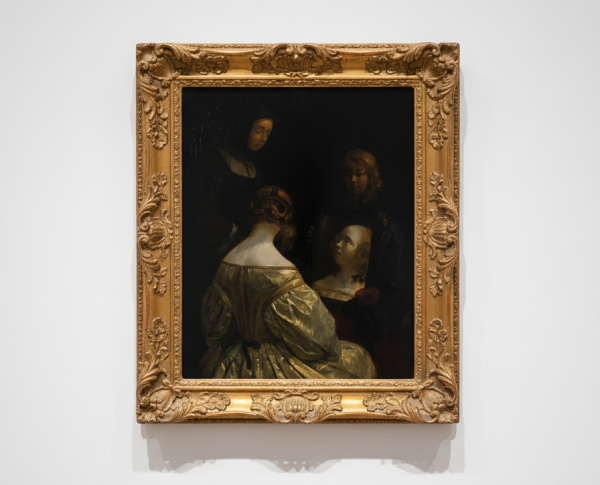
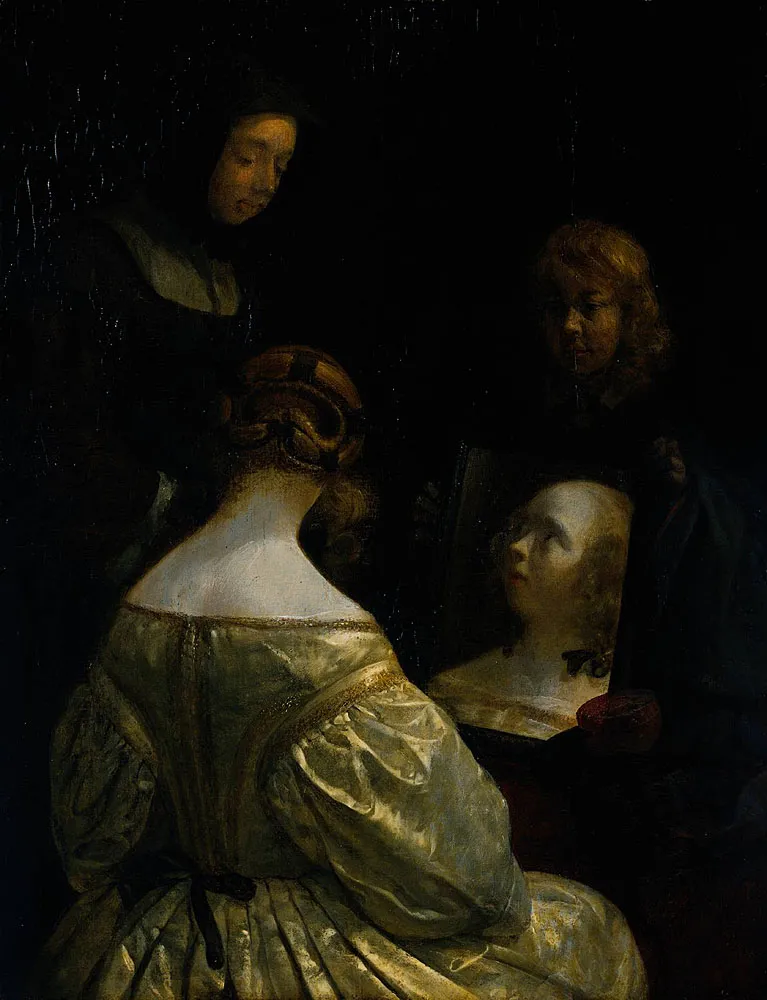
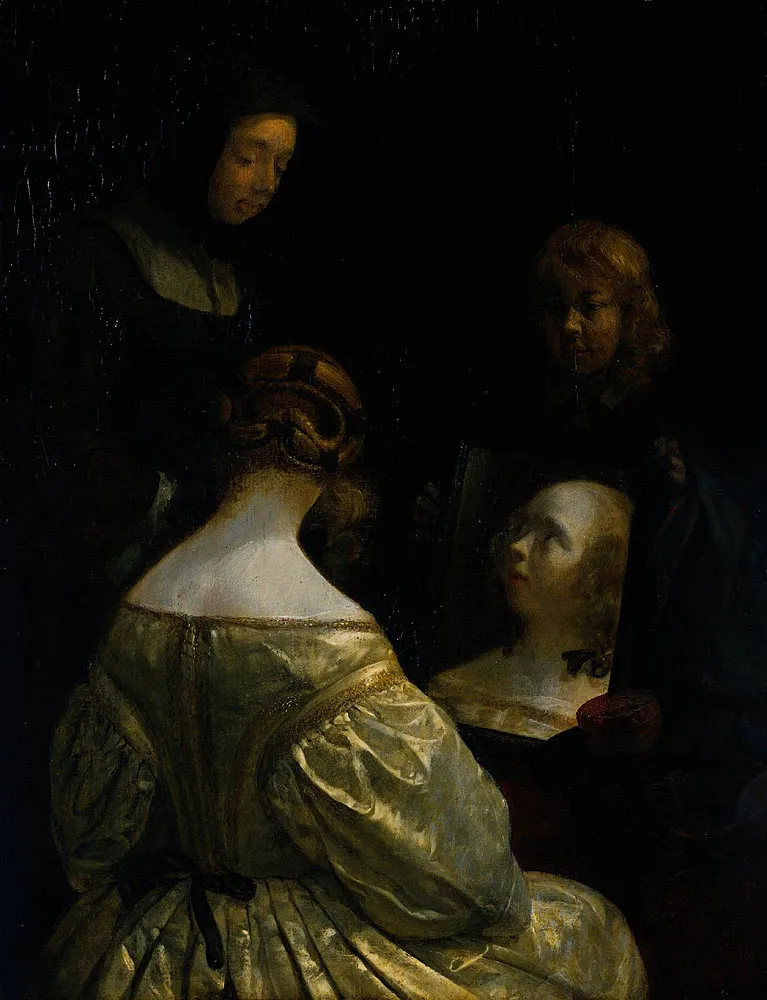
Gerard Terborch’s "Woman at a Mirror" is a testament to the artist’s exceptional command of oil on canvas. The rich textures and soft lighting demonstrate the Baroque movement’s emphasis on depth and realism. Each brushstroke in this painting reflects Terborch’s dedication to lifelike detail, similar to his work in "The Swearing of the Oath of Ratification of the Treaty of Munster." Owning such a piece brings the legacy of 17th-century Dutch painting into your home.
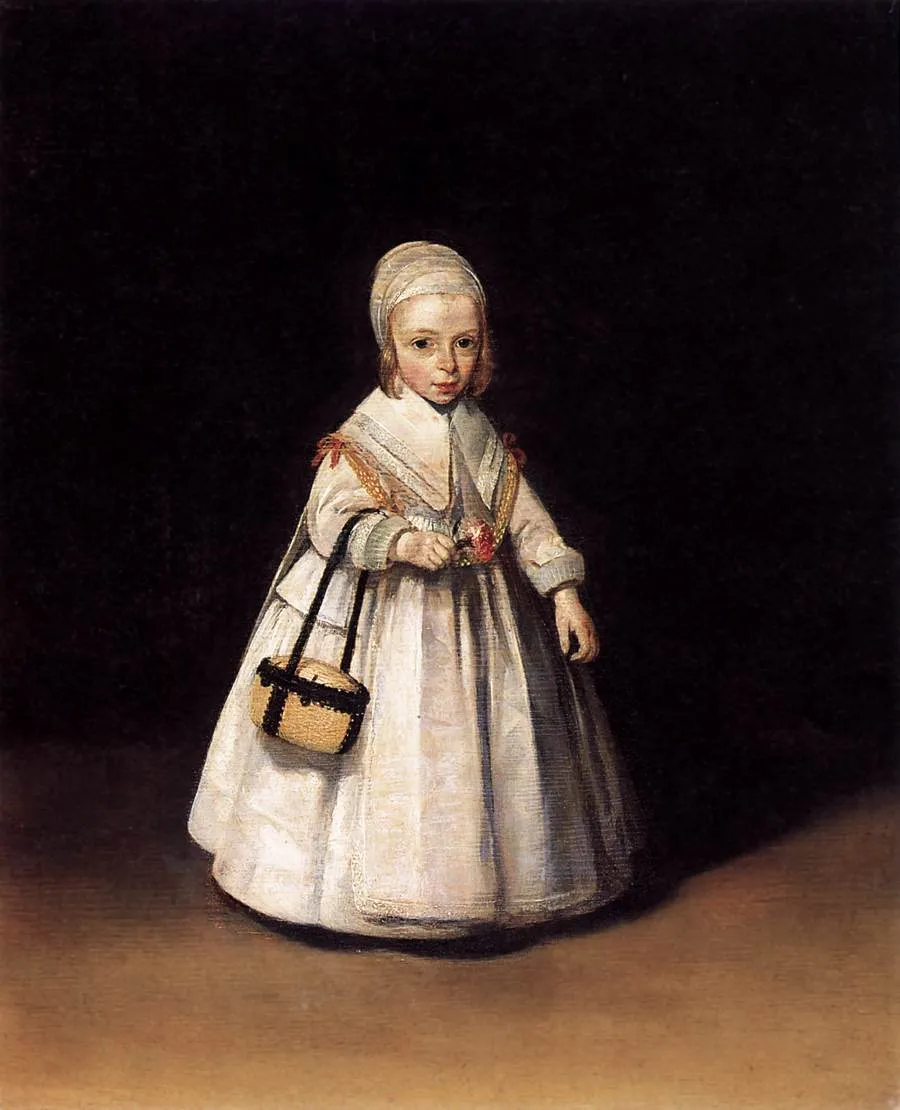
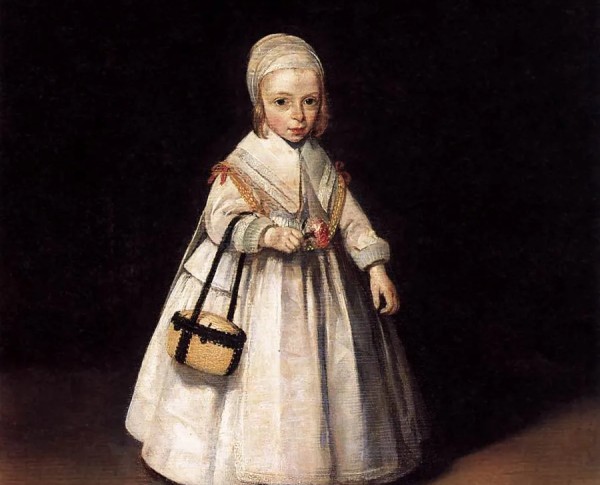
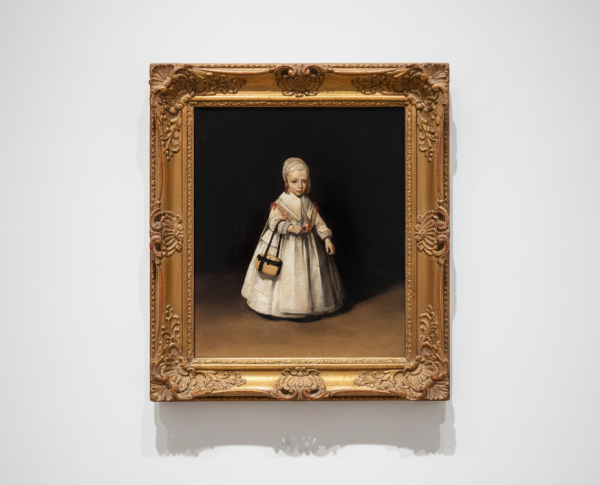
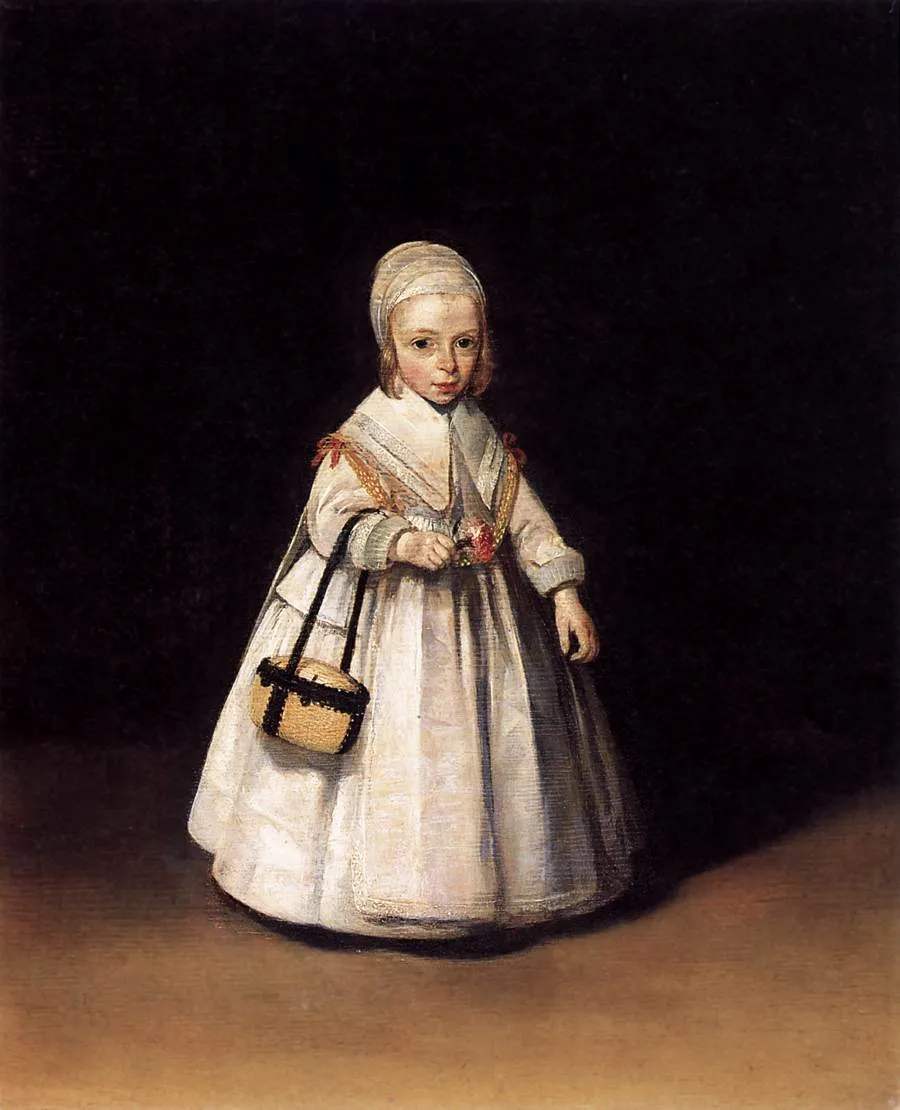
Within "Woman at a Mirror," Terborch weaves a narrative full of symbolism, inviting viewers to contemplate themes of vanity, reflection, and identity. This fine art painting for sale captures the spirit of the Baroque era by engaging the viewer in a quiet, introspective moment. Collectors and art lovers will find parallels in Terborch’s other works, such as "Helena van der Schalcke as a Child," which also explore personal and emotional depth through symbolic imagery.
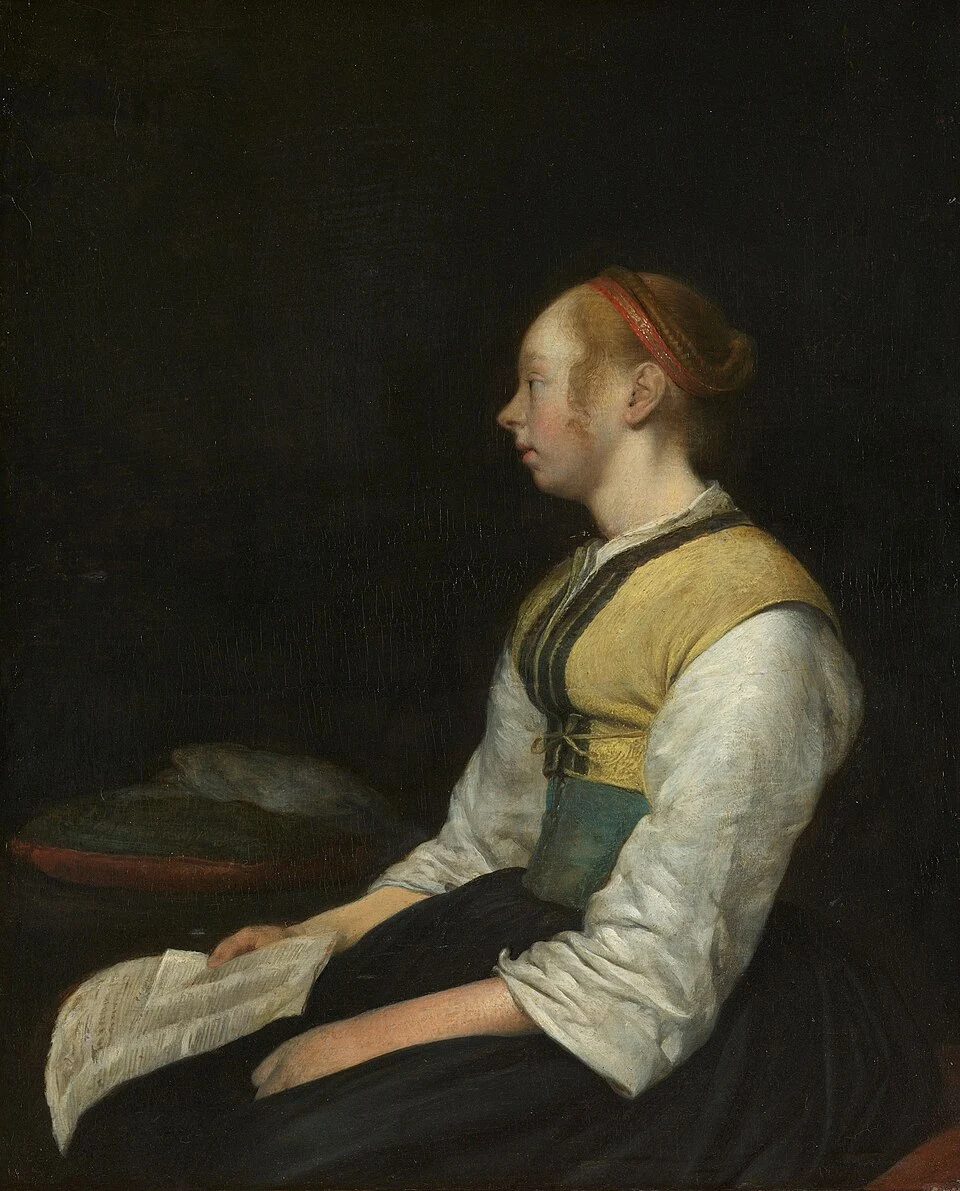
For those seeking a remarkable addition to their collection, "Woman at a Mirror" by Gerard Terborch is an ideal choice. This hand-painted oil painting exemplifies the technical and emotional richness of the Baroque movement. Its connection to related masterpieces, including "Girl in Peasant Costume Probably Gesina the Painter's Half Sister," enhances its appeal as a fine art painting for sale. Invest in a timeless work that continues to captivate art enthusiasts worldwide.
When Art Meets History
"Woman at a Mirror" by Gerard Terborch is a quintessential example of the Baroque movement, embodying the era’s fascination with realism and intimate moments. This hand-painted oil painting captures a fleeting scene, inviting viewers to step back in time. Terborch, renowned for his detailed genre scenes, stands alongside masters who created works like "Saint Lucy" and "The Taking of Christ," making his art an invaluable part of 17th-century European culture.
Techniques That Speak
Terborch’s mastery is evident in his use of oil on canvas, which allows for delicate rendering of textures and subtle play of light. The painting’s reflective surfaces and intricate fabrics showcase his technical prowess, reminiscent of the detail seen in "Mountain landscape with lightning" and "Boy Bitten by a Lizard." Each brushstroke demonstrates why Baroque artists are celebrated for their ability to bring scenes to life with remarkable fidelity and depth.
Emotions on Display
"Woman at a Mirror" draws viewers into a moment of quiet introspection, characteristic of Baroque art’s emotional depth. The subject’s delicate pose and soft gaze evoke contemplation, a theme echoed in works like "Boy with a Basket of Fruit." This fine art painting for sale highlights Terborch’s sensitivity to human emotion, making it a timeless piece that resonates with audiences seeking connection through visual storytelling.
Coveted by Collectors
As a hand-painted oil painting by Gerard Terborch, "Woman at a Mirror" remains highly sought after by collectors of Baroque masterpieces. Its refined execution and historical significance place it among esteemed works such as "Saint Lucy" and "The Taking of Christ." For those searching for an exceptional oil on canvas to enhance their collection, this painting’s provenance and artistic value make it a standout choice in the world of fine art.
Related Baroque Hand-Painted Oil Paintings by Other Artists
Other Famous Baroque Artists:
Frequently Asked Questions About Woman at a Mirror
What is the historical context of "Woman at a Mirror"?
"Woman at a Mirror" was painted by Gerard Terborch in the mid-17th century, during the Dutch Golden Age, a period marked by significant advancements in art, science, and trade in the Netherlands.
What artistic techniques did Gerard Terborch employ in this painting?
Terborch is known for his meticulous attention to detail and use of light. In "Woman at a Mirror," he utilizes chiaroscuro to create depth and realism, highlighting the subject's features and the reflective surface of the mirror.
What does the mirror symbolize in the painting?
The mirror in "Woman at a Mirror" symbolizes self-reflection and vanity, suggesting themes of beauty and the transient nature of appearances, which were prevalent in 17th-century Dutch society.
Who is the subject of "Woman at a Mirror"?
The subject of the painting is believed to be a young woman, possibly representing an idealized version of femininity during the period, embodying grace and poise as she engages in self-admiration.
How does "Woman at a Mirror" reflect the social norms of the 17th century?
The painting reflects the social norms of the time by depicting a woman in a private, intimate setting, suggesting the importance of domestic spaces and the role of women in maintaining their appearance and virtue.
What is the significance of the color palette used in the painting?
Terborch employs a muted color palette with rich, warm tones, which enhances the realism of the scene and draws attention to the subject's skin tone and the reflective qualities of the mirror.
How does Terborch's style compare to other artists of his time?
Terborch's style is characterized by a focus on intimate genre scenes and psychological depth, setting him apart from contemporaries like Vermeer, who often emphasized light and spatial composition in their works.
What role does light play in "Woman at a Mirror"?
Light plays a crucial role in "Woman at a Mirror," as it not only illuminates the subject but also enhances the reflective quality of the mirror, creating a sense of depth and drawing the viewer's eye to the interaction between the woman and her reflection.
What themes are explored in "Woman at a Mirror"?
The painting explores themes of identity, self-perception, and the societal expectations placed on women regarding beauty and modesty, inviting viewers to contemplate the relationship between self-image and external validation.
How has "Woman at a Mirror" influenced modern interpretations of art?
"Woman at a Mirror" has influenced modern interpretations of art by prompting discussions on gender roles, self-image, and the portrayal of women in art, encouraging contemporary artists to explore similar themes in their work.






















_GFM_Painting_(1).webp)


 100% Hand-Painted: Finished in 3-6 Weeks

.png)
















_(1).webp)