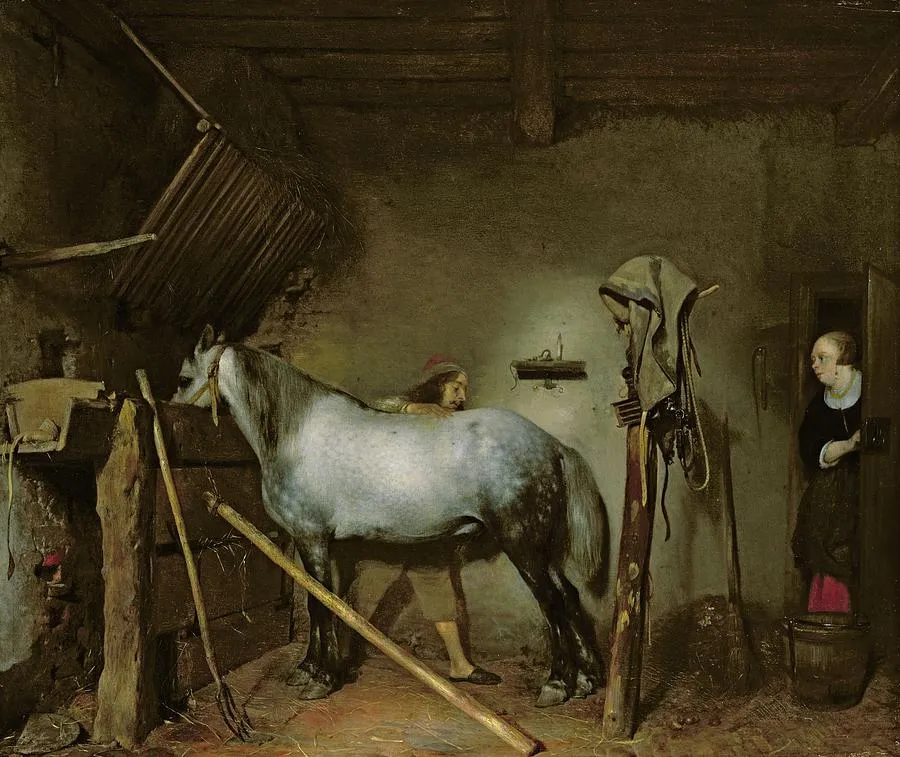
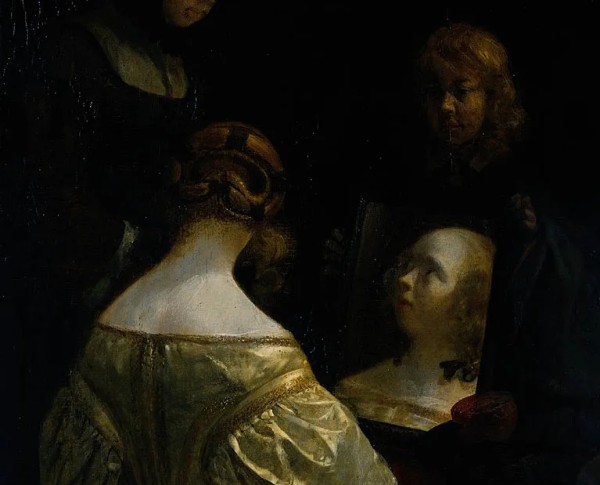
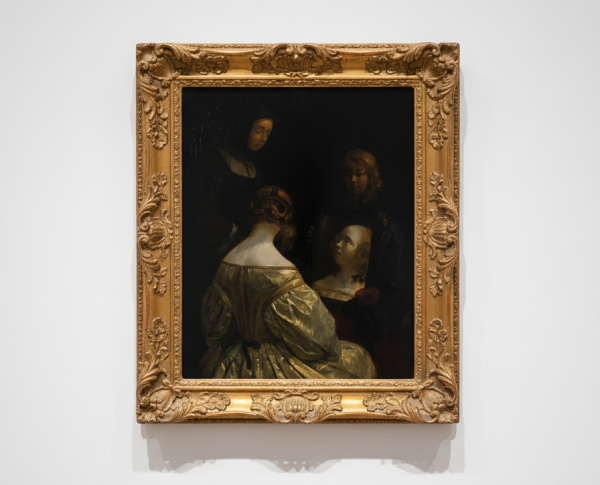
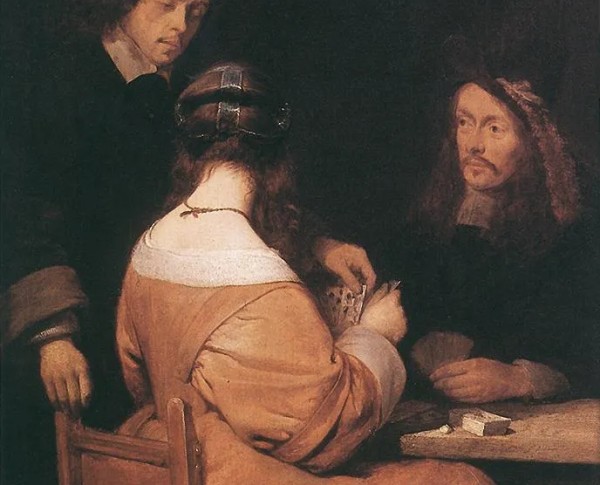
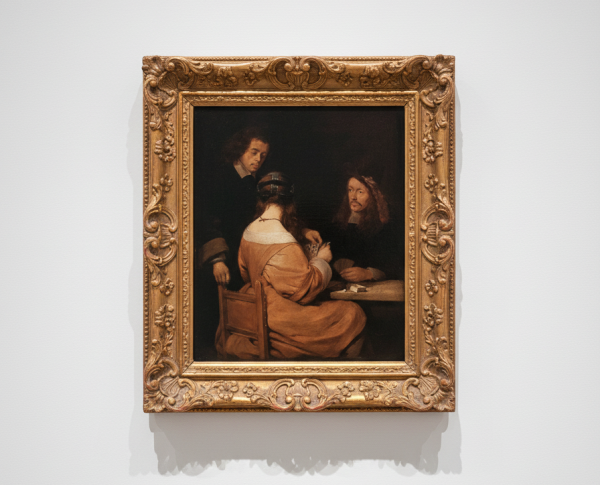
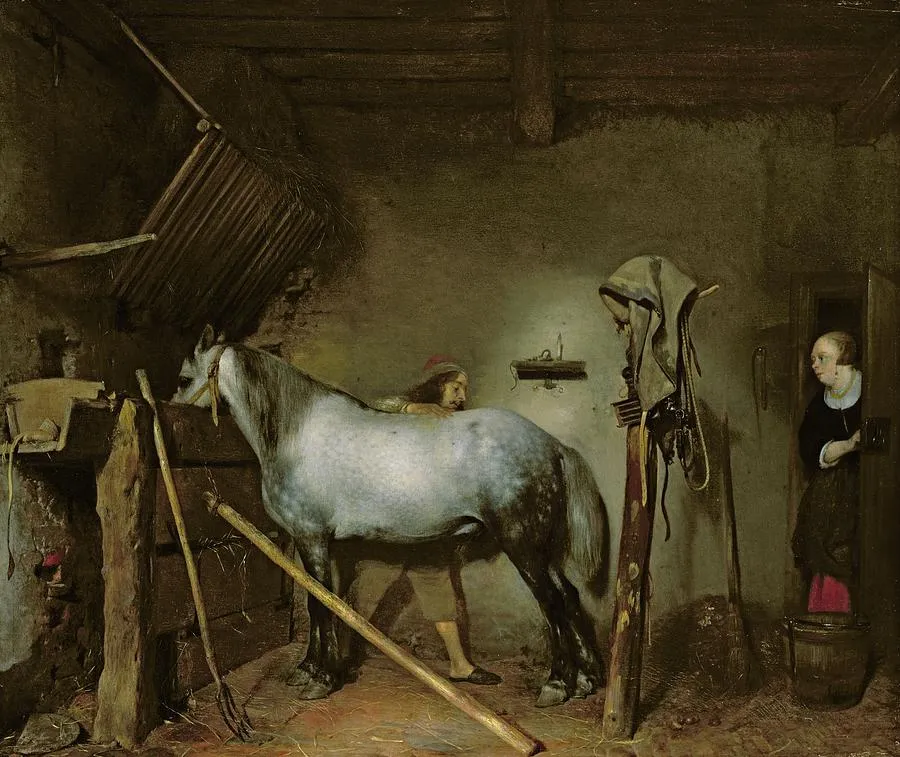
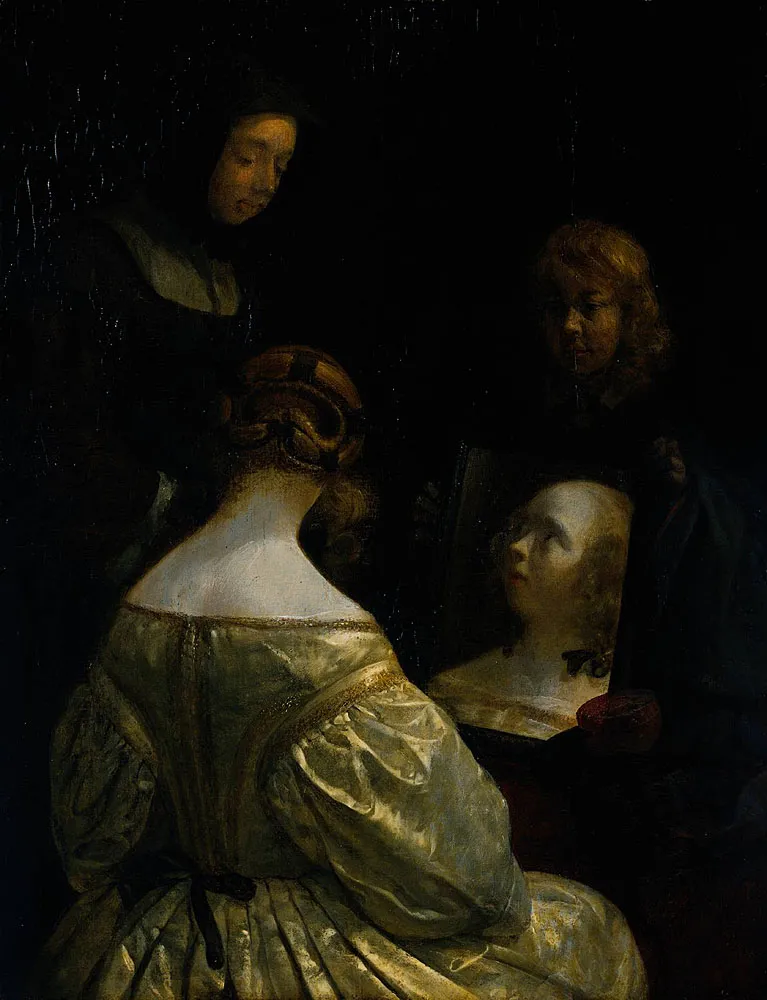
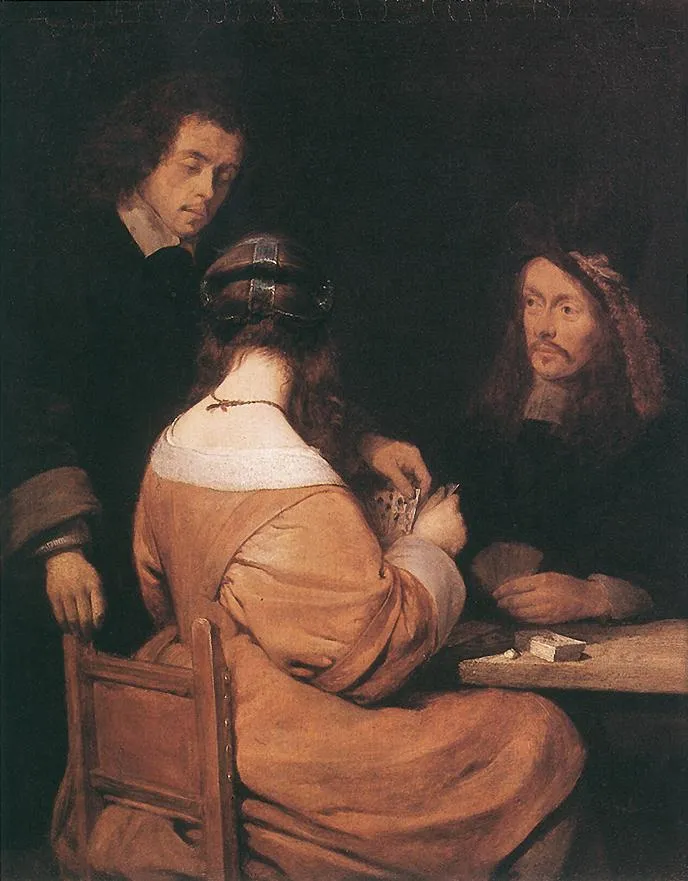
Terborch’s "Horse in a Stable" exemplifies the meticulous detail and realism characteristic of oil on canvas works from the Baroque era. Every brushstroke reveals his technical prowess, from the gleaming coat of the horse to the subtle play of light within the stable. For those seeking an authentic Baroque masterpiece, this painting stands out, much like Terborch’s "Card Players" and "Woman at a Mirror," both revered for their artistry and historical significance.
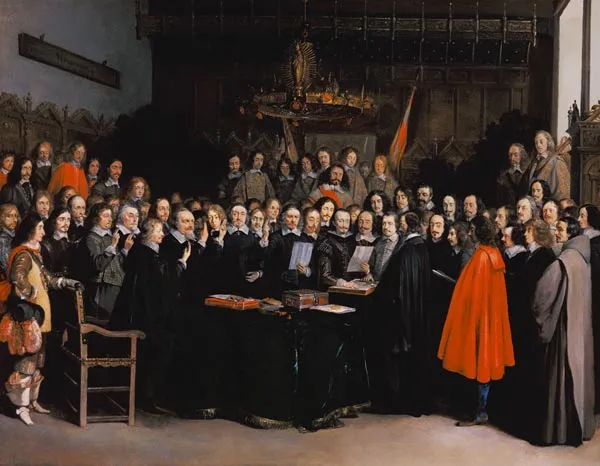
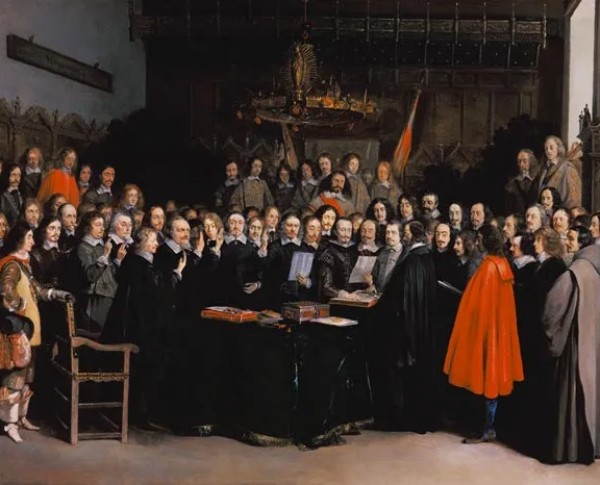
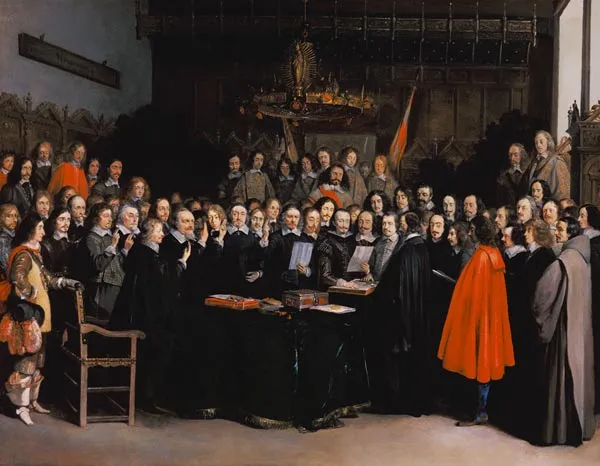
In this fine art painting for sale, Terborch weaves narrative and symbolism, using the horse as a representation of nobility and strength, common themes in Baroque art. The stable setting adds a sense of intimacy, inviting viewers to ponder the stories behind the scene. Admirers of Terborch’s narrative style will also appreciate related works such as "The Swearing of the Oath of Ratification of the Treaty of Munster" and "A Guard Room Interior With A Soldier Blowing Smoke In The Face Of His Sleeping Companion."
"Horse in a Stable" by Gerard Terborch is a prized hand-painted oil painting that embodies the grandeur of the Baroque movement. Its enduring appeal makes it a sought-after addition to any fine art collection. Collectors often pair this masterpiece with other Terborch creations like "Woman at a Mirror" and "Card Players" to celebrate the artist’s diverse talents and the timeless allure of Baroque oil on canvas artworks.
When Art Meets History
Gerard Terborch’s "Horse in a Stable" stands as a remarkable hand-painted oil painting from the Baroque movement, offering a unique glimpse into 17th-century life. This masterpiece, like Terborch’s other works such as "St Pierre Pascal, Bishop of Jaen" and "Supper at Emmaus," reflects the era’s fascination with realism and everyday scenes. The painting not only captures the essence of its time but also preserves the historical context, making it a valuable piece for art enthusiasts and collectors alike.
Techniques That Speak
Executed with exquisite skill, "Horse in a Stable" showcases Terborch’s mastery of oil on canvas, a hallmark of Baroque artistry. The meticulous brushwork and attention to detail are evident in the textures of the horse’s coat and the stable’s rustic surroundings. Similar to "Cup of Water and a Rose on a Silver Plate" or "Cardsharps," this painting exemplifies the artist’s ability to convey light, shadow, and atmosphere, elevating everyday moments into timeless works of art.
Emotions on Display
In "Horse in a Stable," Terborch infuses his subject with subtle emotion, capturing the quiet dignity and gentle spirit of the animal. This fine art painting for sale resonates with viewers through its serene composition and lifelike portrayal, much like "The Taking of Christ" or "Supper at Emmaus." The emotional depth within the painting invites the audience to connect with the narrative, reflecting the Baroque movement’s emphasis on drama and human experience.
Coveted by Collectors
Gerard Terborch’s "Horse in a Stable" remains highly sought after by collectors who appreciate both its historical significance and artistic merit. As a hand-painted oil painting from the Baroque era, it holds a prestigious place among works like "Cardsharps" and "St Pierre Pascal, Bishop of Jaen." Collectors value such pieces for their craftsmanship, provenance, and the unique window they provide into the world of 17th-century fine art painting for sale.
Related Baroque Hand-Painted Oil Paintings by Other Artists
Other Famous Baroque Artists:
Frequently Asked Questions About Horse in a Stable
What is the historical context of "Horse in a Stable"?
"Horse in a Stable" was painted by Gerard Terborch during the Dutch Golden Age, a period characterized by significant advancements in art, science, and trade. This era saw a flourishing of genre painting, where everyday life was depicted with realism and detail.
What artistic techniques did Gerard Terborch employ in this painting?
Gerard Terborch is known for his meticulous attention to detail and use of light. In "Horse in a Stable," he employs chiaroscuro to create depth and dimension, as well as a refined color palette that enhances the naturalism of the scene.
What symbolism can be found in "Horse in a Stable"?
The horse in the painting symbolizes strength and nobility, often associated with the status of its owner. The stable setting reflects themes of domesticity and the relationship between humans and animals, highlighting the importance of horses in 17th-century Dutch society.
How does "Horse in a Stable" reflect the genre painting style of its time?
This painting exemplifies the genre style by focusing on a specific moment in daily life rather than grand historical or religious themes. Terborch captures the intimacy of the stable environment, inviting viewers to appreciate the ordinary yet significant aspects of life.
What influences can be seen in Terborch's work?
Terborch was influenced by other Dutch masters, particularly in his attention to detail and composition. His work reflects the influence of artists like Frans Hals and Jan Vermeer, particularly in the way he captures light and texture.
What materials did Terborch use for "Horse in a Stable"?
Gerard Terborch typically used oil paints on canvas for his works, allowing for rich color and fine detail. This medium was popular during the Dutch Golden Age and enabled artists to achieve the realism that characterizes the period.
What is the significance of the stable setting in the painting?
The stable serves as a backdrop that emphasizes the connection between humans and animals, reflecting the agricultural lifestyle of the time. It also suggests themes of care and responsibility, as well as the economic importance of horses in Dutch society.
How does "Horse in a Stable" compare to other works by Terborch?
Compared to other works by Terborch, "Horse in a Stable" showcases his ability to depict animals with the same finesse as human figures. While many of his paintings focus on domestic scenes involving people, this piece highlights his versatility and skill in capturing various subjects.
What role did animals play in Dutch art during the 17th century?
Animals were significant subjects in Dutch art, often symbolizing wealth, power, and the relationship between nature and humanity. They were frequently depicted in still lifes and genre scenes, reflecting the agricultural and economic realities of the time.
What can we learn about 17th-century Dutch society from "Horse in a Stable"?
This painting provides insight into the daily life and values of 17th-century Dutch society, where horses were essential for transportation and labor. It reflects the importance of agriculture and the close relationship between people and their animals in that era.






















_GFM_Painting_(1).webp)


 100% Hand-Painted: Finished in 3-6 Weeks

.png)















_(1).webp)