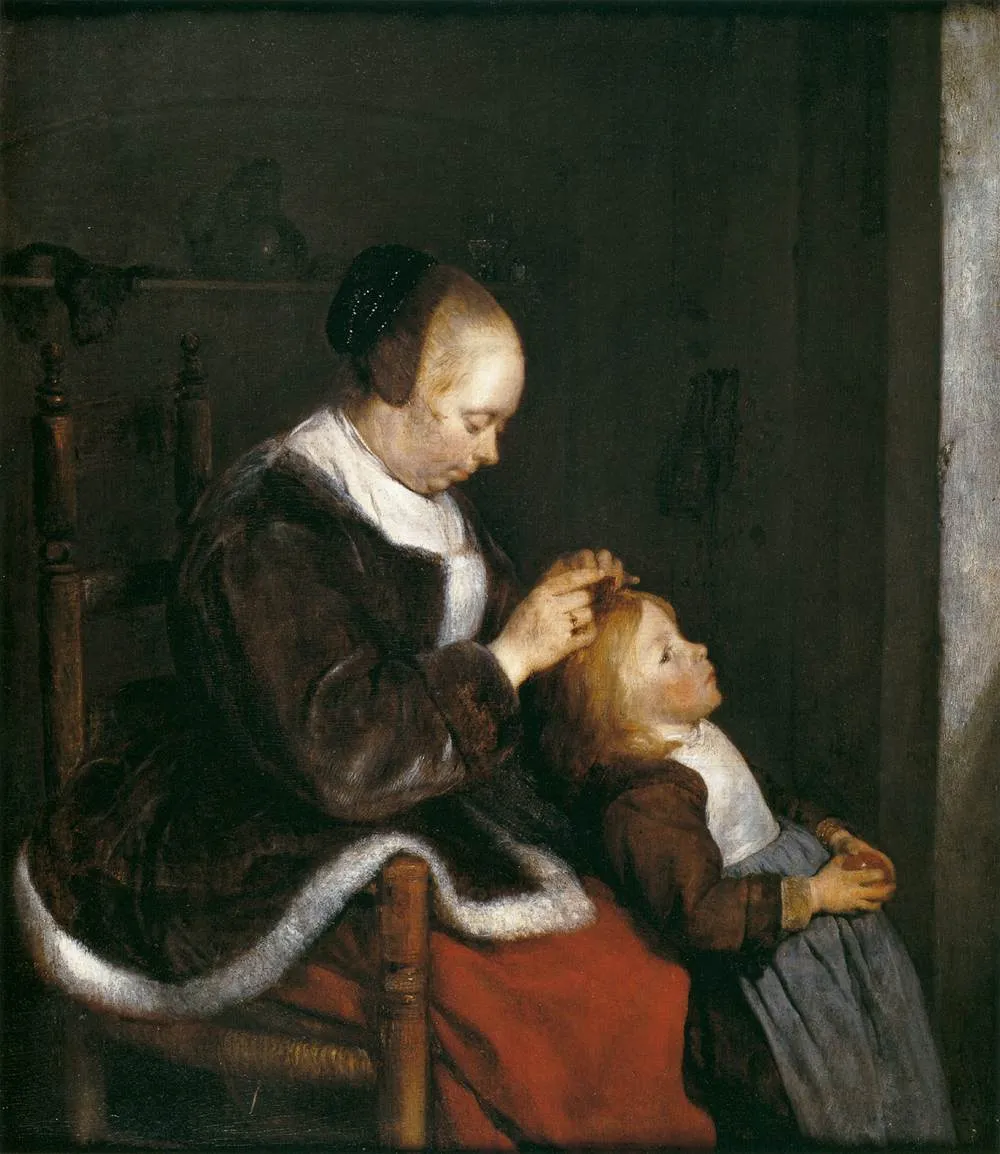
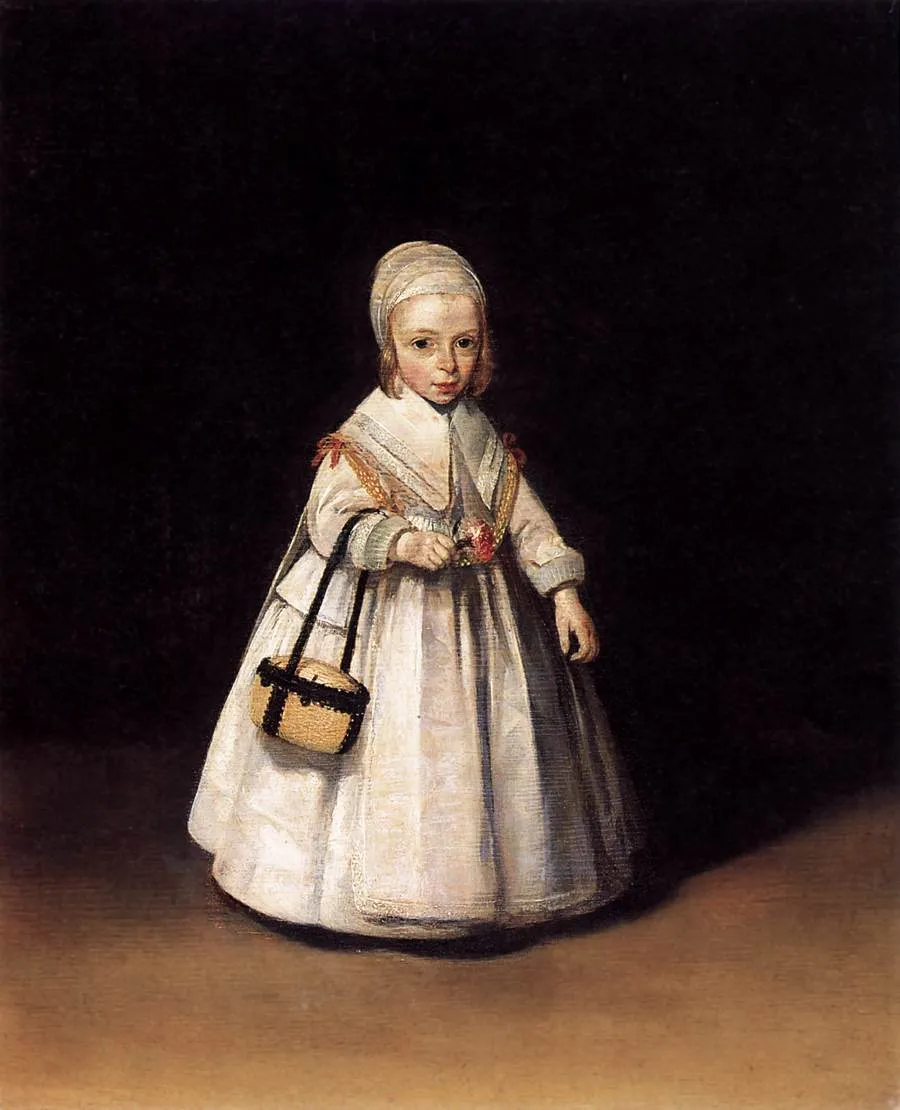
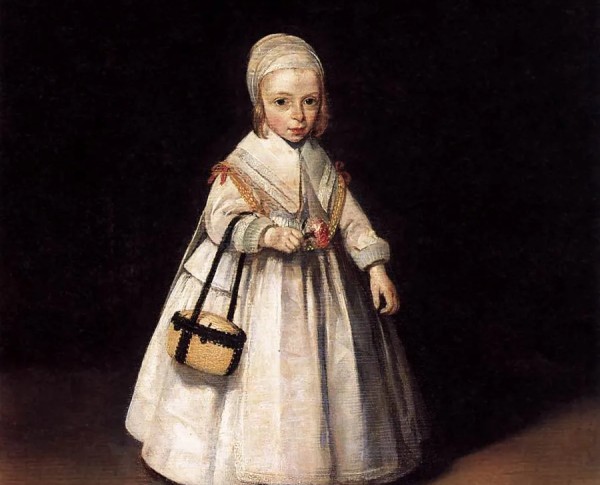
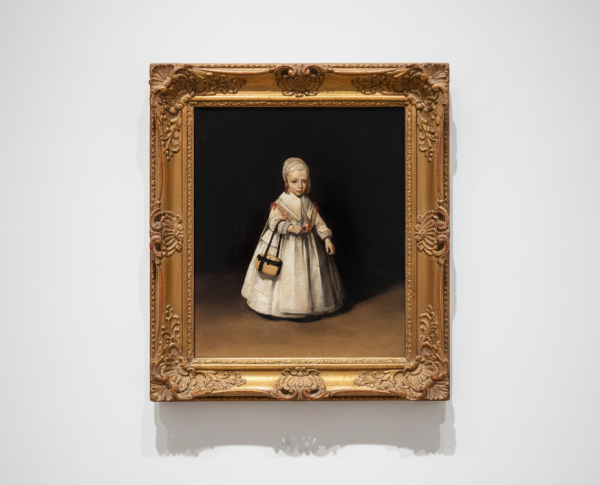
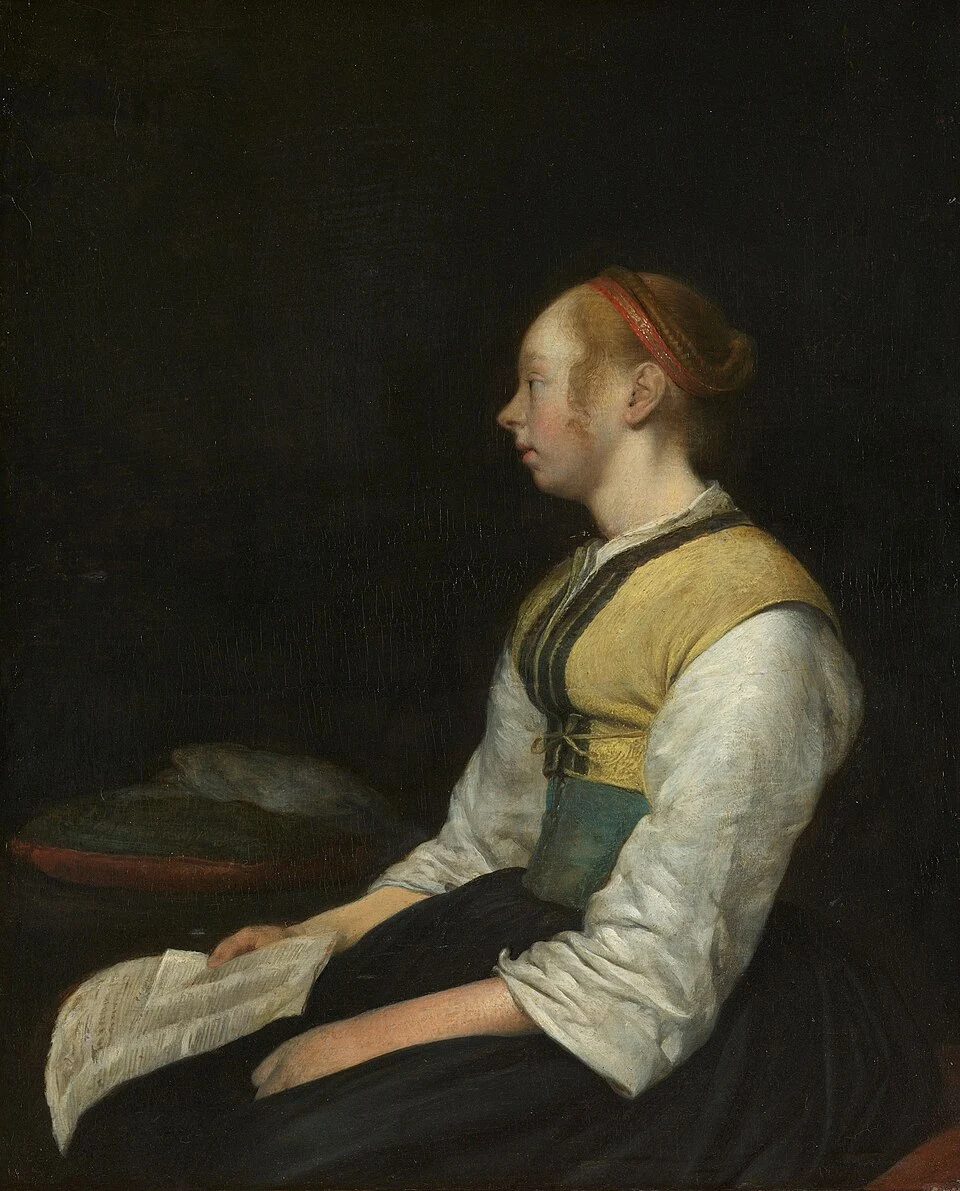
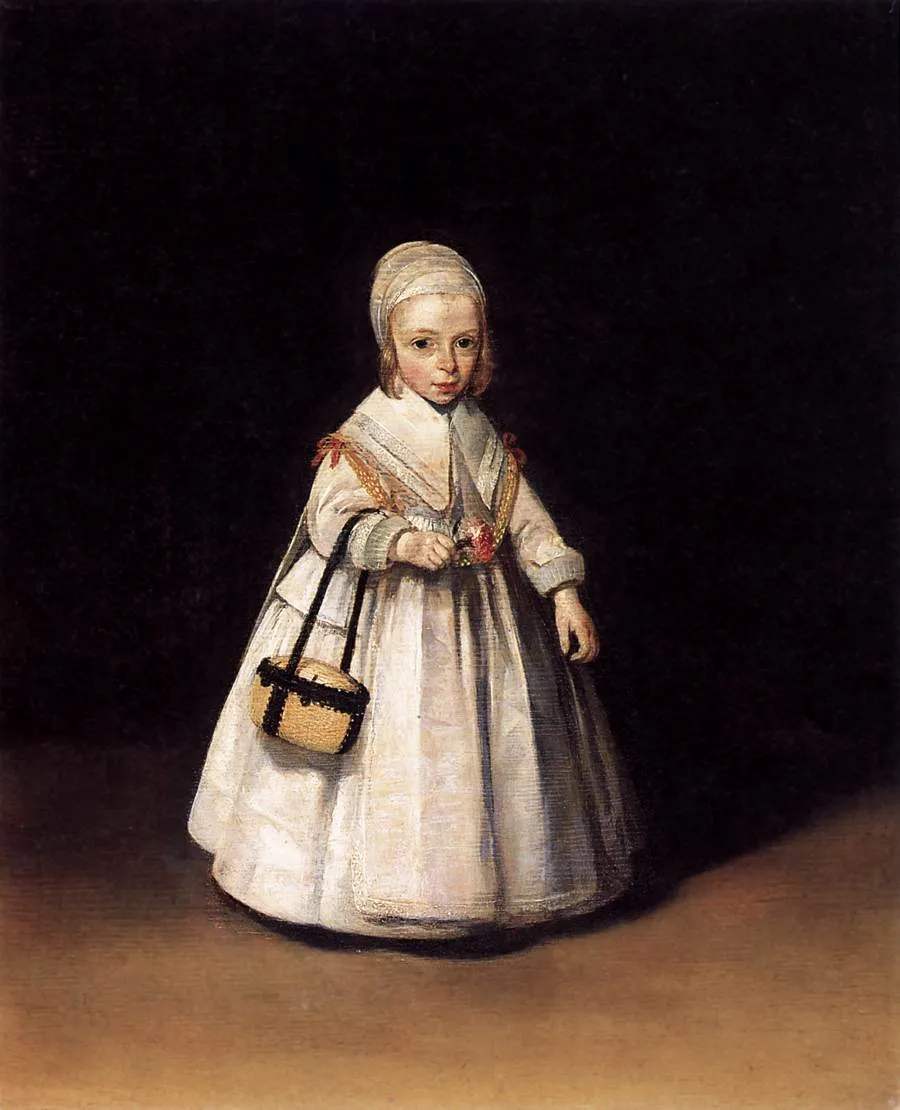
Gerard Terborch's technique in this oil on canvas masterpiece demonstrates the refined skill characteristic of Baroque artists. The brushwork and attention to detail reveal the artist’s dedication to realism and emotional depth. Every fold in the peasant costume and every subtle expression showcases Terborch’s artistry. Those interested in fine art often seek out similar works, including "Helena van der Schalcke as a Child," to complement their appreciation for such period pieces.
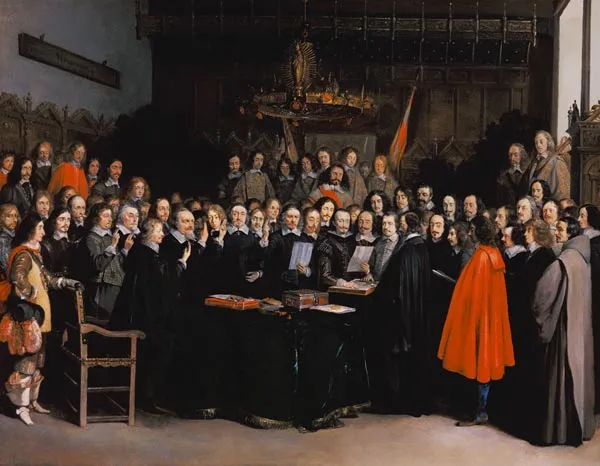
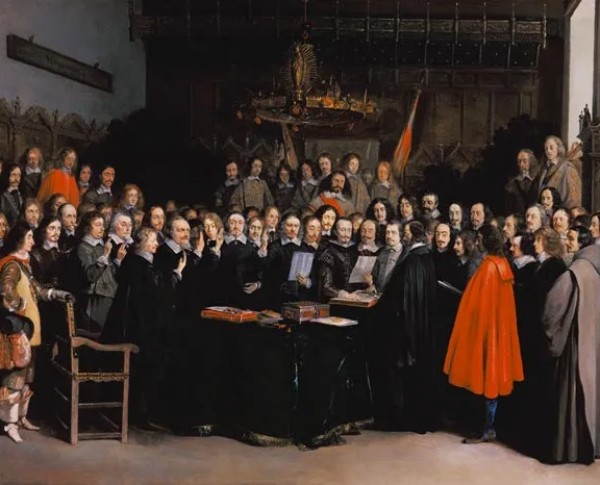
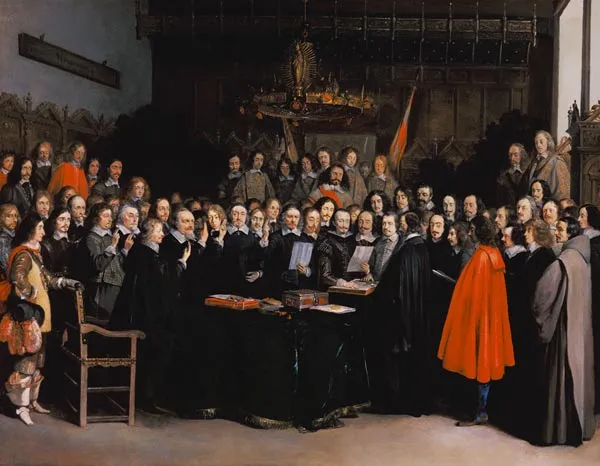
Within this fine art painting for sale, the viewer discovers layers of meaning woven into the subject’s attire and posture. Gerard Terborch’s careful composition invites speculation about the relationship between artist and sitter, possibly his half-sister Gesina. The Baroque movement’s emphasis on storytelling is evident in the symbolism of modest clothing and serene expression. Collectors often pair this piece with related works like "The Swearing of the Oath of Ratification of the Treaty of Munster" for a richer narrative experience.
"Girl in Peasant Costume Probably Gesina the Painter's Half Sister" stands as a prized oil on canvas for discerning collectors of Baroque art. Gerard Terborch’s legacy is further celebrated through the enduring value of his works, including this portrait and related products like "Helena van der Schalcke as a Child." These masterpieces not only beautify collections but also offer a tangible connection to the history and artistry of the Baroque era, making them highly sought-after acquisitions.
When Art Meets History
"Girl in Peasant Costume Probably Gesina the Painter's Half Sister" by Gerard Terborch is a remarkable work from the Baroque movement, capturing the essence of 17th-century Dutch society. This hand-painted oil painting not only showcases Terborch's mastery but also offers a glimpse into the daily life and attire of the period. Similar to masterpieces like "Medusa" and "Amor Vincit Omnia," Terborch’s work bridges the gap between art and historical narrative, making it a valued piece for art enthusiasts.
Techniques That Speak
Gerard Terborch’s technique in this oil on canvas is a testament to his skillful use of light and texture. With meticulous brushwork, he brings the peasant costume to life, highlighting every fold and fabric detail. The Baroque movement’s emphasis on realism and depth is evident here, as in related paintings such as "Birth of the Virgin" and "Cardsharps." Terborch’s approach makes the scene intimate and authentic, reinforcing the unique qualities of oil on canvas artworks.
Emotions on Display
In this fine art painting for sale, the subject’s subtle expression and posture reveal a quiet strength and introspection. Gerard Terborch’s ability to convey emotion through nuanced gestures is a hallmark of the Baroque period, reminiscent of works like "Boy Bitten by a Lizard." The painting captures not only the likeness but also the inner world of Gesina, inviting viewers to connect emotionally with the sitter and appreciate the artistry behind every brushstroke.
Coveted by Collectors
Collectors highly prize "Girl in Peasant Costume Probably Gesina the Painter's Half Sister" for its historical significance and artistic excellence. As one of Gerard Terborch’s notable contributions to the Baroque movement, this hand-painted oil painting stands alongside celebrated works like "Medusa" and "Amor Vincit Omnia." Its rarity and connection to the artist’s personal life make it a sought-after piece, ensuring its status as a fine art painting for sale that enriches any collection.
Related Baroque Hand-Painted Oil Paintings by Other Artists
Other Famous Baroque Artists:
Frequently Asked Questions About Girl in Peasant Costume Probably Gesina the Painter's Half Sister
What is the historical context of "Girl in Peasant Costume Probably Gesina the Painter's Half Sister"?
This painting was created during the Dutch Golden Age, a period in the 17th century characterized by great wealth and cultural achievement in the Netherlands. Gerard Terborch, the artist, was known for his intimate genre scenes that often depicted domestic life.
Who is Gesina, and what is her significance in relation to the painting?
Gesina is believed to be the half-sister of Gerard Terborch. The painting reflects a personal connection, suggesting that Terborch may have intended to capture the essence of familial bonds and the everyday life of women in his time.
What artistic techniques did Gerard Terborch employ in this painting?
Terborch utilized a refined technique characterized by delicate brushwork and a careful attention to detail. The use of light and shadow enhances the three-dimensionality of the figure, while the rich textures of the costume highlight his skill in rendering fabric.
What does the peasant costume symbolize in the painting?
The peasant costume symbolizes simplicity and humility, contrasting with the opulence often seen in portraits of the wealthy. It reflects Terborch's interest in portraying the dignity of everyday life and the beauty found in ordinary people.
How does the composition of the painting contribute to its overall impact?
The composition is carefully balanced, with the figure of the girl positioned slightly off-center, drawing the viewer's eye. The soft background and muted colors serve to emphasize the subject, creating an intimate atmosphere that invites contemplation.
What role does light play in "Girl in Peasant Costume Probably Gesina the Painter's Half Sister"?
Light plays a crucial role in this painting, illuminating the figure's face and costume while casting gentle shadows that enhance the depth and realism. This use of light not only highlights the subject but also evokes a sense of warmth and familiarity.
In what ways does this painting reflect the themes of gender and identity?
The painting reflects themes of gender and identity by portraying a young woman in a peasant costume, emphasizing her role within the domestic sphere. It invites viewers to consider the social status and identity of women during the 17th century, particularly in rural settings.
What influence did Gerard Terborch have on later artists?
Gerard Terborch's focus on genre scenes and his mastery of light and texture influenced many later artists, particularly those in the Dutch and Flemish traditions. His ability to capture the nuances of human emotion and daily life set a precedent for future genre painters.
How does this painting compare to other works by Terborch?
This painting is representative of Terborch's style, showcasing his interest in intimate, domestic scenes. Compared to his other works, it may appear less formal, emphasizing the beauty of everyday life rather than the grandeur typically associated with portraiture.
What is the significance of the title of the painting?
The title of the painting, "Girl in Peasant Costume Probably Gesina the Painter's Half Sister," highlights both the identity of the subject and the personal connection to the artist. This specificity adds depth to the work, inviting viewers to explore the relationship between the artist and his subject.






















_GFM_Painting_(1).webp)


 100% Hand-Painted: Finished in 3-6 Weeks

.png)















_(1).webp)