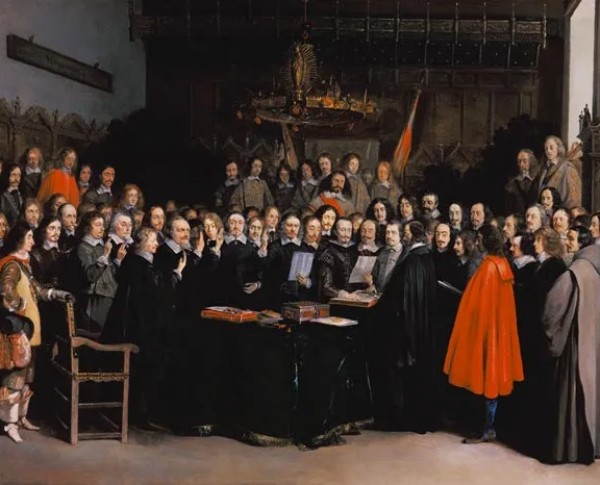
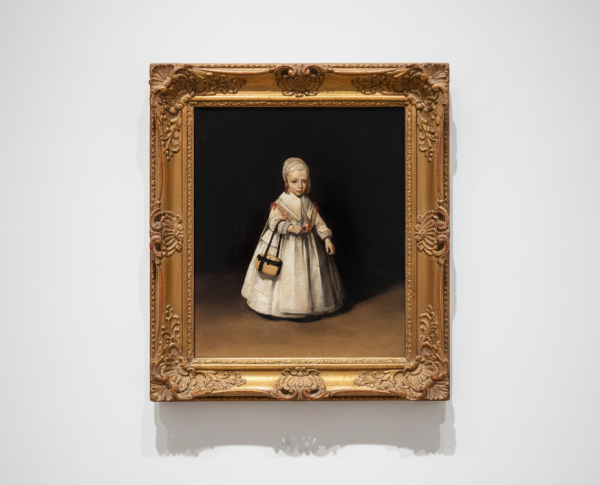
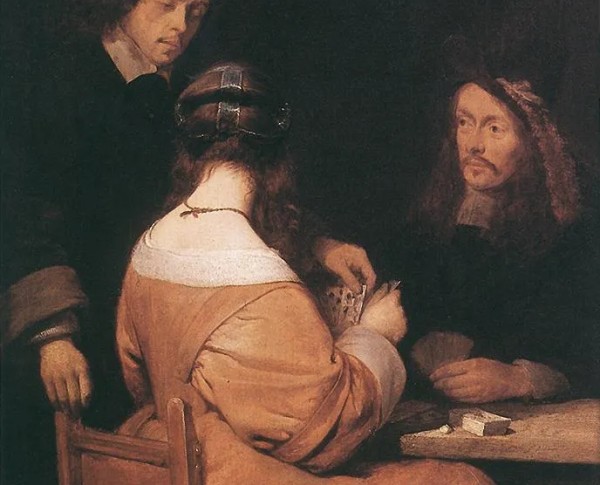
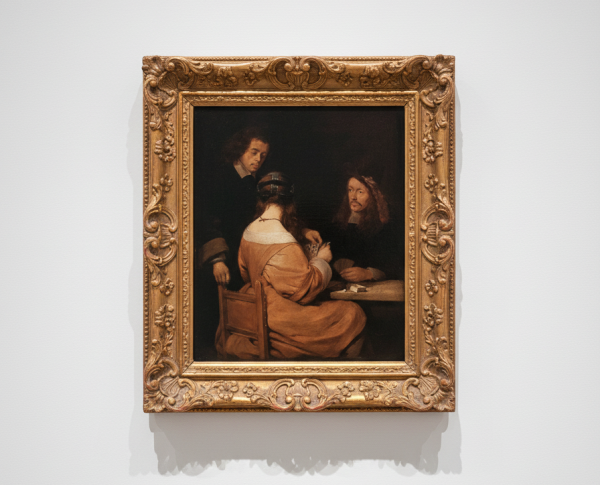
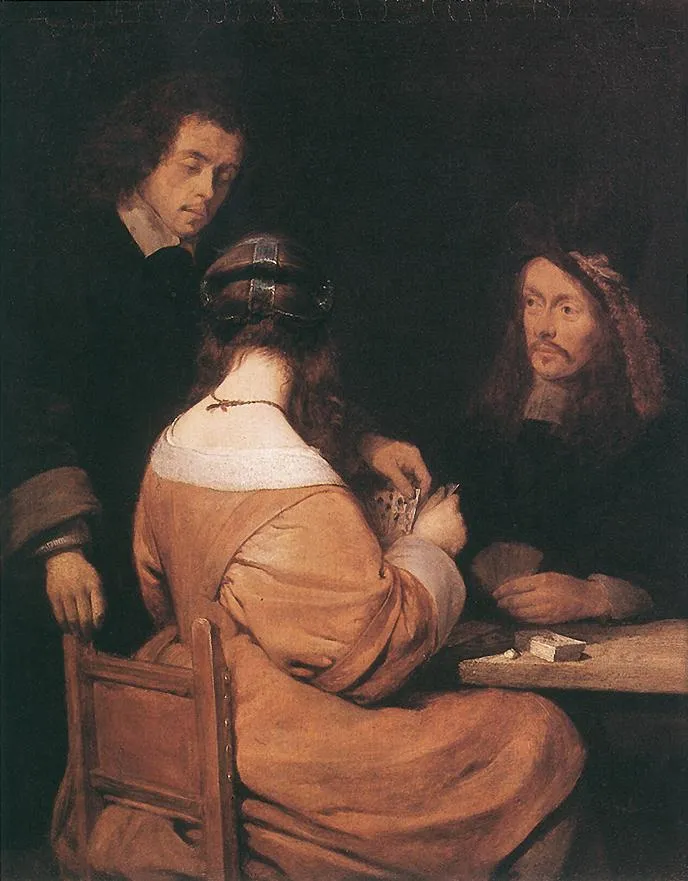
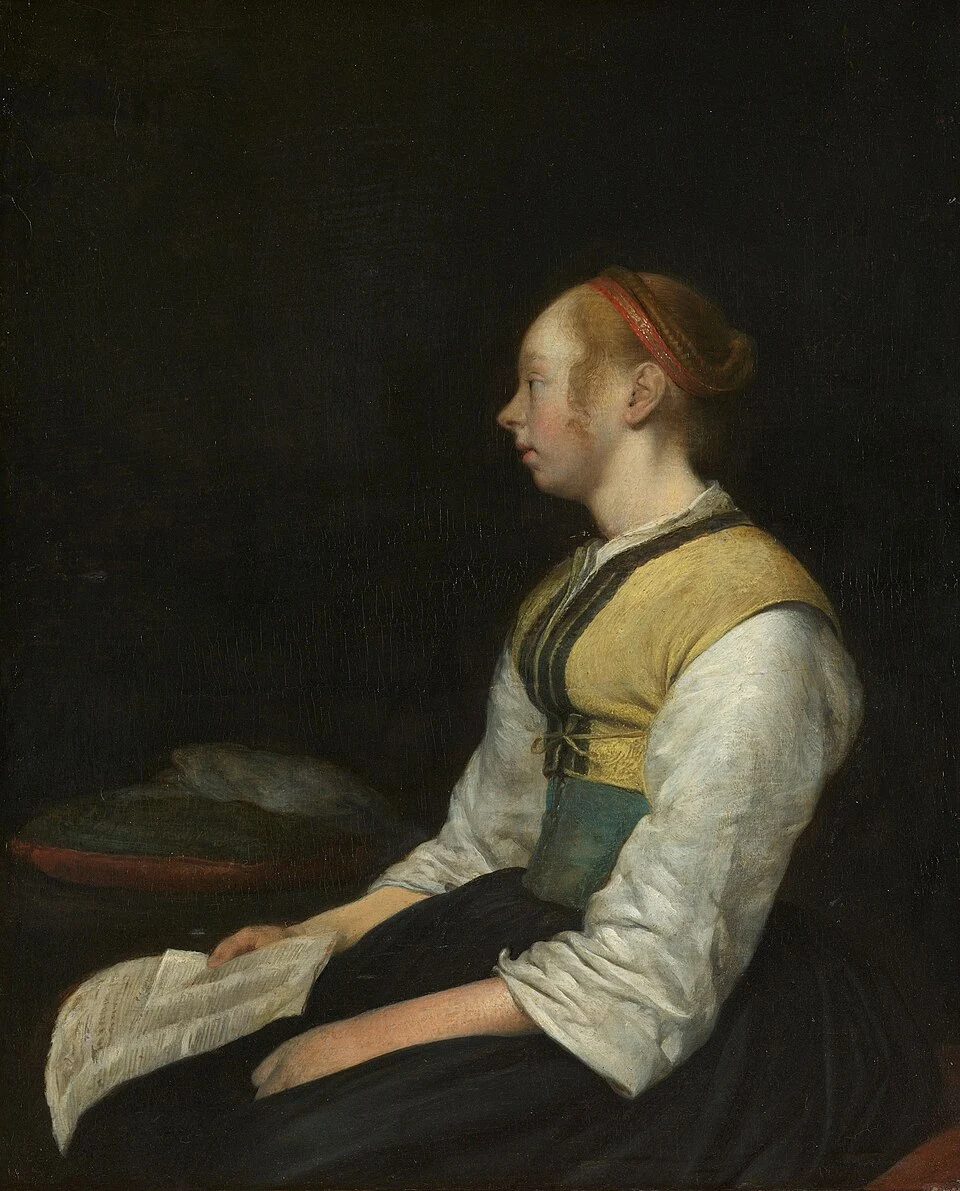
The technique employed in "Card Players" showcases Gerard Terborch’s extraordinary skill with oil on canvas, a medium he mastered to perfection. His deft brushwork and attention to detail bring the scene to life, from the elegant attire to the nuanced expressions of the players. This fine art painting for sale stands alongside other notable works like "Girl in Peasant Costume Probably Gesina the Painter's Half Sister," reflecting Terborch's enduring influence on Baroque artistry.
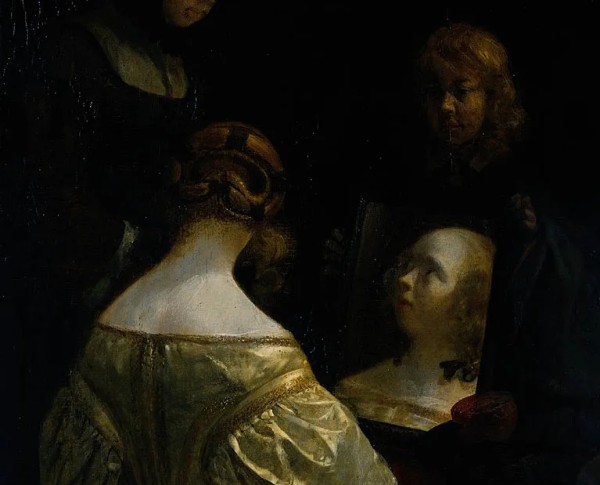
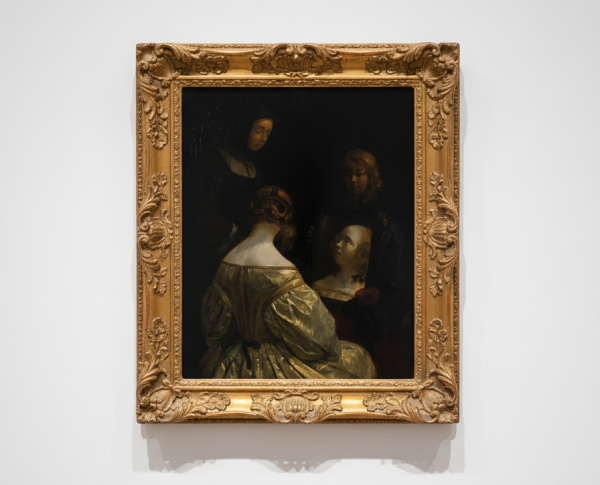
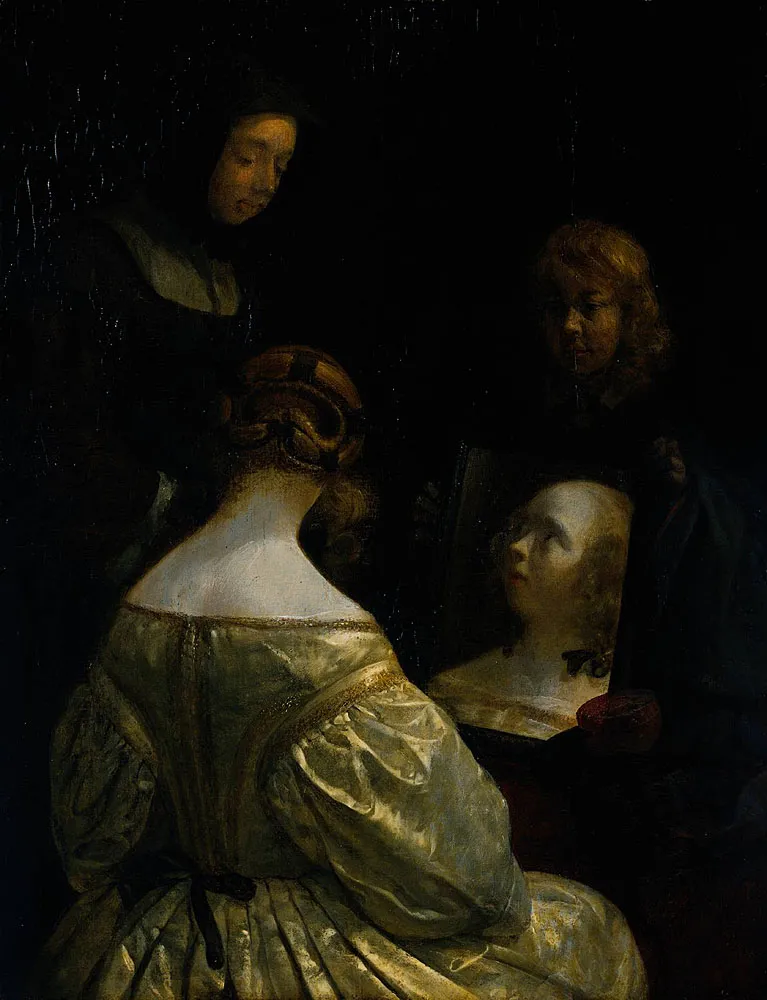
"Card Players" invites viewers to interpret its rich narrative, a hallmark of Baroque fine art painting for sale. Gerard Terborch weaves subtle stories and symbols into the composition, hinting at themes of chance, fortune, and social status. The inclusion of everyday objects and detailed interiors adds depth to the scene, much like in Terborch’s "Woman at a Mirror." Such elements make this oil on canvas an engaging subject for art lovers and collectors alike.
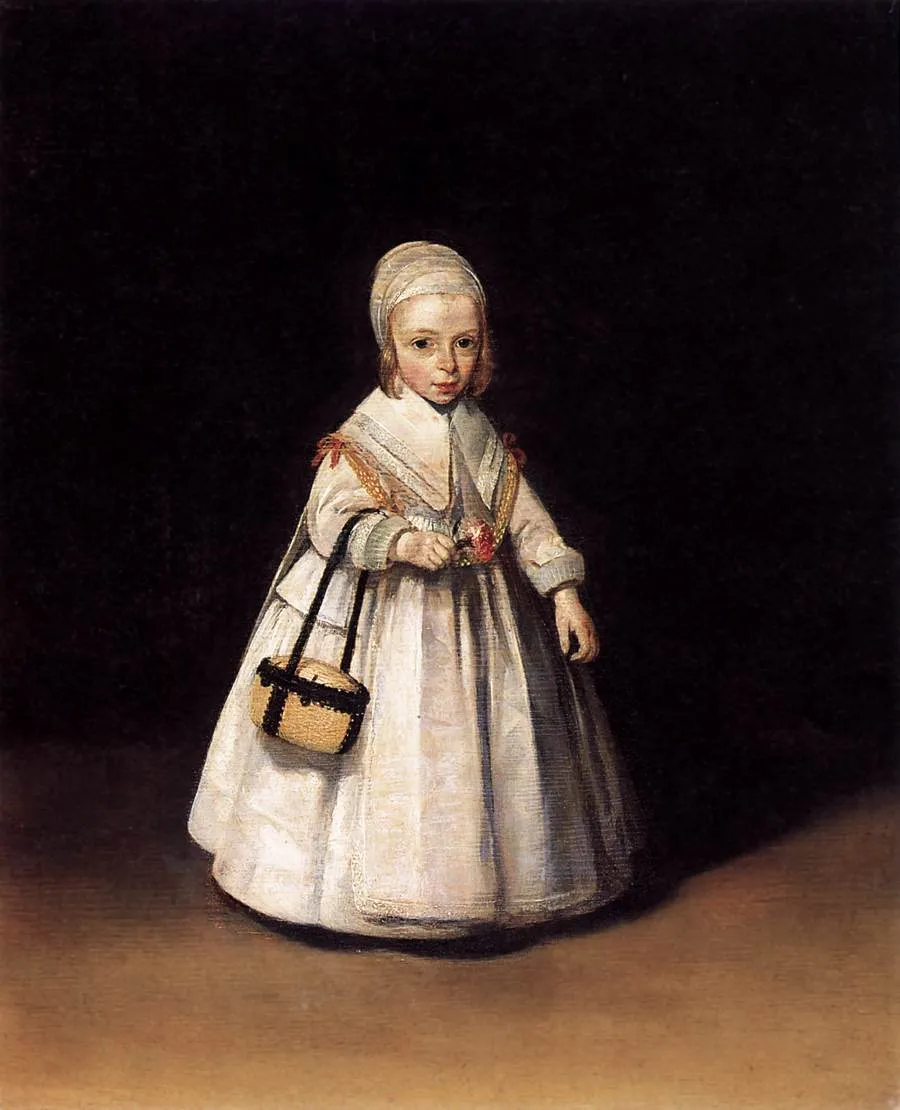
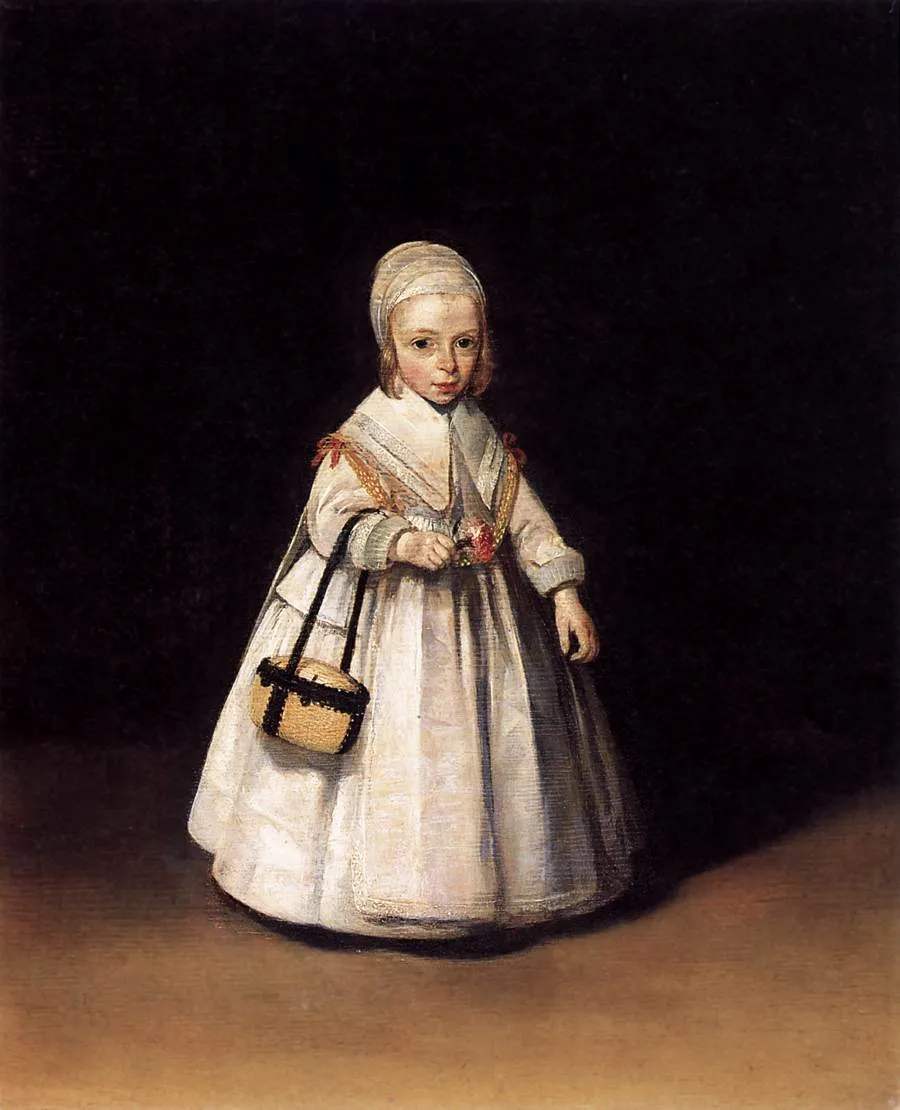
For those seeking a hand-painted oil painting from the Baroque era, "Card Players" by Gerard Terborch is a prized acquisition. Its timeless appeal and intricate craftsmanship make it a standout piece among collectors. The painting’s connection to other Terborch masterpieces, including "Helena van der Schalcke as a Child" and "Woman at a Mirror," enhances its desirability as a fine art painting for sale, offering a glimpse into the opulent world of 17th-century Dutch society.
When Art Meets History
"Card Players" by Gerard Terborch stands as a testament to the Baroque movement’s fascination with everyday life. This hand-painted oil painting captures a slice of 17th-century Dutch society, reflecting the customs and dress of its time. Terborch, renowned for his nuanced scenes, also created masterpieces like "Girl carrying Water" and "Supper at Emmaus," each revealing the era’s social dynamics. "Card Players" continues to intrigue, blending historical context with the timeless appeal of genre scenes.
Techniques That Speak
Gerard Terborch’s mastery shines through his use of oil on canvas, a medium favored during the Baroque period for its richness and depth. The subtle play of light and shadow in "Card Players" showcases his skillful brushwork, echoing the finesse found in works like "Doubting Thomas" and "Portrait of a Courtesan." Terborch’s attention to texture and fabric elevates this oil on canvas, making each detail—from the cards to the figures—vividly lifelike.
Emotions on Display
In "Card Players," Terborch delicately reveals the emotional undercurrents of a simple game, a hallmark of Baroque fine art painting for sale. The artist’s nuanced depiction of expressions and body language draws viewers into an intimate moment, much like in "Apotheosis of St Thomas Aquinas." Through subtle gestures and glances, Terborch explores themes of competition, camaraderie, and intrigue, inviting us to interpret the silent stories unfolding within the scene.
Coveted by Collectors
"Card Players" remains a prized example of Baroque artistry, highly sought after by those who appreciate the allure of a hand-painted oil painting. Collectors value Terborch’s works for their technical brilliance and emotional depth, as seen in related paintings such as "Girl carrying Water" and "Supper at Emmaus." The enduring popularity of "Card Players" highlights its significance in the world of fine art, making it a coveted masterpiece among connoisseurs and enthusiasts alike.
Related Baroque Hand-Painted Oil Paintings by Other Artists
Other Famous Baroque Artists:
Frequently Asked Questions About Card Players
What is the historical context of "Card Players" by Gerard Terborch?
"Card Players" was painted during the Dutch Golden Age in the 17th century, a period marked by significant advancements in art, science, and trade. This era saw a rise in genre painting, where everyday life and social interactions were depicted, reflecting the values and leisure activities of the time.
What artistic techniques did Gerard Terborch employ in "Card Players"?
Terborch is known for his meticulous attention to detail and use of light. In "Card Players," he employs a soft palette and subtle chiaroscuro, enhancing the three-dimensionality of the figures and creating a sense of intimacy within the scene.
What themes are explored in "Card Players"?
The painting explores themes of leisure, social interaction, and the complexities of human relationships. The act of playing cards serves as a metaphor for chance and strategy in life, reflecting broader societal dynamics of the time.
How does "Card Players" reflect the social customs of the 17th century?
The painting captures a moment of leisure among the bourgeoisie, illustrating the popularity of card games as a social pastime. This reflects the growing middle class in Dutch society, who engaged in such activities as a form of entertainment and socialization.
What symbolic meanings can be derived from the card game depicted in the painting?
The card game symbolizes chance, strategy, and the unpredictability of life. It can also be interpreted as a commentary on human behavior, highlighting themes of competition, trust, and deception among players.
What is the significance of the figures' expressions and postures in "Card Players"?
The expressions and postures of the figures convey a range of emotions, from concentration to camaraderie. This attention to psychological depth adds complexity to the interaction, inviting viewers to contemplate the underlying narratives of the scene.
How does "Card Players" compare to other works by Gerard Terborch?
What role does light play in "Card Players"?
Light in "Card Players" serves to enhance the mood and focus the viewer's attention on the figures. Terborch's skillful use of light creates a warm atmosphere, emphasizing the social interaction and the subtleties of the game being played.
What influence did "Card Players" have on later artists?
"Card Players" influenced later artists in the genre painting tradition, particularly in its focus on everyday life and the psychological aspects of human interaction. Terborch's techniques and themes can be seen echoed in the works of subsequent Dutch and European painters.
In what ways does "Card Players" reflect the values of Dutch society during the 17th century?
The painting reflects values such as social status, leisure, and the importance of community. It illustrates how the middle class engaged in leisurely activities, which were essential for social bonding and cultural expression during this prosperous period in Dutch history.






















_GFM_Painting_(1).webp)


 100% Hand-Painted: Finished in 3-6 Weeks

.png)















_(1).webp)