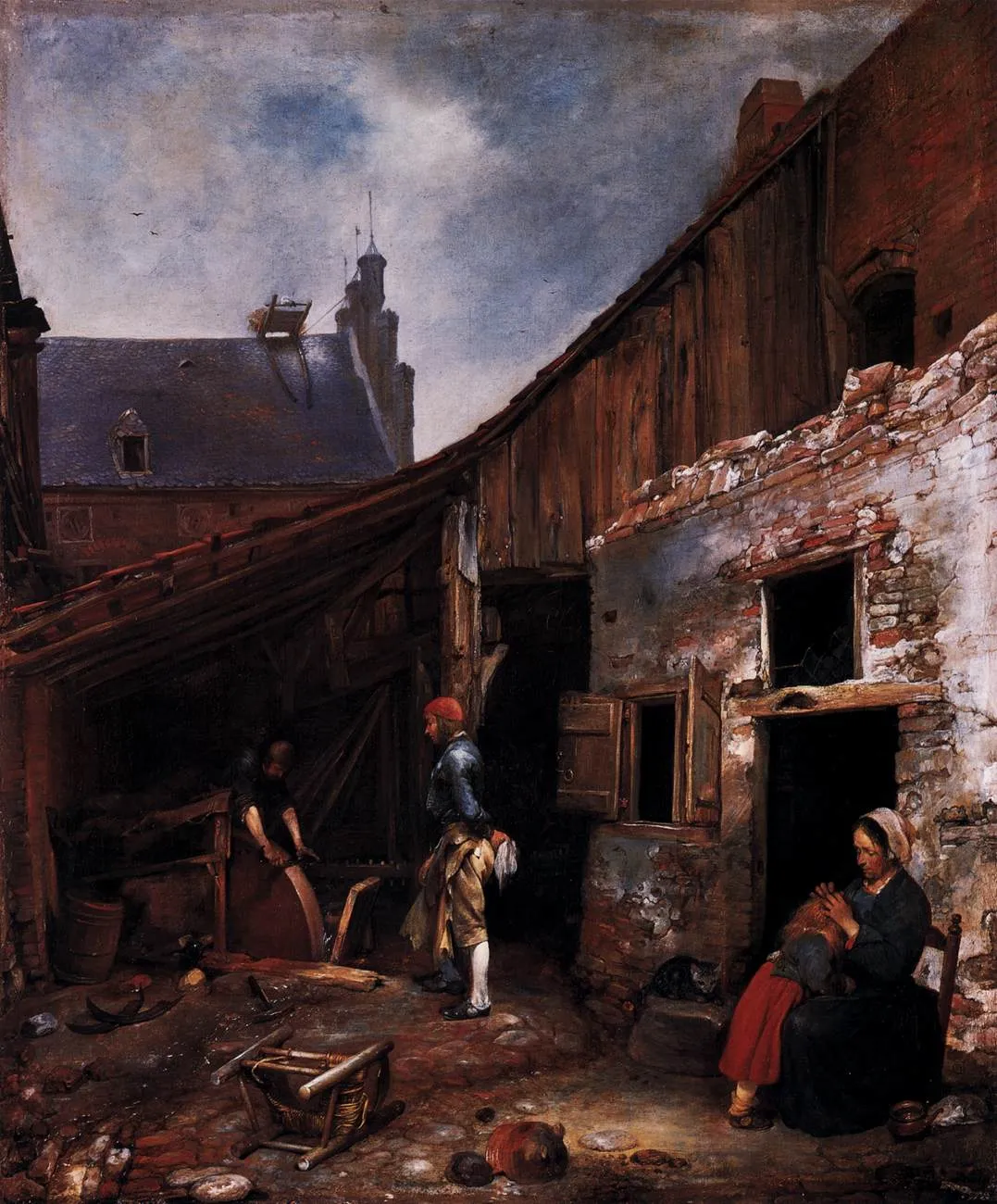
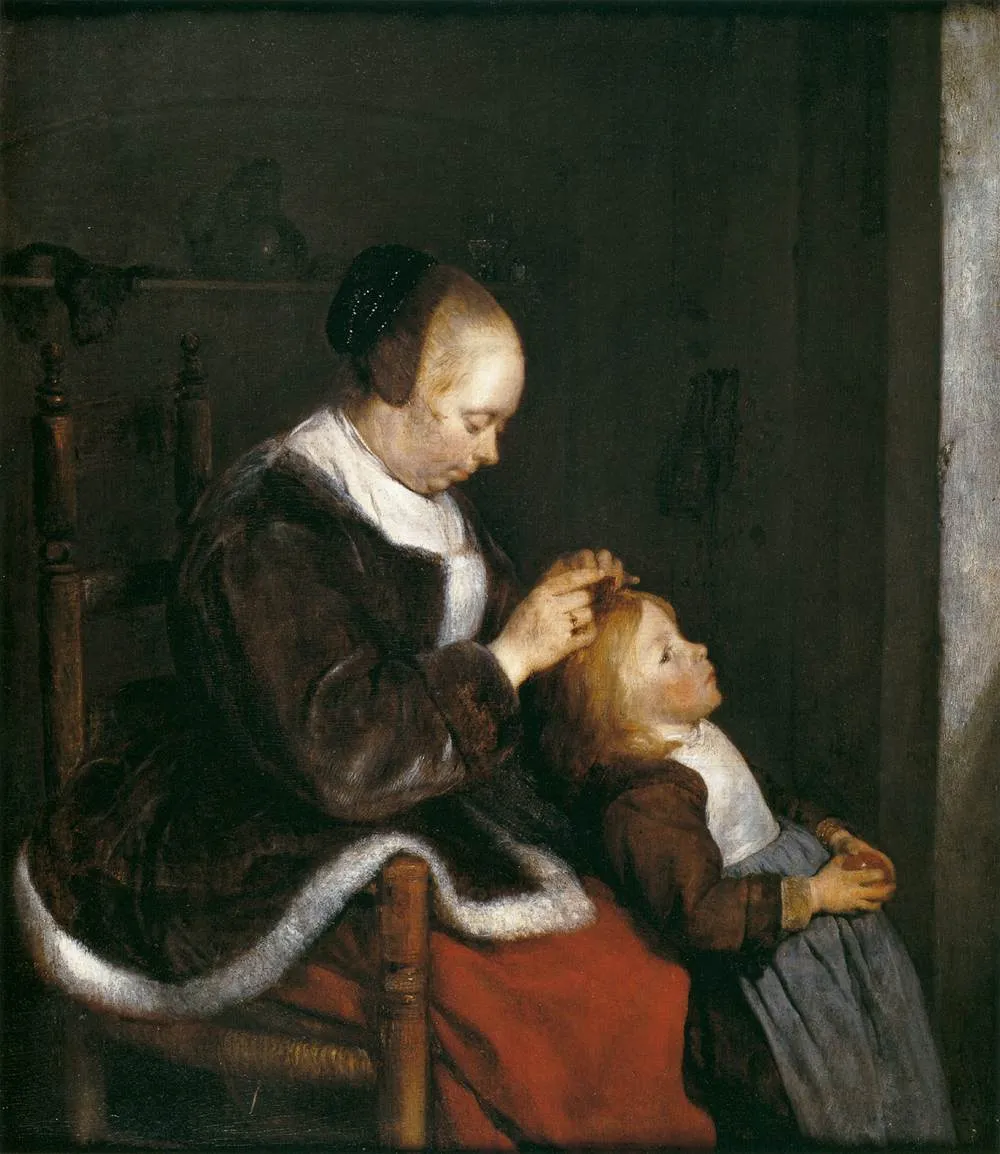
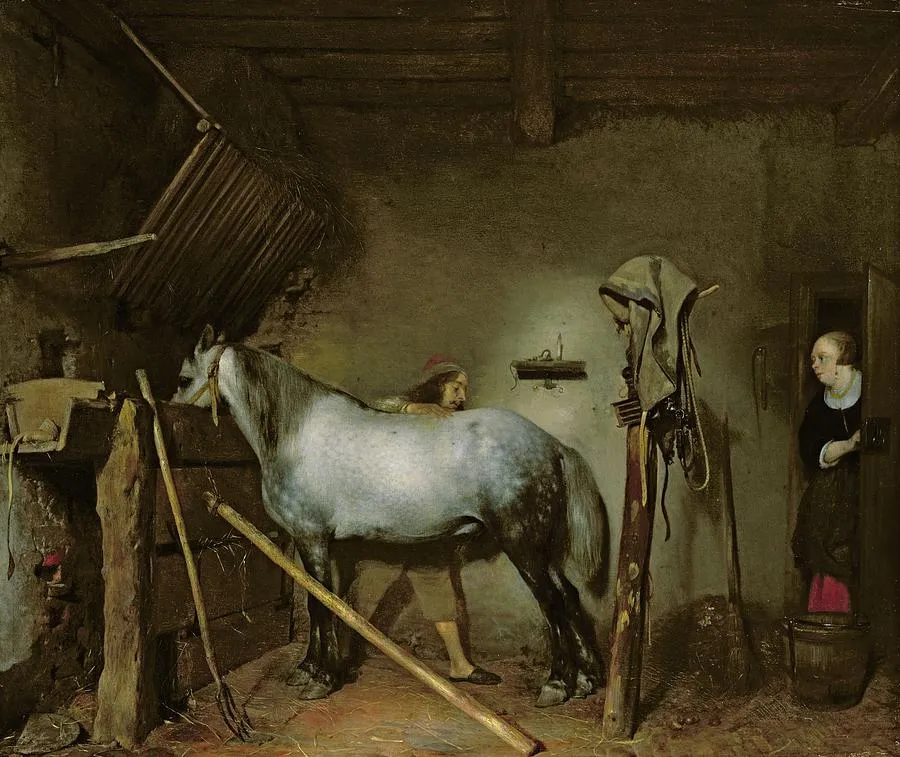
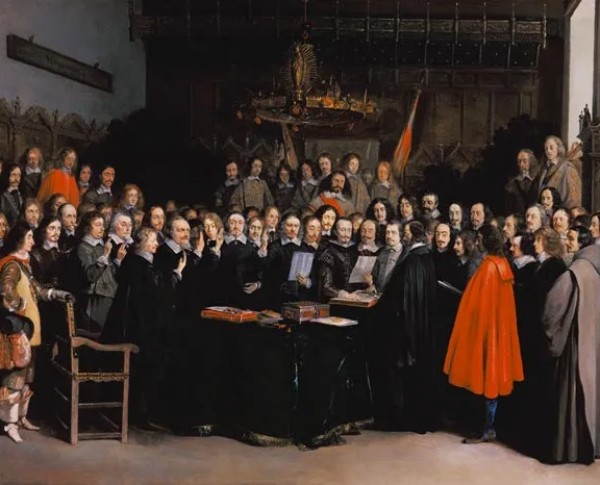
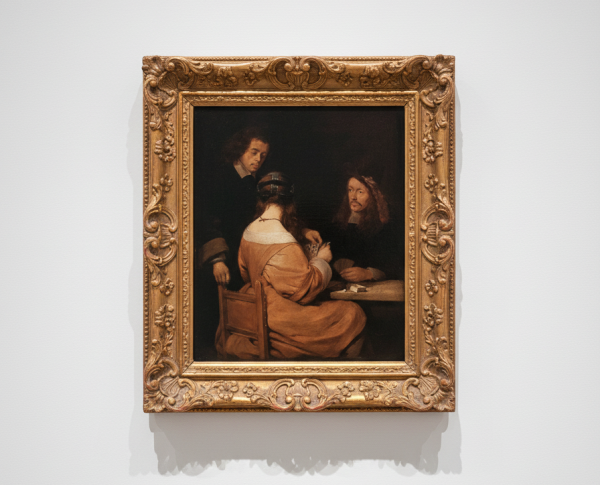
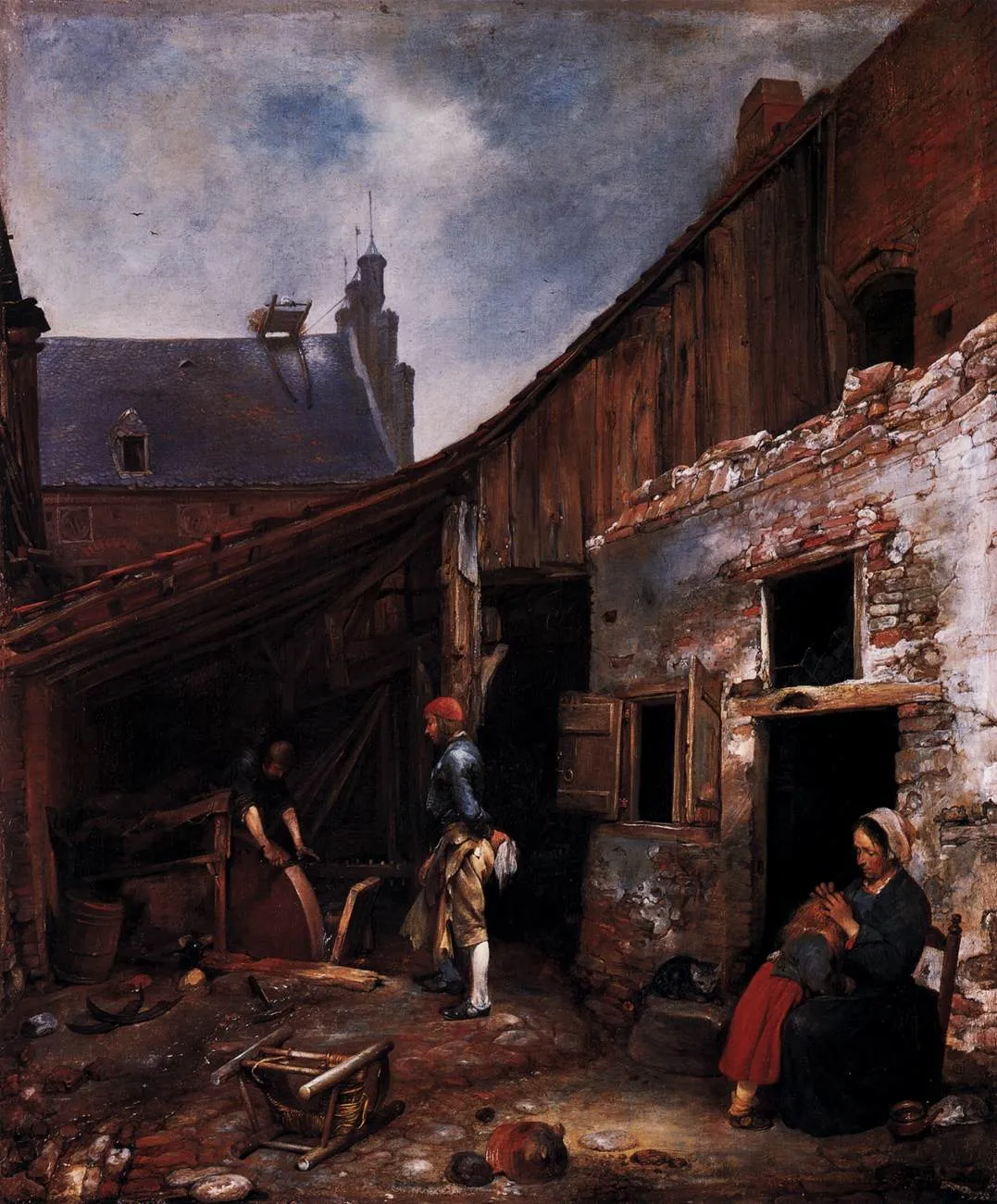
Gerard Terborch’s technique in "The Knifegrinder's Family" showcases his exceptional skill with oil on canvas, a hallmark of Baroque artistry. Each brushstroke reveals his attention to texture and light, creating lifelike figures and atmospheric depth. This painting stands alongside other masterpieces such as "The Flea-Catcher" and "Horse in a Stable," all of which highlight Terborch’s distinct approach to genre scenes and his ability to capture the nuances of daily life.
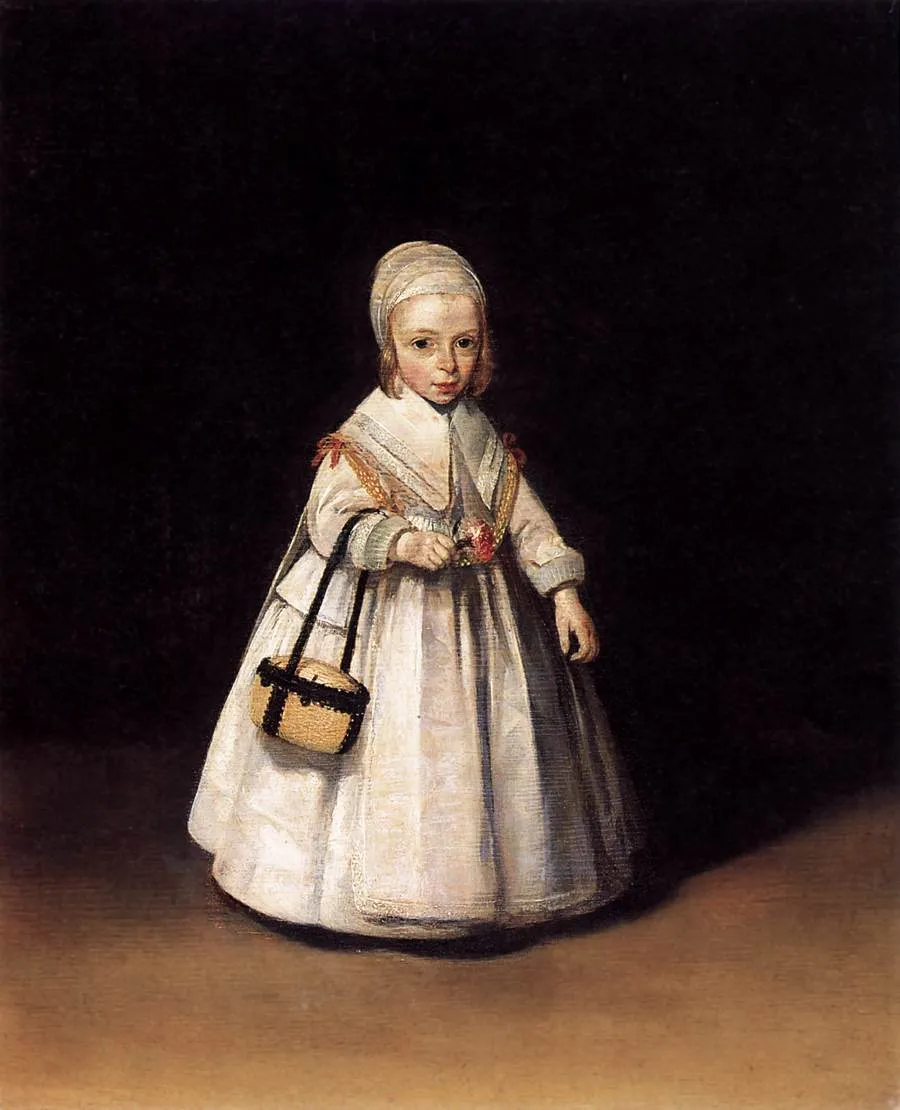
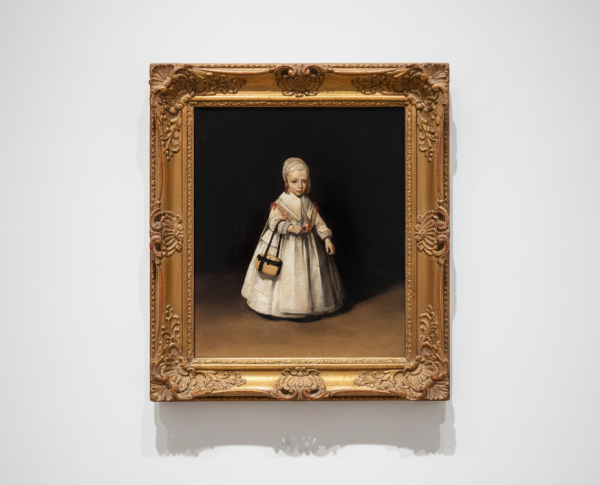
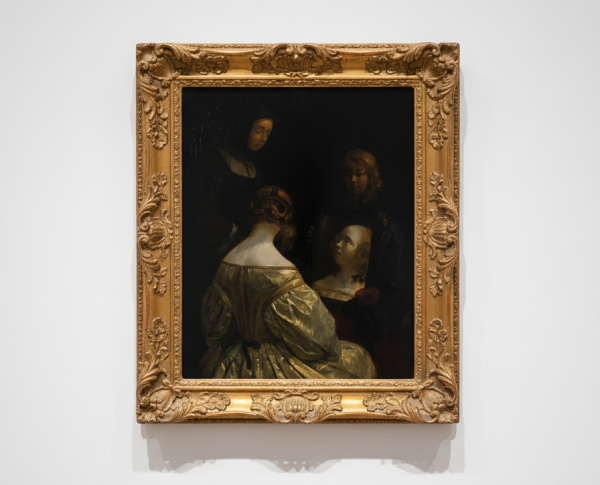
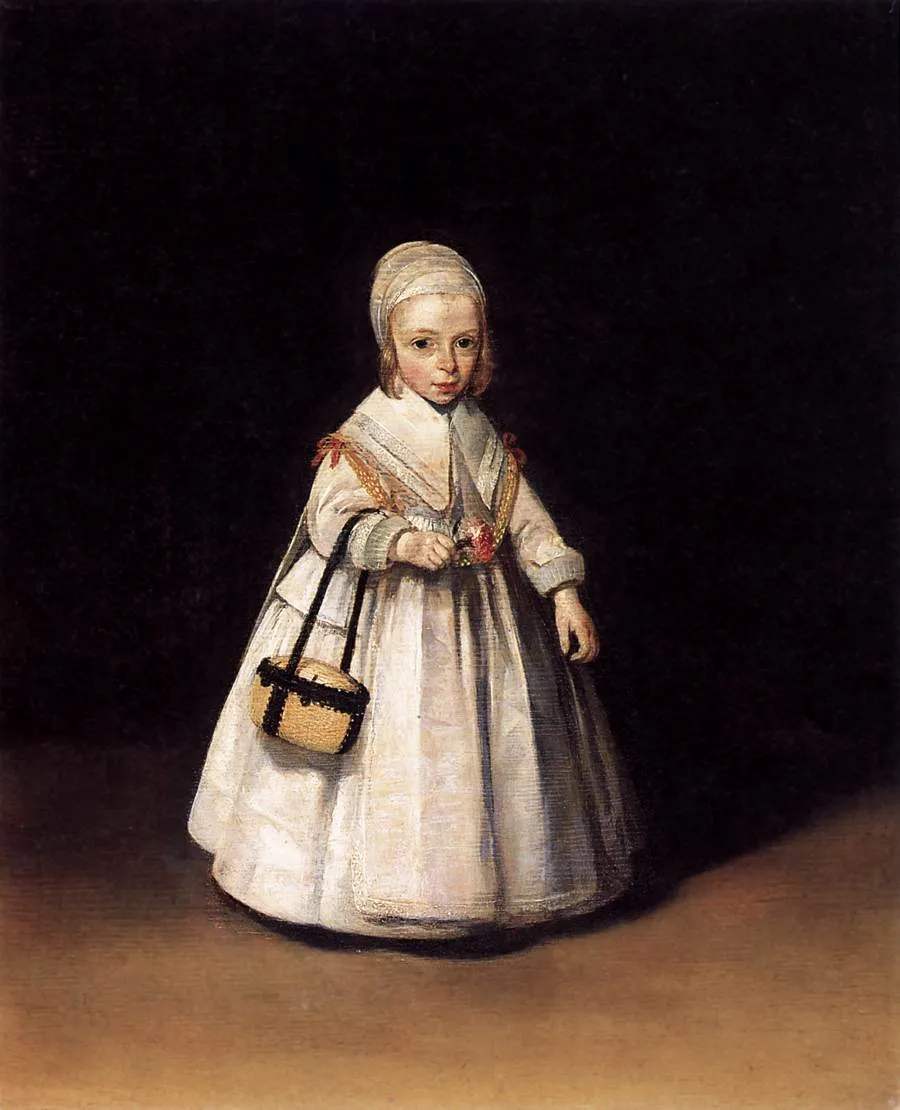
In "The Knifegrinder's Family," Terborch weaves narrative and symbolism, making the piece a coveted fine art painting for sale among collectors. The composition invites viewers to ponder the lives and relationships of the depicted figures, a technique typical of Baroque storytelling. Terborch’s other works, like "Helena van der Schalcke as a Child" and "A Woman Spinning," similarly blend everyday moments with deeper meaning, enriching the viewer’s connection to the art.
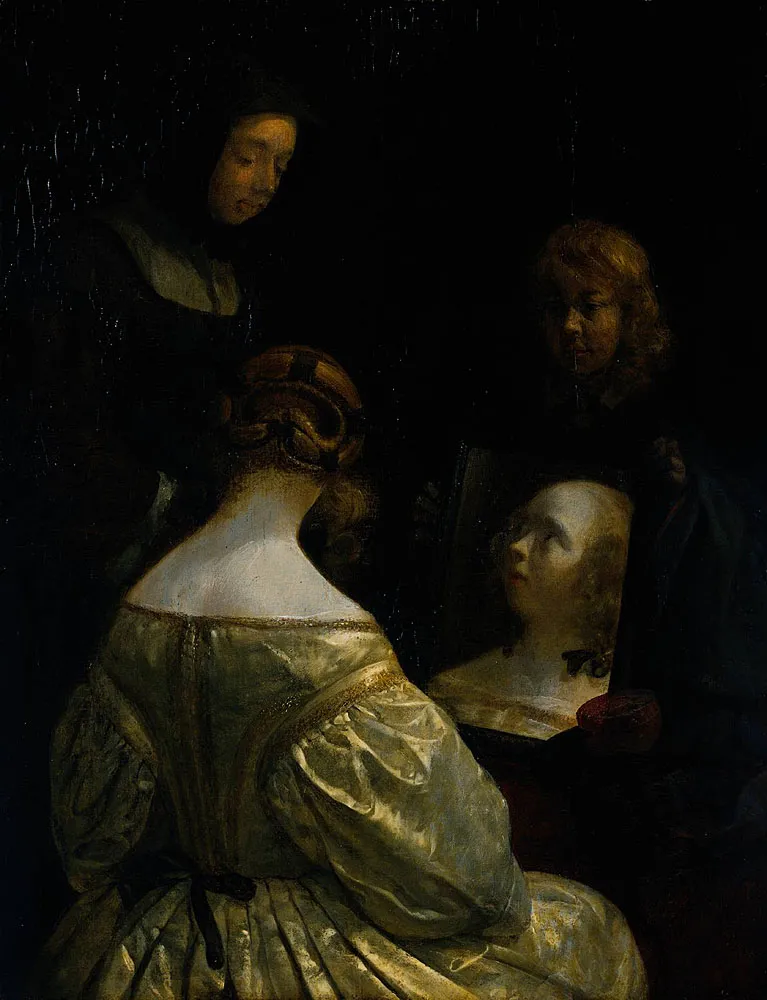
Owning "The Knifegrinder's Family" by Gerard Terborch is a unique opportunity for any art enthusiast, especially those passionate about the Baroque movement. This hand-painted oil painting not only enhances a collection but also connects it to a broader tradition of Dutch genre painting. Collectors often pair it with related works such as "Horse in a Stable" and "Mother Combing the Hair of Her Child" to celebrate Terborch’s legacy and the timeless allure of oil on canvas art.
When Art Meets History
Gerard Terborch’s "The Knifegrinder's Family" is a remarkable hand-painted oil painting from the Baroque movement, a period renowned for its dramatic realism and intricate detail. This masterpiece not only captures a slice of daily life but also reflects the social atmosphere of 17th-century Europe. Like other celebrated works such as "Boy with a Basket of Fruit" and "Doubting Thomas," Terborch’s painting invites viewers to step back in time and appreciate the artistry woven into historical storytelling.
Techniques That Speak
Employing the oil on canvas technique, Gerard Terborch masterfully renders light, texture, and expression in "The Knifegrinder's Family." The artist’s brushwork, typical of the Baroque era, brings out the tactile qualities of fabric and skin, creating a lifelike presence. This approach can be seen in related masterpieces like "Saint Francis of Assisi in Ecstasy" and "Girl carrying Water," where the interplay of shadow and highlight enhances the depth and realism of each composition.
Emotions on Display
"The Knifegrinder's Family" by Gerard Terborch is more than a fine art painting for sale; it is a window into genuine human emotion. The Baroque movement, known for its emotional intensity, is evident in the subtle gestures and expressions of the figures. Terborch’s attention to detail draws viewers into the intimate world of his subjects, much like the evocative scenes in "Apotheosis of St Thomas Aquinas" and "Doubting Thomas," fostering a deep emotional connection.
Coveted by Collectors
As a hand-painted oil painting from the esteemed Baroque era, "The Knifegrinder's Family" by Gerard Terborch remains highly sought after by collectors. Its historical significance and technical mastery place it alongside iconic works like "Boy with a Basket of Fruit" and "Girl carrying Water." The painting’s enduring appeal lies in its ability to capture everyday life with extraordinary artistry, making it a prized addition to any fine art collection or gallery.
Related Baroque Hand-Painted Oil Paintings by Other Artists
Other Famous Baroque Artists:
Frequently Asked Questions About The Knifegrinder's Family
What is the historical context of "The Knifegrinder's Family"?
"The Knifegrinder's Family," painted by Gerard Terborch in the 17th century, reflects the socio-economic conditions of the Dutch Republic during a time of prosperity and social stratification. The painting captures the daily life of a working-class family, providing insight into the labor and familial dynamics of the period.
What artistic techniques did Gerard Terborch employ in this painting?
Gerard Terborch is known for his mastery of light and texture. In "The Knifegrinder's Family," he utilizes chiaroscuro to create depth and realism, while his attention to detail in the clothing and facial expressions enhances the emotional resonance of the scene.
What is the significance of the knifegrinder's profession in the painting?
The knifegrinder's profession symbolizes the industriousness and resilience of the working class. It highlights the importance of craftsmanship and the value of manual labor in society, contrasting with the more affluent classes depicted in other artworks of the time.
How does the composition of the painting contribute to its narrative?
The composition of "The Knifegrinder's Family" is carefully arranged to draw the viewer's eye towards the central figures, emphasizing the familial bond and the shared experience of labor. The placement of objects in the background further contextualizes their lifestyle and economic status.
What role does color play in "The Knifegrinder's Family"?
Color in "The Knifegrinder's Family" serves to evoke emotion and set the tone of the scene. Terborch employs a muted palette, which reflects the somber reality of the family's life while also highlighting the warmth of their interactions and the intimacy of their domestic space.
What themes are explored in "The Knifegrinder's Family"?
The painting explores themes of family, labor, and social class. It reflects the struggles and dignity of working-class life, while also addressing the broader societal implications of economic disparity during the Dutch Golden Age.
How does Terborch's work compare to other Dutch genre painters of his time?
Terborch's work is distinguished by its psychological depth and intimate portrayal of domestic life. Compared to contemporaries like Jan Vermeer and Pieter de Hooch, Terborch often focuses on the emotional connections within family units, rather than solely on the aesthetic of domestic spaces.
What can we learn about gender roles from "The Knifegrinder's Family"?
The painting presents a nuanced view of gender roles within the family structure. The presence of both male and female figures engaged in domestic activities suggests a collaborative effort in sustaining the household, challenging traditional notions of gendered labor during the 17th century.
What is the significance of the setting in "The Knifegrinder's Family"?
The setting, likely a modest home, serves as a backdrop that reflects the family's socio-economic status. The simplicity of the environment underscores the theme of everyday life and the realities faced by the working class, making the painting relatable and poignant.
How has "The Knifegrinder's Family" influenced modern interpretations of genre painting?
"The Knifegrinder's Family" has influenced modern interpretations of genre painting by emphasizing the importance of narrative and emotional depth in everyday scenes. Contemporary artists often draw inspiration from Terborch's ability to convey complex human experiences within seemingly simple moments.






















_GFM_Painting_(1).webp)


 100% Hand-Painted: Finished in 3-6 Weeks

.png)















_(1).webp)