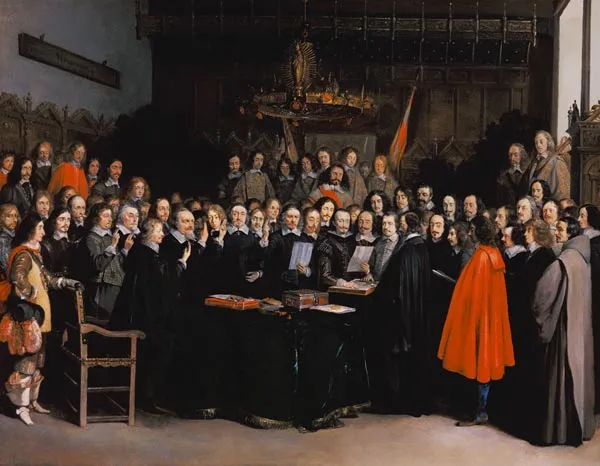
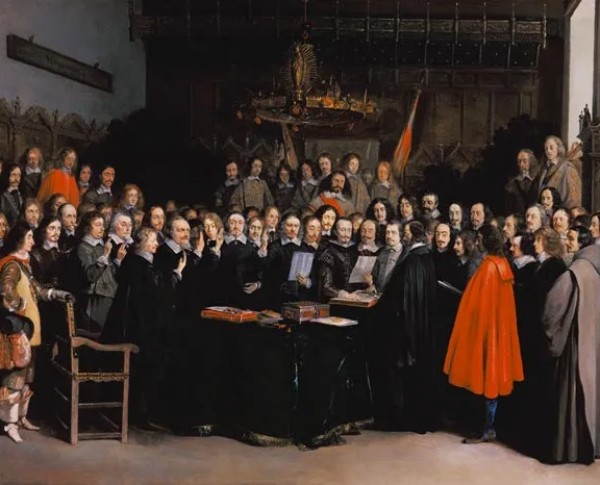
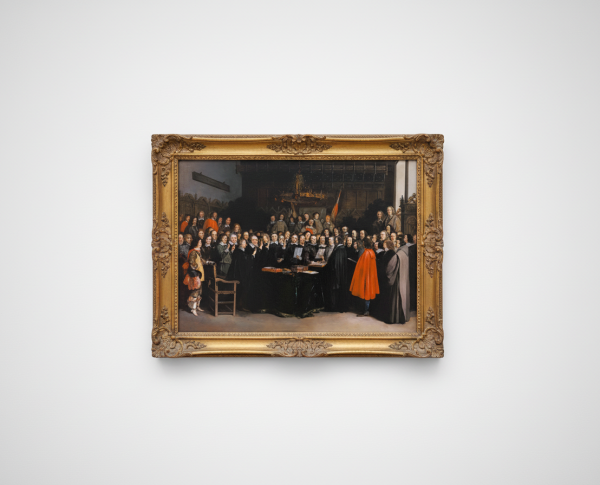
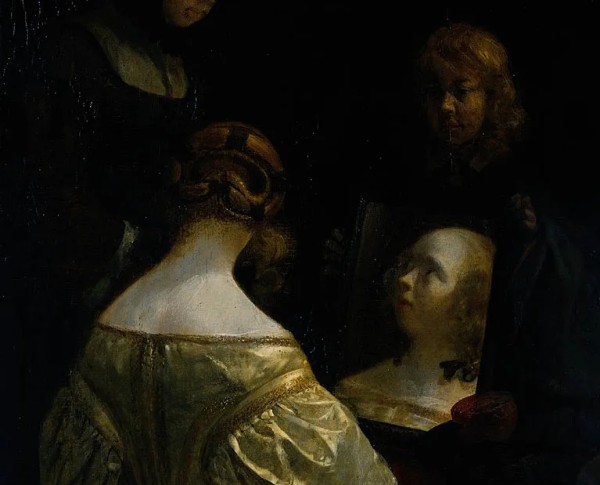
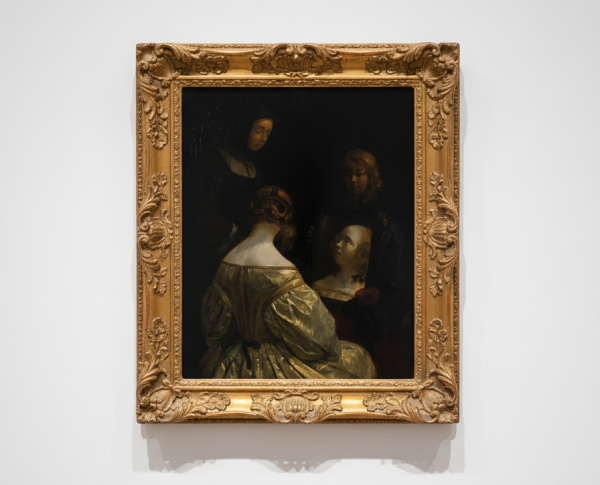
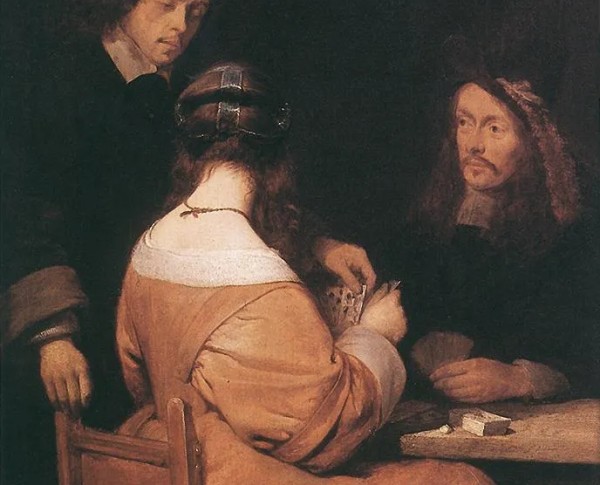
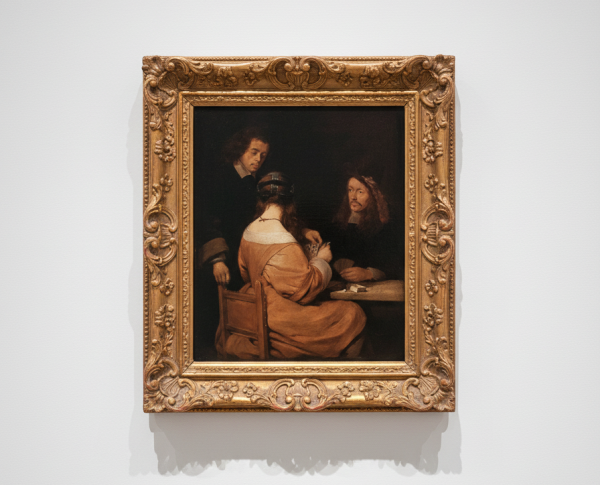
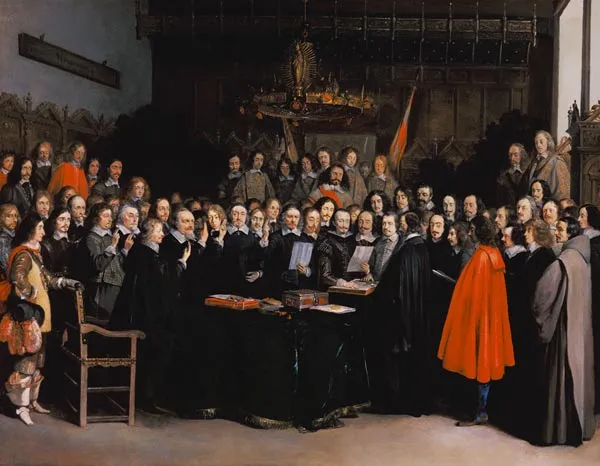
Gerard Terborch’s technique in "The Swearing of the Oath of Ratification of the Treaty of Munster" demonstrates his exceptional skill with oil on canvas. The artist’s ability to render intricate fabrics, expressive faces, and subtle lighting effects showcases the technical brilliance characteristic of the Baroque period. Collectors looking for works that exemplify the mastery of oil on canvas will find Terborch’s painting a quintessential addition to any Baroque art collection.
Every element in this fine art painting for sale tells a story—Terborch’s composition reveals not only the solemnity of the event but also the personalities of the diplomats present. Symbolic gestures, lavish attire, and the arrangement of figures convey messages of unity and diplomacy. This Baroque masterpiece is more than a historical record; it’s a narrative brought to life, making it a compelling fine art painting for sale for those who value storytelling in art.
Owning "The Swearing of the Oath of Ratification of the Treaty of Munster" by Gerard Terborch offers a rare opportunity to possess an iconic piece from the Baroque movement. This hand-painted oil painting is sought after by discerning collectors for its historical significance and artistic excellence. Whether displayed in a private gallery or a public institution, this artwork is a true collector’s treasure and a testament to the enduring appeal of Baroque masterpieces.
When Art Meets History
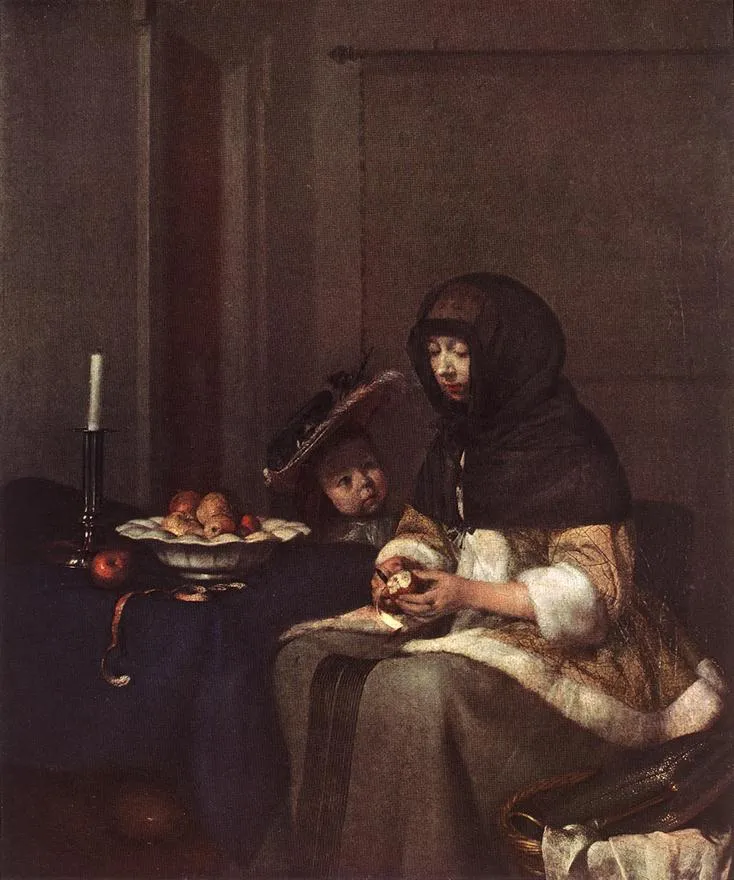
"The Swearing of the Oath of Ratification of the Treaty of Munster" by Gerard Terborch captures a pivotal moment in European history. This hand-painted oil painting immortalizes the signing of the treaty that ended the Thirty Years’ War. As a masterpiece of the Baroque movement, it stands alongside related works like "Boy Peeling Fruit" and "Saint Jerome Writing." Terborch’s attention to historical detail makes this artwork a significant piece for art lovers and historians alike.
Techniques That Speak
Gerard Terborch’s mastery of oil on canvas is evident in this Baroque gem. The artist’s delicate brushwork and subtle color palette give life to the dignitaries and their sumptuous attire. The interplay of light and shadow, a hallmark of Baroque technique, enhances the realism found in "The Swearing of the Oath of Ratification of the Treaty of Munster." Comparable to "Musicians" and "Saint Matthew and the Angel," Terborch’s technique elevates the narrative power of the scene.
Emotions on Display
This fine art painting for sale displays a profound range of emotions, from solemnity to hope, as the figures participate in a momentous occasion. Gerard Terborch’s nuanced depiction of expressions and gestures communicates the gravity of the Treaty of Munster’s ratification. The emotional depth in this painting resonates with viewers, much like the evocative presence found in related works such as "The Holy Face" and "Saint Jerome Writing," both also rooted in the Baroque movement.
Coveted by Collectors
Collectors highly value "The Swearing of the Oath of Ratification of the Treaty of Munster" for its historical significance and exquisite execution. This hand-painted oil painting has become a sought-after treasure, much like Terborch’s other works and related Baroque masterpieces. Its presence in prestigious collections underscores its desirability among connoisseurs who appreciate oil on canvas artistry and the cultural impact of Baroque-era fine art painting for sale.
Related Baroque Hand-Painted Oil Paintings by Other Artists
Other Famous Baroque Artists:
Frequently Asked Questions About The Swearing of the Oath of Ratification of the Treaty of Munster
What historical event does this painting depict?
This painting illustrates the ceremonial swearing of the oath of ratification of the Treaty of Münster, which marked the end of the Thirty Years' War in 1648, a significant conflict in European history.
Who was Gerard Terborch and what is his significance in art history?
Gerard Terborch was a Dutch painter known for his genre scenes and portraits in the 17th century. His meticulous attention to detail and ability to capture human emotion have made him a prominent figure in Dutch Golden Age painting.
What artistic techniques did Terborch employ in this painting?
Terborch utilized techniques such as chiaroscuro to create depth, as well as a refined use of color and texture to enhance the realism of the figures and their garments, showcasing his mastery of light and shadow.
What is the significance of the Treaty of Münster in European history?
The Treaty of Münster was crucial as it not only ended the Thirty Years' War but also established the principles of state sovereignty and religious tolerance, shaping the political landscape of Europe for centuries to come.
How does the composition of the painting contribute to its narrative?
The composition is carefully arranged to draw the viewer's eye to the central figures, emphasizing the solemnity of the oath-taking while also incorporating secondary characters that provide context and depth to the historical moment.
What symbols are present in the painting and what do they represent?
Key symbols include the documents being sworn upon, representing legal authority, and the presence of various dignitaries, which signifies the importance of diplomacy and cooperation in achieving peace.
In what ways does this painting reflect the cultural values of the Dutch Golden Age?
This painting reflects the values of the Dutch Golden Age through its emphasis on realism, civic pride, and the importance of historical events, showcasing the era's focus on humanism and the role of individuals in shaping history.
What role does the use of light play in this artwork?
The use of light in this artwork enhances the emotional gravity of the scene, highlighting the expressions of the figures and creating a sense of intimacy and solemnity that underscores the significance of the oath being taken.
How does this painting compare to other works by Terborch?
Compared to other works by Terborch, this painting is notable for its historical context and the complexity of its composition, while many of his other pieces focus more on domestic scenes and individual portraits.
What impact did the Treaty of Münster have on future treaties and international relations?
The Treaty of Münster set a precedent for future treaties by emphasizing negotiation and mutual agreement, influencing the development of international law and diplomatic practices that are still relevant in contemporary politics.






















_GFM_Painting_(1).webp)


 100% Hand-Painted: Finished in 3-6 Weeks

.png)















_(1).webp)