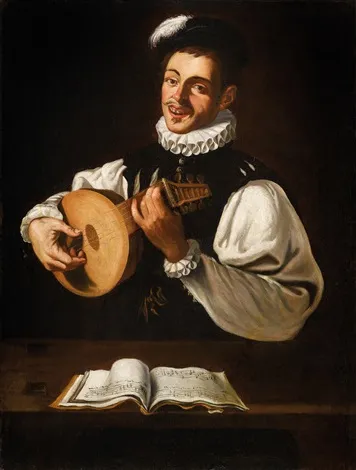
Caravaggio’s "A Lute Player" exemplifies the artist’s mastery of oil on canvas, capturing intricate textures and lifelike details. His use of chiaroscuro brings the musician and his instrument into vivid relief, a signature of the Baroque movement. This technique is echoed in related works like "Boy Bitten by a Lizard" and "Boy with a Basket of Fruit," making them coveted pieces for anyone interested in the evolution of oil painting and realism.
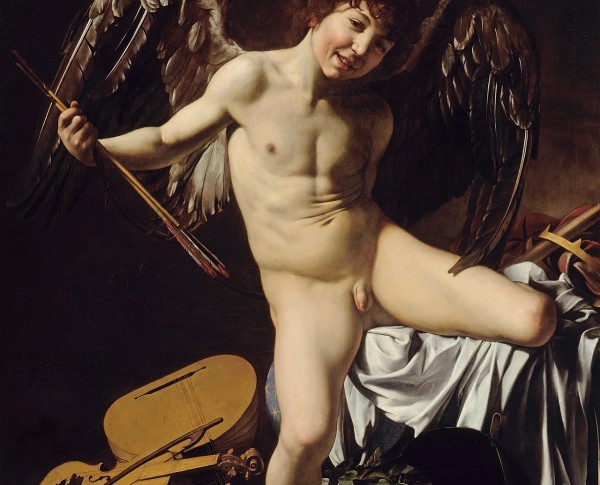
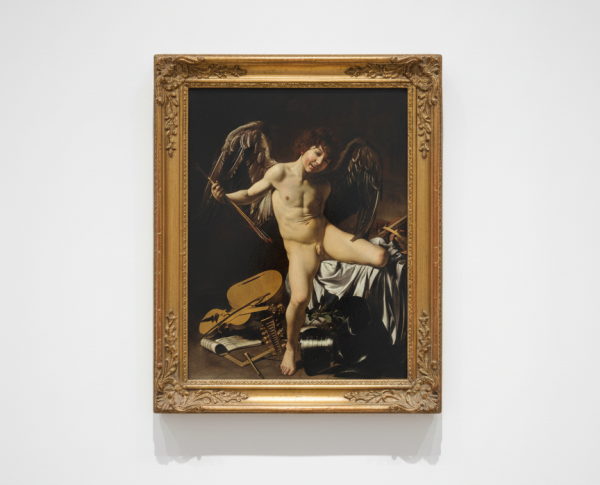
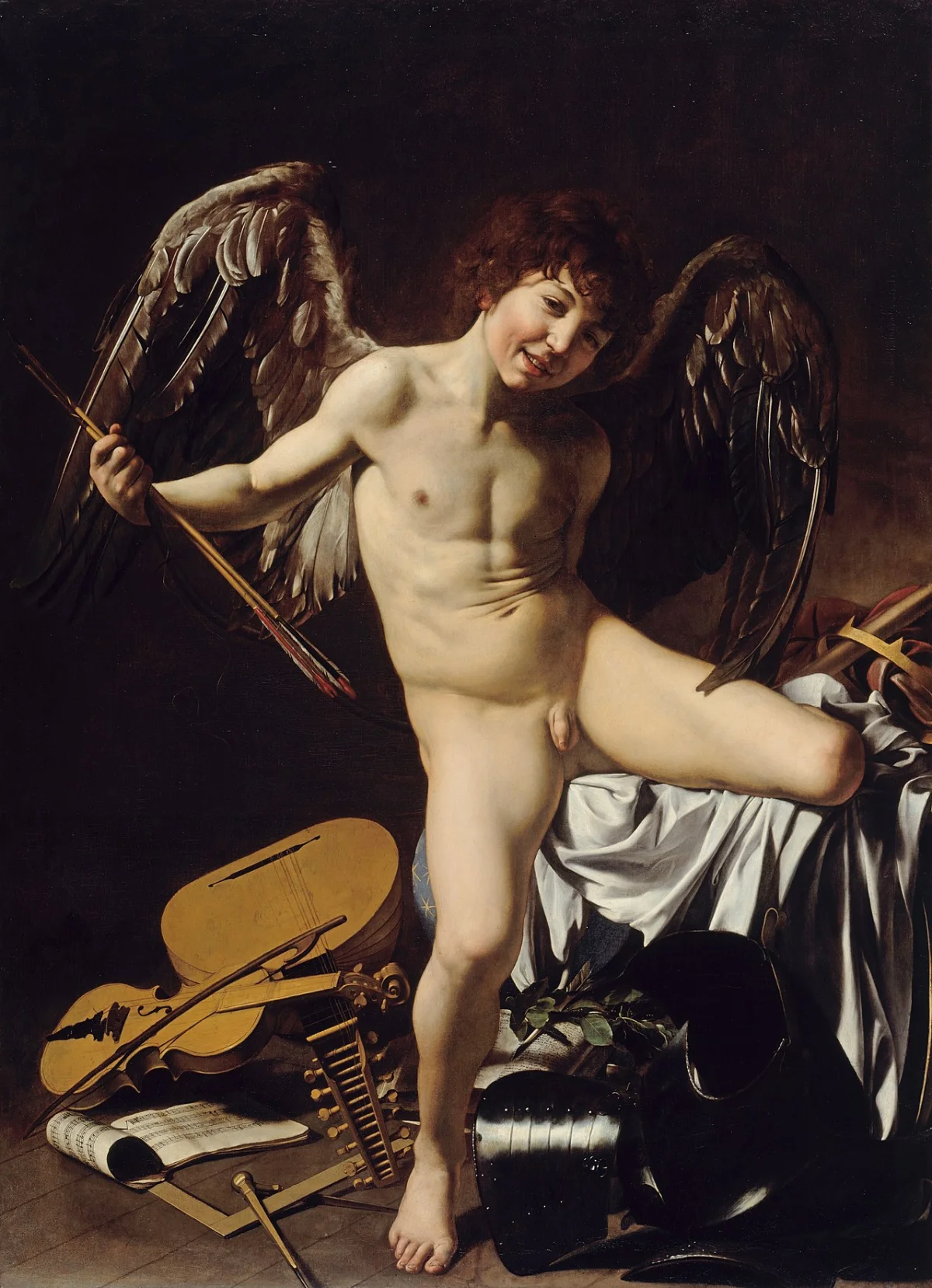
The symbolism within "A Lute Player" reveals layers of meaning beyond its surface beauty. As with other Caravaggio works such as "Amor Vincit Omnia," the painting weaves together elements of music, youth, and fleeting pleasure. For those searching for a fine art painting for sale, this piece offers more than decoration—it invites viewers to explore the rich narratives and allegories that define Baroque masterpieces.
Owning "A Lute Player" by Caravaggio means possessing a piece of Baroque history. This hand-painted oil painting is not only a visual delight but also a valuable addition to any fine art collection. Collectors often pair it with related products like "The Lute Player" and "Cardsharps" to celebrate Caravaggio’s genius. Whether displayed at home or in a gallery, it stands as a true collector’s treasure, admired for its artistry and heritage.
When Art Meets History
Caravaggio’s masterpiece, "A lute player," stands as a testament to the Baroque movement’s dynamic intersection of art and history. Created during a time of dramatic cultural change, this hand-painted oil painting captures the spirit of 17th-century Europe. Caravaggio’s innovative approach influenced contemporaries and inspired related works like "Portrait of Charles II" and "Teresa Francisca Mudarra y Herrera." The painting remains a celebrated example of Baroque artistry, bridging past and present with its enduring historical resonance.
Techniques That Speak
Employing remarkable skill, Caravaggio utilizes oil on canvas to breathe life into "A lute player." The artist’s mastery of chiaroscuro—contrasting light and shadow—enhances the realism and depth that define the Baroque movement. This technique is also evident in related paintings such as "Girl carrying Water" and "Holy Family." The luminous skin tones and intricate details showcase Caravaggio’s revolutionary approach, establishing "A lute player" as a quintessential oil on canvas creation in art history.
Emotions on Display
In "A lute player," Caravaggio expertly conveys emotion through expressive gestures and subtle facial cues. The subject’s introspective gaze and delicate handling of the lute evoke a sense of melancholy and contemplation, hallmarks of Baroque fine art painting for sale. Similar emotional resonance can be found in "Mountain landscape with lightning" and other works by the artist. Caravaggio’s ability to depict raw human emotion ensures this painting’s lasting impact on viewers and collectors alike.
Coveted by Collectors
"A lute player" by Caravaggio is highly sought after by art enthusiasts and collectors, thanks to its status as a premier hand-painted oil painting from the Baroque era. The artist’s dramatic style and attention to detail make this piece a valuable addition to any fine art collection. Alongside related works such as "Holy Family" and "Portrait of Charles II," this masterpiece continues to command attention in galleries and auctions, reinforcing Caravaggio’s legacy in the world of fine art painting for sale.
Related Baroque Hand-Painted Oil Paintings by Other Artists
Other Famous Baroque Artists:
Frequently Asked Questions About A lute player
What is the historical context of "A lute player"?
"A lute player" was created by Caravaggio during the late 16th century, a time characterized by the Baroque movement, which emphasized realism and emotional expression in art.
What artistic techniques did Caravaggio employ in this painting?
Caravaggio is renowned for his use of chiaroscuro, a technique that contrasts light and shadow to create depth and volume, which is evident in the depiction of the lute player.
What does the lute symbolize in the painting?
The lute often symbolizes harmony and the arts, suggesting a connection between music and the divine, as well as the fleeting nature of beauty and life.
How does Caravaggio's style influence the portrayal of the subject?
Caravaggio's realistic portrayal of the lute player, with attention to detail and naturalism, invites viewers to engage with the subject on a personal level, breaking the boundaries between art and life.
What is the significance of the lute player's expression?
The lute player's contemplative expression may reflect the introspective nature of music, inviting viewers to consider the emotional depth and complexity of artistic creation.
In what ways does "A lute player" reflect Caravaggio's approach to genre painting?
This painting exemplifies Caravaggio's genre painting style by depicting a common subject in a realistic manner, elevating the everyday life of musicians to a subject worthy of fine art.
What role does light play in "A lute player"?
The strategic use of light in "A lute player" not only highlights the figure and the lute but also creates a dramatic atmosphere that enhances the emotional impact of the scene.
How does this painting exemplify the Baroque period?
"A lute player" exemplifies the Baroque period through its dynamic composition, emotional intensity, and the interplay of light and shadow, all hallmarks of the era's artistic style.
What is the significance of the lute as a musical instrument during Caravaggio's time?
During Caravaggio's time, the lute was a popular instrument associated with courtly love and romantic themes, symbolizing both artistic expression and the cultural values of the period.
How does "A lute player" compare to other works by Caravaggio?
Compared to other works by Caravaggio, "A lute player" showcases his mastery of realism and emotional depth, while also reflecting his unique ability to capture the essence of human experience through music.























_GFM_Painting_(1).webp)


 100% Hand-Painted: Finished in 3-6 Weeks

.png)















_(1).webp)