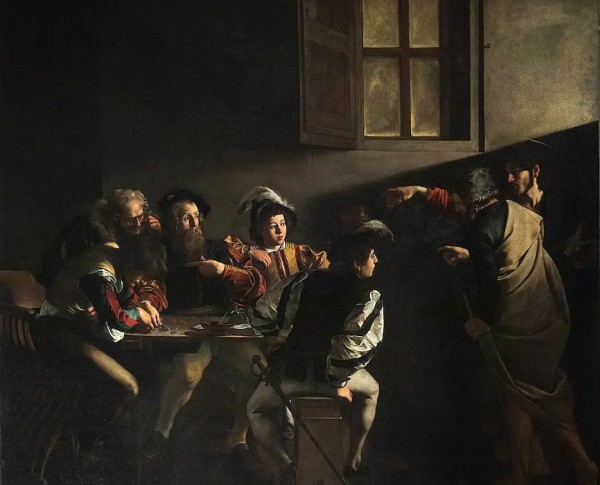
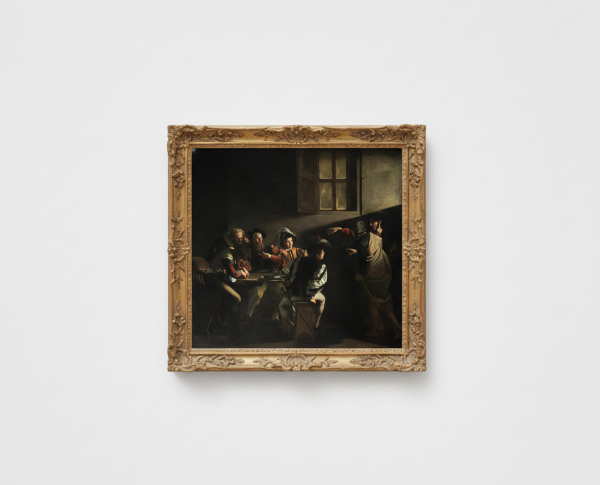
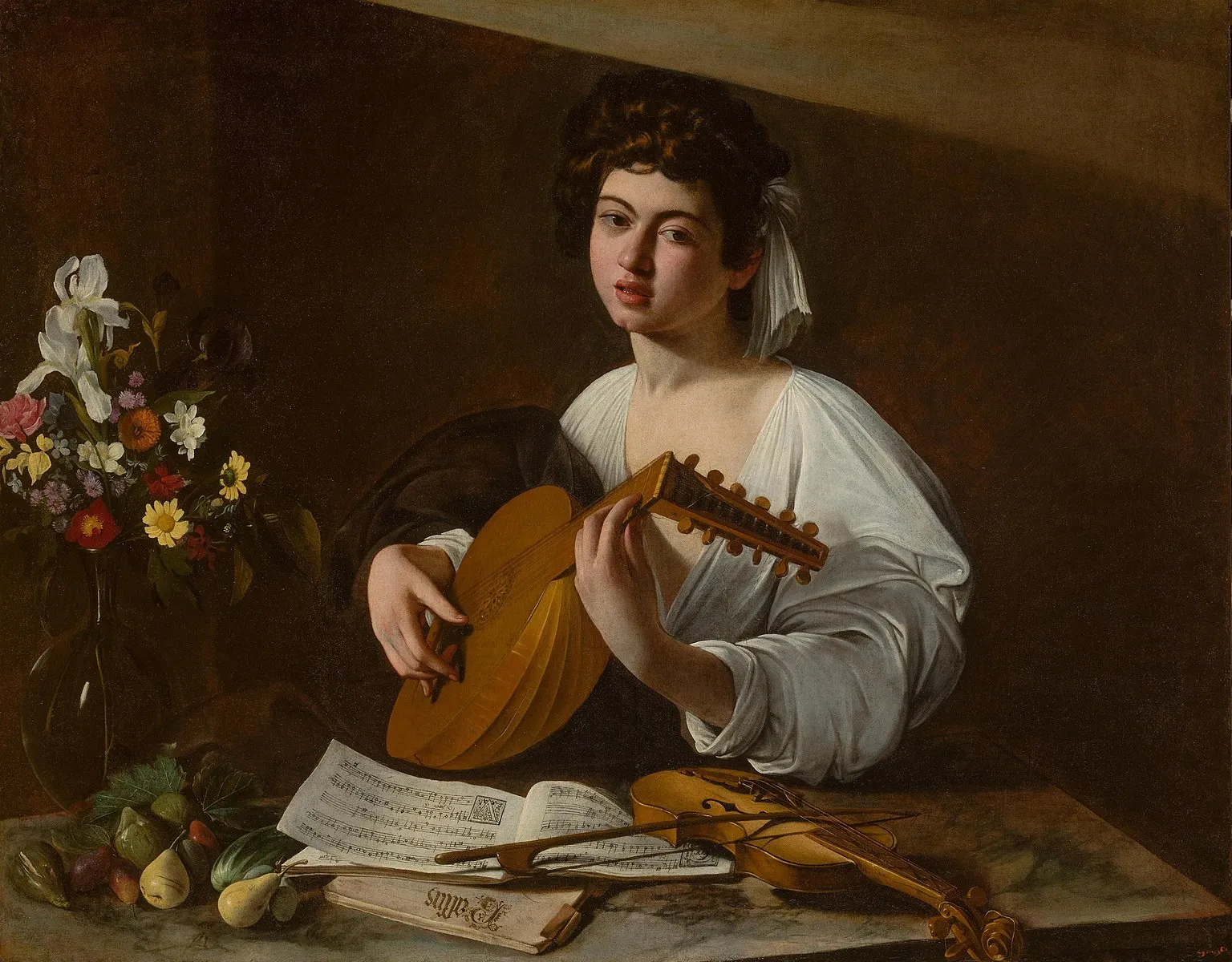
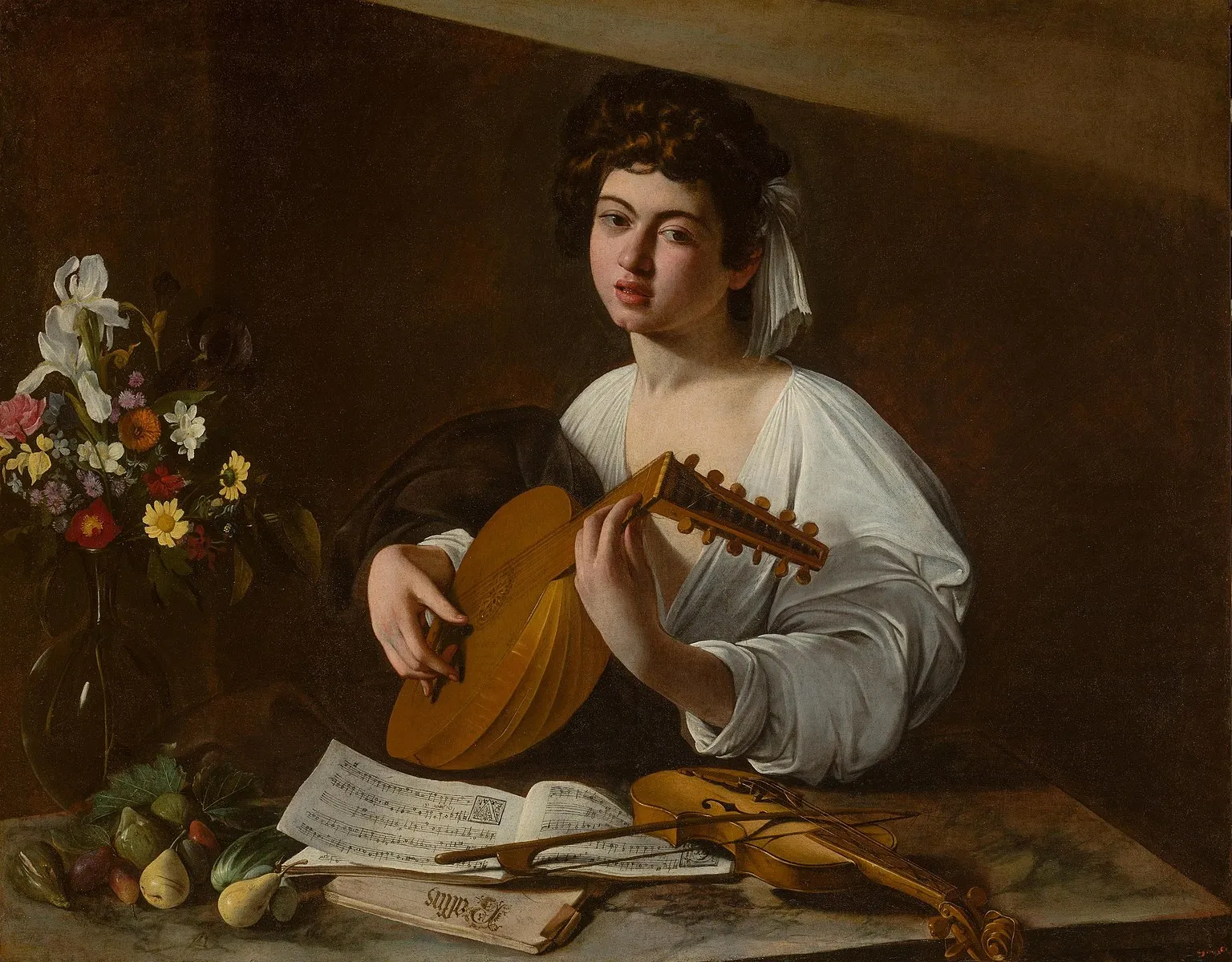
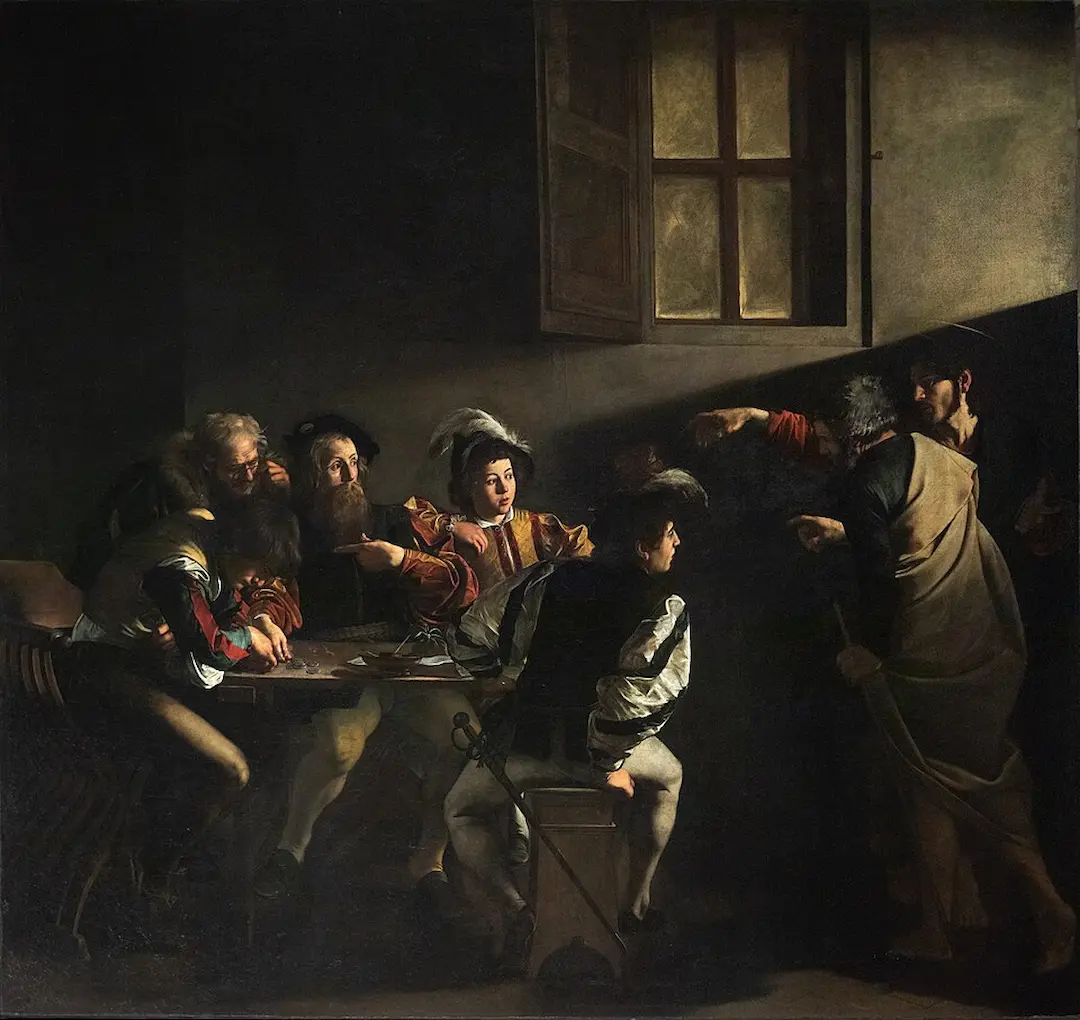
In “The Lute Player,” Caravaggio’s expertise with oil on canvas is unmistakable. Every brushstroke in this Baroque painting highlights the artist’s ability to portray naturalism and emotion. The intricate details, from the musician’s fingers to the luminous chords of the lute, invite viewers into a world of music and artistry. Collectors of oil on canvas works often seek out related pieces such as “Boy Bitten by a Lizard” and “The Calling of Saint Matthew.”
Caravaggio’s “The Lute Player” is more than a visual delight; it’s rich with symbolic meaning. The fine art painting for sale depicts a young musician surrounded by musical instruments and sheet music, evoking themes of harmony and transience. These motifs were common in Baroque art, as seen in related works like “Cardsharps” and “Musicians.” Art enthusiasts cherish the way Caravaggio infuses narrative depth into every scene, making each viewing a new experience.
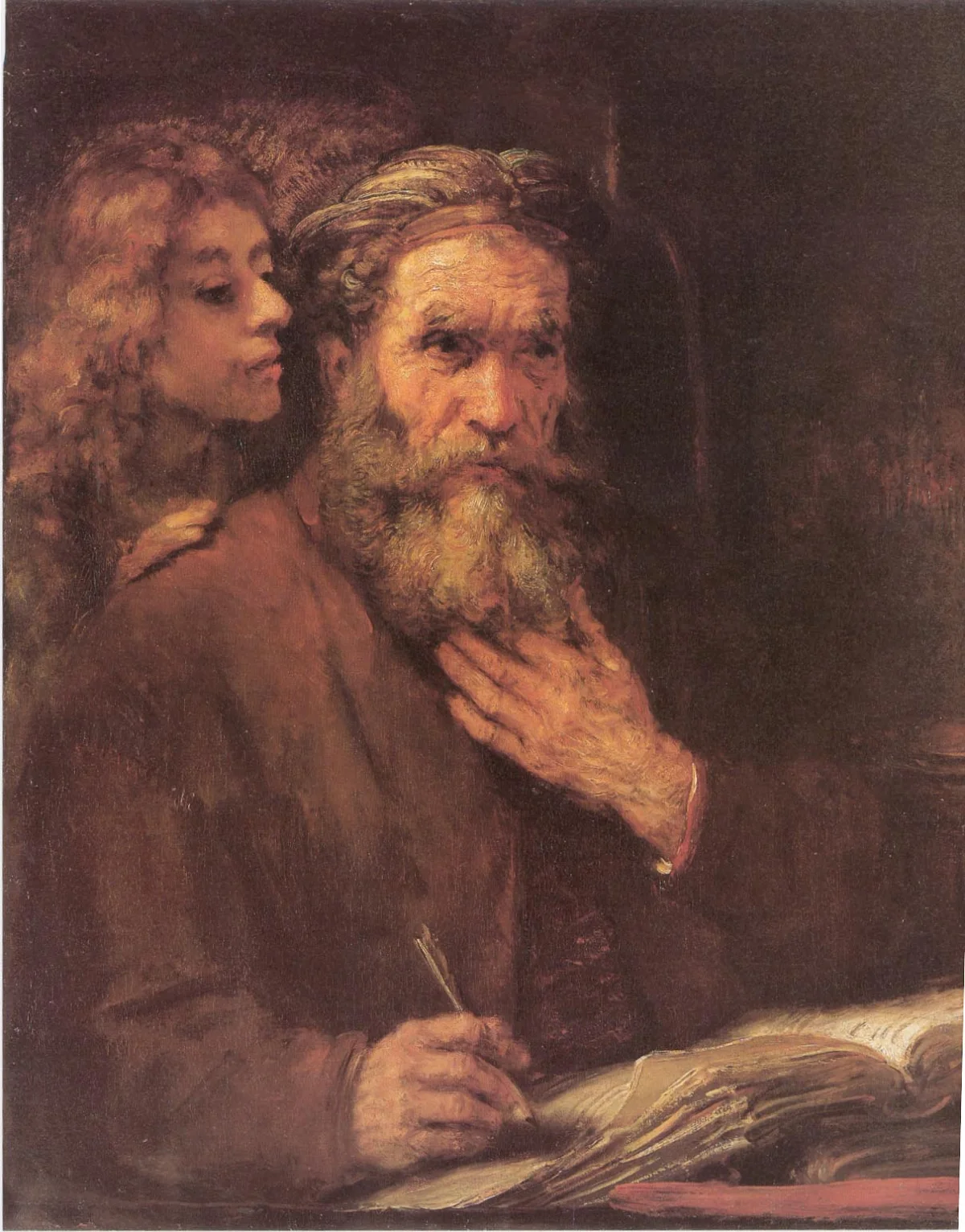
For collectors, owning “The Lute Player” by Caravaggio means embracing a piece of Baroque history. This hand-painted oil painting is a highlight in any collection, admired alongside masterpieces such as “Saint Matthew and the Angel” and “The Taking of Christ.” The allure of owning a Caravaggio extends beyond beauty—it’s an investment in a legacy. Many seek out similar fine art painting for sale to enrich their appreciation of the artist’s genius.
When Art Meets History
"The Lute Player" by Caravaggio stands as a masterpiece of the Baroque movement, painted during a period when dramatic realism was transforming European art. This hand-painted oil painting captures the spirit of its era, showcasing Caravaggio’s unique approach to naturalism. Created alongside related works like "Repentant Mary Magdalene" and "Arcadian Landscape," "The Lute Player" reflects the artist’s deep engagement with music, culture, and the vibrant society of late 16th-century Italy.
Techniques That Speak
Caravaggio’s "The Lute Player" is a stunning example of oil on canvas technique, characterized by his signature use of chiaroscuro—the dramatic interplay of light and shadow. The artist’s precise brushwork brings out the delicate textures of the musician’s hands and instrument. Like his other works, such as "Mercury and Battus" and "Girl carrying Water," Caravaggio’s technical mastery in this painting elevates the ordinary to the extraordinary, making each detail come alive for the viewer.
Emotions on Display
In "The Lute Player," Caravaggio expertly conveys a sense of intimate emotion, drawing the viewer into the sitter’s world. The subject’s absorbed expression and gentle handling of the lute evoke both serenity and passion, hallmarks of the Baroque movement. This fine art painting for sale demonstrates Caravaggio’s ability to infuse his portraits with life, much like in "The Angel and Hagar," inviting viewers to connect with the emotional depth at the heart of his compositions.
Coveted by Collectors
"The Lute Player" remains highly sought after among art lovers and collectors, admired for its historical significance and artistic innovation. As with Caravaggio’s related paintings, such as "Repentant Mary Magdalene" and "Arcadian Landscape," owning a reproduction of this masterpiece is a testament to refined taste. This hand-painted oil painting is not only a visual treasure but also a valuable addition to any collection, embodying the enduring appeal of Baroque artistry.
Related Baroque Hand-Painted Oil Paintings by Other Artists
Other Famous Baroque Artists:
Frequently Asked Questions About The Lute Player
What is the historical context of "The Lute Player"?
"The Lute Player" was painted by Caravaggio around 1595, during the late Renaissance period. This era was marked by a shift towards realism and emotional expression in art, which Caravaggio exemplified through his innovative use of light and shadow.
What artistic techniques did Caravaggio use in this painting?
Caravaggio employed chiaroscuro, a technique that contrasts light and dark to create depth and volume. He also utilized tenebrism, which emphasizes dramatic illumination, enhancing the emotional intensity of the scene.
What is the significance of the lute in the painting?
The lute symbolizes harmony and the arts, often associated with love and courtship. In the context of the painting, it may also represent the fleeting nature of beauty and the ephemeral qualities of life.
Who are the figures depicted in "The Lute Player"?
The painting features a young man playing the lute, likely representing the archetype of the artist or musician. His expression and posture convey a sense of intimacy and engagement with the viewer.
How does Caravaggio's use of color contribute to the painting's mood?
Caravaggio's palette in "The Lute Player" is characterized by warm, earthy tones that evoke a sense of warmth and intimacy. The subtle contrasts between light and shadow enhance the emotional resonance of the scene.
What themes are explored in "The Lute Player"?
The painting explores themes of music, love, and the passage of time. It reflects the Baroque fascination with the interplay of light and shadow, as well as the emotional depth that can be conveyed through visual art.
How did "The Lute Player" influence later artists?
Caravaggio's innovative techniques and dramatic compositions influenced numerous artists in the Baroque period and beyond, inspiring the development of realism and emotional expression in painting.
What is the current location of "The Lute Player"?
"The Lute Player" is housed in the collection of the Metropolitan Museum of Art in New York City, where it continues to be a significant work for study and appreciation.
What role does light play in "The Lute Player"?
Light serves as a critical element in "The Lute Player," directing the viewer's attention to the figure and enhancing the emotional atmosphere. Caravaggio's manipulation of light creates a sense of three-dimensionality and drama.
What is the overall interpretation of "The Lute Player"?
The painting can be interpreted as a meditation on the beauty of music and art, suggesting a moment of connection between the musician and the viewer, inviting contemplation on the nature of creativity and expression.























_GFM_Painting_(1).webp)


 100% Hand-Painted: Finished in 3-6 Weeks

.png)















_(1).webp)