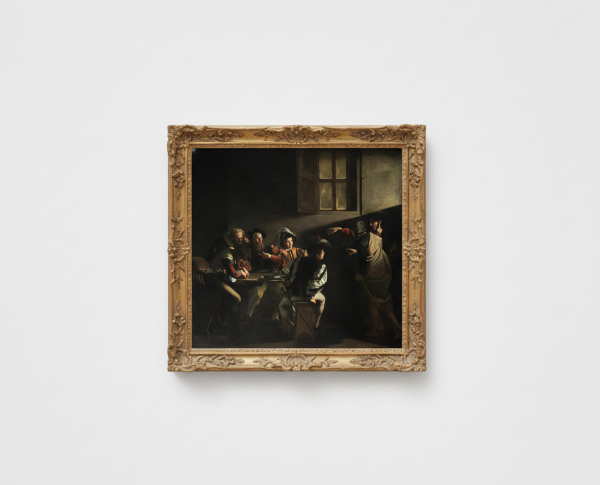
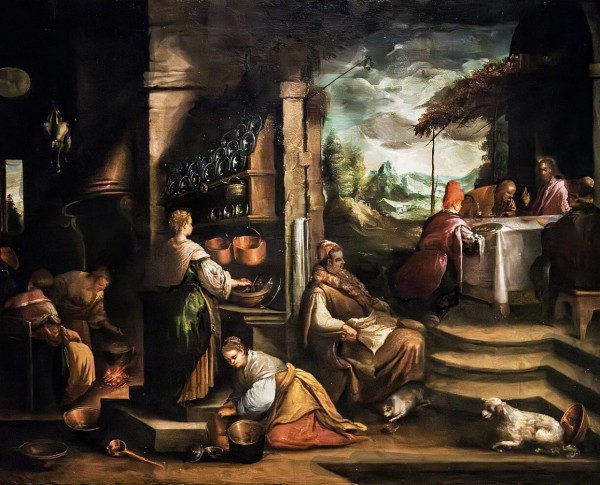
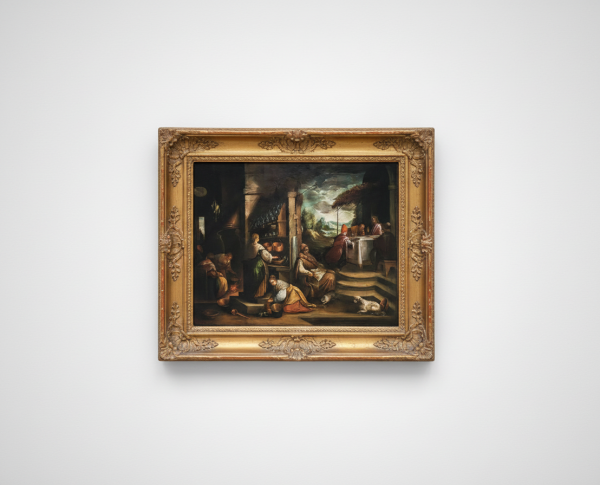
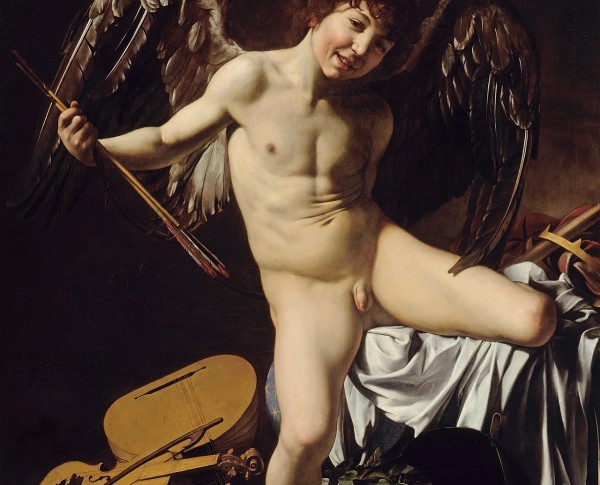
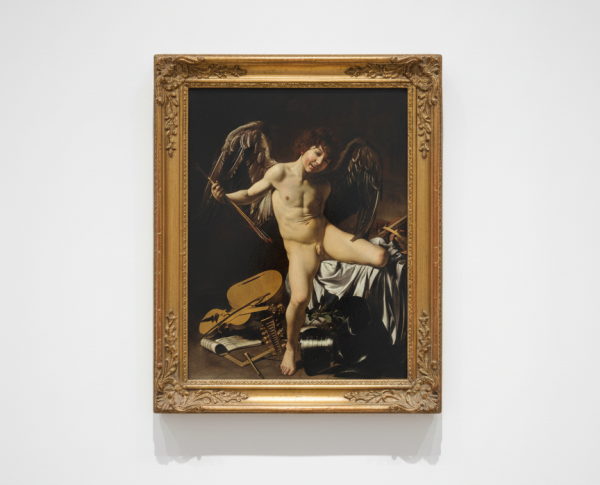
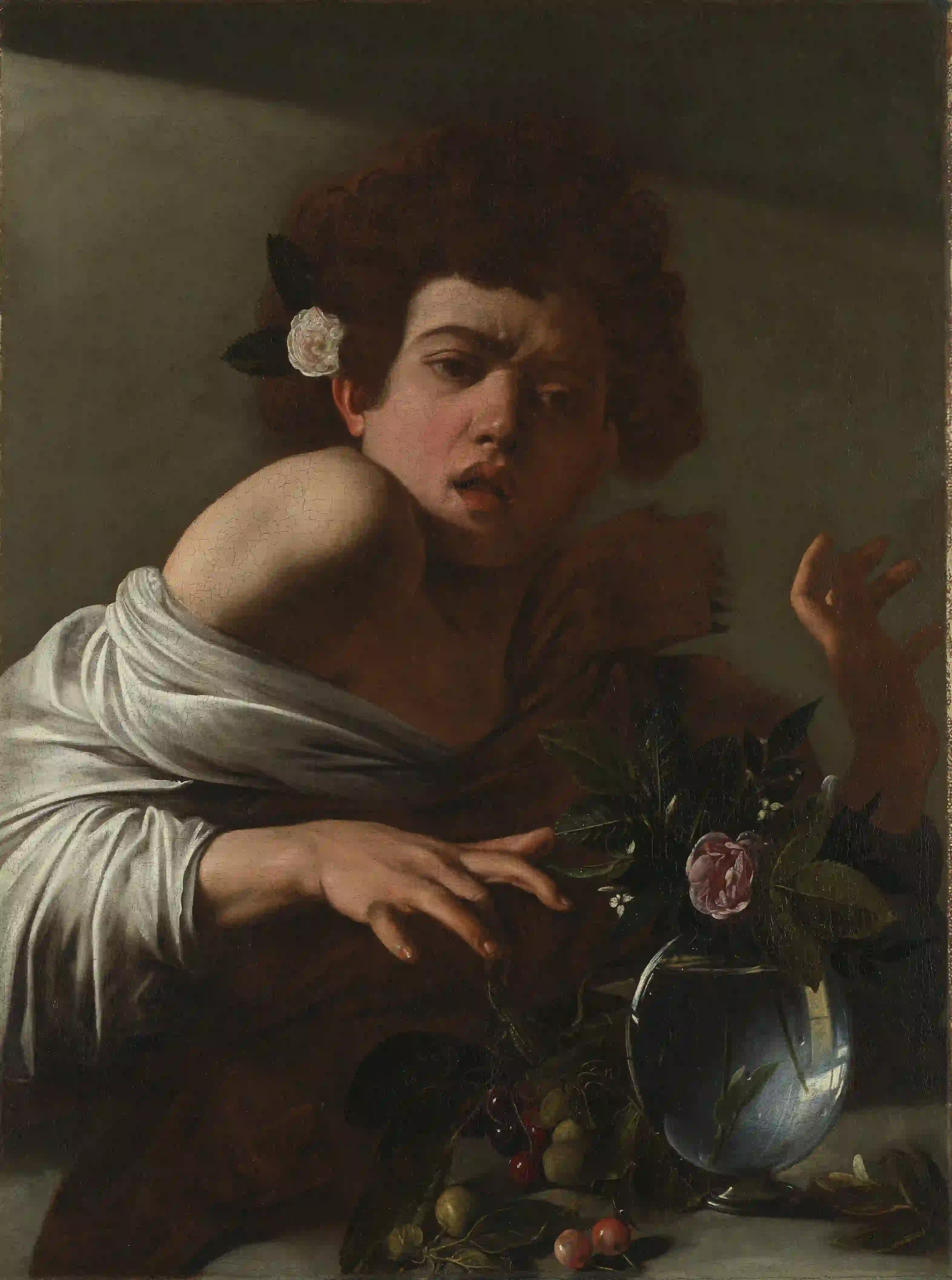
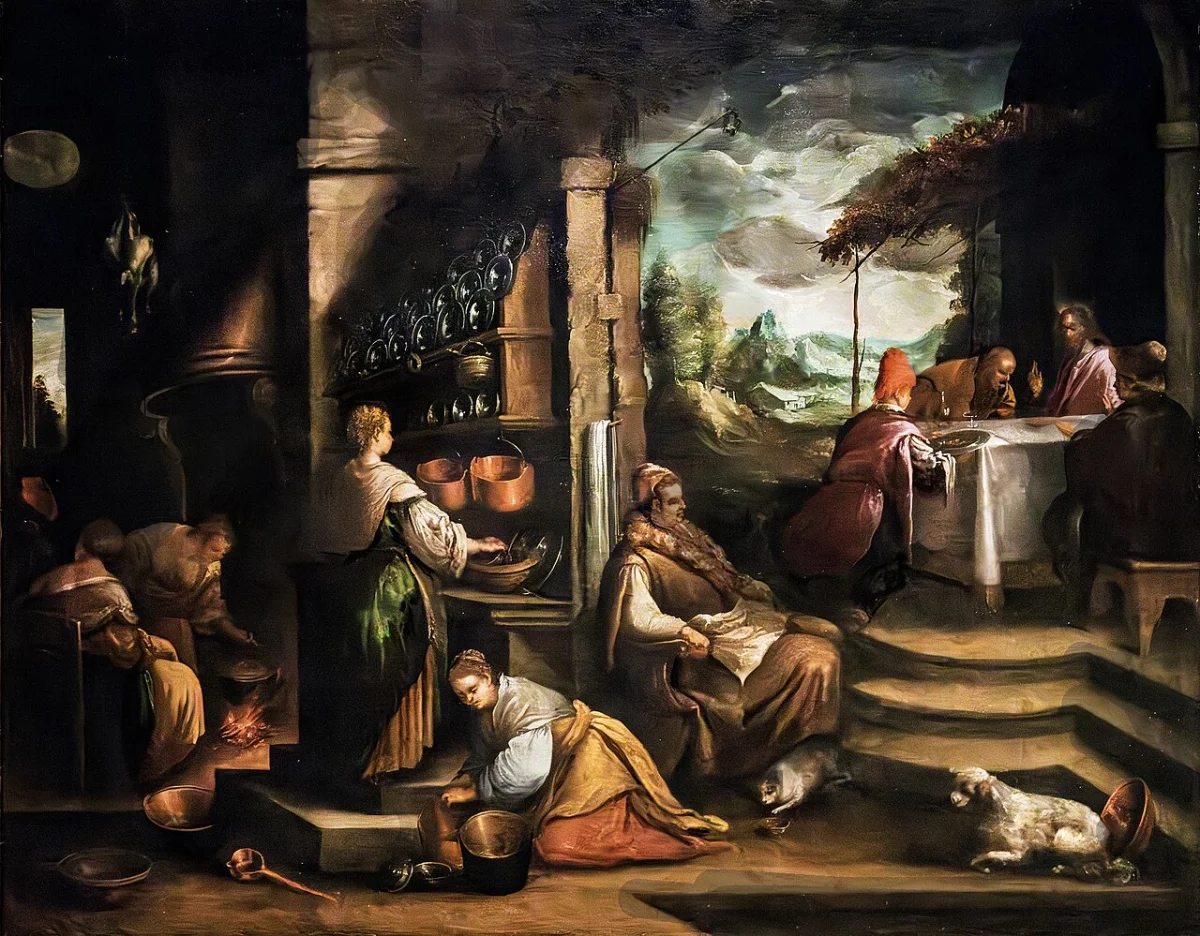
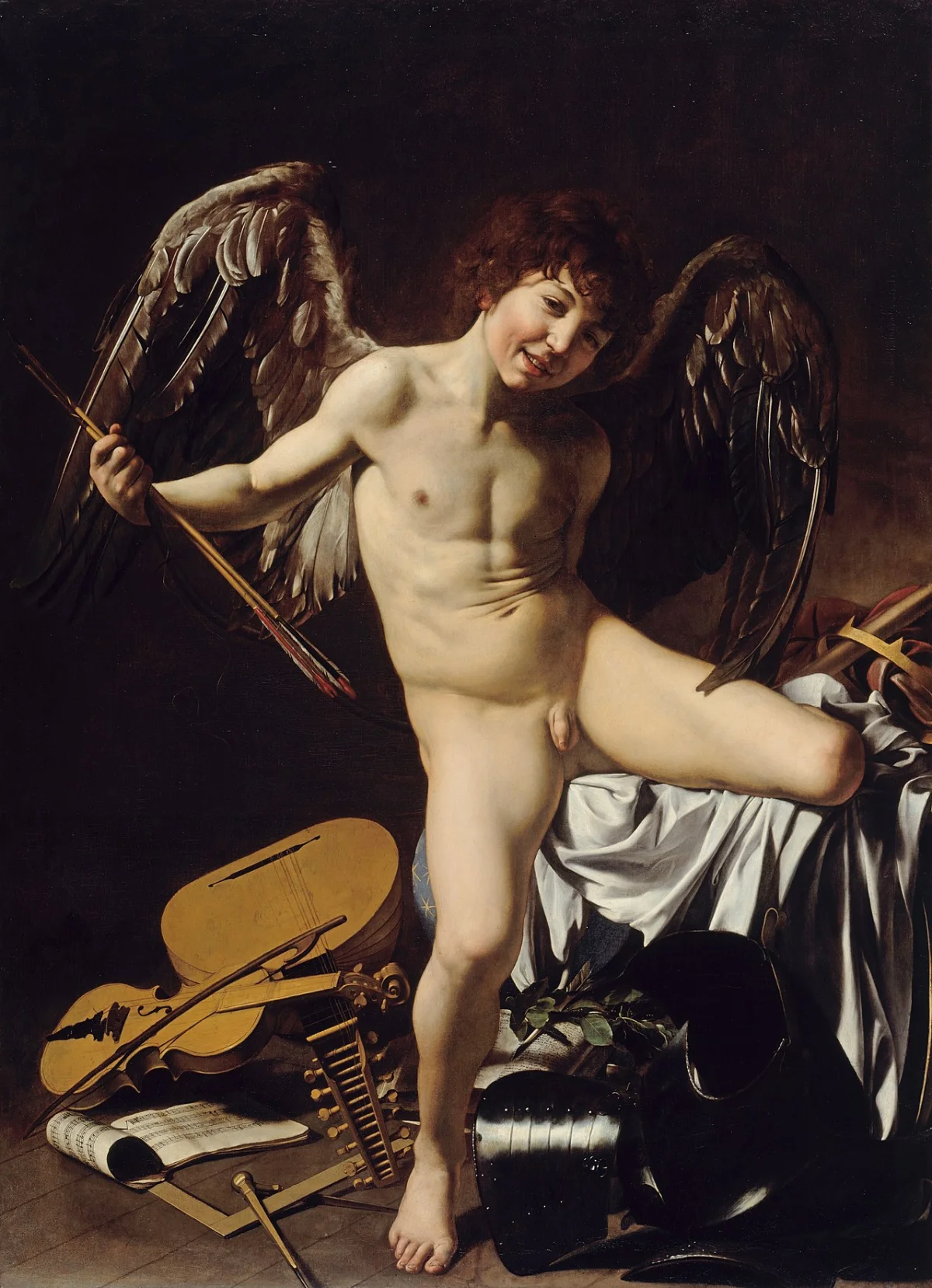
The mastery present in "Boy Bitten by a Lizard" is evident in Caravaggio’s impeccable use of oil on canvas. His attention to detail, lifelike textures, and dramatic interplay of light and shadow define this Baroque fine art painting. The lifelike depiction of the startled youth highlights Caravaggio’s genius. Collectors seeking similar works may also appreciate "Supper at Emmaus," "Amor Vincit Omnia," and "Boy Peeling Fruit"—all showcasing the artist’s exceptional talent in oil painting.
Owning a reproduction of Caravaggio’s "Boy Bitten by a Lizard" adds a touch of Baroque magnificence to any collection. This hand-painted oil painting is highly sought after by collectors who appreciate historical significance and masterful execution. Those interested in expanding their collection can consider related products such as "Boy Peeling Fruit," "Supper at Emmaus," and "Amor Vincit Omnia," each a testament to Caravaggio’s enduring appeal in the world of fine art.
When Art Meets History
"Boy Bitten by a Lizard" by Caravaggio is a striking example of the Baroque movement, renowned for its dramatic realism and emotional depth. This hand-painted oil painting captures a pivotal moment in art history, reflecting the era's fascination with intense human experiences. Caravaggio, a master of the Baroque, created many iconic works, such as "Mercury and Battus" and "Self-Portrait," each contributing to the legacy of this revolutionary artistic period.
Techniques That Speak
Caravaggio’s "Boy Bitten by a Lizard" is a testament to his mastery of oil on canvas. The artist’s use of chiaroscuro—strong contrasts of light and shadow—brings the subject to life with remarkable realism. This technique, also evident in works like "Girl carrying Water" and "Holy Family," became a hallmark of Baroque painting, influencing generations of artists who sought to capture the vividness and immediacy of the human condition.
Emotions on Display
The emotional intensity in "Boy Bitten by a Lizard" is palpable, as Caravaggio captures the boy’s shock and pain with astonishing clarity. This fine art painting for sale is celebrated for its ability to evoke empathy, a trait shared with other masterpieces like "Portrait of Charles II." The Baroque movement emphasized the rawness of human emotion, and Caravaggio’s work remains a powerful illustration of that legacy.
Coveted by Collectors
As a cornerstone of Baroque art, "Boy Bitten by a Lizard" continues to be highly sought after by collectors and museums worldwide. The allure of owning a hand-painted oil painting by Caravaggio is undeniable, especially given his influence on contemporaries and successors alike. Collectors often seek related paintings, such as "Mercury and Battus" and "Holy Family," to complement their collections of fine Baroque masterpieces.
Related Baroque Hand-Painted Oil Paintings by Other Artists
Other Famous Baroque Artists:
Frequently Asked Questions About Boy Bitten by a Lizard
What is the historical context of "Boy Bitten by a Lizard"?
"Boy Bitten by a Lizard" was painted by Caravaggio in the late 16th century, a time characterized by the Baroque movement, which emphasized dramatic expression and realism in art. This painting reflects the artist's innovative approach to naturalism and the use of chiaroscuro.
What are the main themes depicted in the painting?
The painting explores themes of innocence, danger, and the relationship between humanity and nature. The boy's reaction to the lizard symbolizes the unexpected challenges and fears that can arise in life.
How does Caravaggio's use of light and shadow enhance the painting's impact?
Caravaggio's masterful use of chiaroscuro creates a striking contrast between light and dark, drawing the viewer's attention to the boy's expression and the lizard. This technique heightens the emotional intensity of the scene.
What is the significance of the lizard in the painting?
The lizard serves as a symbol of danger and the unknown. Its bite can be interpreted as a metaphor for sudden, unforeseen events that disrupt the innocence of youth, highlighting the tension between childhood and the harsh realities of life.
How does the composition of the painting contribute to its narrative?
The composition is dynamic, with the boy positioned in a way that suggests movement and urgency. This arrangement enhances the narrative, emphasizing the boy's startled reaction and creating a sense of immediacy in the viewer's experience.
What artistic techniques did Caravaggio employ in this work?
Caravaggio utilized techniques such as tenebrism, which involves using stark contrasts of light and dark, and a realistic portrayal of human figures. His attention to detail and texture adds depth to the painting, making it more lifelike.
In what ways does this painting reflect Caravaggio's style?
This painting exemplifies Caravaggio's signature style, characterized by dramatic realism, emotional intensity, and the use of everyday subjects. The naturalistic portrayal of the boy and the lizard showcases his ability to blend the ordinary with the extraordinary.
What influence has "Boy Bitten by a Lizard" had on subsequent artists?
The painting has influenced numerous artists who followed Caravaggio, particularly in the Baroque period. Its dramatic use of light and emotional depth has inspired a generation of painters to explore similar themes and techniques in their own works.
What can we learn about societal views on nature from this painting?
The painting reflects a complex relationship between humanity and nature, suggesting both admiration and fear. The boy's reaction to the lizard illustrates the tension between curiosity and caution, highlighting societal views on the unpredictability of the natural world.
Where can I view "Boy Bitten by a Lizard" today?
"Boy Bitten by a Lizard" is part of a private collection and may not be on public display. However, it is often featured in exhibitions focused on Caravaggio's work and the Baroque period, so check local gallery schedules for opportunities to view it.























_GFM_Painting_(1).webp)


 100% Hand-Painted: Finished in 3-6 Weeks

.png)















_(1).webp)