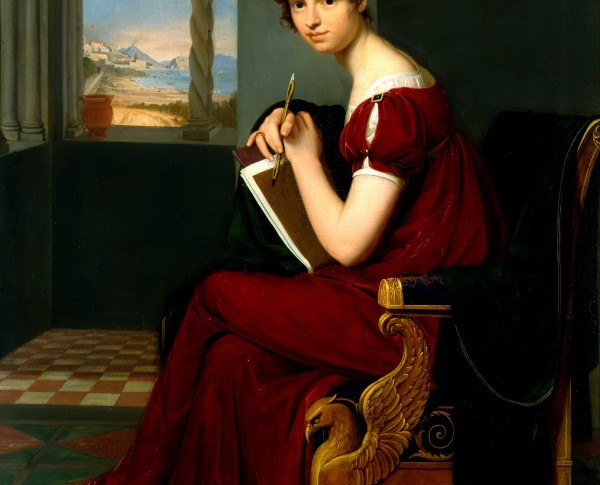
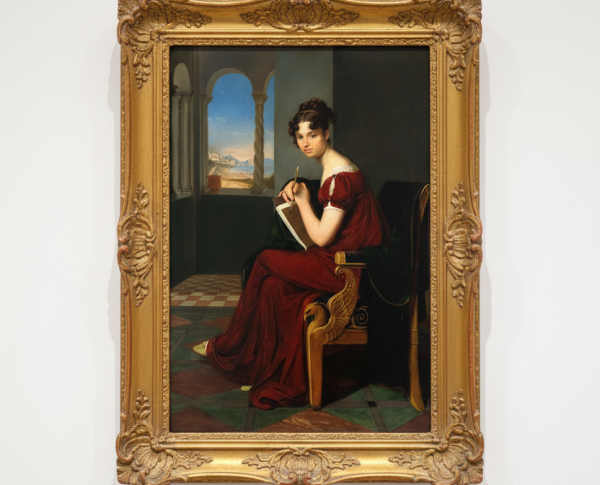
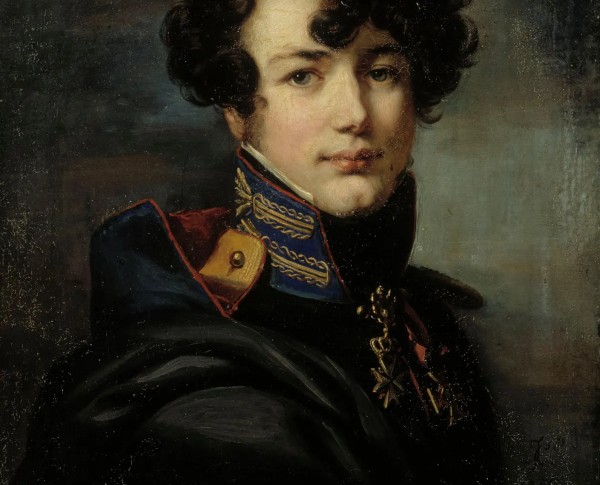
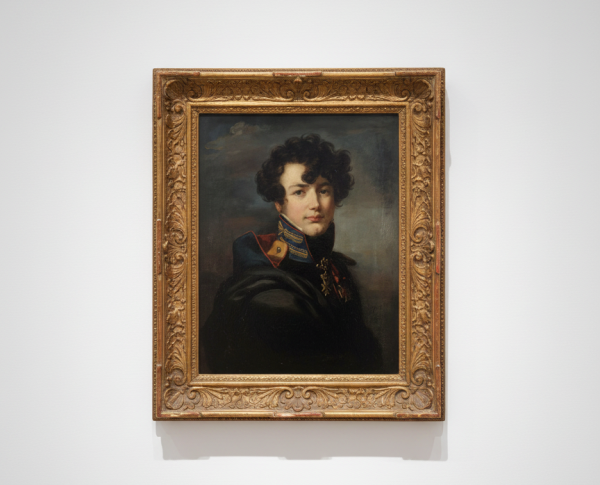
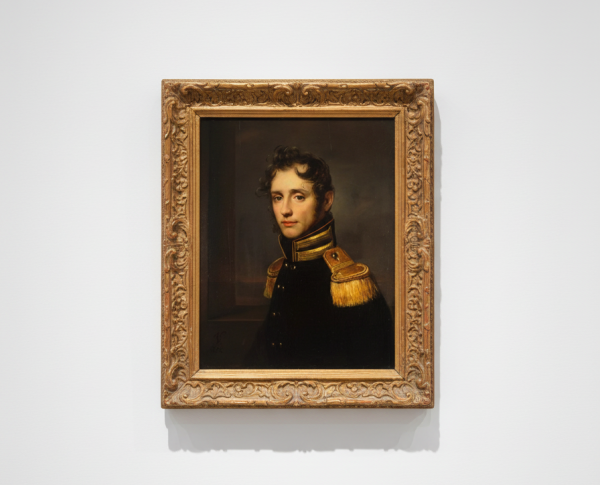
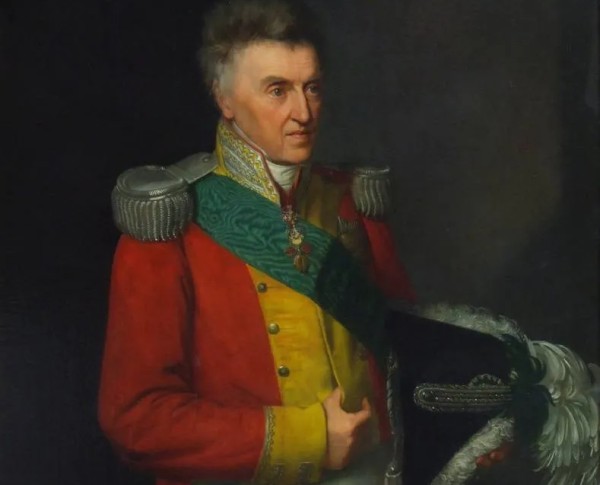
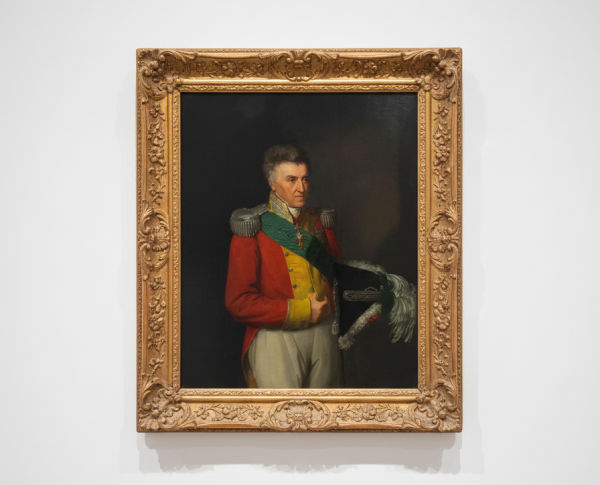
Carl Christian Vogel von Vogelstein’s brilliance shines through in "Adolph Von Heydeck," executed with masterful oil on canvas technique. The artist’s subtle use of light and shadow accentuates the sitter’s dignified presence, a hallmark of Neo-Classical portraiture. Every brushstroke in this oil on canvas painting speaks to Vogel von Vogelstein’s dedication to realism. For those inspired by this masterpiece, related works like "Q50328772, Portrait of Prince Albert of Saxony as a boy" are equally captivating.
In "Adolph Von Heydeck," Carl Christian Vogel von Vogelstein weaves a narrative rich with symbolism and character, reflecting the ideals of the Neo-Classical movement. The subject’s attire and posture suggest nobility and intellect, common themes in fine art painting for sale from this era. Collectors often explore similar works, such as "Q50328856" or "Q50328963," to further understand the stories behind each portrait and the movement’s emphasis on virtue and reason.
For art collectors, "Adolph Von Heydeck" by Carl Christian Vogel von Vogelstein represents a pinnacle of Neo-Classical portraiture. This hand-painted oil painting is not only a visual delight but also a valuable historical artifact. Its timeless appeal makes it a fine art painting for sale that enhances any collection. Pairing it with related products like "Q50328832" or "Q50328963" creates a cohesive display of Neo-Classical artistry and sophistication.
When Art Meets History
"Adolph Von Heydeck" by Carl Christian Vogel von Vogelstein stands as a remarkable example of the Neo-Classical movement. This hand-painted oil painting captures the essence of historical portraiture, much like contemporary works such as "The Declaration of Independence" and "Surrender of Lord Cornwallis." Vogel von Vogelstein's attention to historical detail and accuracy places this piece among the finest of its era, reflecting the artist's deep engagement with both his subject and the traditions of Neo-Classicism.
Techniques That Speak
Carl Christian Vogel von Vogelstein employed masterful oil on canvas techniques to bring "Adolph Von Heydeck" to life. His brushwork reflects the clarity and precision characteristic of Neo-Classical art. The artist’s use of light and shadow, as seen in related paintings like "Ulysses and the Sirens," adds a sense of depth and realism. This meticulous approach showcases Vogel von Vogelstein’s technical prowess, making the painting a standout within the genre of historical portraiture.
Emotions on Display
In "Adolph Von Heydeck," Carl Christian Vogel von Vogelstein skillfully conveys the sitter’s dignity and poise, hallmarks of the Neo-Classical movement. The subtle expression and refined posture evoke a sense of calm authority, reminiscent of figures in "The Sea Maiden" and "Representing A Scene From Scott's Lady Of The Lake." This fine art painting for sale invites viewers to connect emotionally with the subject, demonstrating Vogel von Vogelstein’s ability to blend historical gravitas with personal nuance.
Coveted by Collectors
"Adolph Von Heydeck" remains a sought-after masterpiece among collectors who appreciate Neo-Classical art. The painting’s provenance and expert execution elevate its desirability, aligning it with celebrated works like "The Declaration of Independence." As a hand-painted oil painting by Carl Christian Vogel von Vogelstein, it continues to attract those searching for authentic period pieces. Collectors value its historical significance and timeless elegance, securing its place as a prized addition to any fine art collection.
Related Neo-Classical Hand-Painted Oil Paintings by Other Artists
Other Famous Neo-Classical Artists:
Frequently Asked Questions About Adolph Von Heydeck
Who is the subject of the painting "Adolph Von Heydeck"?
The painting depicts Adolph Von Heydeck, a notable figure in 19th-century German society, recognized for his contributions to the arts and culture of the time.
What is the significance of the artist Carl Christian Vogel von Vogelstein?
Carl Christian Vogel von Vogelstein was a prominent German painter known for his detailed portraiture and historical scenes, contributing significantly to the Romantic movement in art.
When was "Adolph Von Heydeck" painted?
The painting was completed in the year 1825, during a period marked by a growing interest in individualism and the portrayal of personal identity in art.
What artistic techniques are employed in "Adolph Von Heydeck"?
The artist utilizes oil on canvas, employing techniques such as chiaroscuro to create depth and realism, as well as meticulous attention to detail in the subject's attire and expression.
What is the historical context of the painting?
The painting reflects the socio-political climate of early 19th-century Germany, a time of national awakening and cultural flourishing, which influenced the themes of identity and representation in art.
What does the composition of "Adolph Von Heydeck" convey?
The composition is carefully arranged to emphasize the subject's stature and character, using a balanced layout that draws the viewer's eye to Von Heydeck's confident pose and expression.
Are there any symbolic elements in the painting?
Yes, the attire and setting of the painting symbolize the social status and intellectual pursuits of Adolph Von Heydeck, reflecting the values of the educated elite during that era.
How does "Adolph Von Heydeck" fit into the Romantic movement?
The painting embodies key characteristics of the Romantic movement, including an emphasis on individualism, emotional expression, and a focus on the human experience, which are evident in the portrayal of Von Heydeck.
What influence did Carl Christian Vogel von Vogelstein have on future artists?
Vogelstein's meticulous approach to portraiture influenced many subsequent artists, particularly in the realms of realism and the portrayal of psychological depth in subjects.
Where can I view "Adolph Von Heydeck" today?
The painting is part of the permanent collection at our art gallery, where it is displayed alongside other significant works from the Romantic period.






.webp)










_GFM_Painting_(1).webp)


 100% Hand-Painted: Finished in 3-6 Weeks

.png)















_(1).webp)