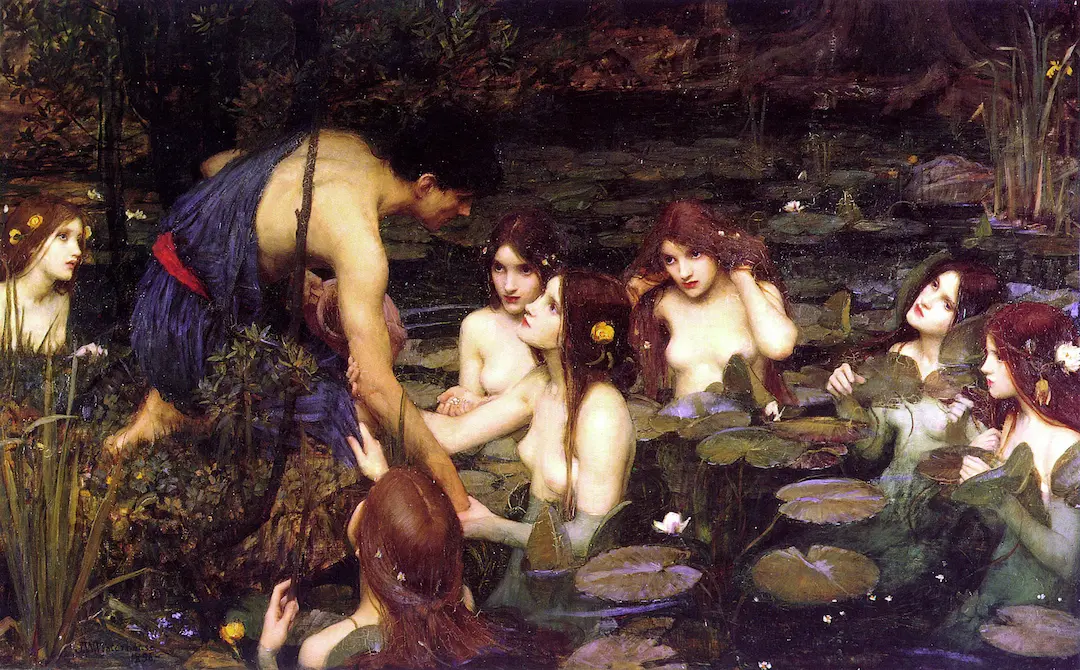
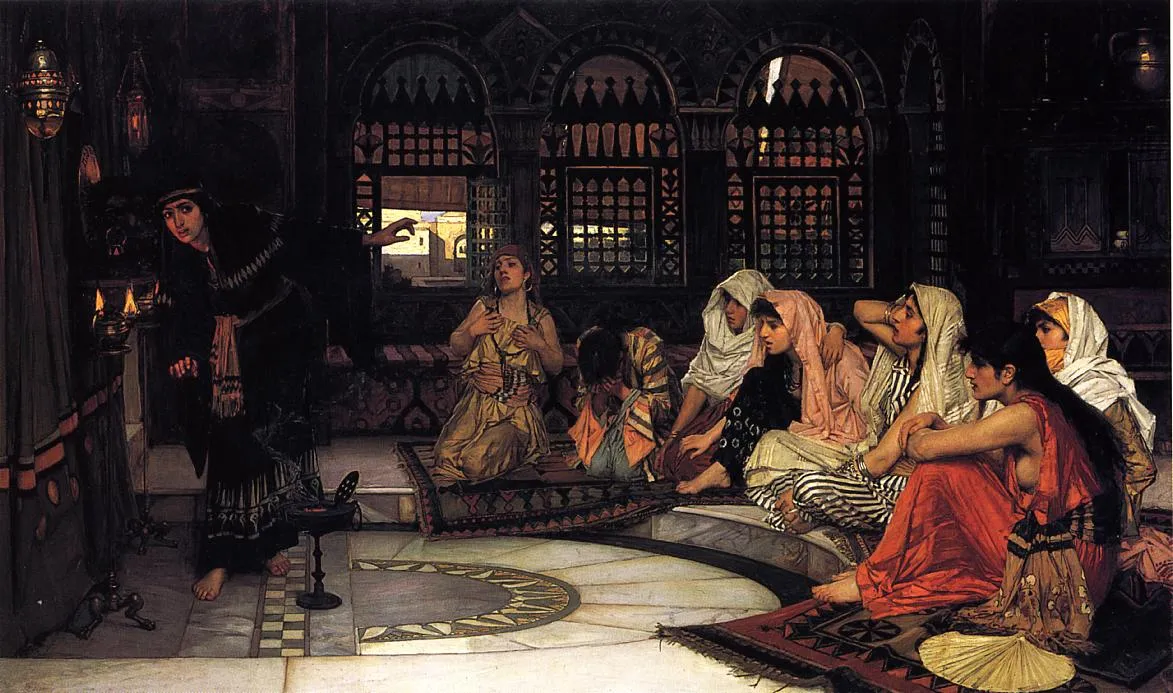
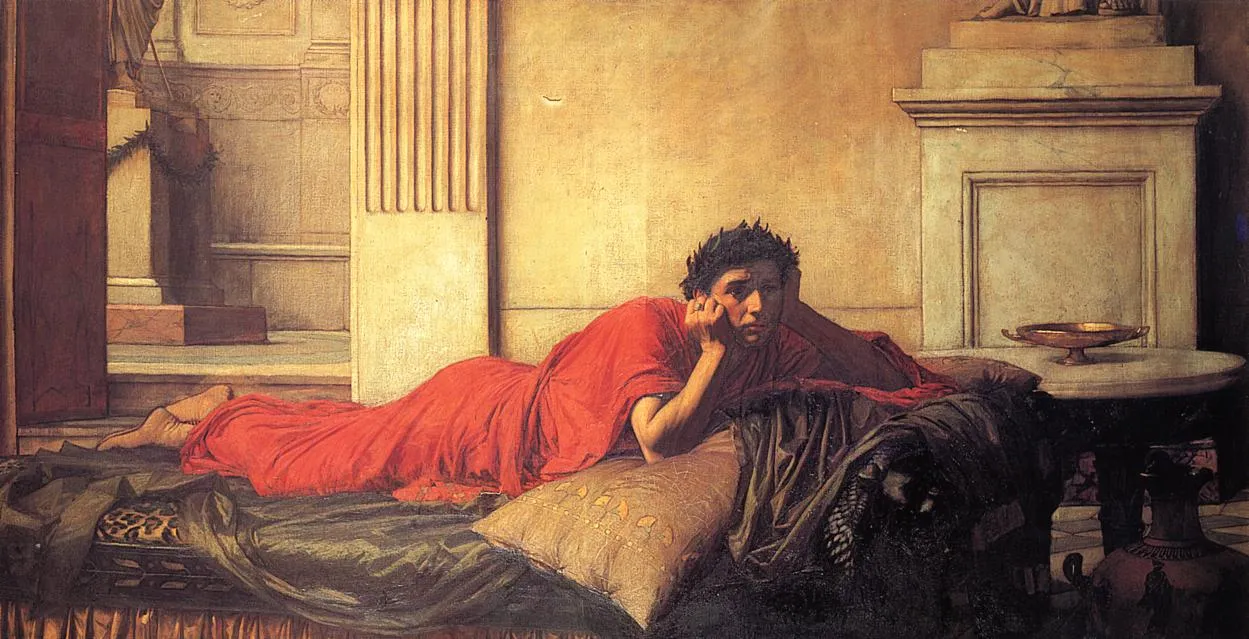
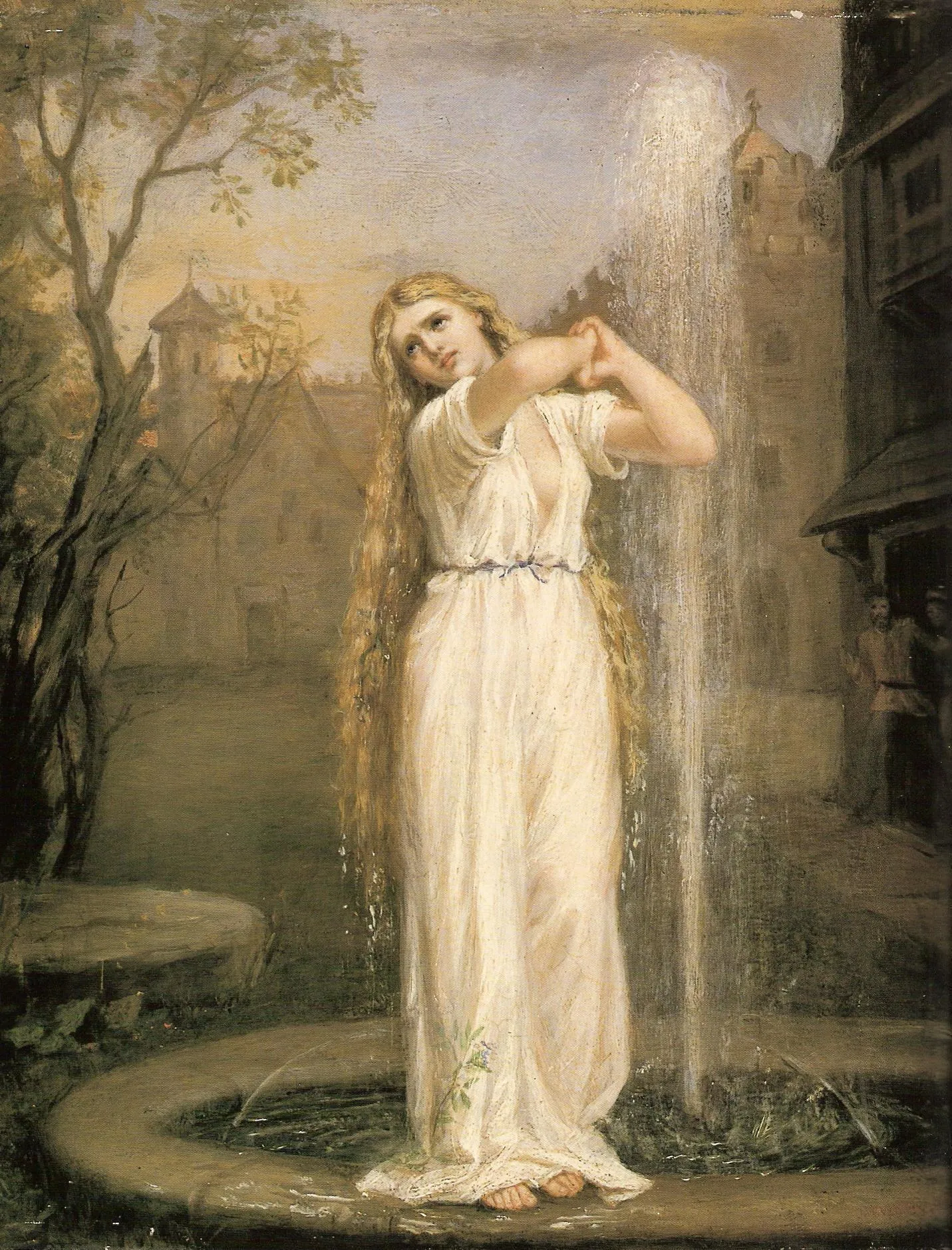
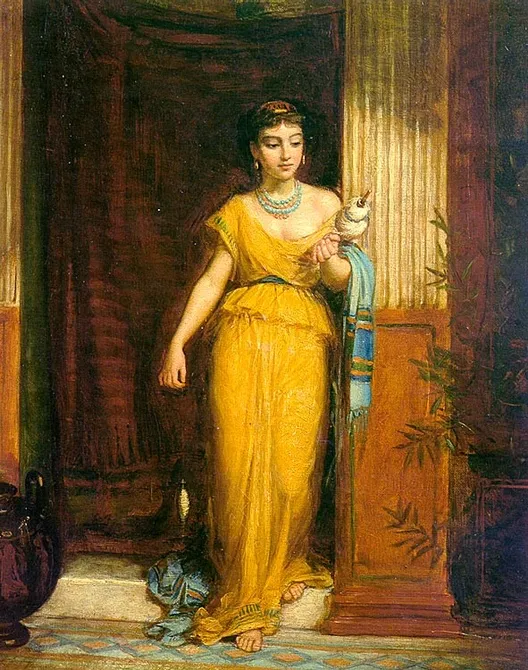
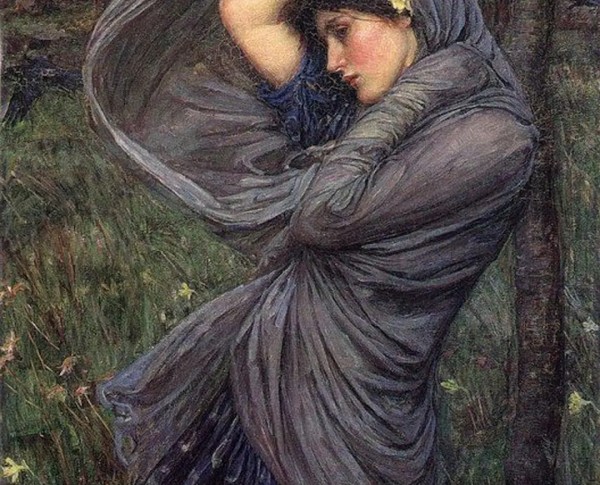
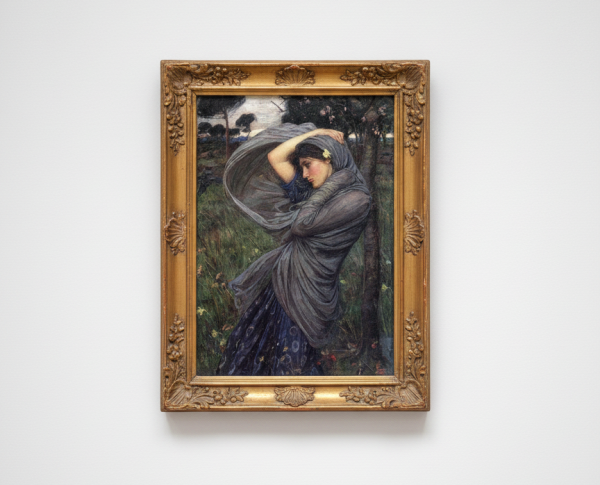
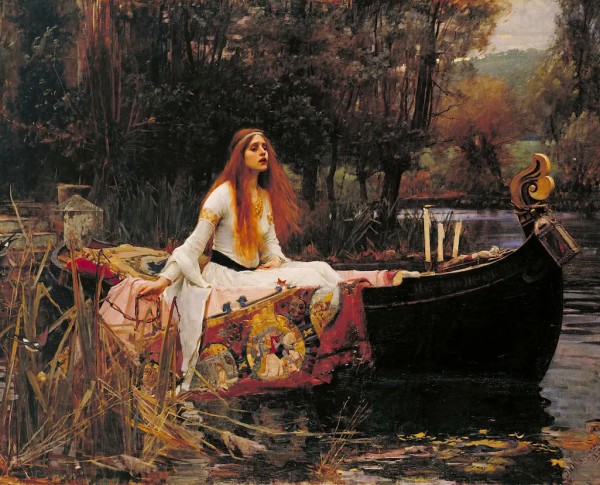
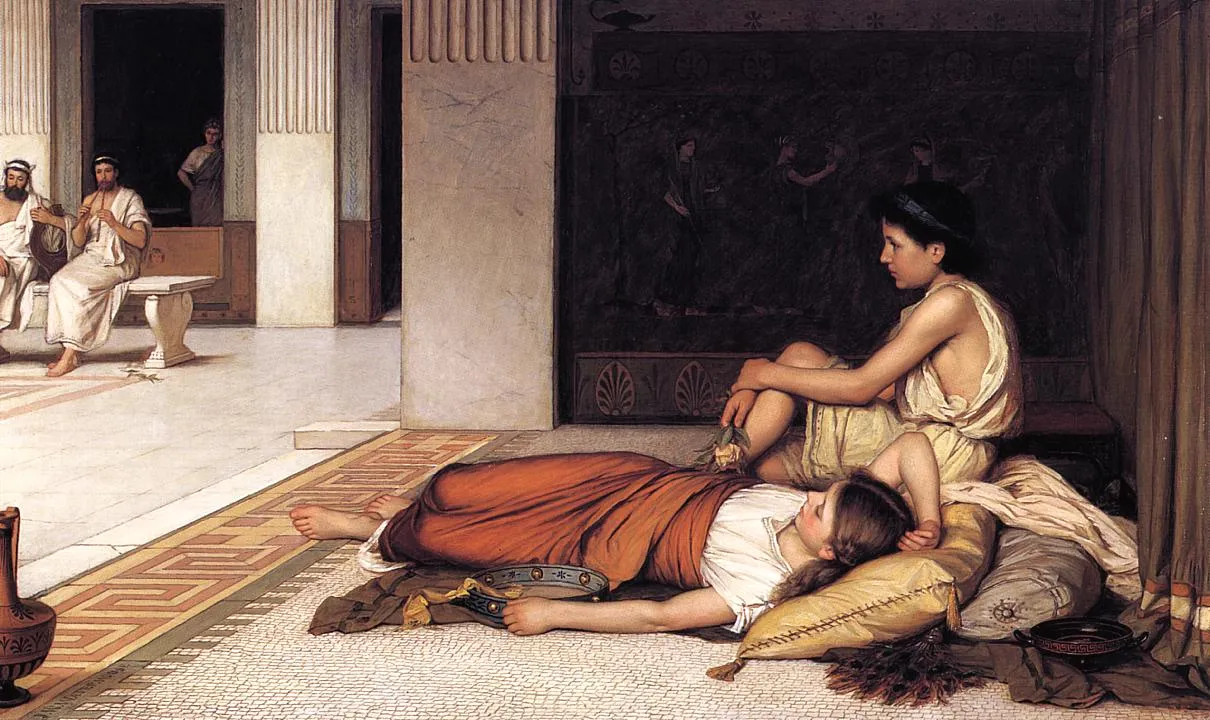
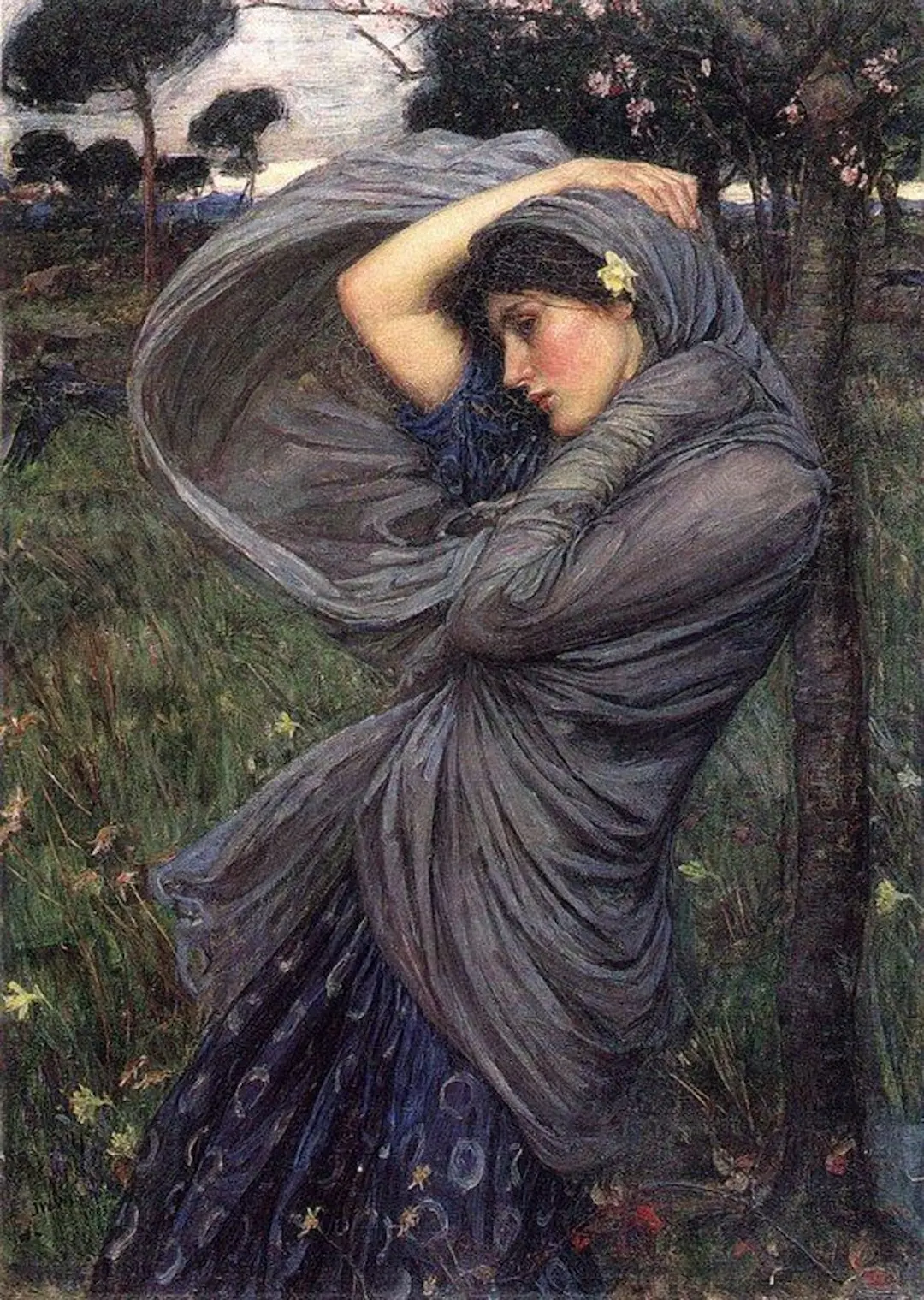
John William Waterhouse’s "After the Dance" showcases his exceptional technique with oil on canvas, a medium that allows for rich textures and vibrant colors. The artist’s careful attention to light, fabric, and emotion creates a lifelike quality that draws viewers into the scene. As a leading figure in the Pre-Raphaelites movement, Waterhouse’s artistry can also be admired in works like "Boreas 1903" and "The Unwelcome Companion," which reflect similar mastery and style.
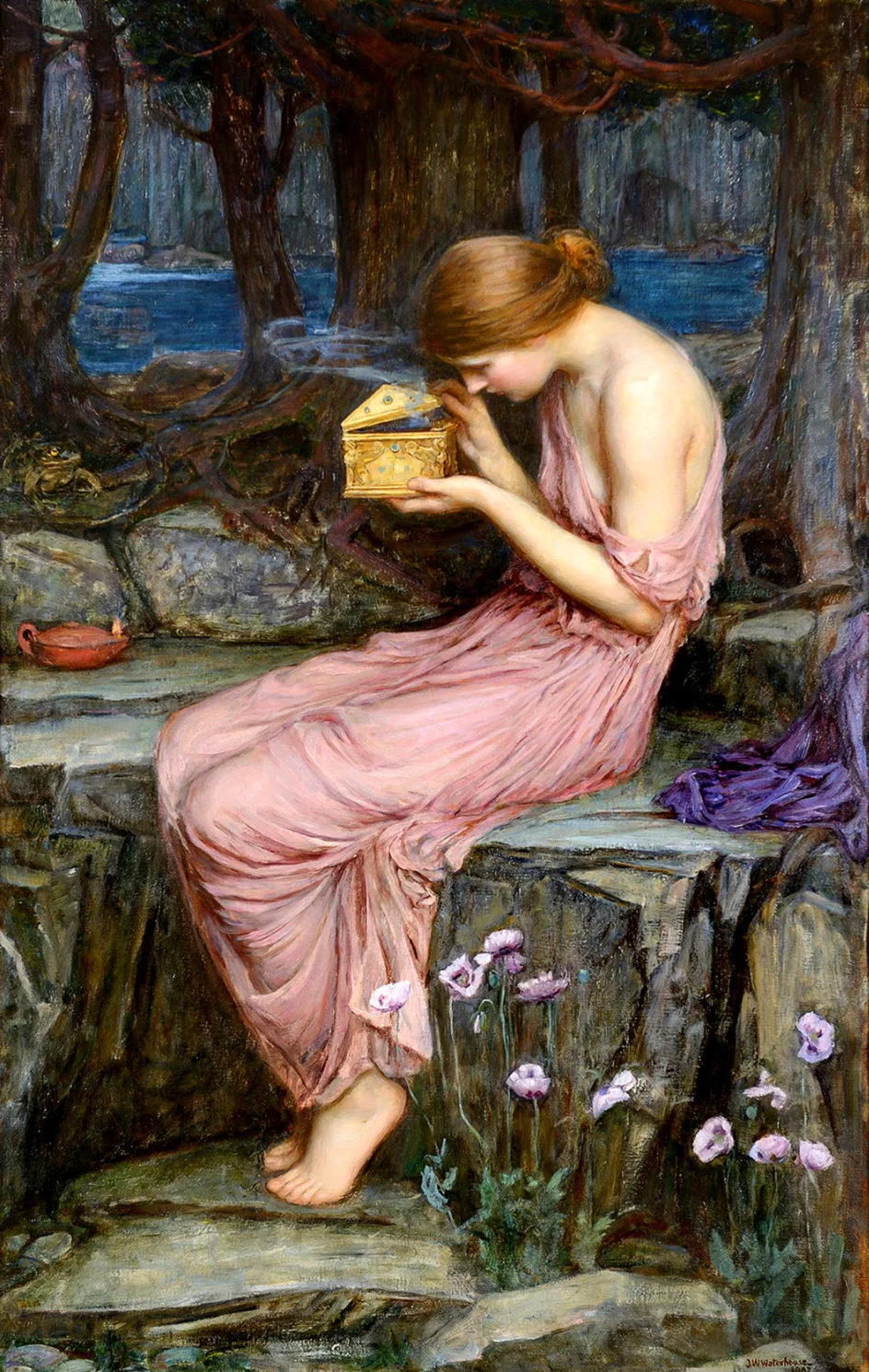
Every element in "After the Dance" is imbued with meaning, making it more than just a fine art painting for sale. Waterhouse weaves narratives and symbolism into his compositions, typical of the Pre-Raphaelites movement’s fascination with myth and legend. The painting’s enigmatic figures and lush backgrounds invite viewers to interpret the story within. Collectors seeking depth and intrigue often pair this artwork with pieces like "Psyche Opening the Golden Box 1903" or "Undine."
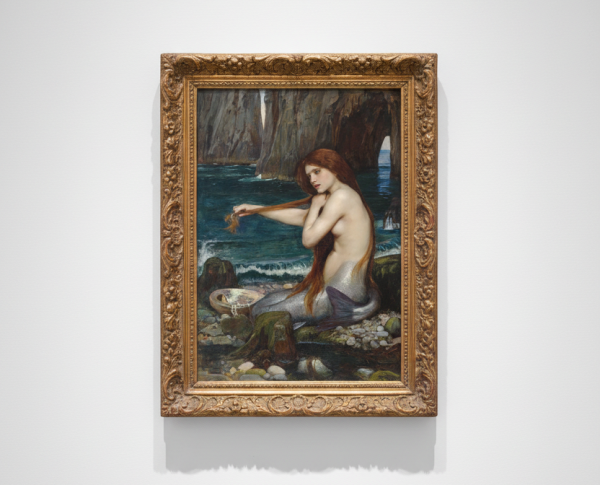
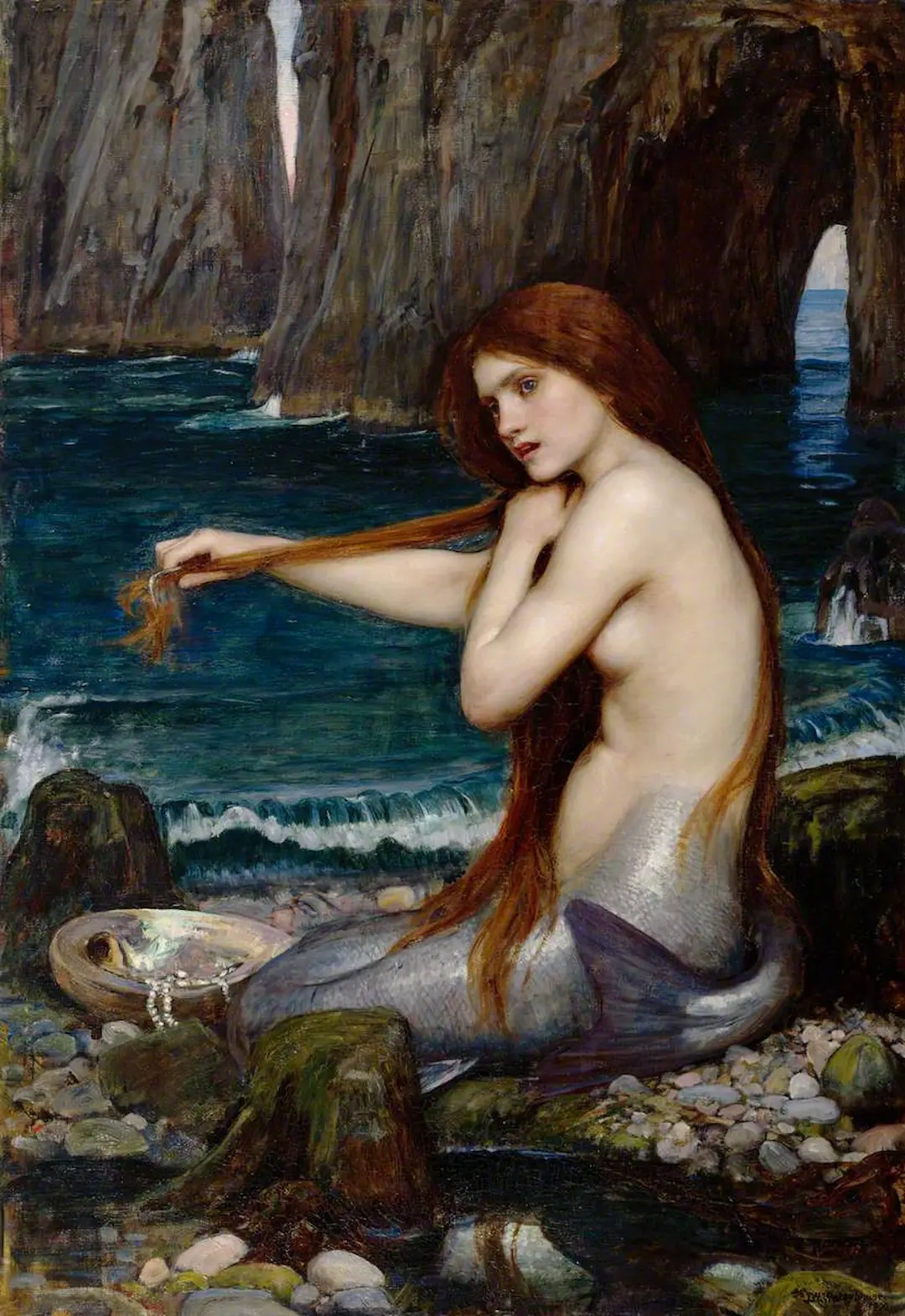
Owning "After the Dance" by John William Waterhouse is a unique opportunity for enthusiasts of Pre-Raphaelites art. This hand-painted oil painting brings both historical significance and visual beauty into any collection. Discerning buyers often seek related works such as "A Mermaid 1900" or "Miranda" to create a cohesive display. With its timeless appeal and rich narrative, this masterpiece remains a prized fine art painting for sale among collectors worldwide.
When Art Meets History
"After the Dance" by John William Waterhouse is a remarkable piece from the Pre-Raphaelites movement, a period celebrated for its devotion to vivid detail and historical themes. This hand-painted oil painting captures a moment suspended in time, reflecting the era's fascination with romance and mythology. Waterhouse, known for works like "Landscape with Trees" and "Piping Shepherd," weaves history and narrative seamlessly, making "After the Dance" a centerpiece among fine art painting for sale for collectors and enthusiasts alike.
Techniques That Speak
Waterhouse’s mastery is evident in the delicate brushwork and luminous color palette of "After the Dance." Employing oil on canvas, he achieves a depth and realism that defines the Pre-Raphaelites. The artist’s technique, also seen in works such as "William Boxall" and "John Owen," brings life and movement to his figures. Through meticulous attention to detail, Waterhouse elevates this oil on canvas into a mesmerizing visual experience, inviting viewers into the world he so beautifully creates.
Emotions on Display
"After the Dance" resonates with emotion, a hallmark of Waterhouse’s approach within the Pre-Raphaelites movement. The figures express a haunting mix of joy and longing, reminiscent of the emotional intensity in "Fellow, Secretary, British and Foreign Bible Society." This hand-painted oil painting draws viewers into its narrative, allowing them to feel the aftermath of celebration. Waterhouse’s ability to evoke complex sentiments ensures this masterpiece remains a sought-after fine art painting for sale.
Coveted by Collectors
Collectors prize "After the Dance" for its exceptional artistry and historical significance within the Pre-Raphaelites movement. The painting stands alongside works like "Night with her Train of Stars" as a testament to Waterhouse’s enduring appeal. Its status as a hand-painted oil painting makes it a coveted addition to any collection of fine art painting for sale, cherished for both its aesthetic beauty and its place in art history. Waterhouse’s legacy continues to inspire and captivate art lovers worldwide.
Related Pre-Raphaelites Hand-Painted Oil Paintings by Other Artists
Other Famous Pre-Raphaelites Artists:
Frequently Asked Questions About After the Dance
What is the historical context of "After the Dance"?
"After the Dance," painted by John William Waterhouse in 1898, reflects the late Victorian era's fascination with classical themes and the human form, as well as the growing interest in the Pre-Raphaelite movement, which sought to revive the detail and vibrant colors of earlier art.
What artistic techniques did Waterhouse employ in "After the Dance"?
Waterhouse utilized a combination of rich color palettes, intricate detailing, and dramatic lighting to create a sense of movement and emotion in "After the Dance." His use of oil paints allowed for a luminous quality that enhances the figures and their surroundings.
What themes are explored in "After the Dance"?
The painting explores themes of sensuality, celebration, and the fleeting nature of joy. It captures a moment of intimacy and connection between the figures, evoking a sense of nostalgia for the pleasures of life.
How does "After the Dance" relate to the Pre-Raphaelite movement?
While Waterhouse was not an official member of the Pre-Raphaelite Brotherhood, his work embodies many of its principles, including a focus on beauty, nature, and mythological subjects, as well as a commitment to detailed realism and vibrant color.
What is the significance of the figures depicted in "After the Dance"?
The figures in "After the Dance" symbolize the celebration of life and love. The dancers' expressions and postures convey a sense of joy and liberation, reflecting the human experience of connection and the ephemeral nature of happiness.
What role does color play in "After the Dance"?
Color in "After the Dance" is used to evoke emotion and highlight the figures' physicality. The warm tones create an inviting atmosphere, while contrasting colors draw attention to specific elements, enhancing the overall narrative of the painting.
How has "After the Dance" been received by critics and art historians?
Critics and art historians have praised "After the Dance" for its technical mastery and emotional depth. It is often regarded as one of Waterhouse's most significant works, showcasing his ability to blend classical themes with contemporary sensibilities of his time.
What influences can be seen in Waterhouse's style in "After the Dance"?
Waterhouse's style in "After the Dance" reflects influences from both the Pre-Raphaelites and the Impressionists. His attention to detail and composition is reminiscent of the former, while his use of light and color shows the impact of the latter's techniques.
What symbolic meanings can be derived from the dance depicted in the painting?
The dance in "After the Dance" symbolizes the celebration of life and the transient nature of joy. It serves as a metaphor for the cycles of life, love, and the inevitability of change, inviting viewers to reflect on their own experiences of happiness.
Where is "After the Dance" currently housed?
"After the Dance" is part of the collection at the Manchester Art Gallery in the United Kingdom. It remains a significant work that attracts visitors interested in Waterhouse's contributions to art and the themes he explored.























_GFM_Painting_(1).webp)


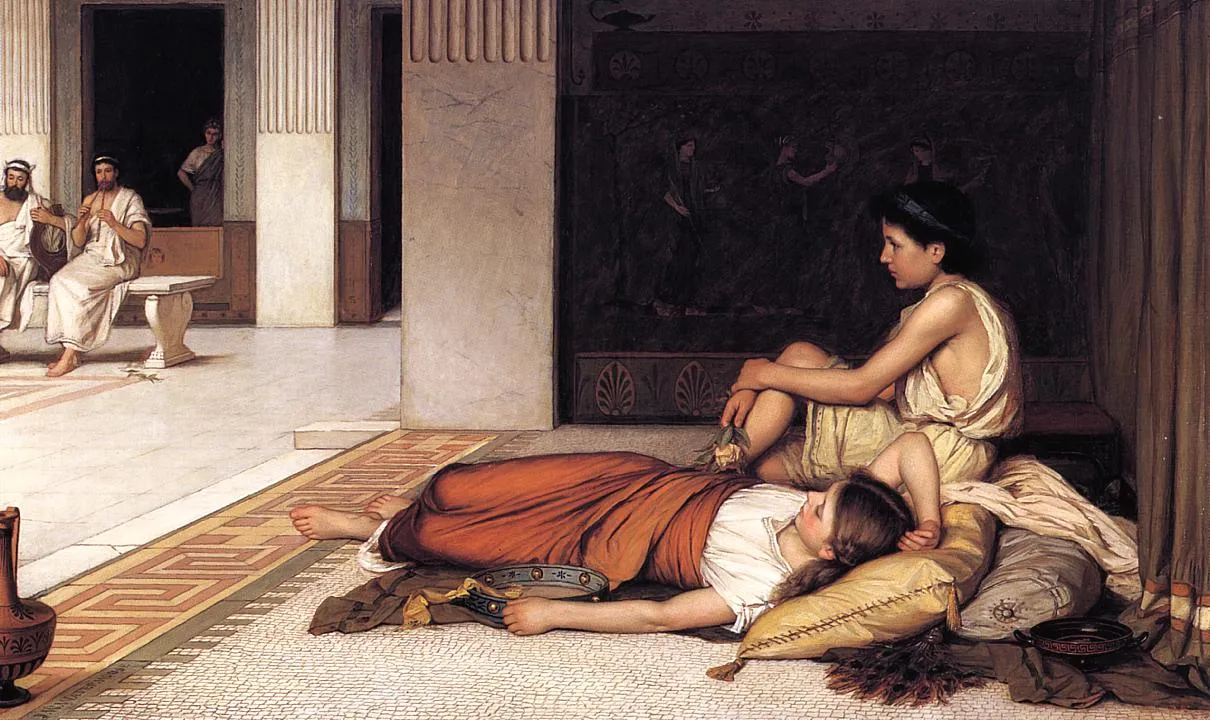
 100% Hand-Painted: Finished in 3-6 Weeks

.png)















_(1).webp)