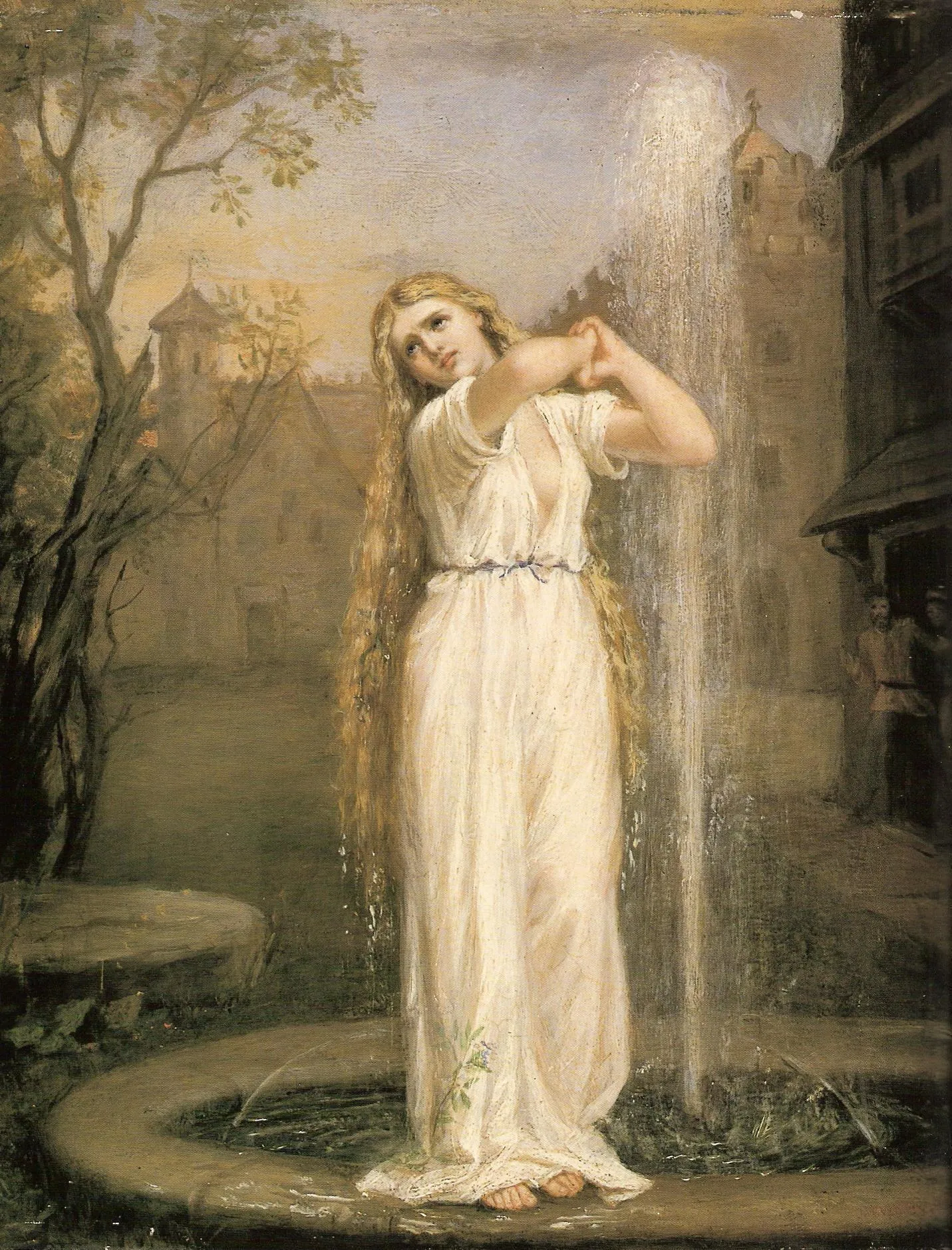
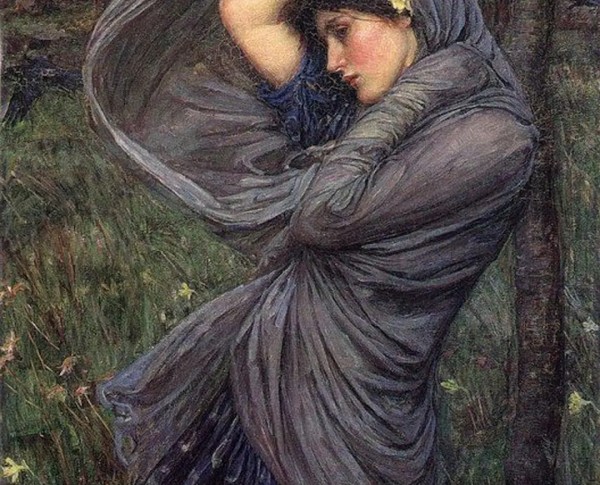
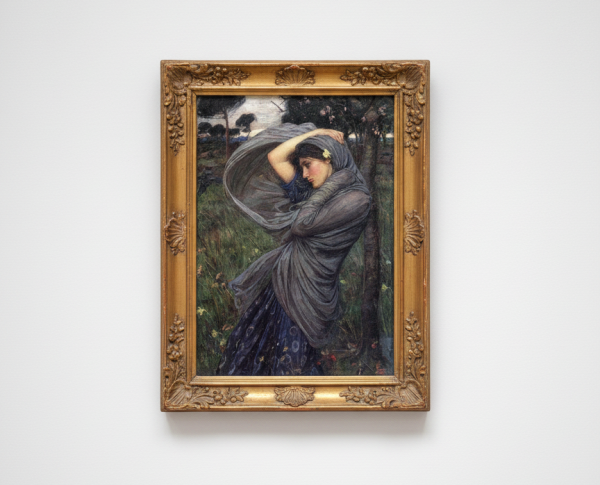
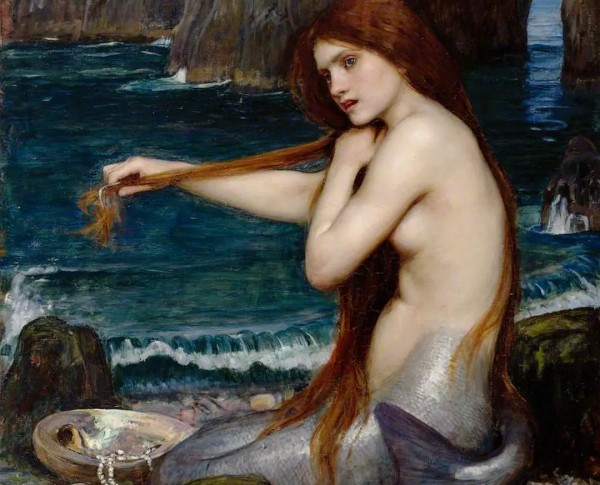
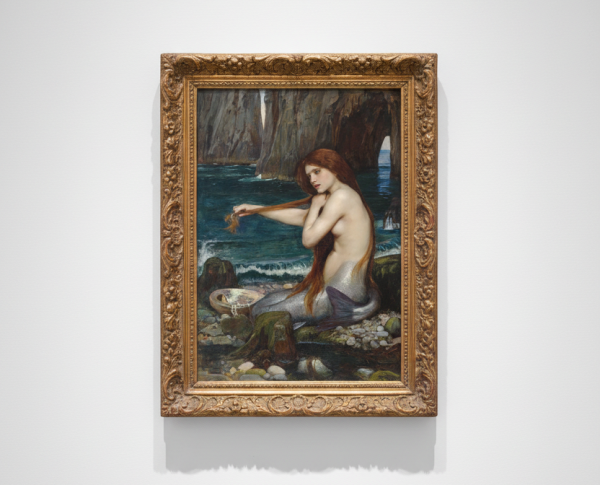
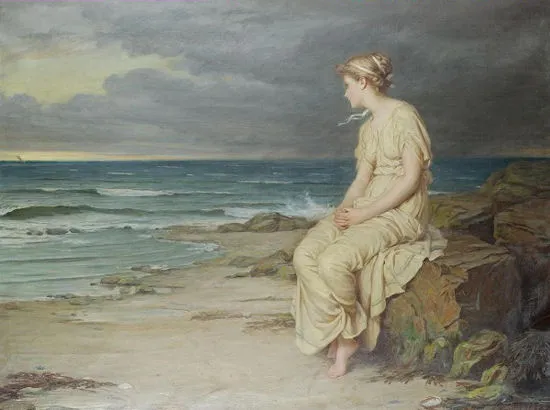
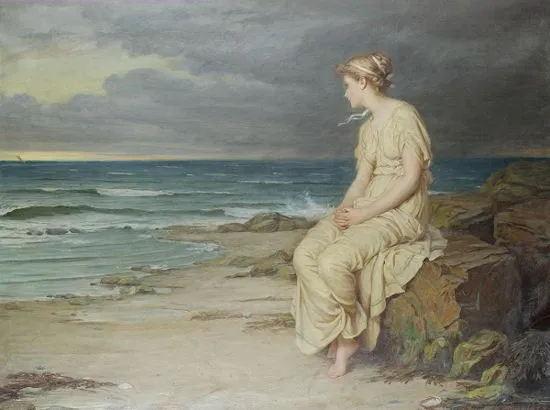
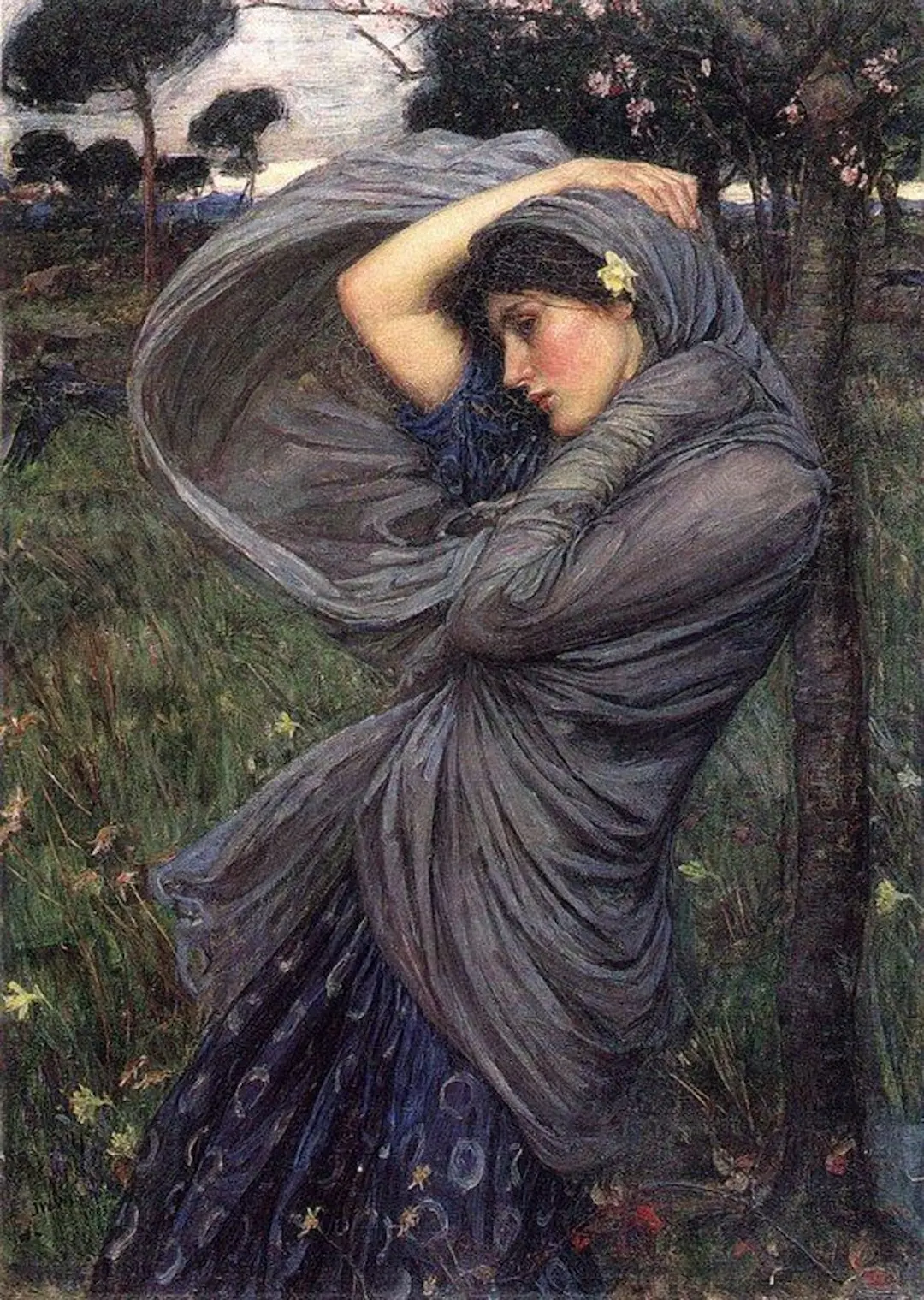
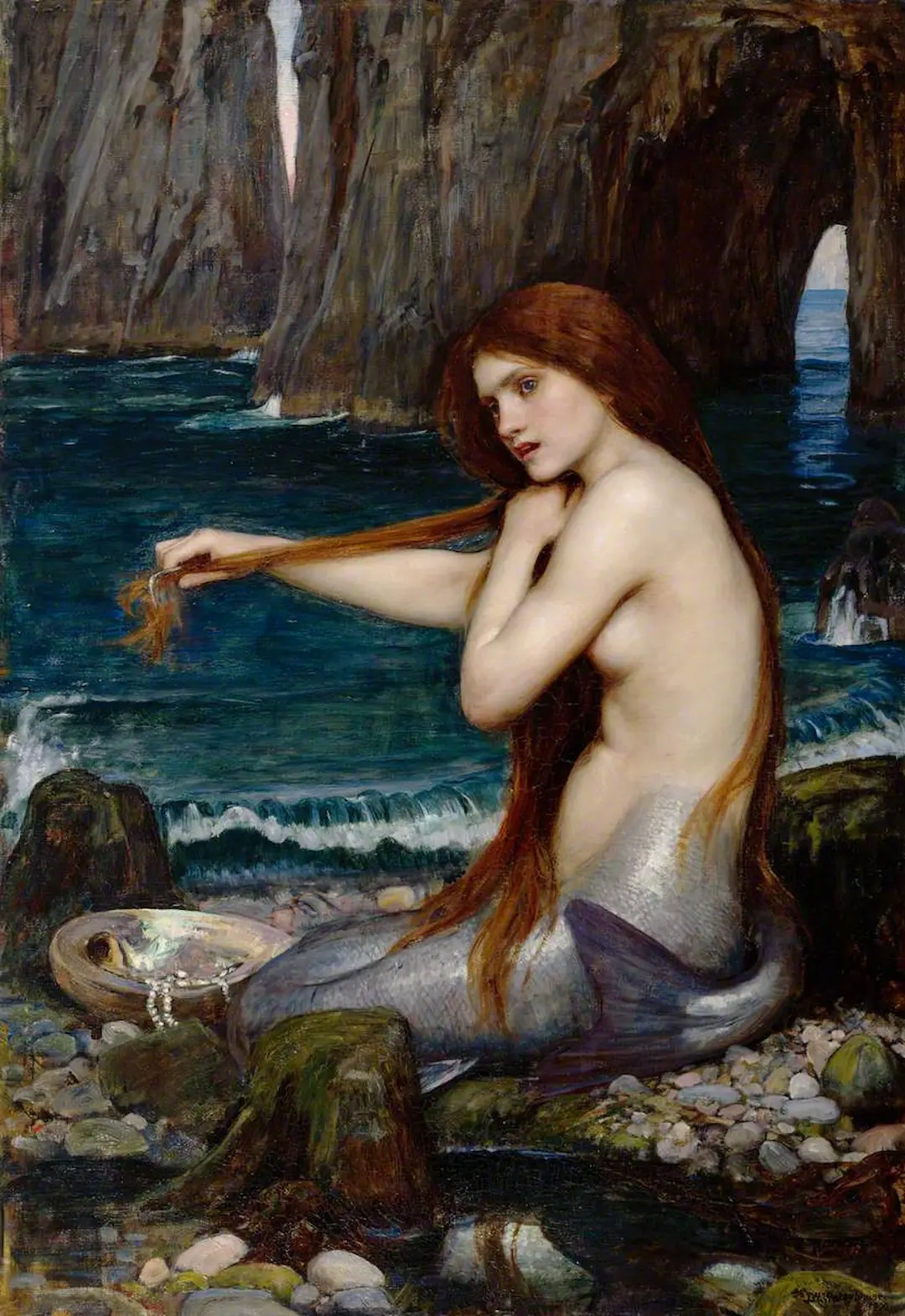
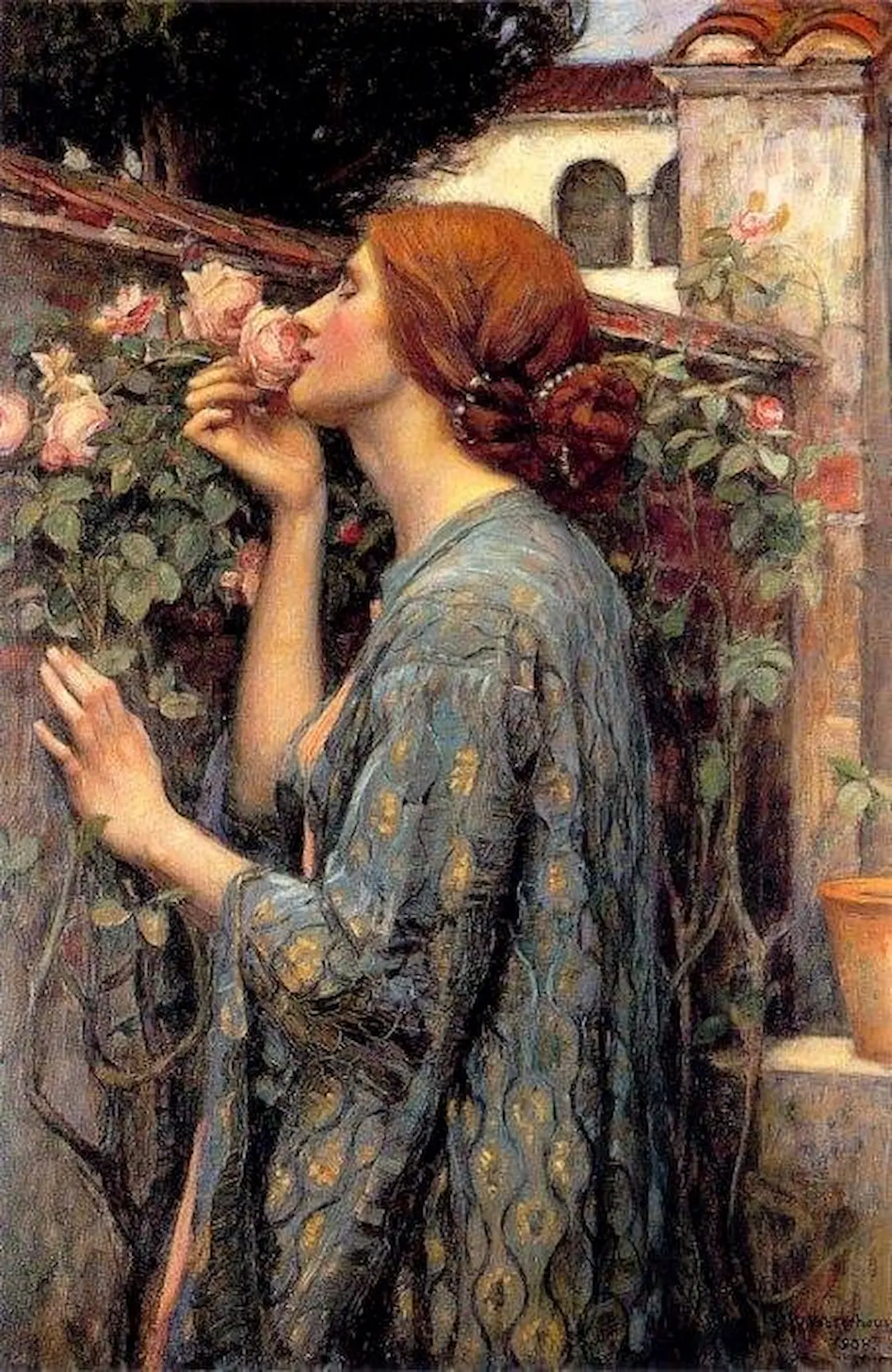
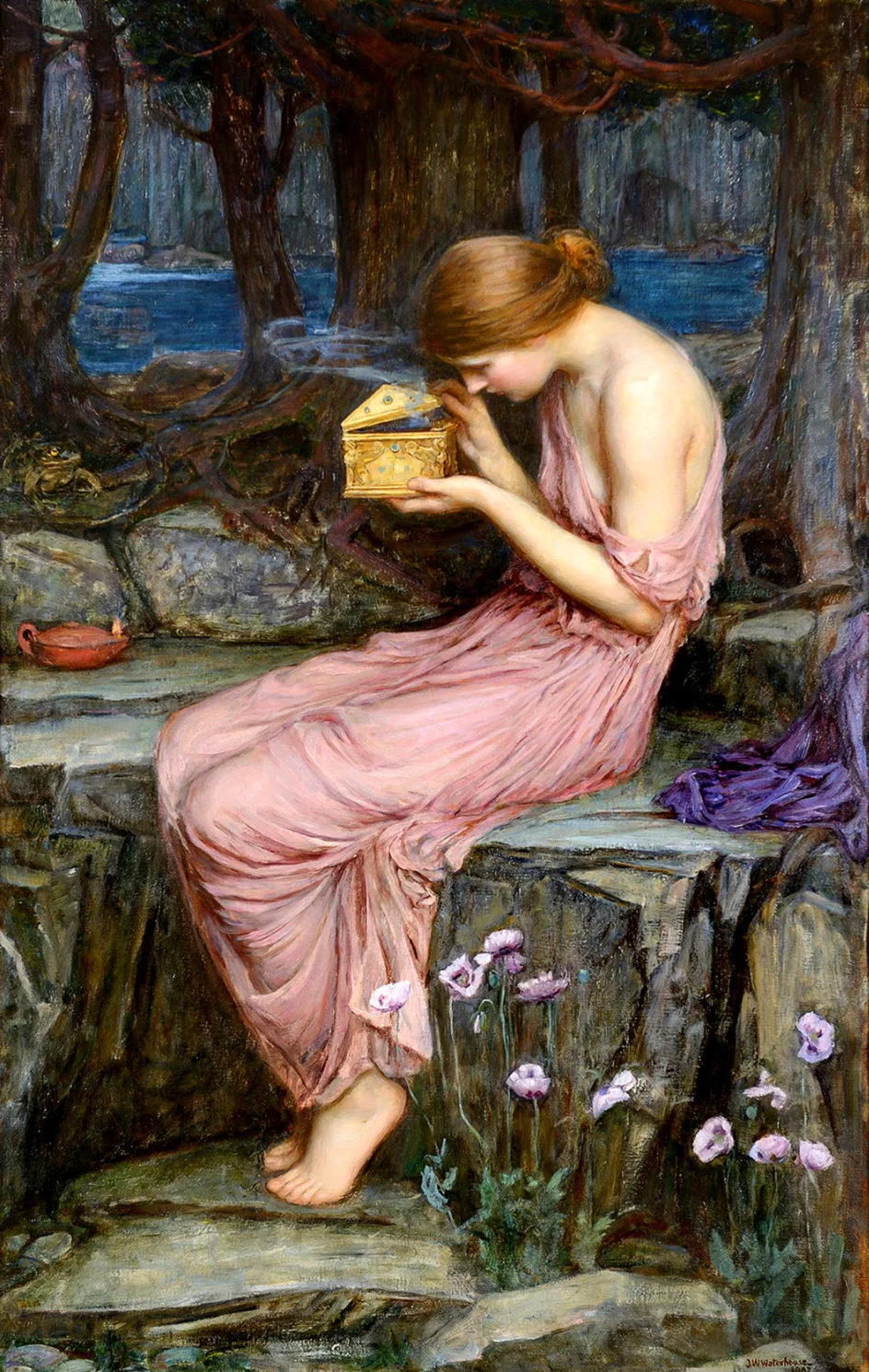
John William Waterhouse’s "Miranda" showcases his remarkable skill with oil on canvas, a medium he mastered throughout his career in the Pre-Raphaelites movement. The delicate brushwork and vivid color palette reveal the artist’s dedication to creating lifelike textures and captivating scenes. If you appreciate "Undine" or "Boreas 1903," you’ll find similar artistry and attention to detail in "Miranda," making it an exceptional addition to any collection of fine art paintings.
The narrative depth of "Miranda" is emblematic of Waterhouse’s storytelling prowess within the Pre-Raphaelites movement. This fine art painting for sale is infused with symbolism, drawing inspiration from classic literature and mythology. Much like "Sleep and His Half Brother Death" and "In the Peristyle," "Miranda" encourages viewers to interpret its deeper meanings, offering a rich tapestry of emotion and allegory woven into every detail of the composition.
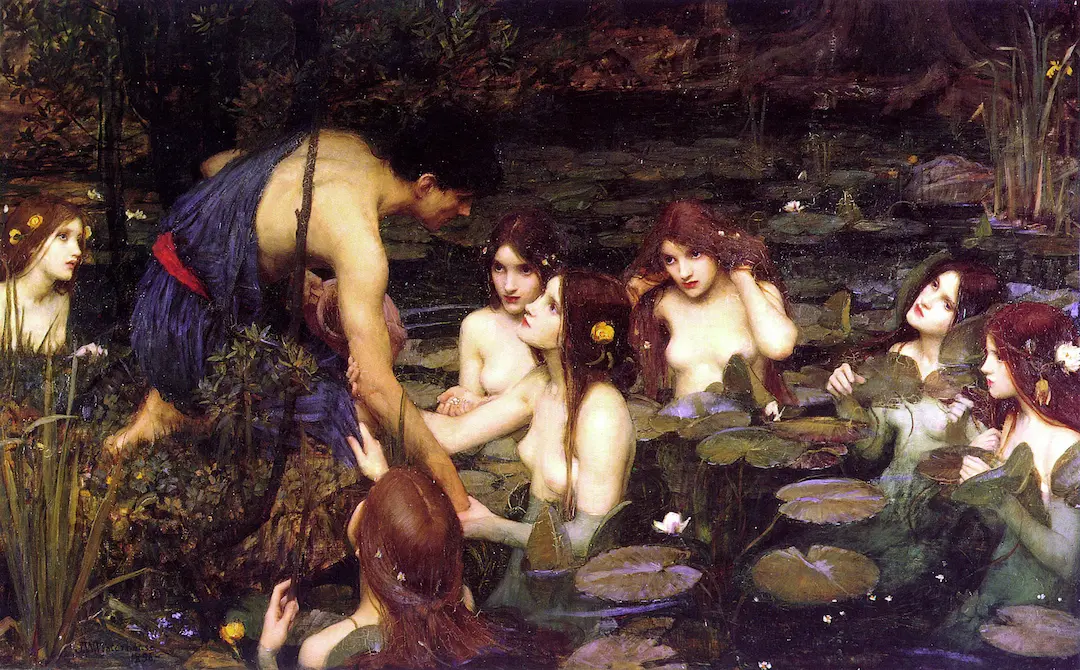
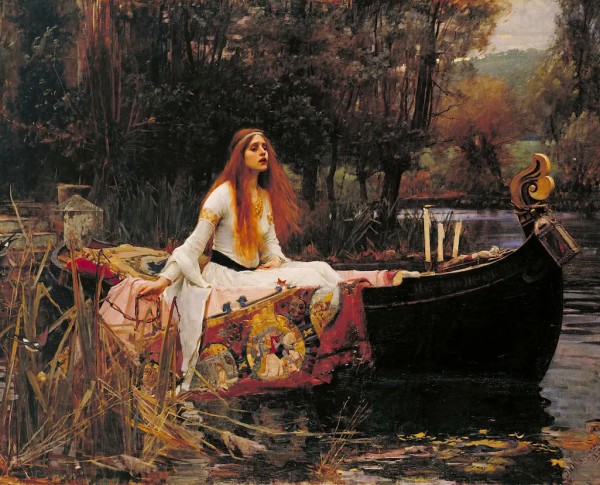
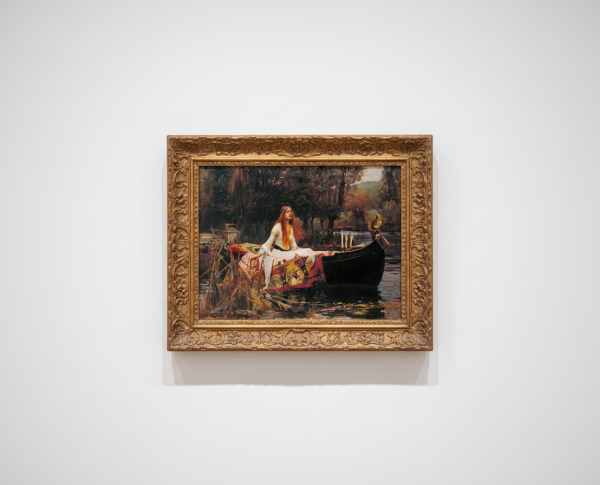
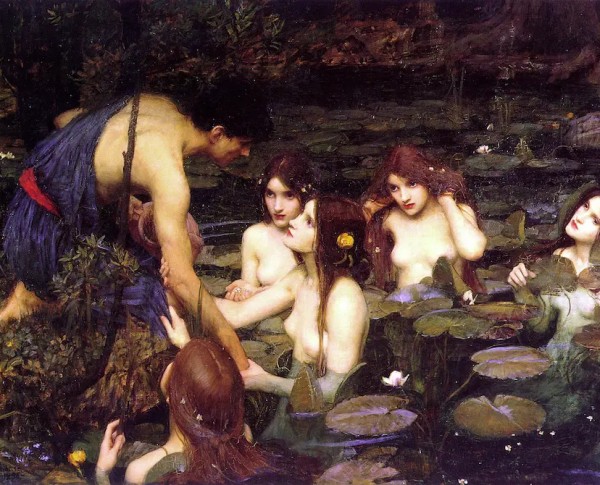
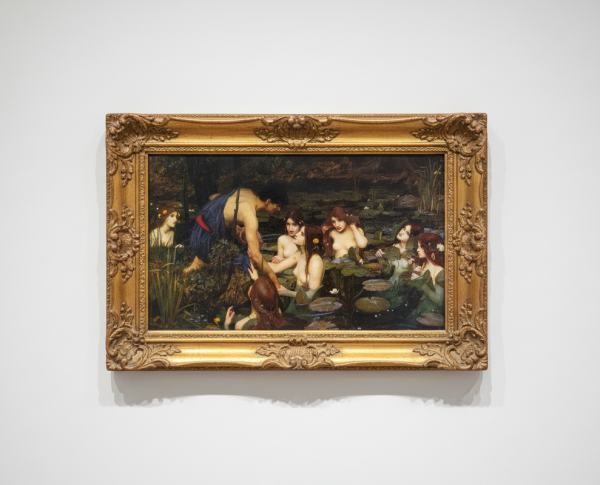
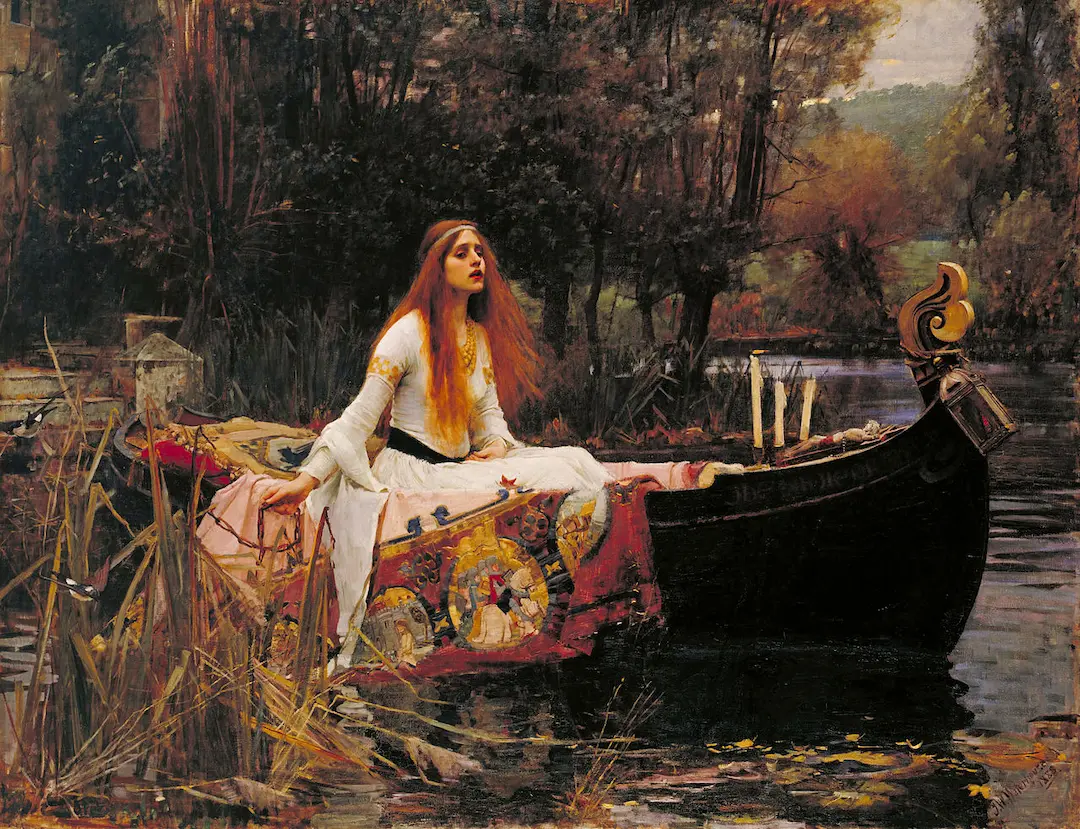
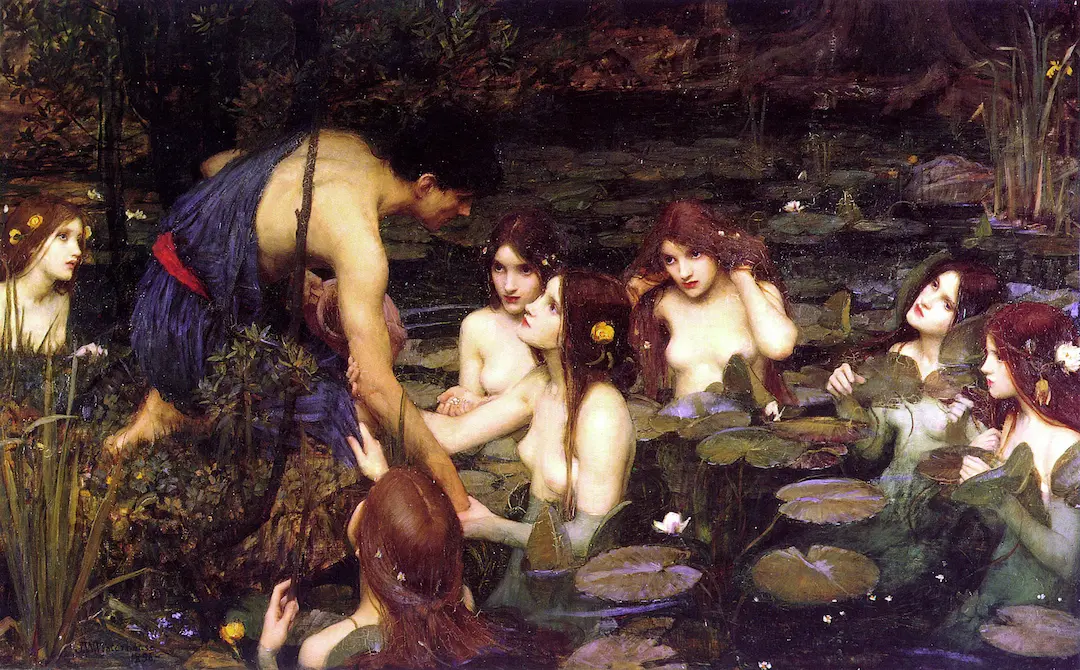
Owning "Miranda" by John William Waterhouse connects you to the rich heritage of Pre-Raphaelite art. This hand-painted oil painting is more than a visual masterpiece; it’s a cultural artifact cherished by art lovers worldwide. Collectors seeking works like "The Lady of Shalott 1888" or "Hylas and the Nymphs 1896" will appreciate the rarity and significance of "Miranda," making it a prized acquisition among those searching for exceptional fine art painting for sale.
When Art Meets History
"Miranda" by John William Waterhouse is a stunning example of the Pre-Raphaelites movement, capturing the timeless allure of Shakespearean themes. Painted in 1916, this hand-painted oil painting draws viewers into the dramatic world of "The Tempest," a nod to the era’s fascination with literature and myth. Waterhouse’s contemporaries, such as William Boxall and Holman Hunt, also contributed to this artistic legacy with related works like "Piping Shepherd" and "Mrs I. Holman Hunt."
Techniques That Speak
Waterhouse’s "Miranda" exemplifies masterful technique, with the artist employing oil on canvas to create lush textures and vivid colors. The flowing brushwork and attention to detail are trademarks of the Pre-Raphaelites, who sought to revive the vibrancy and realism of early Renaissance art. Similar technical brilliance can be found in works like "Portrait of Caroline Hill" and "Alfred and Charles, Grandchildren of Alfred Tennyson," highlighting the movement’s dedication to craftsmanship.
Emotions on Display
The emotional depth in "Miranda" resonates with viewers, as Waterhouse expertly captures the heroine’s longing and vulnerability. This fine art painting for sale invites us to connect with Miranda’s story, echoing the Pre-Raphaelites’ pursuit of genuine human feeling. Waterhouse’s approach parallels the emotive storytelling in related paintings such as "Piping Shepherd" and "Mrs I. Holman Hunt," making each piece a compelling narrative on canvas.
Coveted by Collectors
"Miranda" remains a sought-after masterpiece among art enthusiasts, cherished for its intricate detail and historical significance. Collectors value this hand-painted oil painting for its connection to both the Pre-Raphaelites and the literary world. Alongside other notable works like "Portrait of Caroline Hill" and "Alfred and Charles, Grandchildren of Alfred Tennyson," Waterhouse’s painting stands as a testament to the enduring appeal of fine art painting for sale from this golden era.
Related Pre-Raphaelites Hand-Painted Oil Paintings by Other Artists
Other Famous Pre-Raphaelites Artists:
Frequently Asked Questions About Miranda
What is the historical context of the painting "Miranda"?
"Miranda" was created in 1916 by John William Waterhouse, during a period when the Pre-Raphaelite movement was influencing the art world. This era was characterized by a return to vivid colors, intricate details, and themes drawn from literature and mythology.
Who is the subject of the painting "Miranda"?
The subject of "Miranda" is a character from William Shakespeare's play "The Tempest." She is the daughter of Prospero, a sorcerer, and symbolizes innocence and purity amidst the tumultuous events of the play.
What artistic techniques did Waterhouse employ in "Miranda"?
Waterhouse utilized a combination of rich color palettes, soft brushwork, and detailed textures to create a sense of depth and emotion in "Miranda." His technique reflects the influence of the Pre-Raphaelite style, focusing on realism and romanticism.
What symbolism is present in "Miranda"?
The painting symbolizes themes of innocence, love, and transformation. Miranda's gaze and posture convey a sense of wonder and curiosity, representing the awakening of her emotions and the beauty of new experiences.
How does "Miranda" reflect Waterhouse's artistic style?
"Miranda" exemplifies Waterhouse's signature style, which often features mythological and literary subjects. His focus on female figures, combined with an ethereal quality, highlights his fascination with the female experience and emotional depth.
What influences can be seen in "Miranda"?
The painting shows influences from both the Pre-Raphaelite Brotherhood and the Symbolist movement. Waterhouse's emphasis on narrative and emotional expression aligns with these movements, showcasing the interplay between literature and visual art.
What is the significance of color in "Miranda"?
The color palette in "Miranda" is dominated by soft pastels and warm tones, which evoke a sense of tranquility and dreaminess. The use of light and shadow enhances the emotional resonance of the piece, drawing the viewer into Miranda's world.
How does "Miranda" compare to other works by Waterhouse?
What role does literature play in the creation of "Miranda"?
Literature plays a crucial role in "Miranda," as it is directly inspired by Shakespeare's "The Tempest." Waterhouse's interpretation of Miranda captures the essence of her character and the narrative's emotional depth, bridging the gap between literature and visual art.
Where can "Miranda" be viewed today?
"Miranda" is part of the collection at the Manchester Art Gallery in the United Kingdom. It is accessible to the public, allowing visitors to appreciate Waterhouse's masterful depiction of this iconic literary character.























_GFM_Painting_(1).webp)


 100% Hand-Painted: Finished in 3-6 Weeks

.png)















_(1).webp)