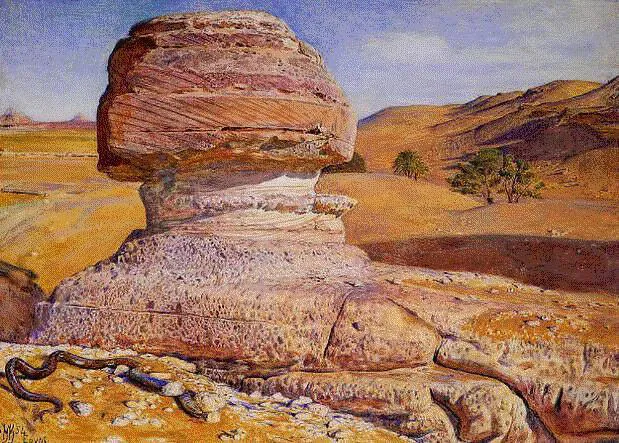
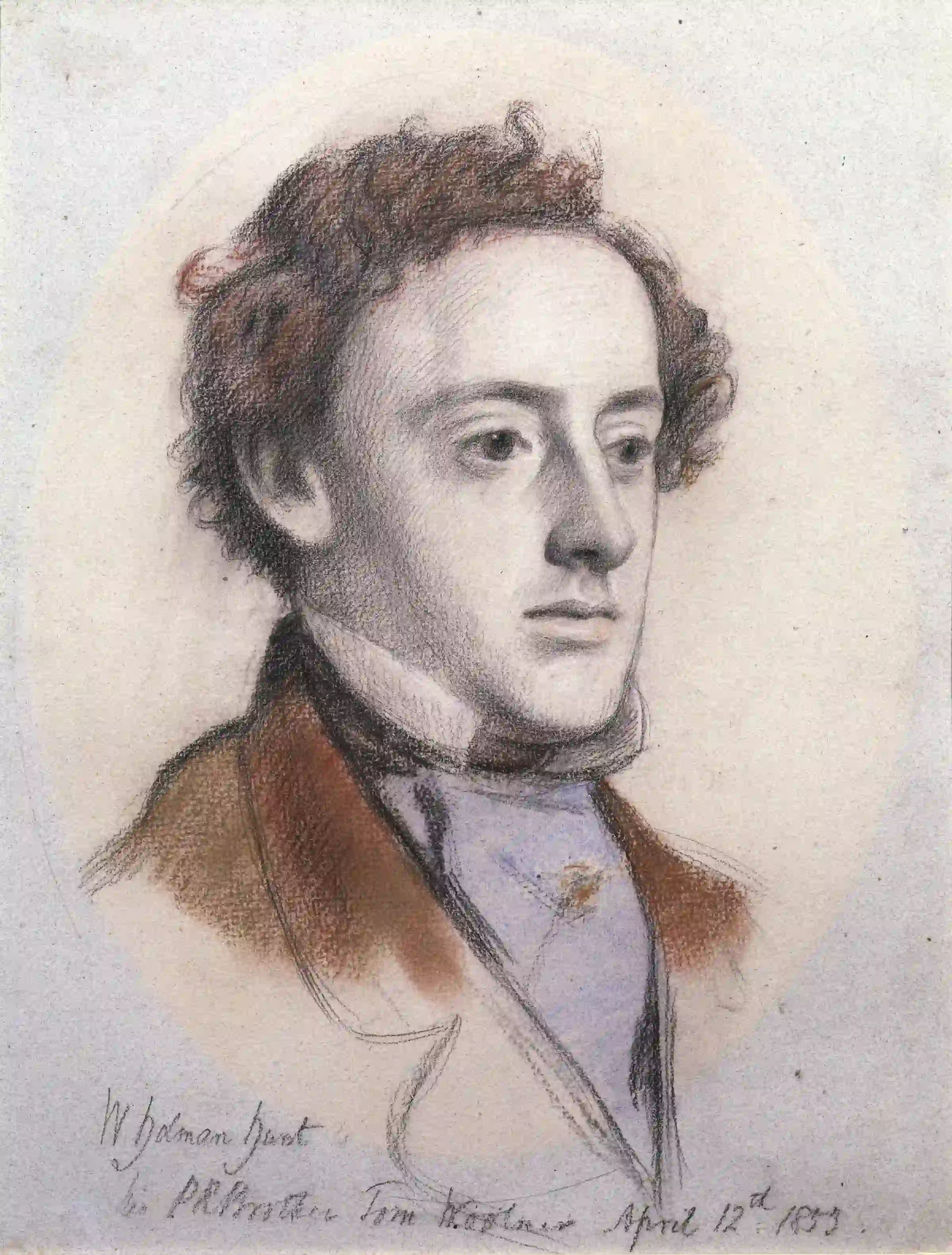
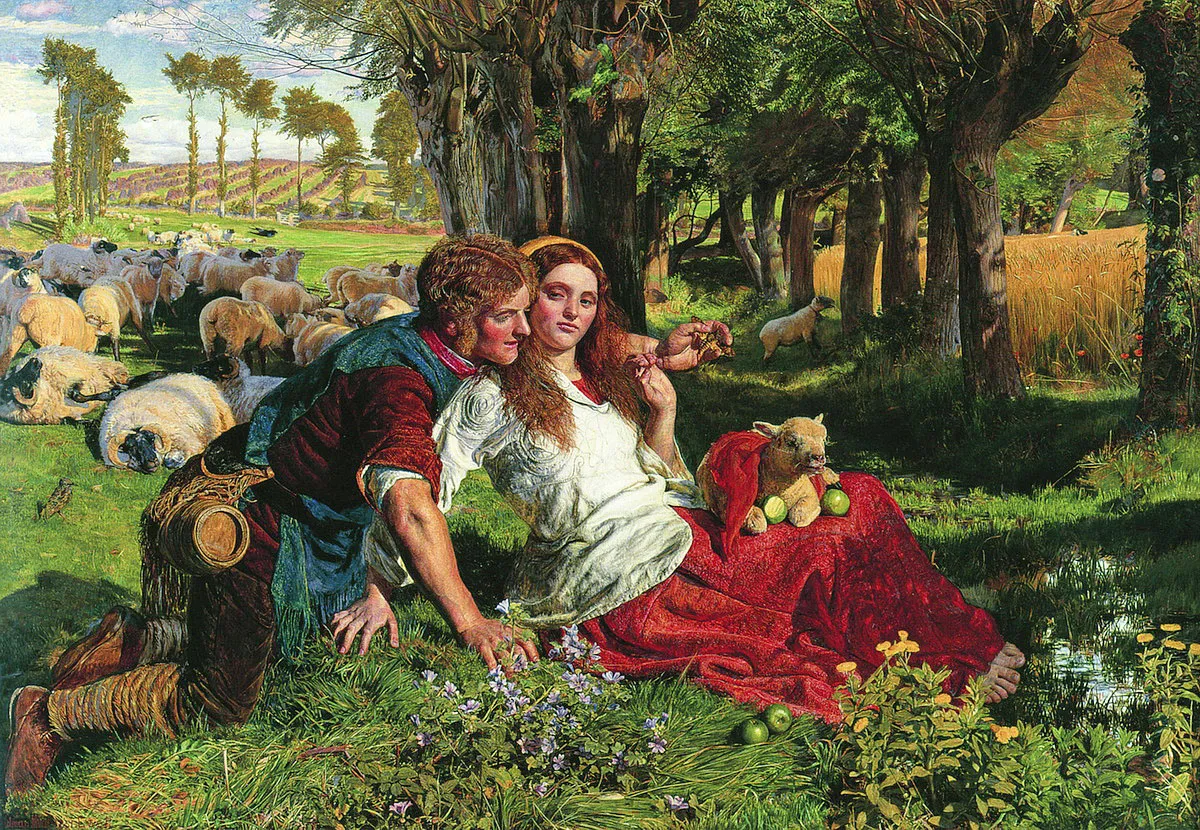
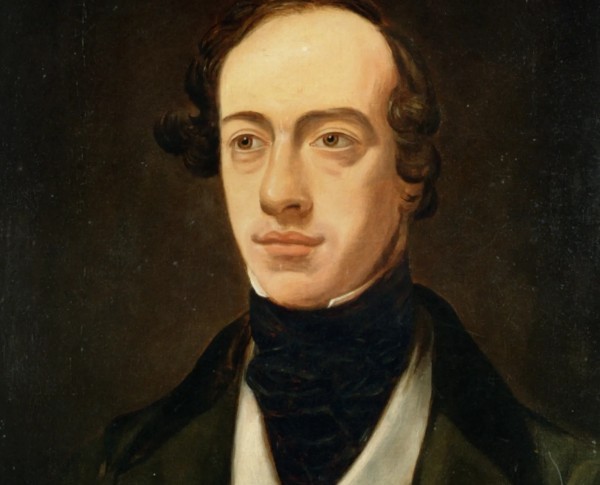
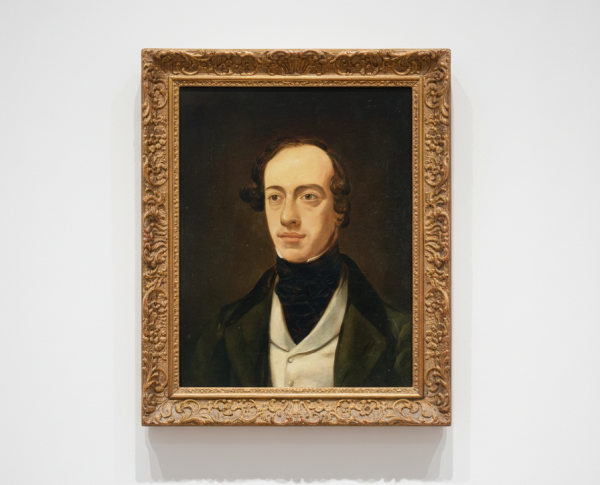
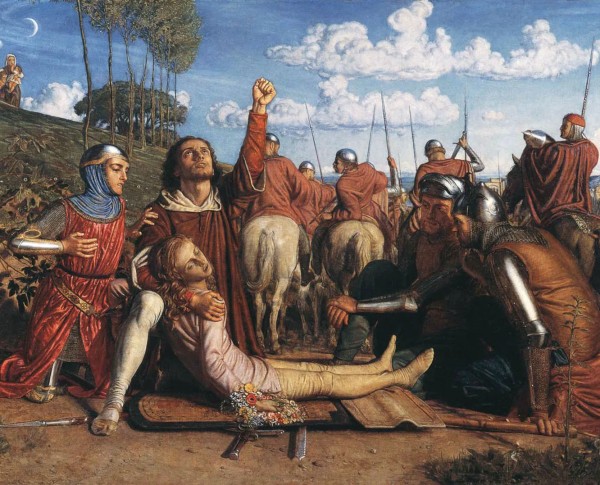
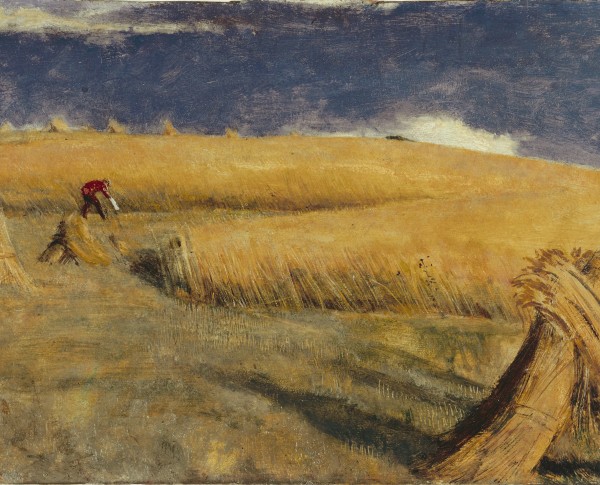
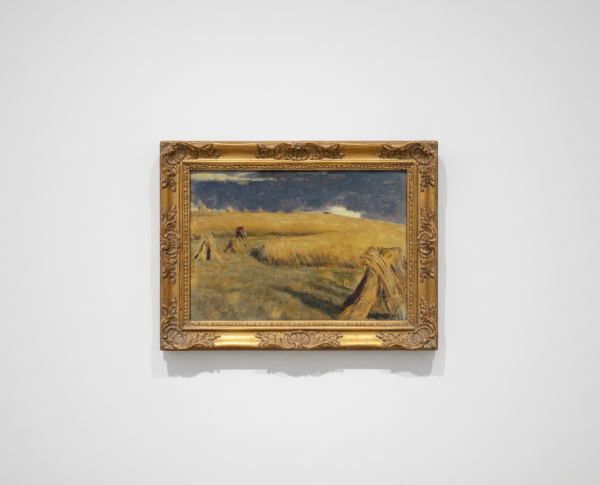
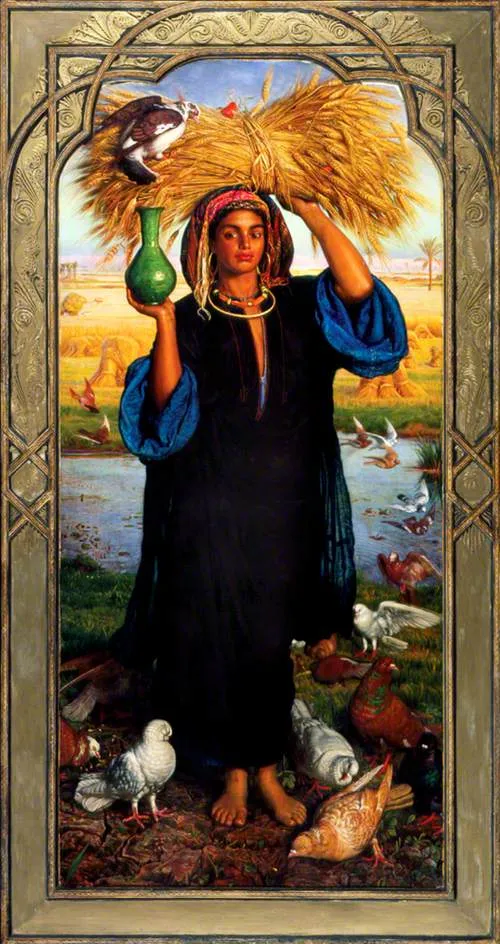
William Holman Hunt’s meticulous technique is evident in every detail of "Afterglow in Egypt," an exquisite example of oil on canvas artistry. The interplay of light and shadow demonstrates Hunt’s masterful control over his medium, a hallmark of the Romanticism movement. Each brushstroke brings the Egyptian afterglow to life, transporting viewers into a world of wonder. For those who admire Hunt’s skill, works like "Portrait of Dante Gabriel Rossetti" and "Our English Coasts" are equally captivating.
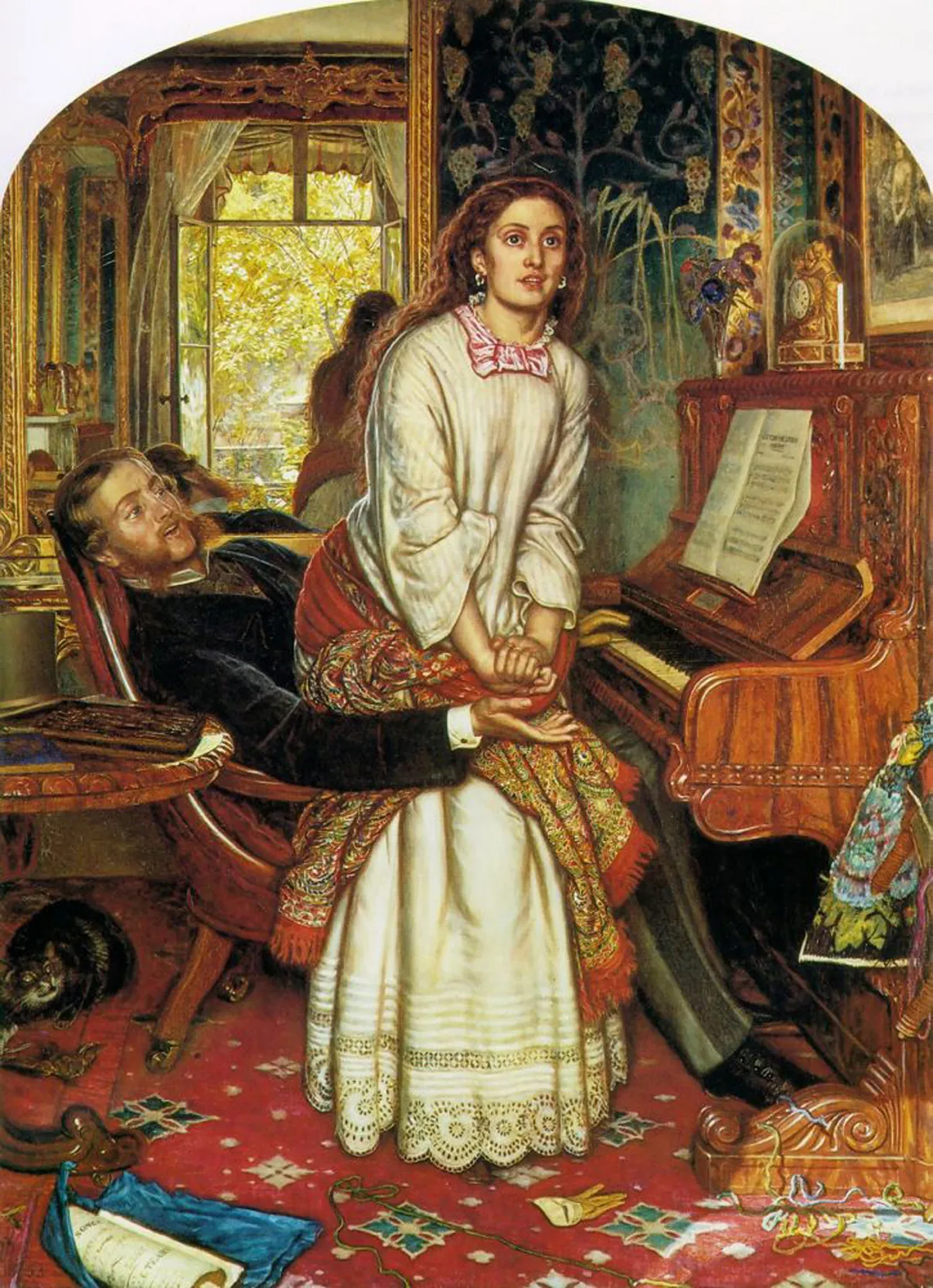
"Afterglow in Egypt" is more than a fine art painting for sale; it is a narrative woven through color and symbolism. William Holman Hunt infuses the canvas with layers of meaning, from the spiritual glow of dusk to the ancient landscapes that evoke timeless stories. Romanticism’s emphasis on emotion and symbolism shines in this piece. Discover similar thematic depth in Hunt’s "The Awakening Conscience" and "Portrait of John Everett Millais" for a richer artistic journey.
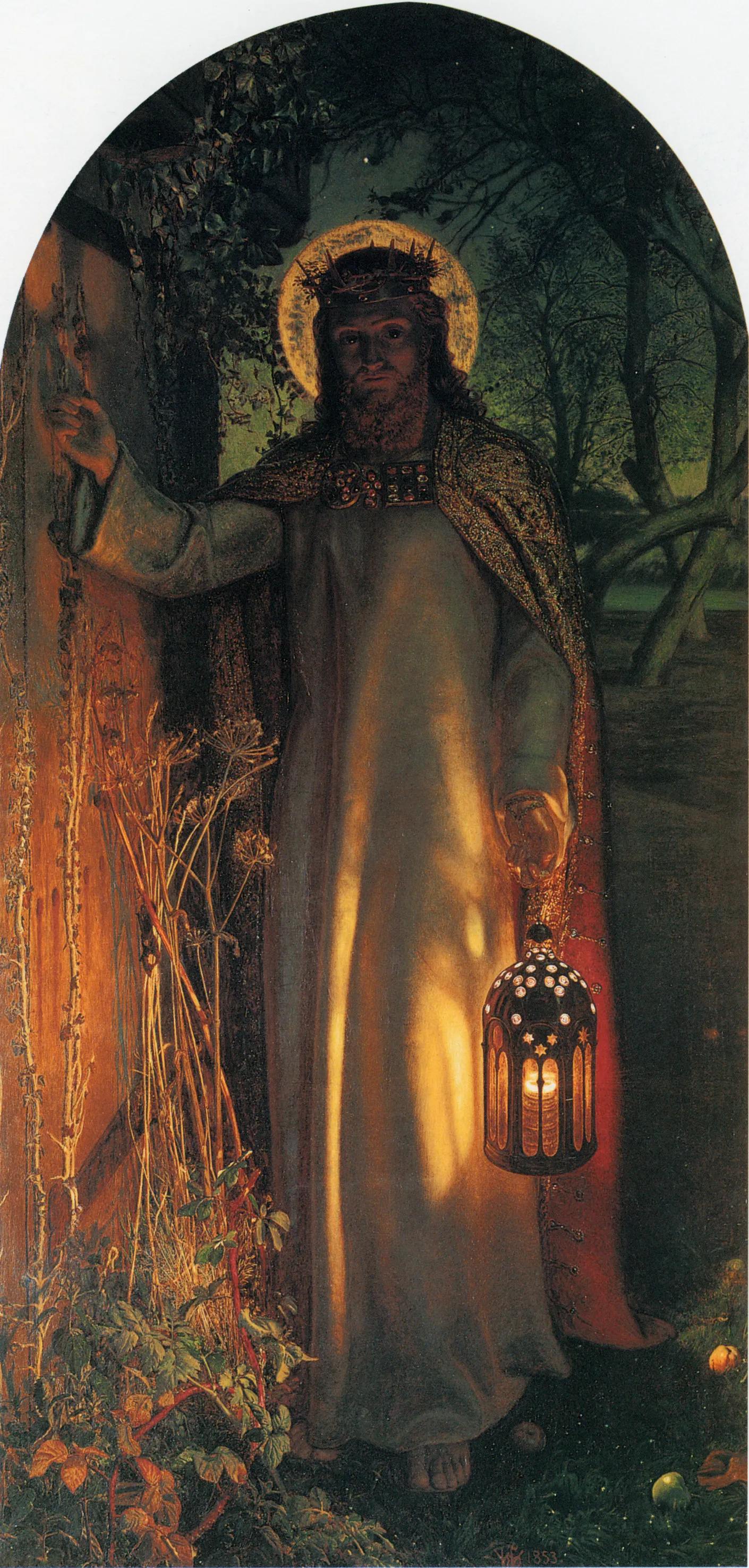
Owning "Afterglow in Egypt" by William Holman Hunt means acquiring a hand-painted oil painting that exemplifies the Romanticism movement’s beauty and depth. This artwork is a prized addition to any collection, offering both historical significance and visual splendor. Collectors may also be interested in related works such as "The Light of the World" and "Portrait of William Pink," each echoing Hunt’s unique vision and mastery. Invest in a masterpiece that continues to enchant across generations.
When Art Meets History
"Afterglow in Egypt" by William Holman Hunt is a remarkable hand-painted oil painting that immerses viewers in the evocative landscapes of Egypt. Created during the Romanticism movement, this work reflects Hunt’s fascination with historical settings and vibrant storytelling. Like related paintings such as "The Bear Dance, Ancient Rome" and "Agrippina Landing with the Ashes of Germanicus," Hunt’s masterpiece captures the intersection of historical grandeur and artistic imagination, making it a standout piece in the world of fine art.
Techniques That Speak
William Holman Hunt’s "Afterglow in Egypt" demonstrates masterful use of oil on canvas, a technique favored during the Romanticism period. The rich, luminous colors and intricate brushwork bring the Egyptian landscape to life, echoing the attention to detail seen in works like "Susanna and the Elders." Hunt’s dedication to realism and atmospheric effects makes this oil on canvas a testament to his technical prowess and the expressive potential of the Romantic movement.
Emotions on Display
The emotional resonance of "Afterglow in Egypt" is unmistakable, with Hunt’s use of light and shadow creating a contemplative mood. This fine art painting for sale captures the fleeting beauty of dusk, inviting viewers to reflect on themes of nostalgia and wonder. Similar to "Christopher Columbus Before the Council of Salamanca," Hunt’s work channels deep emotion through landscape, making "Afterglow in Egypt" a moving example of Romanticism’s power to stir the soul.
Coveted by Collectors
Collectors worldwide seek out William Holman Hunt’s "Afterglow in Egypt" for its unique blend of historical narrative and visual splendor. As a hand-painted oil painting from the Romanticism era, it stands alongside masterpieces like "Interview Between Napoleon and Francis II after the Battle of Austerlitz." The enduring allure of Hunt’s work ensures that this painting remains a highly prized addition to any collection of fine art painting for sale.
Related Romanticism Hand-Painted Oil Paintings by Other Artists
Other Famous Romanticism Artists:
Frequently Asked Questions About Afterglow in Egypt
What historical context influenced William Holman Hunt's "Afterglow in Egypt"?
"Afterglow in Egypt" was created during the 19th century, a period marked by European fascination with the exoticism of the East. Hunt's work reflects the Romantic movement's interest in nature and the sublime, as well as the growing interest in Egyptology following Napoleon's campaigns in Egypt.
What artistic techniques did Hunt employ in "Afterglow in Egypt"?
Hunt utilized meticulous detail and vibrant colors characteristic of the Pre-Raphaelite Brotherhood. His use of light and shadow creates a dramatic atmosphere, while the intricate depiction of flora and fauna showcases his dedication to realism and naturalism.
What is the significance of the title "Afterglow in Egypt"?
The title evokes the serene and mystical quality of the Egyptian landscape at dusk. It symbolizes a moment of reflection and tranquility, highlighting the interplay between light and darkness, which is a recurring theme in Hunt's work.
What symbols can be found in "Afterglow in Egypt" and what do they represent?
The painting features various symbols, including the lotus flower, which represents purity and rebirth in Egyptian culture. The presence of the palm trees and the setting sun further emphasizes themes of life, growth, and the passage of time.
How does "Afterglow in Egypt" reflect Hunt's personal beliefs and values?
Hunt was deeply influenced by his Christian faith and often infused his works with spiritual meaning. In "Afterglow in Egypt," the serene landscape can be interpreted as a metaphor for divine presence and the beauty of creation, reflecting his belief in the harmony of nature and spirituality.
What role does light play in "Afterglow in Egypt"?
Light is a central element in "Afterglow in Egypt," symbolizing hope and enlightenment. Hunt's careful rendering of the afterglow creates a contrast between the fading light and the encroaching darkness, suggesting a transition that can be interpreted as a metaphor for life's journey.
How does "Afterglow in Egypt" compare to other works by Hunt?
Compared to Hunt's other works, "Afterglow in Egypt" showcases his evolving style, particularly in his use of color and light. While many of his earlier pieces focused on religious themes, this painting reflects a broader exploration of nature and the landscape genre, marking a significant development in his artistic journey.
What impact did "Afterglow in Egypt" have on contemporary artists?
"Afterglow in Egypt" influenced contemporary artists by demonstrating the power of color and light in landscape painting. Hunt's attention to detail and emotional depth inspired later movements, including Impressionism, which sought to capture the fleeting effects of light and atmosphere.
What can be said about the composition of "Afterglow in Egypt"?
The composition of "Afterglow in Egypt" is carefully balanced, with the horizon line drawn low to emphasize the expansive sky. The arrangement of elements guides the viewer's eye through the painting, creating a sense of depth and inviting contemplation of the serene landscape.
In what ways does "Afterglow in Egypt" reflect the Pre-Raphaelite ideals?
The painting embodies Pre-Raphaelite ideals through its focus on nature, vivid colors, and intricate detail. Hunt's commitment to portraying beauty and truth aligns with the movement's goal of returning to the artistic principles that predated the High Renaissance, emphasizing a direct observation of the natural world.























_GFM_Painting_(1).webp)


 100% Hand-Painted: Finished in 3-6 Weeks

.png)















_(1).webp)