When Art Meets History
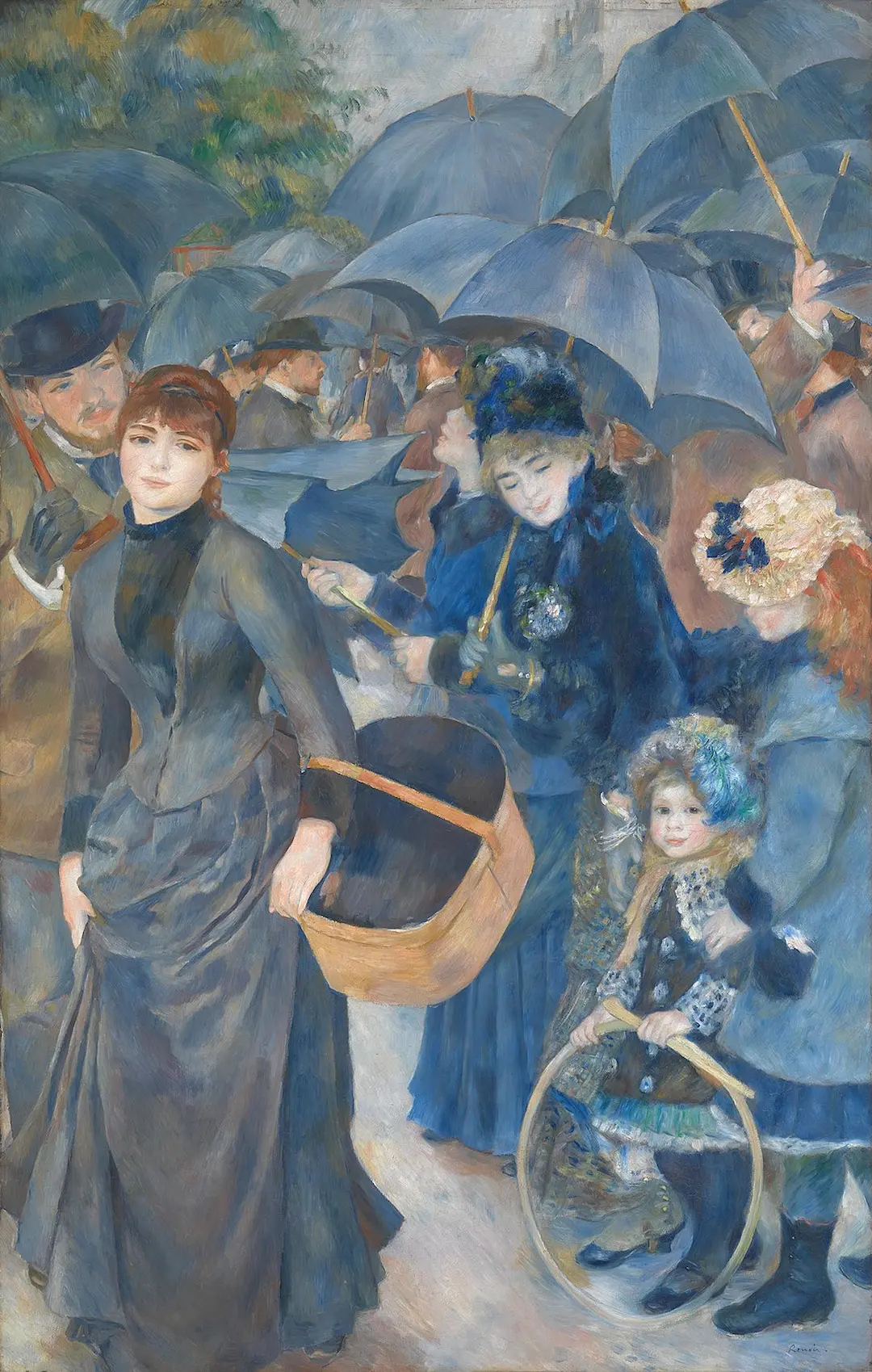
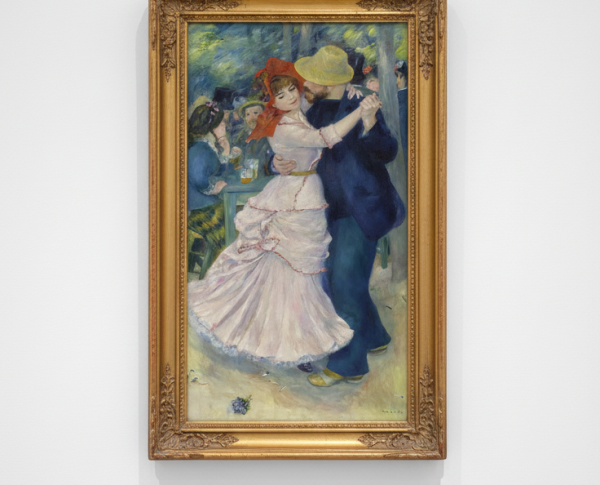
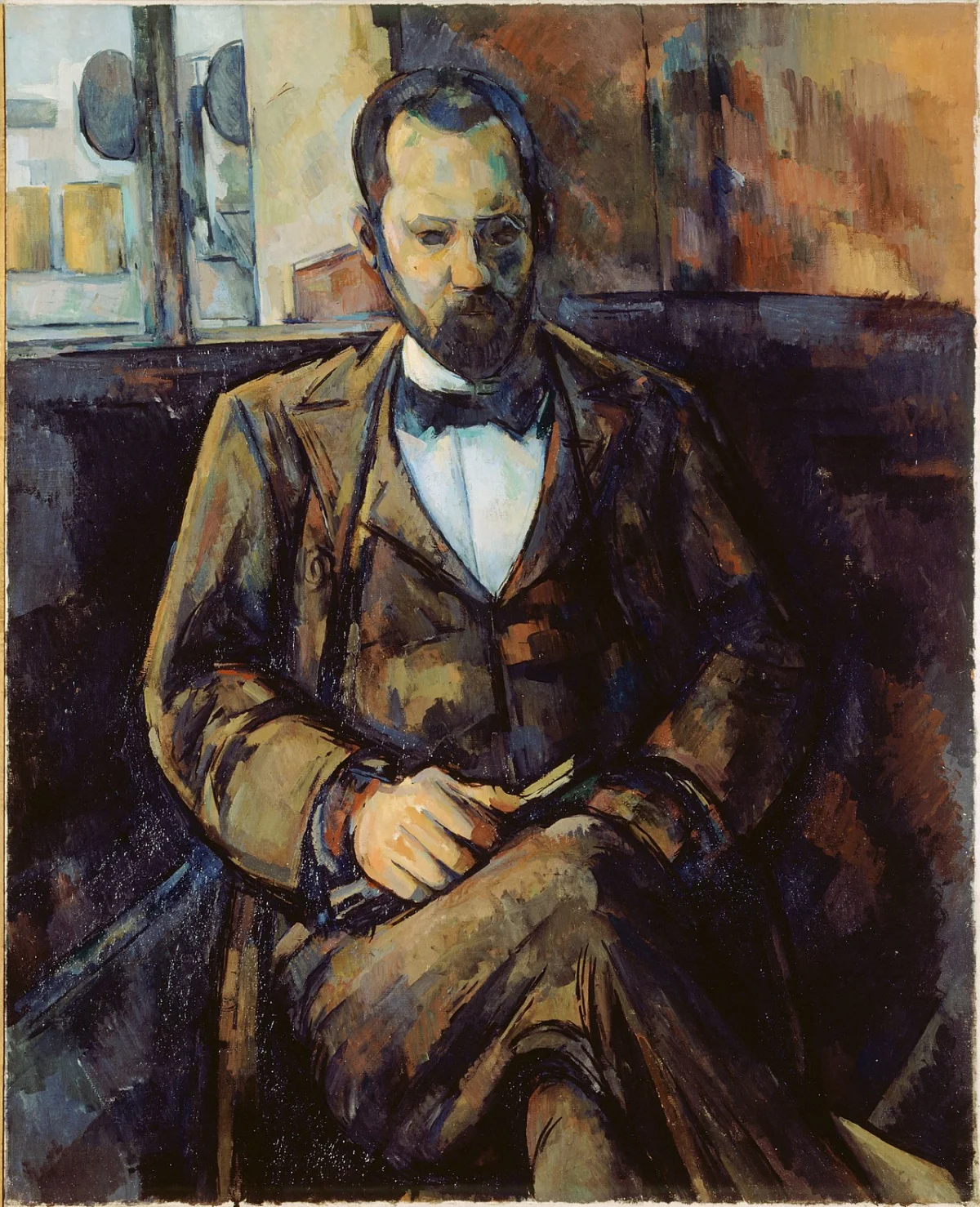
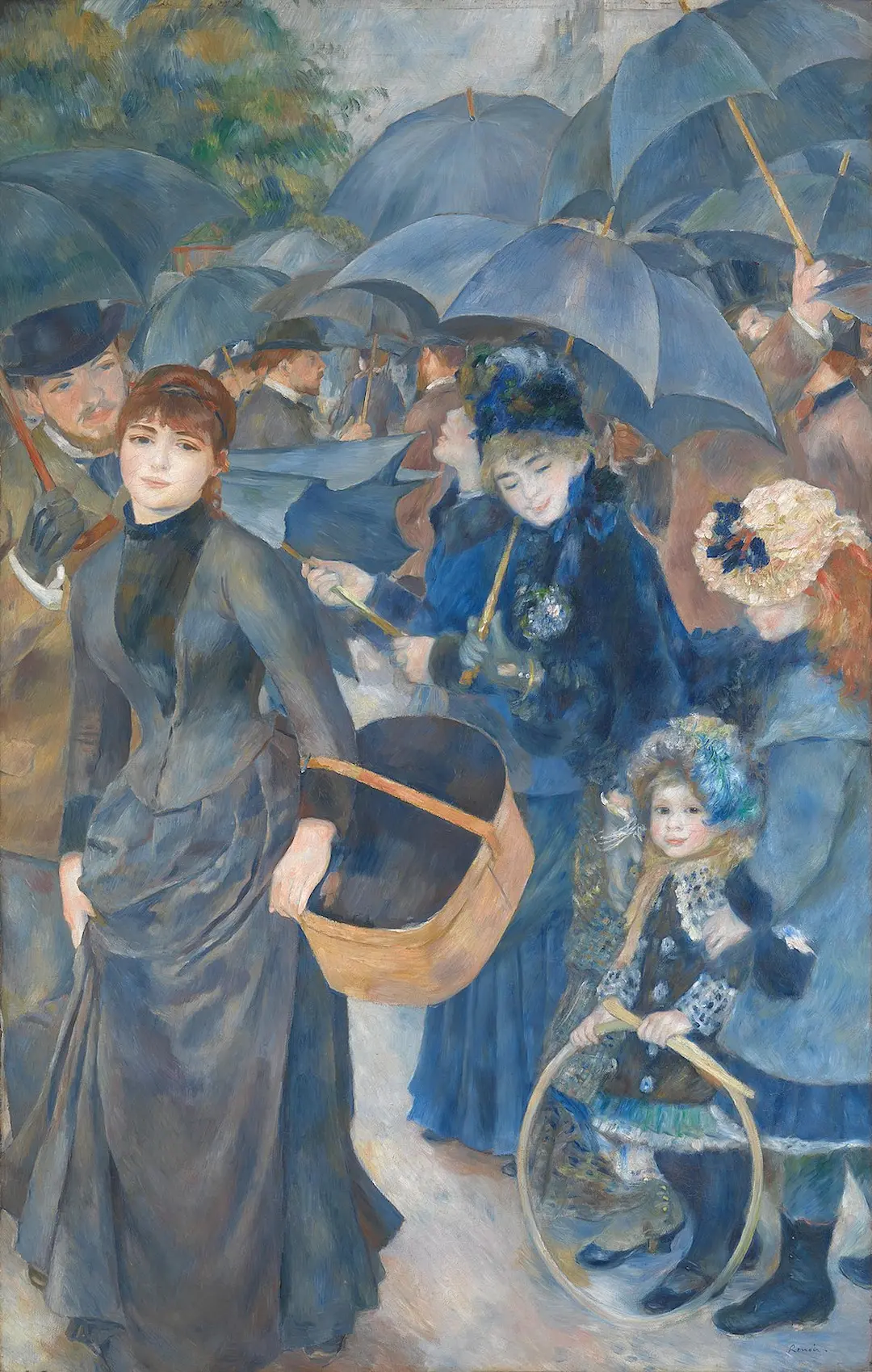
Pierre Auguste Renoir’s "Ambroise Vollard" stands as a testament to the Impressionism movement, capturing a pivotal figure in art history. This hand-painted oil painting immortalizes Vollard, a renowned art dealer, in a manner that reflects both the era and Renoir’s unique vision. Comparable masterpieces such as "Vue de toits" and "Paris Street; Rainy Day" also echo the vibrant social and historical context of the time, making each work a significant cultural artifact.
Techniques That Speak
Renoir’s "Ambroise Vollard" showcases his mastery of oil on canvas, employing quick, fluid brushstrokes and luminous color palettes typical of Impressionism. The artist’s technique brings Vollard to life, with light and shadow playing across the canvas in an almost tangible way. Similar to Renoir’s "Wild Poppies, Near Argenteuil" and "The Water Lily Pond Aka Japanese Bridge," this painting’s innovative style continues to influence contemporary artists and collectors who appreciate the subtleties of oil on canvas.
Emotions on Display
In "Ambroise Vollard," Pierre Auguste Renoir reveals not just a portrait but a study in character and mood. The expressive brushwork and warm tones evoke a sense of intimacy, inviting viewers into Vollard’s world. As with "The Fisherman" and other Impressionist works, this fine art painting for sale resonates emotionally, drawing out feelings of nostalgia and admiration for both the subject and the era he represents, making it a cherished addition to any collection.
Coveted by Collectors
The enduring appeal of "Ambroise Vollard" by Pierre Auguste Renoir makes it highly sought after in the art market. As a hand-painted oil painting from the Impressionism movement, it shares prestige with related works like "Paris Street; Rainy Day" and "The Water Lily Pond Aka Japanese Bridge." Collectors and enthusiasts value these masterpieces not only for their beauty but also for their historical significance, ensuring their place among the most desirable fine art painting for sale today.
Related Impressionism Hand-Painted Oil Paintings by Other Artists
Other Famous Impressionism Artists:
Frequently Asked Questions About Ambroise Vollard
What is the historical significance of "Ambroise Vollard"?
"Ambroise Vollard" is significant as it captures the essence of the art dealer who played a crucial role in promoting Impressionist artists, including Renoir. The painting reflects the relationship between artists and their patrons in the late 19th century.
Who was Ambroise Vollard and why is he important in art history?
Ambroise Vollard was a prominent art dealer and publisher in Paris, known for his support of Impressionist and Post-Impressionist artists. His influence helped shape the careers of many artists, making him a pivotal figure in art history.
What artistic techniques did Renoir employ in this painting?
Renoir utilized loose brushwork and vibrant colors to convey a sense of warmth and intimacy. The use of light and shadow enhances the three-dimensionality of Vollard's figure, showcasing Renoir's mastery of portraiture.
What does the composition of "Ambroise Vollard" convey about the subject?
The composition, with Vollard seated and engaged in thought, suggests a contemplative and authoritative presence. This positioning emphasizes his role as a mediator between artists and the public, highlighting his importance in the art world.
How does the color palette used in "Ambroise Vollard" reflect Renoir's style?
The color palette features warm earth tones and soft hues, characteristic of Renoir's style during this period. This choice enhances the emotional depth of the portrait, inviting viewers to connect with Vollard on a personal level.
What symbols can be found in "Ambroise Vollard" and what do they represent?
While the painting primarily focuses on Vollard's likeness, the background elements may symbolize the artistic environment of the time, representing the connection between the artist and the broader art community.
In what year was "Ambroise Vollard" painted and how does it fit into Renoir's body of work?
"Ambroise Vollard" was painted in 1910, during a period when Renoir was exploring more complex compositions and subjects. This work reflects his evolution as an artist and his continued engagement with portraiture.
What influence did "Ambroise Vollard" have on subsequent portraiture?
The painting influenced later portrait artists by demonstrating the importance of capturing not just the likeness but also the character and essence of the subject, paving the way for more expressive and personal approaches in portraiture.
How does "Ambroise Vollard" exemplify the characteristics of Impressionism?
The painting exemplifies Impressionism through its emphasis on light, color, and the fleeting moment. Renoir's approach to capturing the personality of Vollard reflects the movement's focus on individual perception and experience.
What was the public's reaction to "Ambroise Vollard" upon its exhibition?
The public's reaction to "Ambroise Vollard" was one of intrigue, as it showcased a prominent figure in the art world. The painting was well-received, contributing to the ongoing appreciation of Renoir's work and the significance of art dealers in the promotion of artists.






















_GFM_Painting_(1).webp)


 100% Hand-Painted: Finished in 3-6 Weeks

.png)

















_(1).webp)