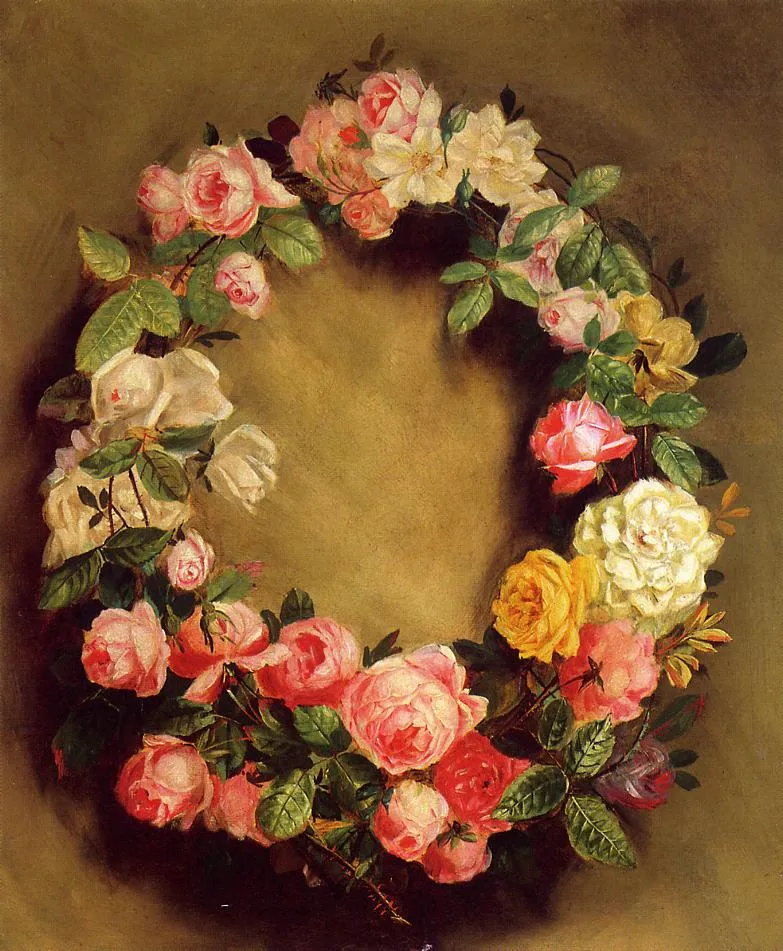
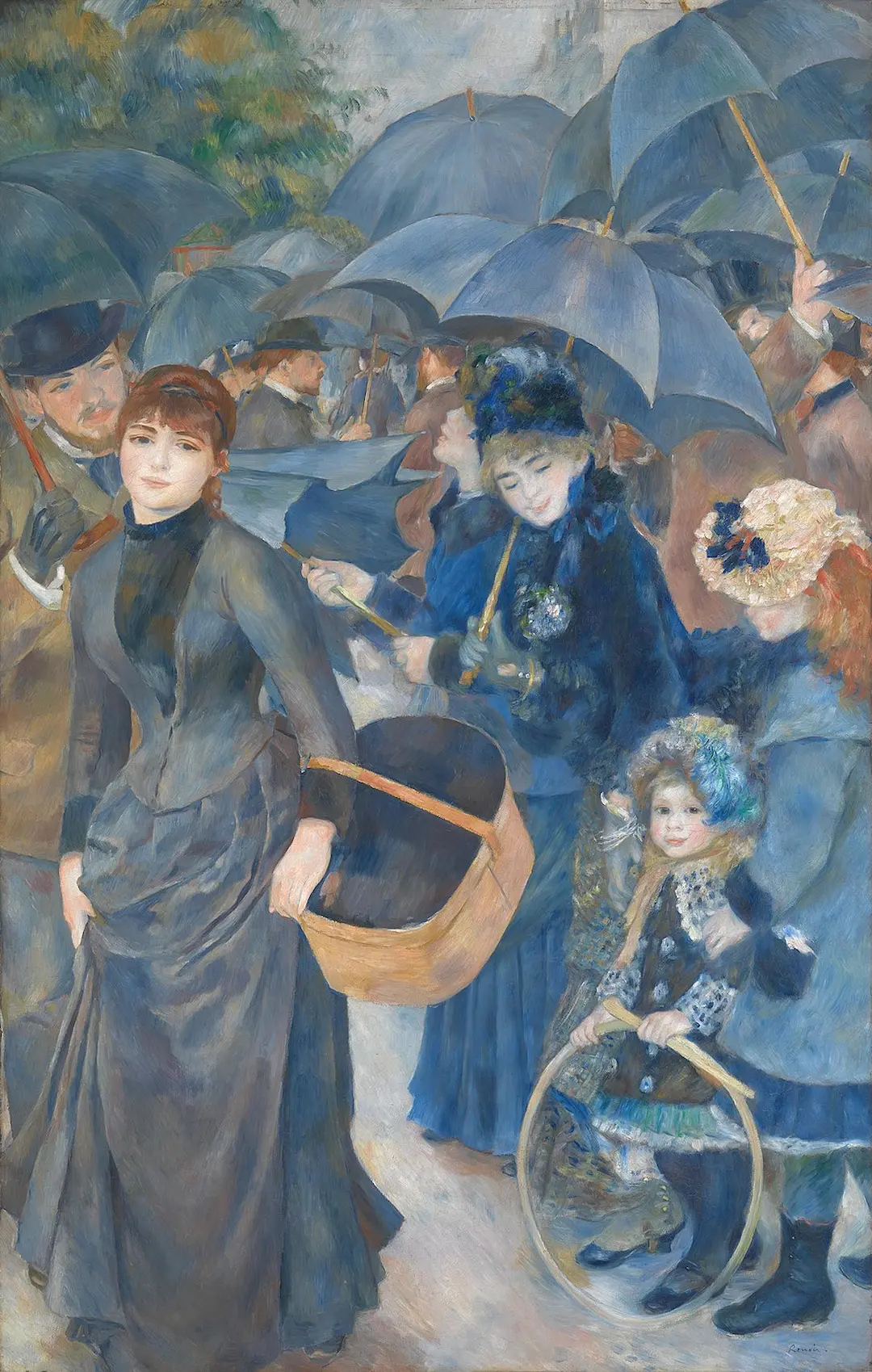
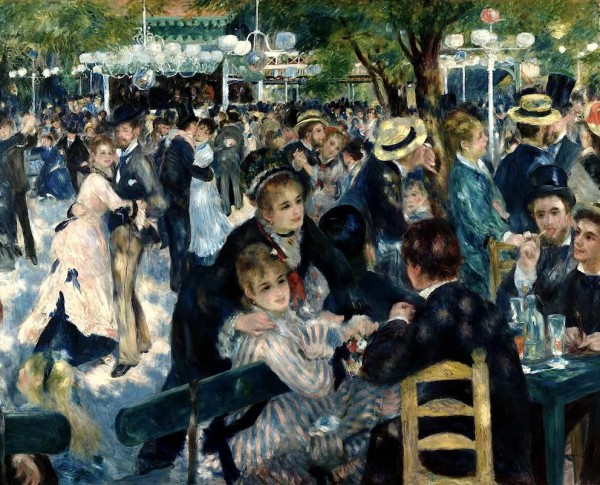
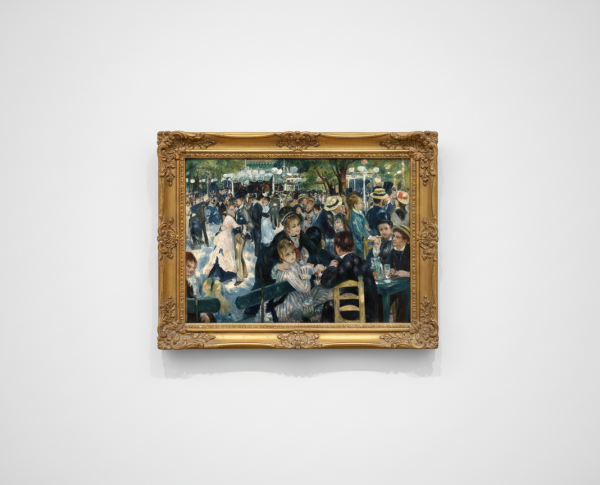
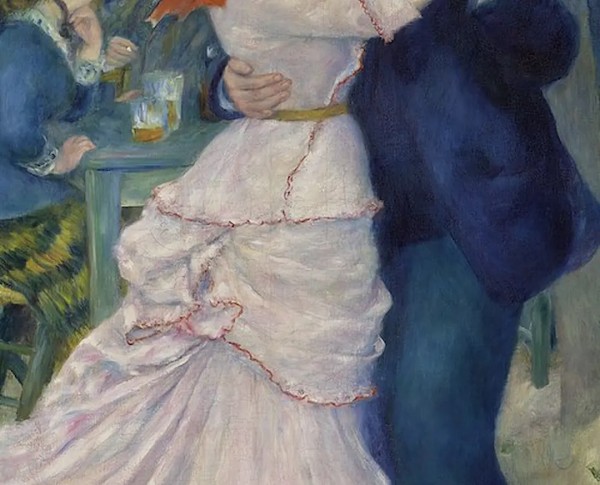
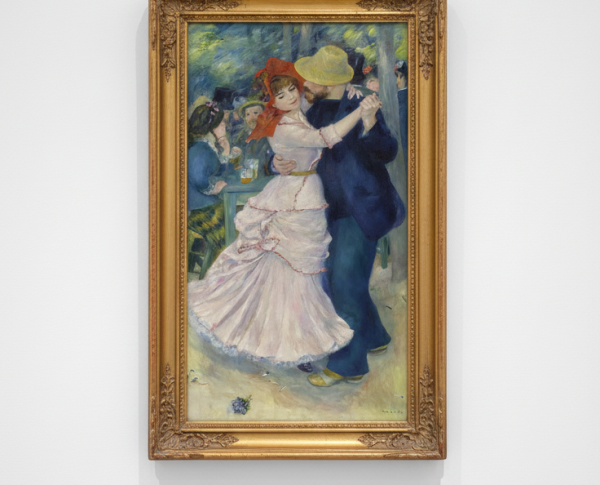
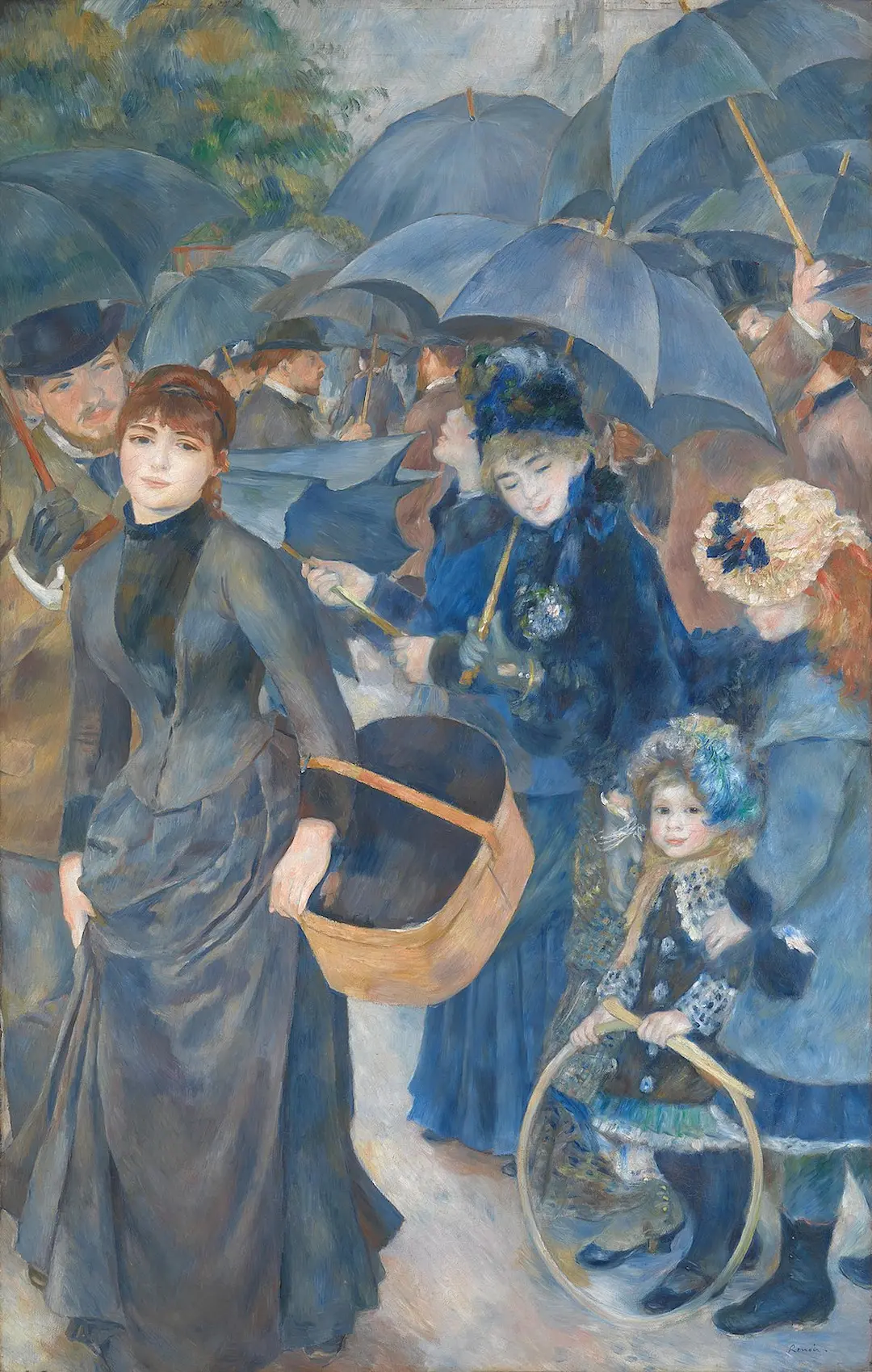
Renoir’s "Woman in Black" exemplifies the artist’s mastery with oil on canvas, where delicate brushwork and vibrant colors bring the subject to life. The subtle play of light and shadow reveals Renoir’s keen observation, a hallmark of the Impressionism movement. Art lovers who admire such technique may also enjoy related works such as "Umbrellas" or "Spring Bouquet," both displaying Renoir’s exquisite control and the evocative beauty found in every fine art painting for sale.
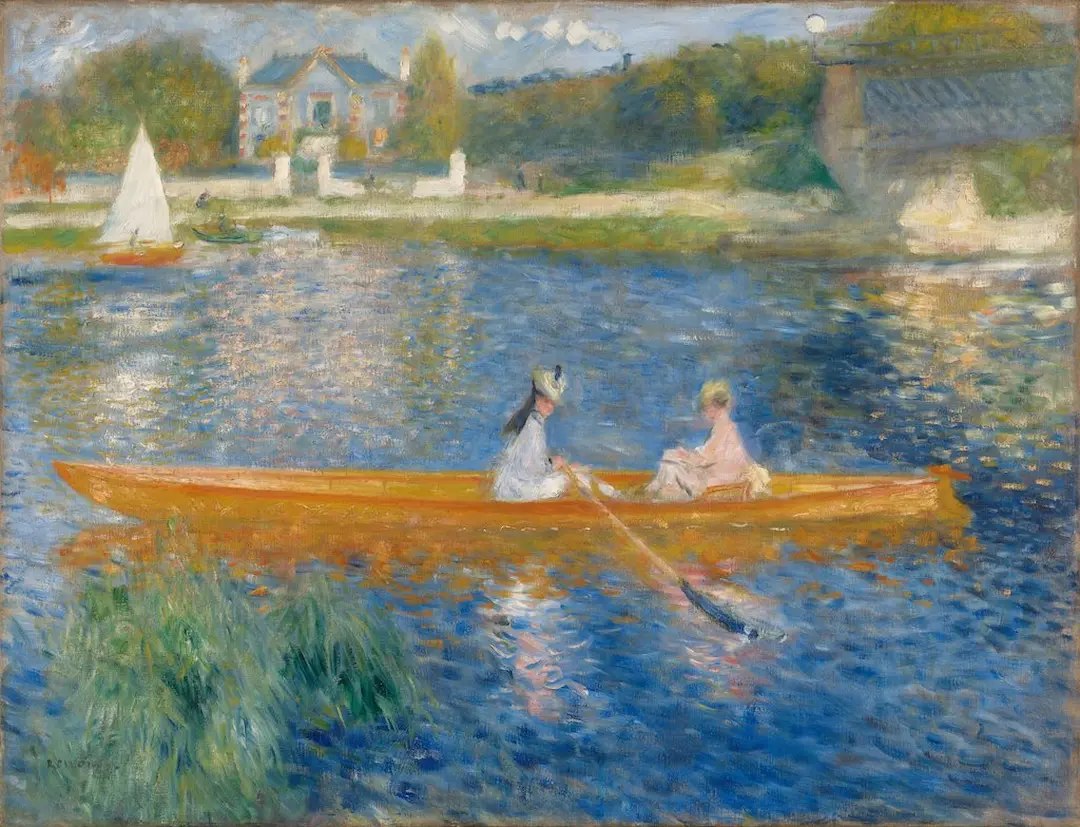
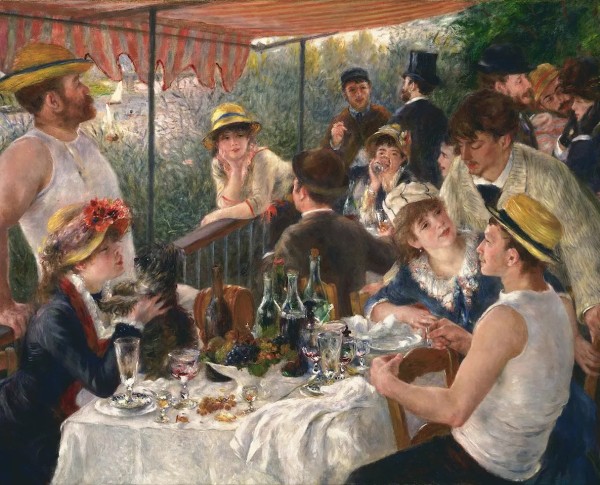
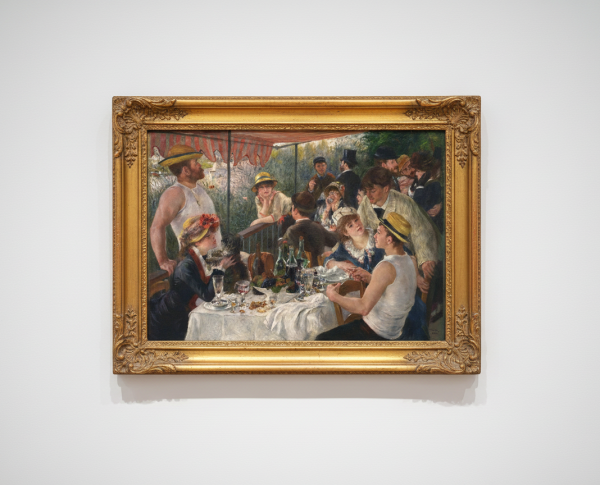
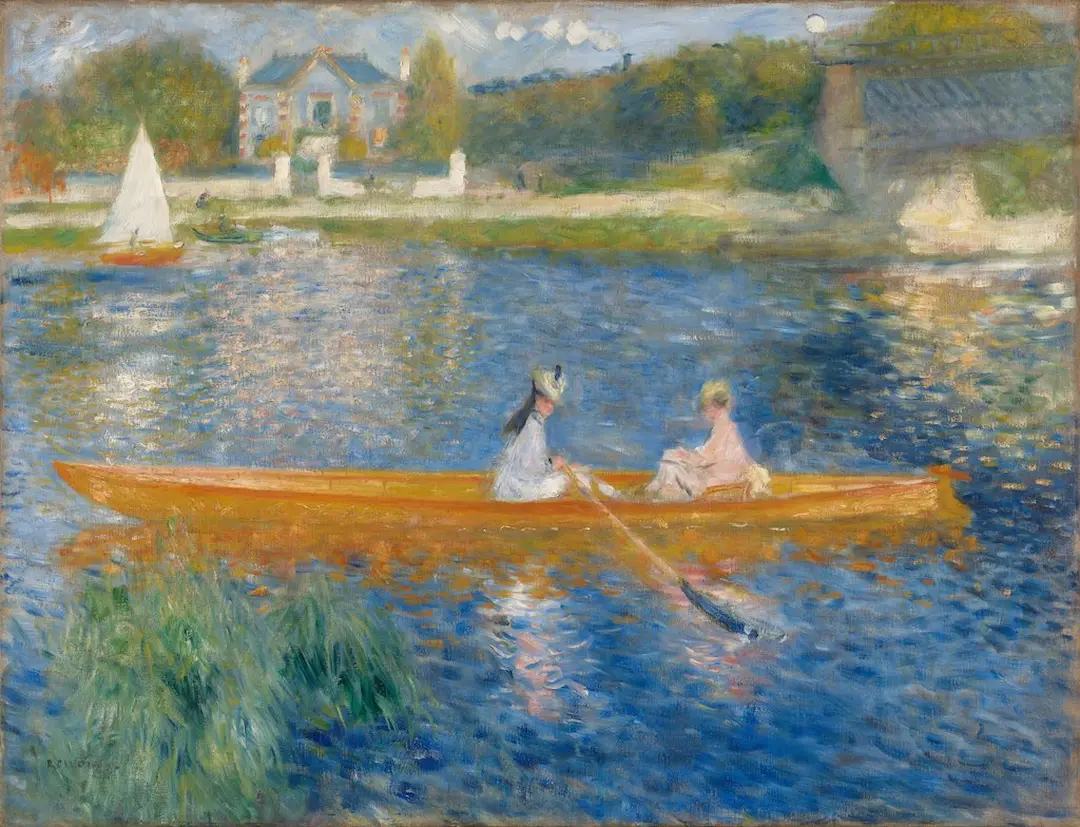
Within "Woman in Black," Renoir weaves a narrative of mystery and elegance, inviting viewers to ponder the story behind the sitter’s gaze. This hand-painted oil painting captures not only the fashion and demeanor of the era but also the emotional undertones characteristic of Impressionism. Collectors seeking more of Renoir’s storytelling might explore "The Seine At Asnieres Aka The Skiff" or "Luncheon Of The Boating Party" for further insight into his symbolic compositions.
Owning "Woman in Black" is more than possessing an oil on canvas; it’s acquiring a piece of art history by Pierre Auguste Renoir. This fine art painting for sale appeals to collectors who appreciate the Impressionism movement’s vibrant legacy. To enrich a collection, consider pairing it with related products such as "Spring Bouquet" or "Luncheon Of The Boating Party," each offering a unique perspective on Renoir’s celebrated artistic vision.
When Art Meets History
Pierre Auguste Renoir’s "Woman in Black" stands as a testament to the Impressionism movement’s transformative influence on art history. Painted during a period of rapid social change, this hand-painted oil painting captures the spirit of late 19th-century Parisian life. Renoir, like his contemporaries behind works such as "Garden at Sainte-Adresse" and "Ballet Rehearsal," infused everyday scenes with vibrancy and light, making "Woman in Black" an enduring cultural artifact.
Techniques That Speak
"Woman in Black" showcases Renoir’s mastery of oil on canvas, a hallmark of the Impressionist style. Through delicate brushwork and a keen understanding of color, Renoir breathes life into his subject, mirroring the atmospheric qualities found in "Houses of Parliament series" and "Vue de toits." The artist’s innovative layering techniques and play with natural light ensure this masterpiece stands out among other oil on canvas works of the era.
Emotions on Display
Renoir’s "Woman in Black" evokes a contemplative mood, drawing viewers into the sitter’s enigmatic world. The subtle interplay of shadow and light in this fine art painting for sale highlights the emotional depth typical of Impressionism, reminiscent of the introspective tone in "Young Spartans Exercising." Through nuanced expression and posture, Renoir allows us to glimpse the inner life and quiet dignity of his subject, making the painting deeply relatable.
Coveted by Collectors
"Woman in Black" remains highly sought after by art enthusiasts and collectors worldwide, thanks to Renoir’s enduring reputation and the painting’s historical significance. As with other hand-painted oil paintings by Impressionist masters, its provenance and connection to related works like "Garden at Sainte-Adresse" and "Ballet Rehearsal" enhance its allure. Today, this masterpiece is celebrated as a fine art painting for sale, cherished for its beauty and cultural resonance.
Related Impressionism Hand-Painted Oil Paintings by Other Artists
Other Famous Impressionism Artists:
Frequently Asked Questions About Woman in Black
Who is the artist of "Woman in Black"?
The painting "Woman in Black" was created by the renowned French artist Pierre Auguste Renoir, a leading figure in the Impressionist movement.
What year was "Woman in Black" painted?
"Woman in Black" was painted in 1880, during a period when Renoir was exploring themes of modern life and the role of women in society.
What is the significance of the color black in this painting?
The color black in "Woman in Black" symbolizes elegance and sophistication, while also reflecting the societal norms of the time regarding women's fashion and identity.
What artistic techniques did Renoir employ in "Woman in Black"?
Renoir utilized loose brushwork and a vibrant palette to create a sense of movement and life, characteristic of his Impressionist style, while also highlighting the subject's form and presence.
Who is the subject of "Woman in Black"?
The subject of the painting is believed to be a woman of the Parisian bourgeoisie, representing the modern woman of the late 19th century, often depicted in fashionable attire.
What themes are explored in "Woman in Black"?
The painting explores themes of femininity, identity, and social status, capturing the essence of women's roles in society during Renoir's time.
How does "Woman in Black" reflect the Impressionist movement?
"Woman in Black" reflects the Impressionist movement through its emphasis on capturing the fleeting moments of everyday life, as well as the use of light and color to convey mood and atmosphere.
What is the historical context of "Woman in Black"?
The painting was created during a time of significant social change in France, particularly regarding women's rights and fashion, marking a shift in how women were perceived in public life.
Is "Woman in Black" part of a larger series or collection?
"Woman in Black" is not part of a specific series, but it is representative of Renoir's broader exploration of women and their roles in society throughout his body of work.
Where can I view "Woman in Black" today?
"Woman in Black" is housed in a prominent art collection, and it is often featured in exhibitions that focus on Impressionism and Renoir's contributions to the art world.






















_GFM_Painting_(1).webp)


 100% Hand-Painted: Finished in 3-6 Weeks

.png)

















_(1).webp)