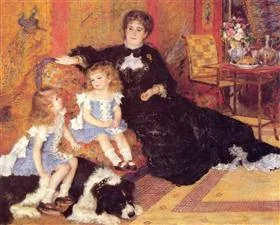
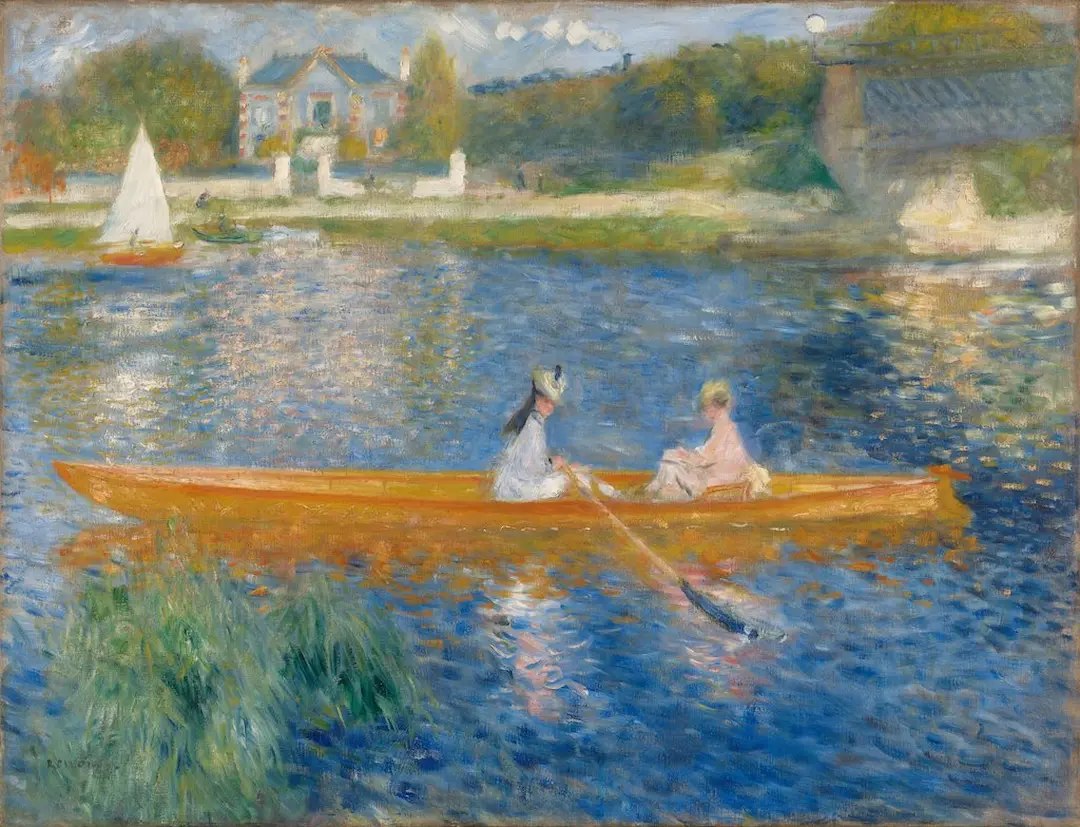
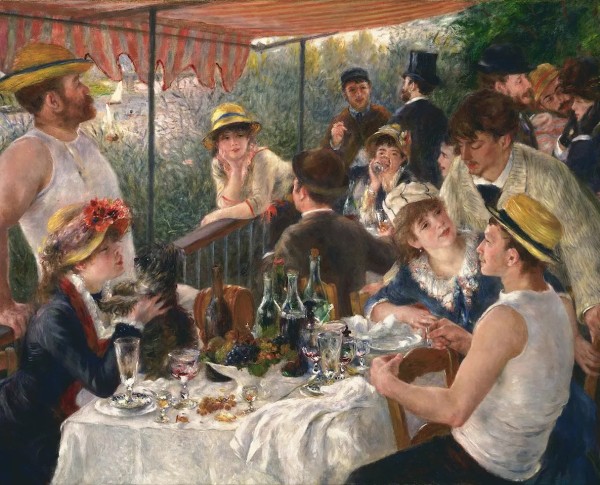
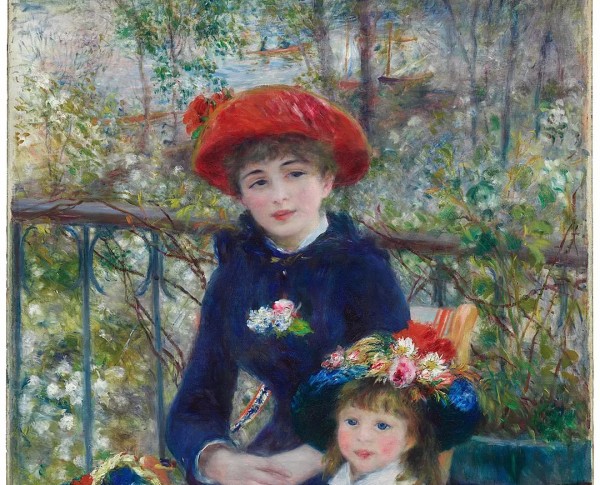
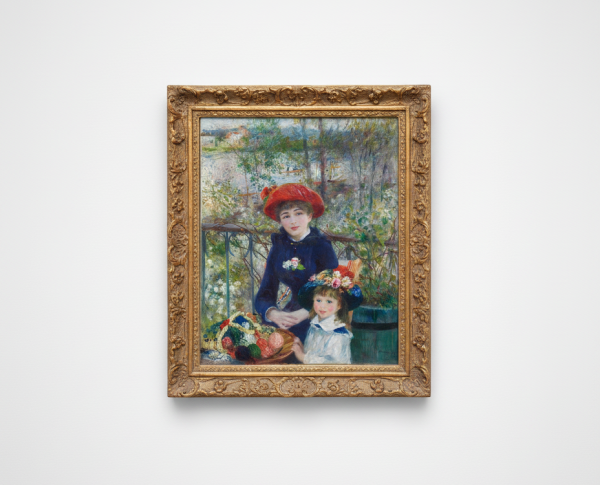
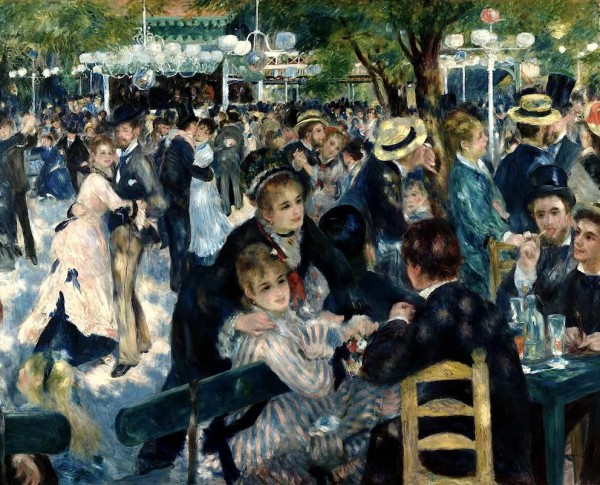
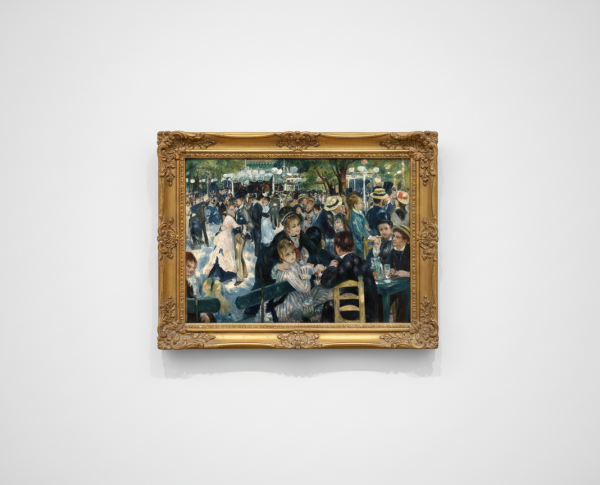
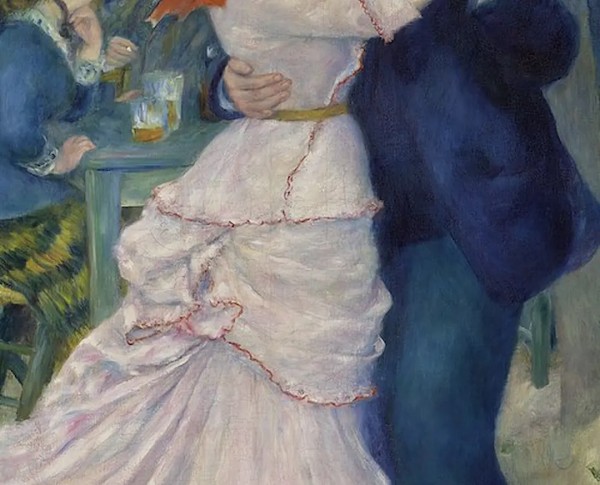
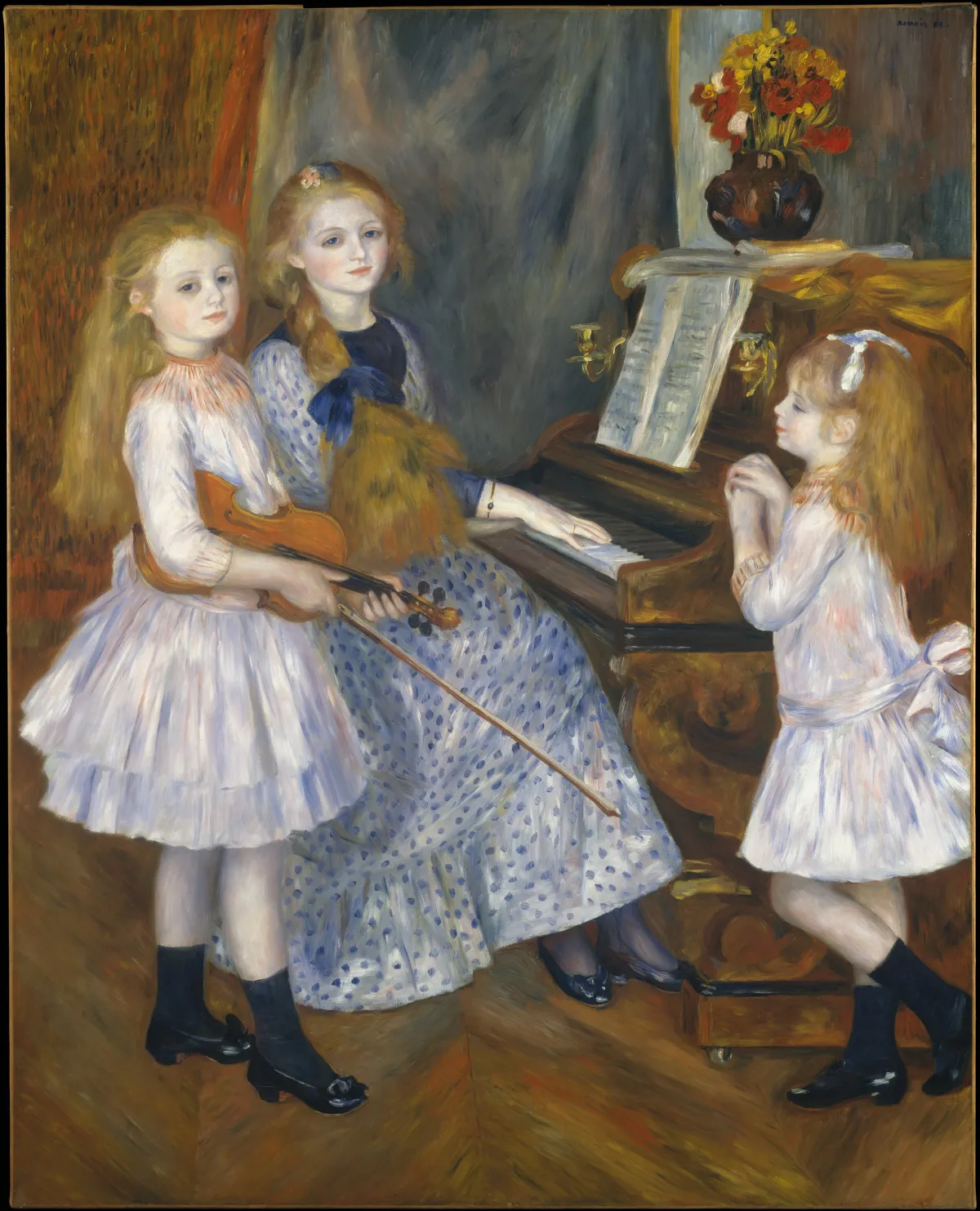
Renoir’s use of oil on canvas in "The Daughters of Catulle Mendès" showcases his ability to blend light and color with extraordinary skill. The soft brushwork and vibrant palette bring the figures to life, reflecting the core principles of Impressionism. This painting, along with works like "Dance At Bougival" and "Two Sisters Aka On The Terrace," exemplifies the technical brilliance that makes Renoir’s art so coveted among enthusiasts of oil on canvas masterpieces.
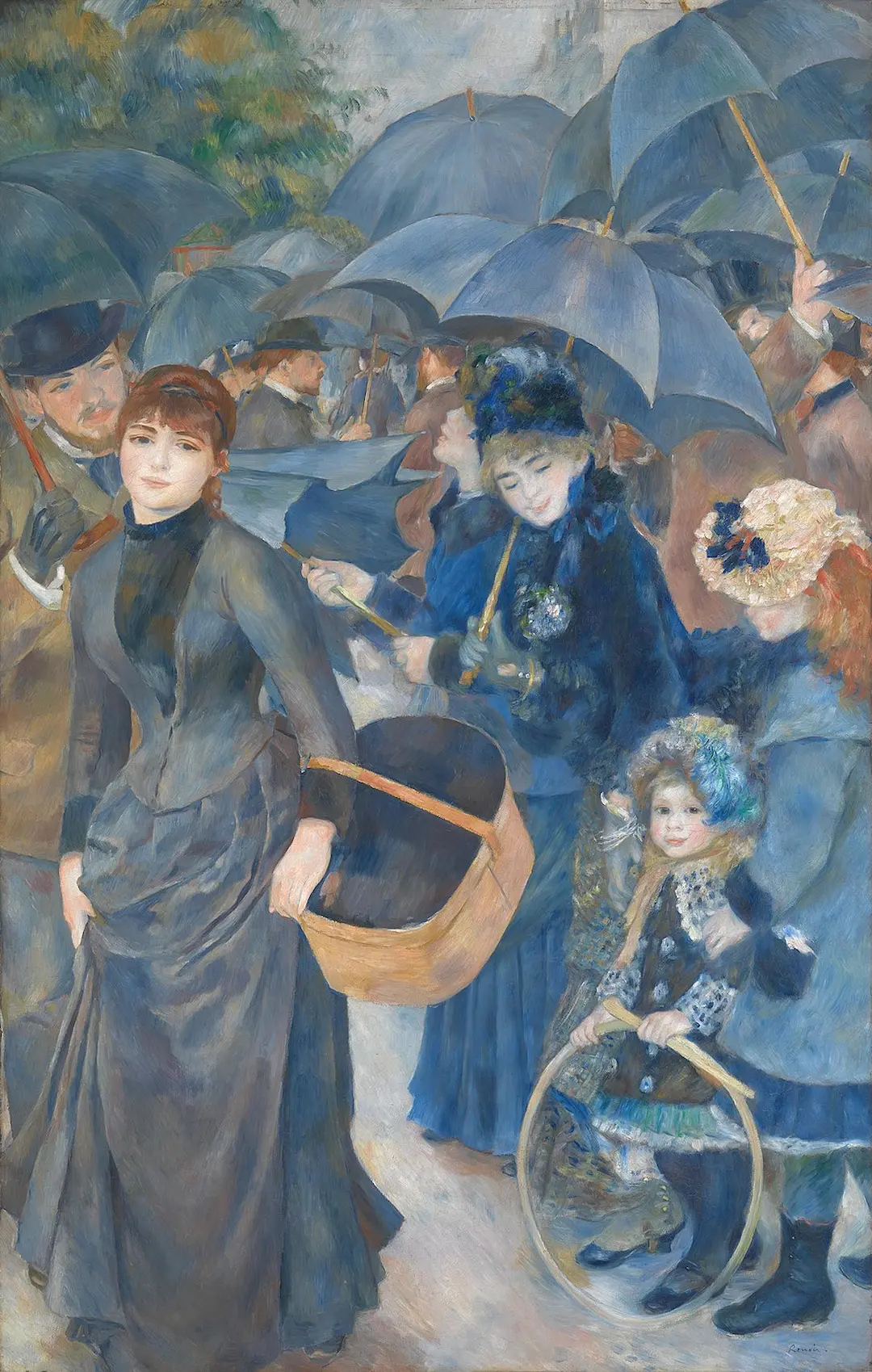
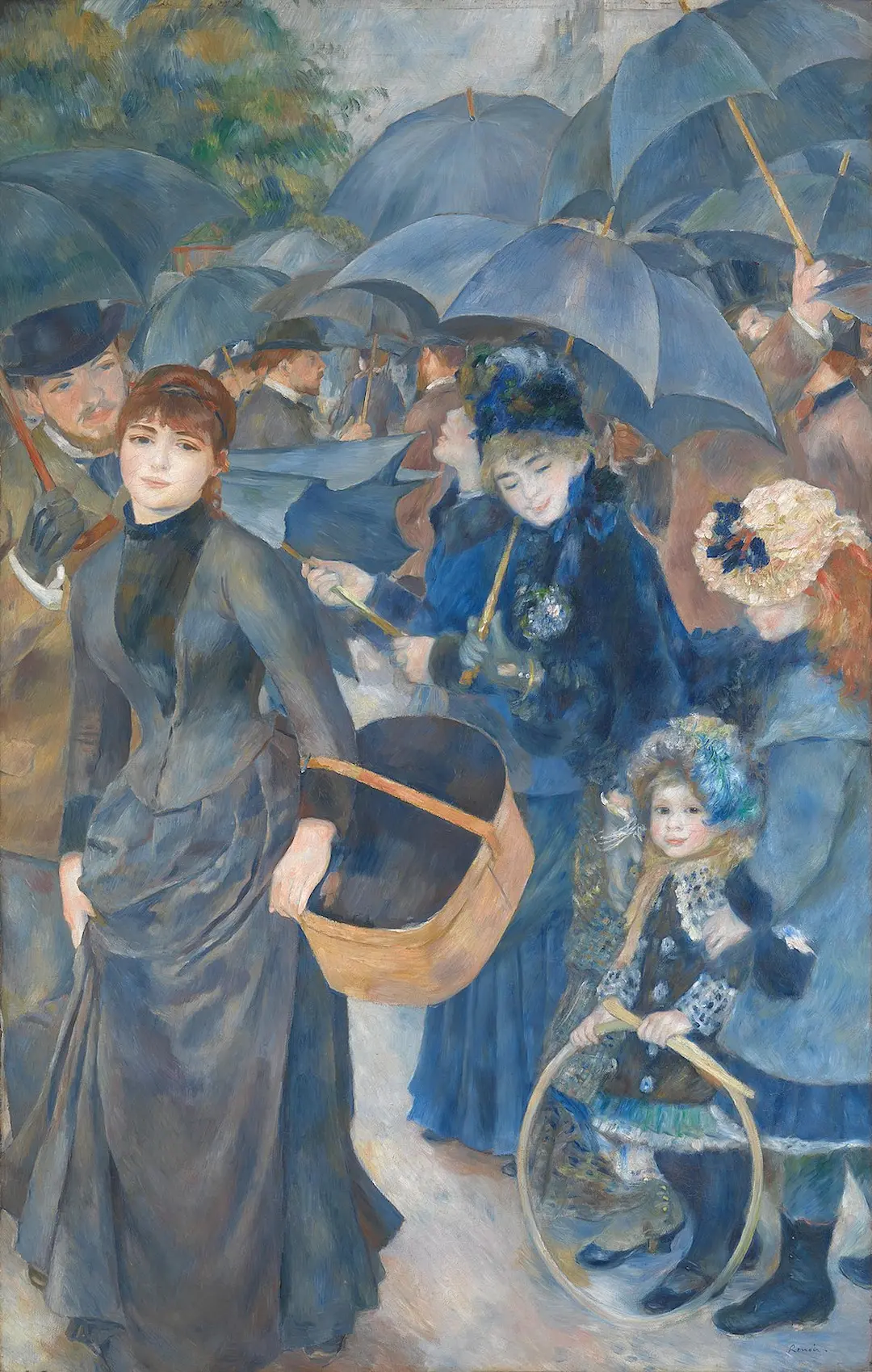
"The Daughters of Catulle Mendès" is more than a fine art painting for sale; it is a visual narrative. Renoir weaves subtle stories through the sisters’ expressions and their harmonious setting, evoking themes of youth and familial bonds. As with other works like "Umbrellas" and "Dance At The Moulin De La Galette," this piece offers layers of meaning, inviting viewers to interpret its Impressionist symbolism and emotional depth within the context of Renoir’s larger body of work.
For collectors seeking a fine art painting for sale, "The Daughters of Catulle Mendès" represents a prized addition. Renoir’s Impressionist technique and the painting’s historical significance elevate its value in any collection. Pairing this masterpiece with related products such as "Spring Bouquet" or "Dance At The Moulin De La Galette" allows art lovers to curate a cohesive selection of Renoir’s most celebrated hand-painted oil paintings, celebrating the enduring allure of Impressionism.
When Art Meets History
Pierre Auguste Renoir’s "The Daughters of Catulle Mendès" stands as a remarkable testament to the Impressionism movement. This hand-painted oil painting captures the essence of late 19th-century Parisian society through the delicate portrayal of Catulle Mendès’ daughters. Just as in related works like "Racehorses at Longchamp" and "Le Pont de l'Europe," Renoir masterfully intertwines personal narrative with broader cultural shifts, making this piece a significant milestone in the evolution of Impressionist art.
Techniques That Speak
Utilizing his signature oil on canvas technique, Renoir brings vibrant life and movement to "The Daughters of Catulle Mendès." His use of quick, light brushstrokes and a luminous color palette exemplifies the hallmarks of Impressionism, much like in "After a Bath. Woman Drying the Back of her Neck." This painting demonstrates Renoir’s skill at capturing fleeting moments, allowing viewers to experience the warmth and intimacy of a family scene rendered through the artist’s unique vision.
Emotions on Display
"The Daughters of Catulle Mendès" is a fine art painting for sale that radiates emotion and charm. Renoir’s sensitive depiction of his subjects conveys both innocence and sophistication, inviting viewers into their world. Similar to the emotional depth found in "And They Still Say Fish is Expensive!" and "The Fisherman," Renoir’s brushwork and composition evoke a sense of tenderness and connection, making this Impressionist masterpiece an enduring favorite among art enthusiasts.
Coveted by Collectors
As a celebrated example of Impressionism, "The Daughters of Catulle Mendès" remains highly sought after by collectors of hand-painted oil paintings. Renoir’s ability to blend beauty with technical brilliance ensures that this work, alongside related paintings like "Racehorses at Longchamp" and "Le Pont de l'Europe," holds a prominent place in galleries and private collections worldwide. Its continuing appeal underscores the timeless allure of Renoir’s artistic legacy.
Related Impressionism Hand-Painted Oil Paintings by Other Artists
Other Famous Impressionism Artists:
Frequently Asked Questions About The Daughters of Catulle Mendès
What is the historical context of "The Daughters of Catulle Mendès"?
"The Daughters of Catulle Mendès" was painted in 1888, during a period when Renoir was exploring themes of femininity and beauty. This era was marked by the rise of Impressionism, which sought to capture the fleeting effects of light and color in everyday life.
Who are the subjects of the painting?
The painting features the daughters of the French poet Catulle Mendès, who was a prominent literary figure of the time. The subjects are depicted in a natural and intimate setting, showcasing their youth and vitality.
What artistic techniques did Renoir use in this painting?
Renoir employed loose brushwork and a vibrant color palette to convey a sense of warmth and liveliness. His technique emphasizes the play of light on the figures and their surroundings, characteristic of his Impressionist style.
What symbolism can be found in "The Daughters of Catulle Mendès"?
The painting symbolizes innocence and the fleeting nature of youth. The playful interaction between the sisters reflects familial bonds and the joy of childhood, which Renoir often celebrated in his works.
How does this painting reflect Renoir's artistic evolution?
This work marks a transition in Renoir's style, as he began to incorporate more intimate and personal subjects into his oeuvre. It showcases his ability to blend realism with a softer, more emotive approach to portraiture.
What role does color play in this artwork?
Color plays a crucial role in creating mood and atmosphere in the painting. Renoir's use of warm tones and soft pastels enhances the sense of intimacy and joy, inviting viewers into the world of the subjects.
How does the composition contribute to the overall impact of the painting?
The composition is carefully arranged to draw the viewer's eye towards the interaction between the sisters. The placement of figures and the surrounding elements create a harmonious balance that enhances the emotional resonance of the scene.
In what ways does this painting exemplify Impressionist ideals?
This painting exemplifies Impressionist ideals through its focus on light, color, and the depiction of modern life. Renoir captures a moment in time, emphasizing the beauty of everyday experiences and the transient nature of life.
What influence did "The Daughters of Catulle Mendès" have on later artists?
The painting influenced later artists by demonstrating the power of capturing personal and emotional themes through a loose, expressive style. Renoir's approach to portraiture inspired subsequent generations to explore similar subjects with a focus on intimacy and connection.
Where is "The Daughters of Catulle Mendès" currently housed?
The painting is part of the collection at the Musée d'Orsay in Paris, France, where it continues to be celebrated for its artistic significance and emotional depth.






















_GFM_Painting_(1).webp)


 100% Hand-Painted: Finished in 3-6 Weeks

.png)

















_(1).webp)