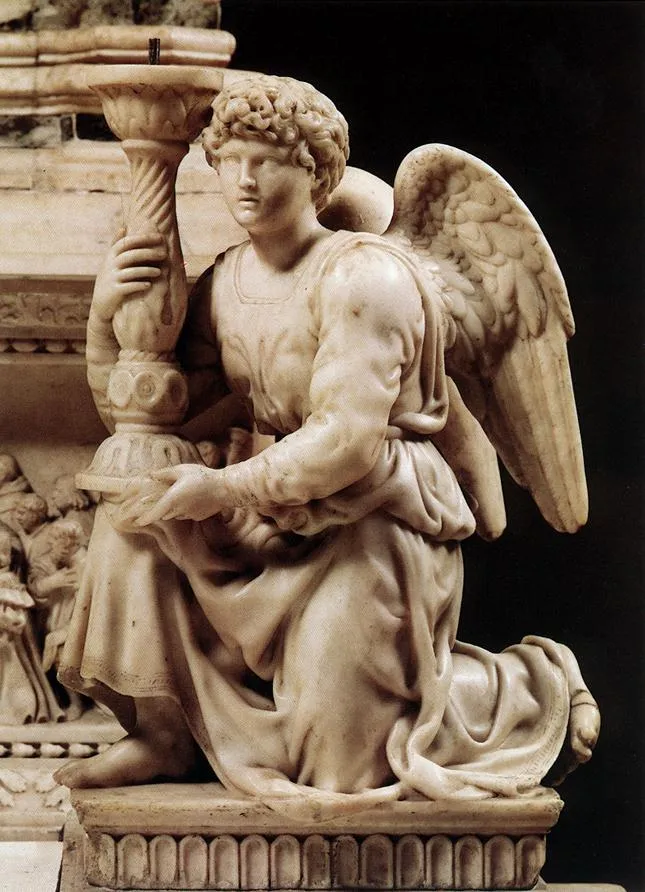
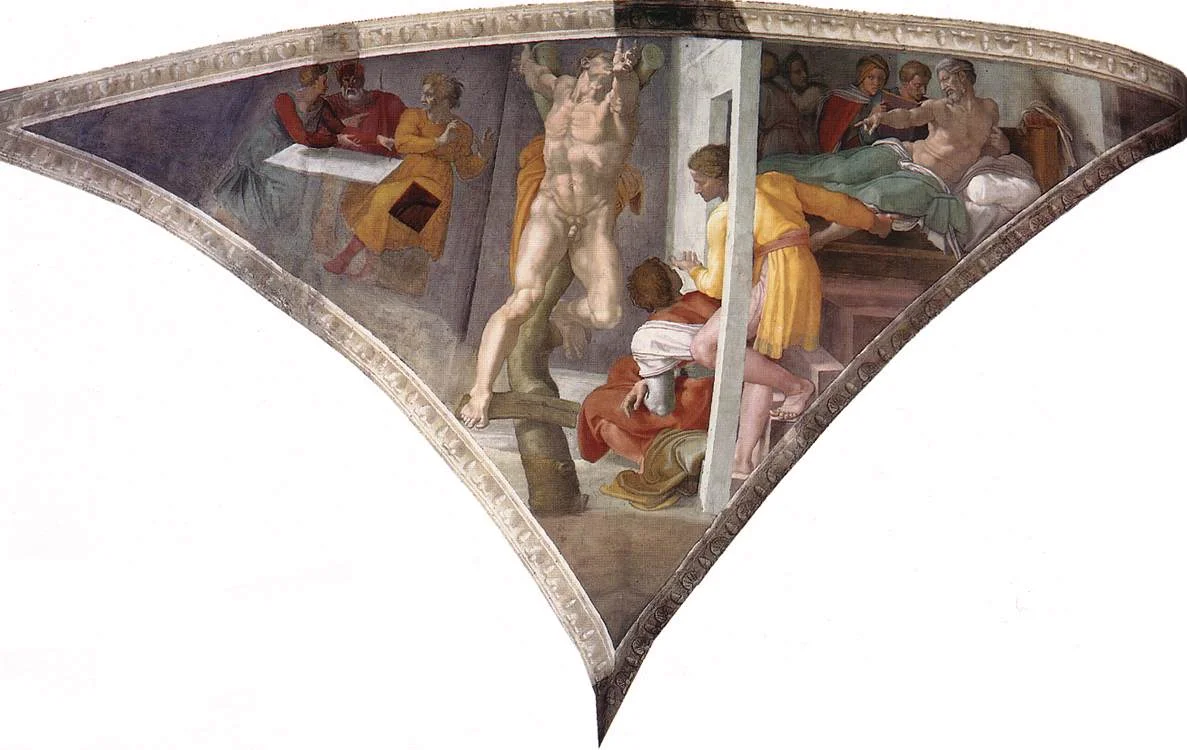
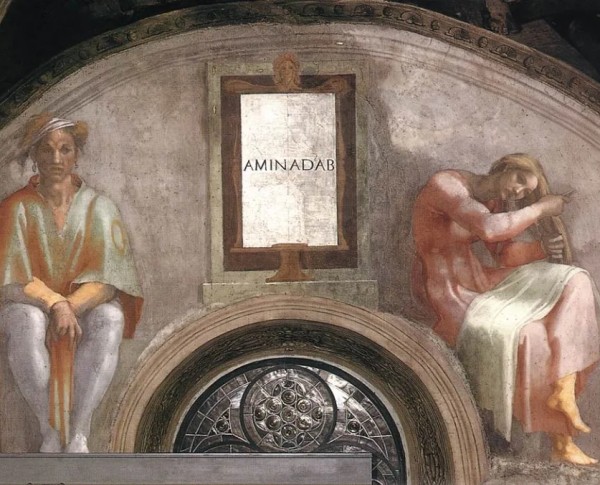
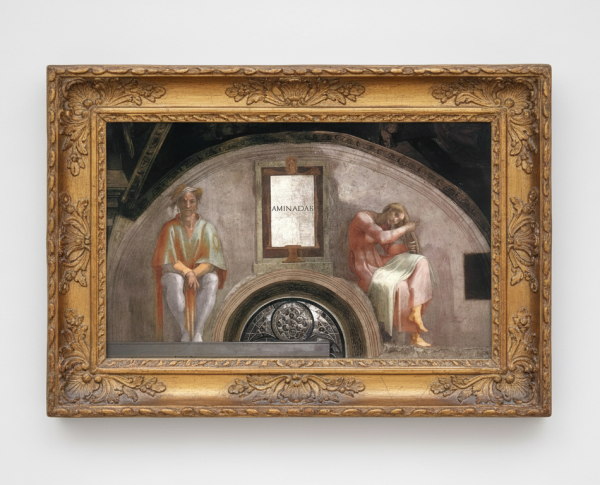
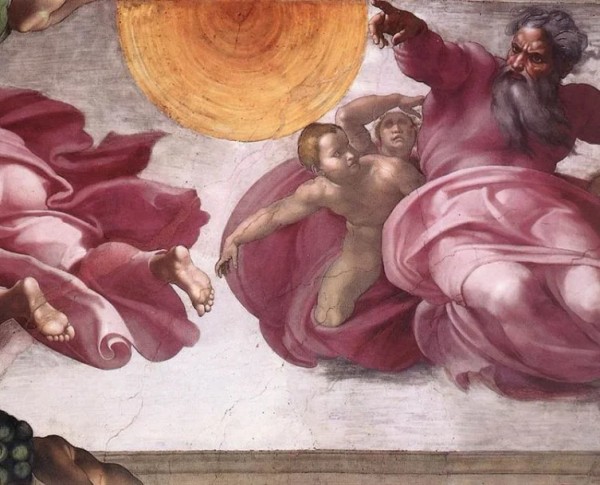
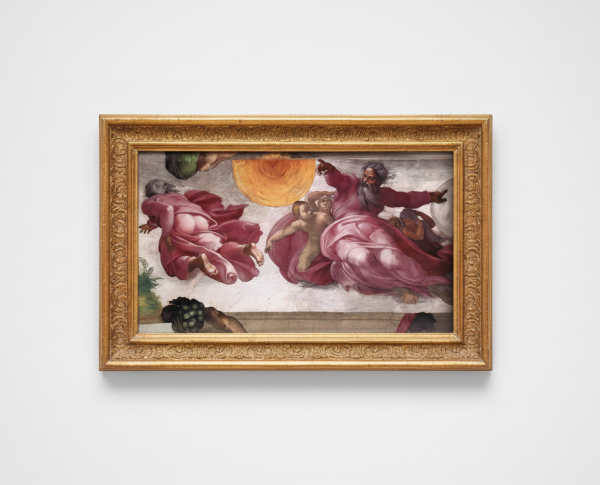
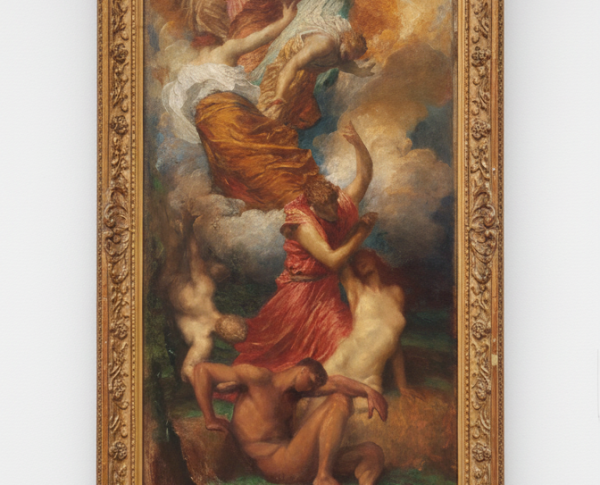
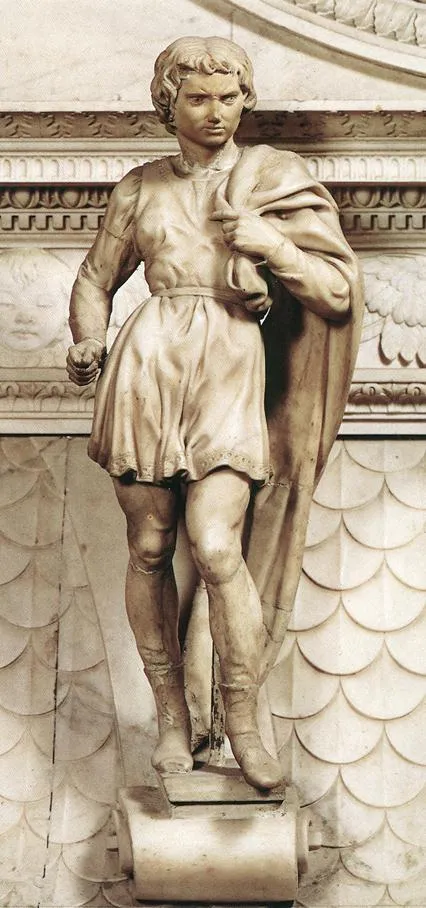
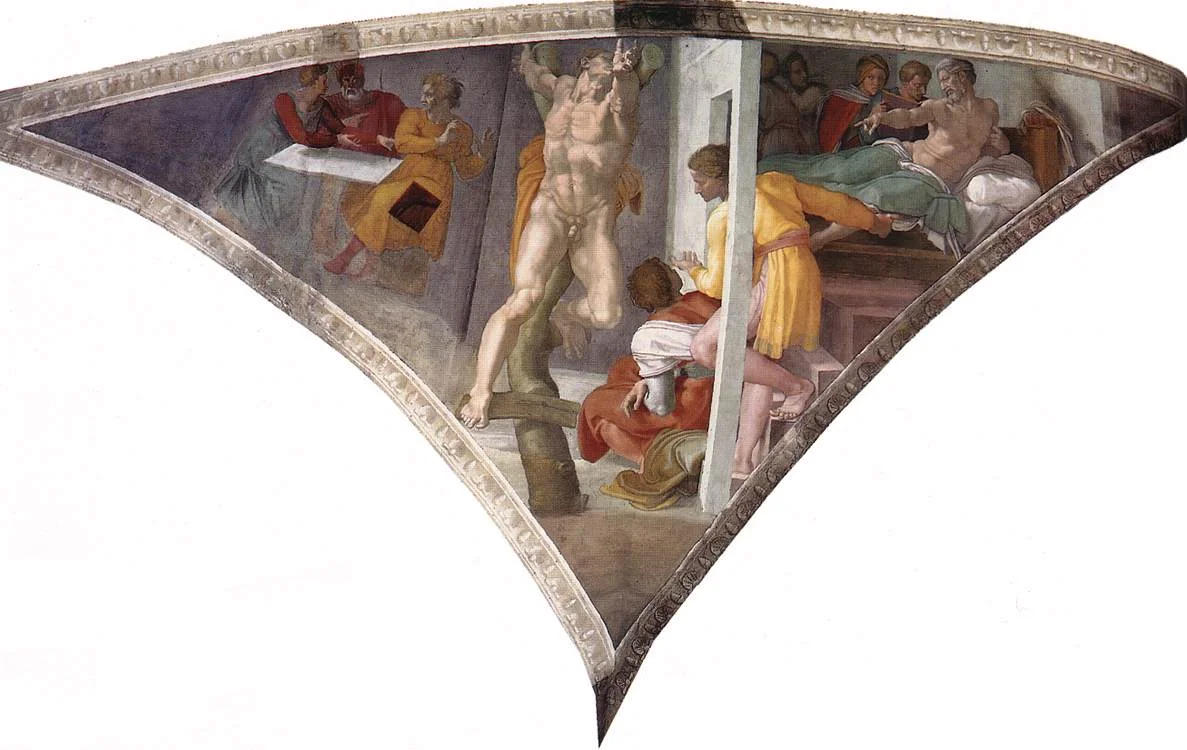
Michelangelo’s "St. Proculus" reveals his exceptional technique, evident in the meticulous brushwork and dynamic composition. Rendered in oil on canvas, the painting highlights the artist’s unparalleled ability to convey emotion and depth. The High Renaissance movement is renowned for such technical achievements, and this piece stands alongside acclaimed works like "Crucifixion" and "The Punishment of Haman," each displaying the artist’s command of the medium and his devotion to lifelike representation.
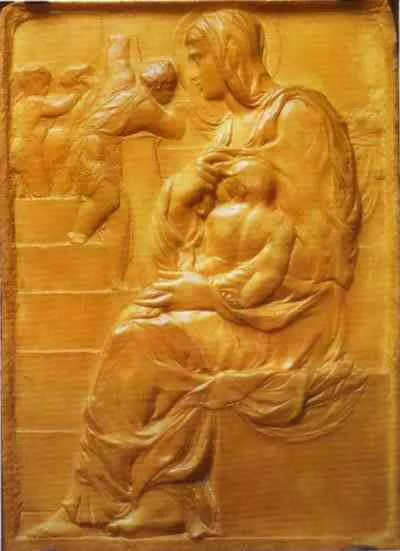
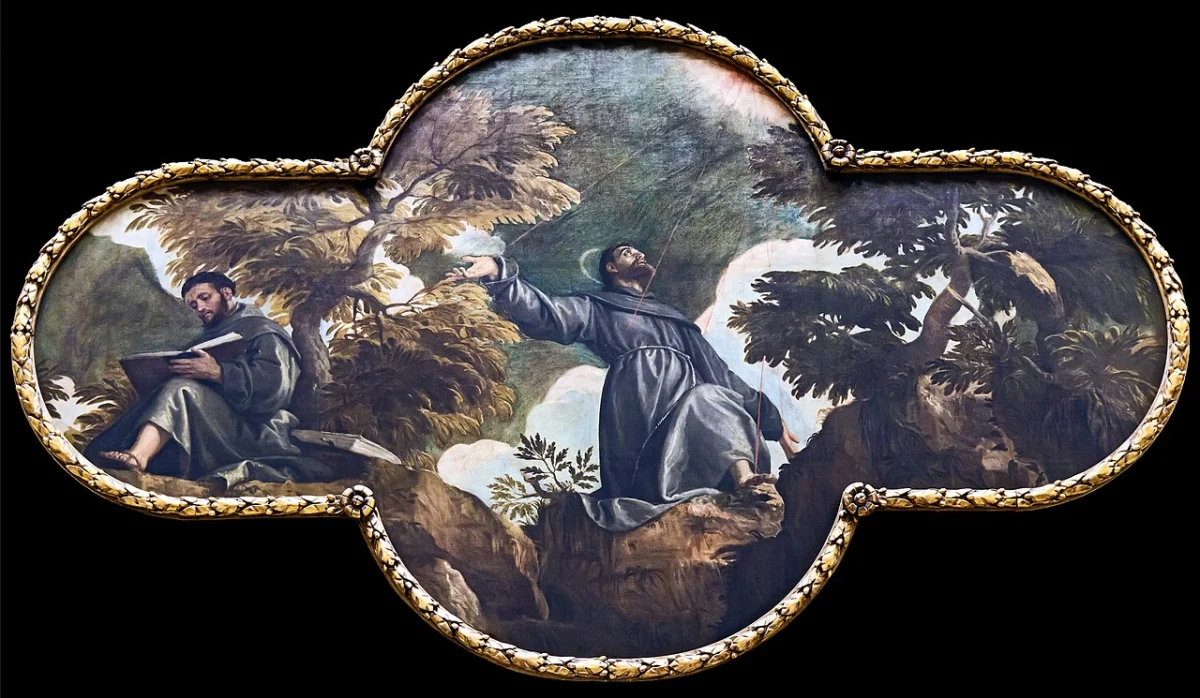
Every detail in "St. Proculus" by Michelangelo Buonarroti brims with narrative and symbolism, hallmarks of a fine art painting for sale from the High Renaissance. The saint’s pose and expression reflect a story of faith and martyrdom, inviting viewers to delve deeper into its historical context. For those captivated by the spiritual and symbolic, Michelangelo’s other works, such as "The Stigmata of Saint Francis" and "Madonna of the Stairs," offer similarly profound stories woven into their compositions.
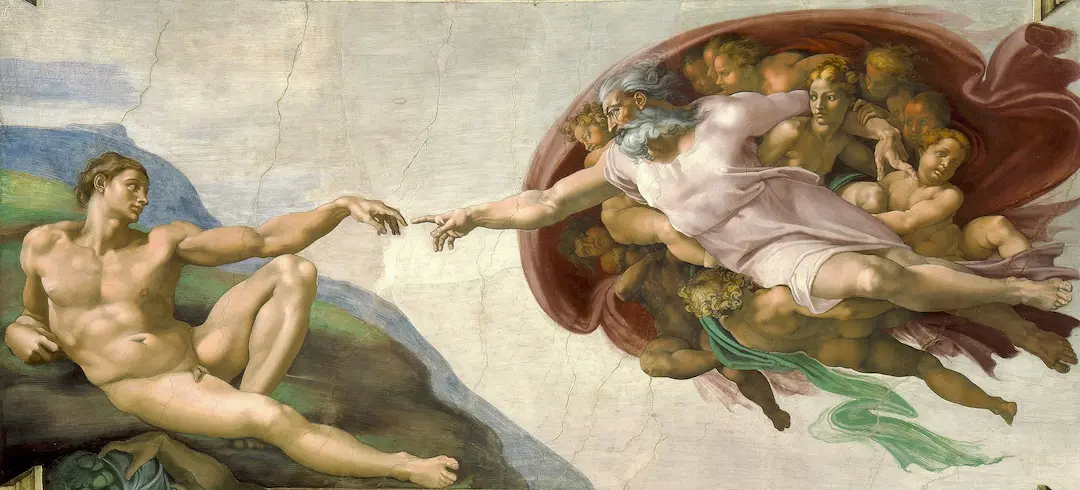
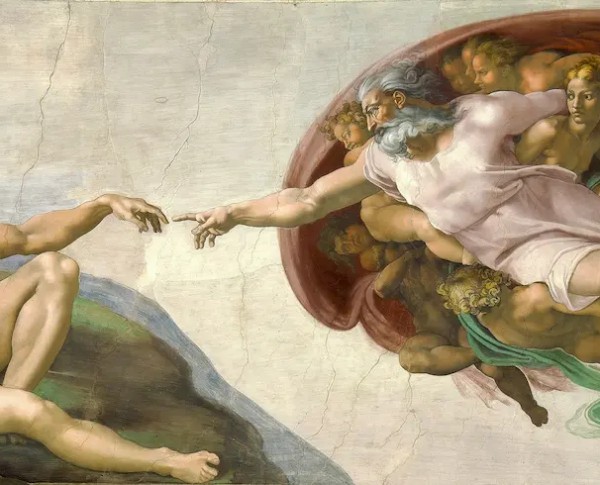
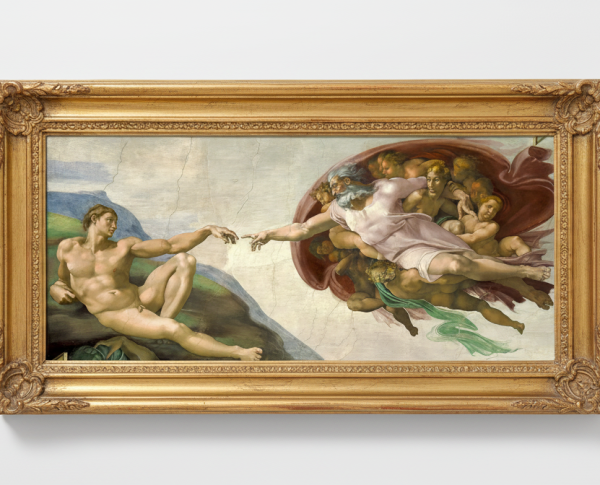
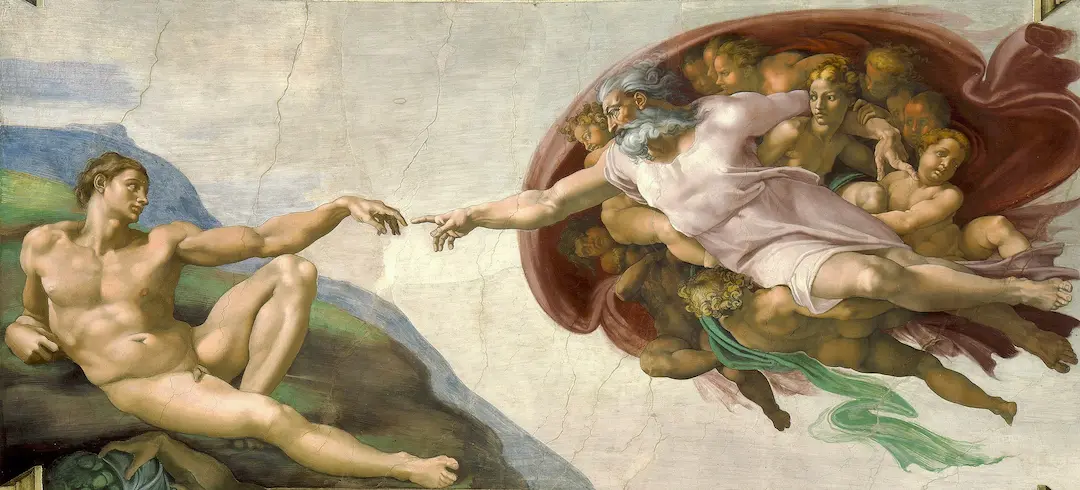
Owning "St. Proculus" by Michelangelo Buonarroti means possessing a rare example of High Renaissance artistry. This hand-painted oil painting enriches any collection, standing proudly alongside masterpieces like "Creation of Adam 1510" and "Madonna of the Stairs." Collectors seeking authentic oil on canvas works will appreciate the historical significance and artistic mastery embodied in this piece, making it an exceptional fine art painting for sale that transcends time and trends.
When Art Meets History
"St. Proculus" by Michelangelo Buonarroti stands as a testament to the High Renaissance movement, a period renowned for its profound influence on Western art. This hand-painted oil painting reflects Michelangelo’s mastery in capturing both religious reverence and human emotion. Comparable masterpieces from this era include "Madonna of Belvedere" and "The Madonna Of The Chair." Each painting, including "St. Proculus," bridges the gap between historical context and artistic innovation, making them invaluable cultural treasures.
Techniques That Speak
Michelangelo’s "St. Proculus" showcases his adept command of oil on canvas, a technique that brings depth and vibrancy to the composition. The artist’s meticulous brushwork and use of chiaroscuro illuminate the saint’s features, similar to methods seen in "Madonna della Sedia" and "Madonna & Child (Madonna del Granduca) 1505." The careful layering of oil paint produces a lifelike quality, emphasizing why oil on canvas became the preferred medium during the High Renaissance.
Emotions on Display
In "St. Proculus," Michelangelo Buonarroti infuses the subject with a palpable sense of devotion and humanity, hallmarks of the High Renaissance. The saint’s expression conveys a quiet strength, inviting viewers to connect emotionally with the figure. This evocative approach, also evident in "Portrait Of Bindo Altoviti," demonstrates Michelangelo’s ability to create moving, fine art painting for sale that continues to captivate collectors and art lovers alike.
Coveted by Collectors
"St. Proculus," like many works by Michelangelo Buonarroti, remains highly sought after by collectors interested in the High Renaissance. The allure of owning a hand-painted oil painting from this master is undeniable, especially when compared to related pieces such as "Madonna of Belvedere" or "The Madonna Of The Chair." Each fine art painting for sale from this era represents not only artistic excellence but also a tangible connection to history’s most celebrated artistic movement.
Related High Renaissance Hand-Painted Oil Paintings by Other Artists
Other Famous High Renaissance Artists:
Frequently Asked Questions About St. Proculus
Who is St. Proculus and why is he significant in Christian art?
St. Proculus is a Christian martyr and saint, revered particularly in the early church. His significance in Christian art stems from his representation of faith and sacrifice, often depicted in artworks to inspire devotion among the faithful.
What is the historical context of Michelangelo's "St. Proculus"?
Michelangelo created "St. Proculus" during the Renaissance, a period marked by a revival of classical learning and values. This painting reflects the era's emphasis on humanism and the exploration of religious themes through a more personal and emotional lens.
What artistic techniques did Michelangelo employ in "St. Proculus"?
Michelangelo utilized chiaroscuro, the contrast of light and shadow, to create depth and volume in "St. Proculus." His mastery of anatomy is evident in the figure's dynamic pose, which conveys both strength and vulnerability.
How does "St. Proculus" reflect Michelangelo's style?
The painting exemplifies Michelangelo's signature style, characterized by dramatic expressions and intricate details. His ability to convey emotion through facial expressions and body language is a hallmark of his work, making "St. Proculus" a compelling representation of his artistic vision.
What symbolism is present in "St. Proculus"?
In "St. Proculus," the saint is often depicted with symbols such as a palm branch, representing martyrdom and victory over death. These elements serve to communicate his sanctity and the spiritual triumph associated with his life and sacrifice.
What materials were used in the creation of "St. Proculus"?
Michelangelo typically worked with fresco and marble, but "St. Proculus" is believed to be painted on canvas, showcasing his versatility and adaptability in different mediums. The choice of materials contributes to the painting's overall aesthetic and durability.
How does "St. Proculus" compare to other works by Michelangelo?
Compared to other works by Michelangelo, such as the Sistine Chapel ceiling, "St. Proculus" may appear more intimate and focused on individual narrative. However, it shares his characteristic attention to human emotion and physical form, making it an essential piece in understanding his oeuvre.
What influence did "St. Proculus" have on later artists?
"St. Proculus" has influenced numerous artists in the Baroque and Neoclassical periods, who admired Michelangelo's ability to convey emotion and drama. His techniques in composition and figure rendering became foundational for future generations of artists.
What is the significance of the setting in "St. Proculus"?
The setting in "St. Proculus" often features architectural elements that reflect the grandeur of the Renaissance. This backdrop not only enhances the figure of the saint but also situates him within a context that emphasizes the divine and the sacred.
Where can "St. Proculus" be viewed today?
"St. Proculus" is housed in a prominent art gallery, where it continues to be a focal point for visitors interested in Michelangelo's work. The painting is often included in exhibitions that explore Renaissance art and its impact on Western culture.






















_GFM_Painting_(1).webp)


 100% Hand-Painted: Finished in 3-6 Weeks

.png)















_(1).webp)