The remarkable technique displayed in "Architectural study: a balcony" highlights Edwin Austin Abbey’s command of oil on canvas. His subtle brushwork and attention to architectural elements reflect the ideals of the Aestheticism movement. Abbey’s other creations, such as "Study for Antony and Cleopatra" and "Study for Falstaff," further demonstrate his mastery of the medium, making each piece a celebration of artistic prowess and visual harmony that art enthusiasts continue to cherish.
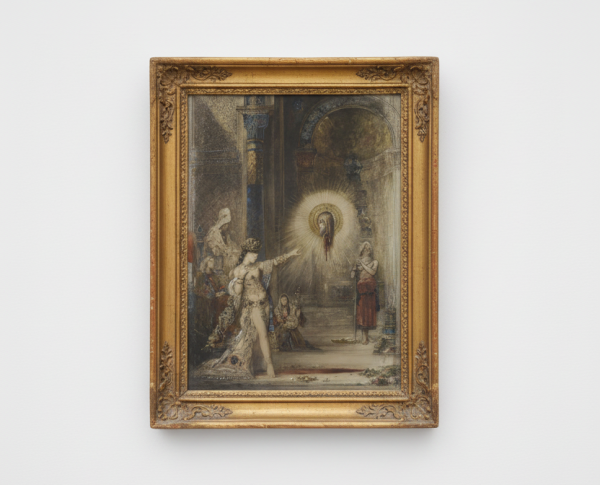
Though "Architectural study: a balcony" focuses on form and design, Abbey infuses the composition with subtle symbolism, inviting viewers to find meaning in the interplay of light, shadow, and structure. The painting embodies the Aestheticism ethos, where beauty itself becomes the narrative. Related works like "The Apparition" and his mural sketches reveal Abbey’s ability to weave stories through visual cues, making each fine art painting for sale a window into a world of elegance and mystery.
For collectors seeking a unique fine art painting for sale, "Architectural study: a balcony" by Edwin Austin Abbey is an exceptional choice. Representing the Aestheticism movement, this work exemplifies the artist’s pursuit of beauty and technical skill. Complementary pieces such as "Seascape" and "Study for Antony and Cleopatra" further enhance any collection, ensuring Abbey’s timeless vision finds a cherished place in homes and galleries around the world.
When Art Meets History
Edwin Austin Abbey’s "Architectural study: a balcony" is a remarkable hand-painted oil painting that captures the spirit of the Aestheticism movement. Abbey, known for his attention to historical detail, often depicted scenes inspired by architecture and romantic settings. This piece, like his related works "Quai de Paris, Rouen" and "A House in a Clearing," blends artistic mastery with historical ambiance, making it a significant addition to the world of fine art and an enduring subject of admiration.
Techniques That Speak
Abbey’s use of oil on canvas in "Architectural study: a balcony" highlights his exceptional technique and keen eye for atmospheric detail. The subtle brushwork and layered textures evoke the delicate interplay of light and shadow, hallmarks of the Aestheticism movement. His approach is comparable to that seen in "Old English House by Moonlight" and "Shipping on the Clyde," showcasing his ability to breathe life into architectural forms through the medium of oil on canvas.
Emotions on Display
This fine art painting for sale radiates a sense of tranquility and contemplation, characteristic of Edwin Austin Abbey’s artistic vision. The serene setting of the balcony invites viewers to experience a quiet moment in time, much like the reflective mood presented in "A Moonlit Evening." Abbey’s mastery of the Aestheticism style ensures that each viewer finds personal meaning and emotional resonance within the elegant composition and subtle color palette.
Coveted by Collectors
Collectors and enthusiasts prize "Architectural study: a balcony" as a distinguished hand-painted oil painting within the Aestheticism movement. Edwin Austin Abbey’s works, including related pieces such as "Quai de Paris, Rouen" and "A House in a Clearing," are highly sought after for their historical charm and technical brilliance. This painting, with its refined execution and artistic pedigree, remains a coveted treasure in the world of fine art painting for sale.
Related Aestheticism Hand-Painted Oil Paintings by Other Artists
Other Famous Aestheticism Artists:
Frequently Asked Questions About Architectural study: a balcony
What is the historical context of "Architectural study: a balcony"?
Created during the late 19th century, "Architectural study: a balcony" reflects the artistic movements of the time, particularly the interest in architectural detail and the revival of classical forms. Edwin Austin Abbey was influenced by the Pre-Raphaelite Brotherhood and the Arts and Crafts movement, which emphasized craftsmanship and intricate design.
What artistic techniques did Edwin Austin Abbey employ in this painting?
Abbey utilized a combination of watercolor and ink to achieve delicate line work and vibrant colors. His attention to detail in architectural elements showcases his skill in rendering textures and light, creating a sense of depth and realism in the study.
What is the significance of the balcony depicted in the painting?
The balcony serves as a symbol of transition between the private and public realms, representing both seclusion and openness. It invites viewers to contemplate the relationship between architecture and human experience, a recurring theme in Abbey's work.
How does "Architectural study: a balcony" reflect Abbey's overall artistic style?
This painting exemplifies Abbey's fascination with architectural forms and his ability to blend them with narrative elements. His style often combines realism with a romanticized vision, capturing the beauty of structures while evoking emotional responses.
What influences can be seen in Abbey's portrayal of architecture in this work?
Abbey's portrayal of architecture is influenced by both classical and Gothic styles, showcasing intricate details and ornate designs. His work often reflects a deep appreciation for historical architecture, which he sought to preserve through his art.
What themes are explored in "Architectural study: a balcony"?
The painting explores themes of solitude, reflection, and the passage of time. The balcony acts as a metaphor for contemplation, inviting viewers to consider their own place within the architectural landscape.
How does the composition of the painting enhance its meaning?
The composition is carefully structured, with the balcony positioned to draw the viewer's eye. This framing emphasizes the architectural details while also suggesting a narrative, inviting viewers to imagine the stories that unfold within such spaces.
What role does color play in "Architectural study: a balcony"?
Color in this painting is used to evoke mood and atmosphere. Abbey's palette features warm tones that create a sense of intimacy, while cooler shades highlight architectural elements, enhancing the overall depth and dimensionality of the piece.
In what ways does this painting reflect the cultural values of its time?
The painting reflects a cultural appreciation for craftsmanship and historical architecture, which were highly valued during the late 19th century. It embodies the era's desire to connect with the past while also embracing artistic innovation.
What impact did Edwin Austin Abbey have on the art world?
Abbey was a significant figure in American art, particularly in the realms of illustration and painting. His works contributed to the popularization of architectural studies in art, influencing future generations of artists to explore the relationship between structure and narrative.







.webp)












_GFM_Painting_(1).webp)



 100% Hand-Painted: Finished in 3-6 Weeks


.png)















_(1).webp)