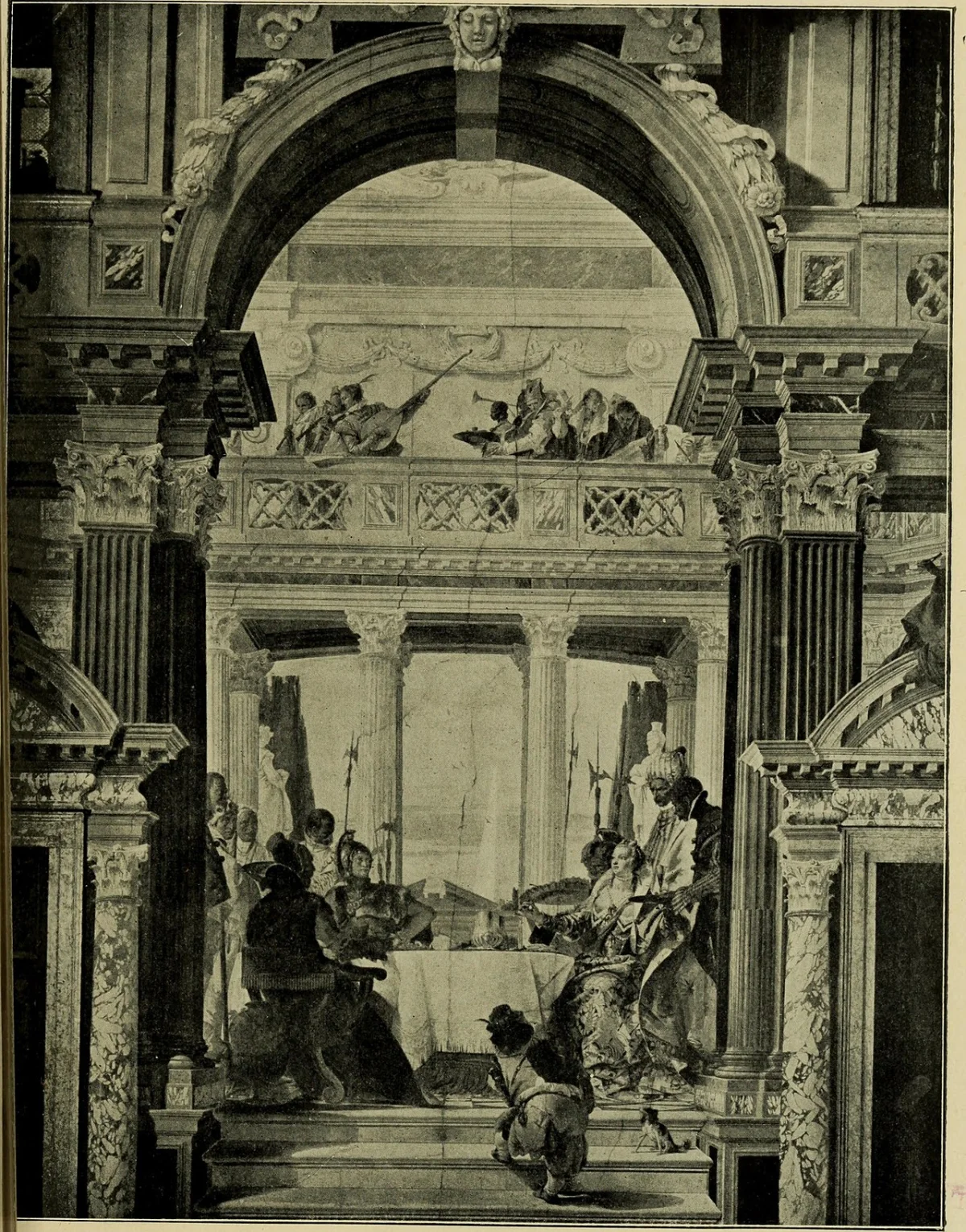
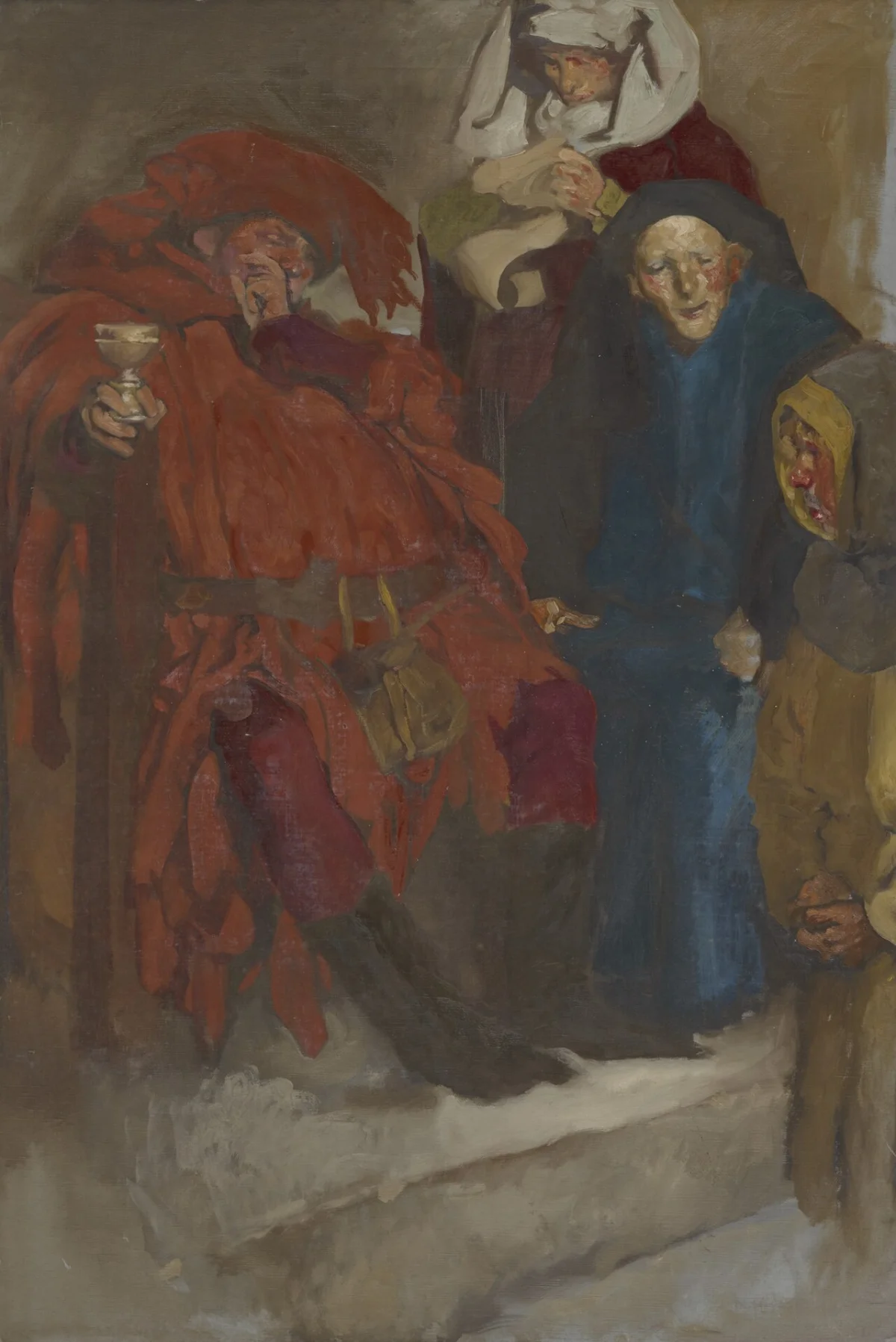
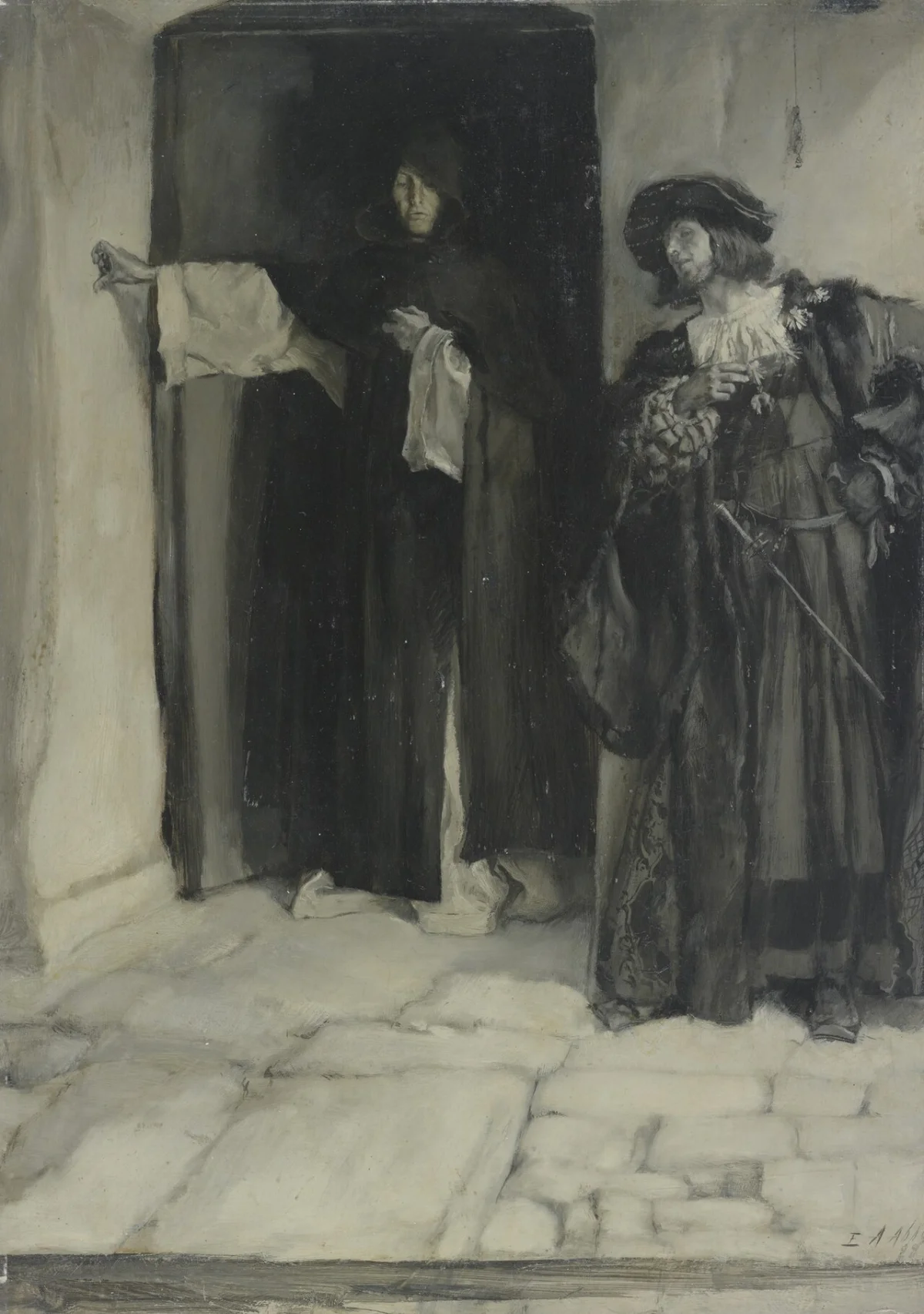
Edwin Austin Abbey’s "Study for Antony and Cleopatra" showcases his exceptional technique in oil on canvas, exemplifying the refined qualities of the Aestheticism movement. Each brushstroke reveals Abbey’s dedication to capturing emotion and narrative, transporting viewers to the heart of the story. Collectors interested in this masterpiece may also appreciate related works like "Study: Head of a woman for Sir Galahad" and "Sketch for mural decoration," which display similar mastery and artistic vision.
Within "Study for Antony and Cleopatra," Abbey weaves a tapestry of stories and symbols, emblematic of the Aestheticism movement’s fascination with beauty and meaning. This fine art painting for sale invites viewers to interpret the subtle gestures and expressions of its subjects. Abbey’s ability to infuse narrative depth is also seen in related works such as "Sketch" and "Three women by the sea," making his art a rich field for exploration and appreciation.
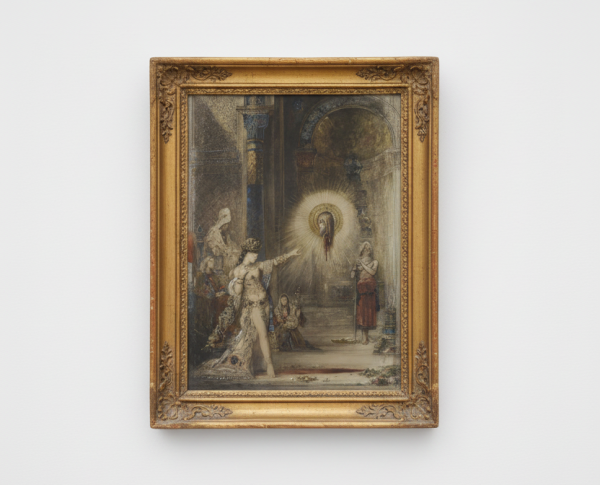
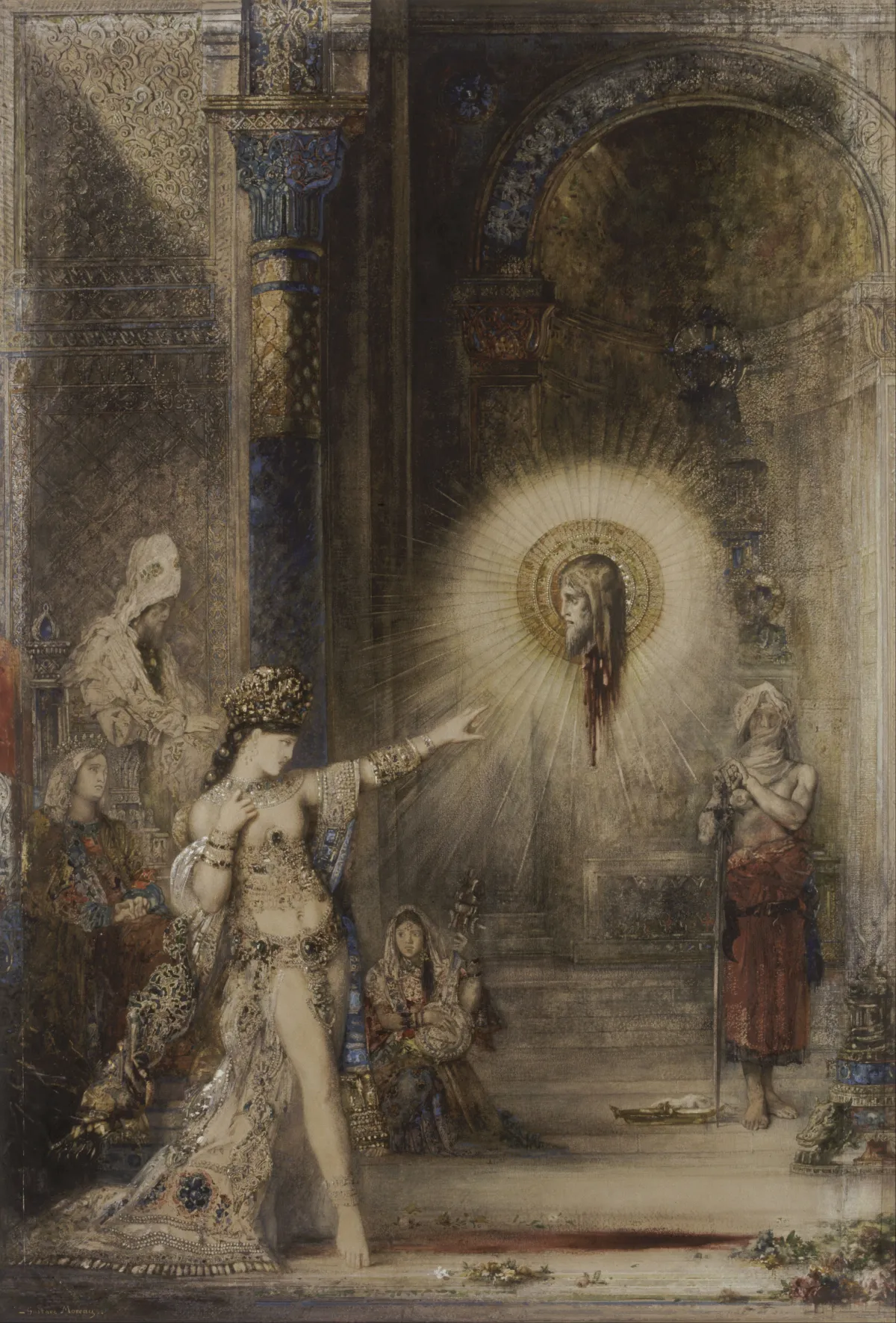
For art enthusiasts, "Study for Antony and Cleopatra" by Edwin Austin Abbey is a coveted hand-painted oil painting that embodies the elegance of the Aestheticism movement. Whether displayed on its own or alongside complementary pieces like "The Apparition" or "Study for Shakespeare," this artwork enhances any collection. Its historical significance and exquisite craftsmanship make it a standout among fine art painting for sale, appealing to collectors with a taste for timeless beauty.
When Art Meets History
"Study for Antony and Cleopatra" by Edwin Austin Abbey is a remarkable hand-painted oil painting that bridges the gap between classical drama and the Aestheticism movement. Abbey, renowned for his historical and literary subjects, captures the grandeur and intrigue of Shakespeare’s iconic lovers. This work joins the ranks of his celebrated pieces, such as "Old English House by Moonlight" and "A House in a Clearing," all of which showcase his devotion to historical narrative and artistic beauty.
Techniques That Speak
Edwin Austin Abbey’s mastery of oil on canvas is evident in "Study for Antony and Cleopatra." His brushwork and color palette evoke the lush textures and elaborate costumes of ancient times, hallmarks of the Aestheticism movement. The painting’s composition and subtle lighting recall the atmospheric qualities found in related works like "Quai de Paris, Rouen" and "Shipping on the Clyde," further demonstrating Abbey’s technical prowess and his ability to breathe life into historical scenes.
Emotions on Display
The emotional intensity in "Study for Antony and Cleopatra" is palpable, as Abbey’s figures express longing, tension, and regal poise. This fine art painting for sale immerses viewers in the psychological drama between the lovers, inviting reflection on themes of love, power, and destiny. Like "Liverpool from Wapping," Abbey’s work in the Aestheticism movement channels deep feeling through gesture and gaze, making each character’s inner world vivid and relatable.
Coveted by Collectors
Collectors are drawn to "Study for Antony and Cleopatra" for its captivating blend of history, technique, and emotion. As with Abbey’s other hand-painted oil paintings, this masterpiece is highly sought after among admirers of the Aestheticism movement. Alongside related paintings such as "Old English House by Moonlight" and "A House in a Clearing," it stands as a testament to Abbey’s artistic legacy and continues to inspire those who seek timeless works of art.
Related Aestheticism Hand-Painted Oil Paintings by Other Artists
Other Famous Aestheticism Artists:
Frequently Asked Questions About Study for Antony and Cleopatra
What is the historical context of "Study for Antony and Cleopatra"?
"Study for Antony and Cleopatra" reflects the themes of power, love, and betrayal during the Roman Empire, particularly focusing on the tragic relationship between the two titular characters. The painting draws upon the historical events surrounding their lives, which have been immortalized in literature and art since the time of Shakespeare.
Who was Edwin Austin Abbey, and what is his significance in art history?
Edwin Austin Abbey was an American artist known for his illustrations and paintings that often depicted historical and literary themes. His work is significant for its detailed narrative quality and its ability to capture the essence of the characters and settings he portrayed, particularly in relation to Shakespearean subjects.
What artistic techniques did Abbey employ in this painting?
Abbey utilized a combination of oil painting techniques, including layering and glazing, to achieve depth and richness in color. His attention to detail and use of light and shadow enhances the dramatic effect of the scene, drawing the viewer into the emotional turmoil of the characters.
What symbolism is present in "Study for Antony and Cleopatra"?
The painting is rich in symbolism, with elements such as the presence of Roman armor representing power and conflict, while the intimate positioning of Antony and Cleopatra suggests their deep emotional connection and the inevitable tragedy of their fate. The use of color also symbolizes passion and despair.
How does this painting relate to Shakespeare's portrayal of Antony and Cleopatra?
Abbey's painting captures the essence of Shakespeare's characters, emphasizing their complex emotions and the themes of love and ambition. The work reflects the dramatic tension present in the play, highlighting the personal and political struggles faced by both characters.
What influences can be seen in Abbey's style in this work?
Abbey's style in "Study for Antony and Cleopatra" shows influences from the Pre-Raphaelite movement, particularly in his attention to detail and vibrant colors. Additionally, his background in illustration can be seen in the narrative quality of the composition, which tells a story through visual means.
What is the significance of the composition in this painting?
The composition of "Study for Antony and Cleopatra" is carefully arranged to draw the viewer's eye to the central figures, emphasizing their emotional connection. The use of diagonal lines and the positioning of elements create a sense of movement and tension, reflecting the tumultuous nature of their relationship.
How does "Study for Antony and Cleopatra" fit into the broader context of 19th-century art?
This painting exemplifies the 19th-century fascination with historical and literary themes, as artists sought to explore human emotions and moral dilemmas. Abbey's work aligns with the Romantic movement's emphasis on individual experience and emotional depth, making it a significant contribution to the era's artistic landscape.
What materials were used in the creation of this painting?
Abbey primarily used oil paints on canvas for "Study for Antony and Cleopatra," a common medium during his time that allowed for rich color application and detailed brushwork. The choice of materials contributed to the painting's durability and visual impact.
What can viewers learn from "Study for Antony and Cleopatra" about the themes of love and power?
Viewers can observe how Abbey illustrates the interplay between love and power through the expressions and body language of Antony and Cleopatra. The painting serves as a poignant reminder of how personal relationships can be affected by political ambitions, ultimately leading to tragedy.






















_GFM_Painting_(1).webp)


 100% Hand-Painted: Finished in 3-6 Weeks

.png)















_(1).webp)