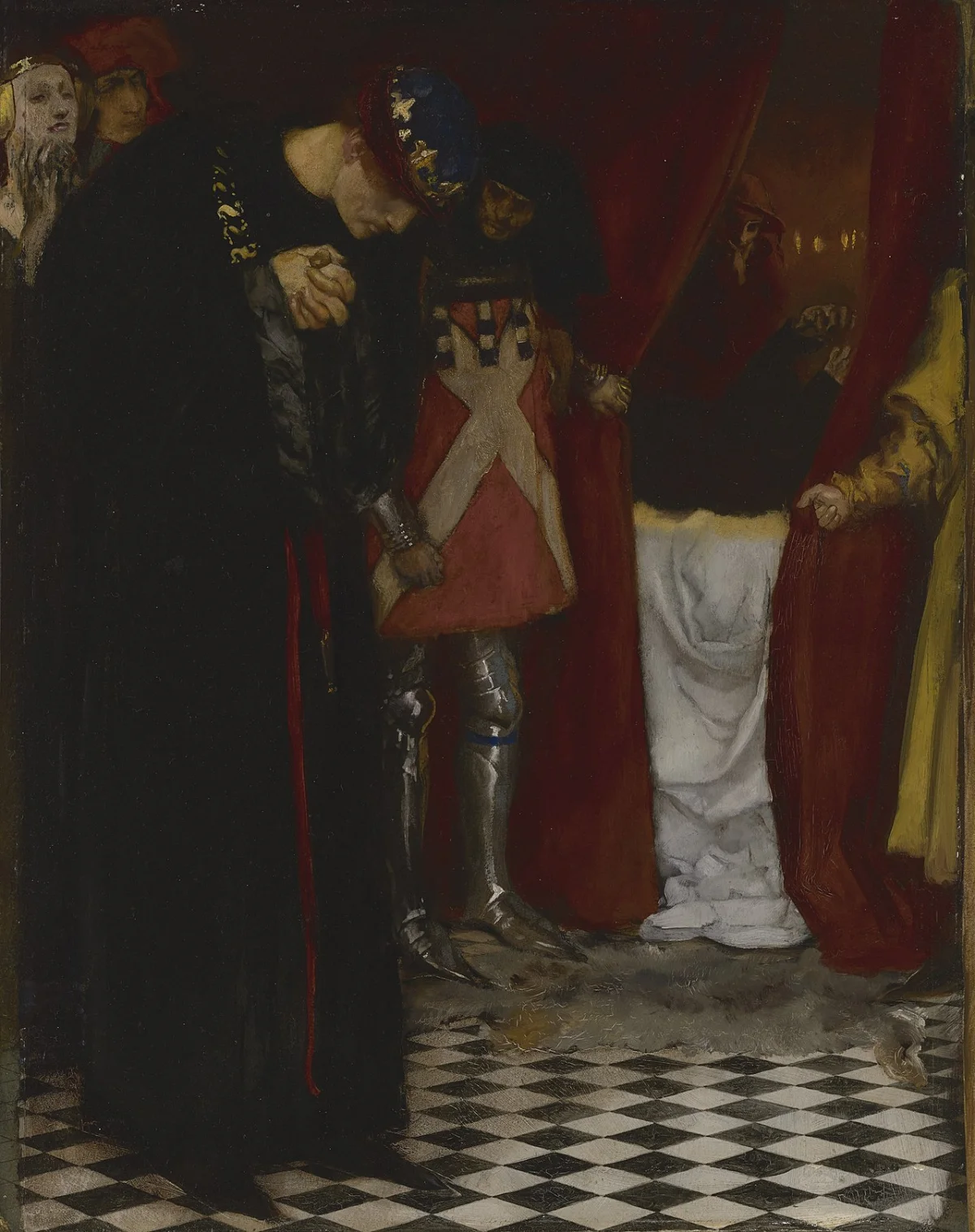
Edwin Austin Abbey’s technique in this oil on canvas demonstrates his mastery of mood and detail. Each brushstroke brings to life the somber atmosphere of the scene, showcasing the hallmarks of the Aestheticism movement. Comparable to his "Architectural study" and "Seascape," Abbey’s ability to balance drama and beauty is evident throughout. Collectors and enthusiasts alike are drawn to the exquisite craftsmanship, making this oil on canvas a coveted example among related products.
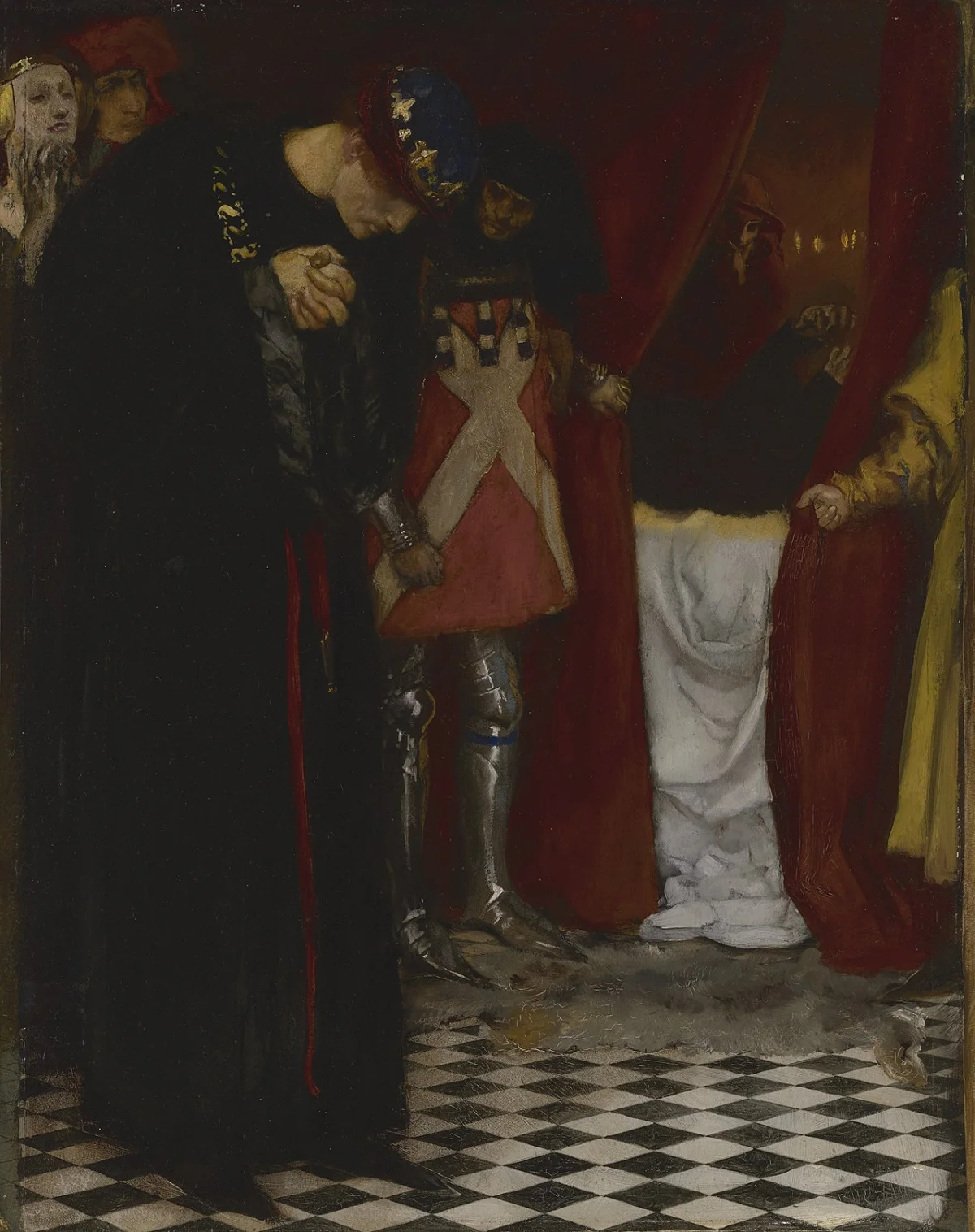
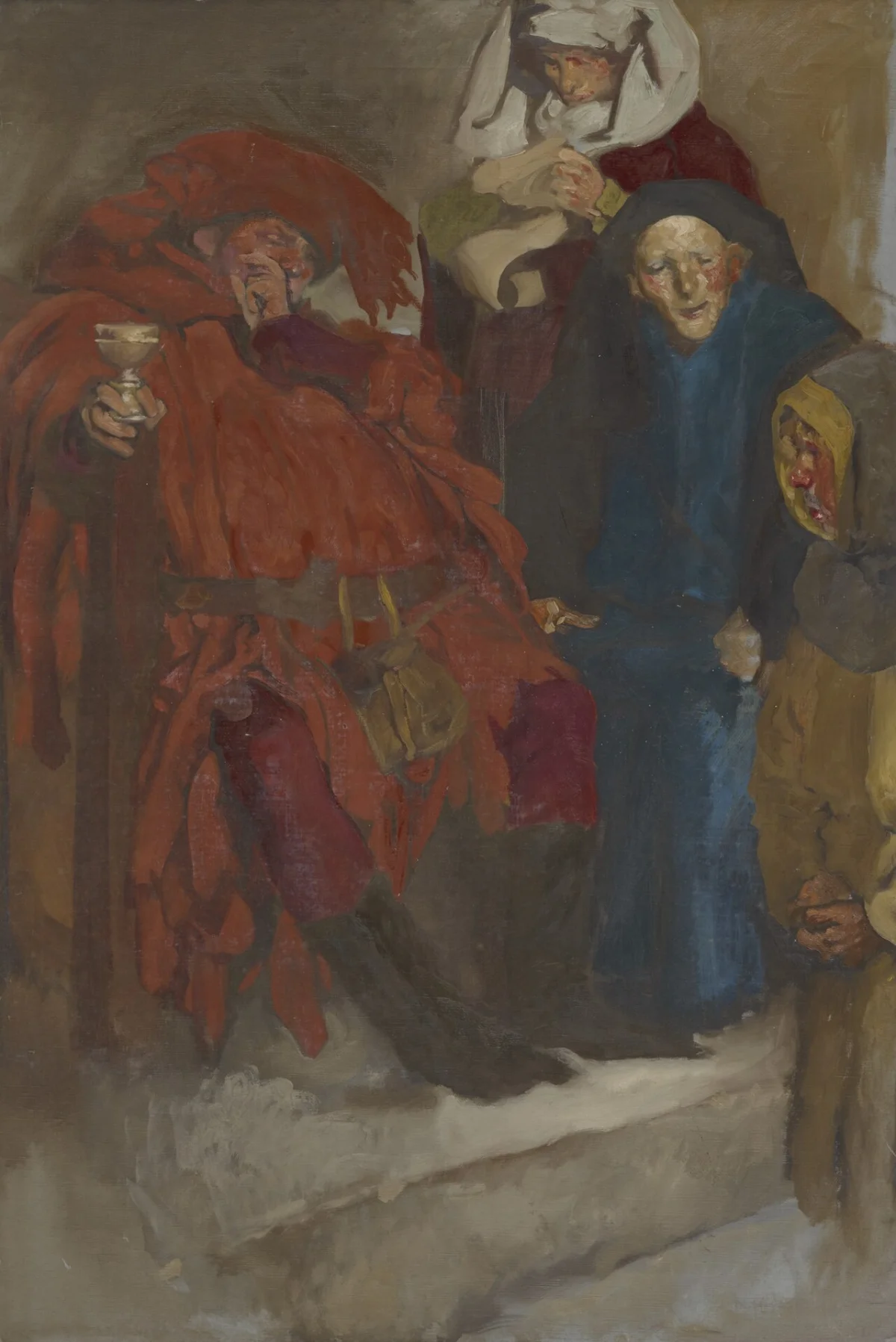
Abbey’s "King Henry VI, Part II: “Come hither, gracious sovereign, view this body.”" is more than a hand-painted oil painting; it’s a narrative rich with symbolism. The figures’ gestures and expressions evoke themes of loyalty and tragedy, hallmarks of Shakespeare’s works. Like his "Sketch for mural decoration" and "Architectural study: base of a column," Abbey weaves stories into every detail, ensuring this painting stands out as a fine art painting for sale for those who cherish symbolic storytelling.
For art connoisseurs, this masterpiece by Edwin Austin Abbey is a prized oil on canvas from the Aestheticism movement. Its dramatic composition and literary roots make it as desirable as his "Seascape" or "The Apparition." Whether displayed among other related products or as a standalone highlight, this fine art painting for sale offers collectors a unique opportunity to own a piece of artistic and cultural history, beautifully rendered in oil on canvas.
When Art Meets History
Edwin Austin Abbey’s masterpiece, "King Henry VI, Part II: 'Come hither, gracious sovereign, view this body,'" brilliantly intertwines Shakespearean drama with visual storytelling. This hand-painted oil painting captures a pivotal moment in English history, resonating with both literary and art enthusiasts. Abbey, a distinguished figure in the Aestheticism movement, brings a unique sensitivity to historical subjects, much like he does in related works such as "A Moonlit Evening, Liverpool from Wapping" and "Quai de Paris, Rouen."
Techniques That Speak
Abbey’s exceptional use of oil on canvas in "King Henry VI, Part II" showcases his mastery of light, texture, and intricate detail. The composition is carefully balanced, reflecting the Aestheticism movement’s emphasis on beauty and form. This painting shares technical affinities with his works "Shipping on the Clyde" and "Old English House by Moonlight," where brushwork and color harmonies create immersive atmospheres. Collectors and art lovers admire Abbey's technical prowess in this remarkable oil on canvas piece.
Emotions on Display
In this fine art painting for sale, Abbey channels the deep sorrow and gravity of Shakespeare’s tragedy through expressive gestures and haunting facial expressions. The viewer is drawn into the emotional core of the scene, echoing the intensity found in his other works like "Quai de Paris, Rouen." The Aestheticism movement’s focus on emotion and mood is palpable here, making "King Henry VI, Part II" a profound testament to Abbey’s ability to evoke empathy and introspection in his audience.
Coveted by Collectors
"King Henry VI, Part II" by Edwin Austin Abbey is a sought-after hand-painted oil painting among collectors of the Aestheticism movement. Its historical significance and artistic excellence make it a standout piece, alongside related paintings such as "A Moonlit Evening, Liverpool from Wapping." The painting’s rarity and provenance add to its allure, ensuring that it remains a prized possession for those seeking a fine art painting for sale that encapsulates both history and beauty.
Related Aestheticism Hand-Painted Oil Paintings by Other Artists
Other Famous Aestheticism Artists:
Frequently Asked Questions About King Henry VI, Part II: “Come hither, gracious sovereign, view this body.”
What historical event does this painting depict?
This painting illustrates a pivotal moment from William Shakespeare's play "Henry VI, Part II," specifically the scene where King Henry VI is confronted with the body of the slain Duke of Gloucester, highlighting themes of power, betrayal, and the fragility of life.
Who is the artist behind this work?
The painting was created by Edwin Austin Abbey, an American artist known for his illustrations and paintings that often draw upon literary themes, particularly those of Shakespeare.
What artistic techniques did Edwin Austin Abbey employ in this painting?
Abbey utilized a combination of realistic detail and dramatic lighting to enhance the emotional gravity of the scene. His use of color and composition guides the viewer's eye toward the central figures, emphasizing their expressions and interactions.
What is the significance of the title of the painting?
The title references a direct quote from the play, encapsulating the moment of grief and urgency as King Henry VI is urged to acknowledge the death of a key character, symbolizing the weight of leadership and the consequences of political strife.
How does this painting reflect the themes of Shakespeare's works?
This painting embodies the themes of tragedy, power struggles, and the human condition prevalent in Shakespeare's plays. It captures the emotional turmoil of the characters, illustrating the impact of political decisions on personal lives.
What role does symbolism play in this artwork?
Symbolism is prevalent in the depiction of the body, which represents the consequences of ambition and conflict. The expressions of the characters convey a range of emotions, from sorrow to despair, symbolizing the broader implications of their actions.
In what context was this painting created?
Created during the late 19th century, this painting reflects the Victorian era's fascination with historical and literary subjects, as well as the revival of interest in Shakespeare's works during this time.
What influences can be seen in Abbey's artistic style?
Abbey's style is influenced by the Pre-Raphaelite movement, characterized by attention to detail, vibrant colors, and a focus on narrative elements. His background in illustration also informs his ability to convey complex stories through visual art.
How does this painting fit within the broader context of historical paintings?
This painting fits within the genre of historical painting, which seeks to convey significant moments from history or literature. It serves as a visual narrative that invites viewers to engage with the past and reflect on its relevance to contemporary issues.
What can viewers learn from this painting about the period it represents?
Viewers can gain insight into the political tensions and societal issues of the time depicted in Shakespeare's work, as well as the emotional landscape of leadership and the impact of war on individuals and families during the historical period of the Wars of the Roses.






















_GFM_Painting_(1).webp)


 100% Hand-Painted: Finished in 3-6 Weeks

.png)















_(1).webp)