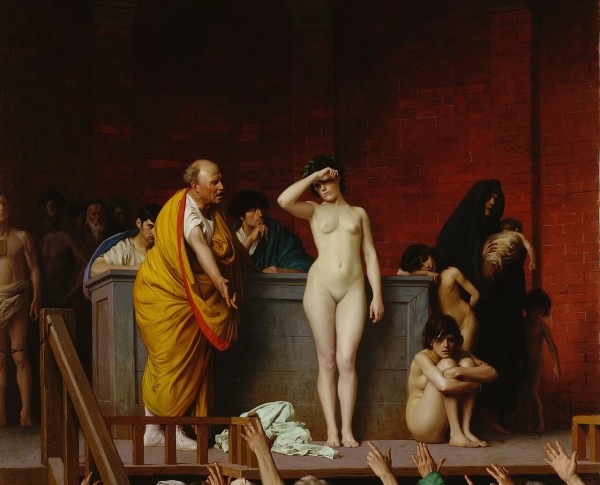
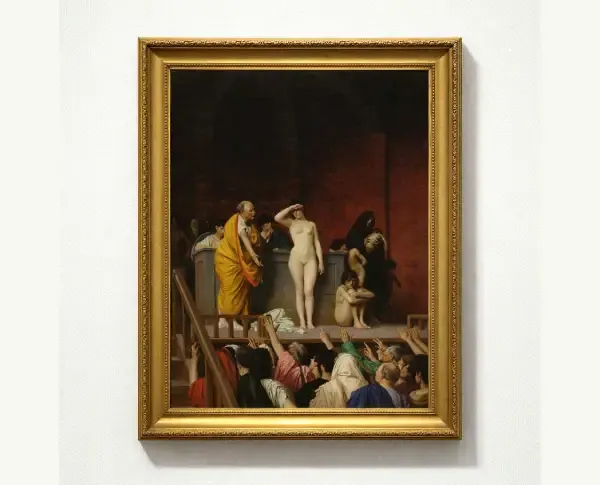
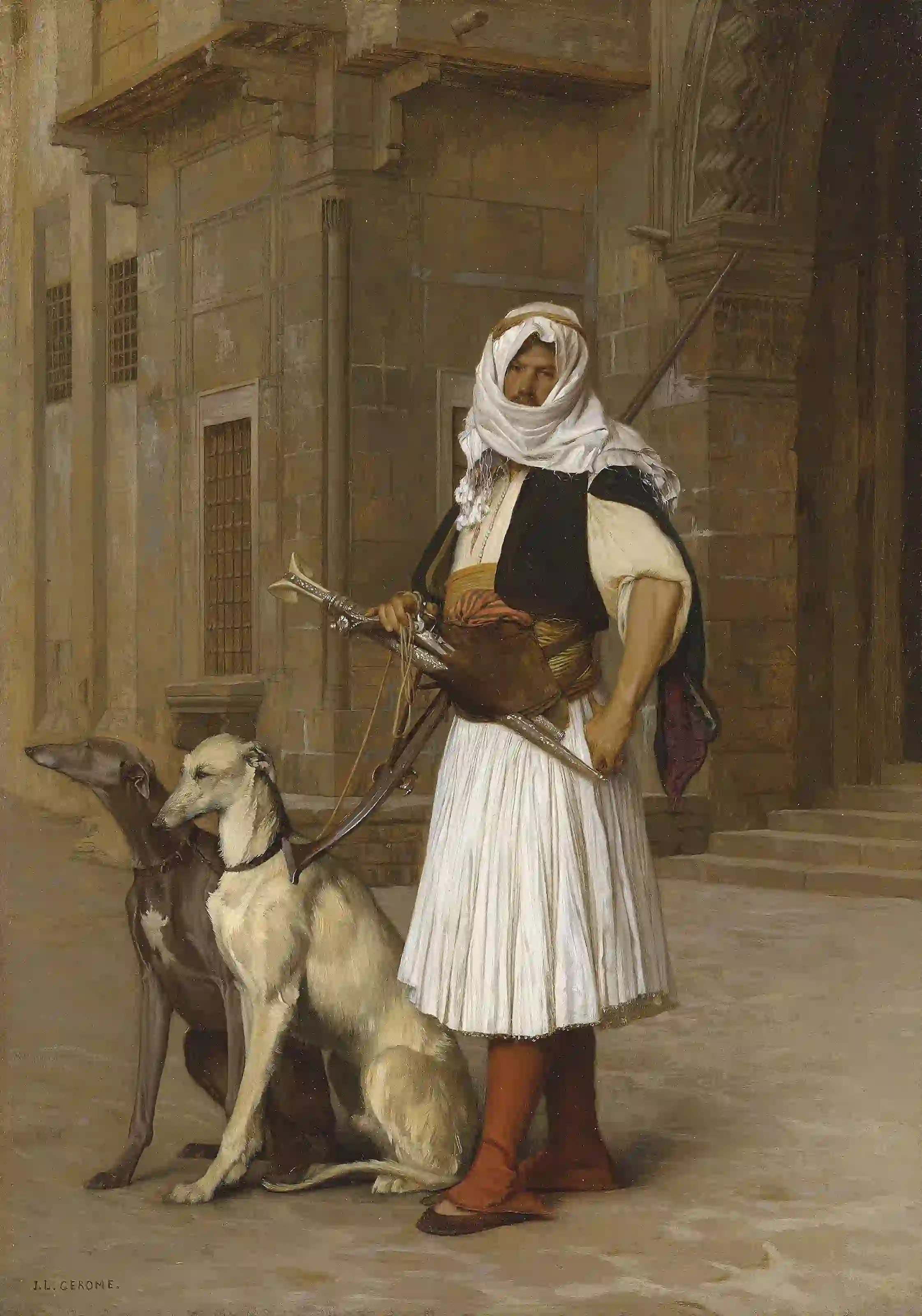
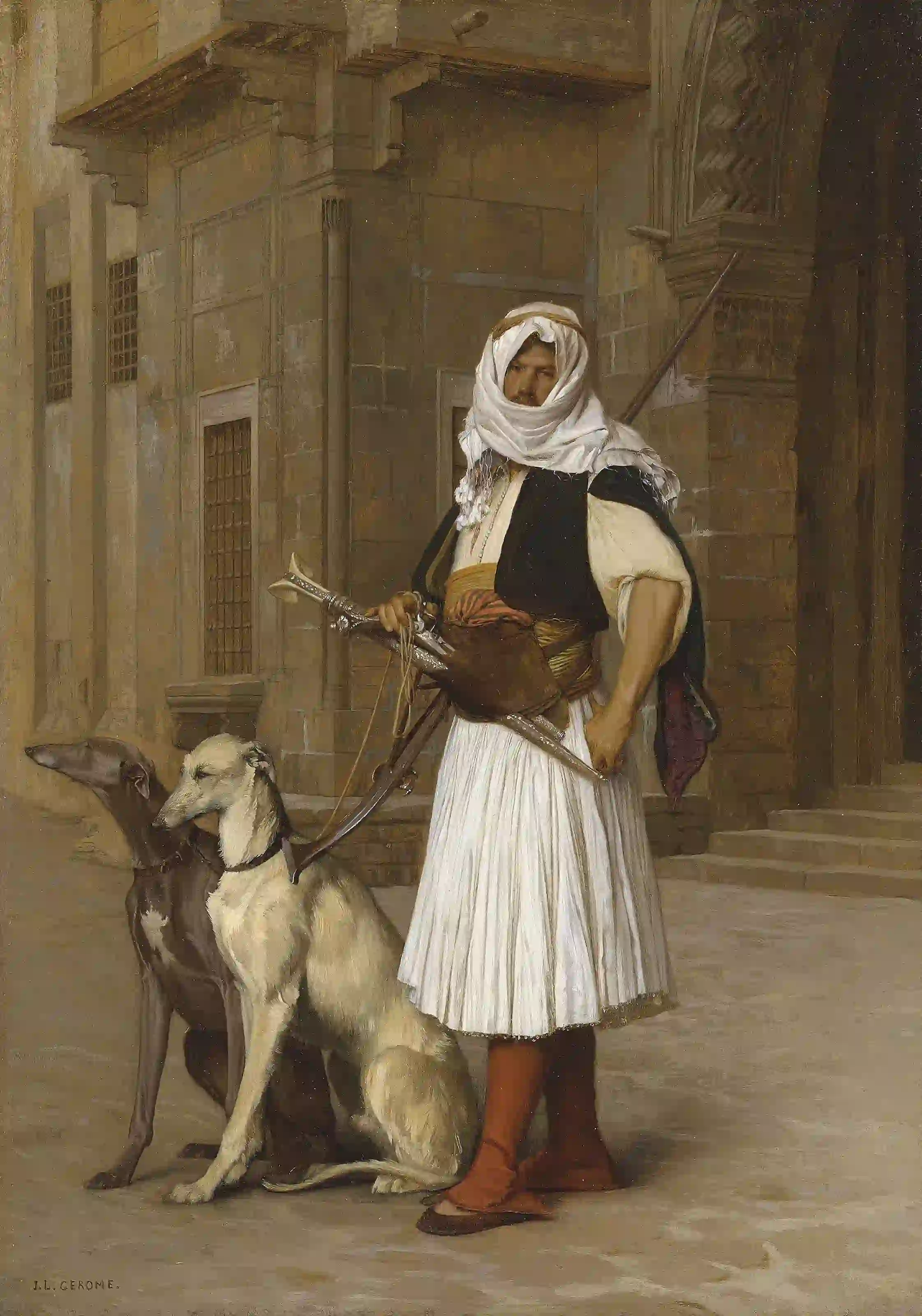
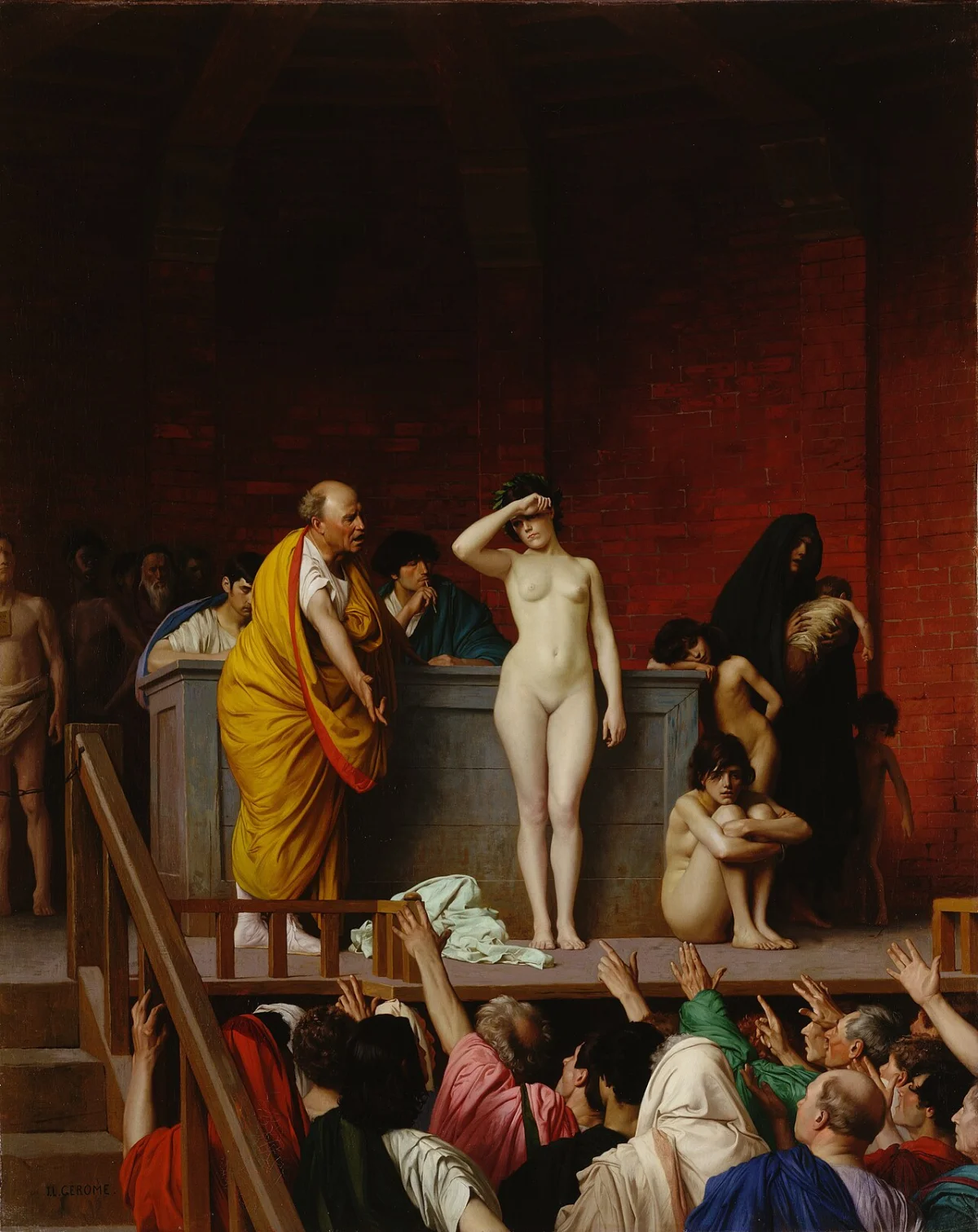
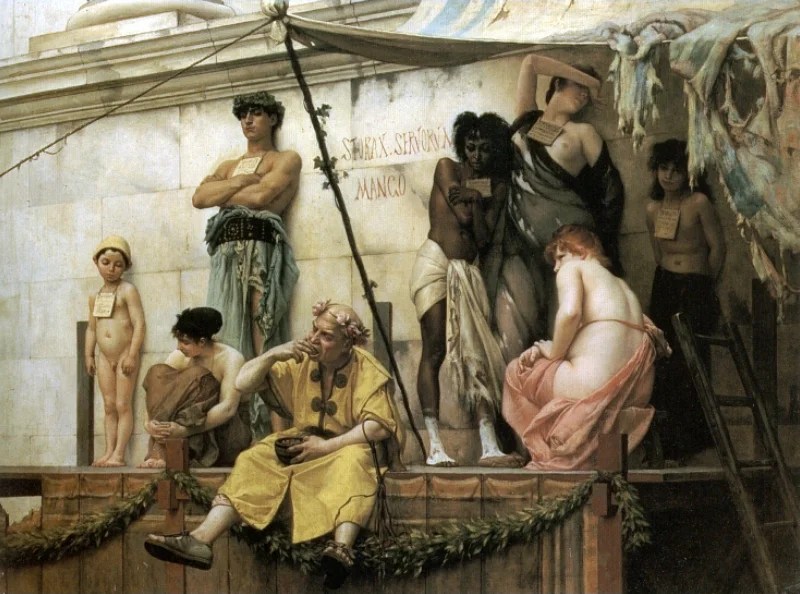
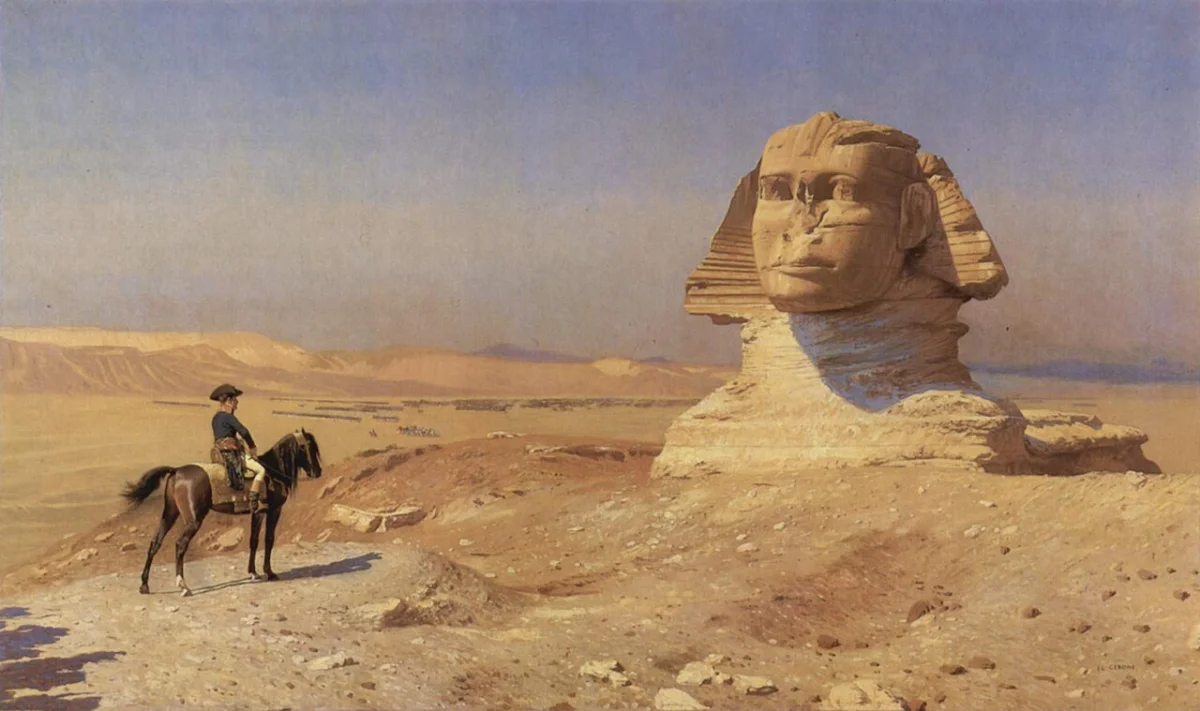
Jean-Léon Gérôme’s "Arnaut And Two Whippets" demonstrates his exceptional skill with oil on canvas, a medium that allowed him to achieve remarkable realism and depth. The Academic Classicism movement is evident in Gérôme’s precise rendering of textures, fabrics, and the dynamic stance of the Albanian figure. This painting is a prime example for those seeking a museum-quality oil on canvas, especially when paired with Gérôme’s other masterpieces like "Bonaparte Before the Sphinx" and "The Slave Market."
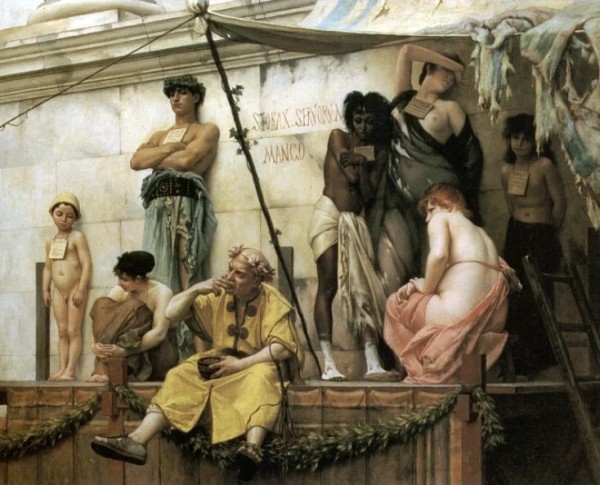
Within this fine art painting for sale, Gérôme weaves layers of narrative and symbolism. The Albanian’s fustanella signifies national pride, while the Egyptian setting and attentive whippets add a sense of adventure and exoticism. As a leading figure in Academic Classicism, Gérôme excelled at storytelling through detail, as seen here and in related works such as "Slave Market in Rome." Art lovers will find meaning and depth in every inch of this remarkable painting.
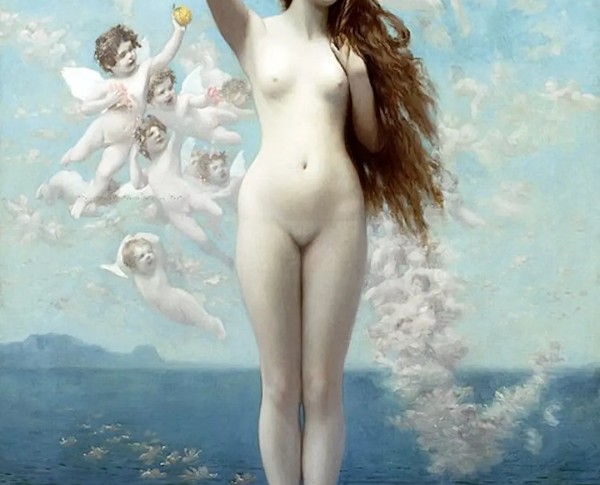
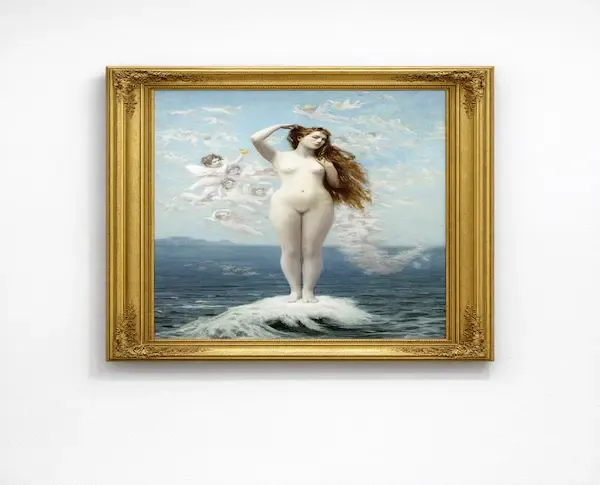
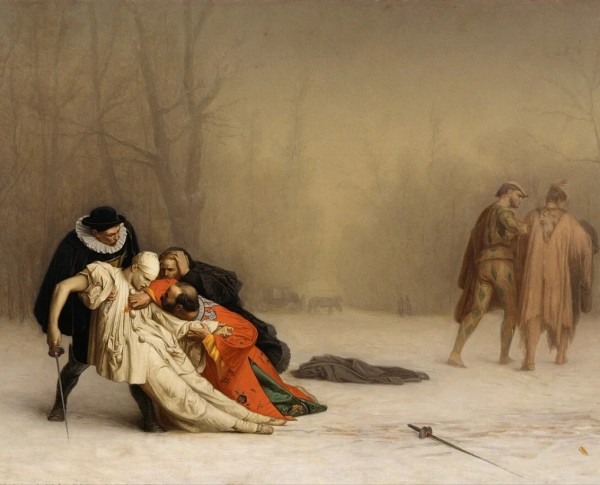
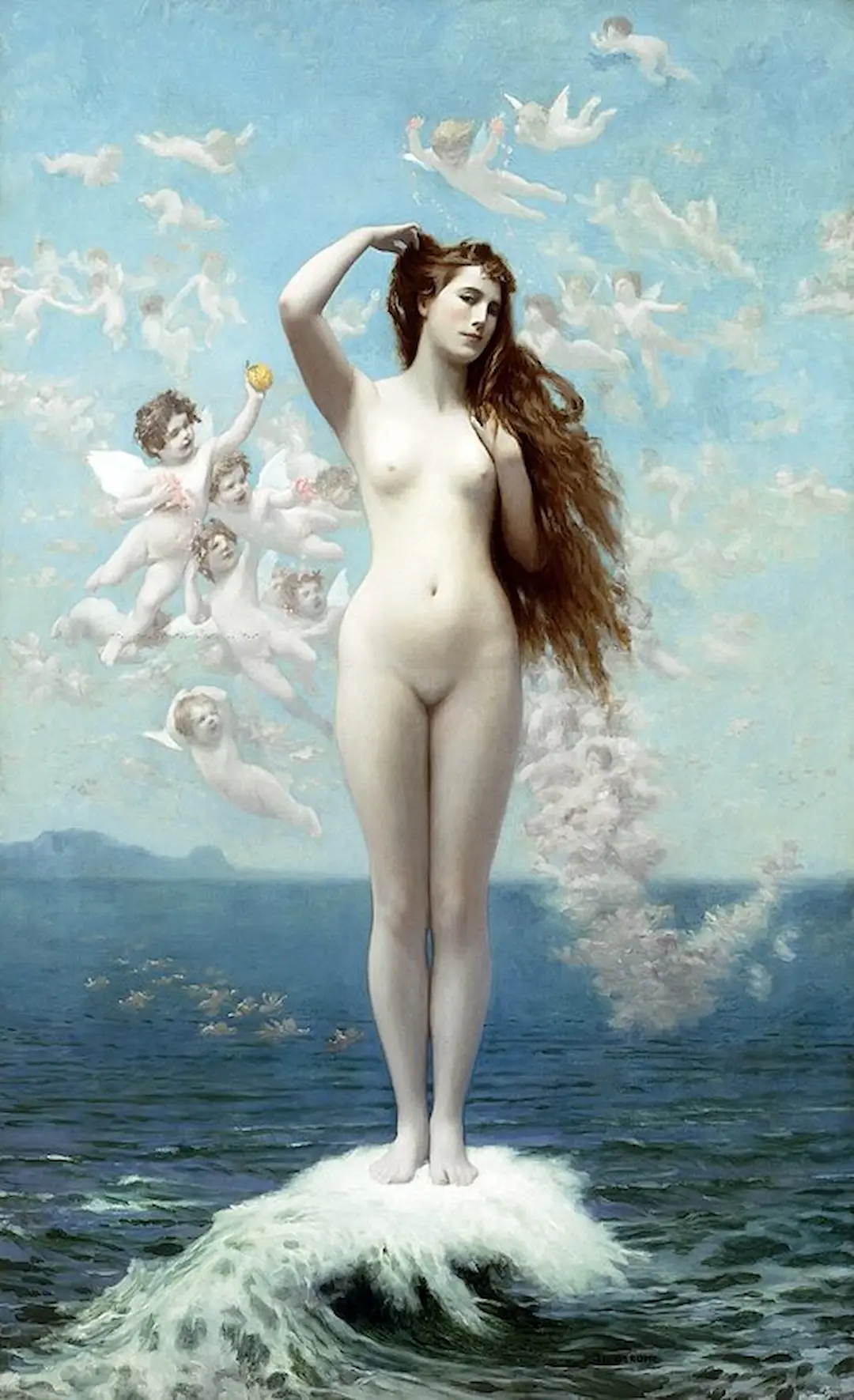
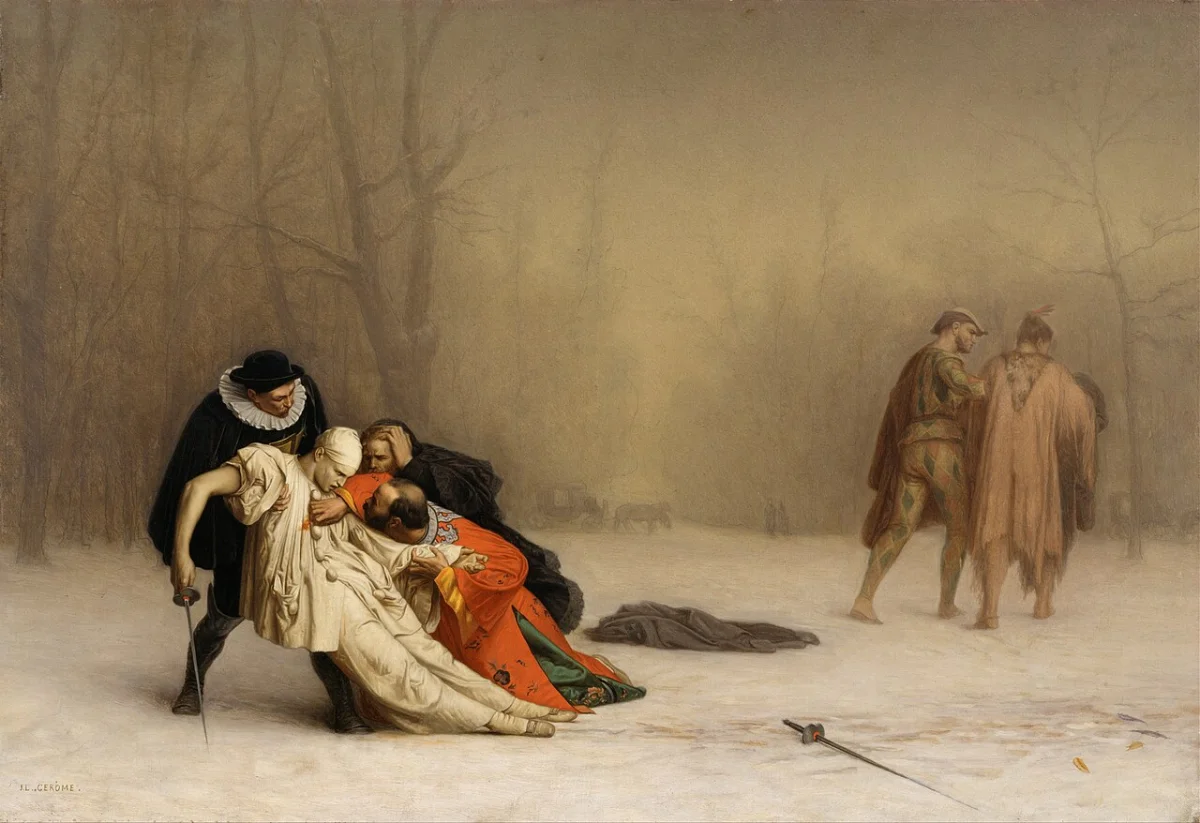
Owning "Arnaut And Two Whippets By Jean-Léon Gérôme" is an opportunity to possess a hand-painted oil painting that exemplifies the height of Academic Classicism. Gérôme’s works, including "The Duel After the Masquerade" and "Venus Rising," are coveted by collectors worldwide. This painting is not only a visual masterpiece but also a valuable addition to any art collection, especially for those seeking a distinguished fine art painting for sale from a legendary artist.
When Art Meets History
"Arnaut And Two Whippets By Jean-Léon Gérôme" captures a vivid intersection of cultures, portraying an Albanian figure dressed in a traditional fustanella amidst the exotic backdrop of Egypt. This hand-painted oil painting, created during the Academic Classicism movement, reflects Gérôme’s fascination with historical accuracy and cross-cultural encounters. Like his contemporaries who painted "The Painter's Honeymoon" and "Pieta," Gérôme bridges eras and geographies, offering viewers a window into a richly textured past through his meticulous brushwork.
Techniques That Speak
Jean-Léon Gérôme’s mastery is evident in the precise details and luminous quality of this oil on canvas. The interplay of light and shadow, as seen in "Young Girl Defending Herself against Eros 1880," is echoed here in the folds of the fustanella and the glistening coats of the whippets. Gérôme’s devotion to Academic Classicism emerges through his refined technique, elevating each element to create a composition that is both realistic and timeless.
Emotions on Display
In this evocative fine art painting for sale, Gérôme conveys a quiet dignity and companionship between the Arnaut and his two whippets. The subtle expressions and body language evoke a sense of loyalty and poise, reminiscent of the gentle serenity in "La Vierge au Lys (The Virgin of the Lilies)." Through nuanced gestures and atmospheric setting, Gérôme invites viewers to feel the emotions that resonate beneath the surface of this Academic Classicism masterpiece.
Coveted by Collectors
"Arnaut And Two Whippets By Jean-Léon Gérôme" remains highly sought-after among collectors of 19th-century art, cherished for its exemplary hand-painted oil painting technique and historical resonance. Alongside celebrated works like "Le Ravissement de Psyche (The Rapture of Psyche)," Gérôme’s paintings continue to command admiration in galleries and auctions. This remarkable example of Academic Classicism stands as a testament to the enduring allure of Gérôme’s artistic vision and craftsmanship.
Related Academic Classicism Hand-Painted Oil Paintings by Other Artists
Other Famous Academic Classicism Artists:
Frequently Asked Questions About Arnaut And Two Whippets By Jean-Léon Gérôme, Depicts An Albanian Wearing A Fustanella In Egypt
What is the historical context of "Arnaut And Two Whippets"?
This painting reflects the 19th-century fascination with the East, particularly Egypt, during a time when European artists were increasingly drawn to exotic subjects and cultures.
Who was Jean-Léon Gérôme and what is his significance in art history?
Jean-Léon Gérôme was a prominent French painter and sculptor known for his academic style and historical subjects. He played a crucial role in the Orientalist movement, which sought to depict the cultures and landscapes of the East.
What does the fustanella represent in this painting?
The fustanella is a traditional Albanian garment, symbolizing national identity and cultural heritage. Its inclusion in the painting highlights the diverse cultural influences present in 19th-century Egypt.
What artistic techniques did Gérôme employ in this work?
Gérôme utilized meticulous detail, vibrant color palettes, and dramatic lighting to create a lifelike representation of his subjects, showcasing his mastery of realism and the academic painting style.
How does the portrayal of the whippets contribute to the painting's narrative?
The whippets serve as symbols of loyalty and companionship, enhancing the character of the Albanian figure while also reflecting the artist's interest in depicting animals as integral parts of human life.
What themes are explored in "Arnaut And Two Whippets"?
The painting explores themes of identity, cultural exchange, and the relationship between man and nature, encapsulating the complexities of Eastern and Western interactions during the period.
In what ways does this painting exemplify Orientalism?
This work exemplifies Orientalism through its romanticized depiction of Eastern subjects, showcasing Western interpretations of Eastern culture that often blend fantasy with reality.
What impact did "Arnaut And Two Whippets" have on contemporary audiences?
Upon its release, the painting captivated audiences with its exotic subject matter and technical prowess, contributing to the growing interest in Orientalist art and influencing future generations of artists.
How does this painting compare to other works by Gérôme?
Compared to other works by Gérôme, "Arnaut And Two Whippets" shares similar themes of cultural representation and meticulous detail, yet it stands out for its unique focus on Albanian identity within an Egyptian setting.
What is the significance of the setting in the painting?
The Egyptian backdrop serves not only as a geographical setting but also as a cultural crossroads, emphasizing the historical interactions between different cultures and the allure of the East for Western artists.






















_GFM_Painting_(1).webp)


 100% Hand-Painted: Finished in 3-6 Weeks

.png)















_(1).webp)