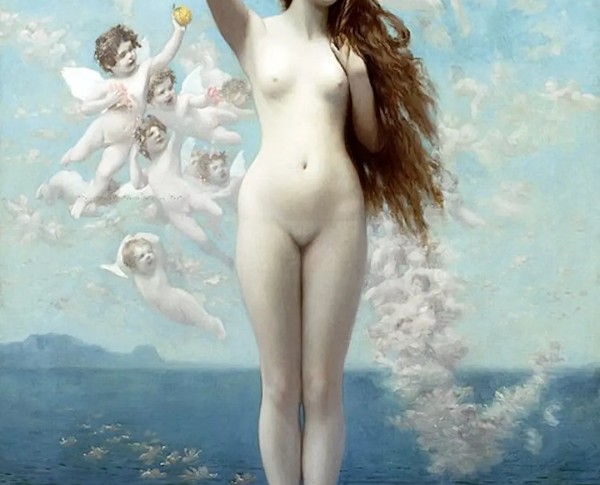
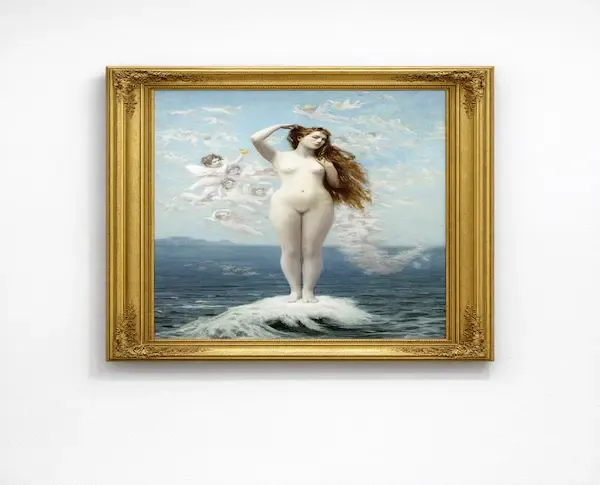
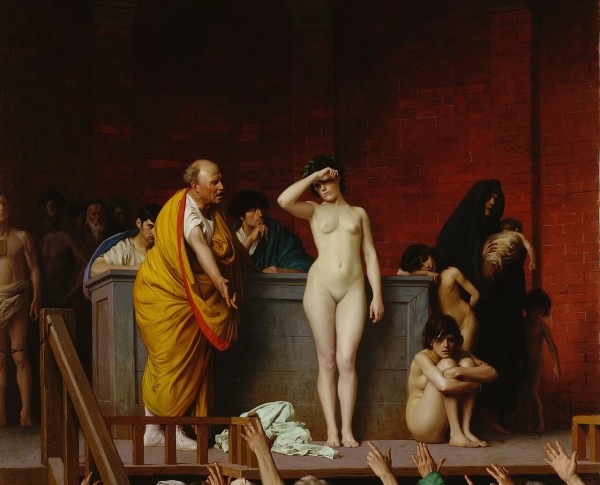
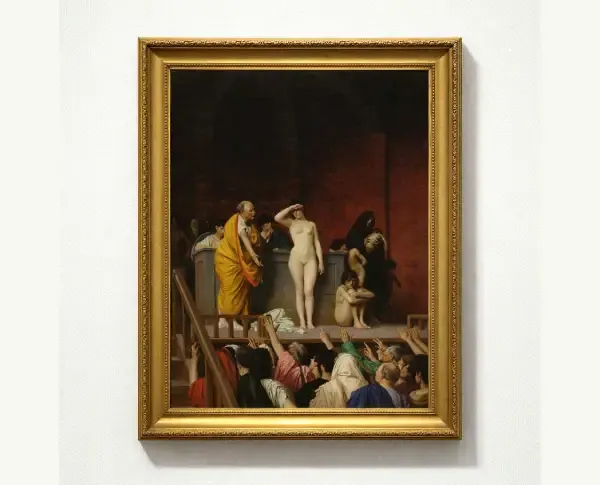
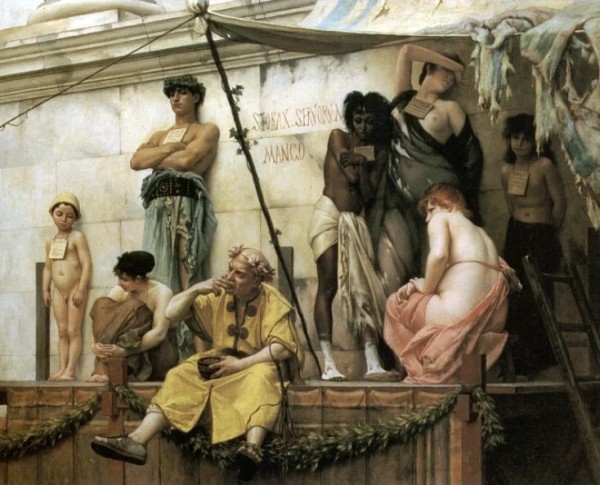
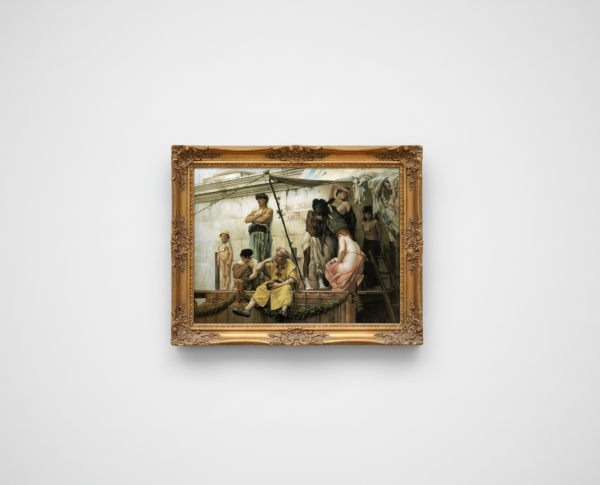
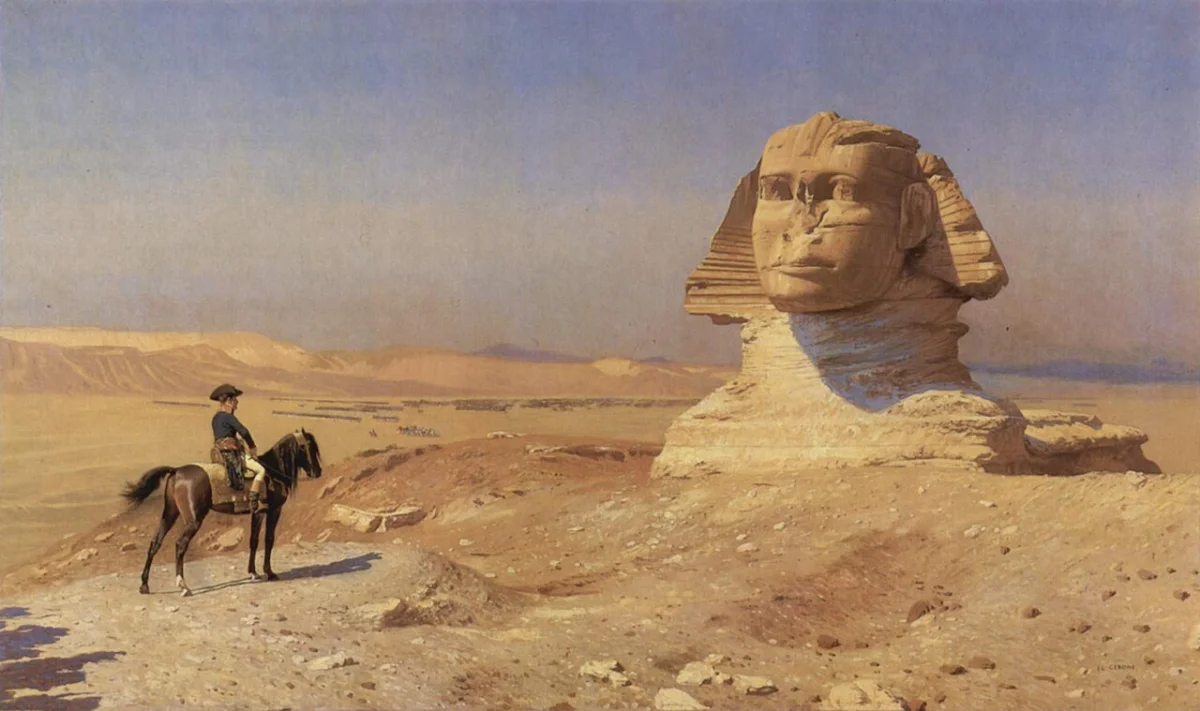
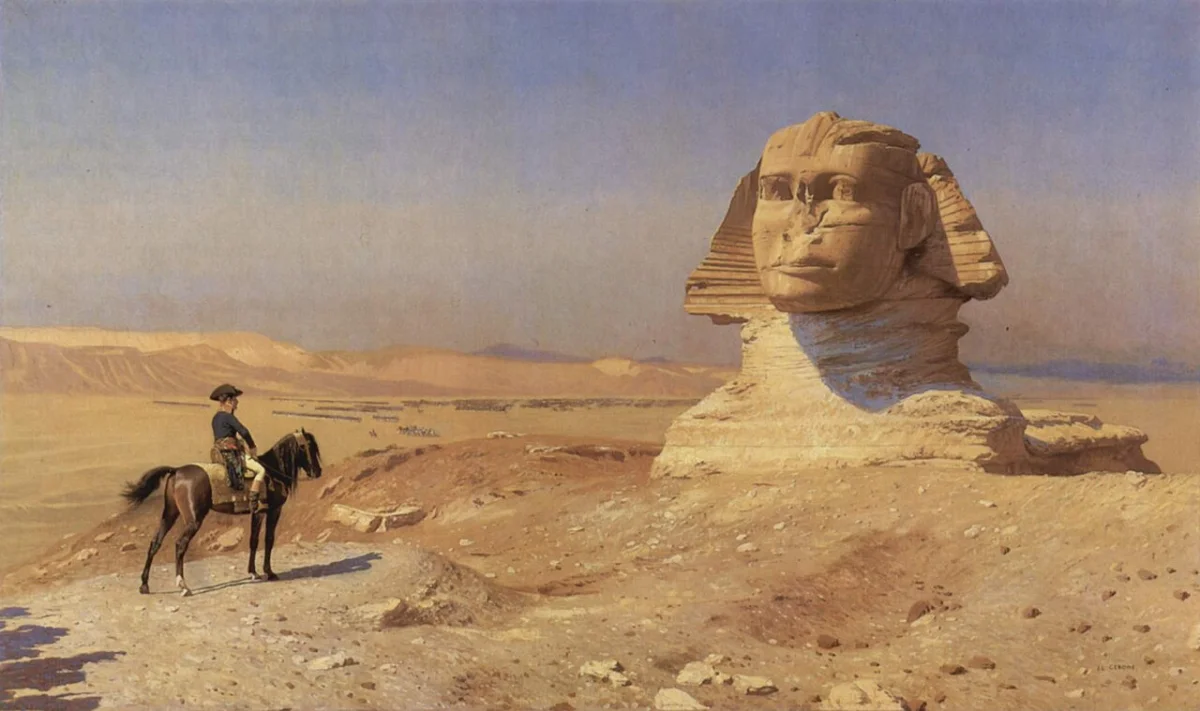
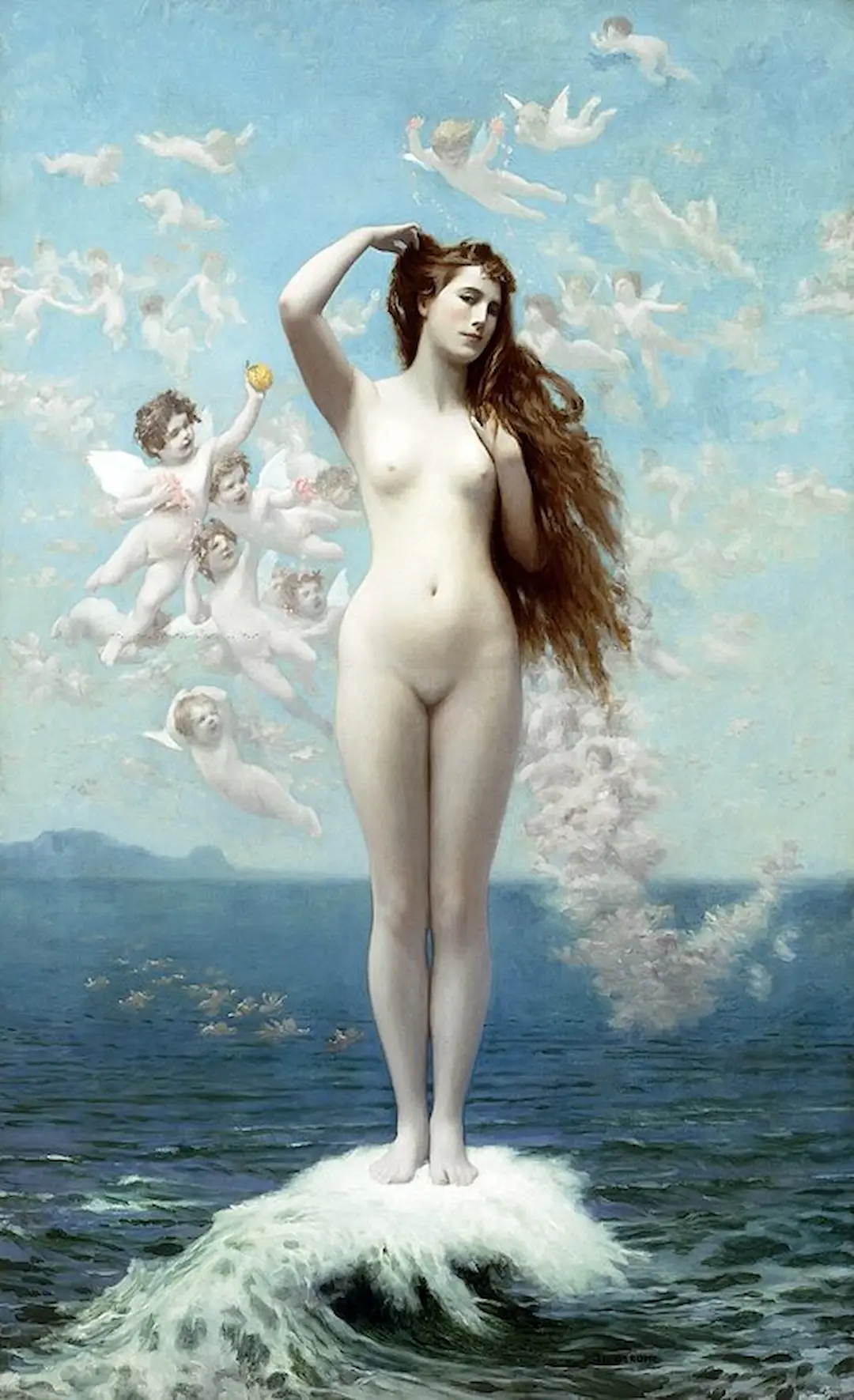
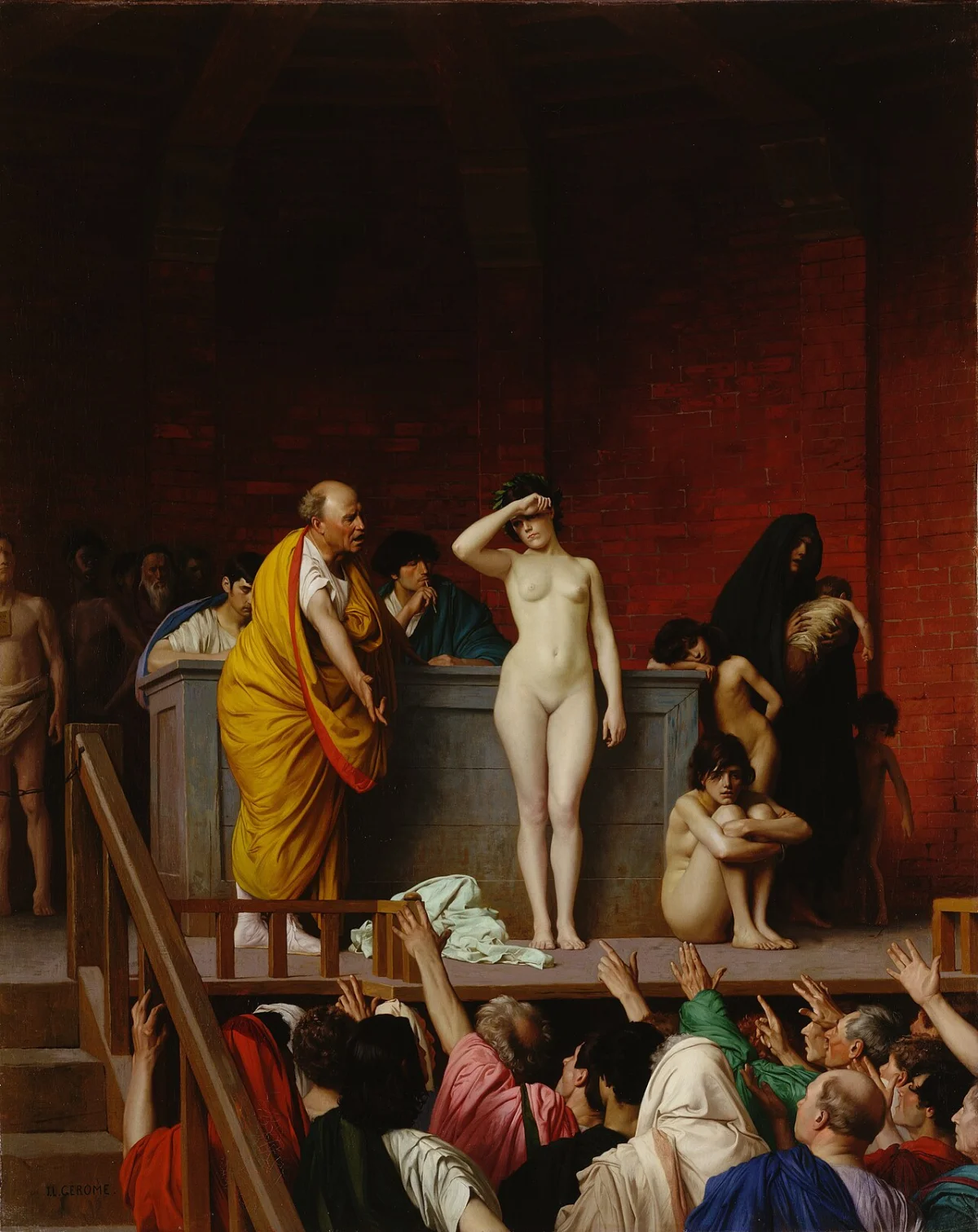
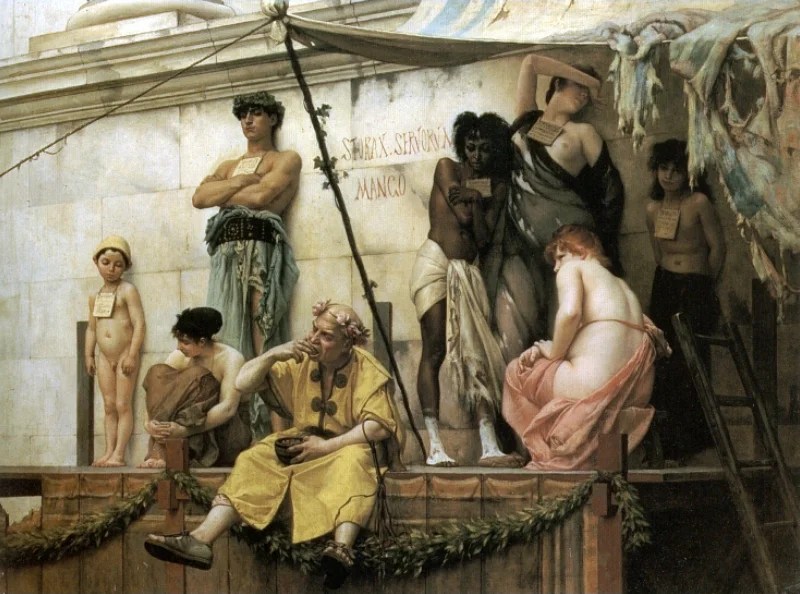
The technical brilliance of "Bonaparte Before the Sphinx" is evident in Gérôme’s meticulous approach to oil on canvas. Every detail, from the sweeping desert sands to Napoleon’s contemplative posture, exemplifies the highest standards of Academic Classicism. Gérôme’s expertise is equally showcased in related works such as "Venus Rising" and "Slave Market in Rome," further solidifying his legacy as a master of hand-painted oil painting. Each brushstroke reveals the artist’s dedication to realism and historical storytelling.
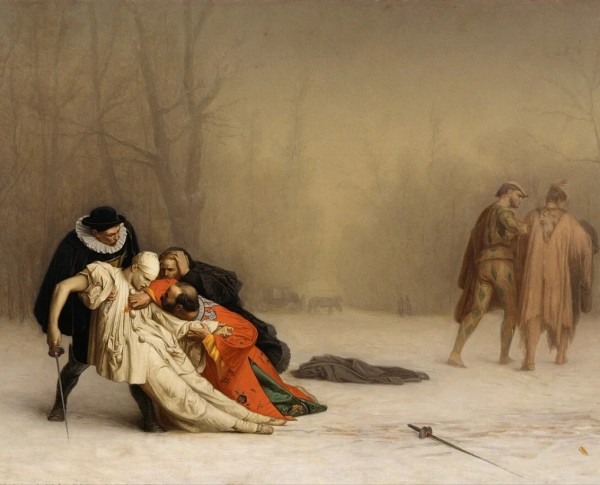
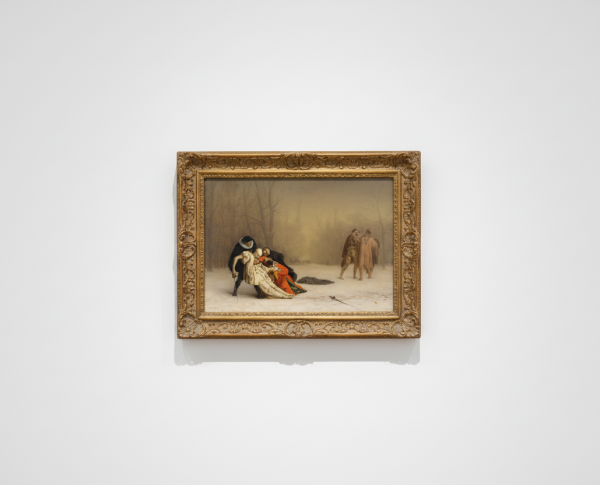
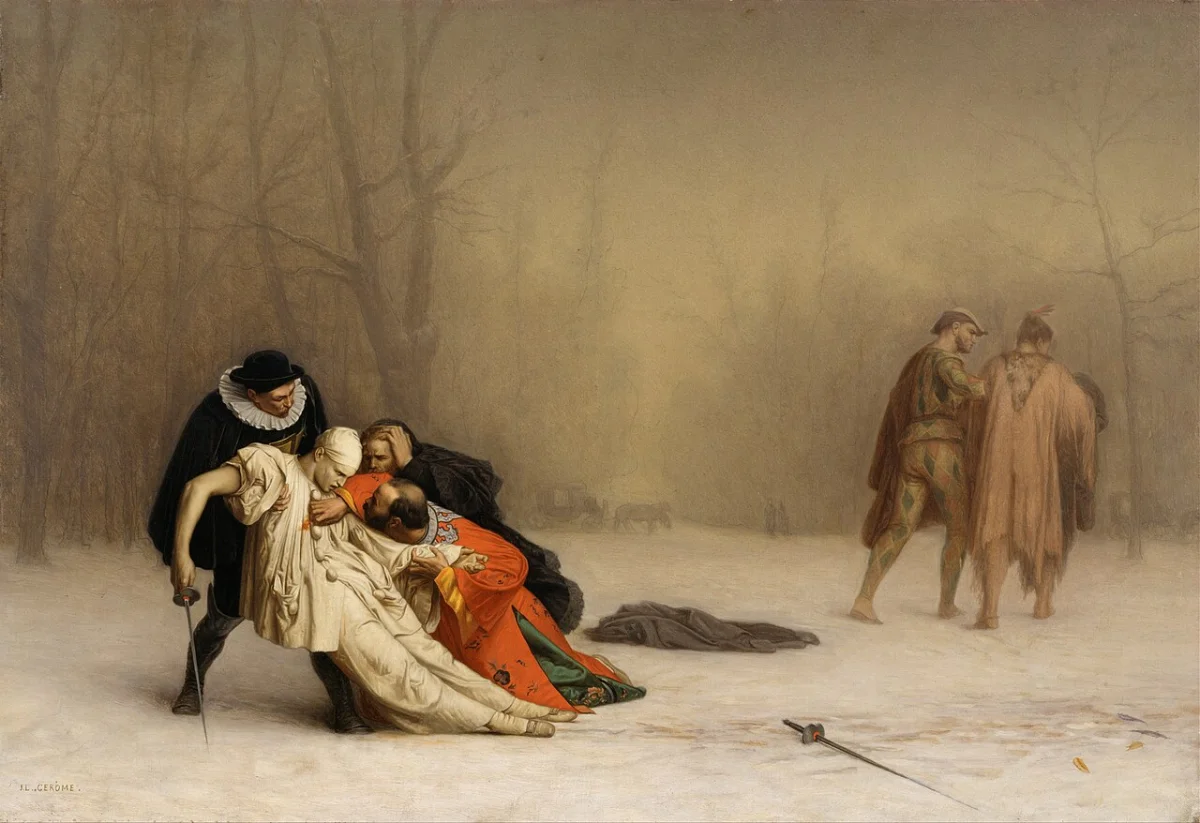
"Bonaparte Before the Sphinx" is rich with symbolism, as Gérôme juxtaposes the ambitious French leader against the ancient, inscrutable Sphinx. This oil on canvas invites viewers to ponder themes of destiny, empire, and the enduring mysteries of history. Gérôme’s narrative power, also present in "The Duel After the Masquerade" and "The Slave Market," makes this fine art painting for sale a profound conversation piece for any collection, evoking curiosity and admiration for Academic Classicism.
For art collectors, owning "Bonaparte Before the Sphinx" by Jean-Léon Gérôme means possessing a true masterpiece of Academic Classicism. This hand-painted oil painting is not just a visual delight, but a piece of history, sharing its esteemed company with related works such as "Venus Rising" and "Slave Market in Rome." As a fine art painting for sale, it offers both aesthetic excellence and significant cultural value to discerning collectors and admirers of Gérôme’s craft.
When Art Meets History
"Bonaparte Before the Sphinx" by Jean-Léon Gérôme is a remarkable example of Academic Classicism, capturing the enigmatic encounter between Napoleon and the ancient Egyptian monument. This hand-painted oil painting not only immortalizes a pivotal moment in history but also reflects Gérôme's fascination with the mysteries of the past. Similar to his other works such as "The Abduction of Psyche 1895" and "The Storm," Gérôme masterfully blends historical narrative with artistic grandeur.
Techniques That Speak
Jean-Léon Gérôme’s skillful use of oil on canvas brings "Bonaparte Before the Sphinx" to life, showcasing his meticulous attention to detail and mastery of light and shadow. The Academic Classicism movement emphasized technical precision, which is evident in the painting’s lifelike textures and atmospheric depth. Works like "Le Ravissement de Psyche (The Rapture of Psyche)" and "La Vierge au Lys (The Virgin of the Lilies)" further demonstrate his command of the medium and dedication to classical techniques.
Emotions on Display
In "Bonaparte Before the Sphinx," Gérôme conveys a profound sense of awe and contemplation as Napoleon confronts the silent, timeless gaze of the Sphinx. The emotional depth found in this fine art painting for sale is echoed in related works like "Flaming June" and "The Storm," where human figures are placed in evocative, symbolic settings. Gérôme’s approach invites viewers to reflect on the mysteries of history and the emotional resonance of monumental encounters.
Coveted by Collectors
Collectors highly prize "Bonaparte Before the Sphinx" for its historical significance and exquisite execution. As an oil on canvas masterpiece of the Academic Classicism movement, it stands alongside Gérôme’s other celebrated paintings, attracting art enthusiasts worldwide. Whether displayed with "The Abduction of Psyche 1895" or "La Vierge au Lys (The Virgin of the Lilies)," this work remains a sought-after fine art painting for sale, embodying the enduring appeal of Gérôme’s artistry.
Related Academic Classicism Hand-Painted Oil Paintings by Other Artists
Other Famous Academic Classicism Artists:
Frequently Asked Questions About Bonaparte Before the Sphinx
What is the historical context of "Bonaparte Before the Sphinx"?
This painting was created in 1867, during a period when Napoleon III was expanding French influence in Egypt. It reflects the fascination with Egyptology and the romanticism surrounding the figure of Napoleon Bonaparte, who is depicted in a contemplative pose before the Sphinx.
Who is the artist of "Bonaparte Before the Sphinx"?
The painting was created by Jean-Léon Gérôme, a prominent French painter and sculptor known for his academic style and historical subjects. Gérôme's work often combines realism with a dramatic flair, making him a key figure in 19th-century art.
What artistic techniques did Gérôme use in this painting?
Gérôme employed meticulous attention to detail and a rich color palette to create a vivid representation of the scene. His use of light and shadow enhances the three-dimensionality of the figures and the monumental Sphinx, showcasing his mastery of realism.
What is the significance of the Sphinx in this artwork?
The Sphinx symbolizes mystery and ancient wisdom, serving as a backdrop to Bonaparte's ambitions. Its presence in the painting emphasizes the connection between the past and the aspirations of the French Empire during the 19th century.
How does the painting reflect the Romantic movement?
"Bonaparte Before the Sphinx" embodies the Romantic movement through its dramatic subject matter and emotional depth. The portrayal of Napoleon in a moment of introspection invites viewers to consider the complexities of power and ambition, hallmarks of Romantic art.
What is the symbolism of Napoleon's pose in the painting?
Napoleon's contemplative pose suggests a moment of reflection on his legacy and the weight of his ambitions. This posture invites viewers to ponder the duality of his character as both a conqueror and a thinker, highlighting the internal conflicts faced by historical figures.
What role does the landscape play in the painting?
The arid desert landscape surrounding the Sphinx enhances the sense of isolation and grandeur. It serves as a stark contrast to Napoleon's figure, emphasizing his smallness in the face of history and the vastness of time represented by the ancient monument.
How does this painting compare to other works by Gérôme?
Compared to other works by Gérôme, "Bonaparte Before the Sphinx" stands out for its historical subject matter and the psychological depth of its central figure. While many of his paintings focus on classical themes or exotic subjects, this piece uniquely merges history with personal reflection.
What impact did "Bonaparte Before the Sphinx" have on contemporary audiences?
Upon its exhibition, the painting captivated audiences with its dramatic portrayal of Napoleon and the allure of Egypt. It contributed to the growing interest in Orientalism and the romanticized view of ancient cultures, influencing both art and literature of the time.
What themes are explored in "Bonaparte Before the Sphinx"?
The painting explores themes of power, ambition, and the passage of time. It reflects on the relationship between historical figures and their legacies, as well as the enduring allure of ancient civilizations, inviting viewers to contemplate the intersection of history and personal ambition.






















_GFM_Painting_(1).webp)


 100% Hand-Painted: Finished in 3-6 Weeks

.png)















_(1).webp)