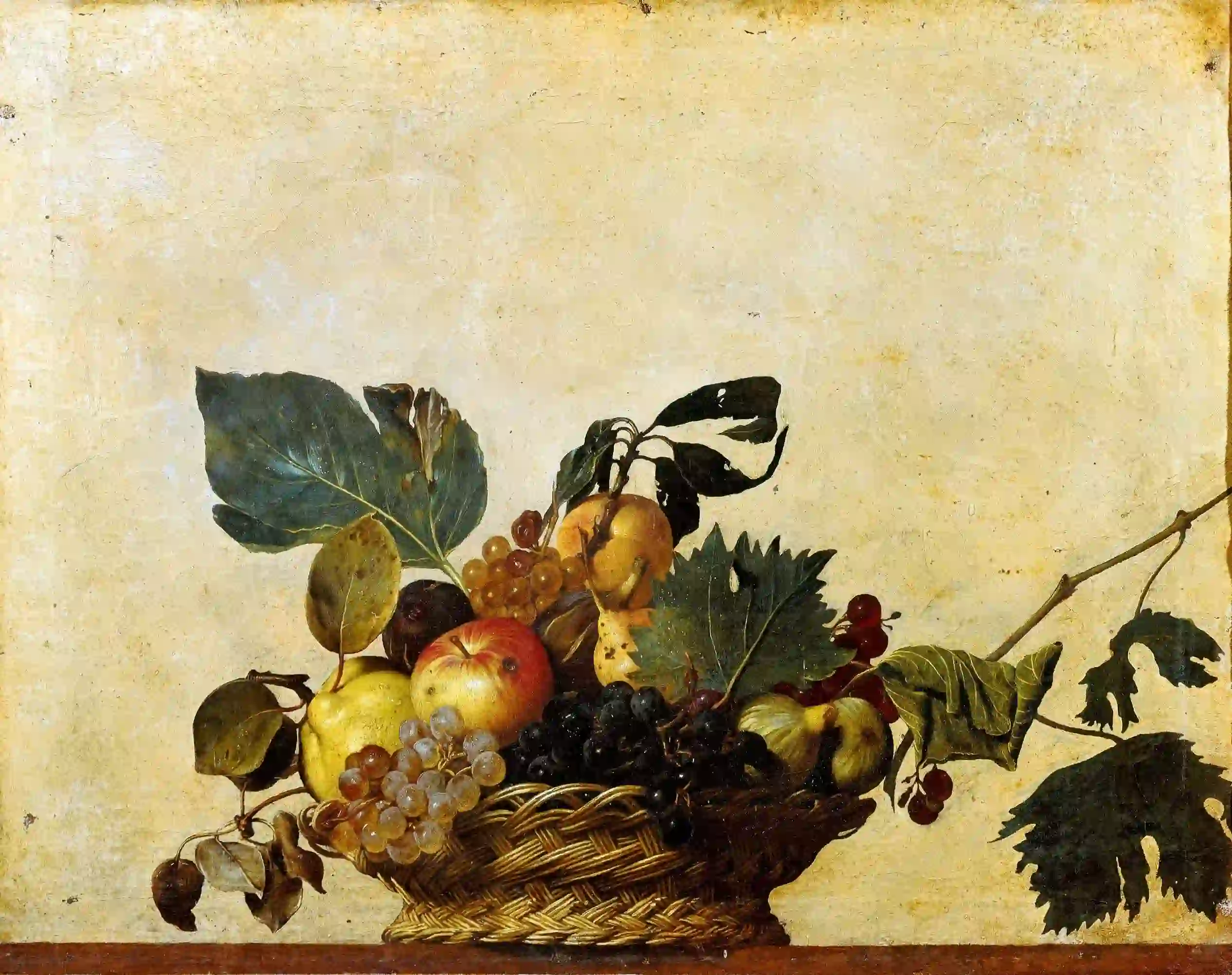
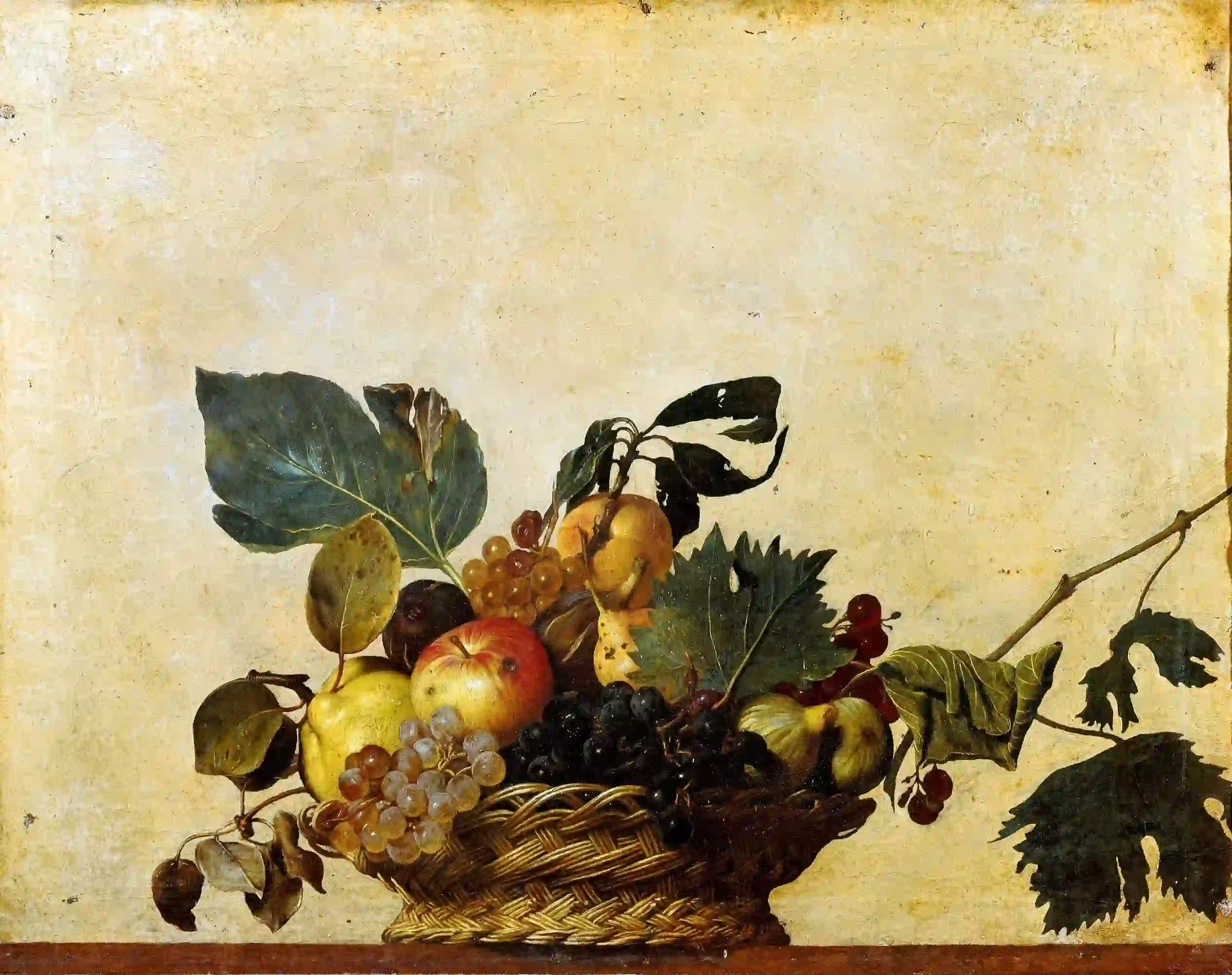
In “Basket of Fruit,” Caravaggio skillfully weaves symbolism into the composition, with every piece of fruit representing themes of transience and mortality typical of the Baroque movement. This fine art painting for sale invites viewers to reflect on life’s fleeting beauty, much like his other works “Saint Francis of Assisi in Ecstasy” and “Boy Peeling Fruit.” Art lovers treasure the layers of meaning found in each carefully rendered detail.
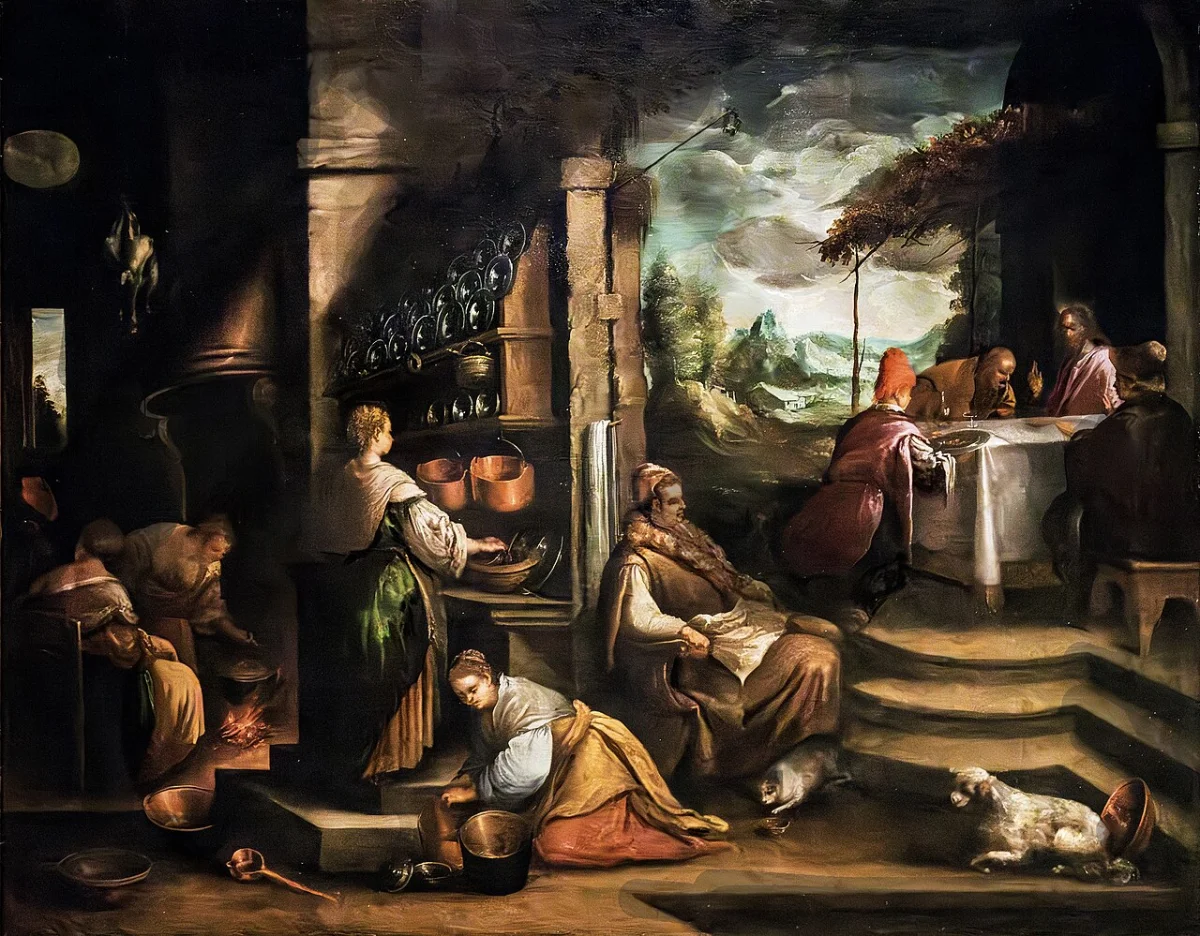
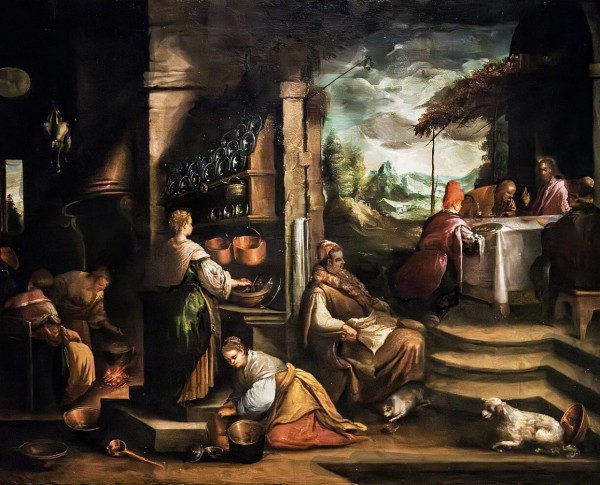
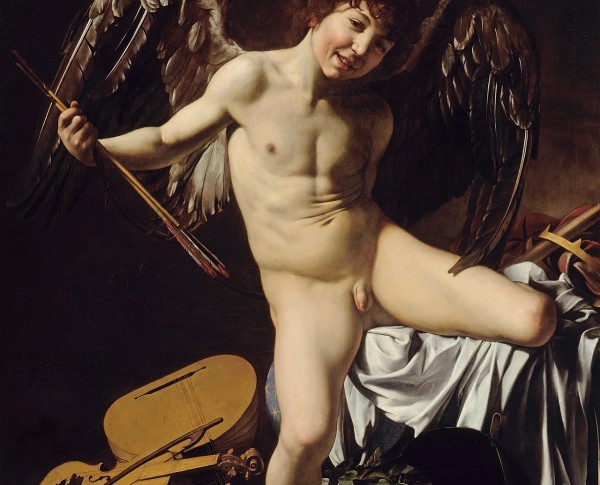
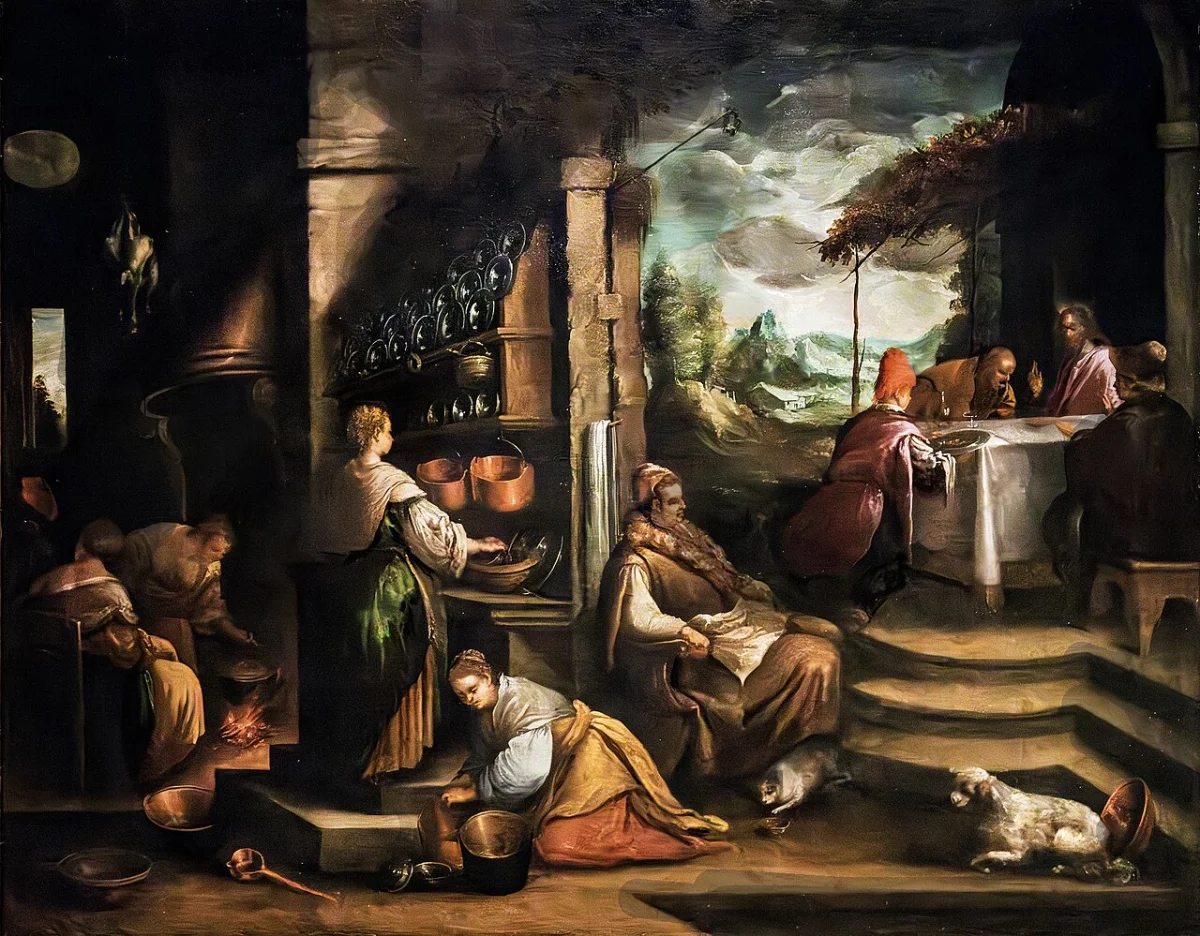
Owning a hand-painted oil painting like Caravaggio’s “Basket of Fruit” is a mark of distinction for any art collector. The painting’s Baroque style and historical significance make it a sought-after piece, often displayed alongside masterpieces such as “Supper at Emmaus” and “Amor Vincit Omnia.” This exceptional artwork continues to captivate audiences, ensuring its place as a fine art painting for sale that transcends time and taste.
When Art Meets History
Caravaggio’s "Basket of Fruit" stands as a remarkable example of Baroque artistry, created during a period when realism and naturalism began to flourish. This hand-painted oil painting showcases the artist’s revolutionary approach, emphasizing lifelike details and dramatic lighting. Alongside masterpieces like "Portrait of Charles II" and "Holy Family," "Basket of Fruit" highlights Caravaggio’s pivotal role in shaping the Baroque movement, leaving a profound impact on art history and influencing generations of painters to come.
Techniques That Speak
In "Basket of Fruit," Caravaggio employs his signature oil on canvas technique, meticulously rendering textures and subtle color variations. The interplay of light and shadow, known as chiaroscuro, brings the fruit to vivid life and sets a new standard for still life painting. This technique connects "Basket of Fruit" to other works such as "Mountain landscape with lightning" and "Self-Portrait," all showcasing the artist’s mastery within the Baroque movement.
Emotions on Display
The evocative realism in Caravaggio’s "Basket of Fruit" transcends mere representation, inviting viewers to contemplate themes of transience and decay. The painting’s lifelike depiction stirs emotion, similar to the effect found in "Girl carrying Water." This fine art painting for sale captures the Baroque fascination with drama and intensity, revealing both the beauty and impermanence of nature through Caravaggio’s unparalleled emotional depth and technical prowess.
Coveted by Collectors
"Basket of Fruit" by Caravaggio is highly sought after by collectors worldwide, celebrated for its historical significance and exquisite execution. As a quintessential Baroque masterpiece, it stands alongside treasures like "Holy Family" and "Portrait of Charles II." The allure of owning such an iconic hand-painted oil painting is immense, making it a prized piece in museums and private collections, and a testament to Caravaggio’s enduring legacy in the world of fine art.
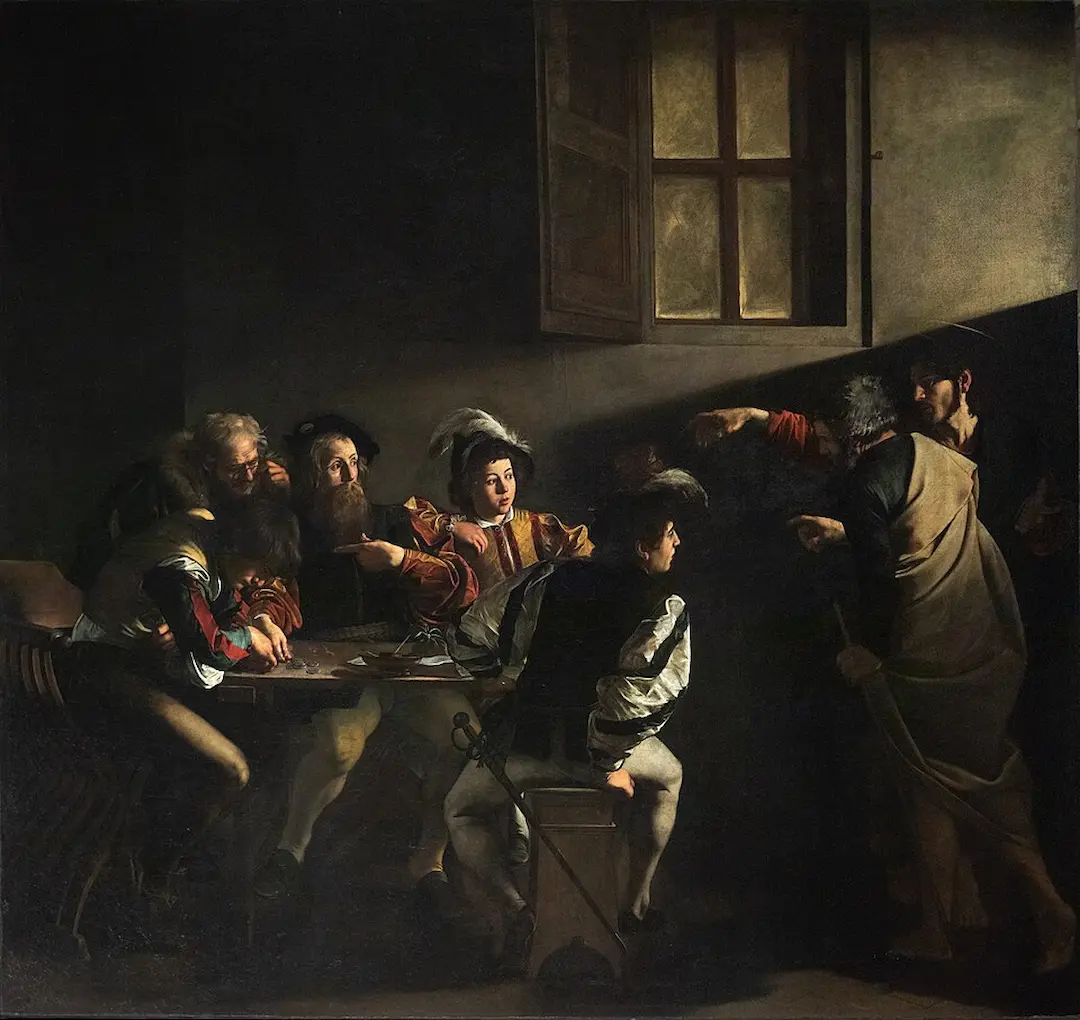
Related Baroque Hand-Painted Oil Paintings by Other Artists
Other Famous Baroque Artists:
Frequently Asked Questions About Basket of Fruit
What is the historical significance of "Basket of Fruit"?
"Basket of Fruit," created by Caravaggio in the late 16th century, is significant for its innovative approach to still life painting, marking a departure from traditional representations and influencing future generations of artists.
What artistic techniques did Caravaggio employ in "Basket of Fruit"?
Caravaggio utilized chiaroscuro, a technique that contrasts light and shadow, to create depth and realism in "Basket of Fruit," enhancing the three-dimensional quality of the composition.
What symbolism is present in "Basket of Fruit"?
The fruit in the basket symbolizes the transient nature of life, reflecting the concept of vanitas, which serves as a reminder of mortality and the fleeting beauty of nature.
How does "Basket of Fruit" reflect Caravaggio's style?
The painting exemplifies Caravaggio's signature realism and attention to detail, showcasing his ability to depict ordinary subjects with dramatic intensity and emotional depth.
What materials did Caravaggio use for "Basket of Fruit"?
Caravaggio likely used oil on canvas for "Basket of Fruit," a common medium during his time that allowed for rich color and intricate detailing.
In what context was "Basket of Fruit" created?
"Basket of Fruit" was created during the Baroque period, a time characterized by dramatic expression and realism in art, reflecting the cultural and religious tensions of the era.
What influence did "Basket of Fruit" have on later artists?
The painting influenced the development of still life as a genre, inspiring artists such as Juan Sánchez Cotán and later still life painters who sought to capture the beauty of everyday objects.
What elements of composition are notable in "Basket of Fruit"?
Notable elements include the careful arrangement of fruit, the use of diagonal lines to guide the viewer's eye, and the balance between light and shadow that creates a harmonious composition.
How does "Basket of Fruit" compare to other works by Caravaggio?
Compared to other works by Caravaggio, "Basket of Fruit" is more focused on still life rather than human figures, showcasing his versatility and ability to imbue inanimate objects with life and emotion.
What is the current location of "Basket of Fruit"?
"Basket of Fruit" is housed in the Pinacoteca Ambrosiana in Milan, Italy, where it continues to be a significant work in the study of Caravaggio's oeuvre and the evolution of still life painting.























_GFM_Painting_(1).webp)


 100% Hand-Painted: Finished in 3-6 Weeks

.png)
















_(1).webp)