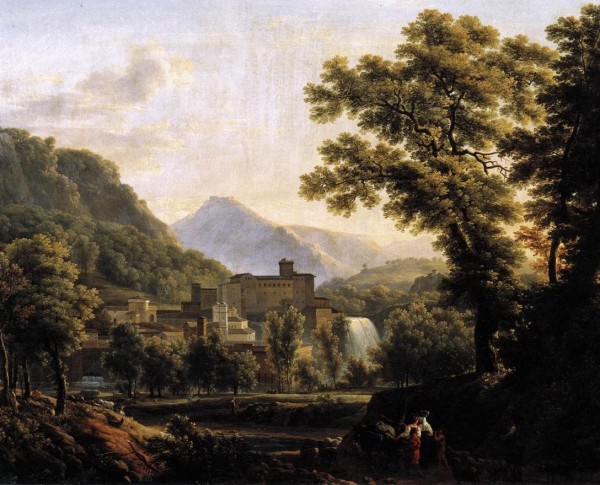
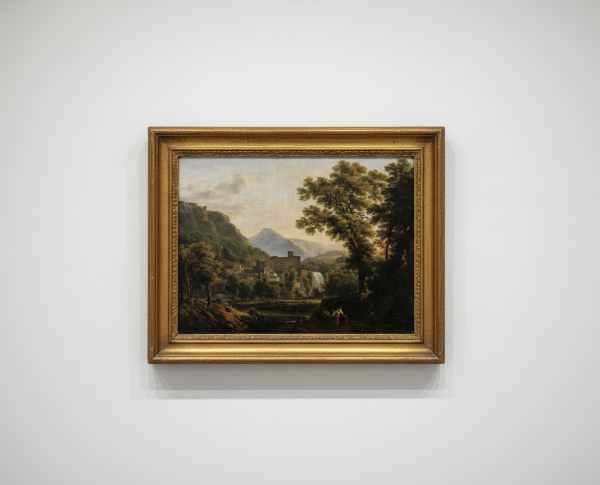
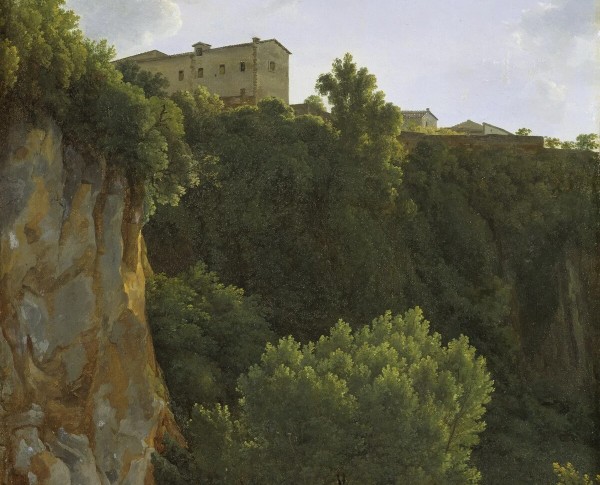
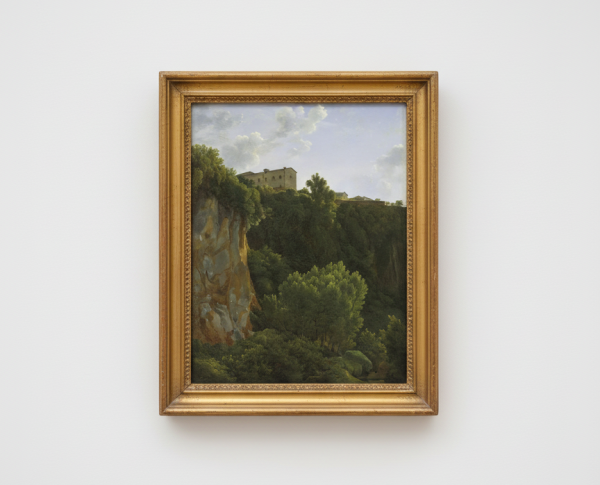
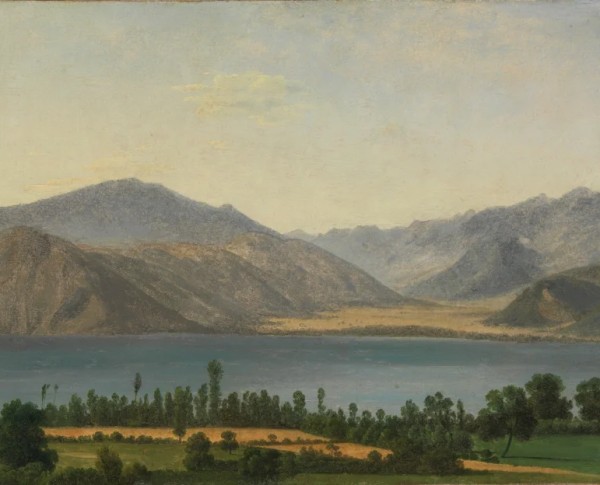
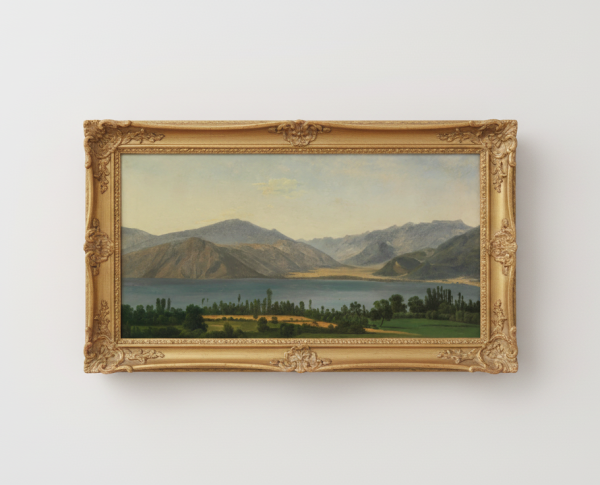
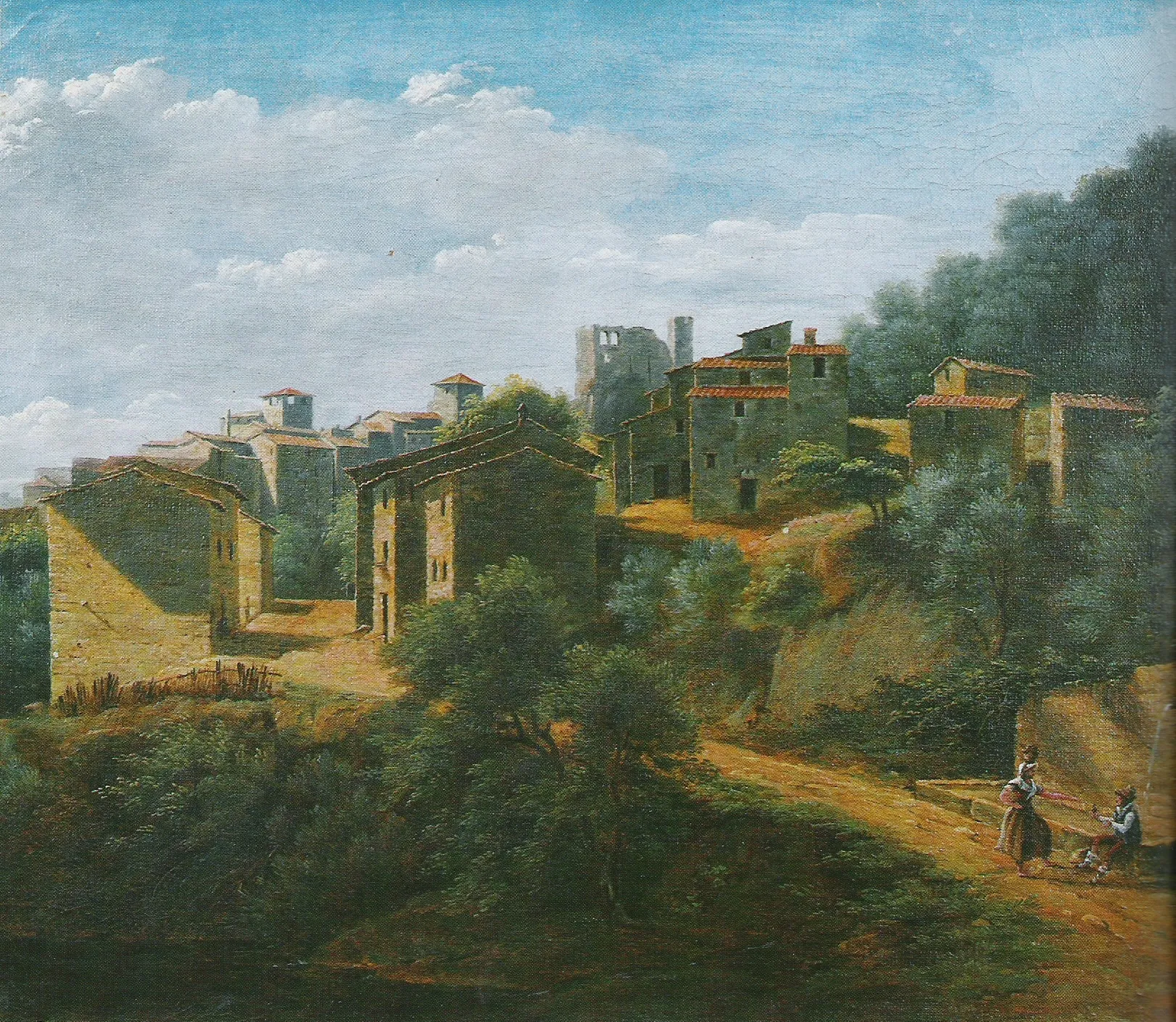
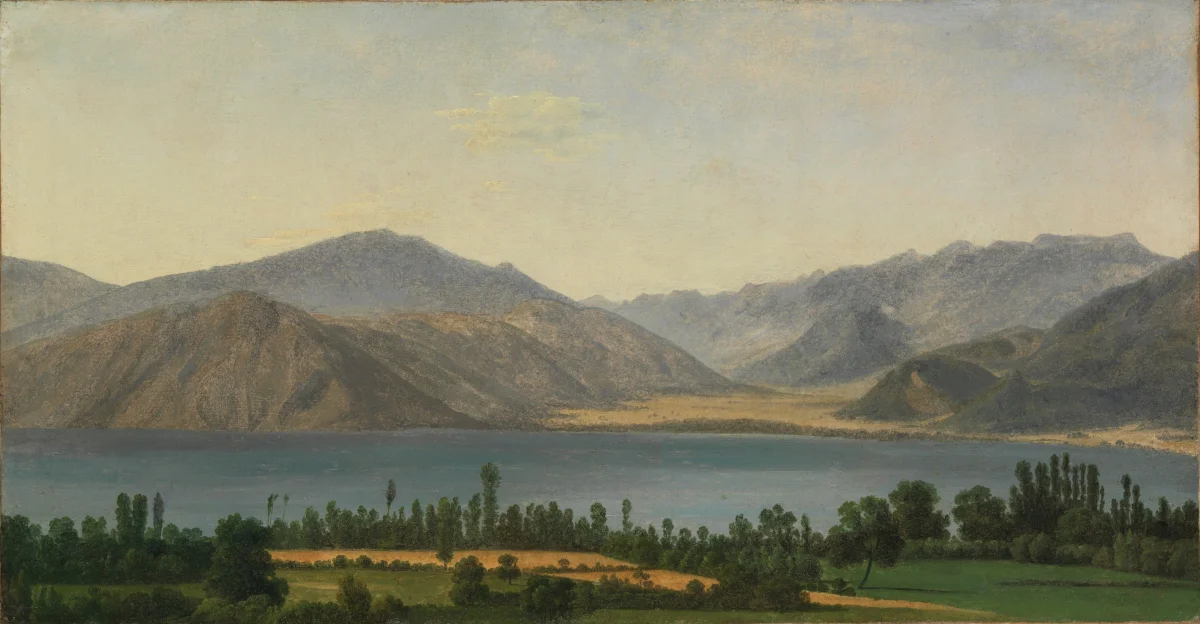
With “Beaumes De Venise,” Jean-Joseph-Xavier Bidauld demonstrates his extraordinary skill in oil on canvas, a medium cherished within the Neo-Classical movement. Every stroke reveals his meticulous attention to detail and mastery of light and perspective. Similar to “Lake Fucino and the Abruzzi Mountains” and “Paysage Avec Pan Jouant De La Flûte Pour Une Nymphe,” this painting exemplifies the technical brilliance that defines Bidauld’s body of work.
“Beaumes De Venise” by Jean-Joseph-Xavier Bidauld is more than a beautiful landscape; it is a narrative woven in the Neo-Classical tradition. The composition’s serenity and classical balance evoke themes of harmony and timelessness, much like his “View of the Isle of Sora.” This fine art painting for sale invites viewers to contemplate the stories embedded within the scenery, connecting nature’s grandeur to humanity’s enduring search for beauty.
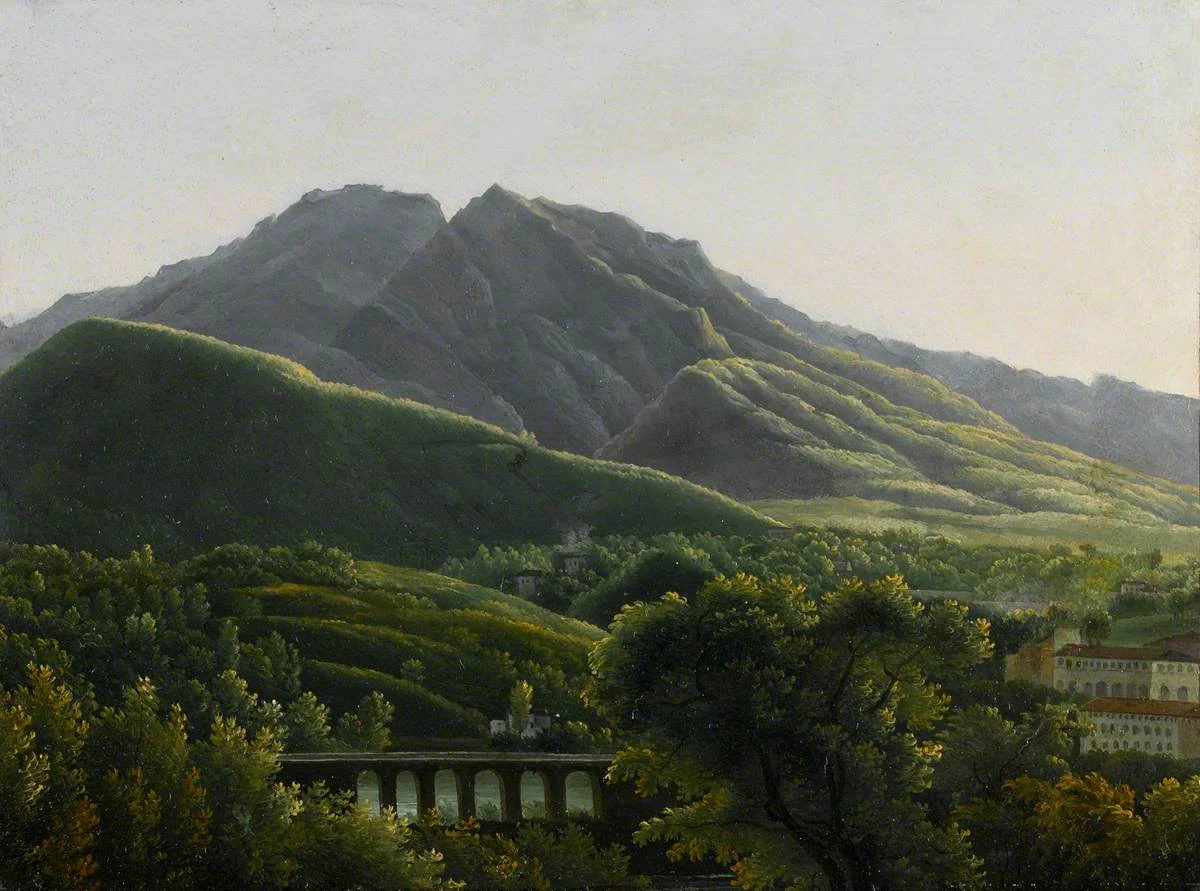
Owning “Beaumes De Venise” by Jean-Joseph-Xavier Bidauld means possessing a unique piece of the Neo-Classical era. Collectors seeking an exquisite hand-painted oil painting will appreciate its historical significance. Alongside masterpieces such as “The Bridge at La Cava, Kingdom of Naples,” this work stands as a coveted addition to any fine art collection, offering both visual splendor and a direct link to art history’s classical roots.
When Art Meets History
Jean-Joseph-Xavier Bidauld's "Beaumes De Venise" stands as a remarkable example of the Neo-Classical movement, where art and historical context intertwine seamlessly. This hand-painted oil painting not only reflects the artist’s mastery but also echoes the period’s reverence for classical ideals. Like related works such as "Declaration of Independence" and "Anton, König von Sachsen," Bidauld’s landscape captures a sense of timelessness, connecting viewers to both the past and the artistic innovations of his era.
Techniques That Speak
Bidauld’s "Beaumes De Venise" exemplifies the refined techniques characteristic of Neo-Classical artists. Executed in oil on canvas, the painting reveals meticulous brushwork and a harmonious color palette, hallmarks of the movement. Similar to other masterpieces like "Bildnis Des Dresdner Professors Karl Förster," the composition’s clarity and balance highlight Bidauld’s technical prowess, making this work a standout in the tradition of grand landscapes and classical representation.
Emotions on Display
"Beaumes De Venise" invites viewers into an evocative landscape where tranquility and grandeur coexist. Jean-Joseph-Xavier Bidauld imbues the scene with a subtle emotional resonance, a trait shared with related pieces such as "Romantic Landscape" and "Caroline Louisa Pratt Bartlett." The painting’s serene atmosphere and attention to detail transform it into more than a fine art painting for sale; it becomes a window into the artist’s soul and the spirit of the Neo-Classical era.
Coveted by Collectors
Collectors prize "Beaumes De Venise" for its historical significance and exceptional artistry. Jean-Joseph-Xavier Bidauld’s reputation within the Neo-Classical movement ensures this work’s enduring appeal. Like other sought-after pieces, such as "Declaration of Independence" and "Romantic Landscape," this oil on canvas masterpiece is celebrated for its authenticity and aesthetic value, making it a highly desirable fine art painting for sale among enthusiasts and connoisseurs alike.
Related Neo-Classical Hand-Painted Oil Paintings by Other Artists
Other Famous Neo-Classical Artists:
Frequently Asked Questions About Beaumes De Venise
What is the historical significance of "Beaumes De Venise"?
"Beaumes De Venise" is significant as it reflects the Romantic era's fascination with nature and the sublime. Painted by Jean-Joseph-Xavier Bidauld in the early 19th century, it captures the essence of the picturesque landscapes that were celebrated during this period.
What artistic techniques did Bidauld employ in this painting?
Bidauld utilized techniques such as chiaroscuro to create depth and dimension, along with a delicate color palette that enhances the natural beauty of the landscape. His attention to detail in the foliage and atmospheric effects exemplifies his mastery of landscape painting.
What themes are explored in "Beaumes De Venise"?
The painting explores themes of tranquility, the beauty of nature, and the relationship between humanity and the natural world. It invites viewers to reflect on the serenity found in untouched landscapes.
How does "Beaumes De Venise" reflect the Romantic movement?
This artwork embodies the Romantic movement through its emphasis on emotion, nature, and individual experience. The dramatic scenery and the evocative atmosphere resonate with the Romantic ideals of beauty and the sublime.
What symbolism can be found in the painting?
The elements within "Beaumes De Venise," such as the lush greenery and distant mountains, symbolize the harmony and peace that can be found in nature. The painting serves as a reminder of the restorative power of the natural world.
In what context was "Beaumes De Venise" created?
The painting was created during a time when artists were increasingly drawn to the beauty of the natural landscape, moving away from the structured compositions of earlier periods. This shift reflects broader societal changes towards valuing personal experience and emotion.
What influences can be seen in Bidauld's style in this painting?
Bidauld was influenced by the works of earlier landscape painters, particularly the Dutch masters and the Barbizon school. His style combines meticulous detail with a romanticized view of nature, showcasing his ability to blend realism with idealism.
How does "Beaumes De Venise" compare to other works by Bidauld?
What impact did "Beaumes De Venise" have on later artists?
The painting influenced later landscape artists by demonstrating the emotional potential of natural scenes. Its romantic qualities inspired subsequent generations to explore similar themes of nature and emotion in their work.
What is the current location of "Beaumes De Venise"?
"Beaumes De Venise" is currently housed in a prominent art collection, where it continues to be appreciated for its artistic merit and historical significance. Its presence in the gallery allows for ongoing discussions about the Romantic movement and landscape painting.























_GFM_Painting_(1).webp)


 100% Hand-Painted: Finished in 3-6 Weeks

.png)















_(1).webp)